
For travelers, one of the quiet joys of going abroad is discovering how other countries imagine the United States. Around the world, the word “American” gets attached to a surprising grab-bag of foods, products, and concepts, sometimes accurately, often as shorthand for “big,” “indulgent,” or “novelty,” and occasionally for things most actual Americans wouldn’t recognize at all. It’s a funny window into how US culture is perceived, exported, and reinterpreted far from home. From fluffy breakfast stacks to oversized refrigerators, here are some of the most random things dubbed “American” around the globe, and the often-amusing stories behind why they earned the label. You may never look at the word the same way again.
“American” Pancakes
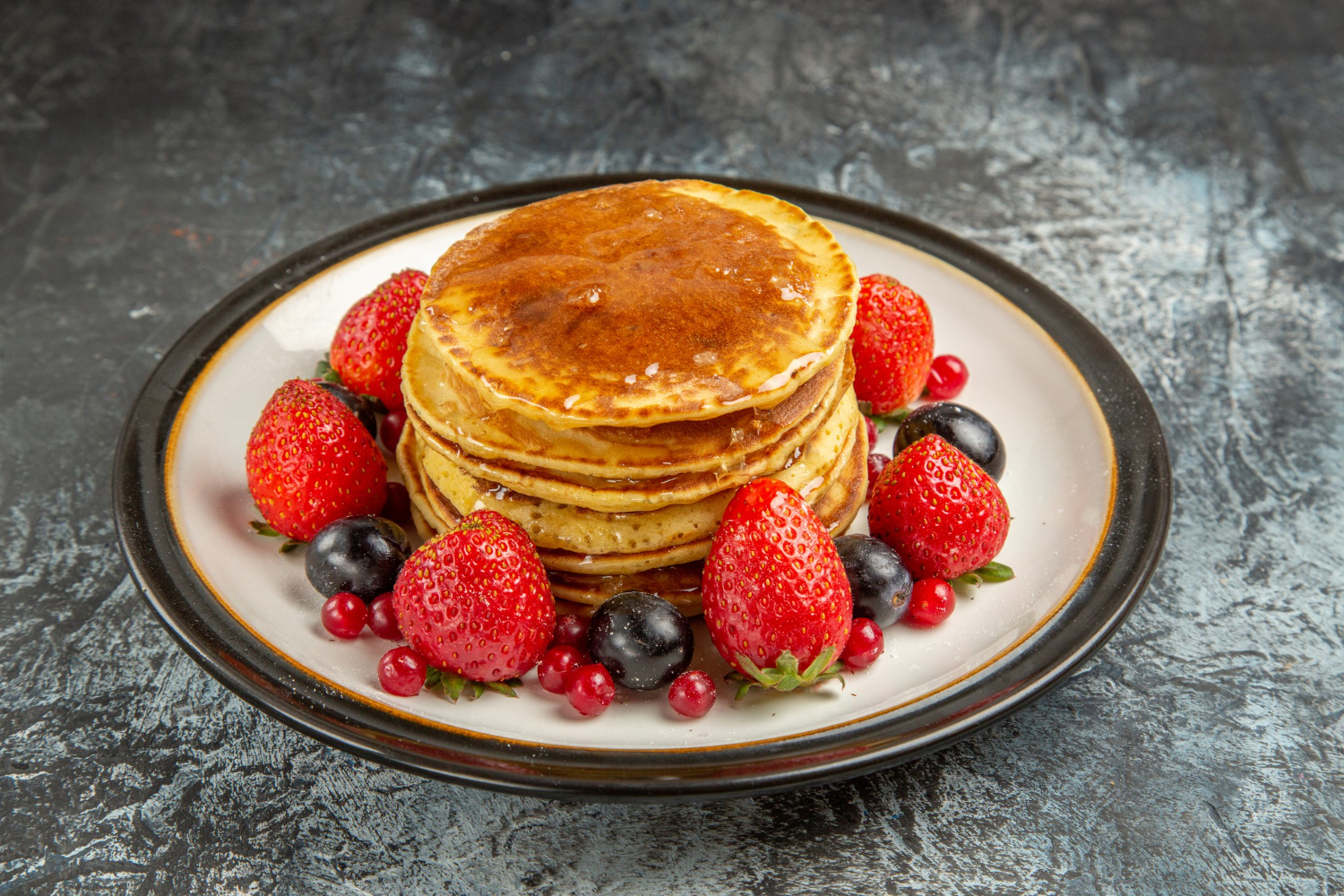
In much of Europe and beyond, ordering “American pancakes” gets you something specific: small, thick, fluffy stacks served with syrup, as opposed to the thin, crepe-style pancakes traditional in many countries. To Americans, these are just… pancakes. But because the fluffy, stacked breakfast version is so strongly associated with US diners and breakfast culture, much of the world distinguishes them with the “American” label to set them apart from local thin pancakes or crepes. You’ll see “American pancakes” on café menus across Europe, often presented as an indulgent treat. It’s a perfect example of how a perfectly ordinary American food becomes a distinct, slightly exotic novelty once it crosses the ocean and needs a name to tell it apart.
Like our content? Follow us for more.
The “American Fridge”

Here’s one that genuinely surprises US visitors: in the United Kingdom and elsewhere, a large, wide refrigerator-freezer, especially the side-by-side style with double doors and often an ice and water dispenser, is commonly called an “American fridge” or “American-style fridge freezer.” The reason is simple: these big fridges are strongly associated with the United States, where larger homes and kitchens made them standard, while traditionally smaller European kitchens favored more compact models. So the supersized fridge became shorthand for the American way of doing things. To an American, it’s just a normal refrigerator, but abroad, that extra size and those dispensers carry a distinctly “American” identity, a small monument to US bigger-is-better stereotypes.
“American” Coffee
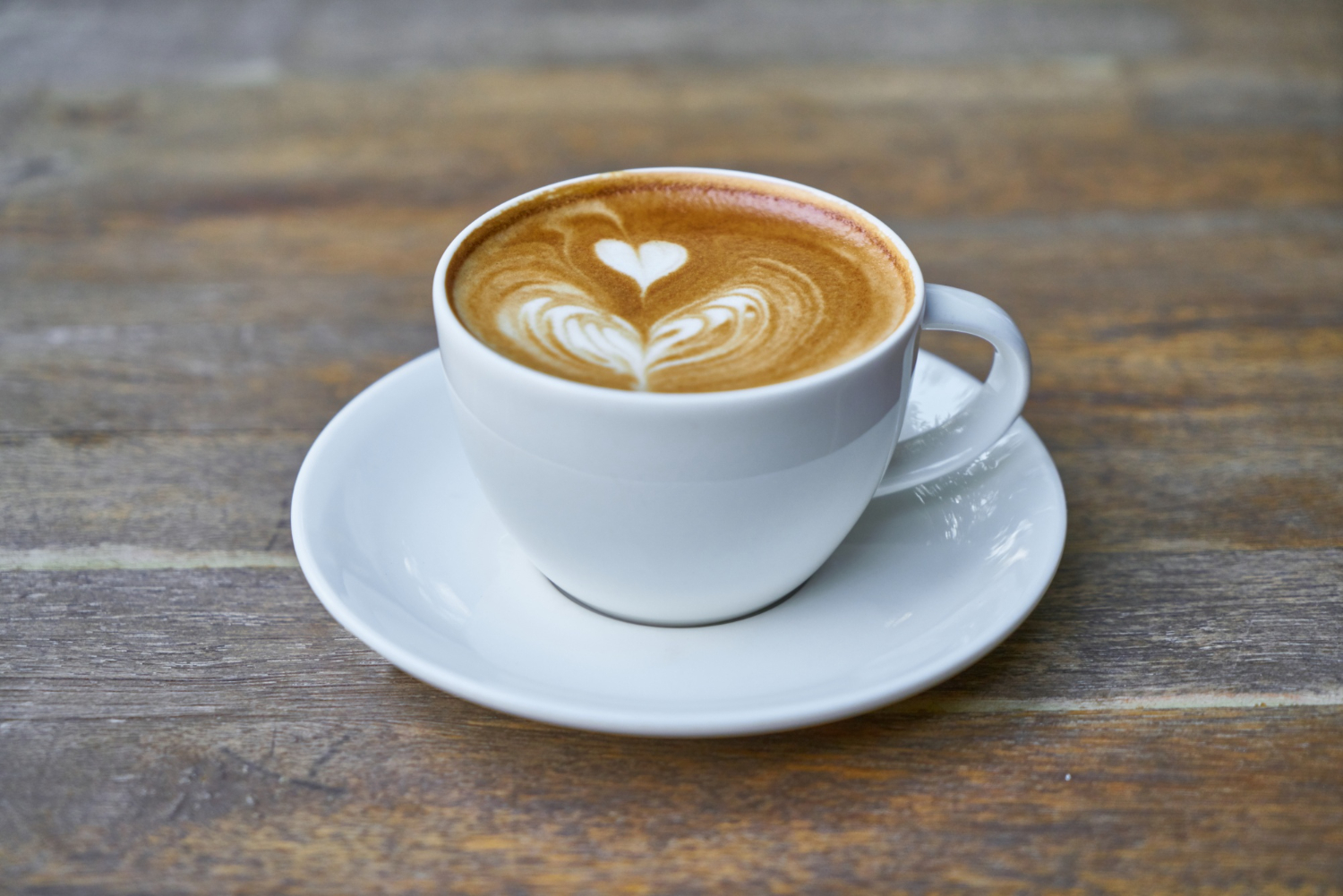
Walk into a café in Italy or much of Europe and ask for an “Americano,” and you’ll get espresso diluted with hot water to make a longer, milder drink. The name itself nods to the United States, the popular story being that American soldiers in Europe during the Second World War found local espresso too strong and added water to approximate the drip coffee they were used to back home. Whether or not that origin tale is entirely accurate, the result stuck: a watered-down espresso forever branded as the “American” way to drink coffee. It’s now a standard menu item worldwide. For a drink so tied to US identity in name, it’s ironic that most Americans have never called their regular coffee an “Americano.”
“American” Mustard
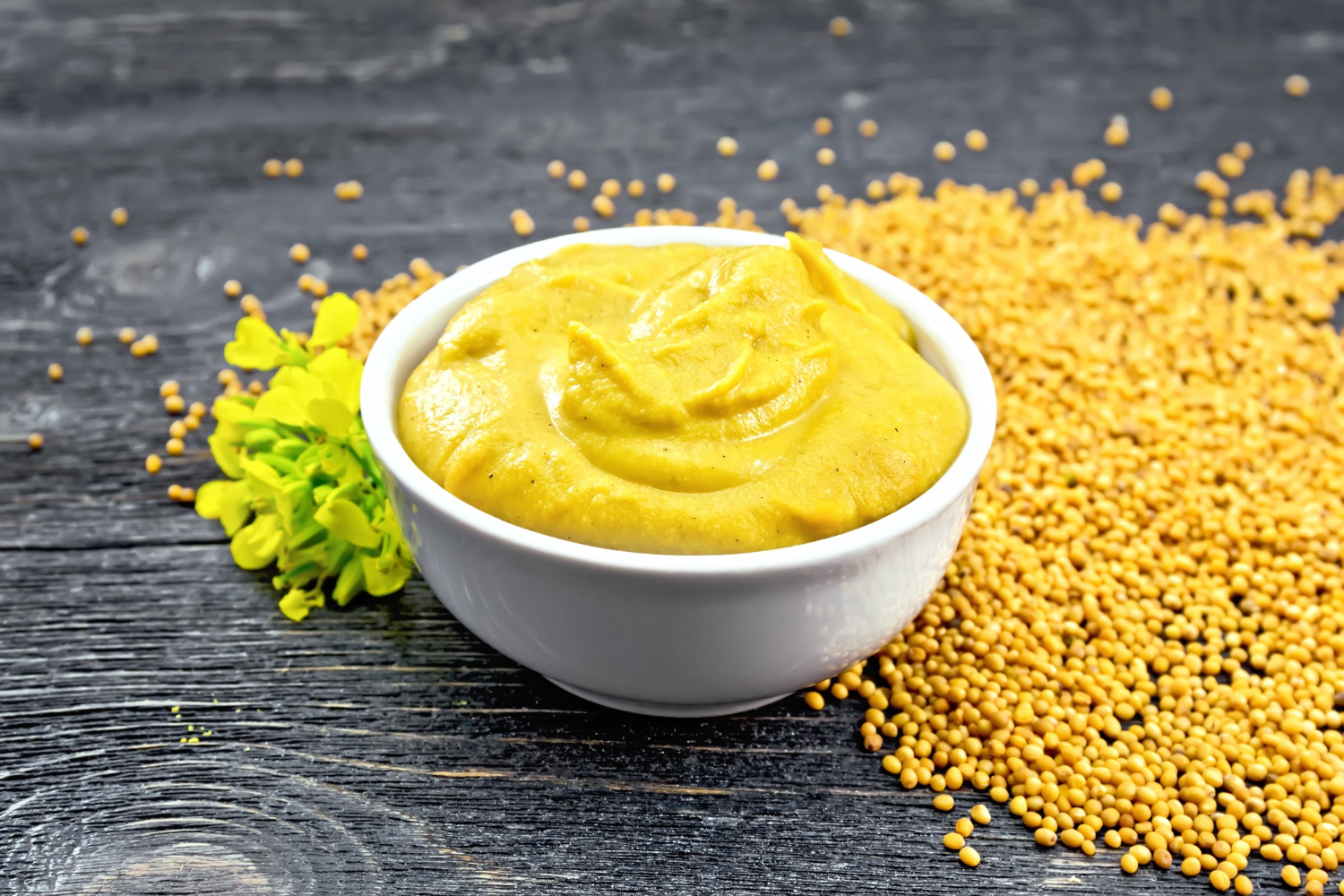
In many countries, “American mustard” refers to the bright yellow, mild, tangy condiment squeezed onto hot dogs and burgers, as distinct from the sharper, spicier mustards like Dijon or English mustard popular elsewhere. That smooth, sunny-yellow, mild mustard is so associated with US fast food and ballpark fare that it’s simply labeled “American” abroad to distinguish it from stronger local varieties. You’ll find it sold under that name in supermarkets across Europe. It’s another case of an everyday American staple becoming a defined “type” once it travels, with the country’s name doing the work of describing a specific flavor and color. To Americans, of course, it’s just the mustard that comes in the squeezy bottle.
Red Party Cups
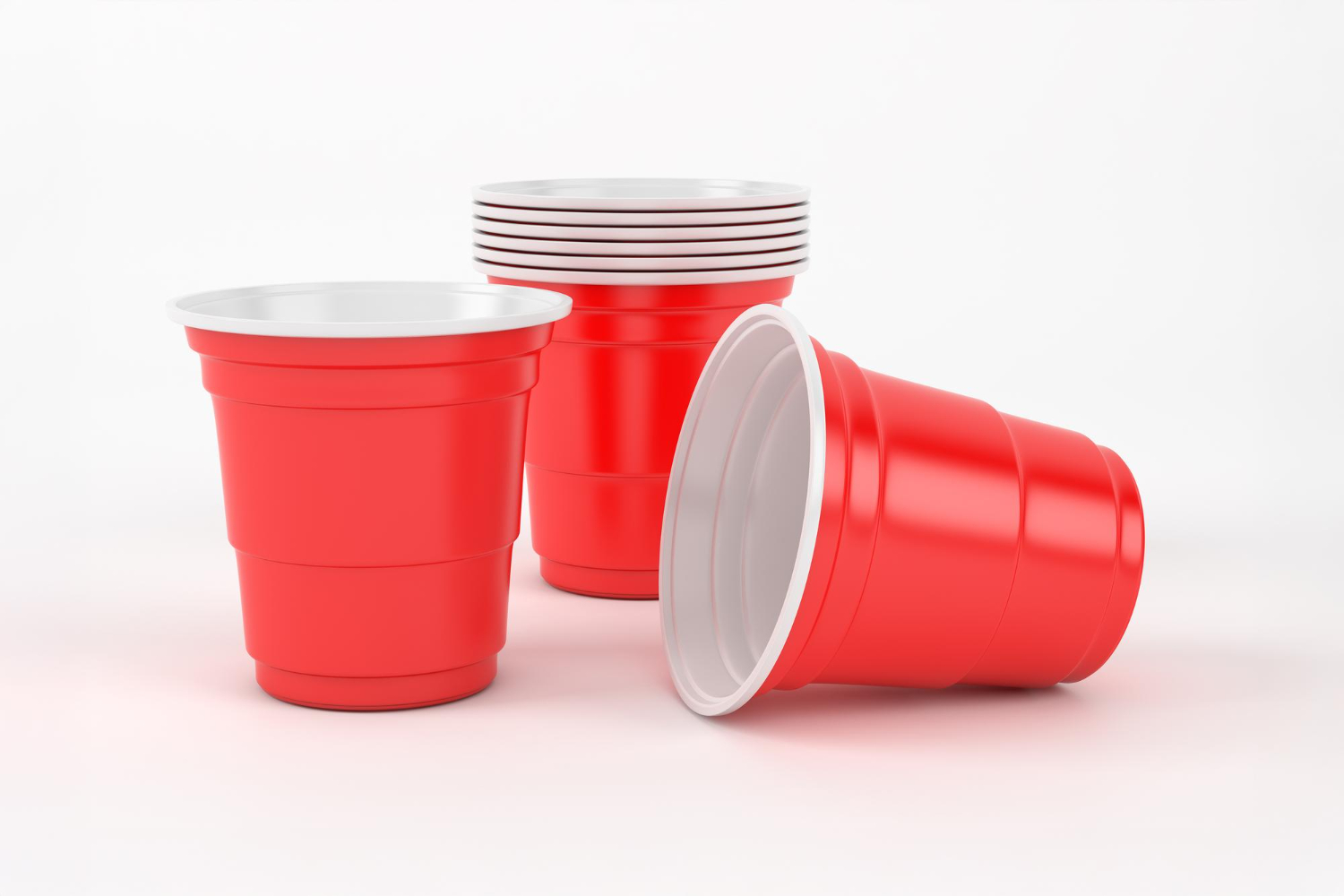
Few objects say “American party” to the rest of the world like the humble red plastic cup. Thanks to their constant appearance in US movies and TV shows, especially college and house-party scenes, these disposable red cups have become an internationally recognized symbol of American-style partying. In many countries, people actually seek them out and buy them specifically to throw “American-themed” parties, treating an ordinary, cheap piece of disposable tableware as an exotic cultural icon. It’s a striking example of how US pop culture exports even the most mundane objects as aspirational novelties. To Americans, the red cup is utterly unremarkable; everywhere else, it’s a ready-made shorthand for a particular, movie-fueled vision of American fun.
The “American” Breakfast
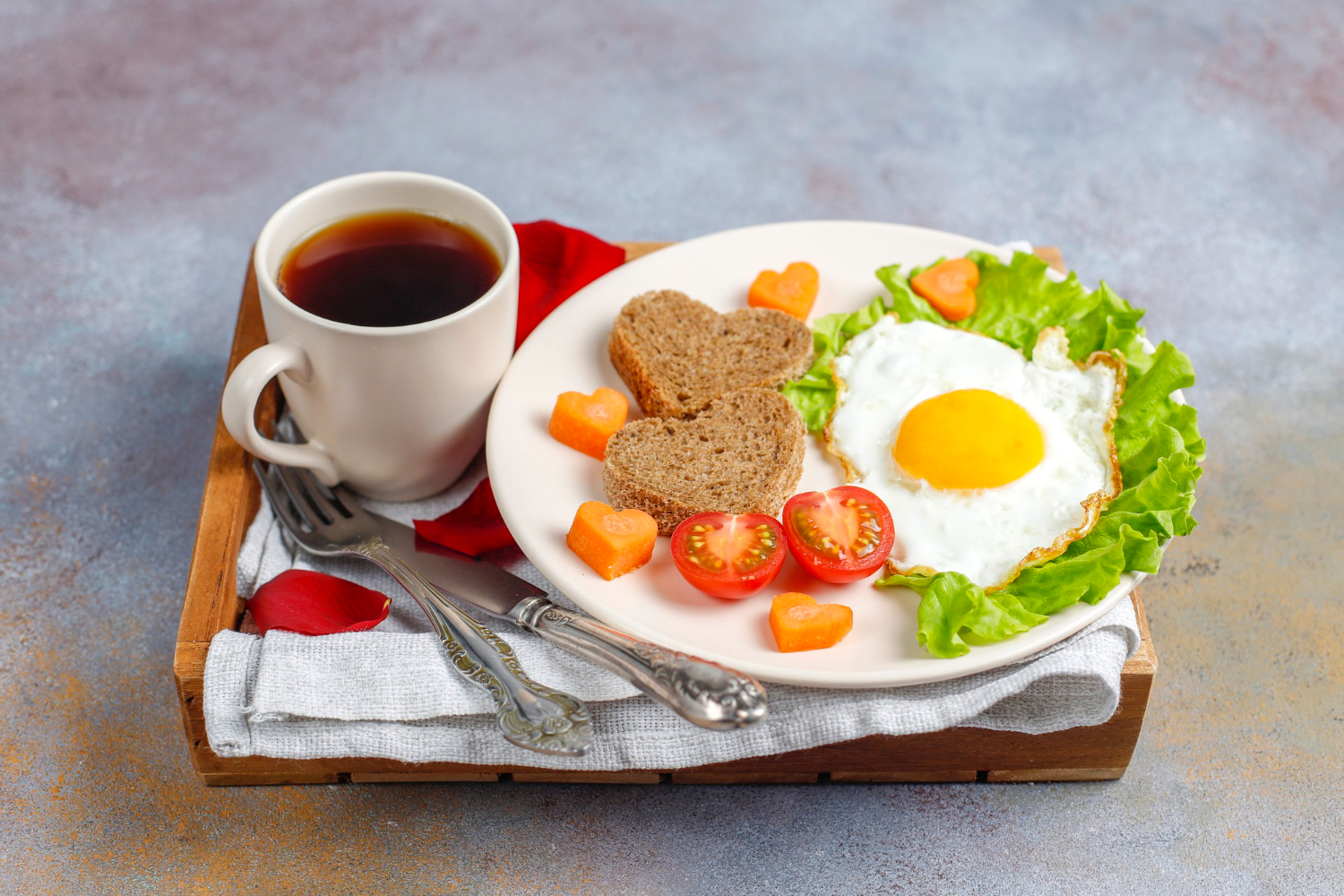
Hotels and cafés around the world advertise an “American breakfast,” typically meaning a hearty spread of eggs, bacon or sausage, toast, pancakes, and coffee, in contrast to a lighter “continental breakfast” of pastries, bread, and jam. The big, savory, protein-heavy morning meal became so associated with the United States that it earned its own category on international hotel menus. Whether or not most Americans actually eat that elaborately every morning, the abundant cooked breakfast became the global stereotype of how the US starts its day. It’s now a familiar option for travelers everywhere, a reliable signal that you’re in for a substantial, indulgent meal rather than a quick croissant and espresso.
“American” Diners and Restaurants
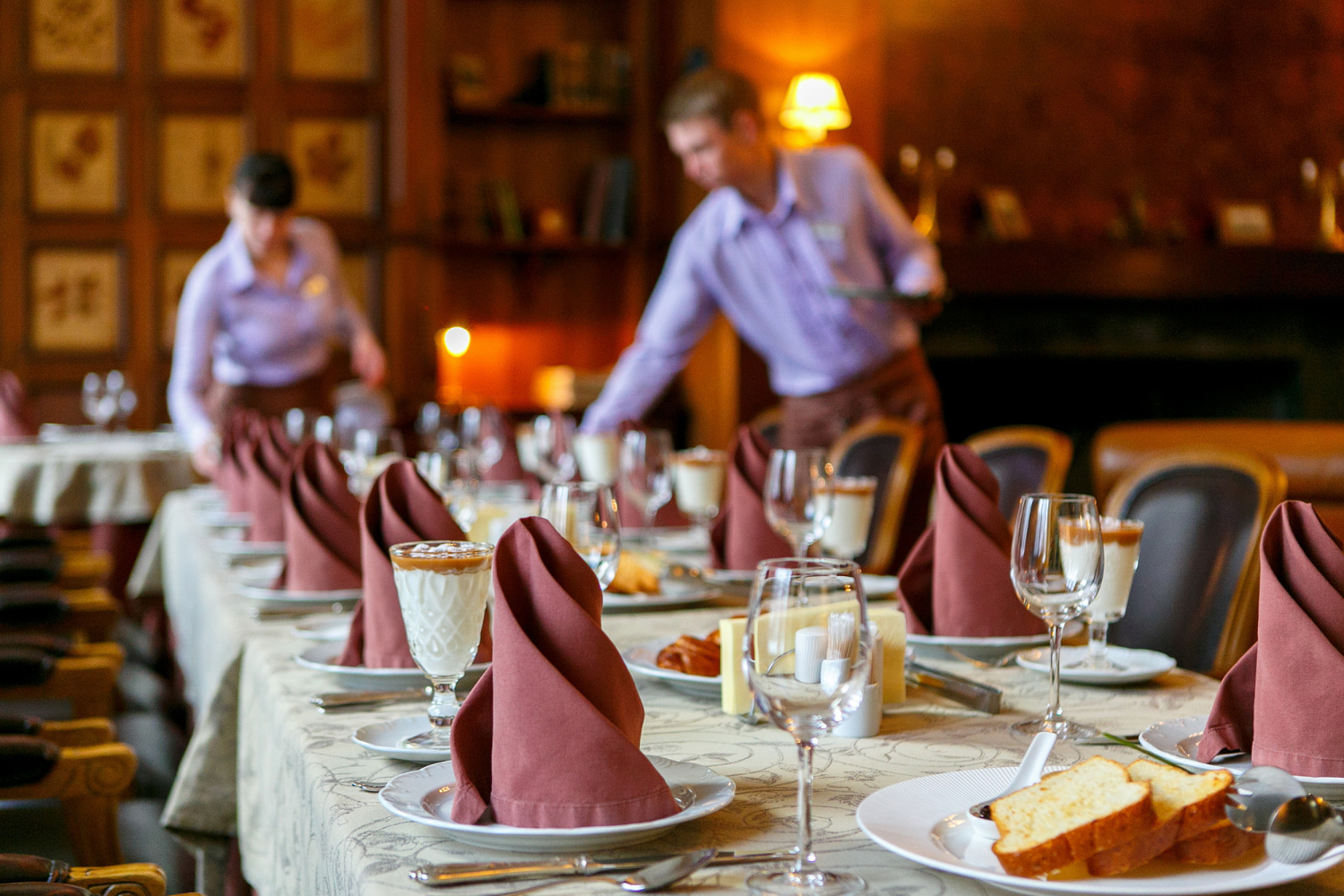
In countless countries, you’ll find restaurants styled as “American diners,” complete with red vinyl booths, chrome accents, jukeboxes, milkshakes, burgers, and a retro 1950s aesthetic. These themed eateries package a nostalgic, idealized vision of mid-century American culture, often more polished and stylized than any real diner in the US today. The “American diner” has become a globally understood concept, a fun, kitschy night out built around the romance of classic Americana. It shows how powerfully US pop culture, especially from films and television, has exported a specific, frozen-in-time image of America that the rest of the world happily recreates, even as the actual diners that inspired it grow rarer back home.
“American” Cookies and Muffins
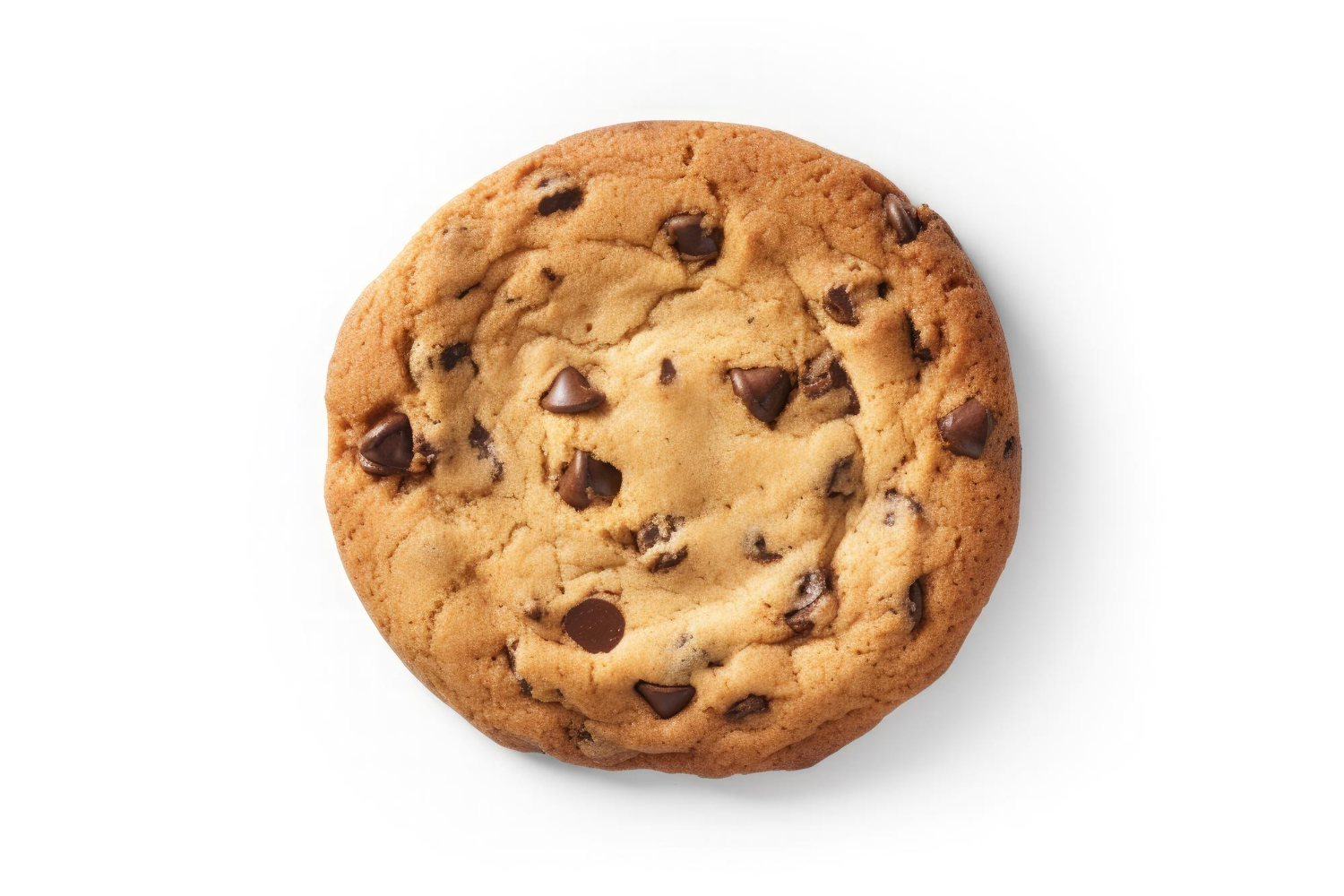
In many parts of the world, “American cookies” means big, soft, chunky chocolate-chip cookies, as opposed to the crisp, thinner biscuits traditional in places like Britain. Likewise, large, domed, sweet “American muffins” are distinguished from the flat English muffin entirely. Both treats are so tied to US baking, supersized, sweet, and indulgent, that the “American” label signals their generous size and richness. Bakeries and cafés abroad proudly advertise “American-style” cookies and muffins as a particular, crave-worthy category. It’s yet another instance of familiar US foods being recast as a distinct, slightly decadent novelty once they leave home, with the country’s name serving as a one-word promise of something big, sweet, and satisfying.
The “USA” Supermarket Aisle

Many supermarkets around the world feature a dedicated “American food” section, a small shrine to US snacks and groceries that locals regard as exotic imports. Stocked with things like peanut butter, marshmallow fluff, brightly colored cereals, pancake mix, candy, and sodas, these aisles treat everyday American pantry staples as special, novelty foreign products, often at premium prices. For homesick US expats and curious locals alike, the “American aisle” is a destination. It’s a vivid reminder that the ordinary contents of a typical US kitchen, things Americans wouldn’t think twice about, become objects of fascination and indulgence abroad. One country’s grocery basics are another country’s imported treats, repackaged under the banner of “American.”
A Funny Mirror on America
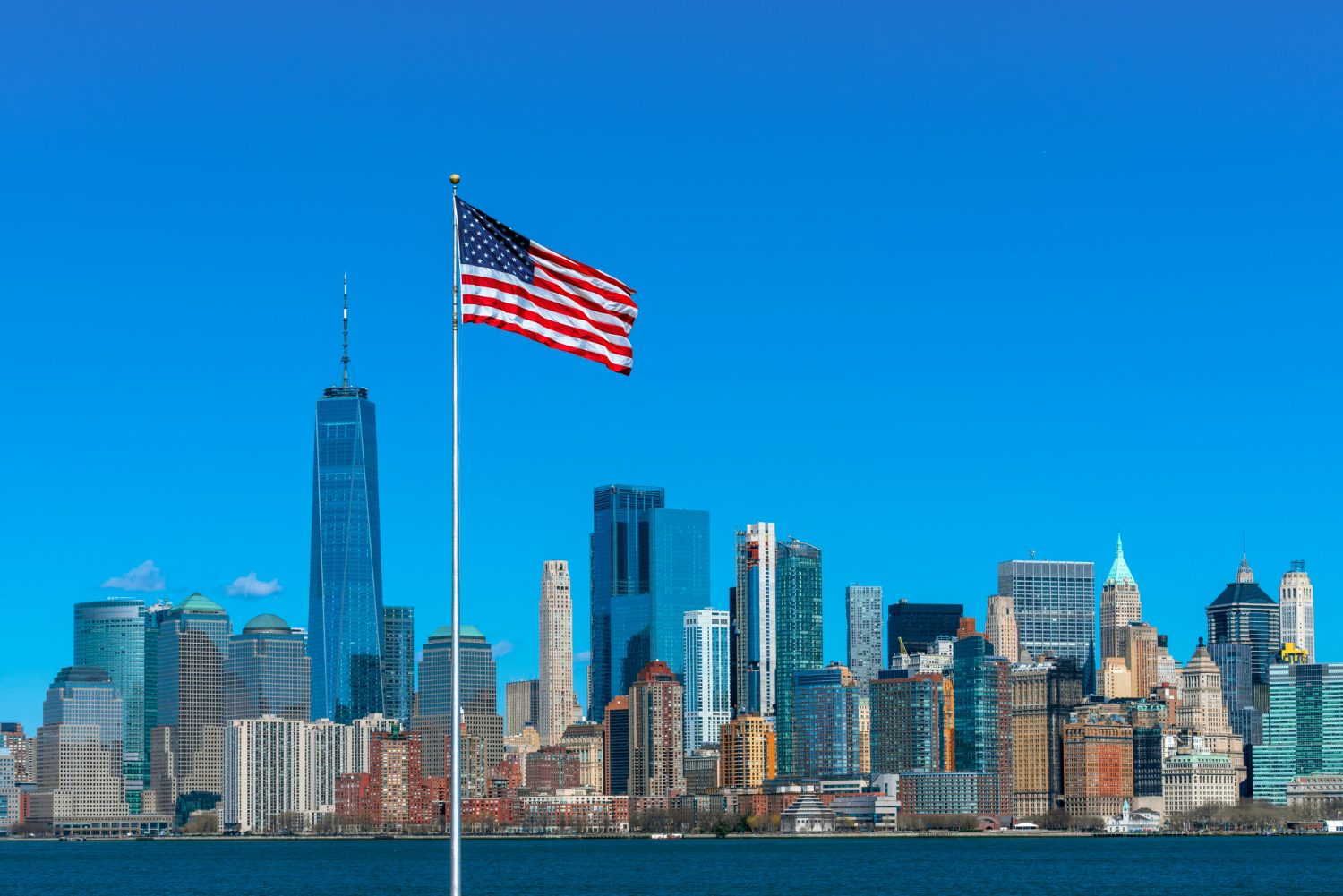
Taken together, all these “American” labels form a funny, revealing mirror on how the United States is seen from the outside. Notice the pattern: the things branded “American” abroad tend to be big, sweet, indulgent, oversized, or pop-culture-driven, fluffy pancakes, giant fridges, huge cookies, party cups from the movies. It’s a perception shaped heavily by Hollywood, fast food, and a reputation for doing things on a grand scale. Some of it is accurate, some exaggerated, and some only loosely connected to real American life. But that’s exactly what makes it so entertaining to encounter while traveling. The next time you spot something unexpectedly labeled “American” abroad, enjoy the glimpse it offers into how the world imagines the USA.
Like our content? Follow us for more.