

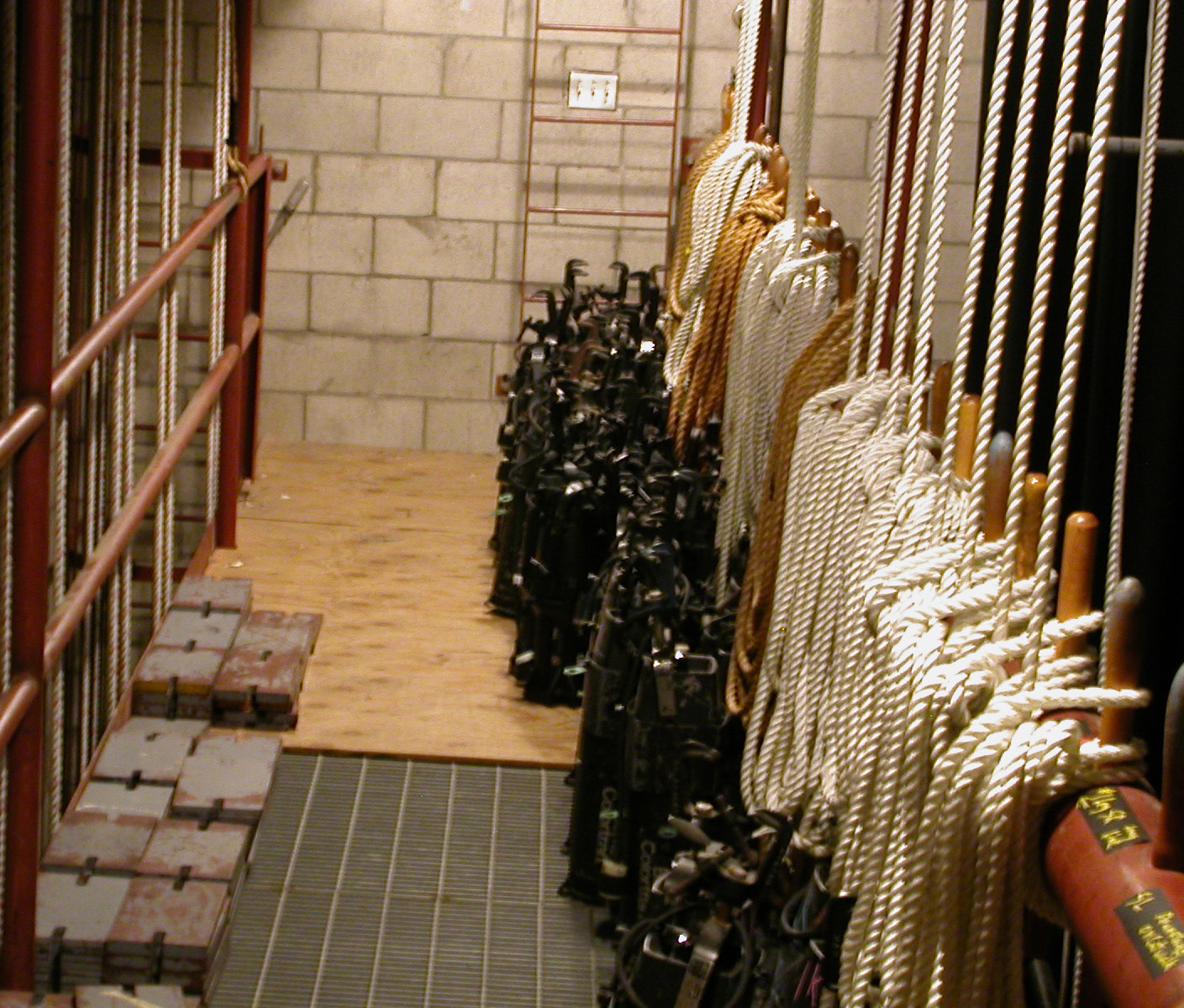
In 1960 a working theatre flew its scenery on hemp rope hauled by hand, loaded iron counterweights from an unguarded gallery several storeys up, lit the stage with lanterns hot enough to start a fire, and dimmed them by burning off electricity as heat in a room nobody could stand in.
The show was called by one person with a book and a bell, the company performed one play while rehearsing the next, and the set was built downstairs by the theatre’s own carpenters.
Here are seventeen things that happened backstage in 1960, and what each one became.
1. Scenery Was Flown by Men Hauling on Ropes by Hand
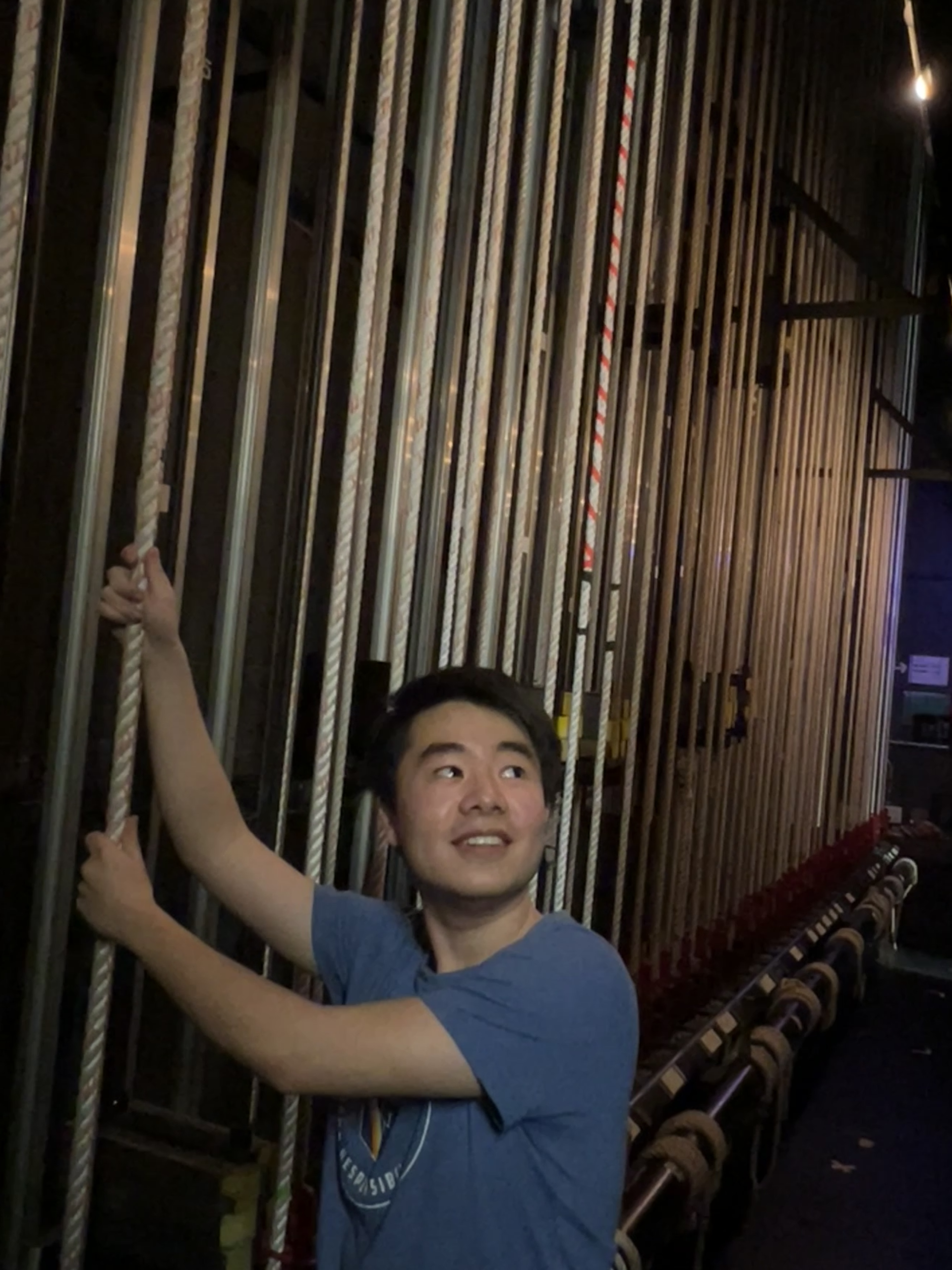
Above the stage, scenery hung from bars counterweighted with iron and raised by crews pulling hemp lines from a fly floor at the side. A flyman learned his cues by heart and hauled on the word, with several men on a heavy piece.
Counterweight systems with proper locking rails, and then motorised hoists with position control and load monitoring, replaced hand hauling. A modern fly tower lifts scenery to a programmed position at a programmed speed. The hemp house survives in a small number of historic theatres and is operated by people who are genuinely proud of it, which is appropriate – it is a skill, and it is also an enormous mass suspended over people’s heads on rope.
Like our content? Follow us for more.
2. The Loading Gallery Was Stacked With Iron and Nobody Was Tied On
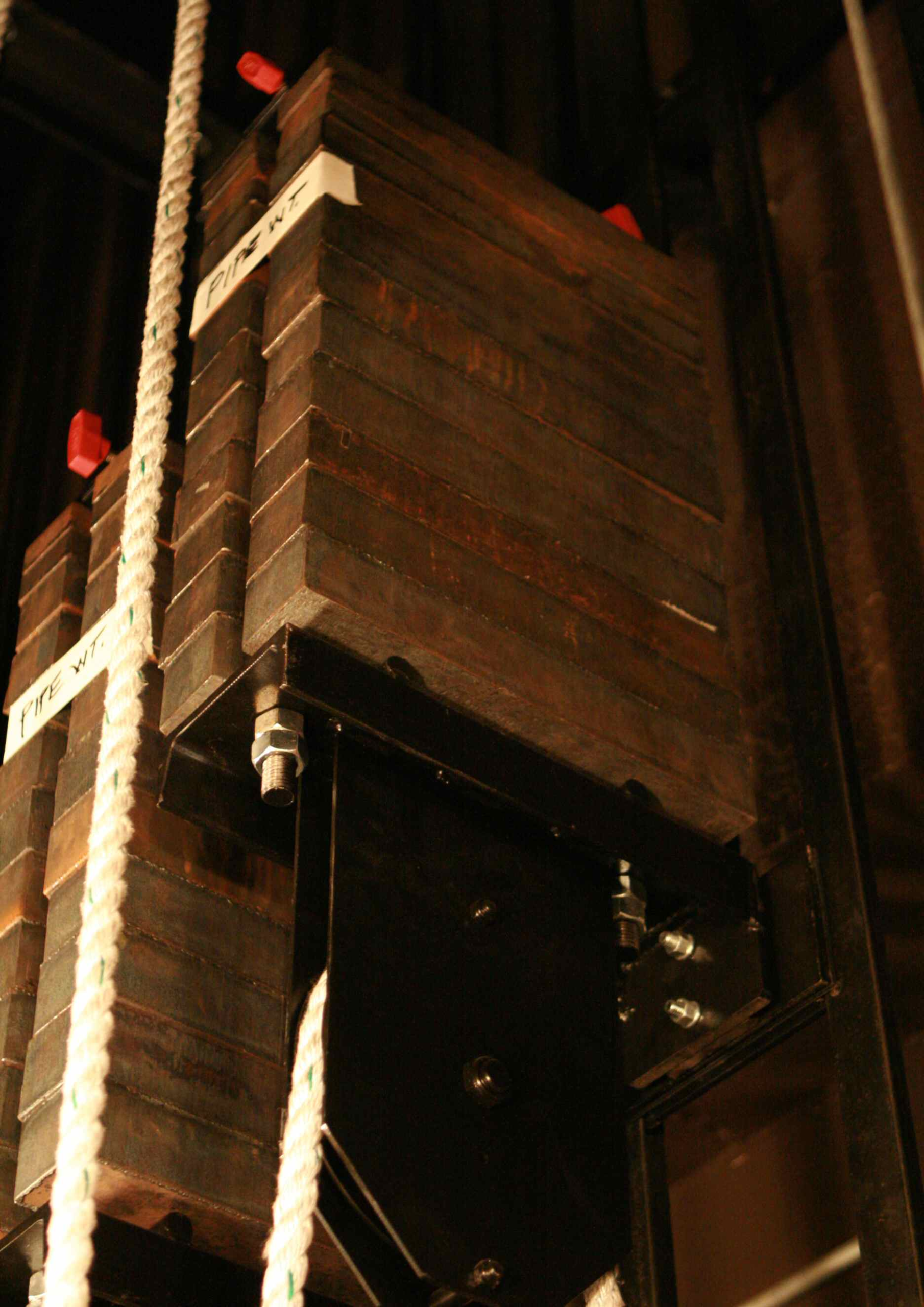
Counterweights were loaded by hand onto cradles from a narrow gallery high above the stage, matching the weight of whatever had been hung below. The men did it standing on a plank walkway with a low rail, lifting iron bricks, several storeys up.
Loading galleries are now built to proper standards with full edge protection, weight is tracked on paperwork, and in motorised houses the problem does not arise at all. Dropped counterweights from a loading gallery are one of the characteristic serious accidents in theatre, and the protections exist for exactly that reason.
3. The Lighting Was Hot Enough to Set Things Alight and Frequently Did
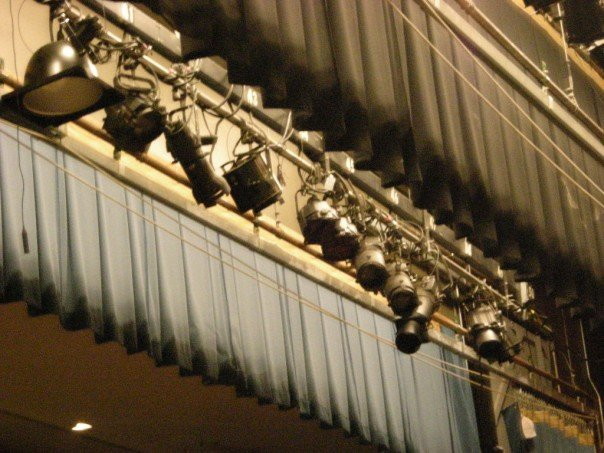
Stage lanterns were high-wattage tungsten, and colour came from gelatine – which is what the word gel still refers to – a material that faded, buckled and burned. Lanterns were hot enough to burn a hand badly and to ignite anything resting against them.
Polyester and polycarbonate filters replaced gelatine, then LED fixtures removed almost all of the heat and most of the power. A modern rig can change colour instantly without anybody climbing to it, which has transformed both what is possible and how many people are needed in the roof during a performance.
4. Dimming Was Done by Resistance, and the Dimmer Room Was an Oven
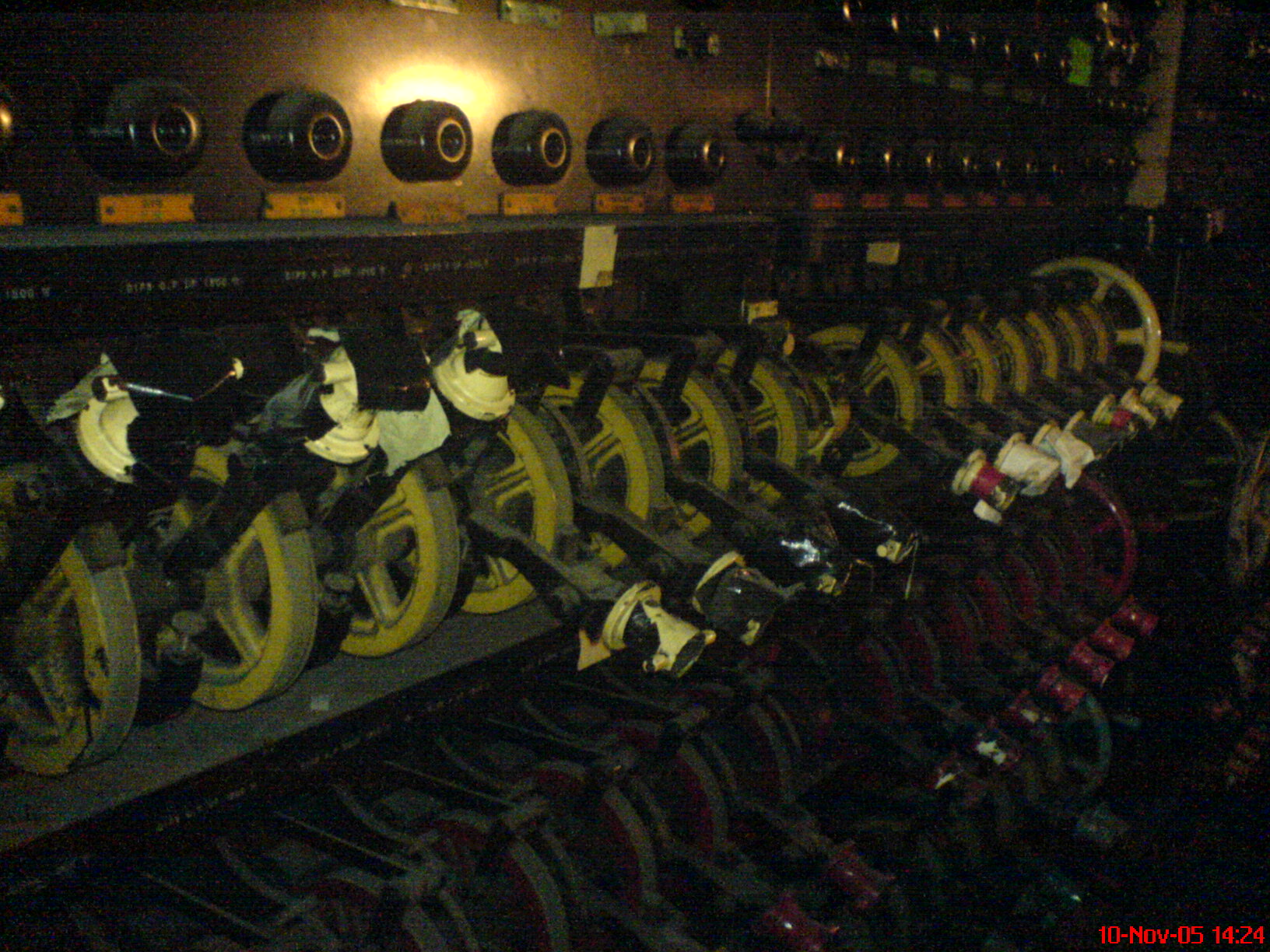
Early dimming worked by putting resistance in series with the lamp and burning off the excess as heat, operated by a board with large levers and in some houses a bank of saltwater dimmers. An operator physically moved the levers in a sequence, and the room was intolerably hot.
Thyristor dimming and then LED fixtures with digital control ended it. A modern lighting desk records every state and runs the show from a cue list, which means a complex lighting plot is executed identically every night by one person pressing a key. The old board required somebody to perform the lighting live, and the operator was effectively a musician.
5. Flash Powder, Open Flame and Real Smoke Were All Routine
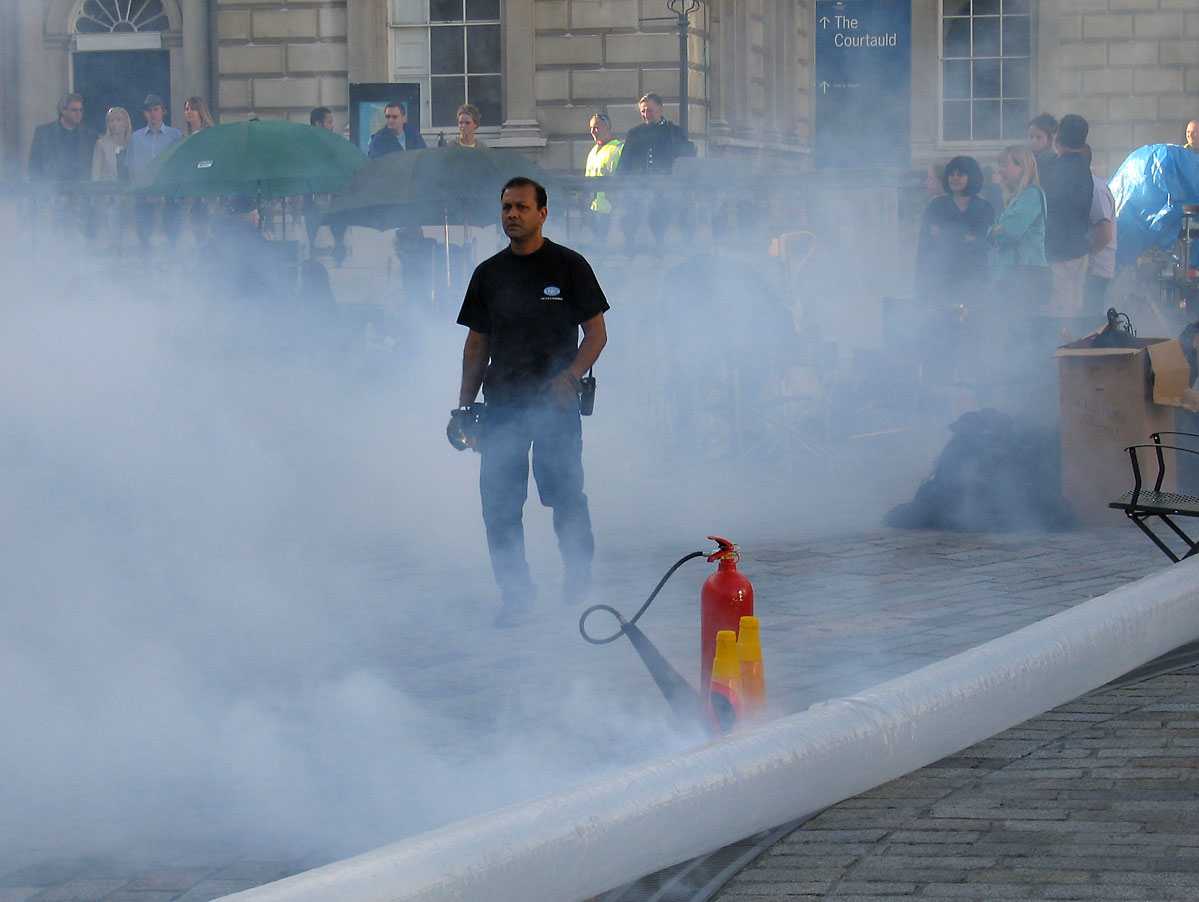
Pyrotechnic effects used powder charges fired by hand. Smoke came from burning material or from oil-based machines. Candles and oil lamps appeared on stage as props and were lit. Fire safety consisted of a man with a bucket and a cast-iron safety curtain.
Pyrotechnics are now a licensed activity with specified products, distances, permits and trained operators. Smoke is produced by glycol or mineral oil machines with disclosed composition, and ventilation is accounted for. The iron safety curtain remains, is still tested, and is still lowered in front of the audience at some point during the evening in houses that have one – one of the oldest safety requirements in any public building, and one of the few that audiences still see working.
6. The Set Was Built in a Workshop Under the Stage by the Theatre’s Own Carpenters
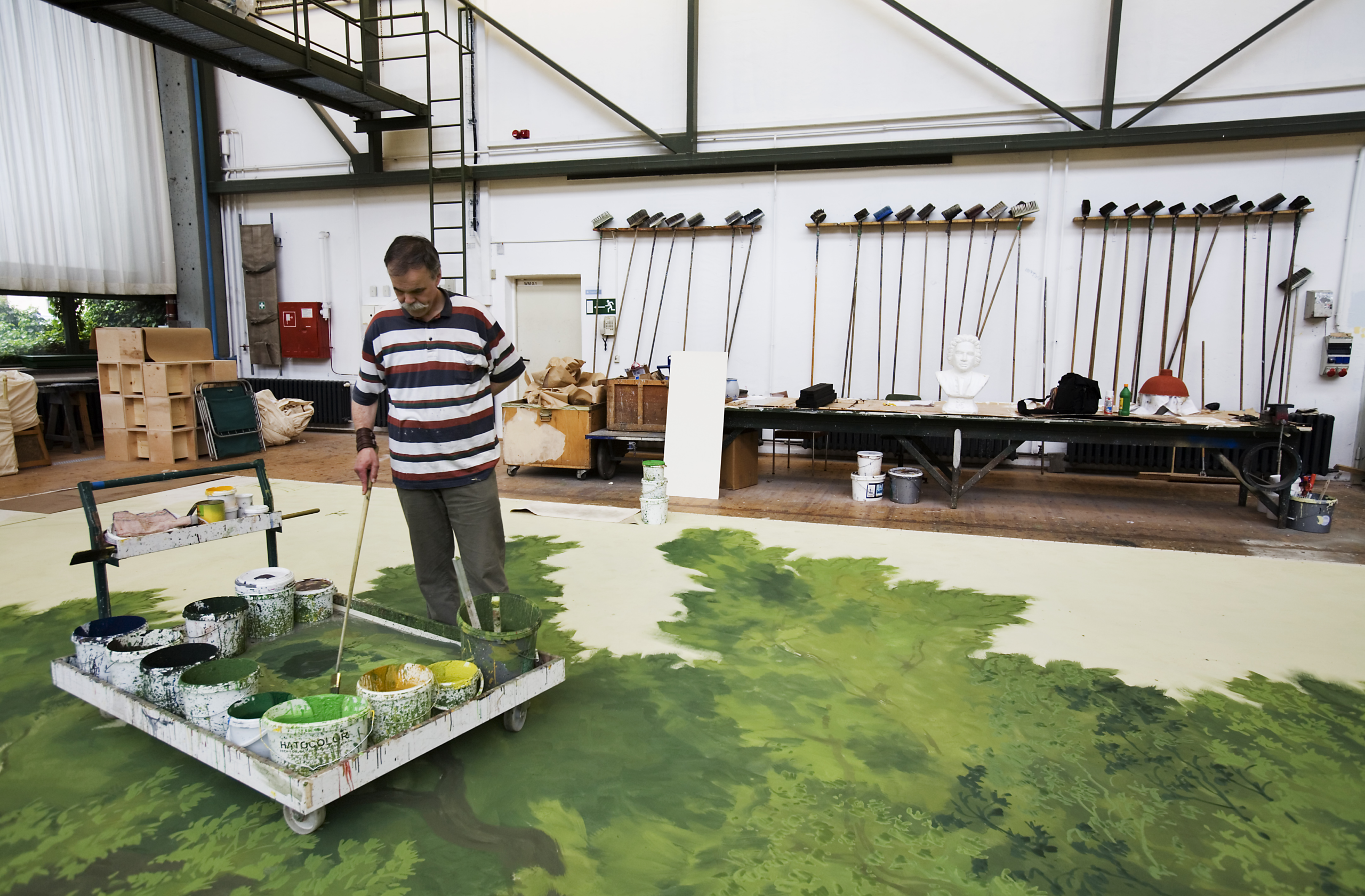
A producing house had its own scenic workshop, carpenters, scenic artists and property makers, building each show from drawings. Scenery was timber framed and canvas covered, painted with size and pigment mixed on site.
Most of that moved to specialist scenic contractors serving many productions, and materials changed to steel, plywood and composites. Building in-house survives at a number of producing theatres and is a genuine advantage for them. The scenic artist painting a cloth on the floor with a long-handled brush is still exactly the same job, which is one of the few things on this list that has not changed at all.
7. Cues Were Given by a Prompter With a Book and a Bell
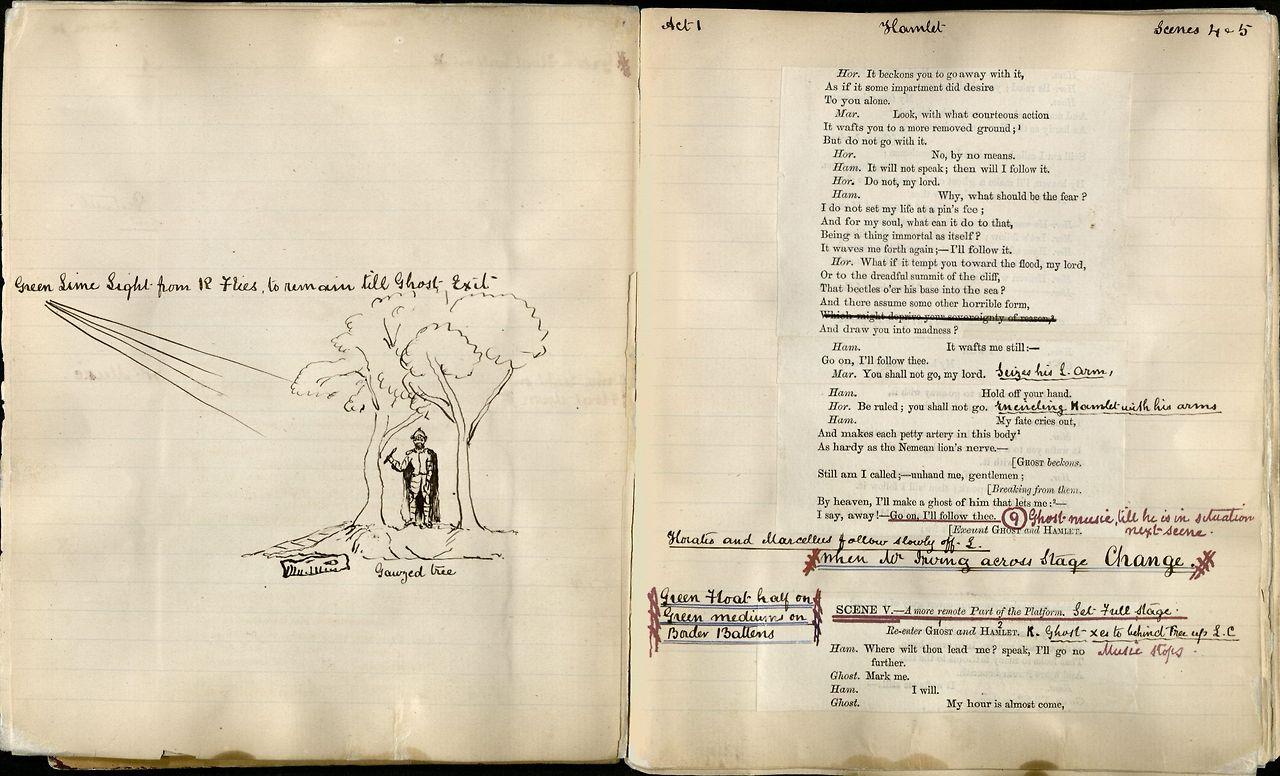
The show was run from the prompt corner by one person with a marked-up script, giving cues by cue light, by bell, by buzzer and by voice, and prompting actors who dried. Everybody took their cue from that one book.
The job still exists and is the single most important person during a performance, now working from a desk with headset communications to every department, video relay, and in large productions a computer that fires sequences on a single command. What has not changed is that one person calls the show from a marked script, which is why the book is still called the book.
8. Everybody Lived In the Building and Half of Them Slept There
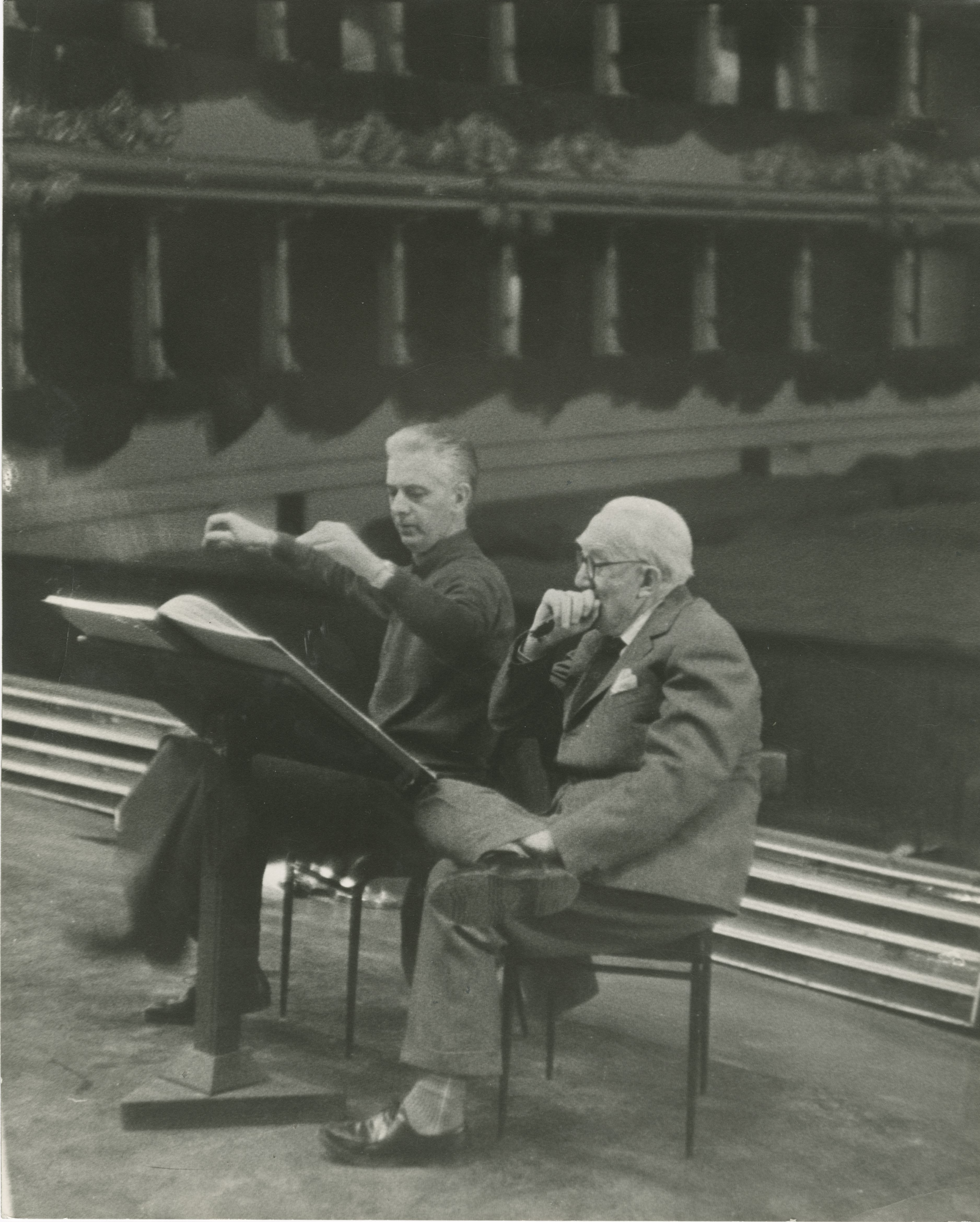
Repertory companies worked a relentless cycle – performing one play in the evening, rehearsing the next during the day, and preparing a third – which meant actors and crew were in the building for most of their waking lives, with a fortnightly or even weekly change of production.
Weekly repertory has essentially gone, and rehearsal periods are longer, which produces better work and far less of it. The system had real virtues – it trained an enormous number of actors, technicians and directors very fast, through sheer volume – and its disappearance is one of the most discussed changes in the profession, because nothing has replaced it as a training ground.
9. Understudies Went On With Almost No Rehearsal
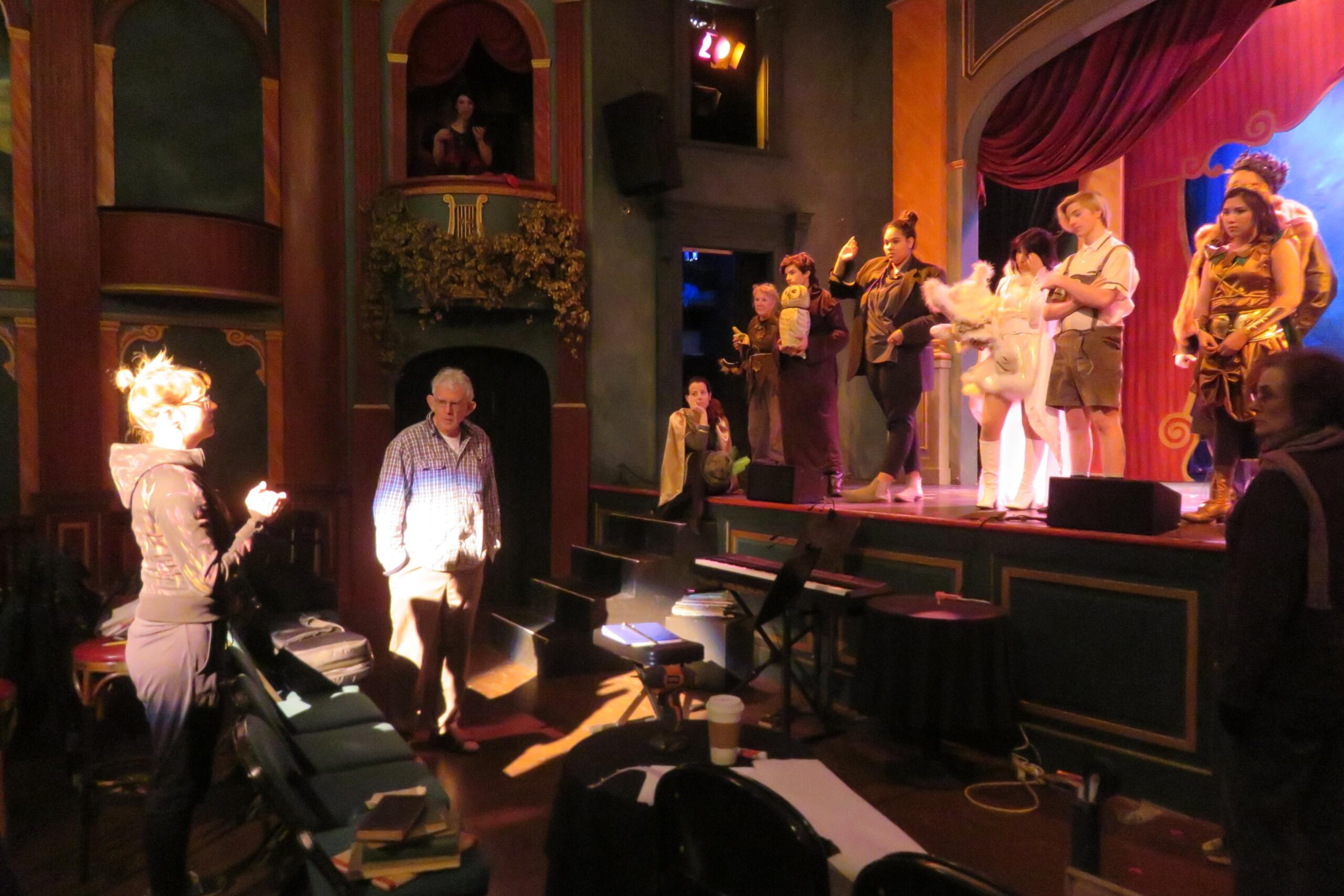
Cover was expected and was frequently under-rehearsed. An understudy might have walked the moves once and otherwise learned the part from the side of the stage, and would go on that evening with the company finding out at the half.
Understudy rehearsal is now scheduled, contractual and taken seriously, with proper calls and technical time. It is better for everybody and it is also expensive, which is why the number of productions that carry full cover at all has fallen – the roles that would once have been covered by a company member are now sometimes not covered.
10. The Get-In and the Get-Out Ran Through the Night
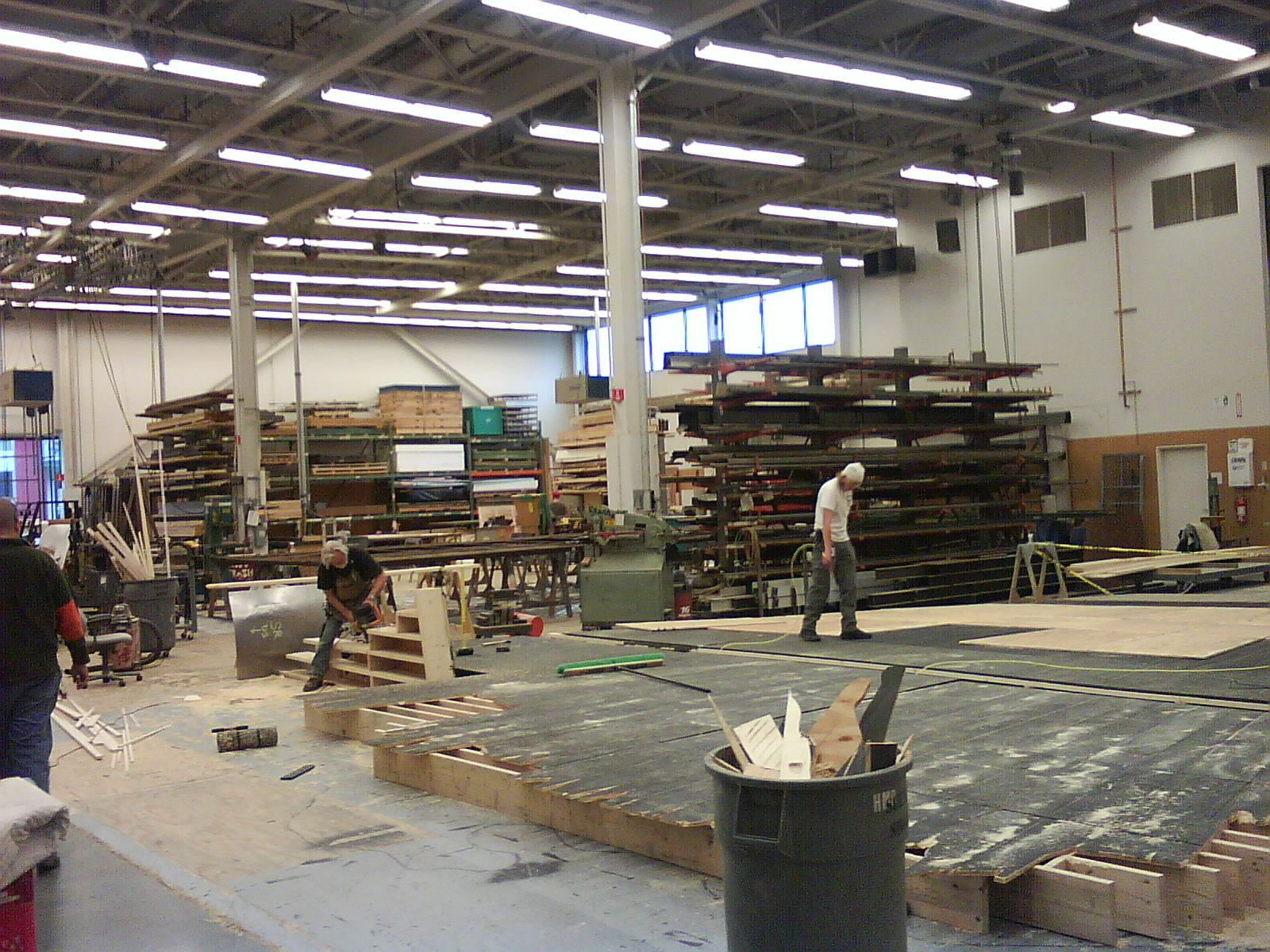
Changing a production meant striking one set and installing the next, frequently overnight after a final performance and before a first rehearsal, with a crew working twelve or eighteen hours straight, at height, with heavy timber, in a building full of obstacles.
Overnight get-outs still happen and are still hard, but working time regulation, mandatory breaks, proper lifting equipment and realistic scheduling have changed the worst of it. Fatigue in technical crews during changeovers is a recognised safety issue in the industry and is now planned around rather than endured.
11. The Stage Had a Rake and Everybody Just Dealt With It
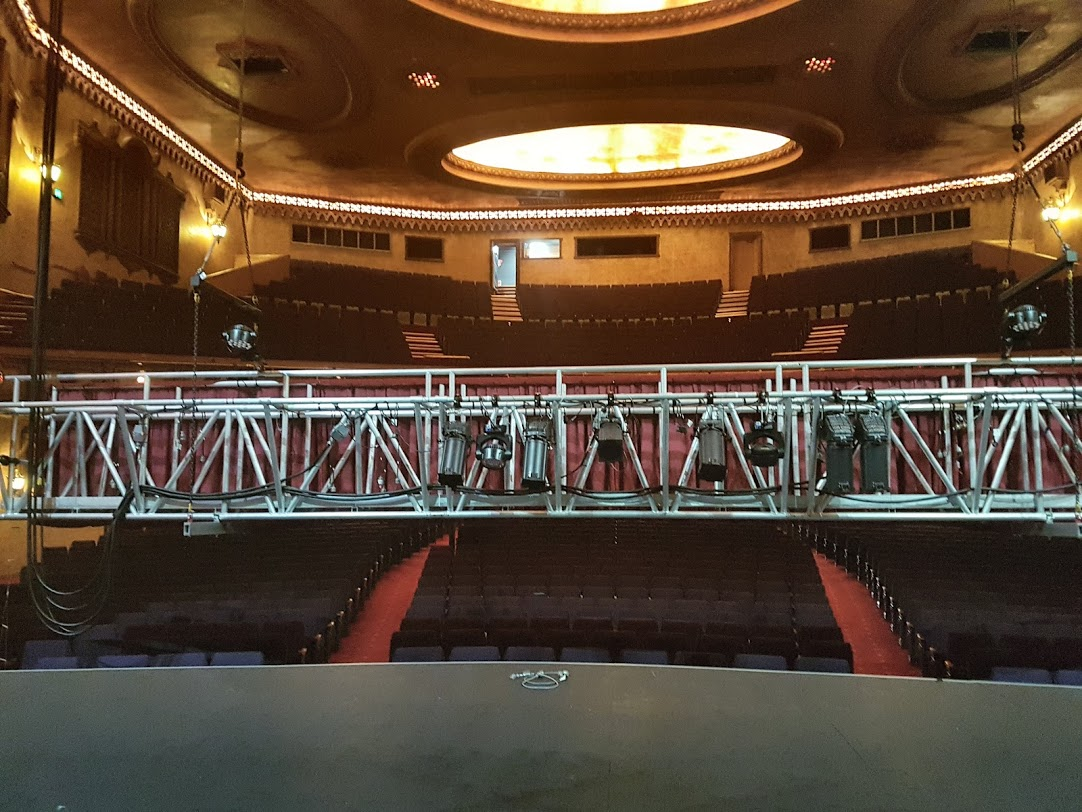
Older theatres have a raked stage – sloping down towards the audience – which is where the words upstage and downstage come from. Actors, dancers and crew worked on a slope, and furniture had to be built with legs of different lengths.
New theatres are built with flat stages and raked auditoria instead, which is better for performers’ knees and ankles. The historic raked stages remain in the old houses, and dancers in particular will tell you exactly what a raked stage does to a body over a season – which is the reason the convention changed.
12. Asbestos Was in the Safety Curtain and in the Fabric of the Building
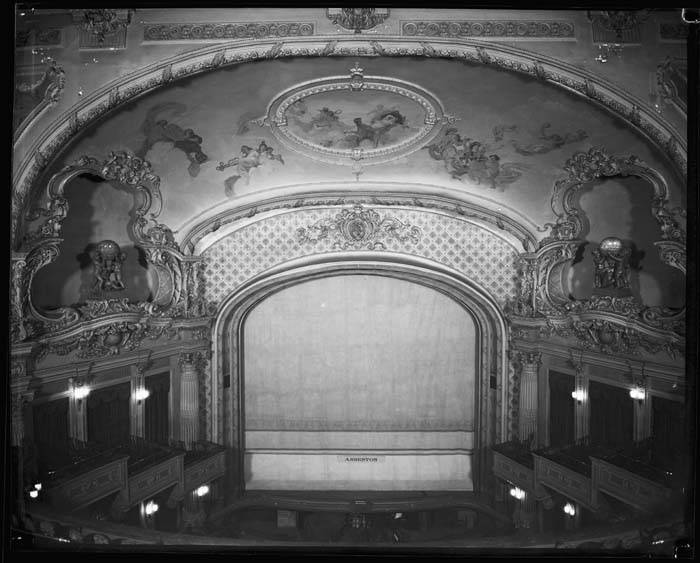
The fire curtain was known as the iron and was frequently asbestos-based or asbestos-lined, and the material appeared throughout older theatres in lagging, boarding and fireproofing.
This is included as occupational history. Asbestos was prohibited for new use and theatres carry management plans and registers like any other old building, with removal or encapsulation where it is disturbed. Anybody who worked in older theatre buildings and is concerned about exposure should raise it with their own doctor rather than with an article.
13. Communication Was Shouting, Bells and a Tin Speaking Tube
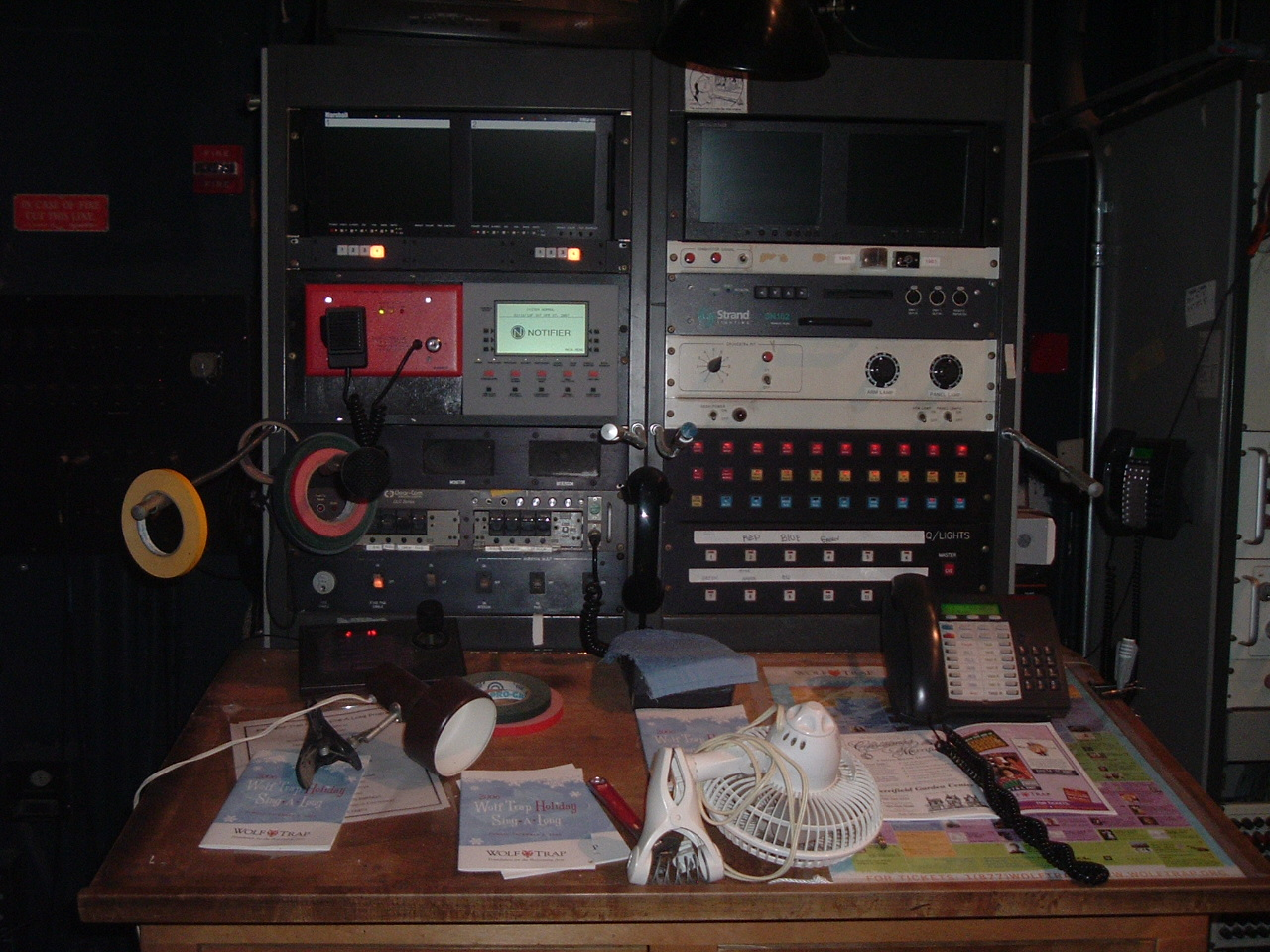
Before headsets, departments communicated by bell signals, by cue light, by voice down a tube, and by somebody running. Coordinating a scene change between the fly floor, the stage, the lighting box and the prompt corner was done without anybody being able to talk to anybody.
Ring intercom with headsets to every position transformed how a show is run, and is one of those changes that is invisible to an audience and enormous backstage. It also made larger and faster scene changes possible, because the whole crew can be given a single instruction simultaneously.
14. Dressing Rooms Were Shared, Cold and Several Floors Up
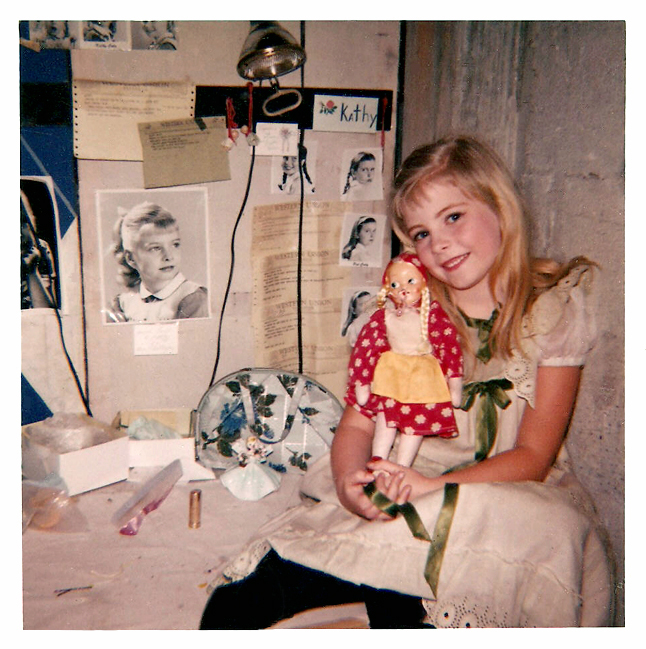
Accommodation backstage was ranked by seniority, with the chorus several storeys up, shared, unheated and with limited sanitary provision. Quick changes happened in the wings behind a flat with whoever was standing there.
Dressing room standards, provision for quick changes, and basic facilities are now covered by agreements between producers and performers’ unions, and new buildings are designed with them. Older theatres remain constrained by their fabric, which is the honest position – a listed Victorian building cannot easily acquire the backstage space it was never given.
15. The Scene Dock Doors Opened Onto the Street and the Set Came Through Them
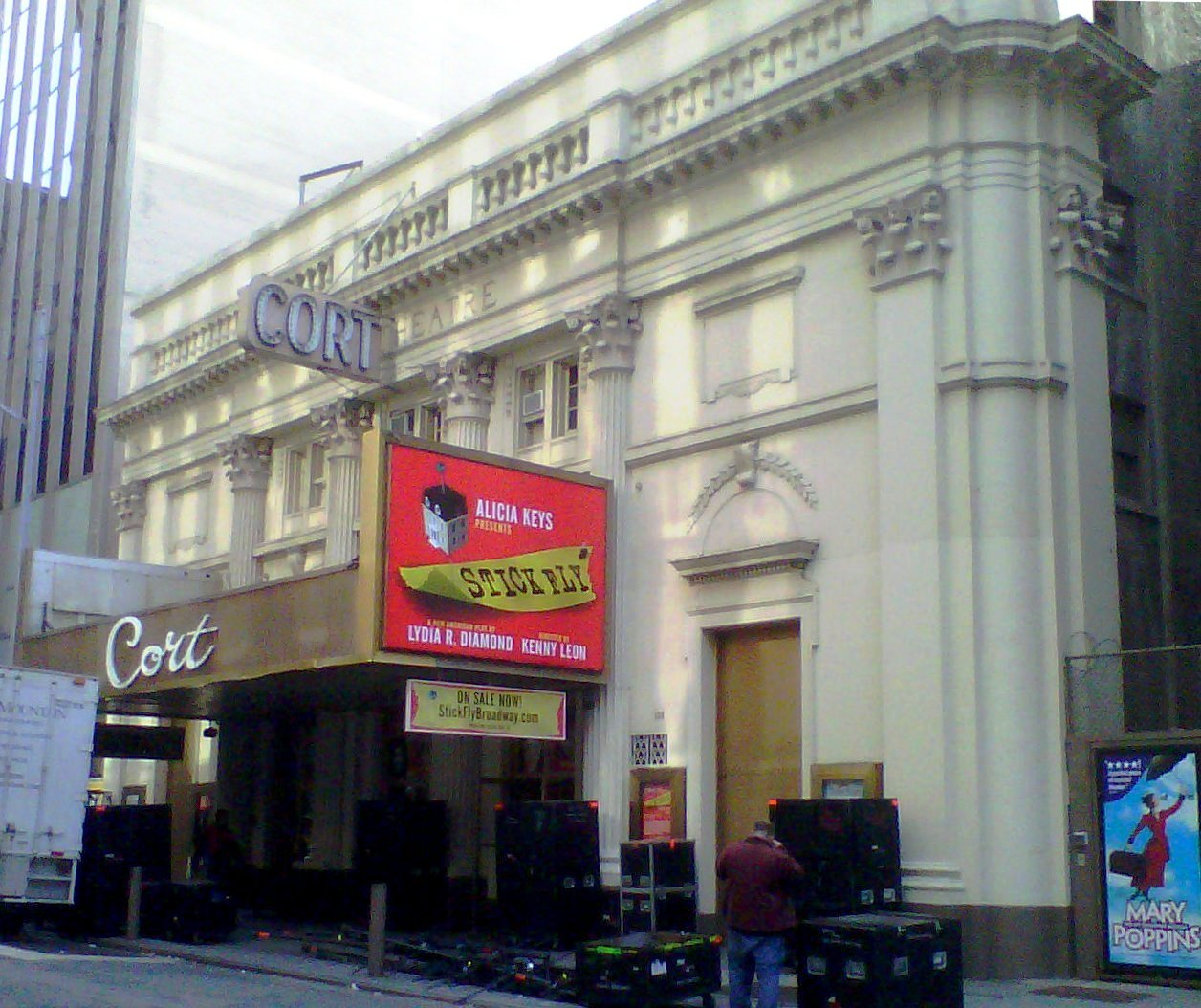
Scenery arrived and left through a dock door giving onto a side street, and a get-out meant flats being carried across a public pavement at two in the morning. Theatres were built in dense streets with the dock wherever it would fit.
This has not changed in old buildings and is one of the great constraints on what can be staged in them – a set has to be designed to fit through a particular door, which is why scenery is built in sections of a size dictated by a doorway installed in the nineteenth century. New theatres have proper loading docks, and designers who have worked in both will tell you which they prefer.
16. Nobody Measured Noise, and the Band Was in a Pit Under the Stage
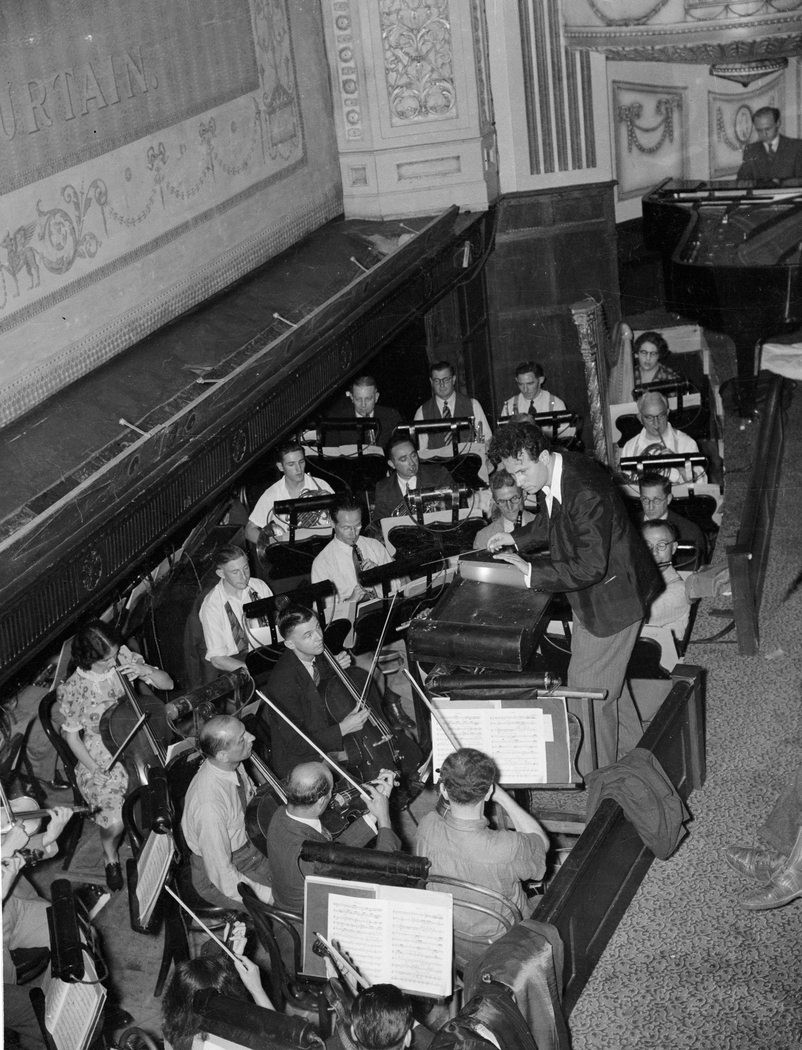
An orchestra pit is an enclosed space with brass and percussion in it, and the musicians closest to those sections took sound levels that would not be permitted in a factory, for eight shows a week, for the run.
Noise exposure in orchestra pits is now a recognised occupational issue with measured levels, acoustic screening, pit layout changes, rotation of players and hearing protection designed for musicians. It is one of the more difficult problems in the field, because the people affected need to hear accurately in order to do the job, and a solution that protects hearing by degrading what the player hears is not a solution.
17. Repertory Theatres Existed in Almost Every Town
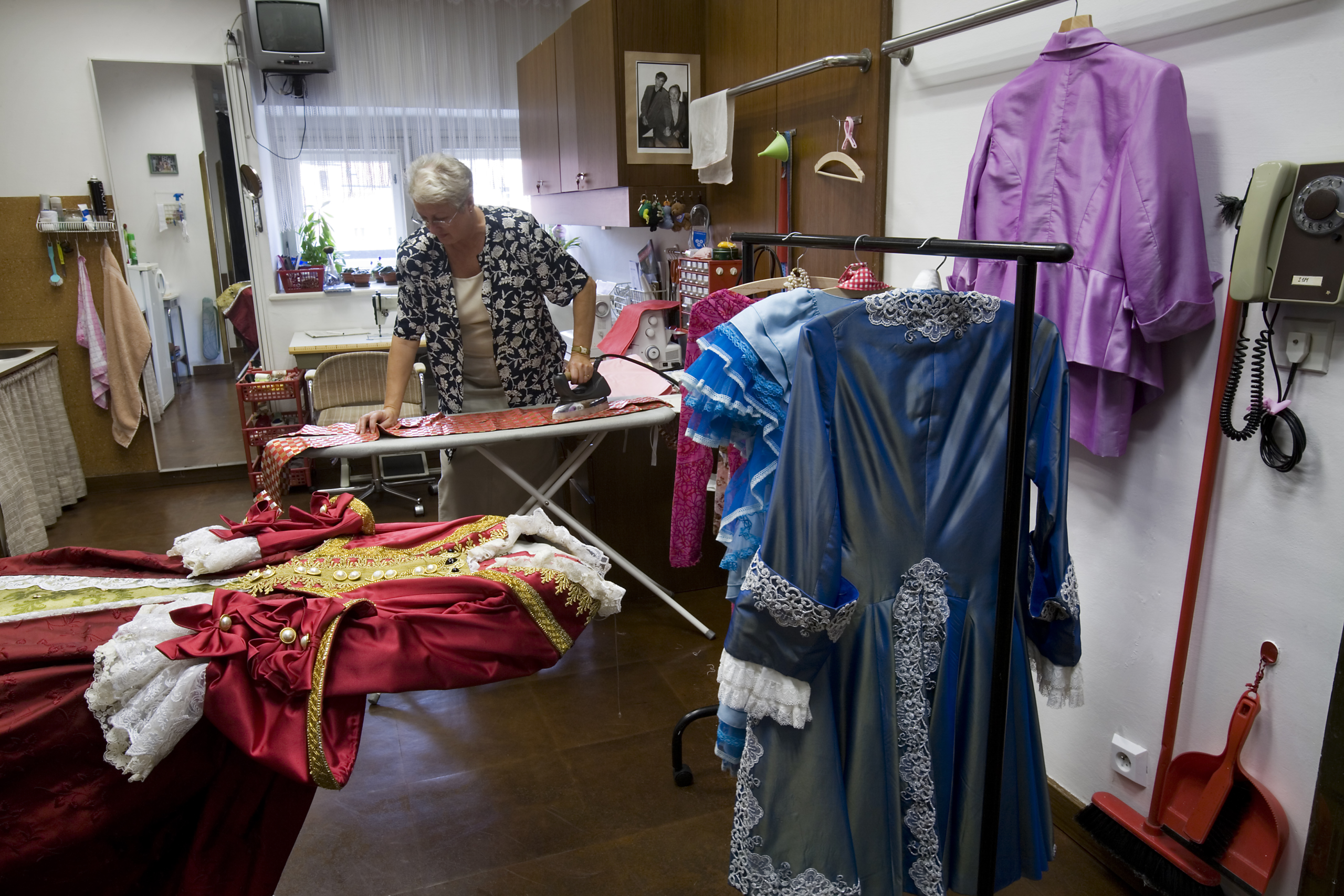
A great many towns supported a producing theatre with a resident company, running a new production every week or fortnight, funded by ticket sales to a local audience that came regularly out of habit.
Rising production costs, television, and changes in how people spend an evening reduced that enormously. The surviving regional producing theatres depend on a mix of subsidy, co-productions and touring, and many towns that had one no longer do. It is the same contraction that took the local newspaper, the local station and the department store, and it happened to the theatre first.
The Part That Did Not Change
Almost every job in this series was reshaped by machinery that removed people. Theatre is the exception, and the reason is worth stating.
The technology changed completely. Motorised flying, LED fixtures, digital dimming, headset communications, computerised cue lists and specialist scenic contractors between them transformed how a show is put on. The building is far safer, the effects are far more capable, and the technical crew works under conditions that would be unrecognisable to a flyman in 1960.
But the number of people did not collapse, because the thing being produced is people doing something live in front of other people, and no part of that can be automated. A theatre needs performers, a crew to move things, somebody to call it, and an audience in a room – and every one of those is a person who has to be there.
What was lost is the repertory system, and that is a genuine loss with no technological cause at all. A town theatre producing a new play every fortnight with a resident company trained an extraordinary number of people very fast, simply through volume, and nothing has replaced it.
So the industry has better equipment, better conditions, better safety and better work, and it has far fewer places to learn in. Which is a trade almost everybody in it would recognise and very few would know how to reverse.
If you ever got taken backstage as a child, the thing you remember is how small the stage looked from on it.
Which theatre, and is it still producing?
Like our content? Follow us for more.
