

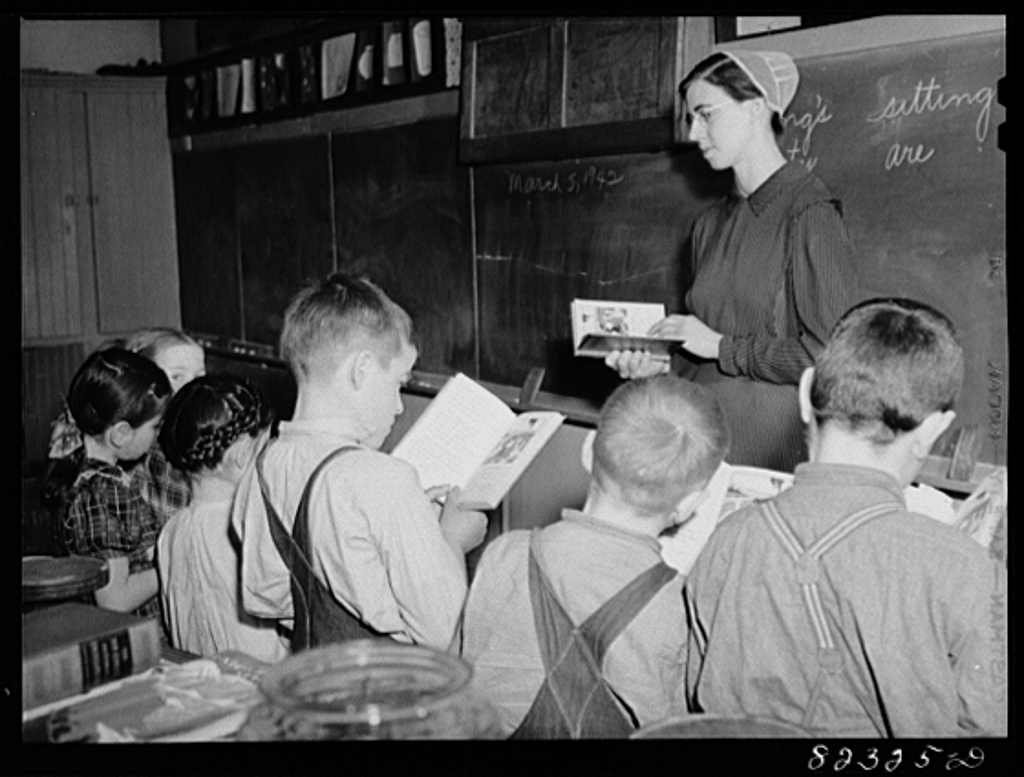
In 1950 there were still tens of thousands of one-room schools operating across rural America, each with one teacher, one stove, one bucket of water and every child in the township between five and thirteen.
The teacher was frequently a woman in her late teens or early twenties who was contractually forbidden to marry, arrived before dawn to light the fire, taught eight separate curricula simultaneously, and cleaned the building afterwards.
Here are seventeen things that were ordinary in that building in 1950, and what each one became.
1. One Teacher Taught Eight Grades in One Room at the Same Time
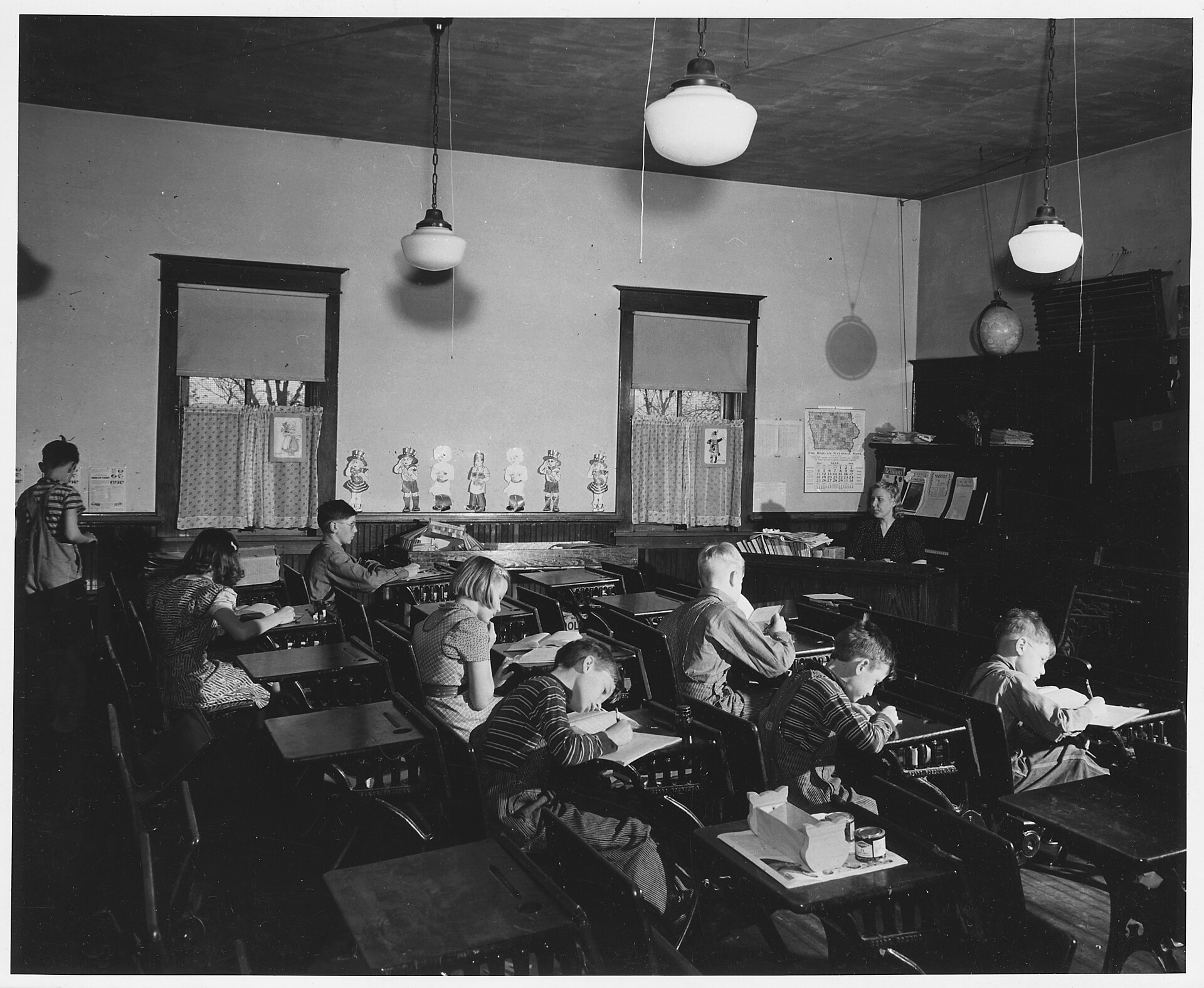
A single teacher handled every child in the district, from five-year-olds to thirteen-year-olds, in one room, simultaneously. She called one grade forward to a recitation bench at the front, worked with them for ten or fifteen minutes, sent them back, and called the next.
The scheduling alone was formidable: eight separate curricula, eight sets of materials, and seven groups working independently while one was being taught. What made it function was that the older children taught the younger ones, which was not a nice idea about peer learning but a structural necessity. A modern teacher with one grade and a classroom assistant has a fraction of that load, and no modern training programme prepares anybody for the original version.
Like our content? Follow us for more.
2. The Younger Children Learned the Older Children’s Lessons by Overhearing
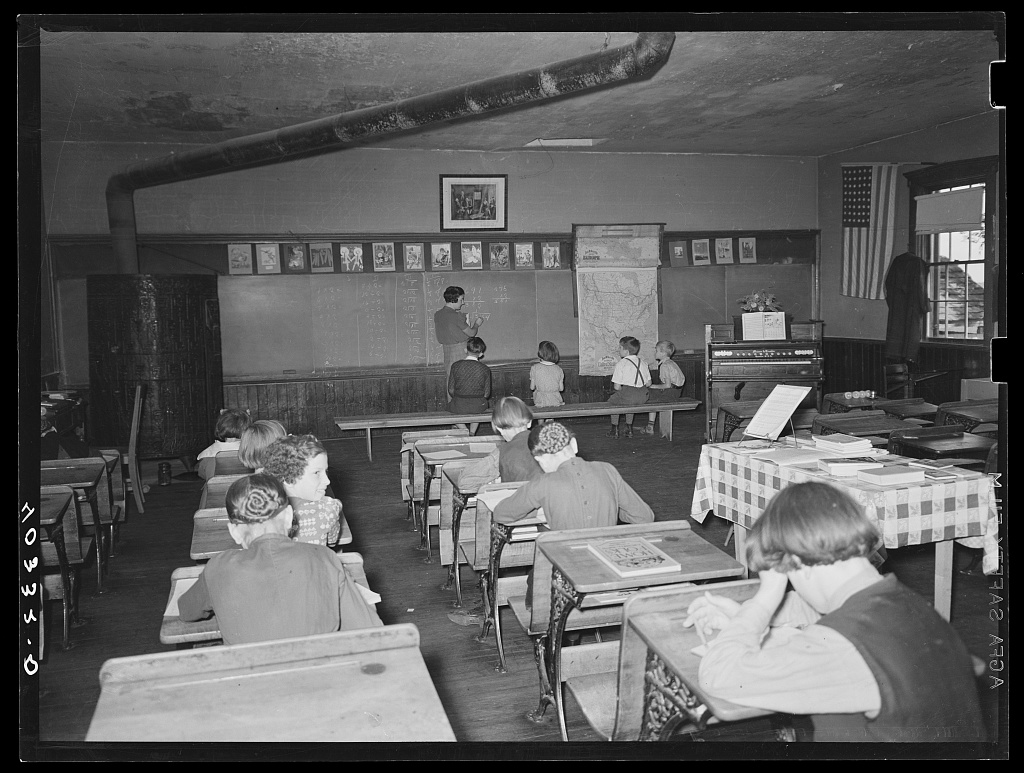
A six-year-old doing sums at the back of the room heard the fourth grade’s geography and the eighth grade’s recitation every day for years before reaching them. Children routinely arrived at a grade already half familiar with its content.
This is the genuine pedagogical advantage of the arrangement, and it is the one thing from the one-room school that modern education has tried hardest to recover – through multi-age classrooms, looping, and peer tutoring. It works, and it is extremely hard to reproduce deliberately, because the original version depended on children spending every day for eight years within earshot of the same twenty people.
3. The Teacher Was Frequently Eighteen and Had Finished School Herself Two Years Earlier
Rural teaching certificates could be obtained after a normal school course of a year or two, or in some districts by examination alone. A woman of eighteen or nineteen could be in sole charge of forty children, several of whom were nearly her own age and some of whom were considerably larger.
The pay was poor and the turnover was high, which was anticipated rather than regretted – the job was understood as temporary work for young women before marriage. Teacher certification now requires a degree and supervised practice, and the idea of an eighteen-year-old alone with eight grades would not survive the first conversation with a district’s insurer.
4. She Was Required to Be Unmarried, and Lost the Job If She Married
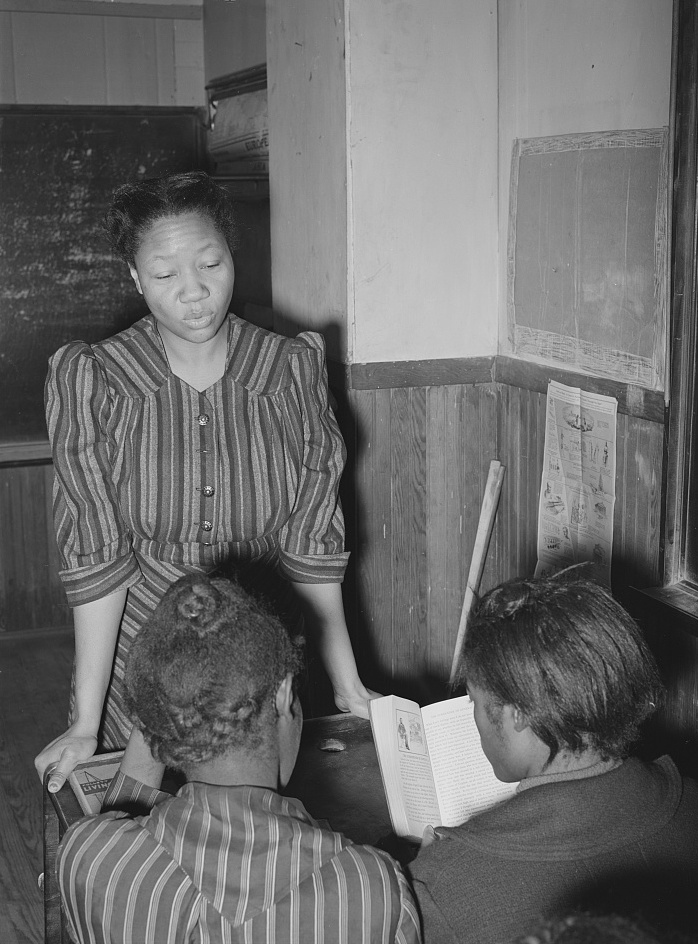
Marriage bars were explicit and written into contracts. A teacher who married was dismissed, usually immediately. Contracts also commonly restricted where she could go in the evening, whether she could keep company with men, whether she could travel outside the district without permission, and what she could wear.
Marriage bars were widespread into the 1940s and were dismantled through the following two decades, finally and comprehensively by federal employment law in the 1960s. The teacher shortages of the Second World War did much of the practical work by making the rule unaffordable. It is one of the clearest cases of a restriction surviving purely on custom until the labour market made it impossible.
5. She Also Lit the Stove, Carried the Water and Cleaned the Building
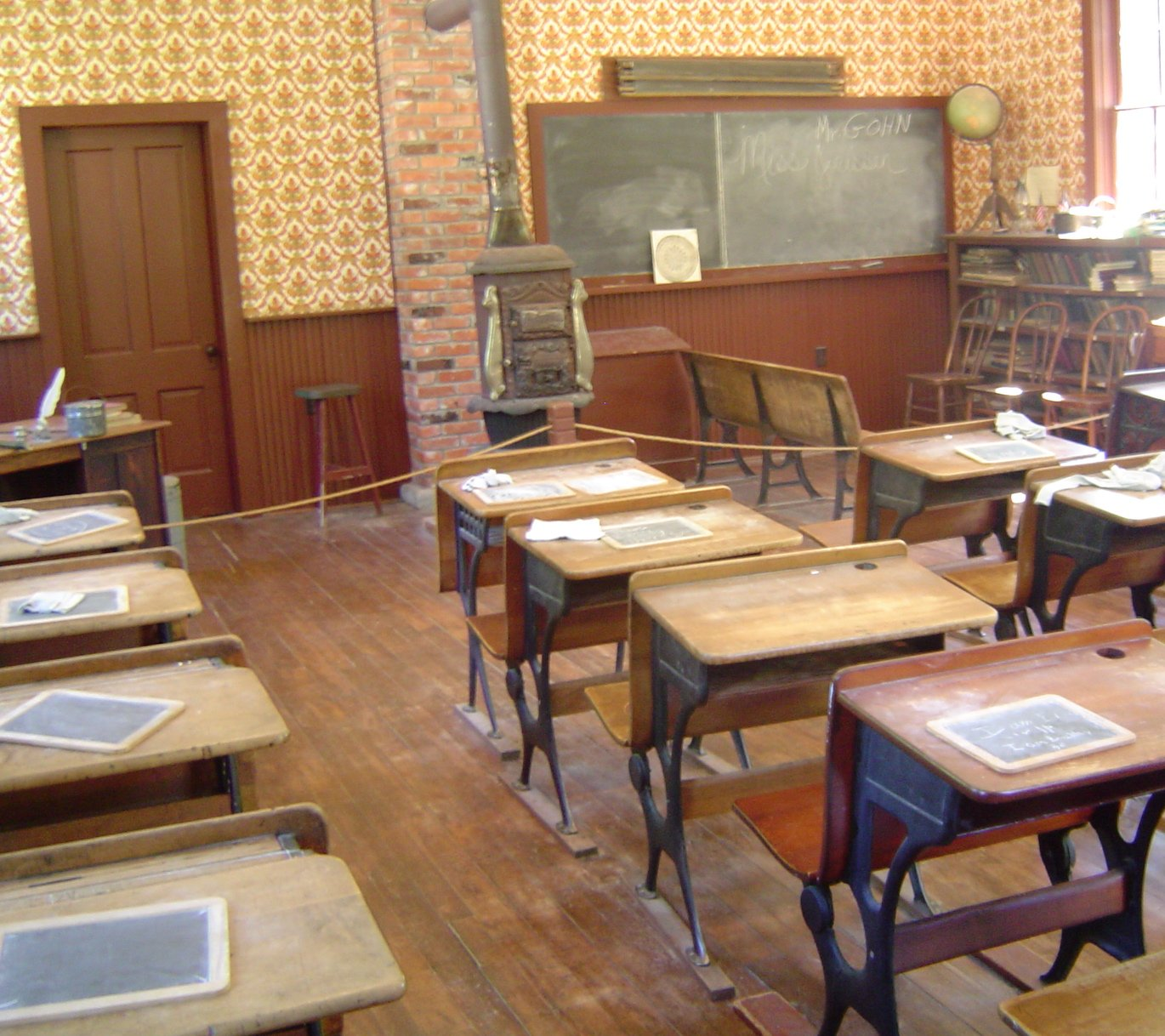
The teacher arrived first to light the stove so the room would be warm, which in winter meant arriving in the dark. She swept, cleaned the windows, dealt with the ashes, and in many schools carried or pumped the water. Older boys were assigned to the heavy work, which is how it got described in contracts.
Custodial staff, grounds maintenance and a heating system are now simply assumed. The significance of the stove is that it was the only heat in the building, so the children nearest it were too hot and the ones at the back wrote in their coats, which every account of these schools mentions and which no amount of nostalgia improves.
6. The Water Came From a Bucket With a Shared Dipper
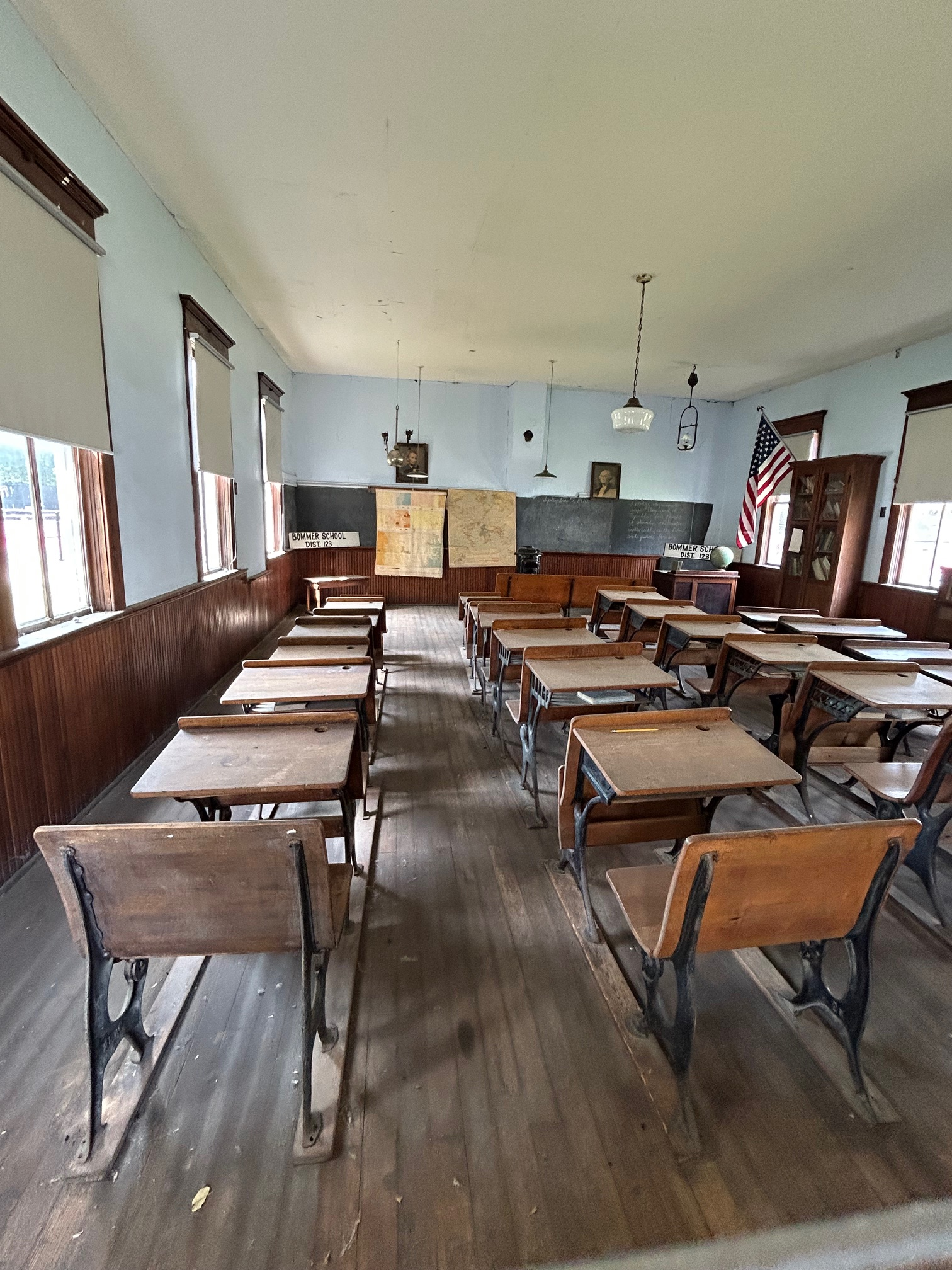
A bucket was filled from the pump or a nearby well and set at the back of the room with a single tin dipper in it. Every child in the school drank from the same dipper, returning it to the bucket afterwards.
Public health campaigns against the common drinking cup ran from the 1900s onward and state bans followed, with the individual paper cup and then the bubbler fountain replacing the dipper over several decades. This is included as institutional history rather than a health discussion – the relevant point is simply that the practice was universal, was identified as a problem, and was legislated out, which is a straightforward public health success.
7. The Lavatory Was a Shed at the Bottom of the Yard
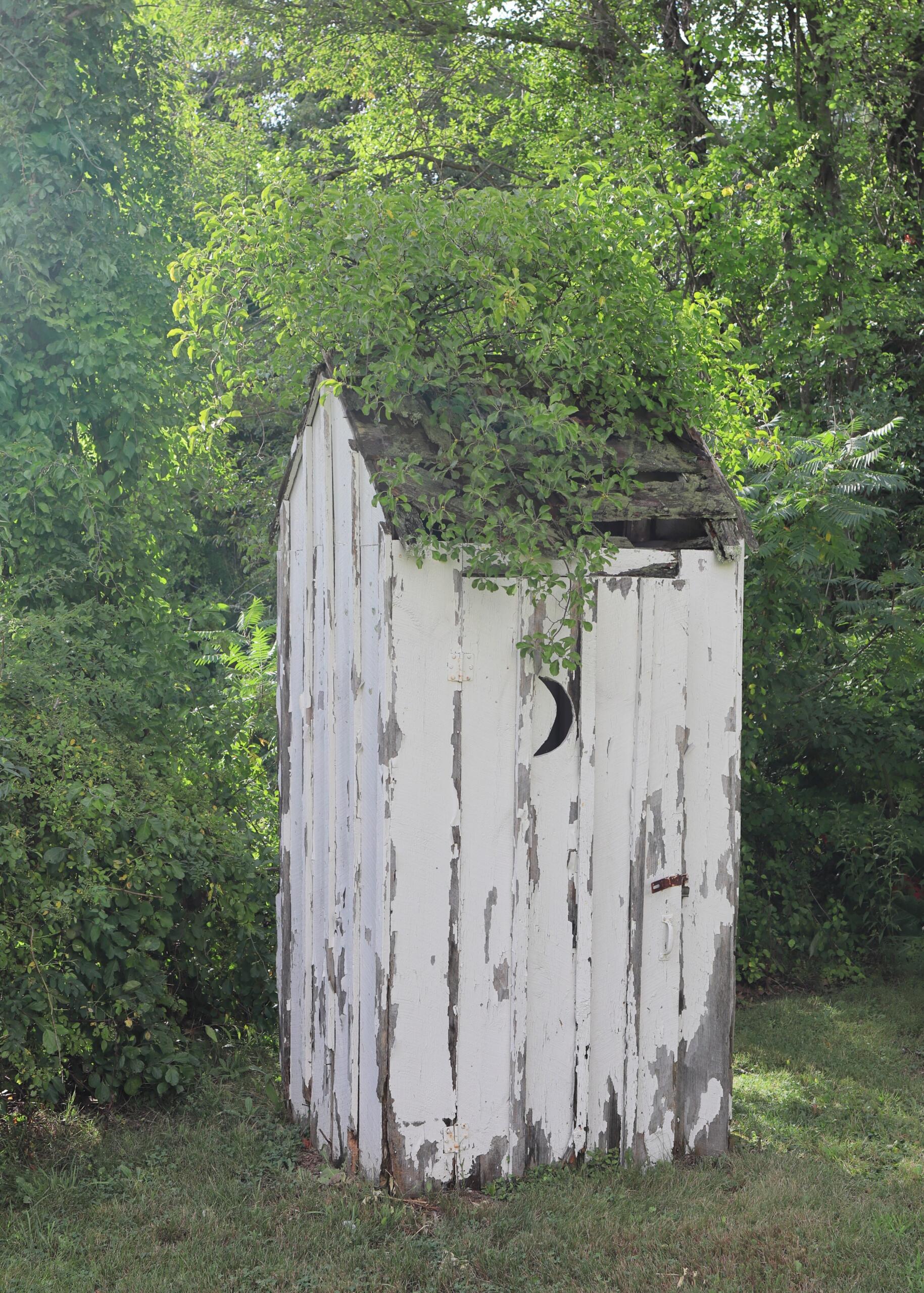
Two outhouses, one for boys and one for girls, at a distance from the building. No running water, no washing facilities beyond the bucket, and no heat. Children asked permission and went out in whatever the weather was doing.
Rural school sanitation was a sustained campaign for state health departments through the first half of the century, and the arrival of indoor plumbing is the single improvement that former pupils of these schools mention most often and most emphatically. The outhouse is also, predictably, the site of most of the surviving stories about what children did when nobody could see them.
8. Corporal Punishment Was Routine and the Implement Was on the Wall
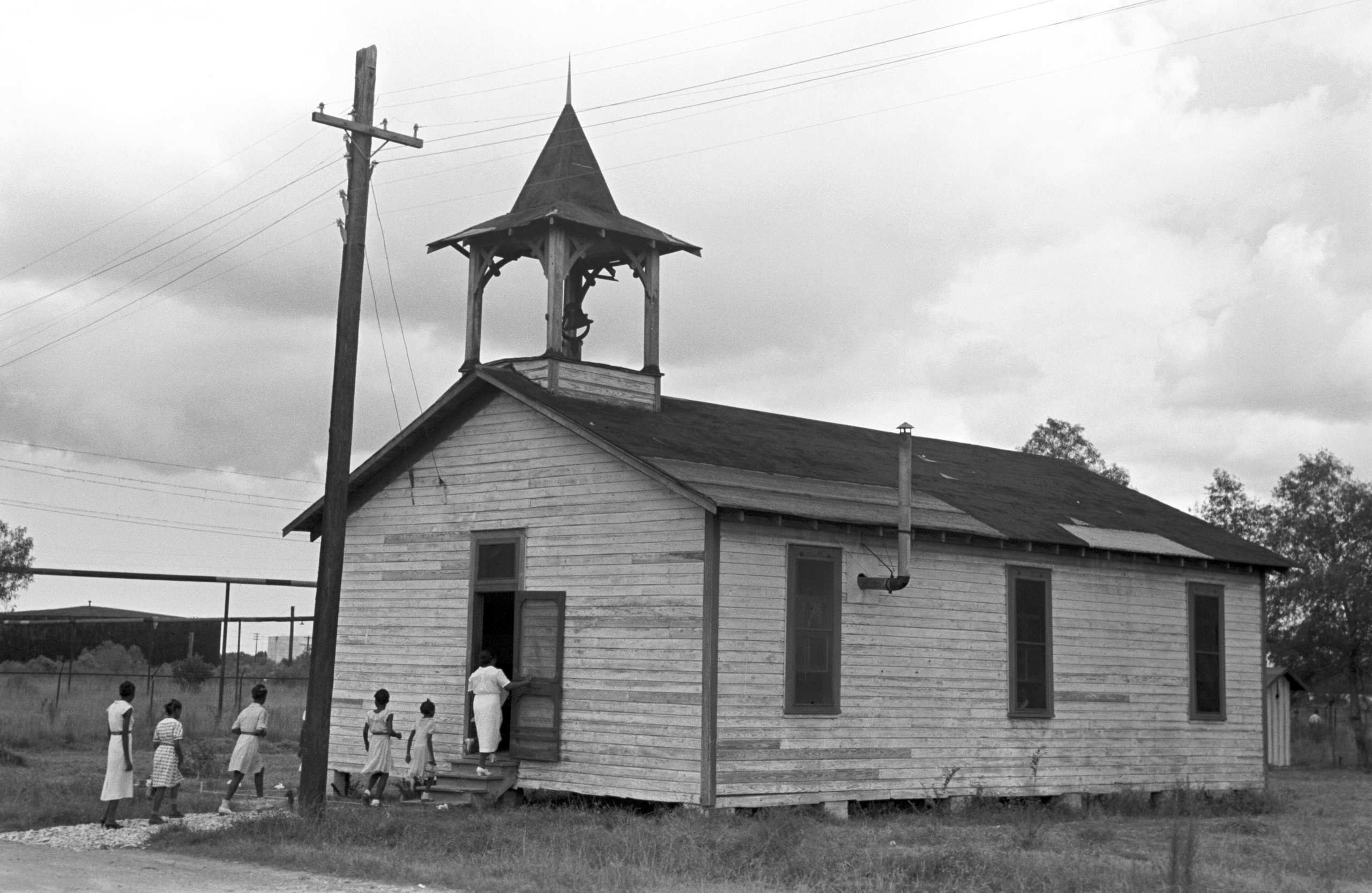
A switch, a paddle or a ruler, used for disobedience, lateness, poor work or fighting, and used in front of the class as a deterrent. A note home frequently produced a second punishment at home for having been punished at school.
Corporal punishment in schools has been prohibited in most states and is now unlawful in the great majority of the developed world, with the change running from the 1970s onward. The arguments that ended it were about effectiveness as much as cruelty: the evidence that it improved behaviour never materialised, and the evidence that it damaged the relationship between child and school did. It remains legal in a minority of jurisdictions, which surprises people.
9. Attendance Collapsed at Harvest and Nobody Pretended Otherwise
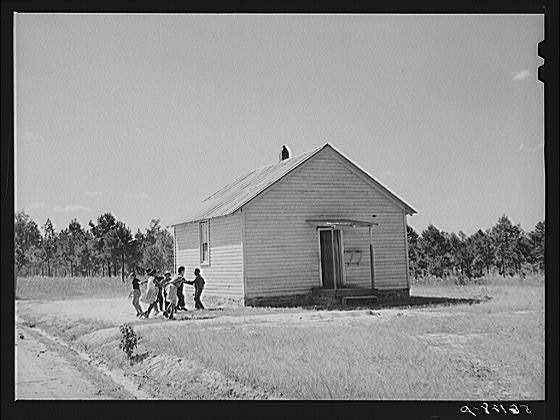
The school year was built around farm work. Older boys disappeared for planting and harvest and the term was scheduled to accommodate it. A fourteen-year-old might attend four months a year, and the teacher taught whoever was in the room.
Compulsory attendance laws existed but were enforced lightly in farming districts, because the local school board was made up of farmers. Mechanisation removed the need for child labour on the farm long before enforcement tightened, and the modern school calendar – still shaped by that history in its summer break – now runs regardless of what the fields are doing.
10. Every Child Walked, Including the Ones Who Walked Three Miles
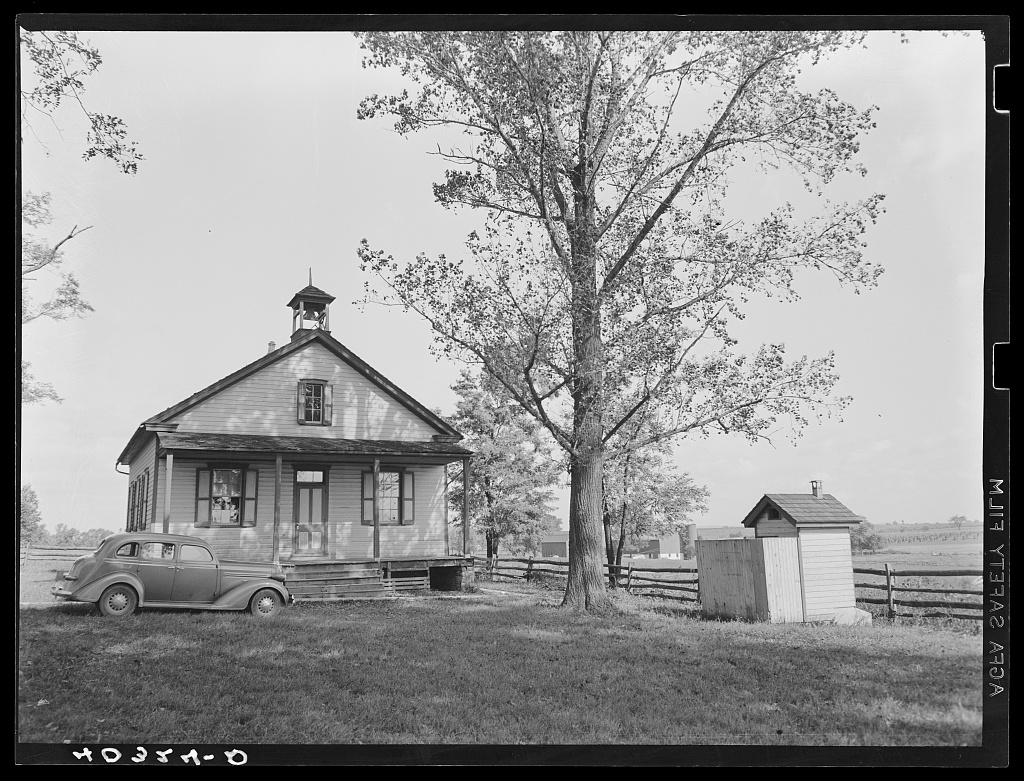
The district was drawn so that no child was more than a certain distance from the school, but that distance was defined by what a child could reasonably walk, which was generous. Two or three miles each way was normal, in all weather, frequently alone or with siblings.
The school bus is what ended the one-room school, more than any educational argument. Once children could be transported, districts could consolidate several small schools into one larger building with separate grades and specialist teachers. Rural road improvement and the motor bus between them made consolidation possible, and consolidation made the one-room school obsolete.
11. Discipline Included Public Humiliation as a Formal Tool
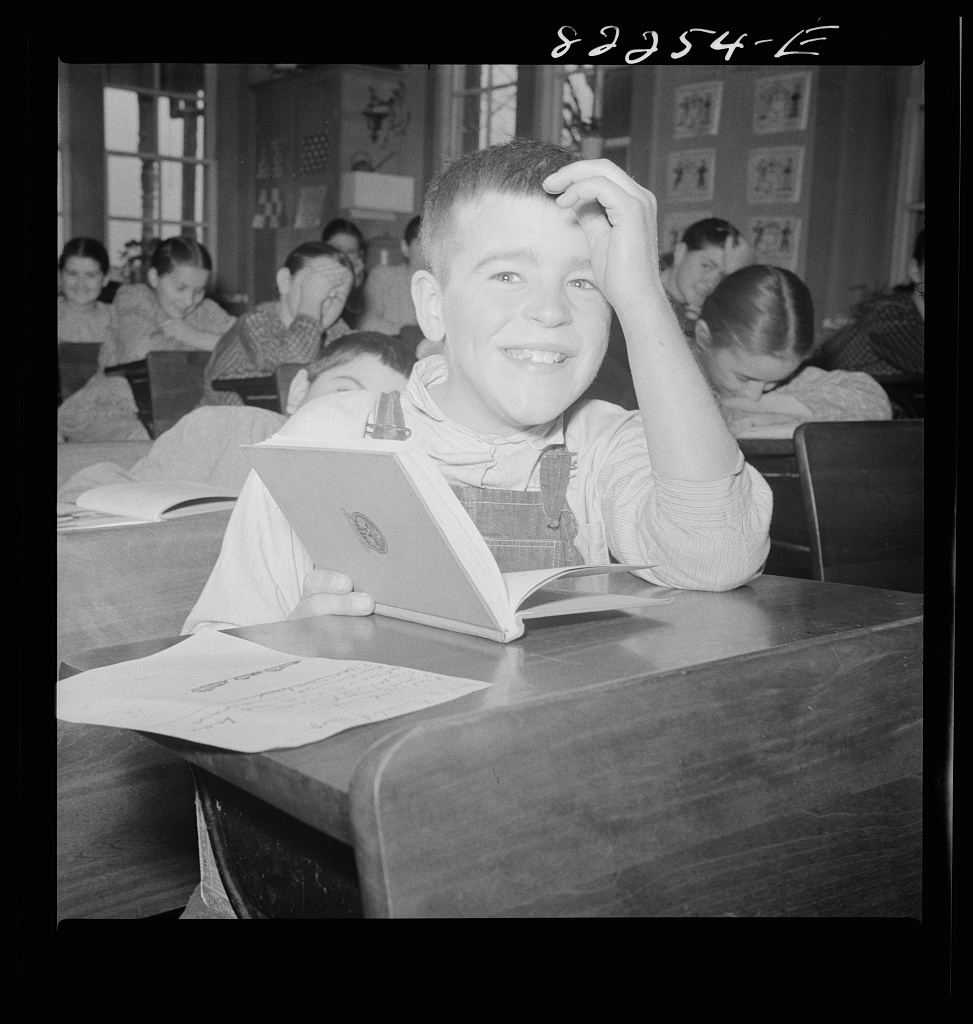
Standing in the corner, standing on a stool, wearing a sign, writing lines on the board, and in some schools the dunce’s cap. These were used deliberately in front of the whole room, because the audience was the point.
Shame-based discipline has been comprehensively abandoned in professional practice, on the straightforward grounds that it damages the child’s relationship with school without improving behaviour, and that the children it is used on most are disproportionately those with undiagnosed difficulties. It is the item on this list that former pupils describe with the most lasting feeling, decades later.
12. Children Brought Dinner in a Lard Pail
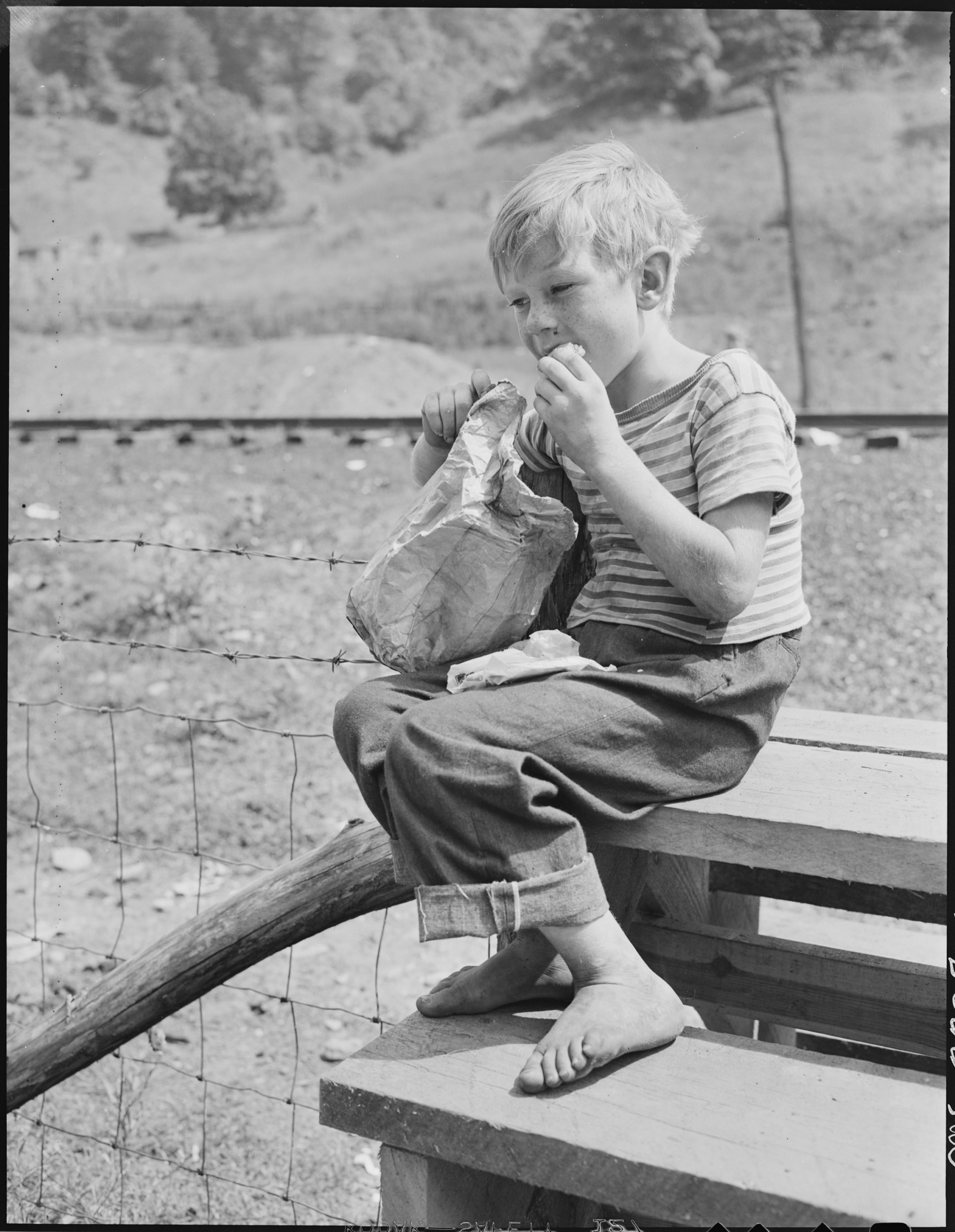
A tin pail, a sandwich, maybe fruit, maybe cold potatoes. No canteen, no kitchen, no refrigeration, and nothing hot except what could be warmed on the stove. In winter some schools heated a communal pot of soup on the stove to which every family contributed something.
The communal soup pot is the detail that recurs in nearly every account and it was a genuine welfare measure, frequently the only hot food some children had that day. The federal school lunch programme, established in 1946, grew directly out of the recognition that a great many children were arriving at school hungry, and it turned an improvised local kindness into an entitlement.
13. The School Was the Community Centre and the Polling Place
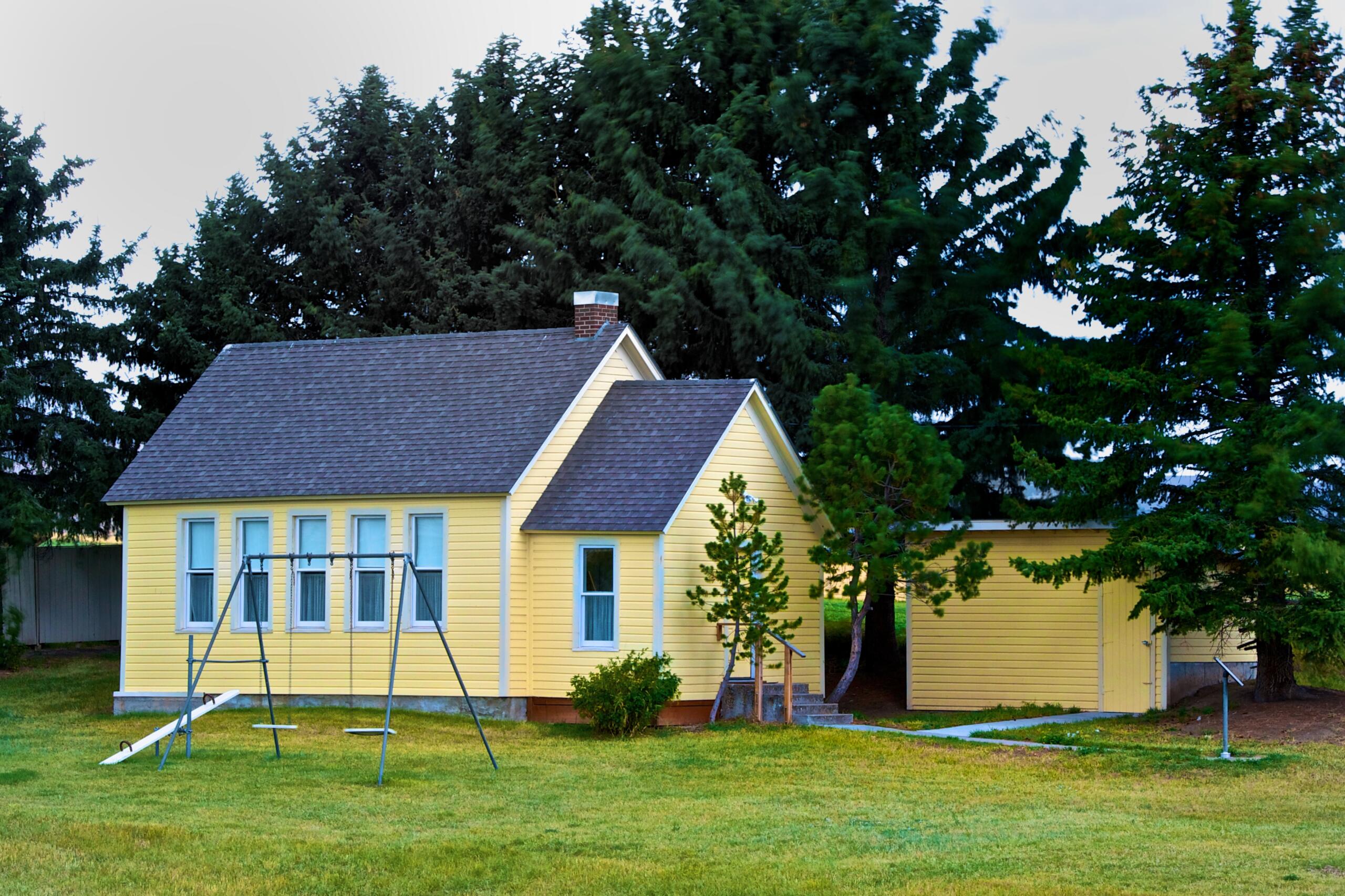
The building hosted the Christmas programme, the spelling bee, the box social, the elections, the grange meeting and the funerals of people with no church. In a township with no hall, the schoolhouse was the only public room.
Consolidation took the building out of the community as well as the children, and a great many rural townships lost their only public space in the same decade they lost their school. The surviving one-room schools are now almost all museums, private houses, or community halls – which is, in the last case, the building returning to half of what it originally was.
14. Books Were Shared, Inherited and Bought by the Family
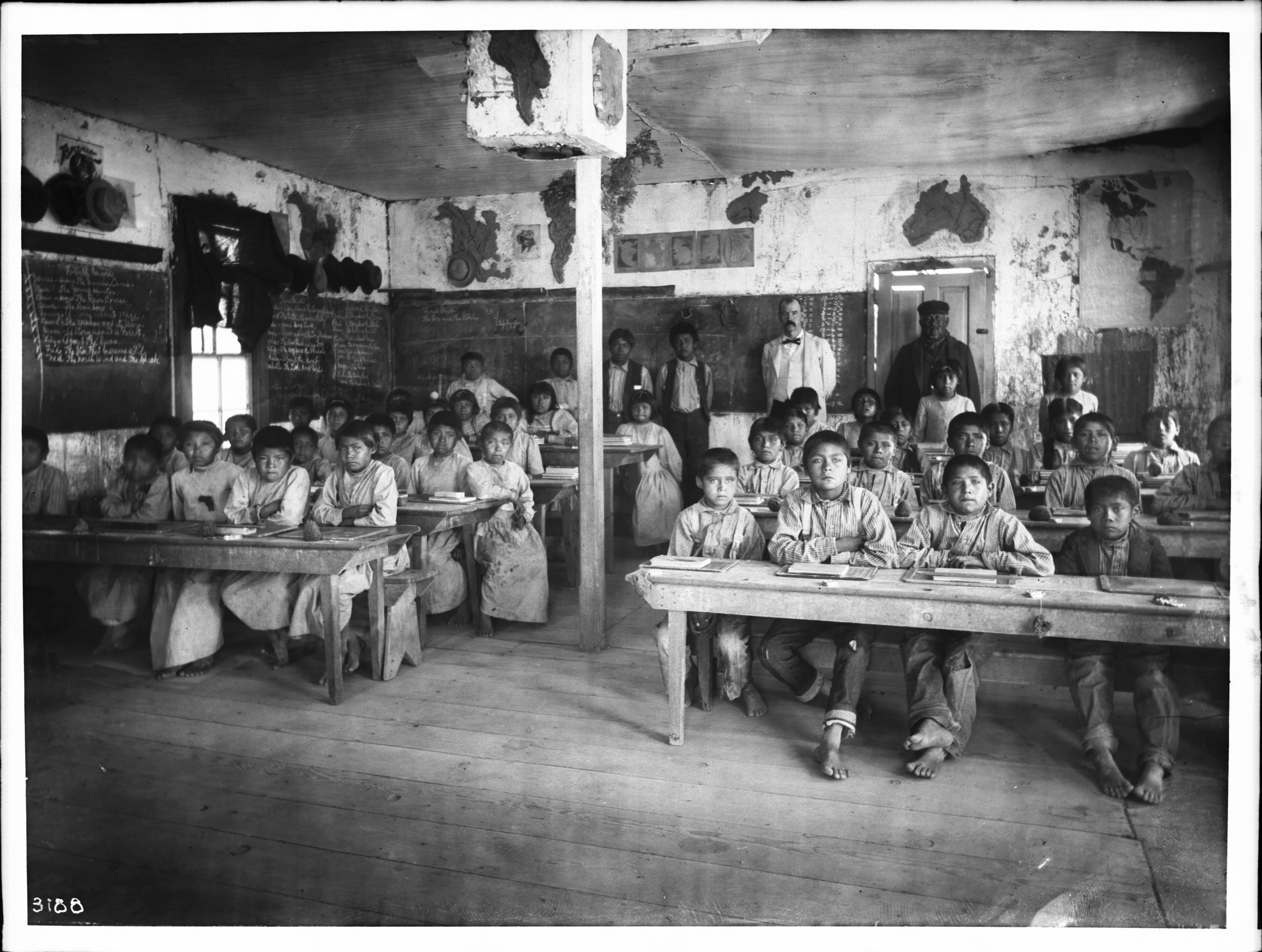
Families bought the textbooks, which meant they were handed down through siblings and sold on, and a classroom might contain three different editions of the same reader. Slates were used for daily work because paper cost money, and were wiped and reused all day.
Free textbook provision spread state by state through the first half of the century and is now universal in public education. The slate is worth a moment: it was erasable, durable, cost nothing to use, and disappeared entirely once paper became cheap – and the device that eventually replaced the exercise book is, in function, a slate again.
15. One Teacher Knew Every Family and Taught Siblings for a Decade
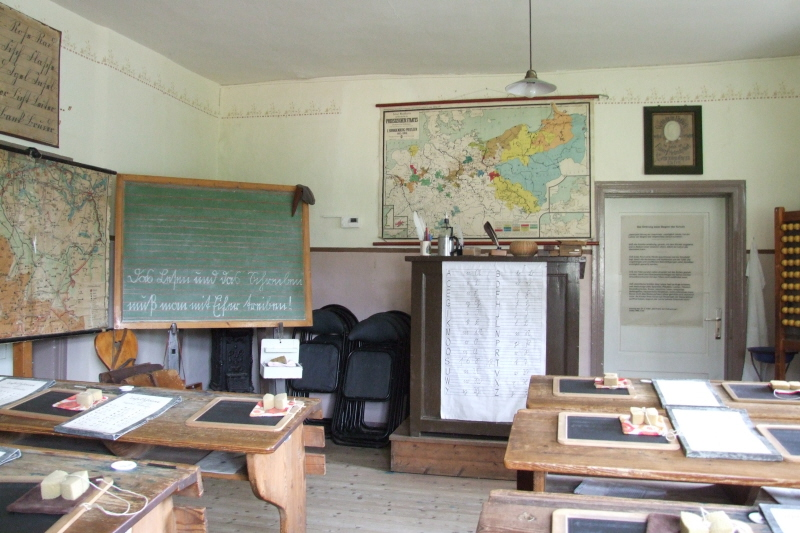
The teacher taught the same families for years, knew the parents, knew which household was in trouble, knew which child was being worked too hard at home, and saw every sibling through the whole of their schooling.
This is the part that was genuinely lost in consolidation and that modern schools spend considerable effort trying to recreate through pastoral systems, home-school liaison and keyed records. A specialist teacher in a large school may teach a hundred and fifty children a day. The information a one-room teacher held about forty families was better than anything a system can assemble, and it was held in one person’s head.
16. There Were No Specialists for Any Child Who Struggled
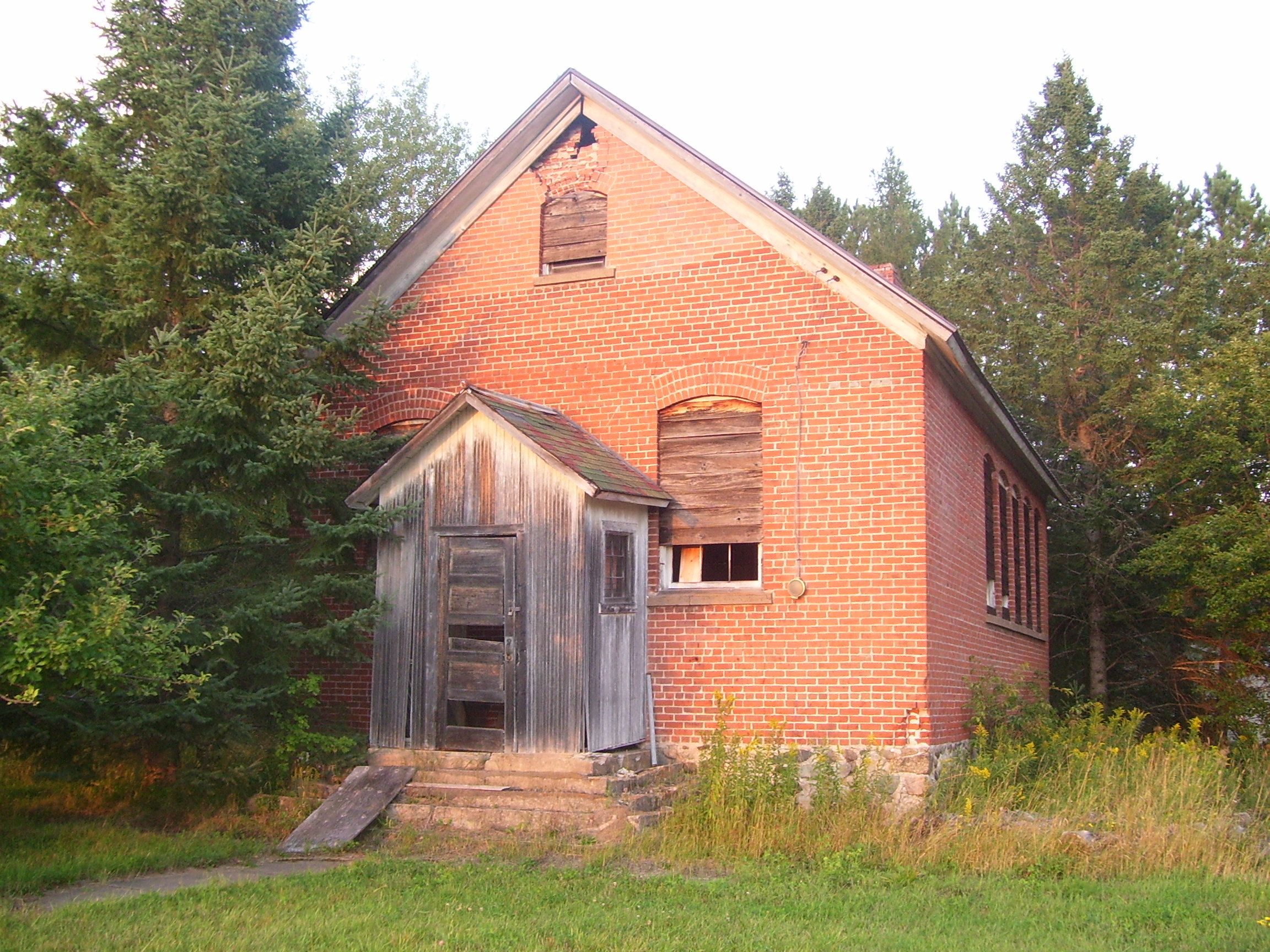
A child who could not see the board, could not hear, could not read, or had a disability was taught alongside everybody else by a teacher with no training for it – or was simply kept at home. There was no assessment, no diagnosis, no support and no alternative provision.
The change here is one of the largest in the history of education. Federal legislation in 1975 established the right to a free appropriate public education for children with disabilities, and the whole apparatus of assessment and individual support followed. Before that, the one-room school’s approach was to include everybody and help nobody, which looked like inclusion and was not.
17. Then the Buses Came and Thousands of Them Closed in a Decade
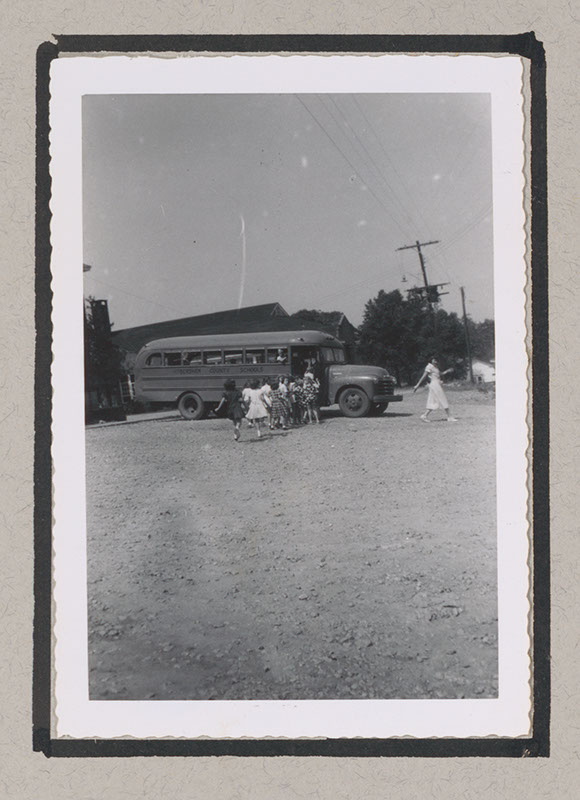
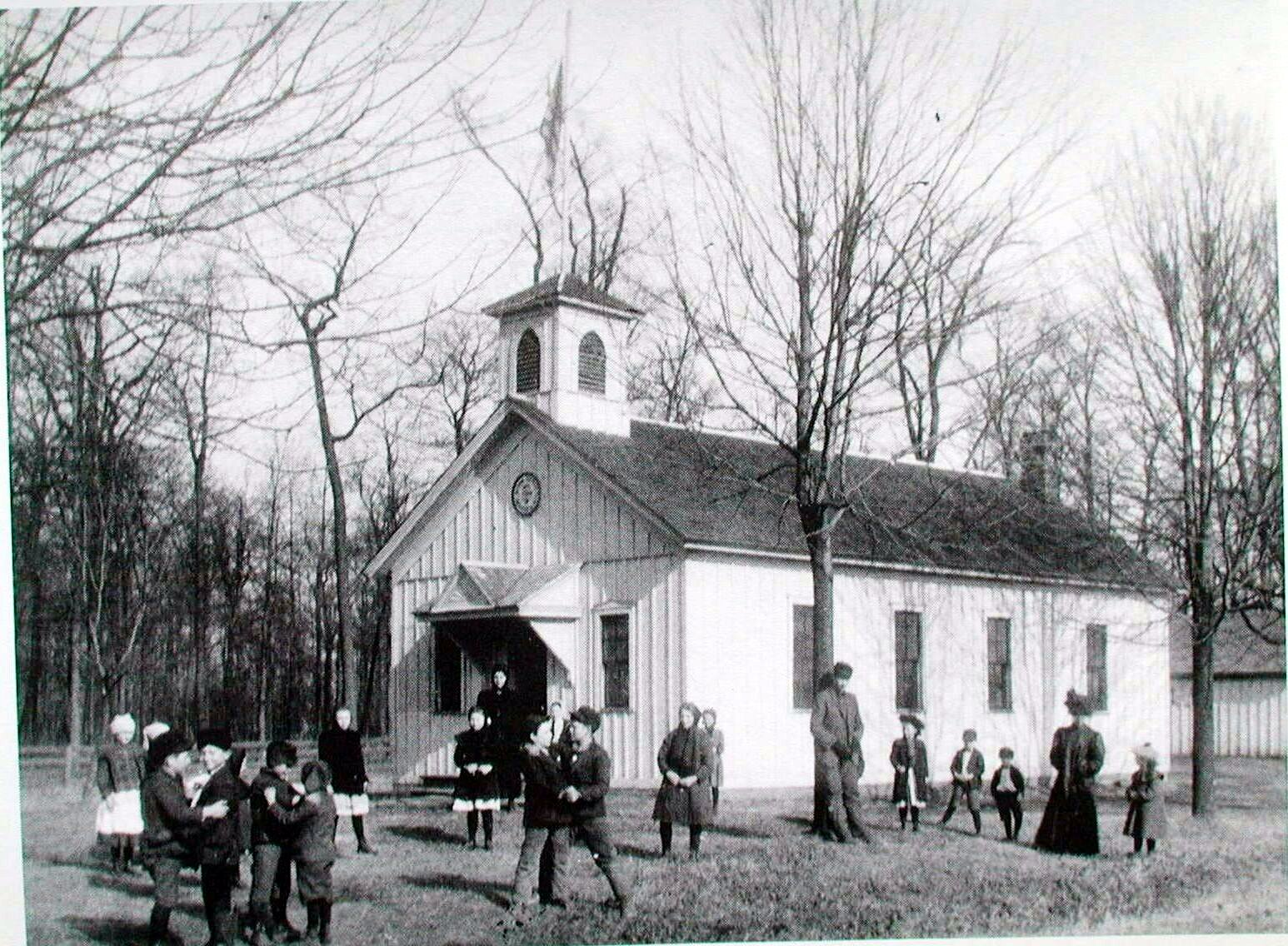
The number of one-room schools in the United States fell from well over a hundred thousand in the early twentieth century to a few hundred by the 1970s. Entire districts were consolidated by a single vote at a township meeting, and the building was locked the following autumn.
Consolidation delivered real gains – specialist teachers, laboratories, libraries, a gymnasium, a hot meal and a longer, more consistent curriculum. It also removed the walk, the mixed ages, the single trusted adult and the building at the centre of the township, and it was frequently fought bitterly by the communities it was imposed on. A handful of one-room schools still operate, mostly in places genuinely too remote for a bus, and they are studied with considerable interest.
What Consolidation Traded Away
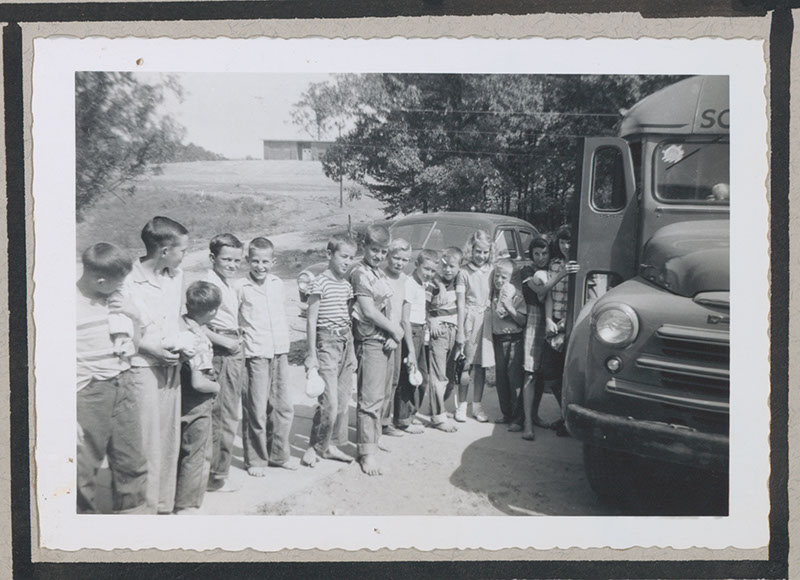
The one-room school is the most romanticised building in the history of education, and most of what people miss about it was real.
The mixed ages worked. The younger children absorbed the older children’s lessons, the older children consolidated their own understanding by teaching, and the teacher knew every family in the district for a decade at a stretch. The building was the township’s only public room. The walk was long and children did it together.
What gets left out of the romance is the rest of the list. The stove that left the back of the room cold. The shared dipper. The outhouse at the bottom of the yard. The switch on the wall and the dunce’s cap. The eighteen-year-old teacher dismissed for marrying. The harvest attendance. The child who could not see the board and was simply thought to be slow for eight years.
Consolidation fixed all of that, and it did so by putting children on buses and closing the building at the centre of the township. The gains were substantial, the losses were real, and the communities that fought it were not being sentimental – they understood exactly what was being taken, which was the last institution they had.
If a parent or grandparent went to one of these, the stove and the dipper are usually the first two things they mention.
Which township was it, and is the building still standing?
Like our content? Follow us for more.
