

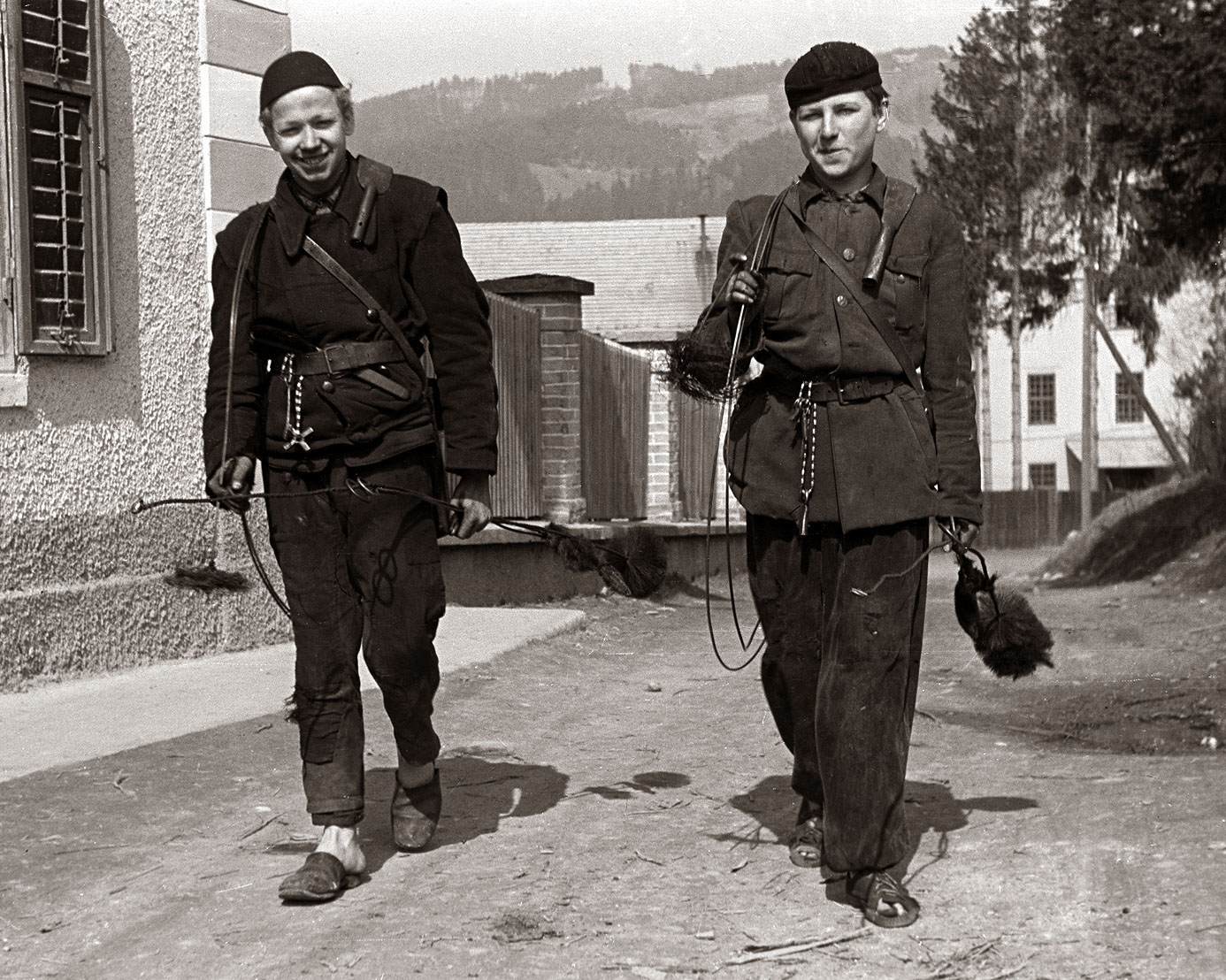
In 1955 a chimney sweep arrived on foot or by bicycle with a bundle of cane rods over his shoulder, pinned a sheet across the fireplace, and pushed a brush up the flue one rod at a time – always turning clockwise, because turning the other way unscrews the brush off the end.
He went on the roof with a ladder to check the brush had come out, carried the soot away and sold it to gardeners, worked without a mask, and ended every day black.
Here are seventeen things the chimney sweep did in 1955, and what each one became.
1. The Brush Was Screwed Together One Rod at a Time From the Fireplace
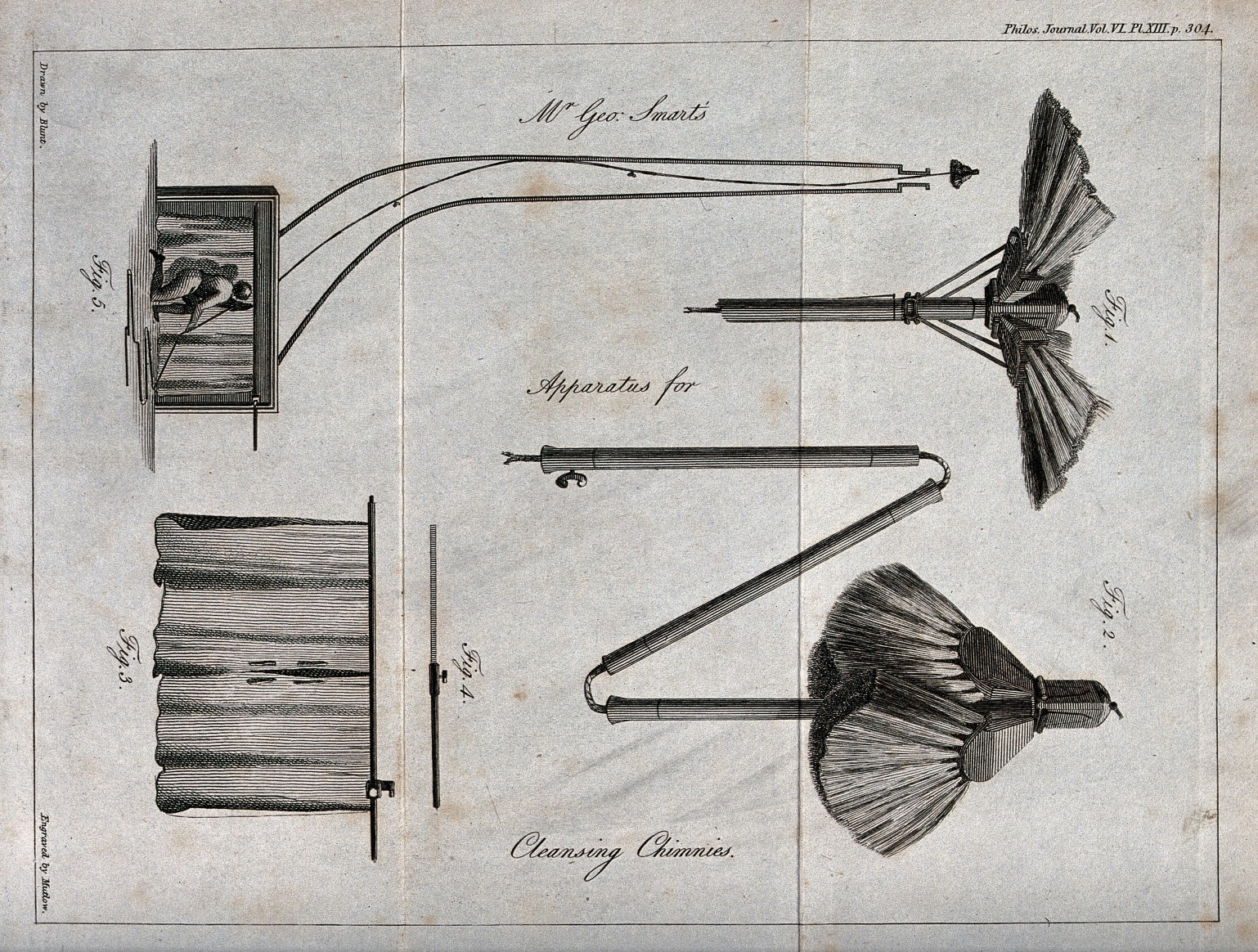
The sweep arrived with a bundle of cane rods and a circular brush head, knelt at the hearth, and screwed on one rod at a time, pushing the brush up the flue as he went. On a tall chimney that meant a dozen rods joined by brass fittings, turned clockwise so the rotation of the brush tightened rather than unscrewed them.
The method is unchanged and is still used, because nothing has improved on pushing a brush up a flue from below. What changed is the equipment – fibreglass and nylon rods instead of cane, which do not snap, and power sweeping with a rotating flexible shaft driven by a drill for difficult flues. The clockwise rule still applies and a sweep who forgets it loses a brush head up a chimney.
Like our content? Follow us for more.
2. The Sheet Over the Fireplace Was the Whole of the Dust Control
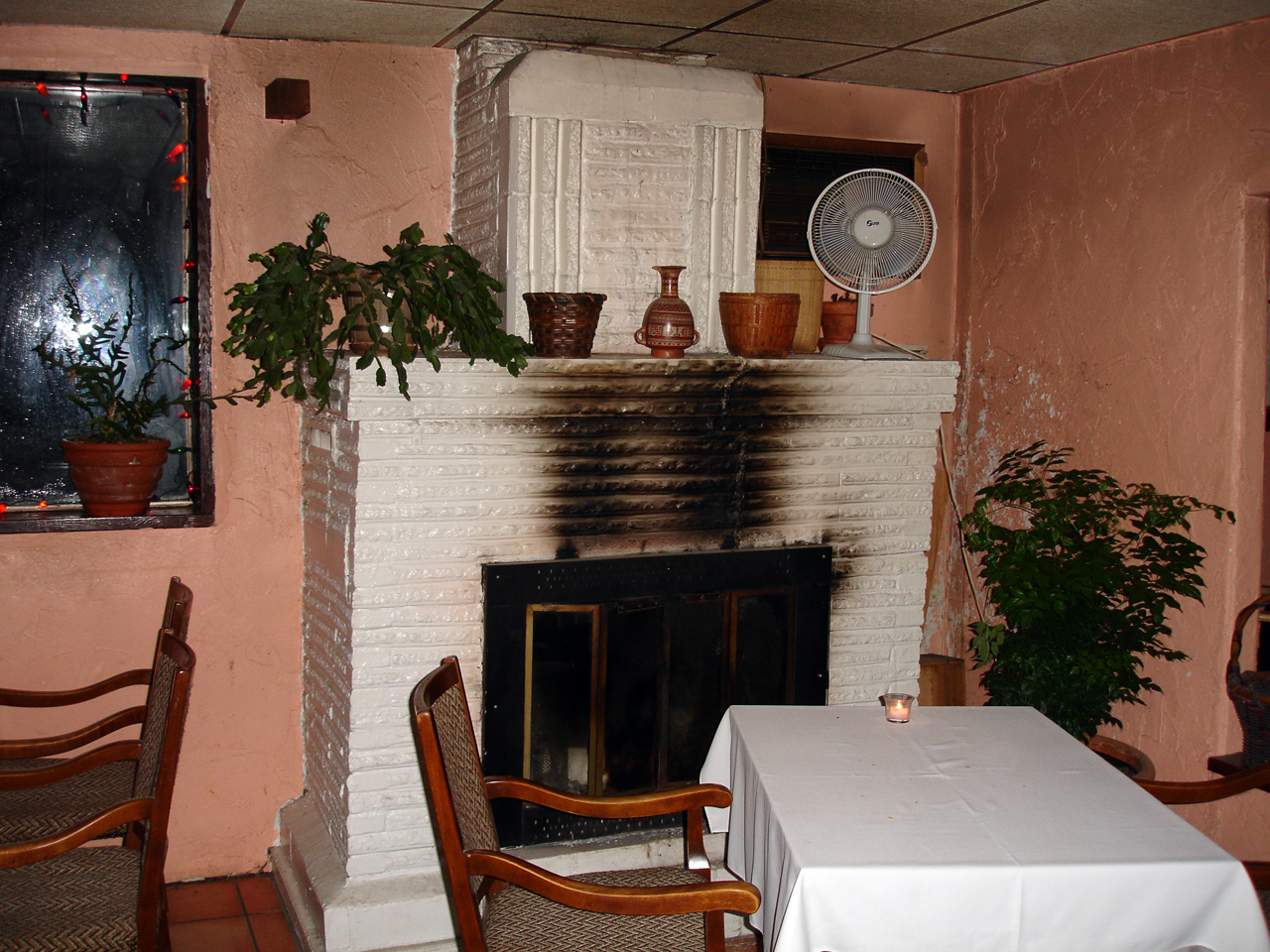
A canvas or hessian sheet was pinned or wedged across the fireplace opening with a slit for the rods, and it was all that stood between the soot and the room. It was never adequate. Householders covered the furniture and expected to clean afterwards.
Industrial vacuum extraction with a sealed sheet is now standard, and a competent modern sweep leaves no visible dust at all – which is the single biggest change from the customer’s point of view and is the thing the trade advertises on. The soot in the room was simply accepted as part of having the chimney swept, and it is why the visit was scheduled around other cleaning.
3. He Went on the Roof to Check, With a Ladder and No Harness
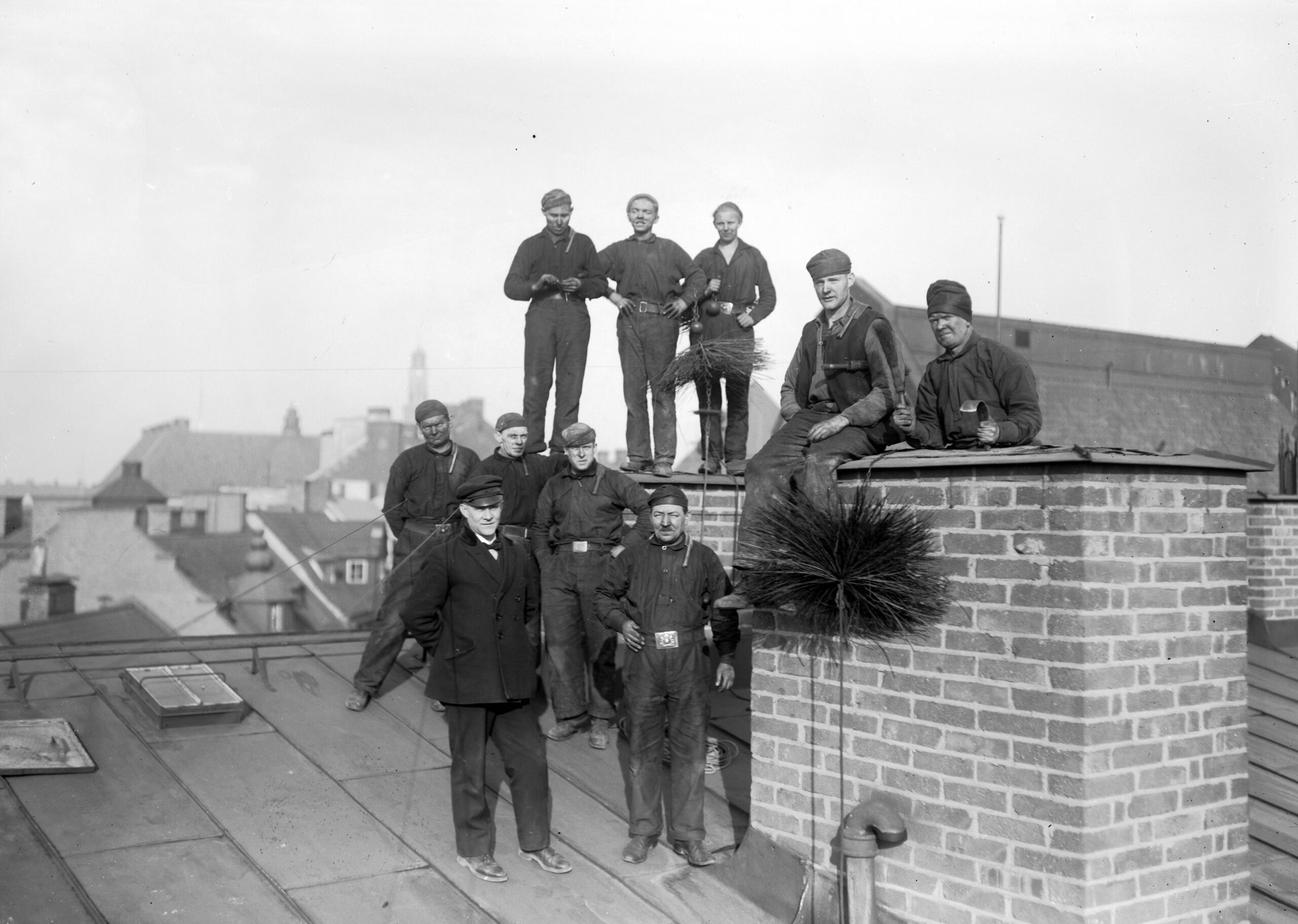
Confirming that the brush had come out of the pot, checking the flaunching, clearing a nest or replacing a cowl meant going up – a ladder against the gutter, onto the slope, to the ridge, in whatever the weather was doing.
Work at height on a domestic roof is now governed by the same rules as anywhere else, with proper access equipment, roof ladders, anchors and in many cases a refusal to go up at all without scaffolding or a tower. A great many modern sweeps inspect with a camera from inside instead, which removes the need entirely.
4. Soot Was Sold Rather Than Thrown Away
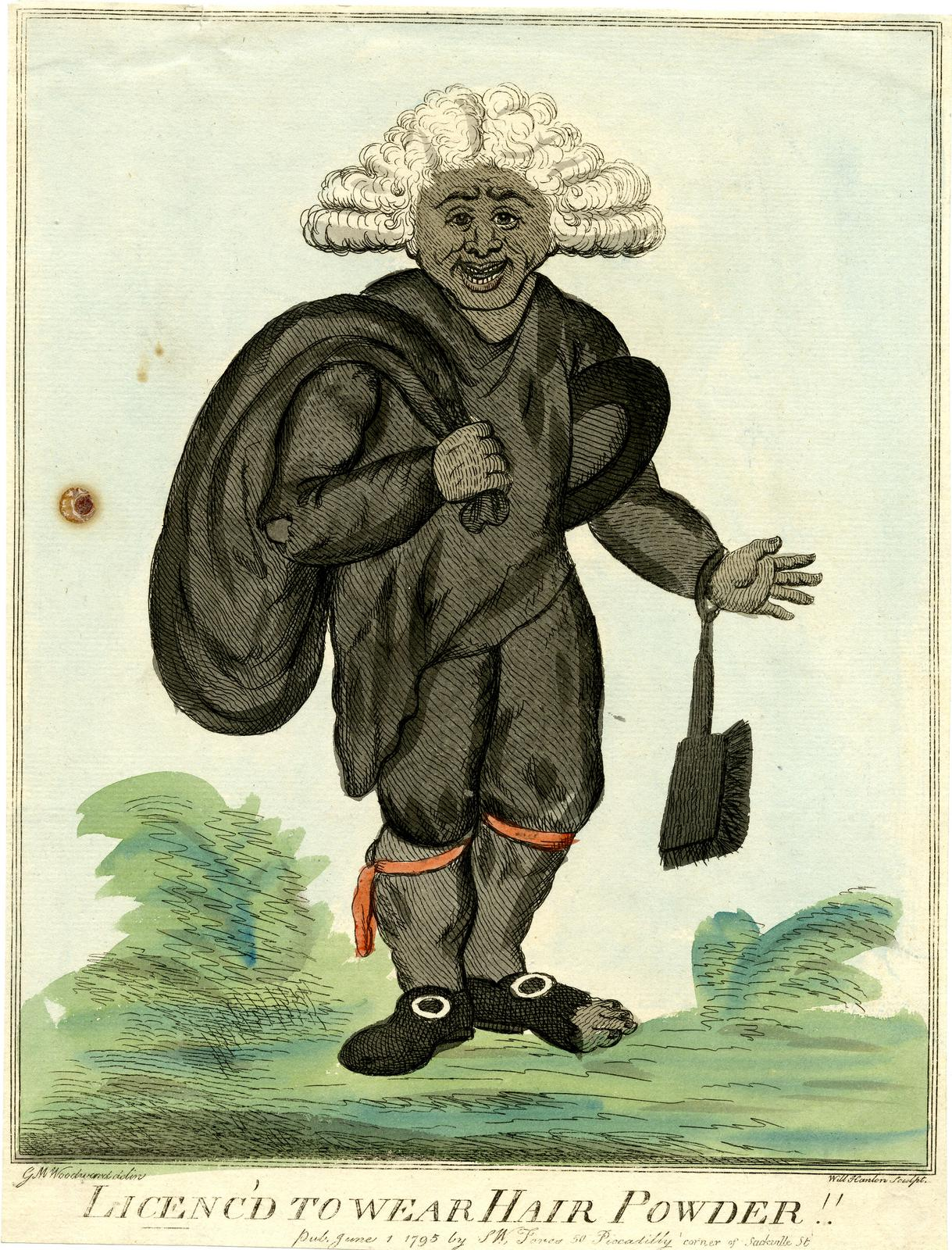
Soot had value. It was sold as a garden fertiliser and pest deterrent, used in pigments, and bought by market gardeners by the sack. The sweep’s income included what he carried away as well as what he was paid for the visit.
Soot from coal is now treated as a waste requiring proper disposal, and the garden use has gone with the understanding of what is in it. This is noted as a change in practice rather than as advice; nothing here recommends any use of soot, and anybody who has soot to dispose of should follow local waste guidance.
5. Everybody Still Alive Remembered the Climbing Boys
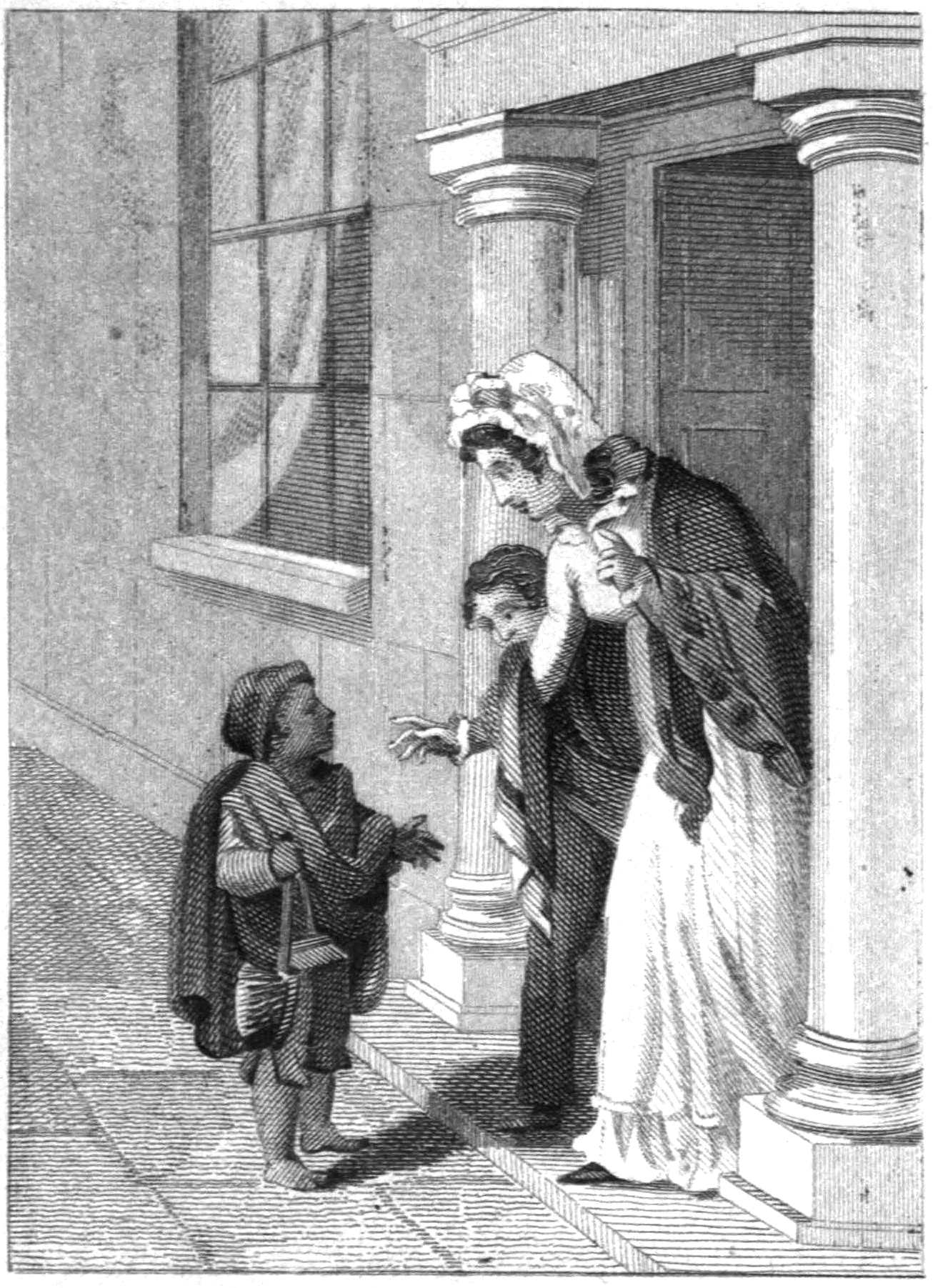
Within living memory of a sweep working in 1955, the trade had used children – small boys sent up the inside of flues to brush them from within, apprenticed or bought from workhouses and families, working naked or nearly so to fit, suffering burns, deformity and the occupational cancer first described in the trade.
The practice was the subject of campaigning across most of the nineteenth century, and a long sequence of statutes restricting and then prohibiting it was passed and repeatedly evaded before it finally ended. This item is included because the trade’s own history is inseparable from it, and it is stated as documented social history – no condition is described beyond naming that an occupational cancer was first identified among these workers, which is a landmark in the history of occupational medicine.
6. The Trade Was Also a Fire Service, and That Was the Point
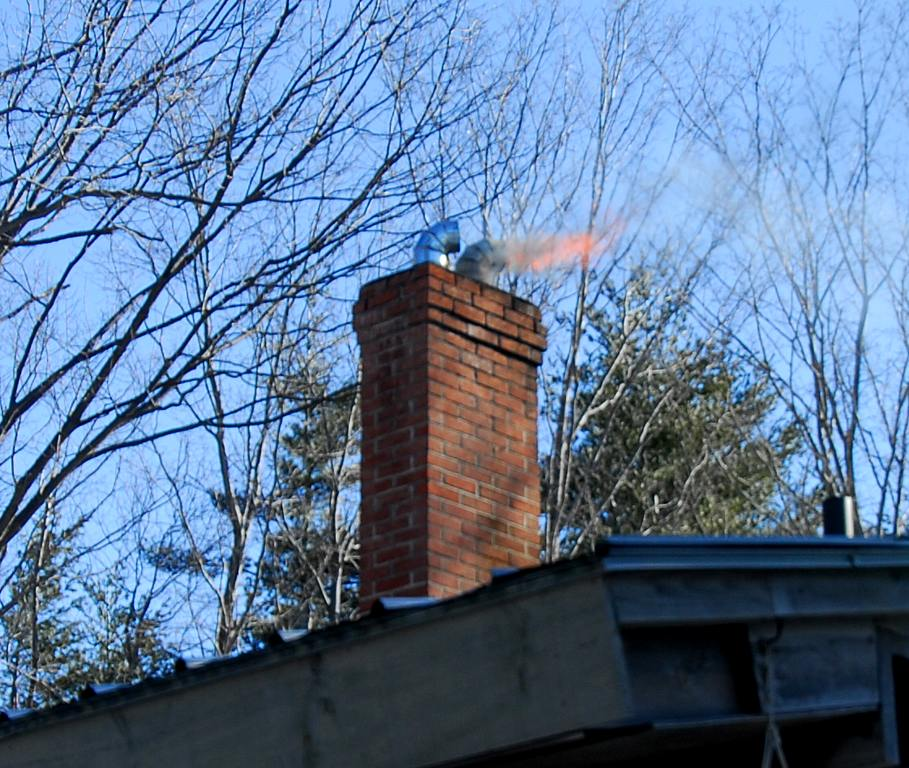
The reason chimneys were swept was fire. Soot and tar accumulating in a flue ignite, and a chimney fire can set a roof structure alight, crack a flue and fill a house with smoke. In a street of terraced houses sharing party walls, one neglected chimney was everybody’s problem.
The function is identical today and the trade now operates on certification, with registered sweeps issuing a certificate that insurers and landlords require. Sweeping frequency recommendations depend on what is burned and how much. The modern sweep is as much an inspector as a cleaner – checking the flue’s integrity, the appliance, the ventilation and the cowl – which is the part that has grown rather than shrunk.
7. Carbon Monoxide Was Not Understood as the Main Danger
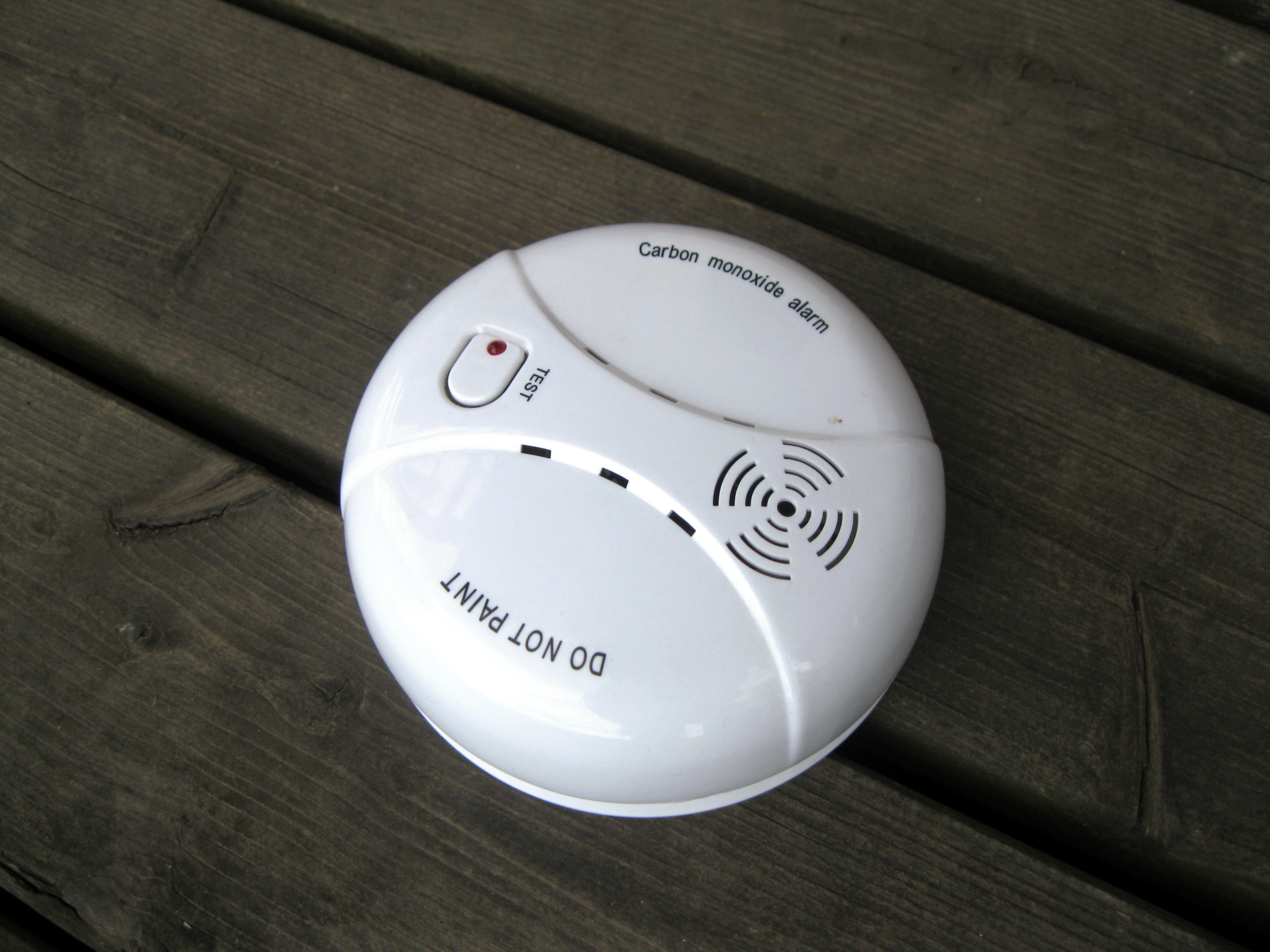
A blocked or leaking flue does not only risk fire. It can spill combustion products back into the room, and in 1955 there were no detectors, limited understanding among householders, and no requirement for anything.
Detectors are now cheap, widely available and in many jurisdictions required alongside solid fuel appliances, and flue integrity testing with smoke pellets is part of a modern sweep’s inspection. This is stated as a change in practice and in equipment. Anybody with a solid fuel or gas appliance should have a detector and have the appliance and flue checked by a qualified person – that is the published guidance everywhere and it is not something to take from an article about 1955.
8. He Covered a Round on Foot or by Bicycle With the Rods on His Shoulder
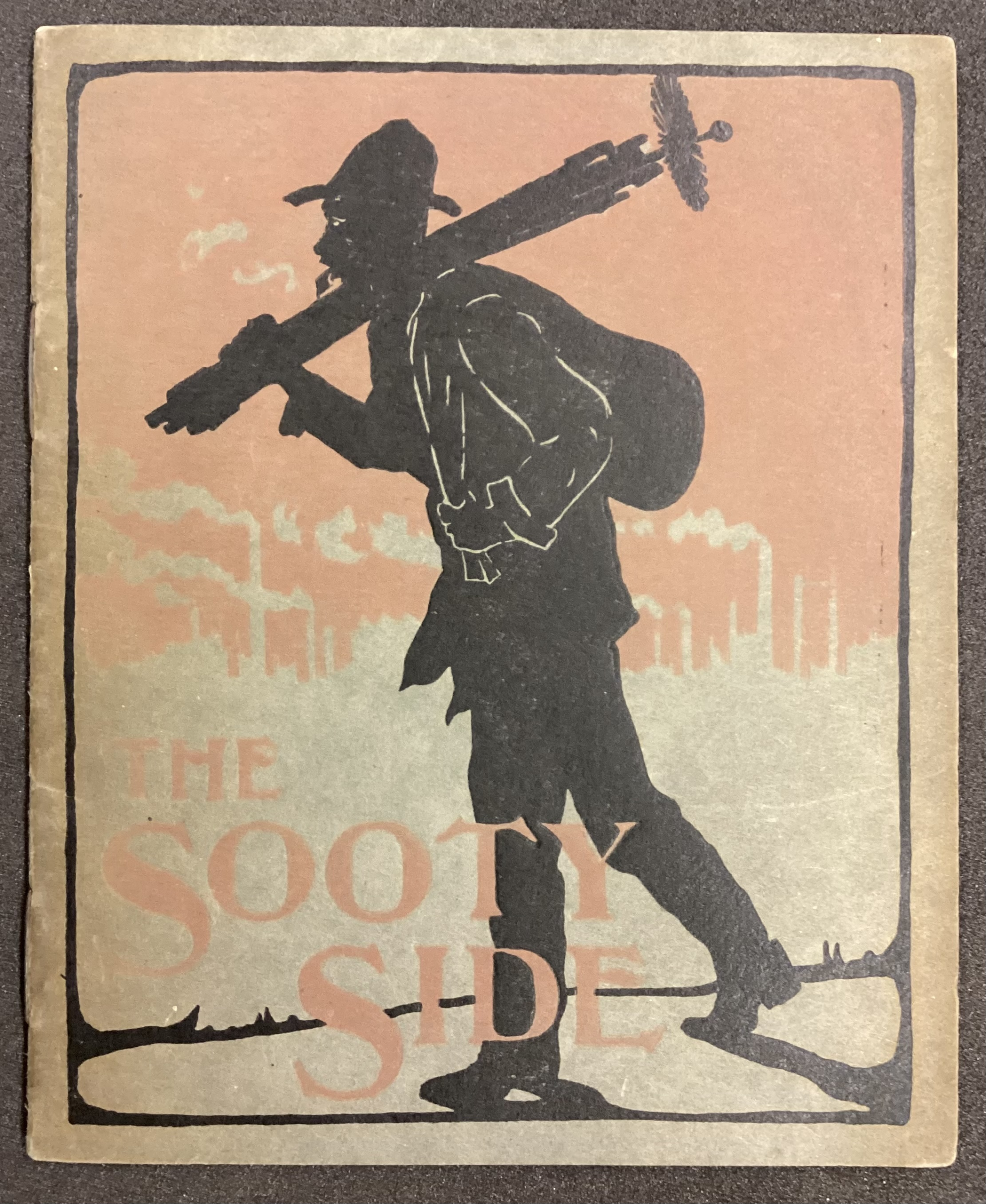
A sweep worked a defined local round, walking or cycling between houses with the rod bundle and brush over his shoulder and the soot sacks on a handcart or a bicycle frame. He was a recognisable figure in the street and knew every chimney on it.
Vans and the ability to cover a much larger area changed the geography of the trade, and the knowledge of individual flues moved into records rather than memory. The sweep as a figure walking the street with rods is one of the more recognisable vanished street trades, and it was a working arrangement rather than a picturesque one – the equipment was heavy and the round was long.
9. He Was Black With Soot All Day and Washed at Home
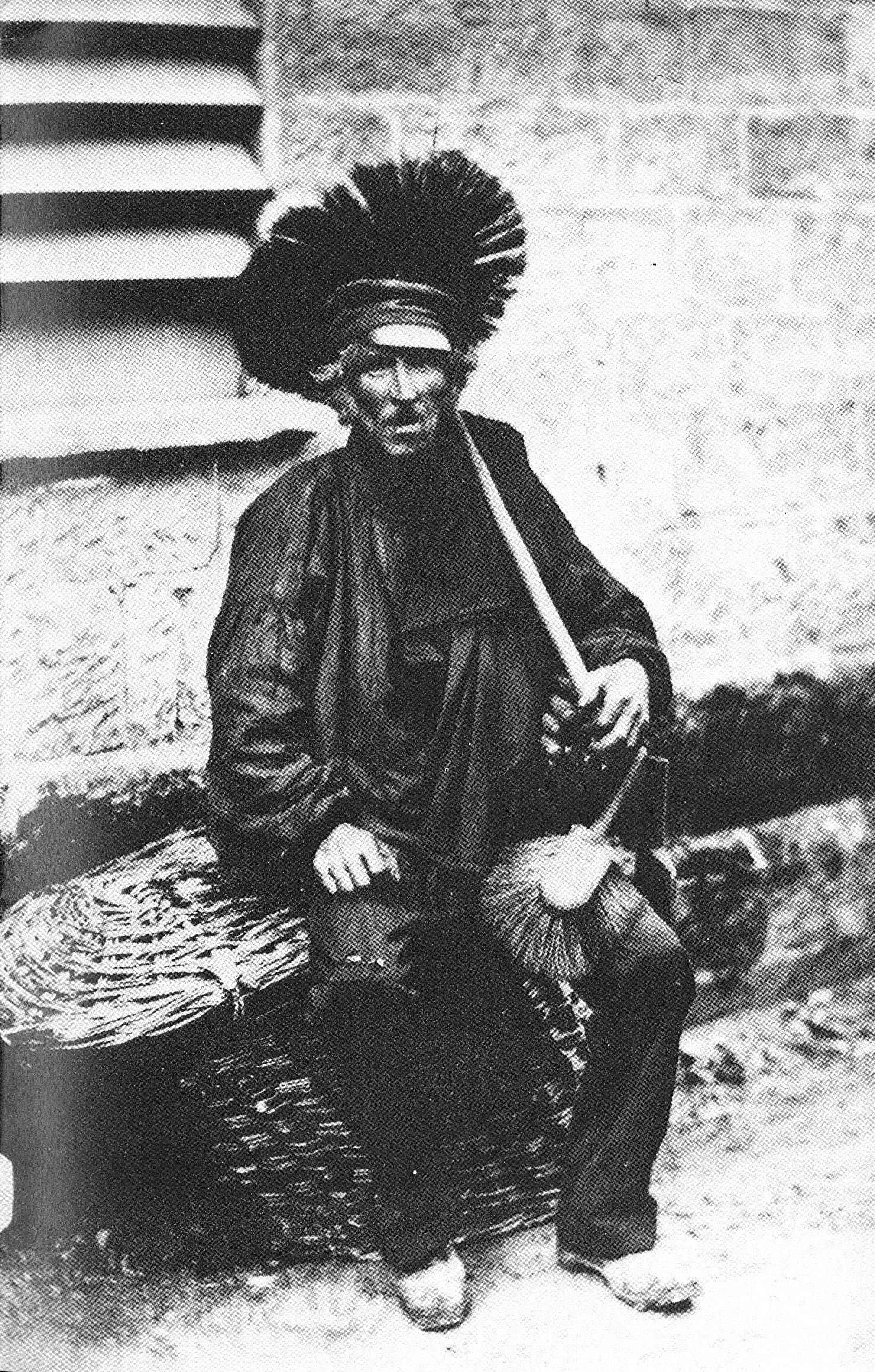
There was no protective clothing beyond a cap and old clothes, no mask, and no washing facility on the round. A sweep ended the day covered, and the soot went home with him into his own house.
Respiratory protection, overalls, gloves, eye protection and proper washing are standard, and the modern sweep leaves a job cleaner than the customer’s house. The old arrangement is the reason the figure was so distinctive and also the reason the trade’s health record was what it was. This is noted as workplace history; anybody with a soot exposure history should raise it with their own doctor.
10. Being Kissed by a Sweep Was Considered Lucky and Was Monetised
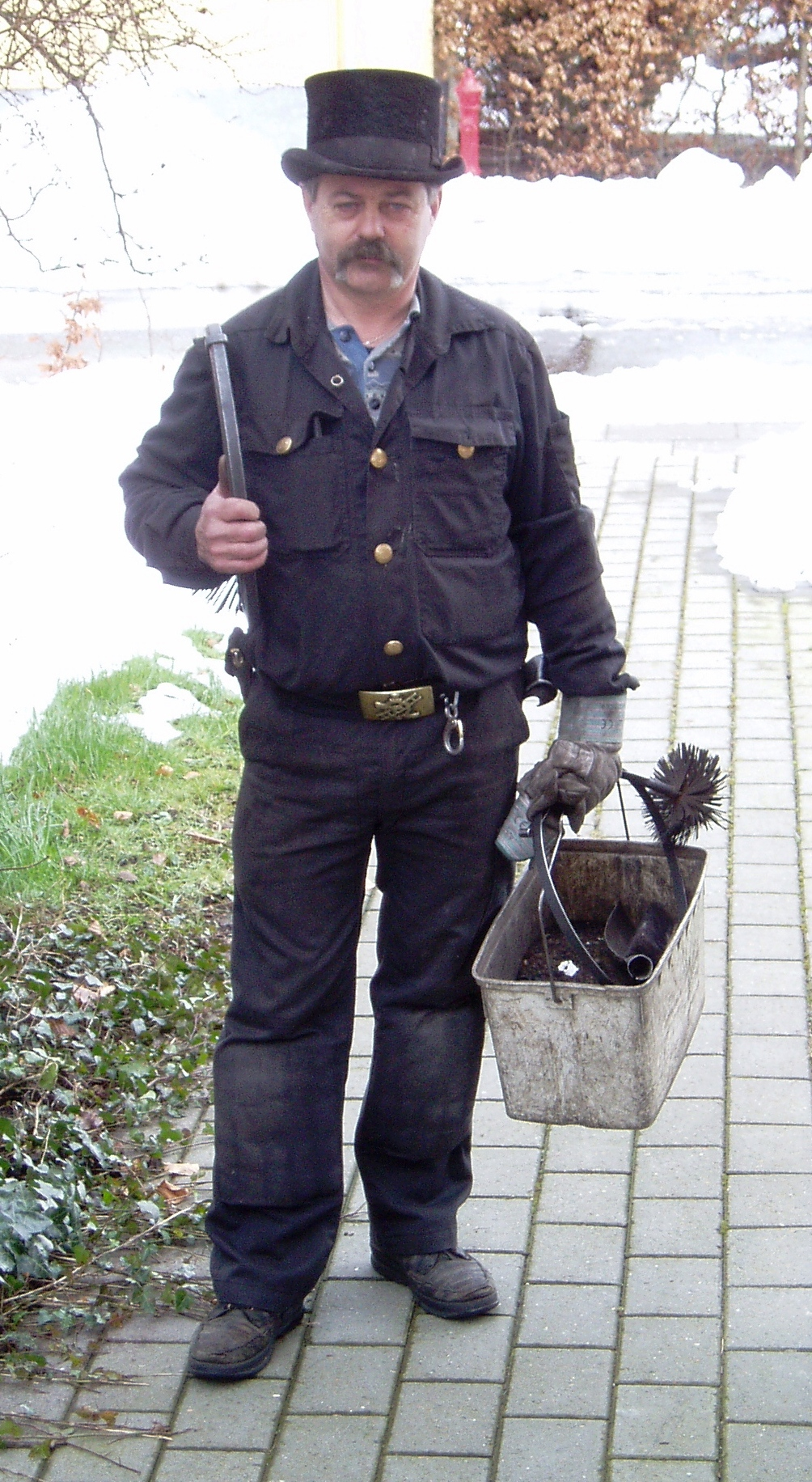
The superstition that a chimney sweep brings luck, particularly to a bride, is old and was taken seriously enough that sweeps were engaged to appear at weddings for a fee.
The practice continues and is a genuine small sideline for the trade, with sweeps attending weddings in traditional dress with a brush. The origin stories offered for it are various and none is well evidenced – a frequently repeated version involves a sweep saving a monarch, which is almost certainly a later invention. What is reliable is that the superstition existed, that it was commercially useful, and that it still is.
11. Birds Nested in the Chimney and He Dealt With Them
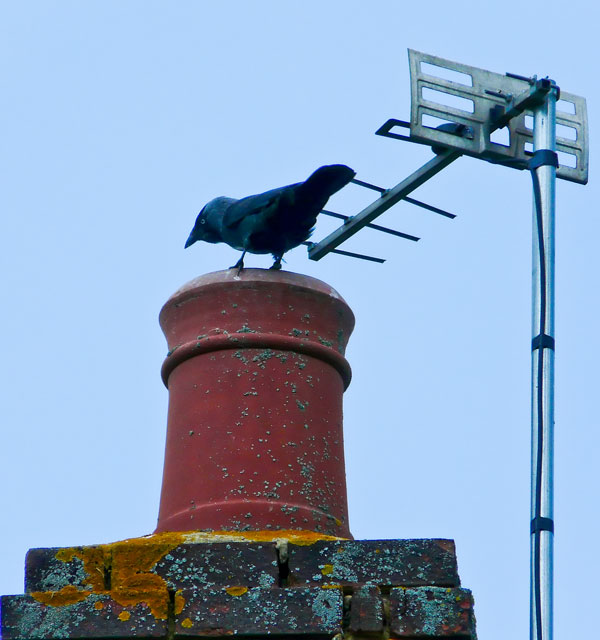
Jackdaws in particular nest in flues, dropping sticks down until the mass lodges, and a nest can fill a chimney completely. Clearing one meant pushing and pulling the blockage out, frequently from the roof as well as the hearth, and a great deal of it came down into the room.
Nesting birds are now protected during the breeding season in many jurisdictions, which means a sweep cannot simply remove an active nest and the work has to wait or be handled under the relevant exemption. The answer is prevention – a cowl or guard fitted to the pot – which is now a routine recommendation and is one of the things a modern sweep sells alongside the sweeping.
12. Flues From Several Rooms Shared One Stack and Got Confused
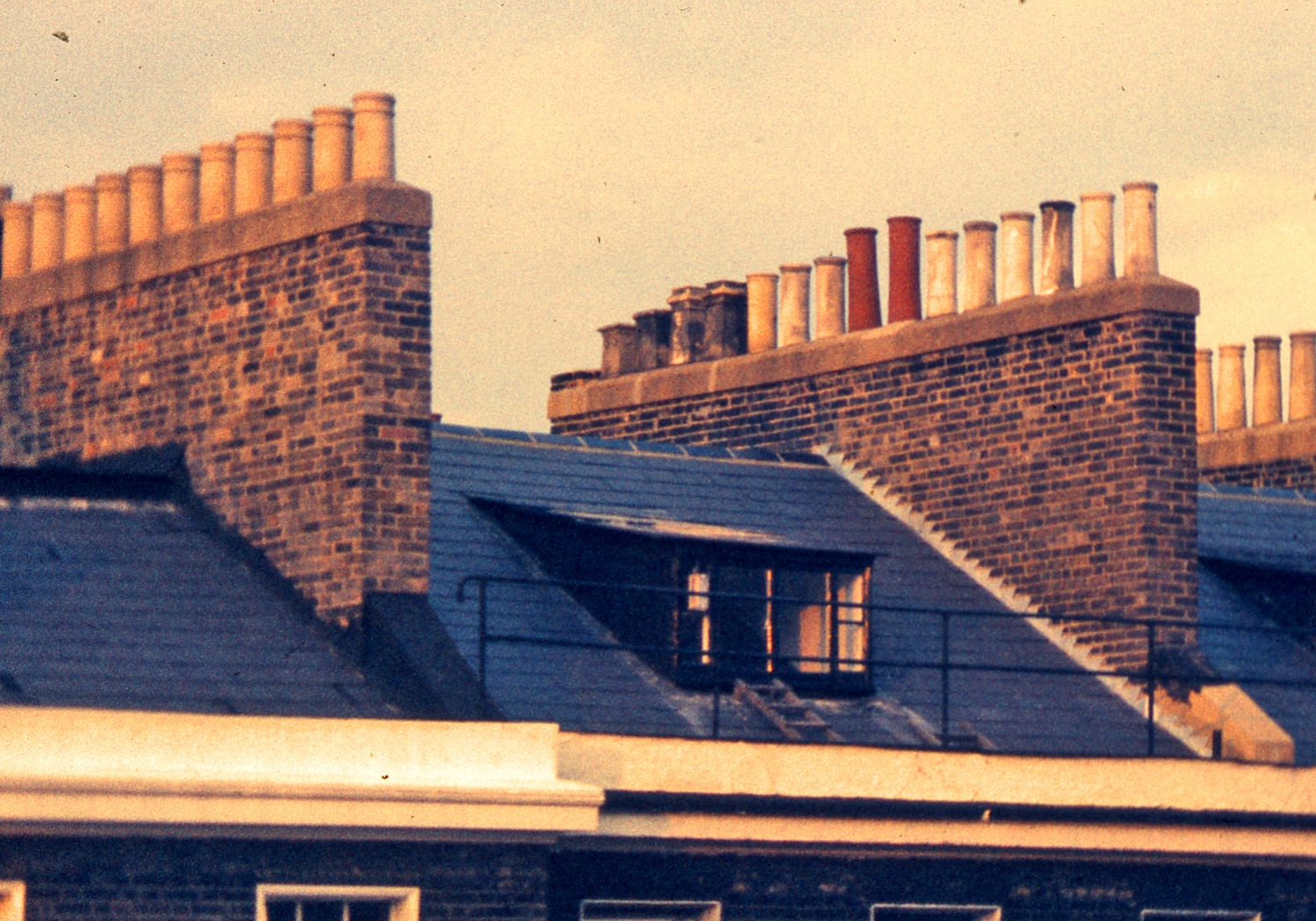
A terraced house had separate flues from several fireplaces running up inside one stack, and in older or badly built property they could break into one another. Smoke from a neighbour’s fire appeared in your bedroom, and a sweep’s brush could emerge from the wrong pot entirely.
Flue integrity testing with smoke pellets, and camera inspection of the whole run, now identify crossed or broken flues as a matter of routine – and finding one is a serious matter rather than a curiosity, because a flue leaking into an adjoining property can carry combustion products into somebody else’s bedroom. Lining the flue with a continuous liner is the standard remedy and did not exist in any practical form in 1955.
13. The Season Was the Autumn and He Worked Dawn to Dark in It
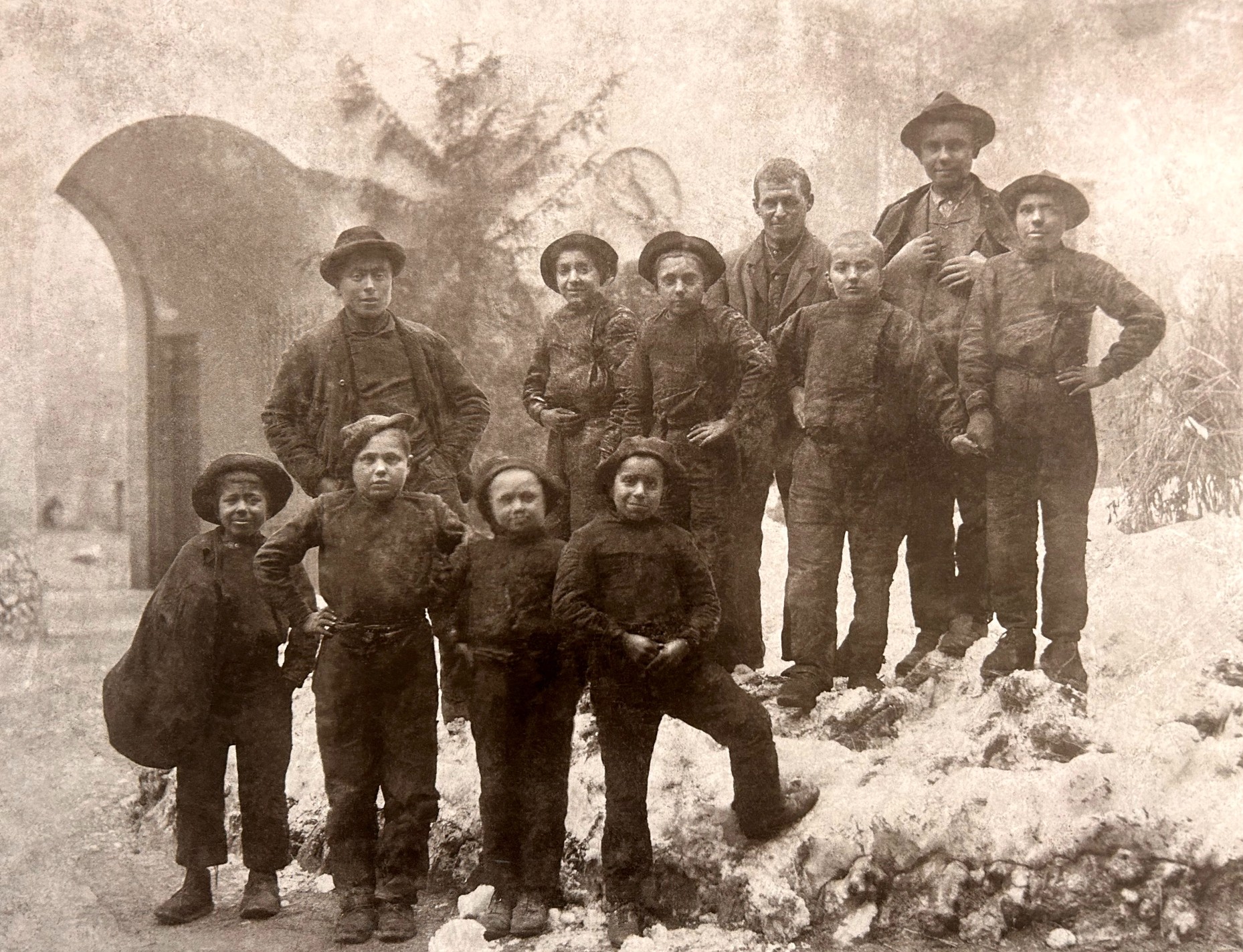
Almost everybody wanted the chimney swept before the first fires of the winter, which compressed most of the year’s work into a few weeks. A sweep worked from first light, fitted as many houses into a day as the round allowed, and was quiet for months afterwards.
The seasonality is unchanged and is the trade’s main commercial problem – a business whose demand arrives in a two-month window. Modern sweeps spread it by taking on inspections, cowl fitting, stove servicing and certification work through the year, and by persuading customers that spring is a better time to sweep, which it is and which almost nobody does.
14. He Was Paid in Cash at the Door and Got a Christmas Box
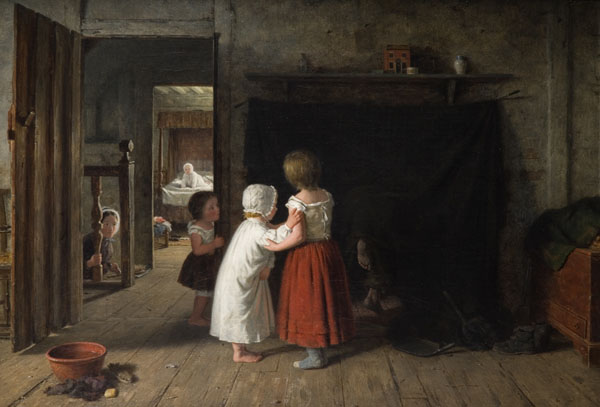
Settlement was immediate, in coin, at the door, with no invoice and no record. Like the other regular callers – the milkman, the baker, the coalman – he was given something extra at Christmas, which was a recognised part of the income rather than a gratuity.
Invoicing, card payment, online booking and the certificate that has to be issued for insurance have formalised all of it. The Christmas box has gone with the street trades generally, and it was a substantial and expected part of the annual earnings of everybody who called at a door regularly – which is a piece of the old domestic economy that disappeared without anybody deciding to end it.
15. He Swept the Copper, the Range and the Boiler Flue Too
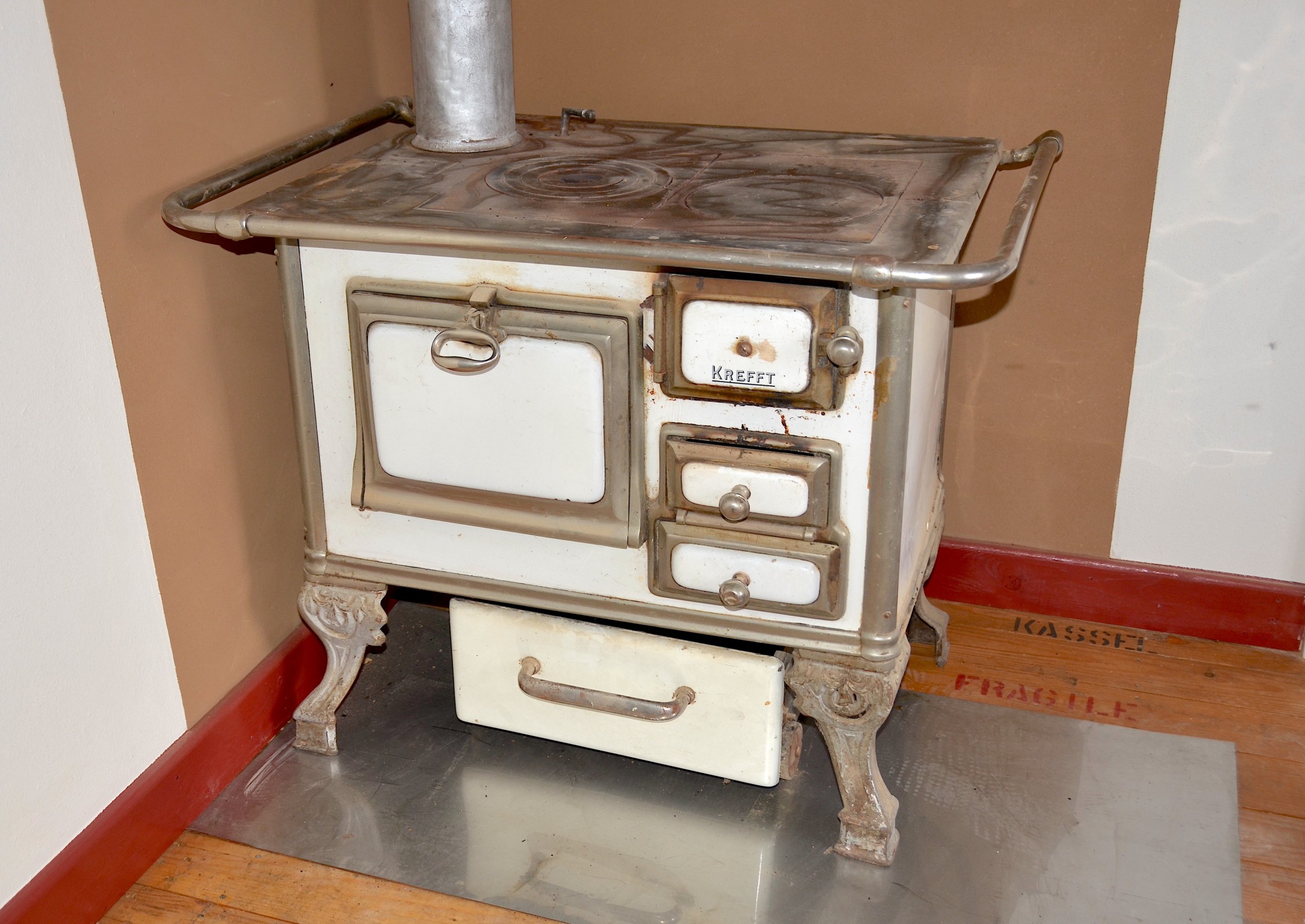
The fireplace was not the only flue in a house. The kitchen range, the back boiler and the washing copper all burned solid fuel and all needed their flues cleared, and the sweep did those on the same visit.
Those appliances went with the arrival of gas, electricity and plumbed hot water, and the modern sweep’s work is almost entirely one or two flues serving a stove or an open fire. The disappearance of the range and the copper removed most of the solid fuel in a house, which is the underlying reason the trade declined before it recovered.
16. Nobody Expected the Open Fire to Come Back
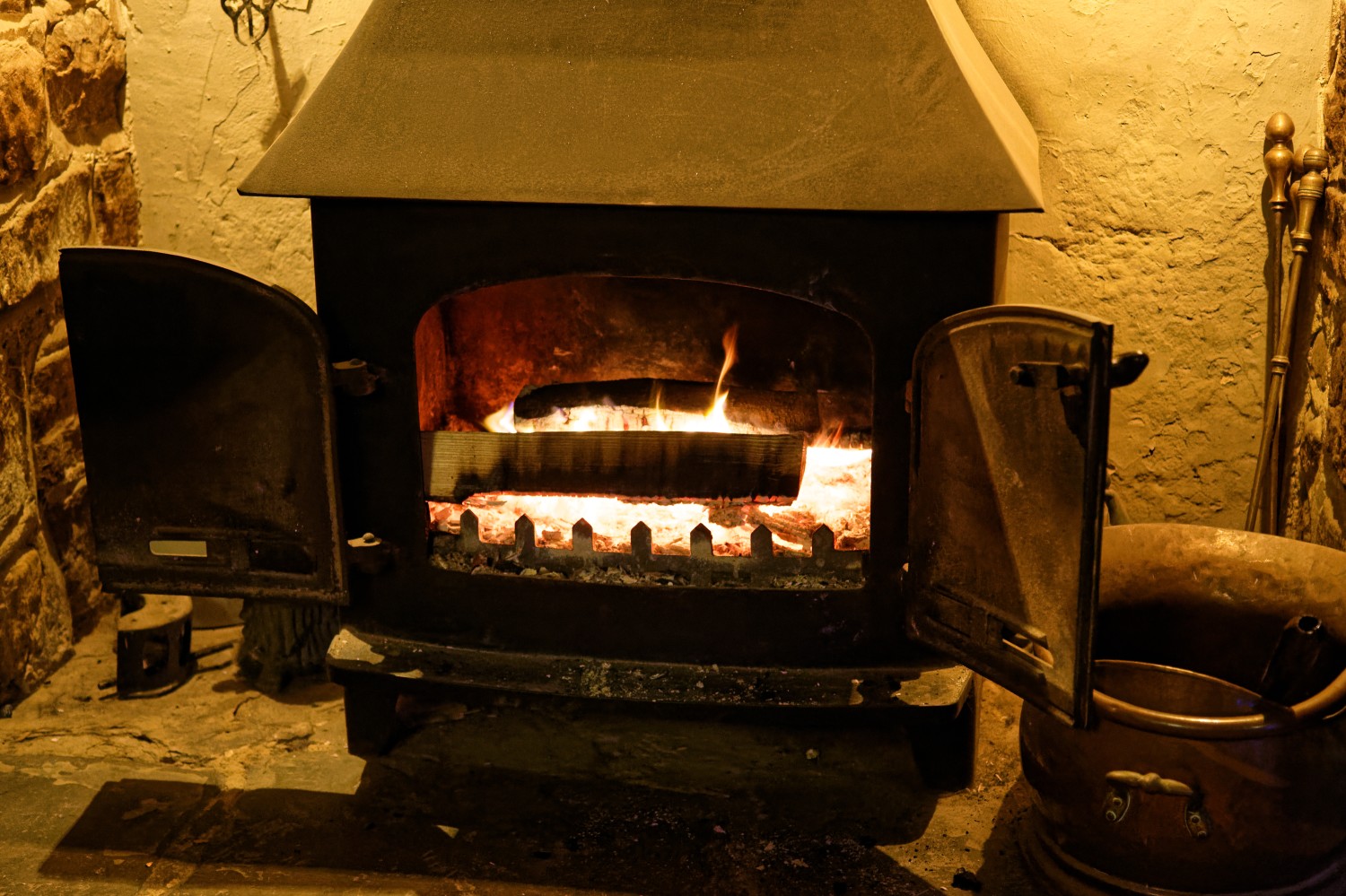
By the middle of the century the direction was away from solid fuel. Gas and electric heating were spreading, clean air legislation was restricting what could be burned in urban areas, and the trade was widely expected to decline towards nothing.
It did decline sharply, and then partially reversed. Wood burning stoves became fashionable and then widespread from the 1990s onward, which created demand for sweeping and inspection in houses whose flues had been unused for decades. The trade now has more work than it did at its low point, is certified rather than informal, and is the subject of renewed air quality attention in exactly the way coal was – which is the same argument arriving a second time about a different fuel.
17. The Equipment Fitted in a Bag and That Has Not Changed
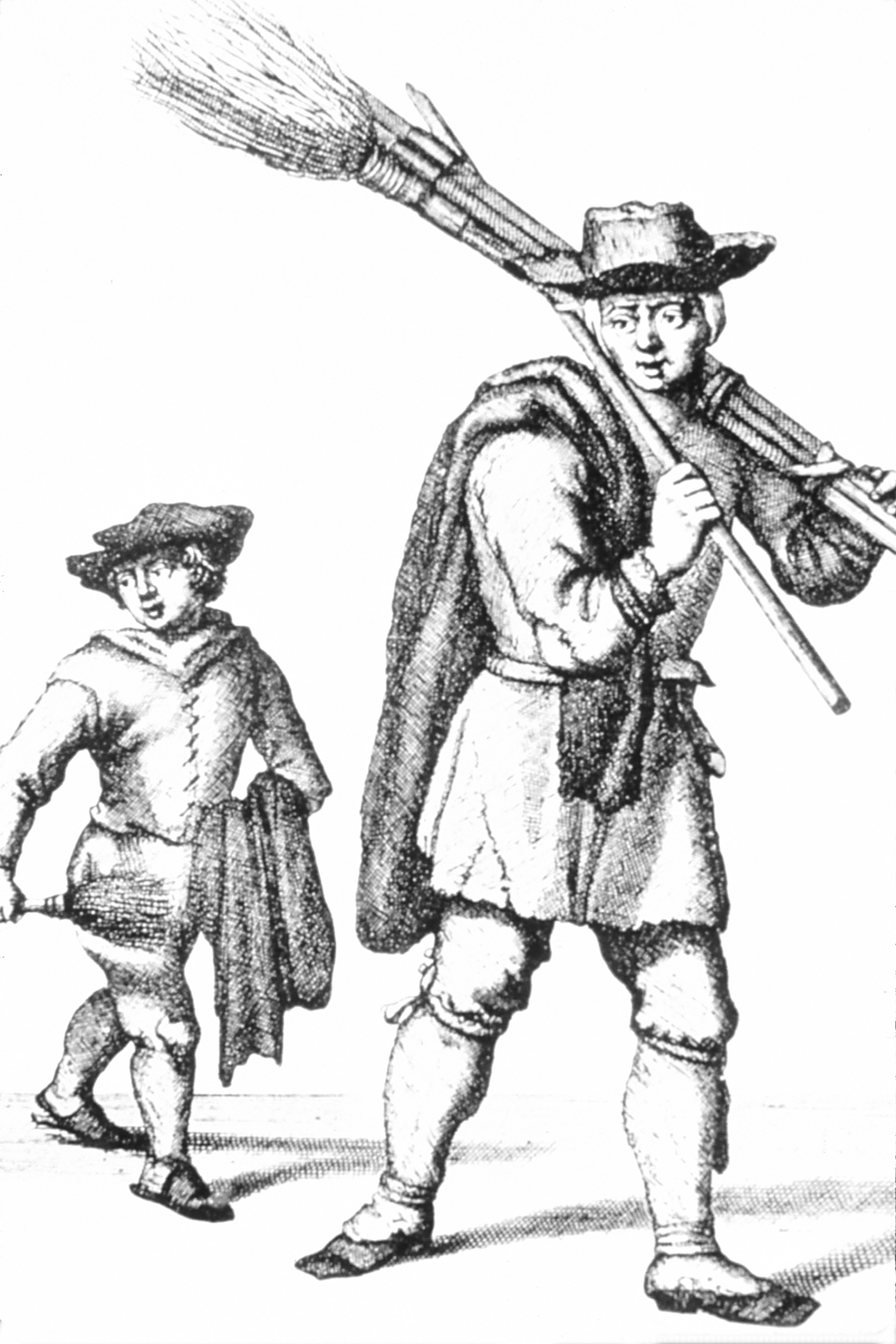
Rods, brush heads of several sizes, a sheet, a scraper, a mirror, a hand brush, sacks and a torch. The whole trade travelled in a bundle and a bag and needed no power, no vehicle access and no premises.
That portability is why the trade survived every pressure that closed workshops and yards. A sweep needs no building, no plant and no stock, which means the overhead is almost nothing and the business can be one person. Vacuum extraction and a camera have been added and the core kit is otherwise recognisable, which puts this with piano tuning and tailoring among the very few trades in this series whose tools were not replaced.
The Trade That Came Back
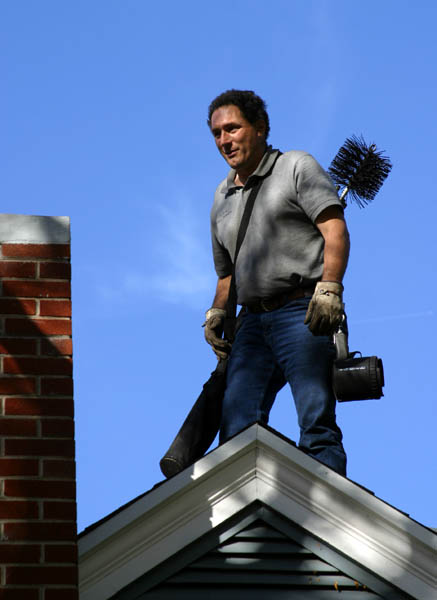
Almost every subject in this series contracted and stayed contracted. The sweep is one of the few that declined and then grew again, and the reason says something about how these trades actually die.
Sweeping did not depend on a skill that could be automated. It depended on the existence of chimneys in use, and when gas and electric heating spread and clean air legislation restricted what could be burned, the chimneys went cold and the work went with them. By the low point the trade was close to finished.
Then open fires and wood stoves became desirable again – for comfort, for appearance, for fuel cost and in some places for resilience – and a very large number of flues that had been blocked up for thirty years were reopened by people who had no idea what condition they were in.
That is a trade’s dream and a safety problem at the same time, and it is what professionalised the sweep. The work came back attached to certification, insurance requirements, carbon monoxide detection, flue integrity testing and inspection reports, because the houses were old, the flues were unknown and the appliances were new.
So the modern sweep does the same job with the same rods, and the part that has grown is not the brushing. It is being the person who tells you whether the chimney you have just started using is safe.
If a sweep came to your house as a child, the sheet across the fireplace and being sent outside to watch for the brush is what you remember.
Did you ever get sent out to shout when it came out of the pot?
Like our content? Follow us for more.
