

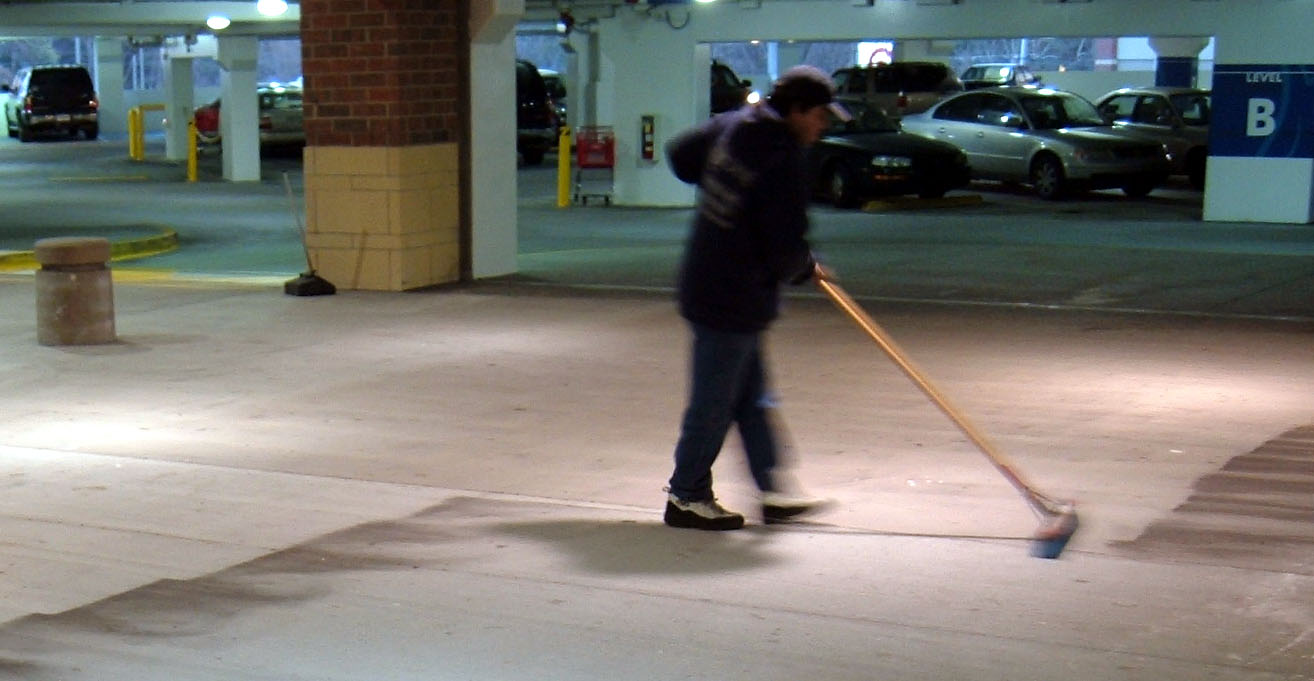
In 1965 one man kept a school building standing. He opened it in the dark, fired the boiler, mixed the cleaning chemicals from drums, stripped and waxed every floor over the summer, ran the duplicating machine, climbed to the roof on his own, dealt with the blood and the sick, and locked up at night.
He also knew every child’s name, and a good number of them talked to him in a way they did not talk to their teachers.
Here are seventeen things the school custodian did in 1965, and what each one became.
1. He Had a Key to Everything and Used It Before Anybody Arrived

The custodian held the master key to every door in the building – classrooms, the office, the records room, the gymnasium, the boiler room, the roof hatch. He opened the school in the dark and was frequently the last person in it at night.
Key control is now a serious administrative subject with issue registers, restricted key blanks that cannot be copied, electronic access cards that log every door and every time, and in many districts zones that even a head custodian cannot enter alone. The change was not about trust in any individual – it was about a building full of children having exactly one physical point of failure, and nobody being able to say afterwards who had been where.
Like our content? Follow us for more.
2. He Ran a Coal or Oil Boiler by Hand and the School Depended on It
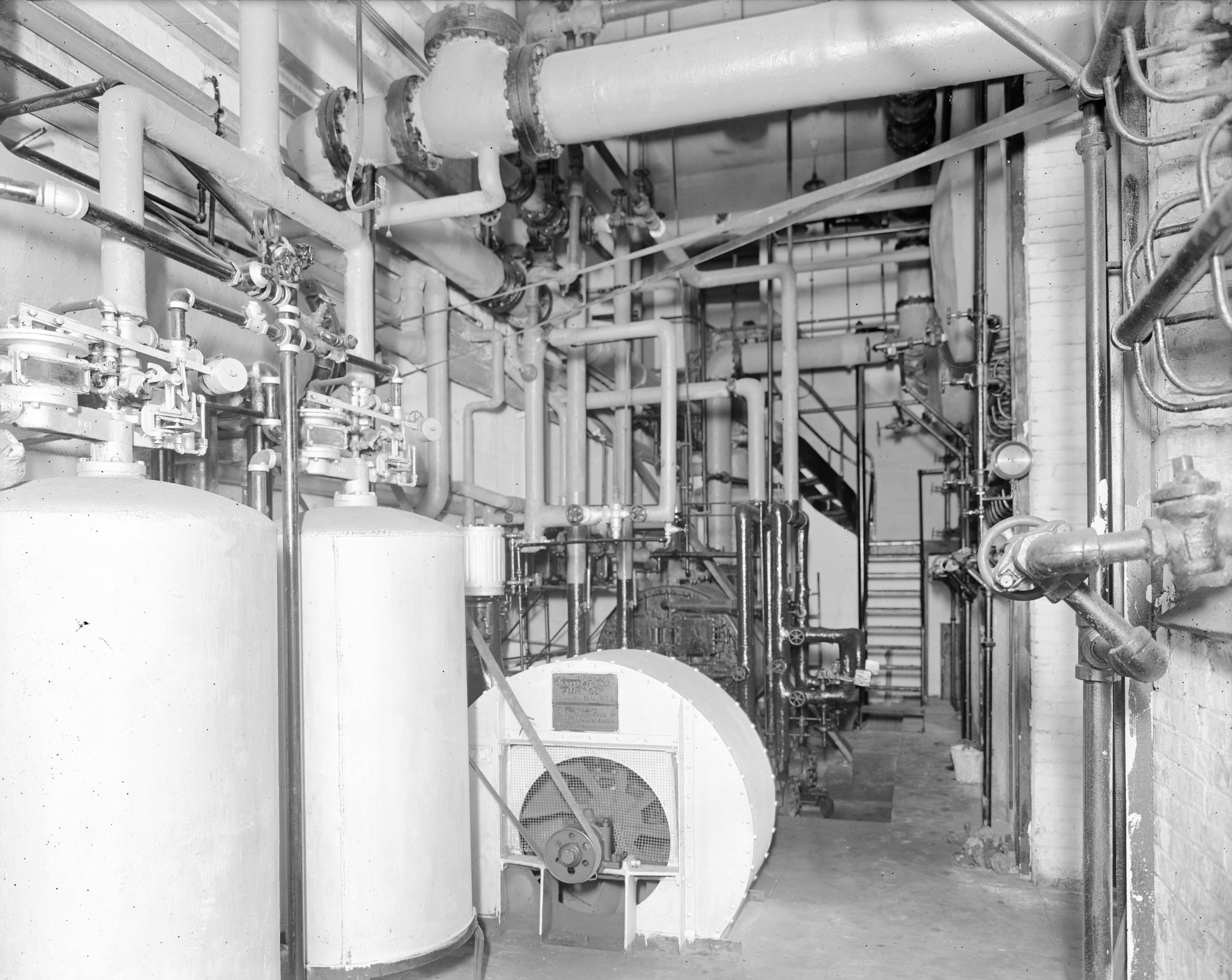
The heating plant was a pressure vessel in a basement, and he fired it, watched the gauges, bled the radiators, and knew which rooms ran cold. In older buildings he shovelled coal and dealt with the ash. If the boiler went down in January the school went home.
Boiler operation now requires licensing in most jurisdictions, with inspections, logs and automatic controls that shut the plant down before a fault becomes an incident. Building management systems monitor temperature room by room and call a contractor. What has gone with it is the man who could tell by the sound in the pipes which radiator had air in it, and who was in the building to hear it.
3. The Sawdust Compound Came Out for Every Accident
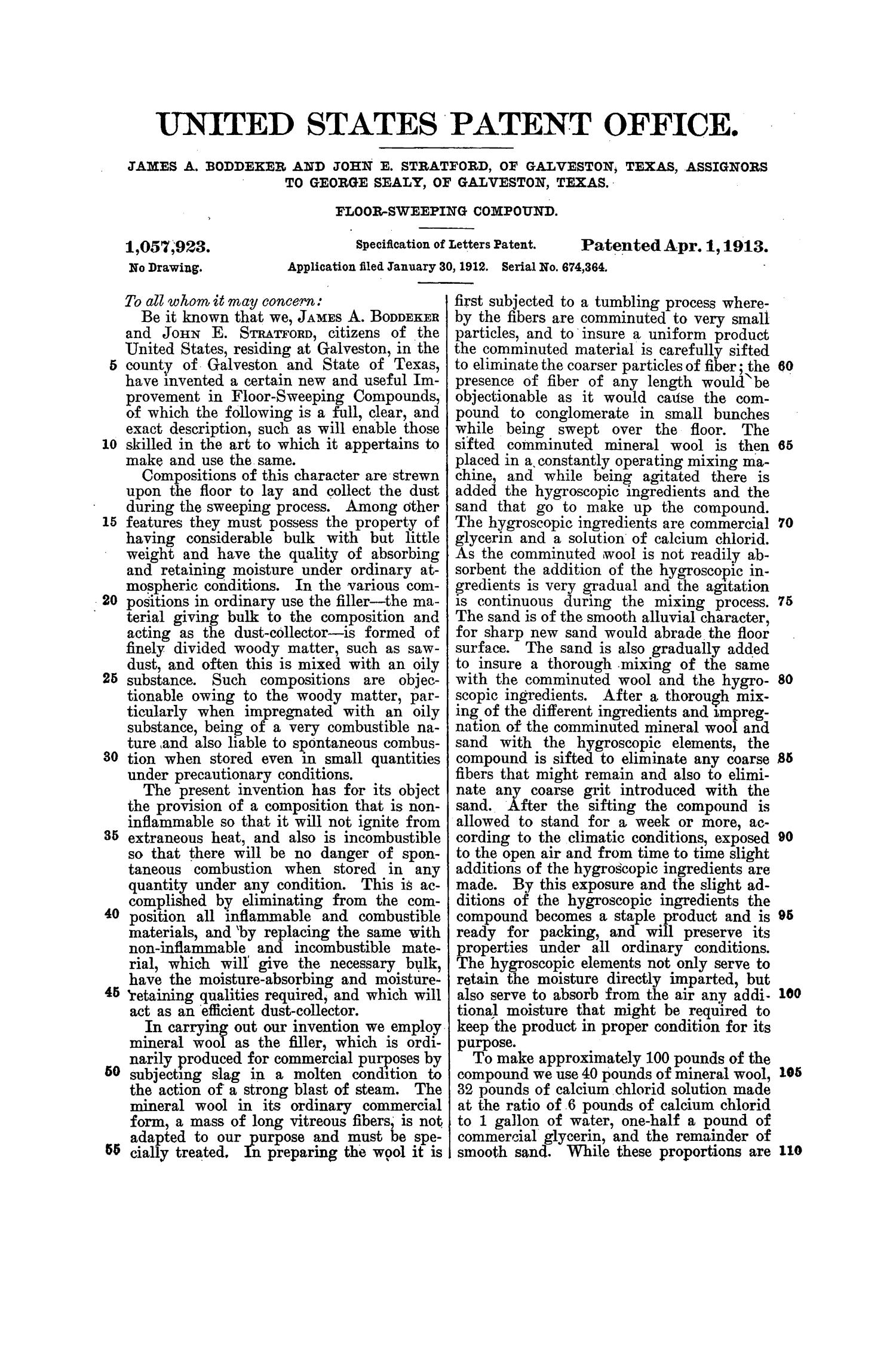
A red or green granular absorbent, kept in a bucket with a scoop, scattered over anything spilled on a corridor floor and swept up once it had soaked in. Every child who went through school in that era can describe the smell and the colour.
Absorbent compounds are still used and the modern versions are better. What changed is everything around them: cleaning up bodily fluids is now a defined procedure with gloves, a dedicated kit, disinfection and disposal rules, carried out by somebody trained for it. The old method – a scoop of compound, a broom, and back to lessons – was sweeping rather than cleaning, and the distinction turned out to matter.
4. He Was the First Aid, the Security and the Fire Response
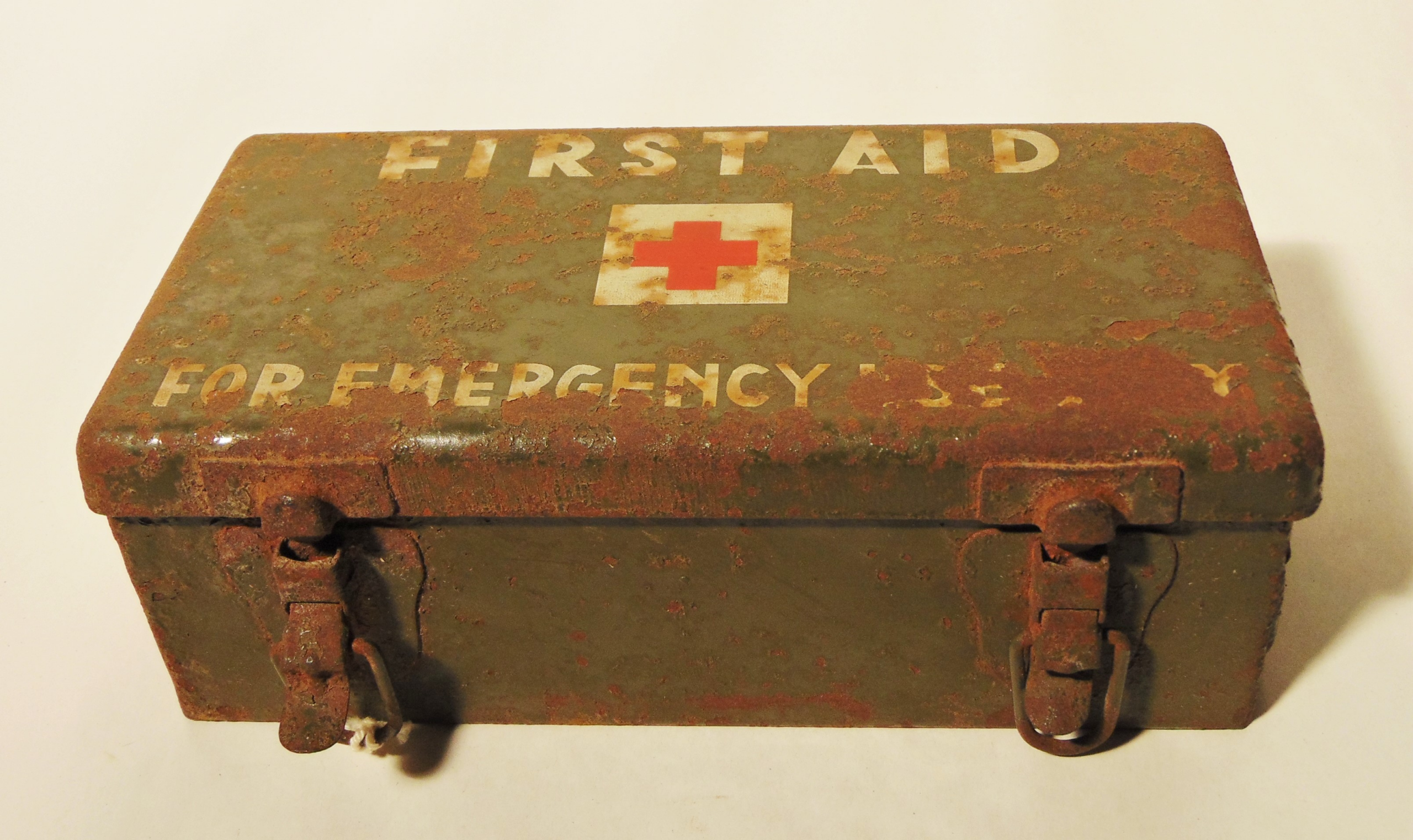
Before most schools had a nurse on site every day, a resource officer, or a trained safety team, a child who was bleeding, a door that would not lock, a stranger in the corridor and an alarm going off were all, in the first instance, his problem.
Those four responsibilities are now four separate trained roles with protocols, and that is unambiguously better. It is also why a modern custodian has a narrower job than his predecessor, and why the person who used to be the building’s general problem-solver is now one specialist among several – which solved the competence question and removed the single figure who knew the whole building.
5. He Mixed the Cleaning Chemicals Himself From Drums
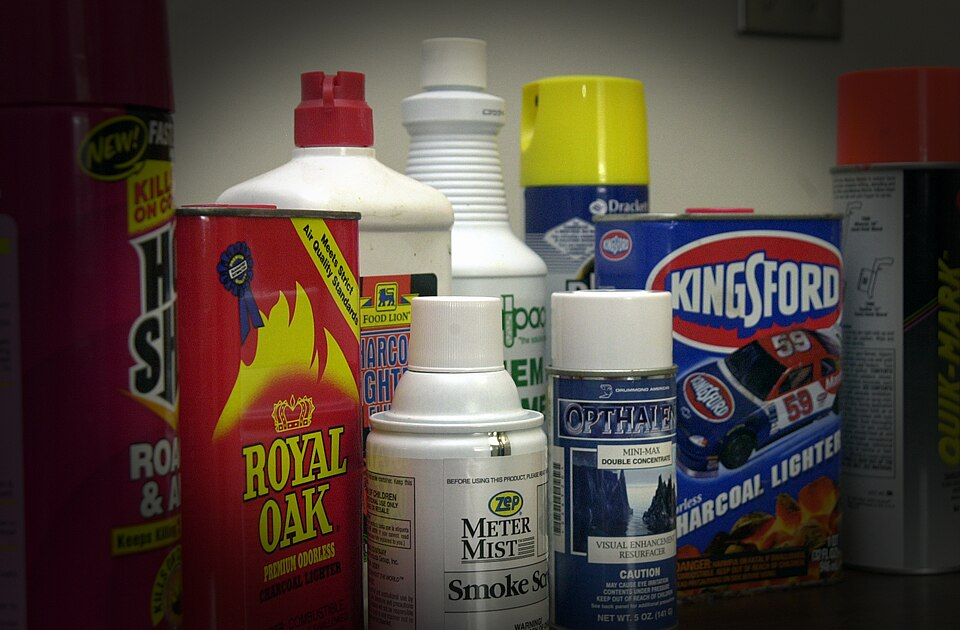
Concentrates arrived in drums and were diluted by eye into buckets and spray bottles, frequently decanted into unlabelled containers. Ammonia, bleach, caustic strippers and solvents were stored together in a cupboard under the stairs.
Chemical safety is now a formal system: supplied dilution equipment, labelled secondary containers, data sheets available on site, segregated storage of incompatible products, ventilation requirements and training that is refreshed. The specific hazard of mixing bleach with an ammonia-based cleaner is now taught explicitly to every cleaner, which it was not then. This is workplace history, not a safety instruction.
6. He Stripped and Waxed the Floors Every Summer
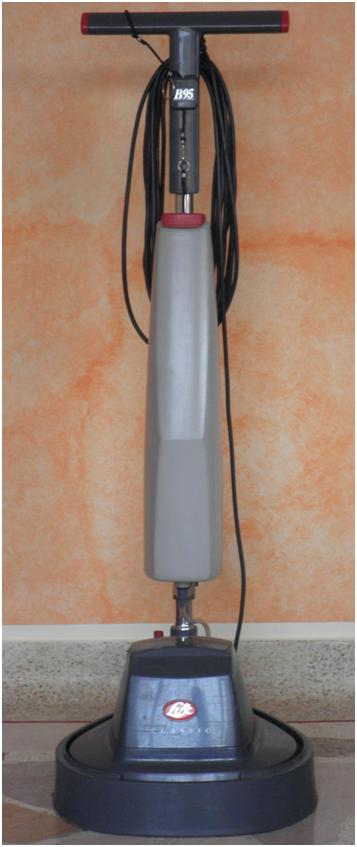
The whole building’s floors were stripped back with a caustic stripper and a rotary machine, rinsed, and built back up with several coats of wax, then burnished. It took the summer, he did it largely alone, and it was the reason the corridors smelled the way they did on the first day of term.
Floor care is still done and is now mostly contracted to crews with better machines, better chemistry and respiratory protection where it is needed. The smell on the first day of term is one of the most commonly reported school memories anybody has, and it is almost entirely the wax – which is why the memory is fading, because many districts have moved to finishes that do not produce it.
7. He Ran the Mimeograph and the Ditto Machine
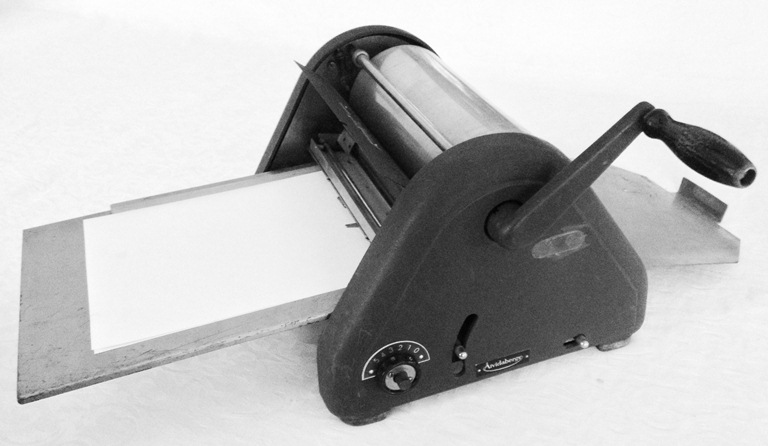
The duplicating equipment lived near his domain and he kept it running – fixing the drum, changing the fluid, clearing jams. Teachers brought him masters and he turned the handle. Every worksheet in the building came through that machine.
The solvent in spirit duplicating had a strong and distinctive smell that every child of the period remembers, and that solvent is one of the clearest cases on these lists of something that was simply inhaled daily by everybody and would not be permitted now. Photocopiers displaced the technology through the 1970s and 1980s for reasons of quality and speed rather than health, and the exposure ended as a side effect.
8. He Climbed to the Roof and the Bell Tower Without Equipment
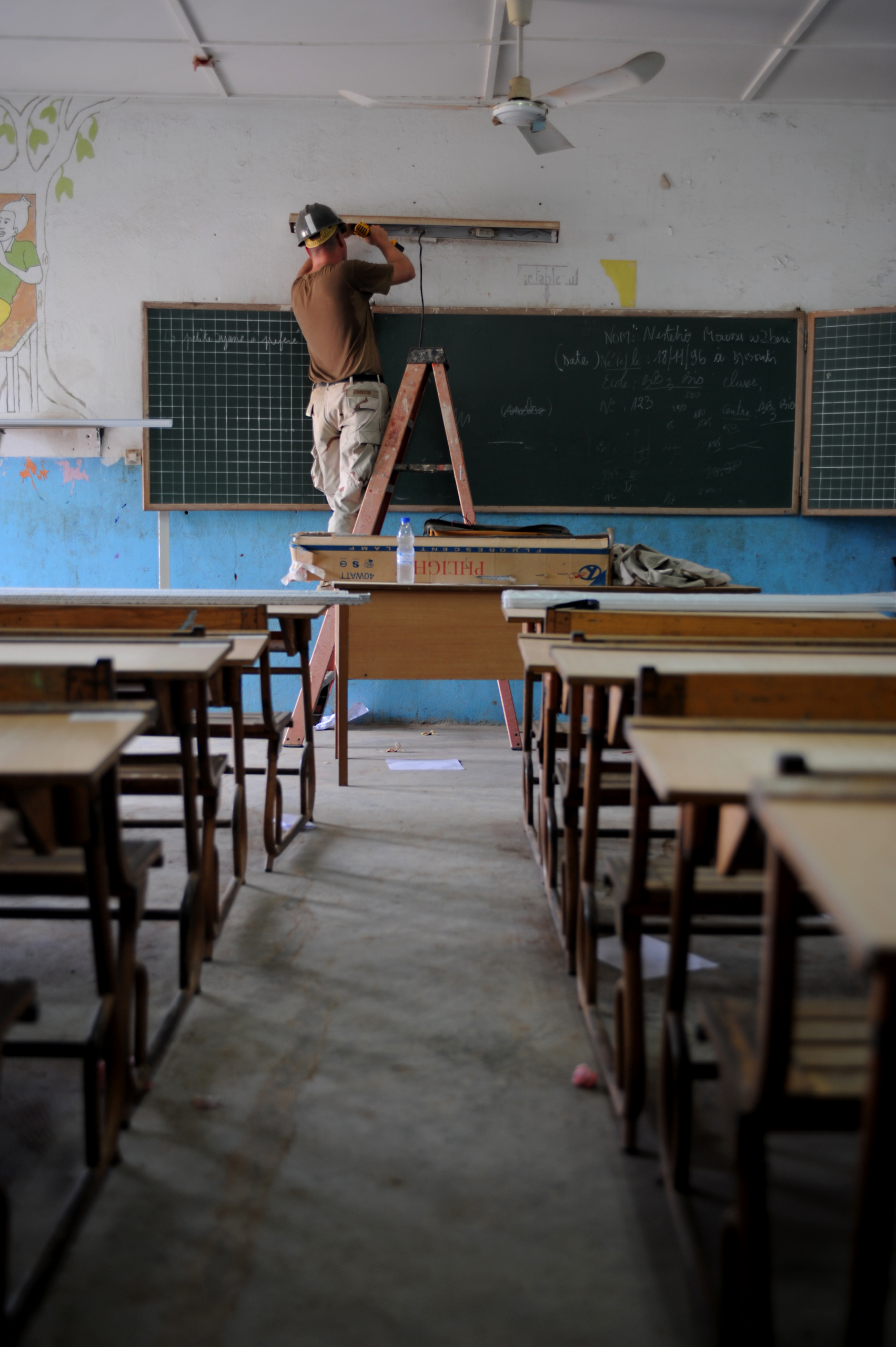
Blocked gutters, a stuck flagpole halyard, a ball on the roof, a loose slate, a jammed clock or bell, a failed light in the gymnasium twenty-five feet up. He went up a wooden ladder, alone, with nothing to catch him.
Work at height is now among the most heavily controlled activities in any workplace, with harnesses, anchor points, powered access platforms, rescue plans and a prohibition on working alone. The gymnasium lights in particular are a well-known hazard, and modern buildings increasingly use fittings that can be lowered to the floor. Nobody goes up a ladder to a school roof on their own any more.
9. The School Burned Its Own Rubbish in an Incinerator on Site
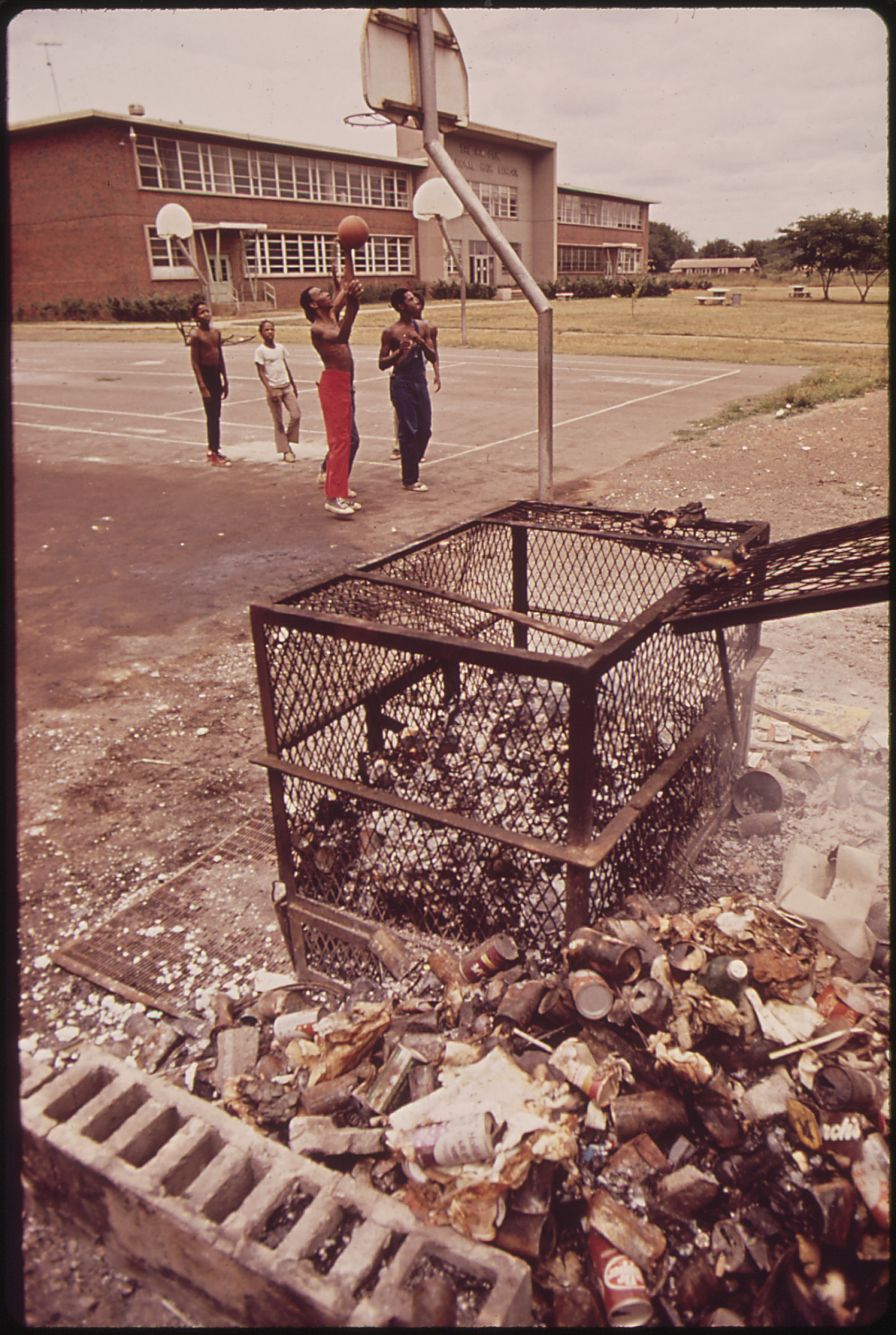
A great many schools had an incinerator in the yard or the basement, and burning the day’s waste was part of the custodian’s round. Paper, packaging, food waste and whatever else had accumulated went in, and the smoke went over the playground.
On-site waste burning at schools was ended by air quality regulation through the 1970s and after, as particulate and emissions rules tightened and as the composition of waste changed – a bin that is largely plastic burns very differently from one that is largely paper. Waste is now collected, separated and processed off site, and the incinerator chimney is one of the features people remember on old school buildings without knowing what it was.
10. He Maintained the Pipe Lagging, Which Was Asbestos
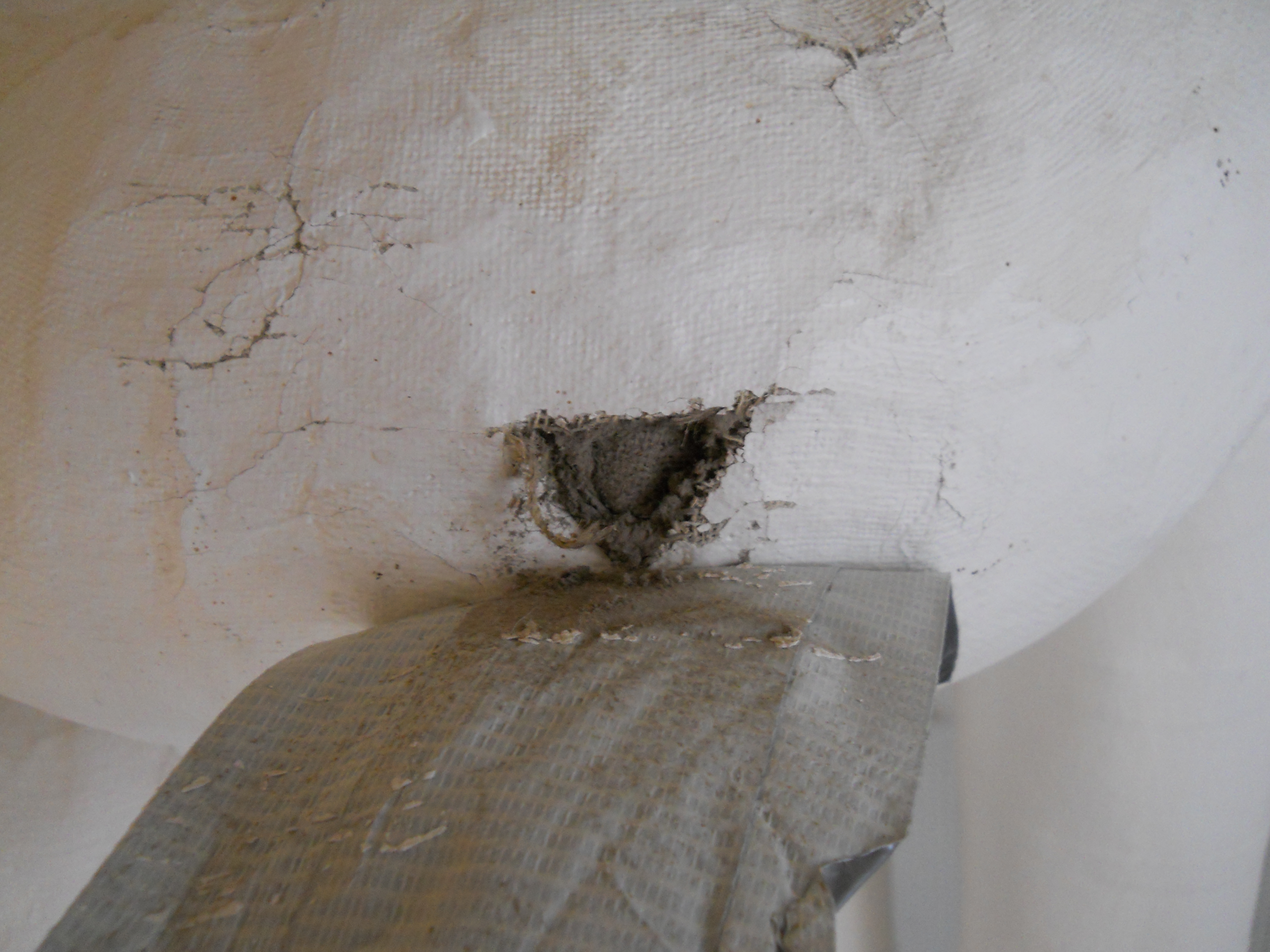
Boiler rooms, service ducts and the pipe runs above corridor ceilings were insulated with asbestos lagging, and the custodian was the person who worked around it, repaired it, and swept up when it crumbled.
This is included as occupational history. Asbestos in school buildings became a major public policy issue, and management programmes requiring surveys, registers, condition monitoring and controlled removal are now standard in most countries, with the material generally left in place and monitored unless it is damaged. School custodial staff of that era were among the occupational groups with significant exposure. Anybody with that work history should raise it with their own doctor rather than with an article.
11. He Reset the Hall Three Times a Day
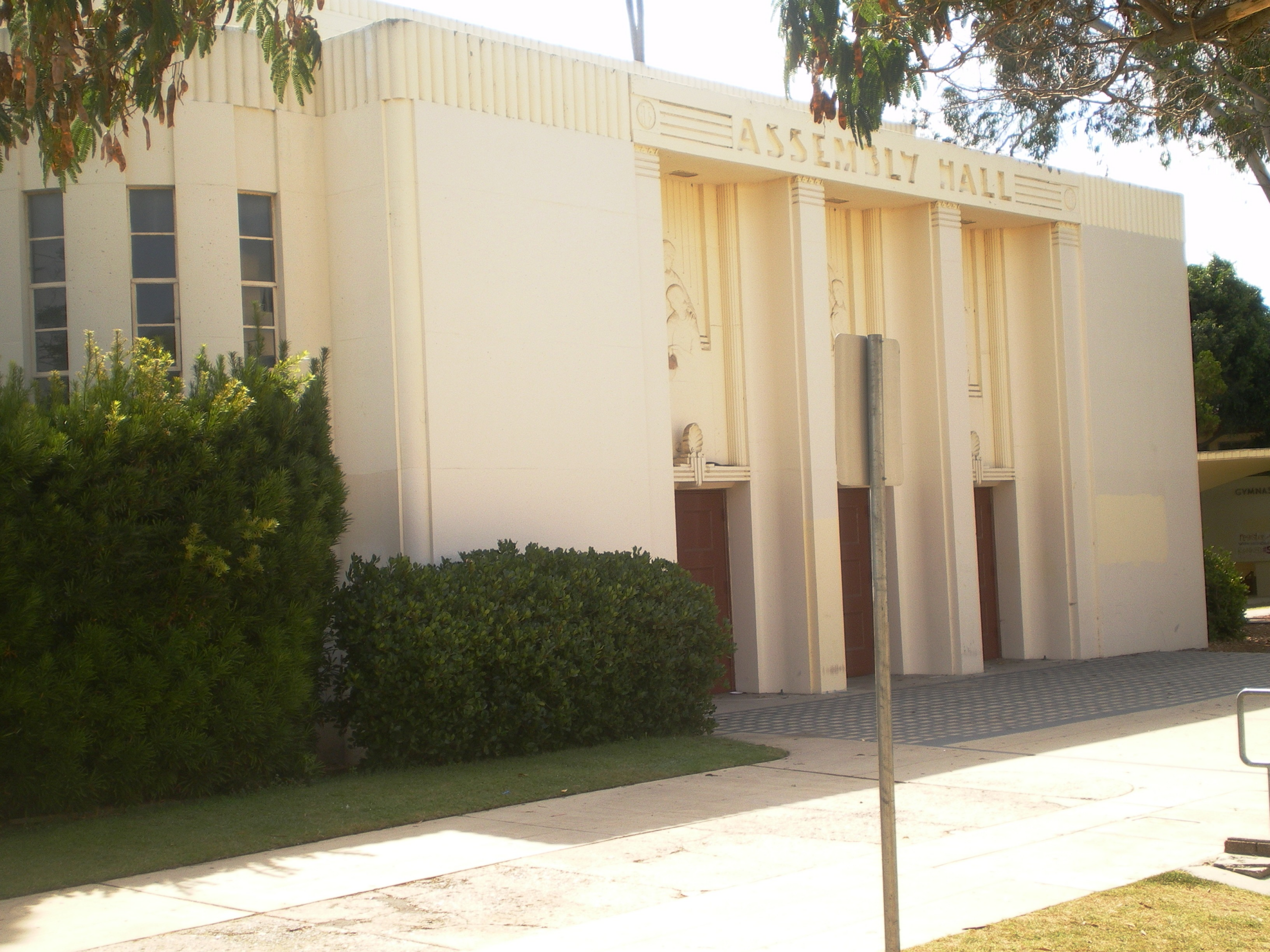
In most schools one large room was the assembly hall, the dining room and the gymnasium. He put out and stacked the chairs for assembly, wheeled out the dining tables and took them away, swept between each use, and set up the apparatus for games.
The multi-use hall survives in most schools and the labour has been reduced rather than removed – lighter stacking furniture on wheeled trolleys, folding tables, and in many cases dining staff who set their own room. The three-changes-a-day routine done by one man with a trolley was simply absorbed as part of a job with no defined hours, which is how a great deal of that work got done at all.
12. He Looked After Playground Equipment Standing on Asphalt
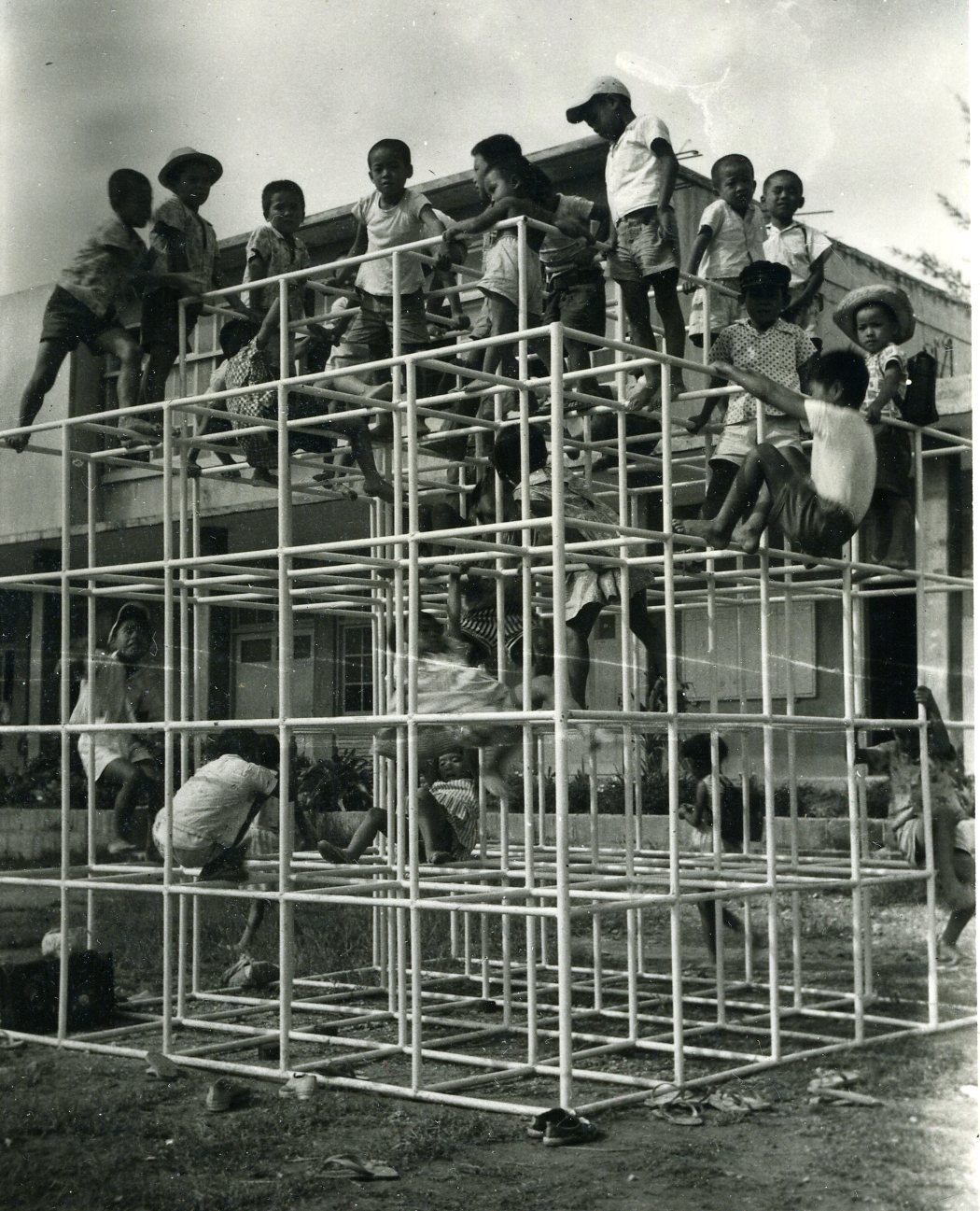
Metal slides, climbing frames, swings with steel seats and roundabouts, bolted into tarmac or bare ground. He greased them, tightened them, repainted them and replaced the broken ones, and the surface underneath was whatever the yard was made of.
Playground safety standards transformed this – impact-absorbing surfacing under anything a child can fall from, fall-height limits, entrapment and pinch-point testing, documented inspection regimes and certified installers. The equipment is now inspected to a schedule by somebody qualified to do it, rather than checked by whoever had a spanner. Injury figures moved accordingly, and so did what a playground looks like.
13. He Painted the Building Himself
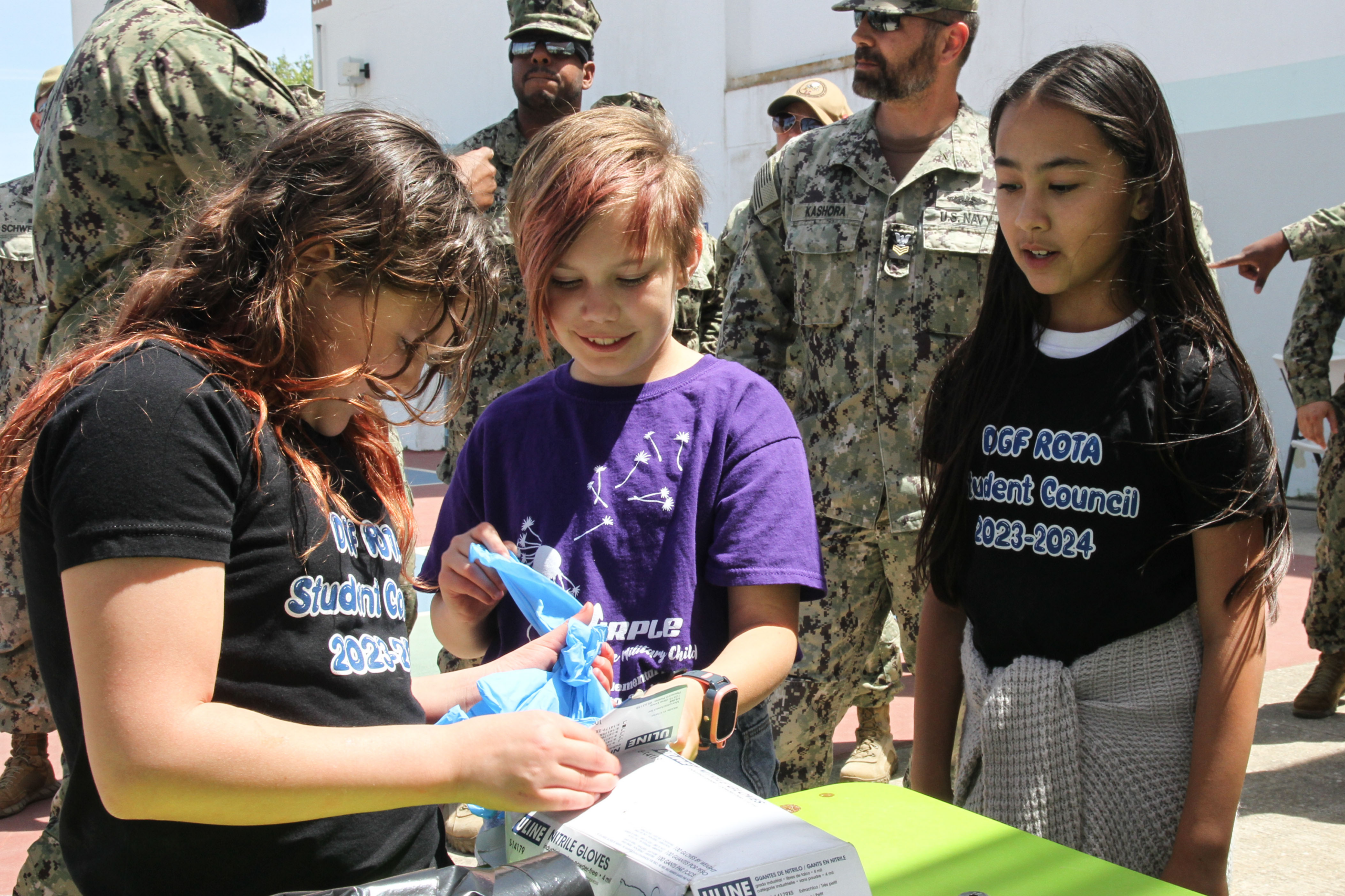
Classrooms, corridors, railings, window frames and radiators were repainted by the custodian over the holidays, with whatever paint the district had bought in bulk – which, for most of the period, contained lead.
Lead in domestic and architectural paint was restricted and then prohibited over the following decades, and the issue in schools is now one of managing older layers under newer ones rather than of new application. Repainting a school is now a contracted job with surveys where old coatings may be disturbed. This is noted as historical building practice; it is not guidance, and anybody dealing with old paint in a building should get proper advice rather than taking it from here.
14. He Decided Whether the School Opened in the Snow
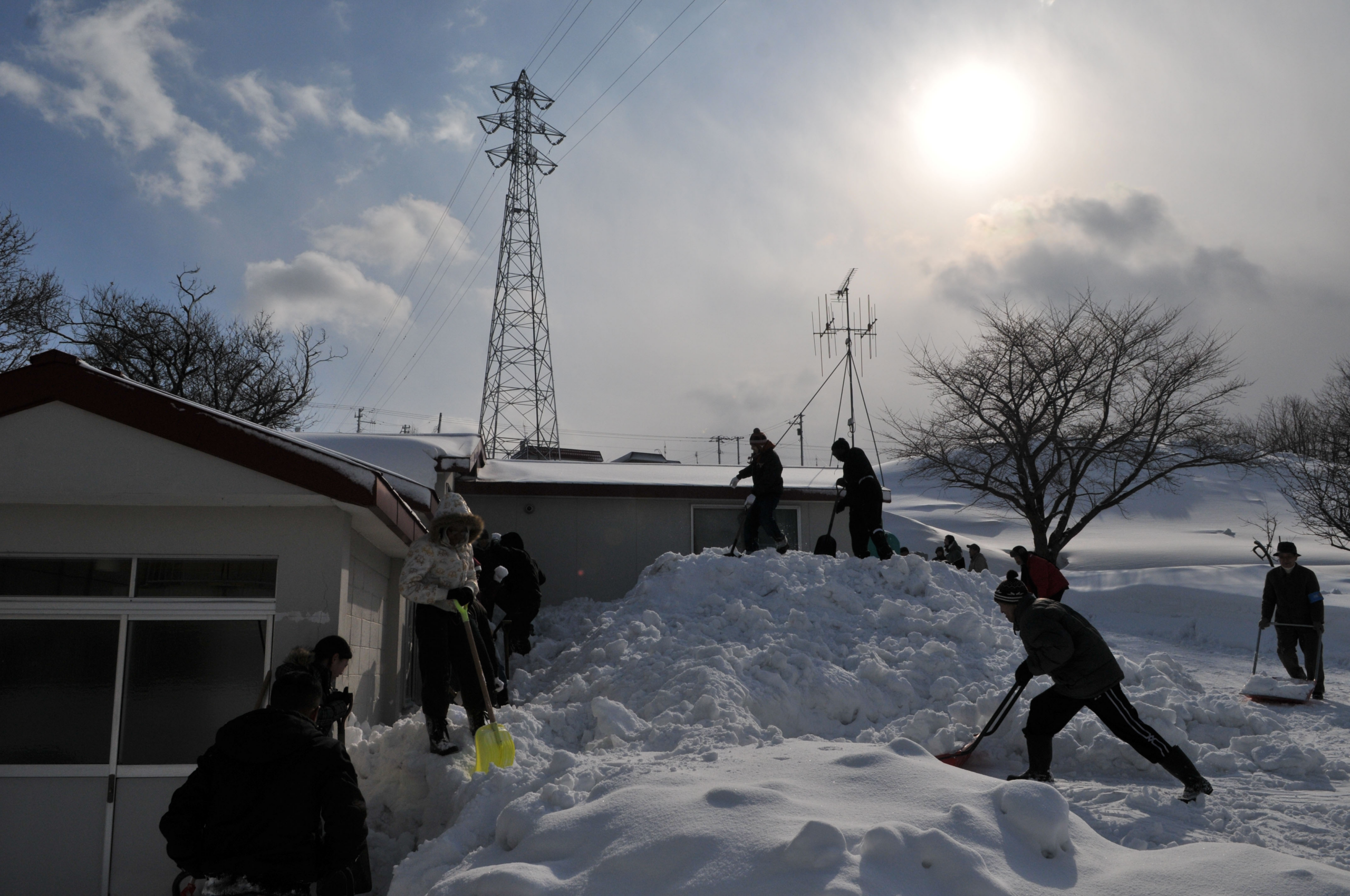
He was there at five in the morning, he knew whether the boiler had held, whether the paths could be cleared in time and whether the buses would get in. The head made the call, and the head made it on the basis of what the custodian said down the telephone.
The decision is now made with road authority data, weather services, transport operators and district-level protocols, and it is communicated by text message and website before anybody leaves home. The improvement is real. What it replaced was one man standing in a dark yard with a shovel making a judgement that several thousand people’s day depended on, which is a remarkable amount of authority for a job with no status in the building at all.
15. He Knew Which Children Were Having a Bad Time
He was in the corridors at the times teachers were not, in the yard at break, and in the building before and after everybody else. He saw which child arrived too early because home was difficult, who ate nothing at lunch, and who sat outside the office repeatedly.
This is the part people describe most often and it has no modern equivalent, because it was never anybody’s job. It existed because one adult was everywhere in the building and was not an authority figure in the way teachers were, so children talked to him. Safeguarding structures now give every adult in a school a defined duty to report concerns, which is a genuine improvement, and it formalises something he was doing informally and without training.
16. He Lived Near the School and Frequently On the Grounds
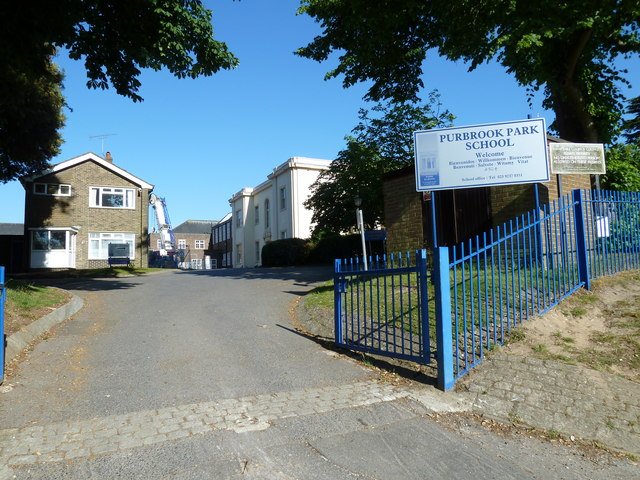
A caretaker’s house on the site, or a flat in the building, was common. He was available at any hour, dealt with the alarm at two in the morning, let the Scouts in on a Tuesday, and opened up for the polling station.
On-site residence has largely ended, for reasons that include the value of the land, the end of the expectation that an employee is permanently available, and the problems created by having a staff member’s family living inside a school. Out-of-hours response is now a call-out rota or a contractor, and the building is no longer somewhere anybody is at three in the morning unless something has gone wrong.
17. He Was Paid Badly and Stayed Thirty Years Anyway
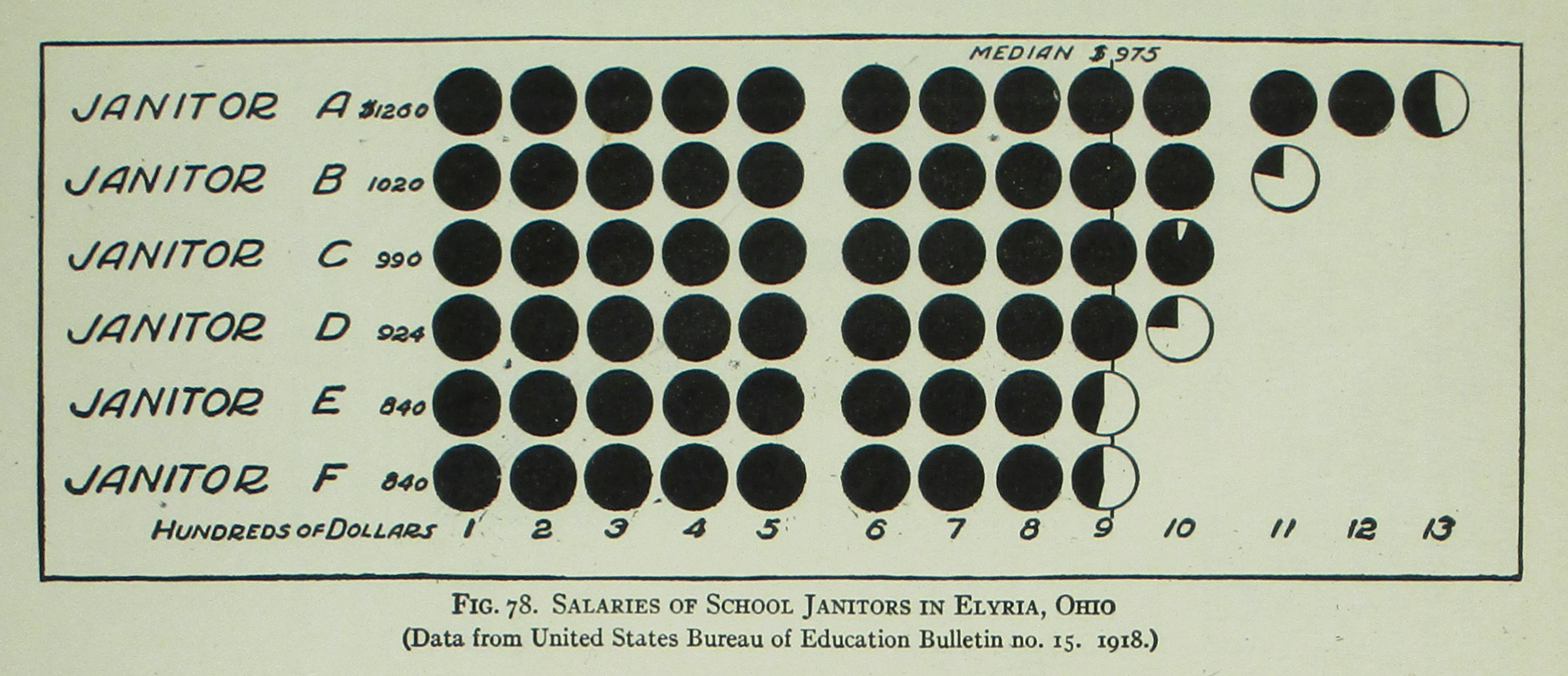
Custodial pay was low, the hours were long and split across early mornings and evenings, and the job carried no status whatsoever in the building’s hierarchy. A great many custodians nonetheless stayed in one school for their whole working lives.
The tenure is the striking part. A teacher moved schools, a head retired, families came and went – and the custodian was the continuity, in some buildings for three decades, having known three generations of the same families. School support staff pay and conditions remain a live issue, and turnover in those roles is now far higher, which means the building’s institutional memory no longer lives in anybody.
The Job Did Not Shrink, It Split
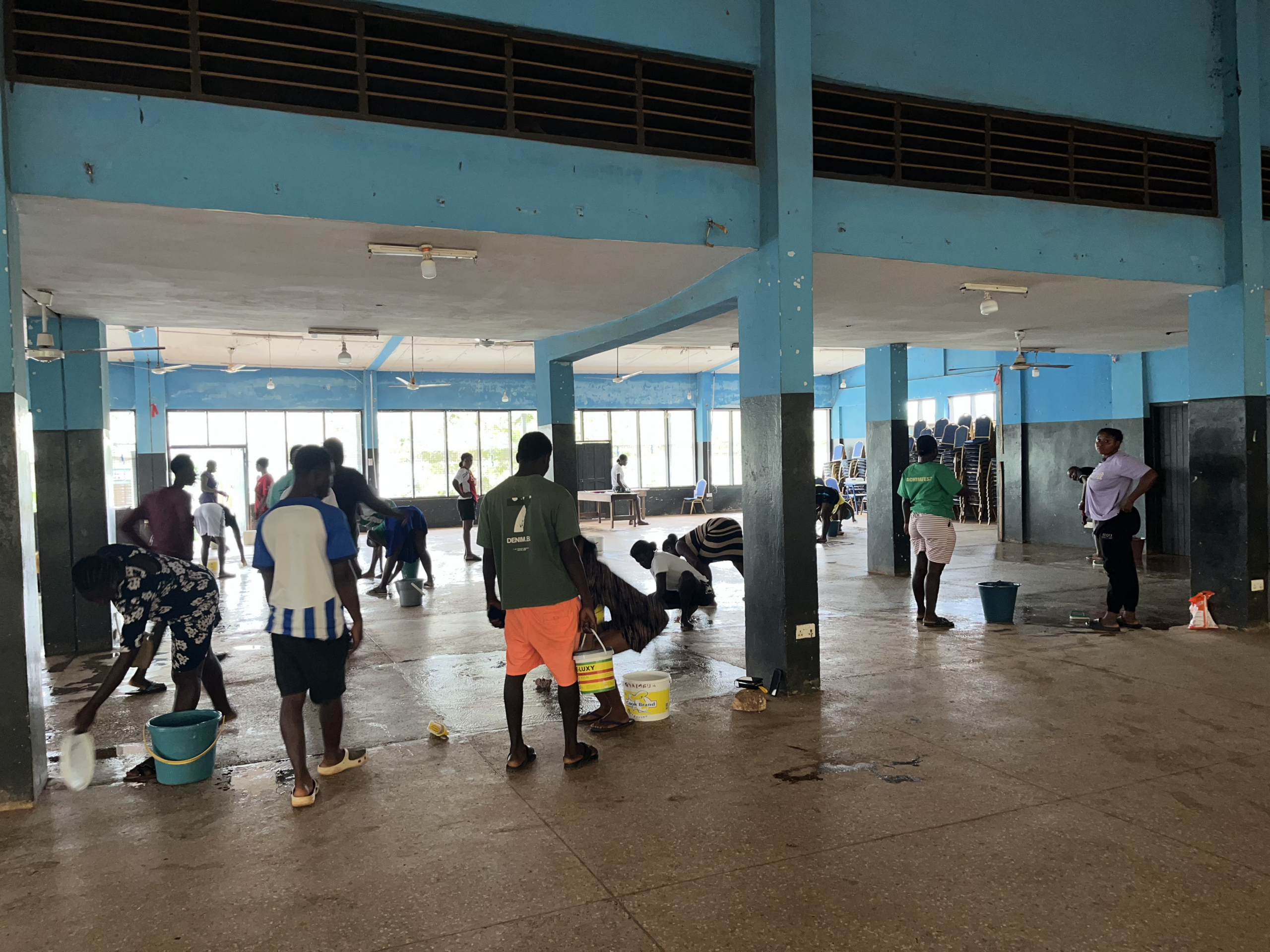
Everything on this list still happens in a school. What changed is that it is now done by between six and ten different people, most of them licensed, trained or contracted, and almost none of them present in the building all day.
That is the right outcome for the dangerous parts. The unlicensed boiler, the unlabelled chemicals, the ladder to the roof, the bodily fluids swept up with a broom and the single master key were each a genuine risk, and each was removed by somebody writing a rule after something went wrong somewhere else.
What the split could not preserve is the thing that made the job what it was. One adult who was in the building from six in the morning until the evening, who had been there for twenty-five years, who knew which door stuck and which child was in trouble, is not a role that can be contracted out in pieces.
Every former pupil who tells you about their school custodian tells you two things: his name, which they still remember, and one specific thing he did for them. Nobody says that about a facilities management contract, and nobody should be expected to.
Almost everybody reading this can picture theirs, and a surprising number can still name him.
What was he called, and what was the one thing he fixed or did that you have never forgotten?
Like our content? Follow us for more.
