In 1960 the weather was measured by people. Somebody walked out to a white wooden box on legs every hour of every day, read four thermometers, emptied a rain gauge, looked at the sky and decided what the cloud was, and wrote it down in a code that a forecaster in another country could read.
Twice a day, at the same moment worldwide, they filled a balloon and let it go.
Here are ten things the weather observer did in 1960, and what became of each.
1. Somebody Walked Outside and Read the Instruments by Hand, Every Hour
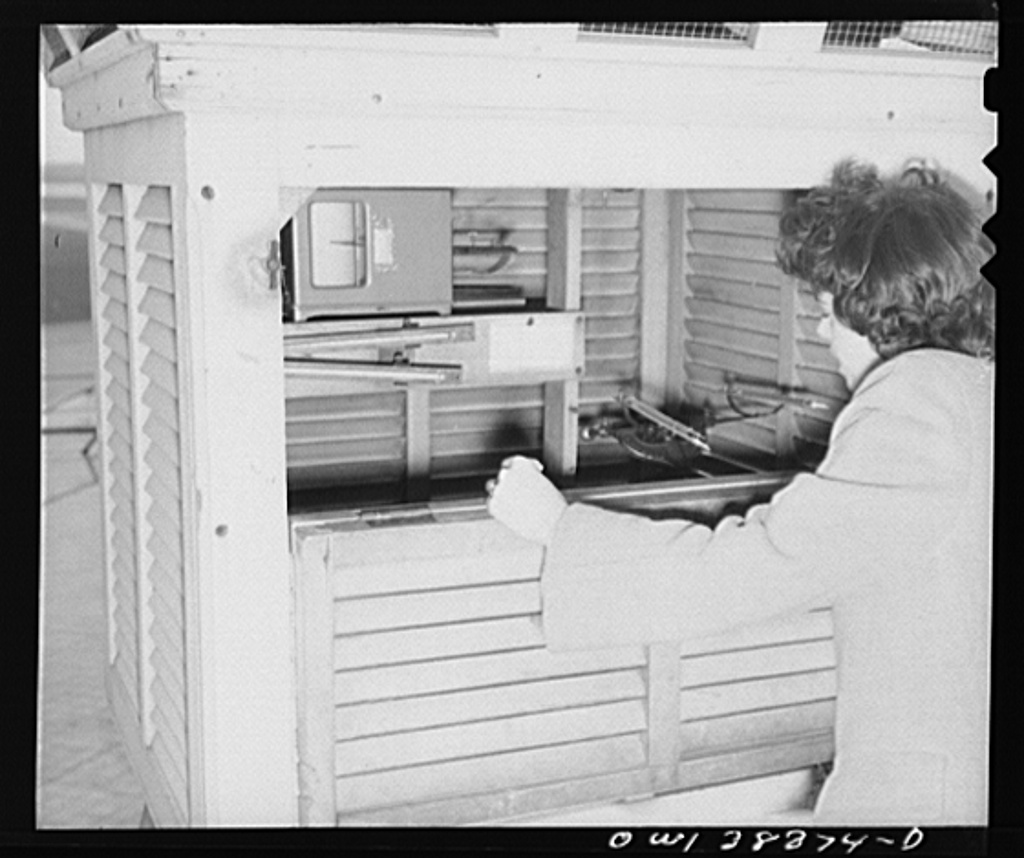
A staffed weather station took observations on the hour, in person. The observer walked to the instrument enclosure, read the thermometers, checked the rain gauge, noted the wind, assessed the cloud, and wrote it all down. Through the night, in whatever the weather was doing.
Automated stations now report continuously without anybody present, which is more frequent, more consistent and vastly cheaper. What was lost is the parts of an observation that require a person: what the cloud is actually doing, what the visibility is against known landmarks, whether that is fog or haze or smoke. A great many automated stations are supplemented by human observation for exactly those elements.
Like our content? Follow us for more.
2. The Thermometers Lived in a White Wooden Box on Legs
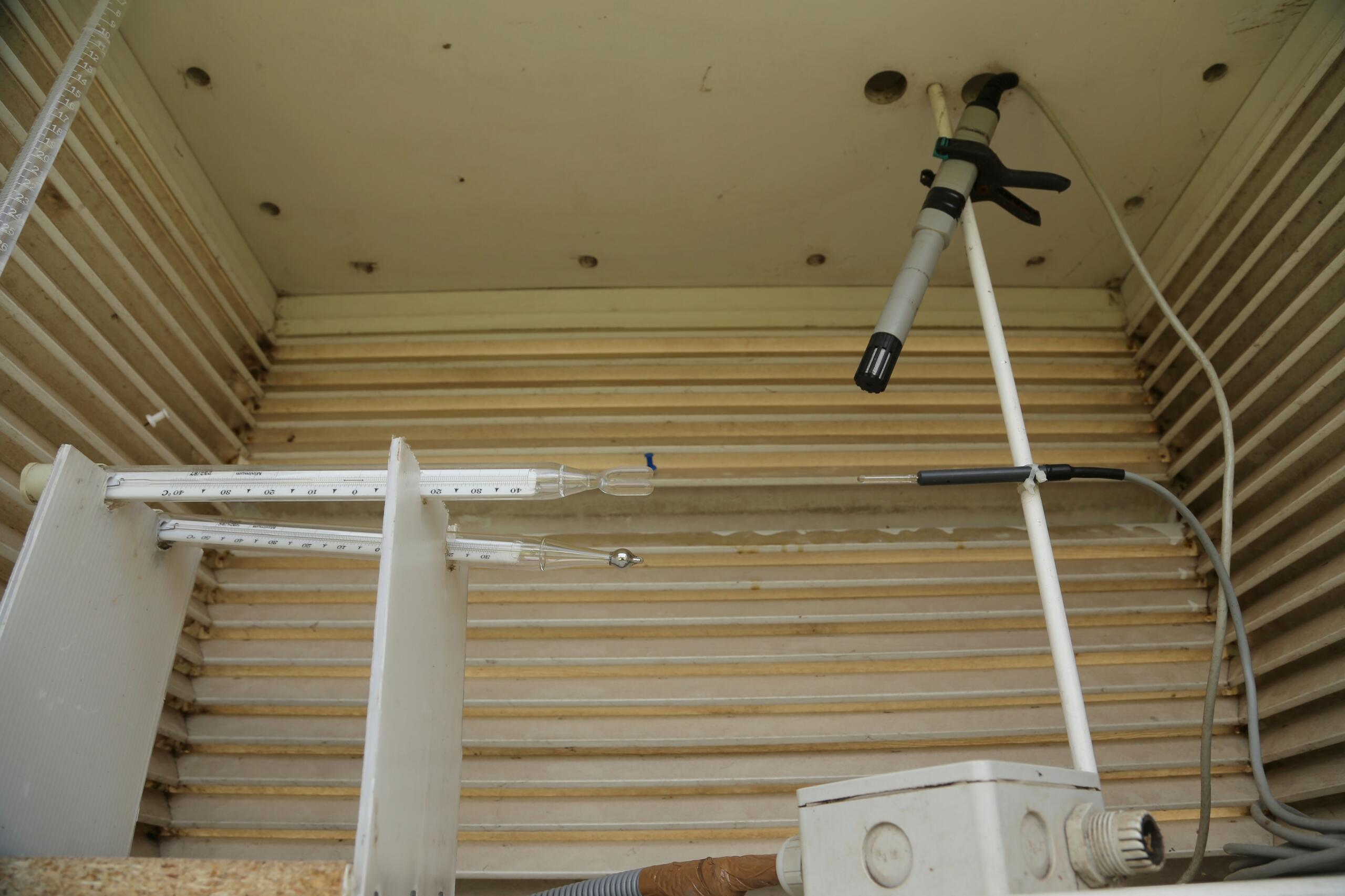
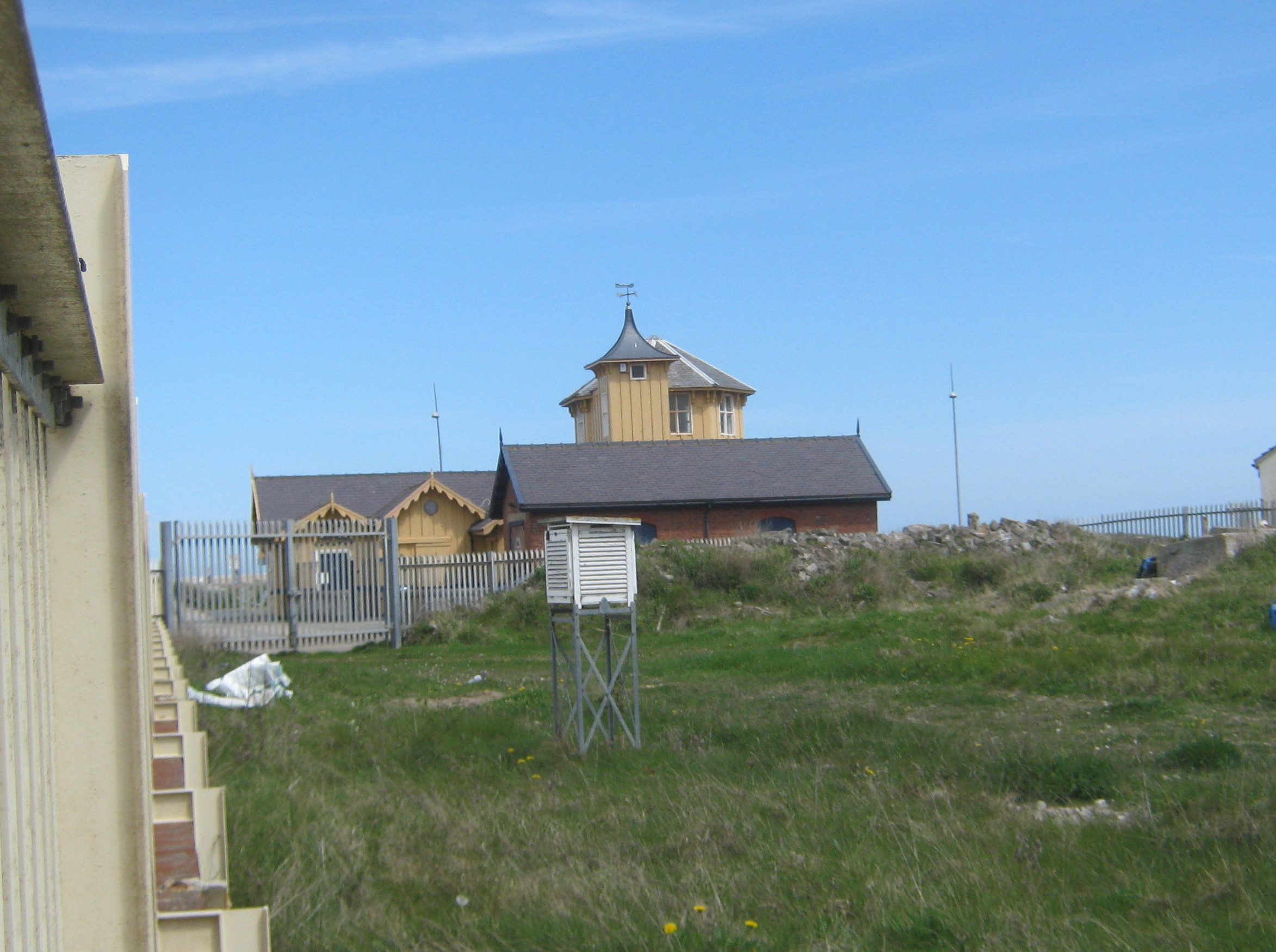
The instrument shelter was a louvred white box at a standard height above short grass, positioned away from buildings and hard surfaces. Inside were a dry bulb and a wet bulb thermometer, and a pair that recorded the maximum and minimum since the last reading.
The design is from the nineteenth century and it is still the standard, because the problem it solves has not changed: a thermometer must be shaded from direct sun, ventilated by the air it is measuring, and shielded from radiated heat from the ground. Modern electronic sensors sit in a similar shield of stacked plates. The white box survives at a great many stations and is the single most recognisable object in meteorology.
3. Humidity Was Measured With a Wet Cloth and a Table
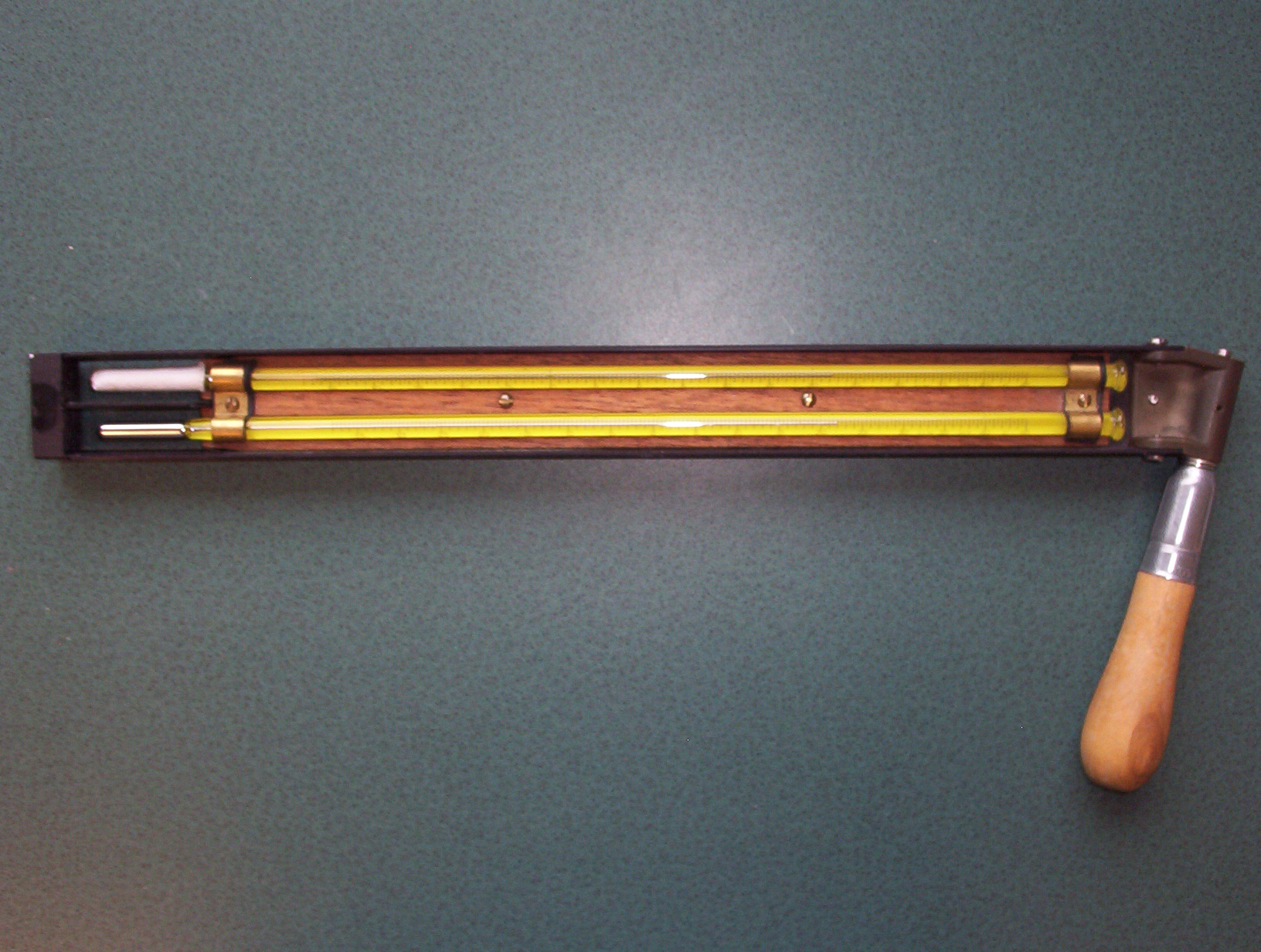
The wet bulb thermometer had a muslin wick dipped in distilled water. Evaporation cooled it, the difference between the two readings depended on how dry the air was, and the observer looked the humidity up in a printed table. The wick had to be clean and the water had to be distilled or the reading was wrong.
Electronic humidity sensors replaced the psychrometer, and the printed tables are gone. The underlying physics is still taught because it is the clearest demonstration of what humidity actually is, and wet bulb temperature has become an important measure in its own right for human heat tolerance – which has given a nineteenth-century technique a new and uncomfortable relevance.
4. The Rainfall Was Measured With a Cylinder and a Graduated Glass
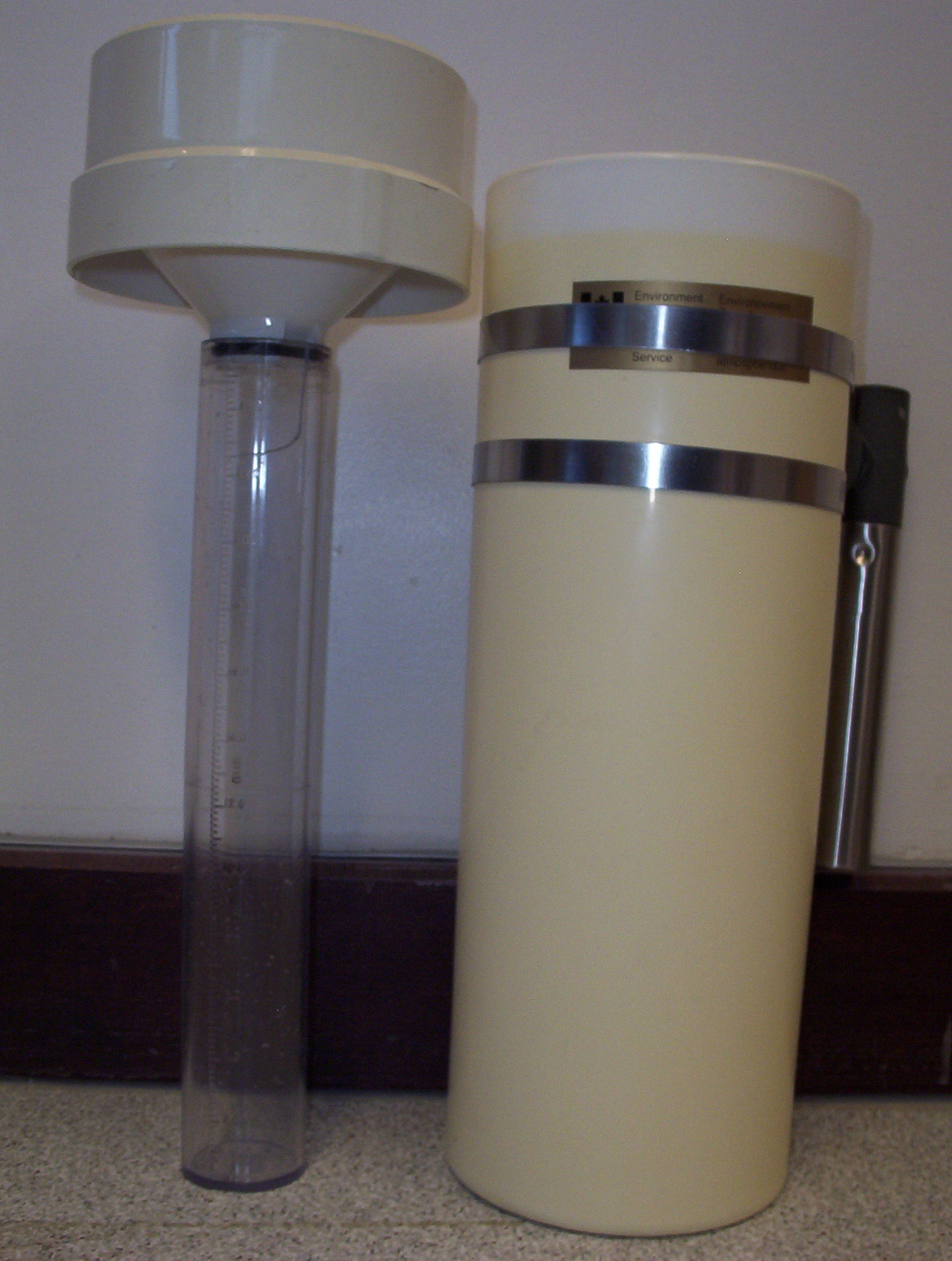
A funnel into a collecting bottle, emptied at a fixed hour into a tapered measuring glass and read against a scale. Snow was melted and measured as water. Getting it right meant a level site, no overhanging trees, and emptying the gauge at exactly the same time each day.
Tipping bucket gauges and weighing gauges automated the measurement and gave intensity as well as total, and radar now estimates rainfall over whole regions. The manual gauge persists in volunteer networks that have been recording daily at the same sites for a century, and those long unbroken records are the most valuable climate data there is – precisely because the method has not changed.
5. Sunshine Was Recorded by Burning a Line Into Card
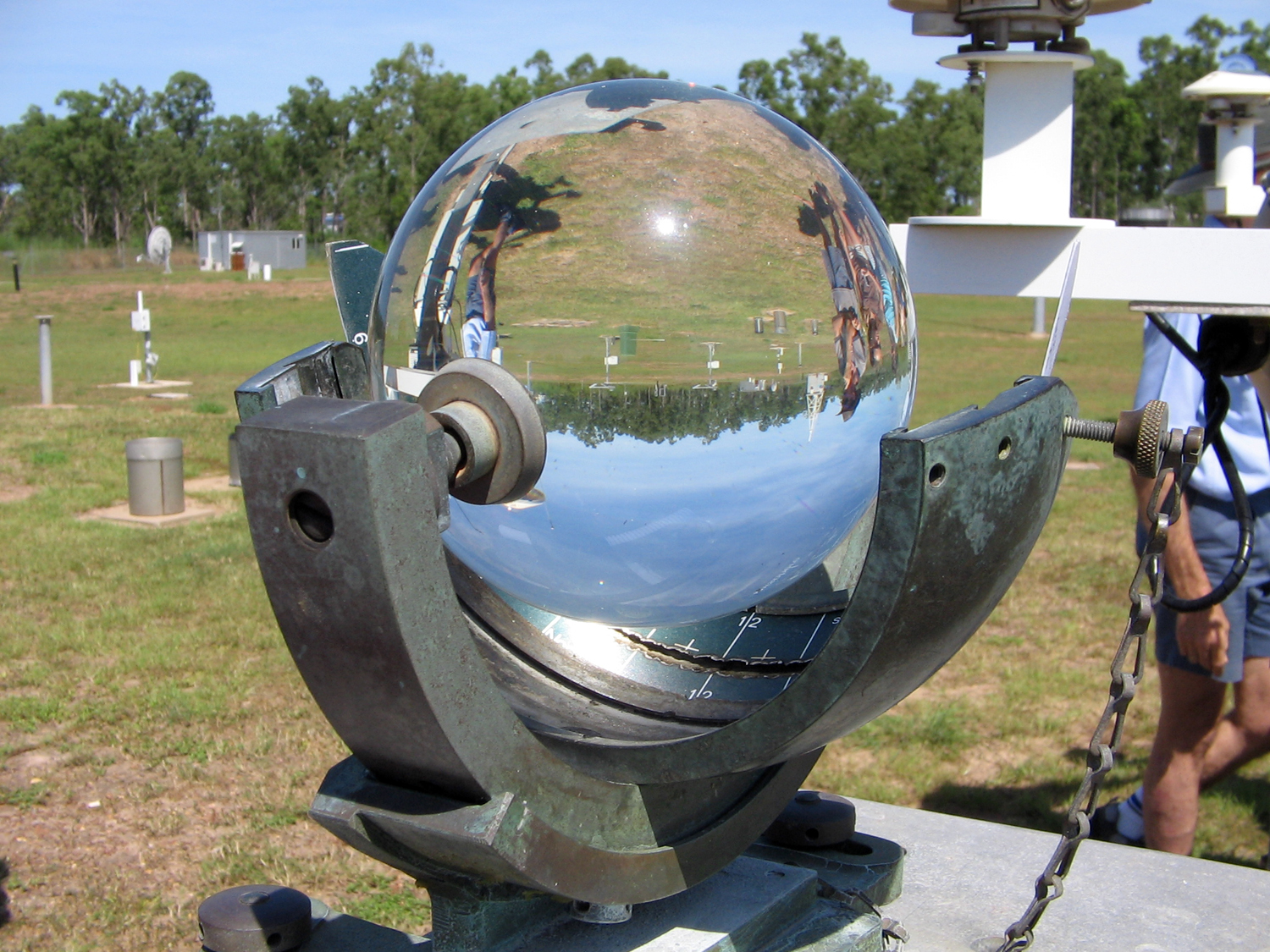
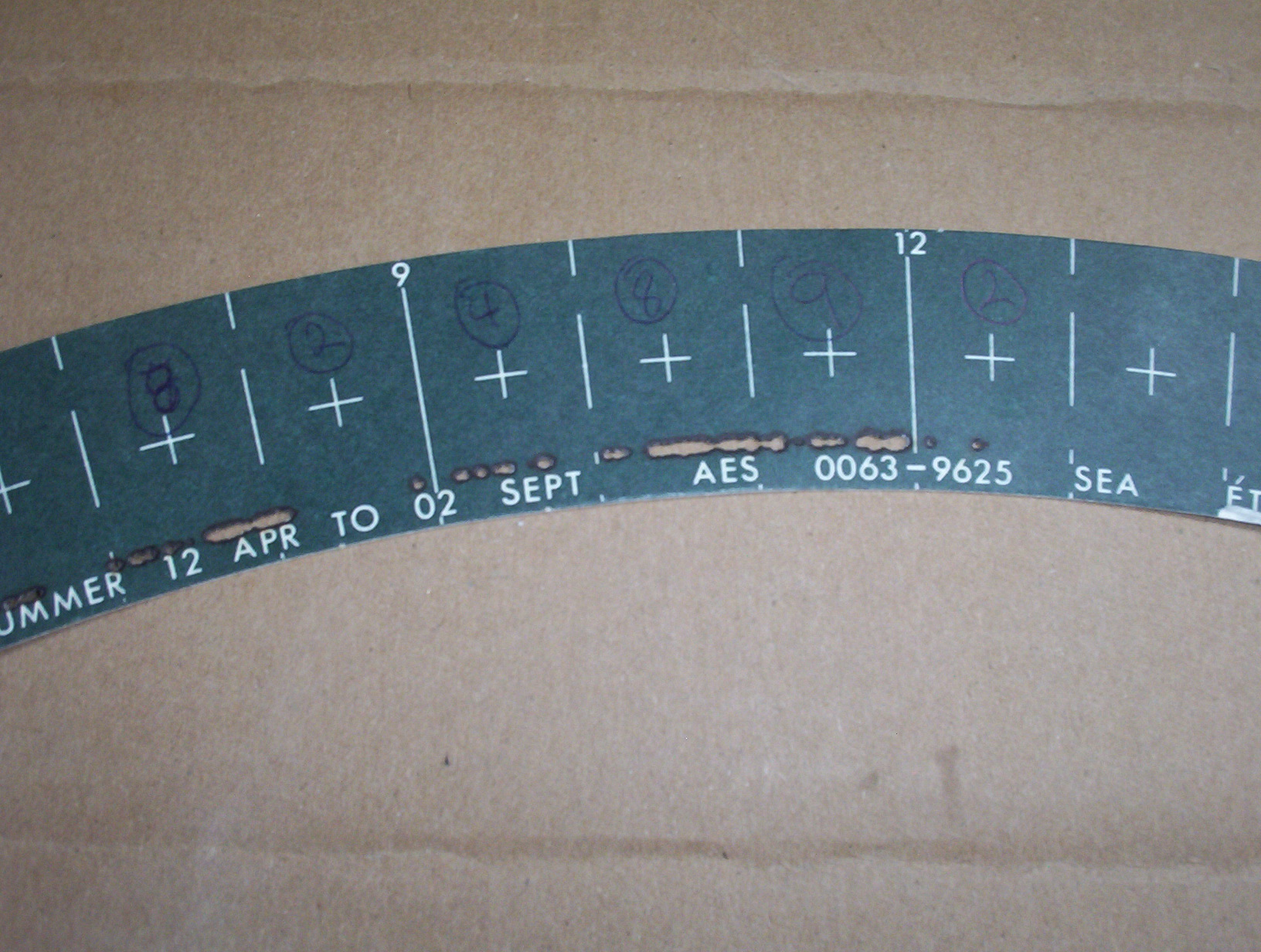
A glass sphere focused the sun onto a curved card behind it, and as the sun moved it burned a track. The length of the burn was the hours of sunshine. The card was changed daily and the burn measured against a printed scale.
It is an entirely analogue instrument with no power supply that works by setting fire to things, and it was the standard for over a century. Electronic sensors replaced it, and the changeover created a known discontinuity in the records that climatologists have had to correct for – which is a recurring problem whenever an instrument is improved partway through a long series.
6. Cloud Was Assessed by Eye and Classified by a Person
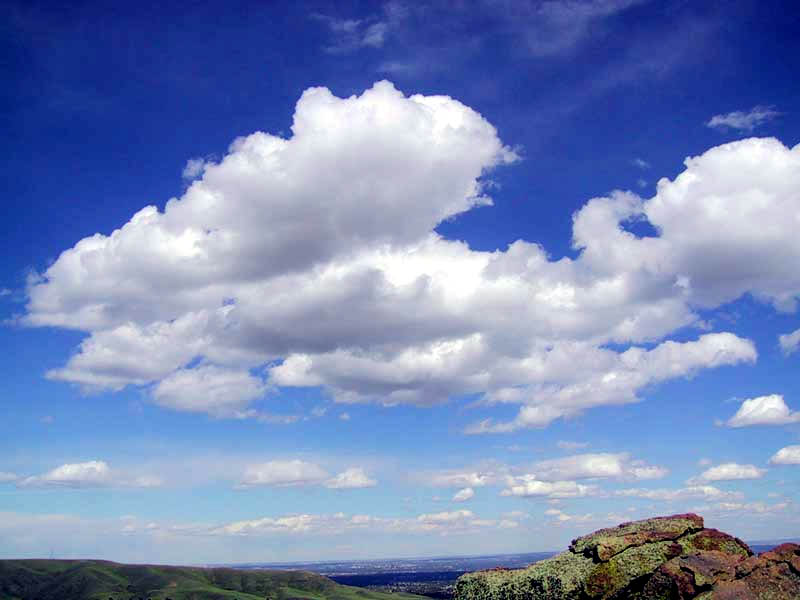
The observer judged how much of the sky was covered, in eighths, estimated the height of the base, and identified the cloud types present from a standard classification. At night this was done by looking up into the dark and using experience.
Ceilometers measure cloud base by laser, satellites see cover from above, and automated stations report what they can detect. Cloud type remains difficult to automate well, which is why human observation persists at aviation stations where the distinction between one cloud type and another matters operationally. It is also the part of the job that observers describe as the skill – everything else was reading a number.
7. Balloons Were Released Twice a Day, Everywhere, at the Same Moment
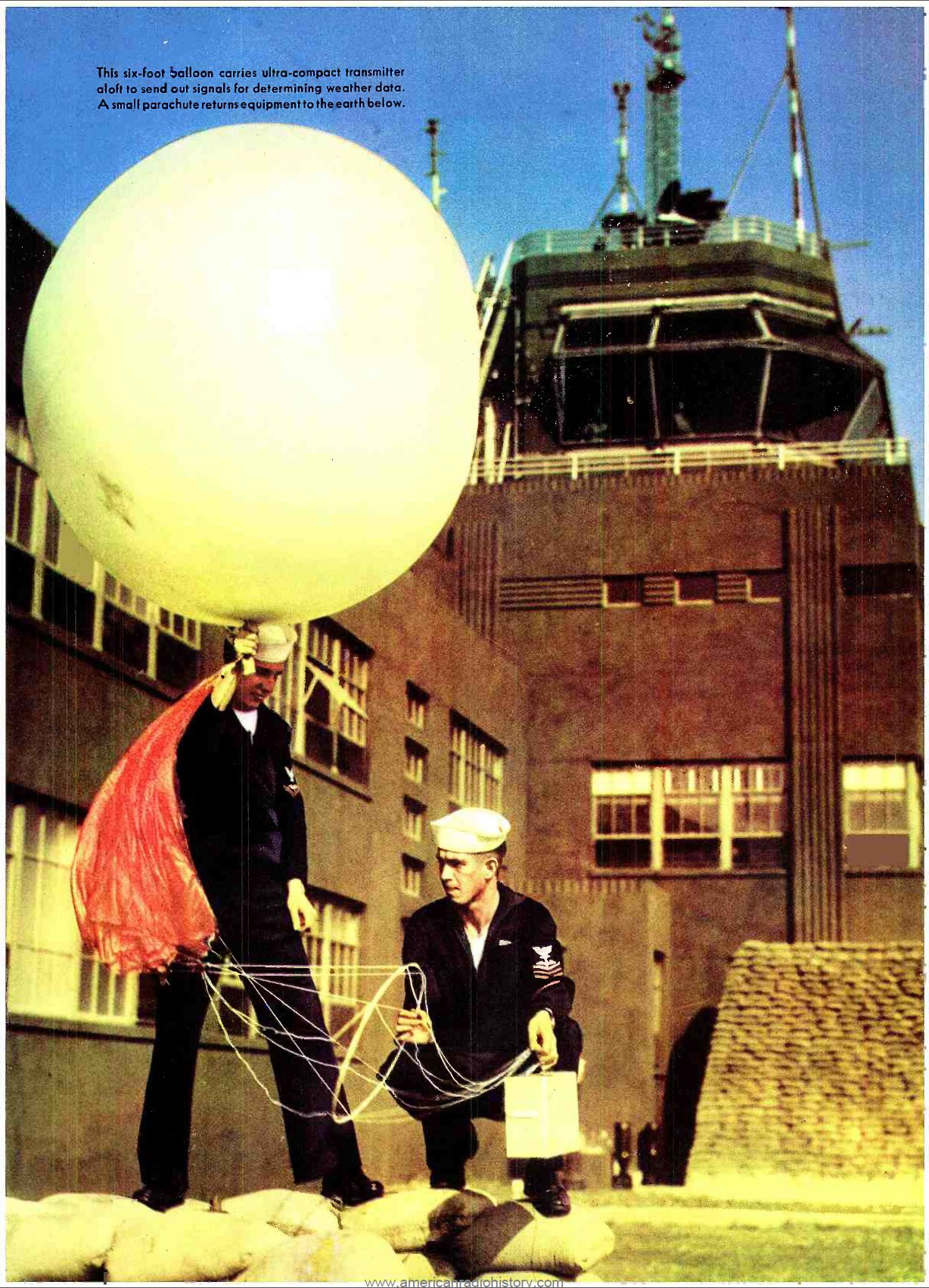
Upper air observations meant filling a balloon with hydrogen or helium, attaching an instrument package and a radio transmitter, and releasing it to rise for an hour and a half while the station tracked it and recorded temperature, humidity and pressure all the way up. The releases happened simultaneously worldwide.
This still happens, twice a day, at hundreds of stations, in essentially the same way, and it remains the backbone of the data that goes into weather forecasting models. It is one of the oldest continuously operating international scientific collaborations there is. What has changed is the instrument package, the tracking and the fact that the hydrogen generation on site – which was a genuine hazard – has largely given way to helium or to safer generation methods.
8. The Observation Went Out in a Code Nobody Else Could Read
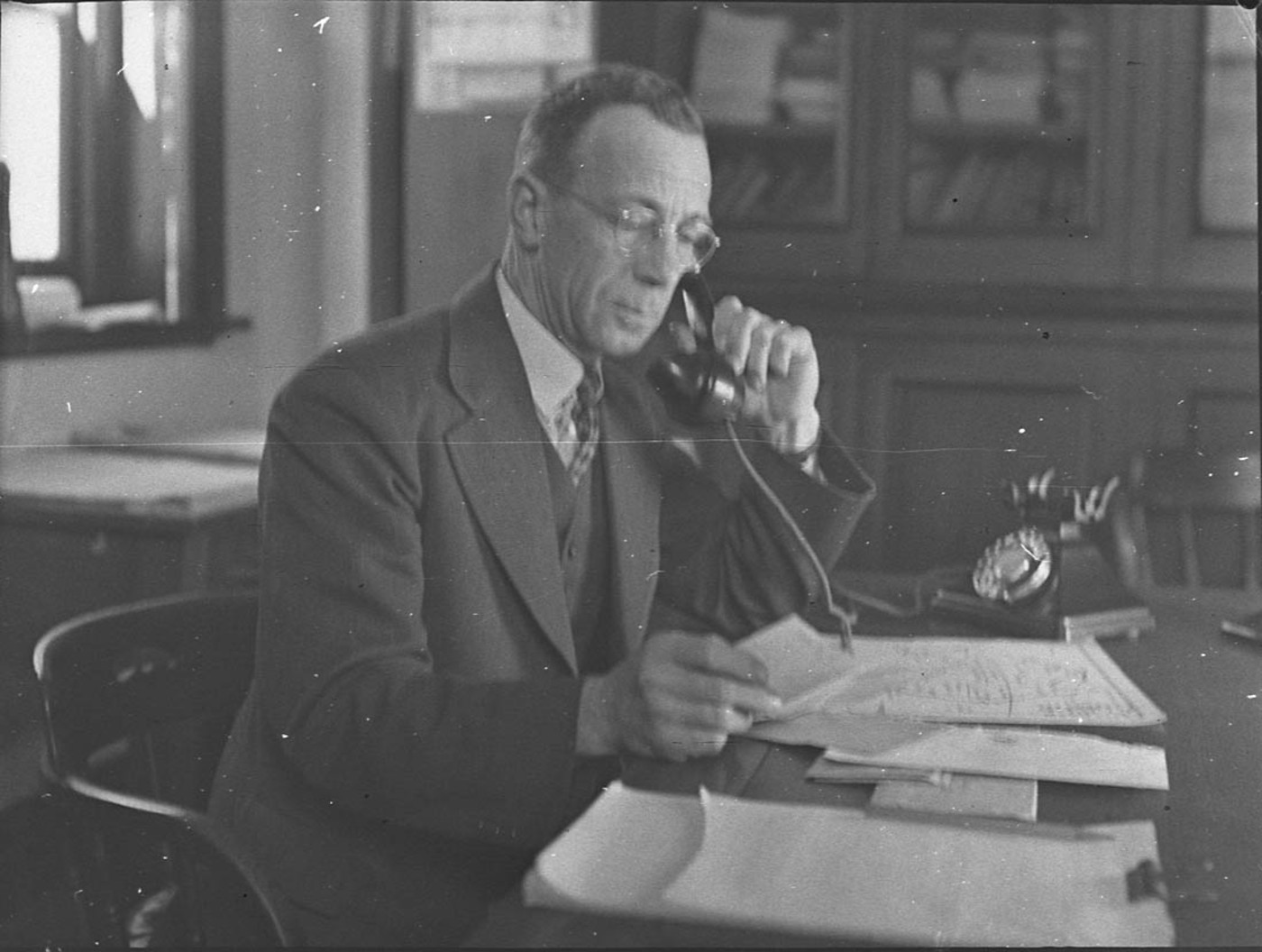
Observations were transmitted as groups of five-figure numbers in an internationally agreed code, so that a station in one country could be read by a forecaster in another without any shared language. Observers learned the code and wrote in it fluently.
The codes still exist and are still used, now generated and parsed by software rather than by people. Aviation weather reports in particular are still issued in a compressed code that pilots learn to read. The system is one of the quiet achievements of international cooperation – a global data exchange that has operated continuously through wars, on a shared format, since the nineteenth century.
9. The Forecast Was Made by People Drawing Maps by Hand
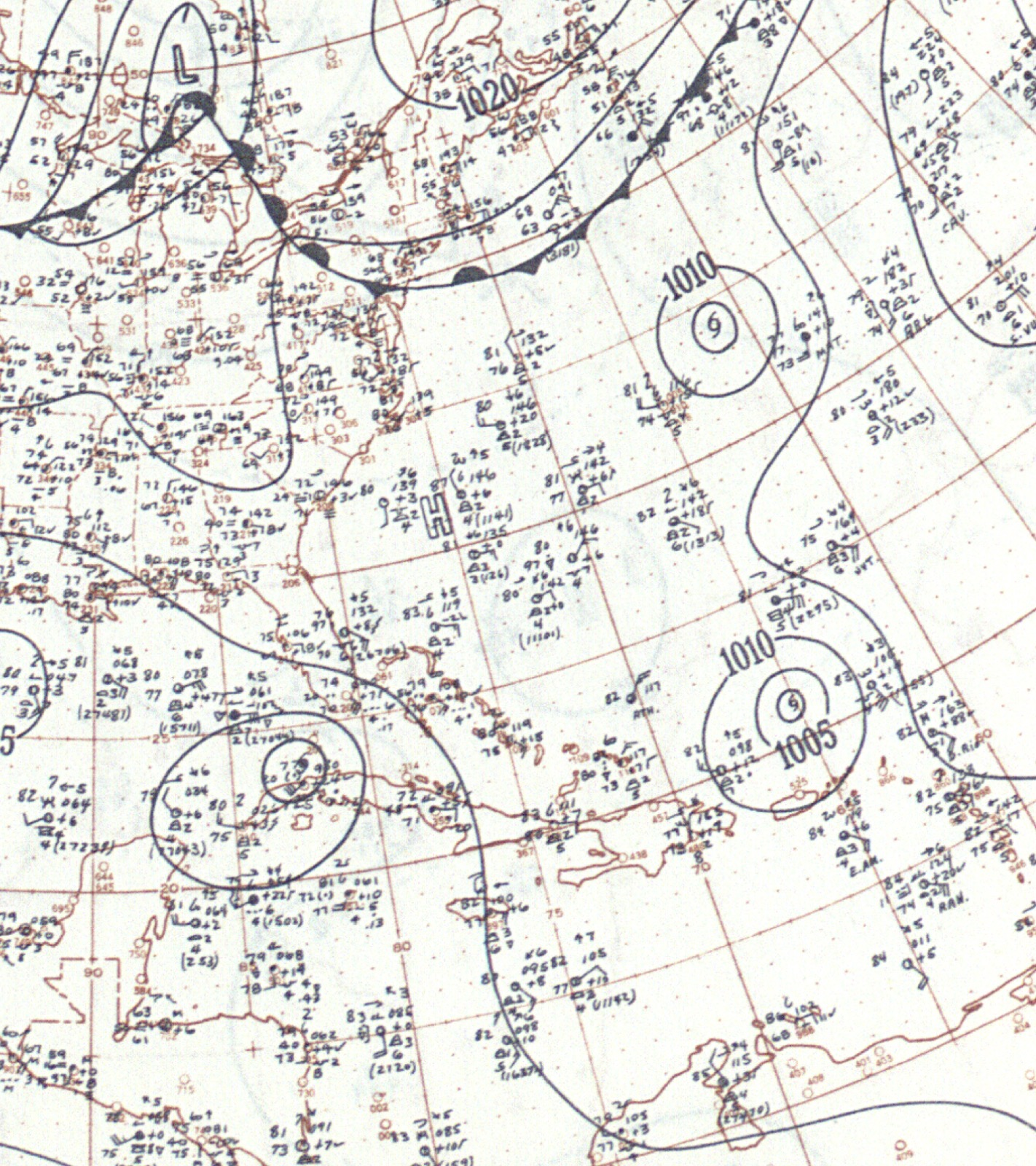
Forecasters plotted incoming observations onto a chart by hand, drew the isobars and the fronts themselves, and produced a forecast from the resulting picture using experience and a set of rules of thumb. A chart took a long time to draw and was out of date when it was finished.
Numerical weather prediction – solving the equations of atmospheric motion on a computer – was being attempted in this period and became practical as computing power grew. It transformed accuracy: a modern five-day forecast is about as reliable as a one-day forecast was then. Hand analysis is still taught, and forecasters still look at charts, but the forecast itself comes from the model and the human role has shifted to interpreting and communicating it.
10. Stations Were Staffed in Places Nobody Would Otherwise Live
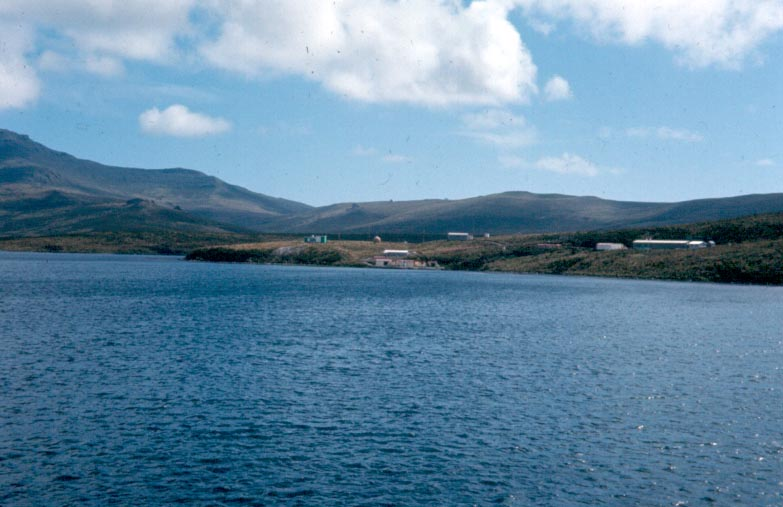
Remote island, mountain and arctic stations were occupied year-round by small teams, resupplied occasionally, taking the same hourly observations as everybody else because the network needed data from exactly those places.
Automation has removed the need to keep people on most of them, and a great many famously isolated stations are now unstaffed boxes reporting by satellite. This is better for everybody and it ended a specific tradition – long postings in extreme isolation, undertaken by people who wanted them, which produced a literature of its own and a particular kind of scientific life. The equipment stayed. Nobody is up there with it.
Why the Old Records Are Worth So Much
The automation of weather observation is an unambiguous improvement – more frequent, more consistent, available from places nobody could be stationed, and free of the variation between one observer and another.
But the manual era left something that cannot be reproduced at any price: long, unbroken, carefully made records taken the same way at the same place for a very long time.
Climate work depends on those series more than on anything a modern instrument can produce, because the question being asked is what has changed, and answering it requires measurements from before anybody was asking. A hundred years of daily rainfall read off a glass cylinder at the same hour by a succession of people at one site is a scientific instrument that could not be built deliberately – it only exists because somebody kept doing it.
This is also why the changeovers matter so much. Every time an instrument was improved – the sunshine recorder, the thermometer, the siting, the time of observation – a small discontinuity entered the record, and a substantial part of modern climate science is the unglamorous work of identifying and correcting those steps so that the old readings can be compared with the new.
The observers walking out to the white box on the hour were not collecting data for their own forecasts, most of which were obsolete within a day. They were, without being told so, building the baseline that everybody now argues about.
Volunteer observers still read a gauge at the same hour every morning at thousands of sites, some of them in the same garden for fifty years.
Did anybody in your family keep a rainfall record, and does the book still exist?
Like our content? Follow us for more.