The hamburger might be America’s most universally recognized food, but regional traditions have shaped genuinely distinct versions across the country, each reflecting a specific history, technique, or local ingredient that sets it apart from the standard backyard burger. Here are nine distinct American burger styles and what makes each one different, counted down one by one.
1. Oklahoma: The Onion Burger
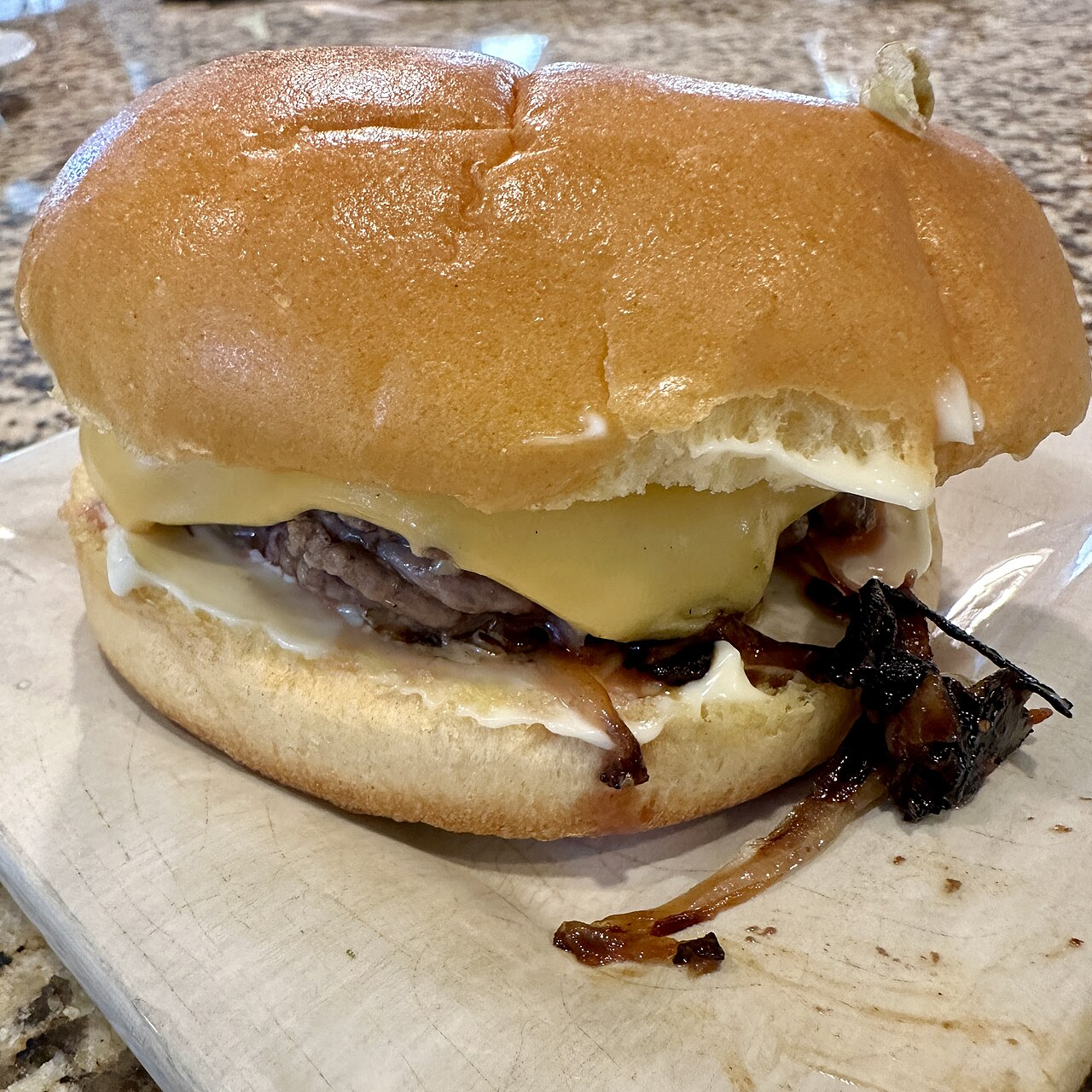
Oklahoma’s Depression-era specialty smashes a thin patty into a mountain of shaved onions. The onions cook directly into the meat itself.
The Oklahoma onion burger presses a thin beef patty directly into a genuine mountain of paper-thin shaved onions on a hot griddle, letting the onions cook and caramelize directly into the meat itself, a technique reportedly born from Depression-era necessity to stretch scarce, expensive beef further across hungry families during genuinely difficult economic times. The onion burger’s onion-forward technique and Depression-era origin story make it one of the most historically significant and beloved regional burger traditions in the entire country.
2. Connecticut: The Steamed Cheeseburger
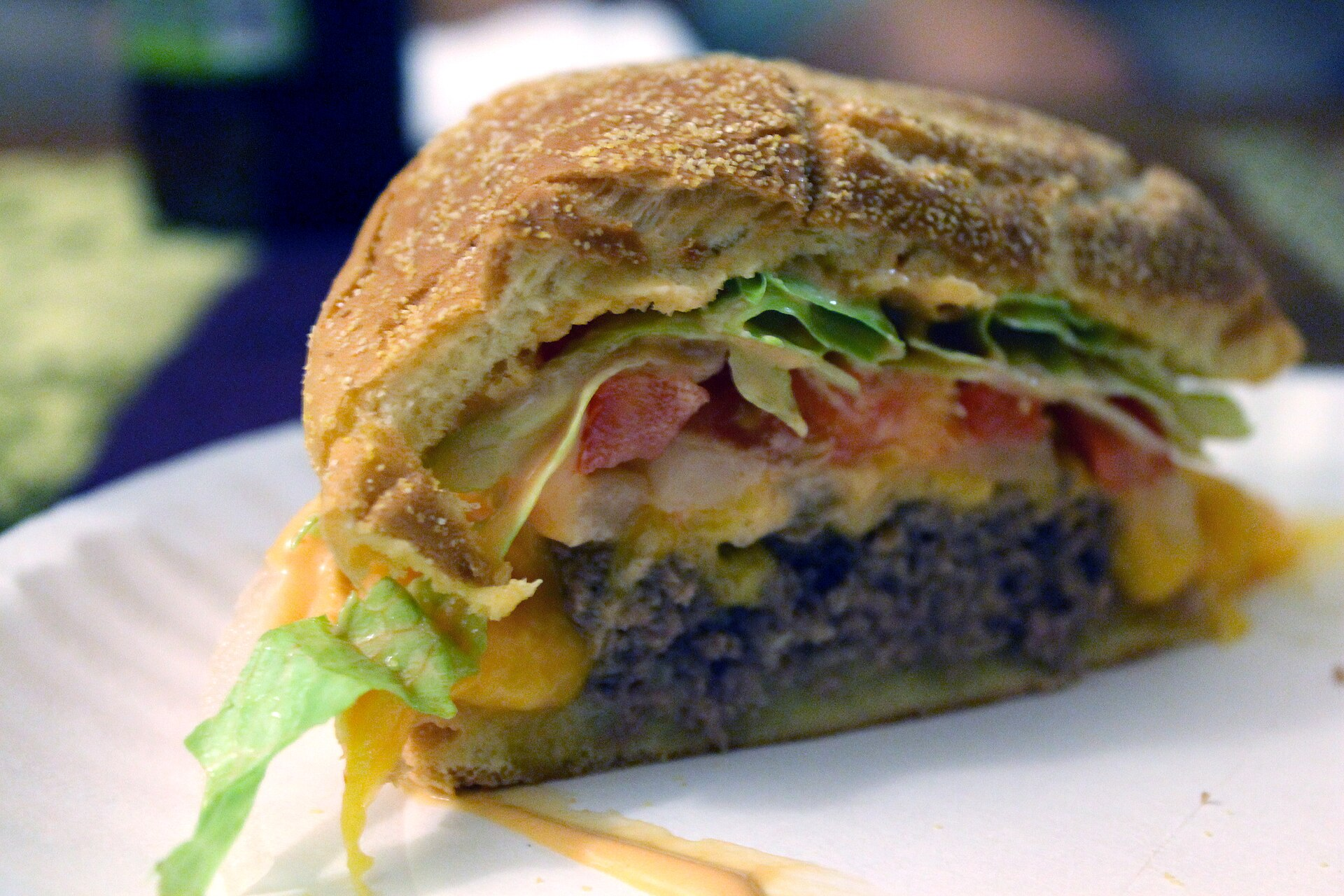
Connecticut’s unique specialty cooks the patty entirely through steam. No grill or open flame ever touches the meat.
The Connecticut steamed cheeseburger cooks the beef patty entirely through steam in a specialized metal box, along with a block of cheese steamed alongside it, a genuinely unusual method that produces a distinctly moist, tender result unlike any grilled or griddled burger elsewhere in the country. The steamed cheeseburger’s unique cooking method, found almost exclusively in central Connecticut, makes it one of the most genuinely unusual and geographically concentrated regional burger traditions in America.
3. St. Louis: The Gooey Butter-Basted Burger
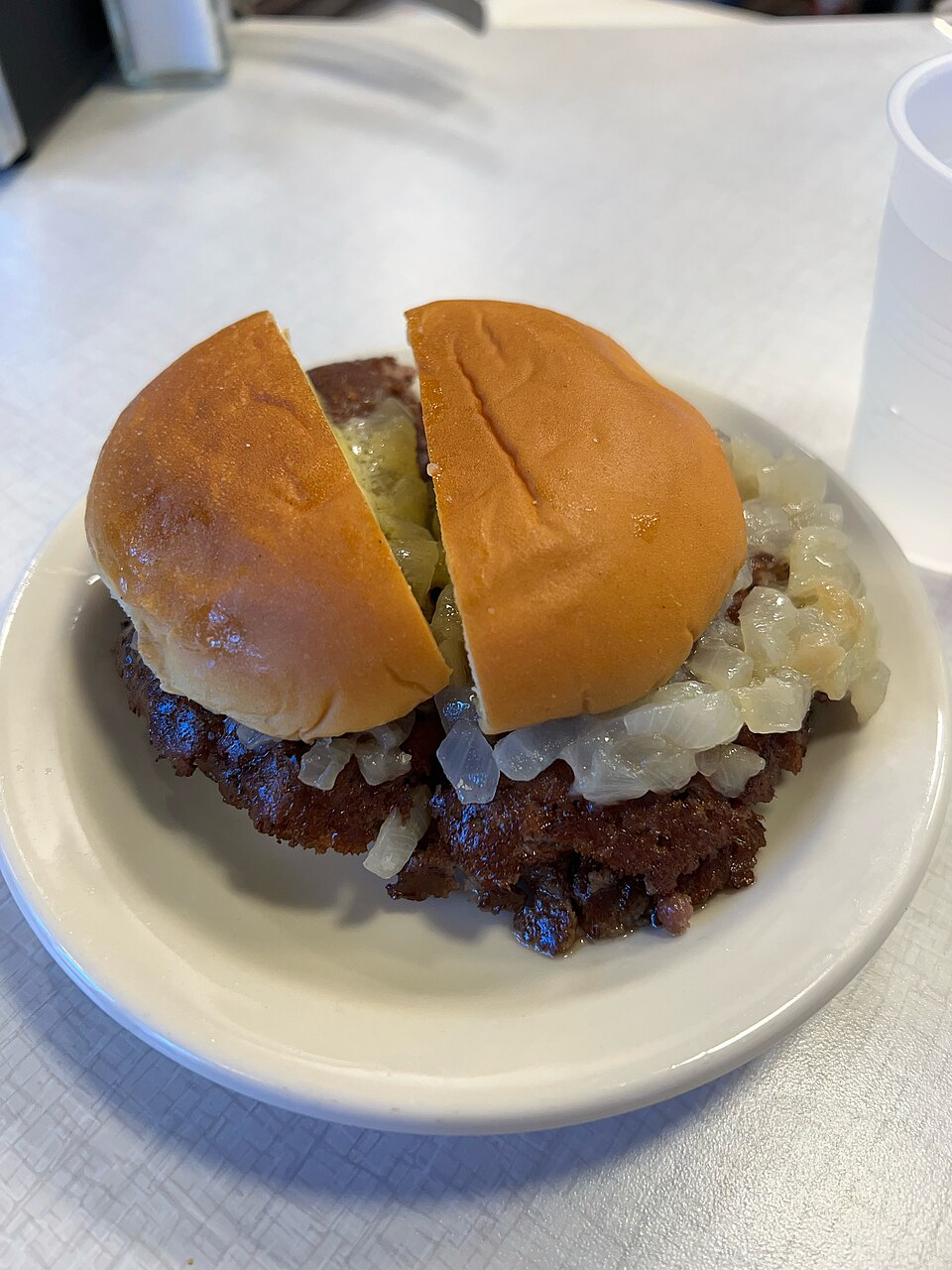
St. Louis favors a burger basted generously in melted butter. The technique adds genuine richness beyond the beef itself.
St. Louis-style burgers are often generously basted in melted butter while cooking, a technique that adds genuine richness and a distinctive golden crust beyond what the beef alone would produce, reflecting the broader Midwestern comfort food philosophy of the region. The butter-basted burger’s rich, indulgent preparation reflects St. Louis’s genuine culinary identity, a technique that elevates a familiar format into something distinctly regional.
4. California: The In-N-Out-Style Smash Burger
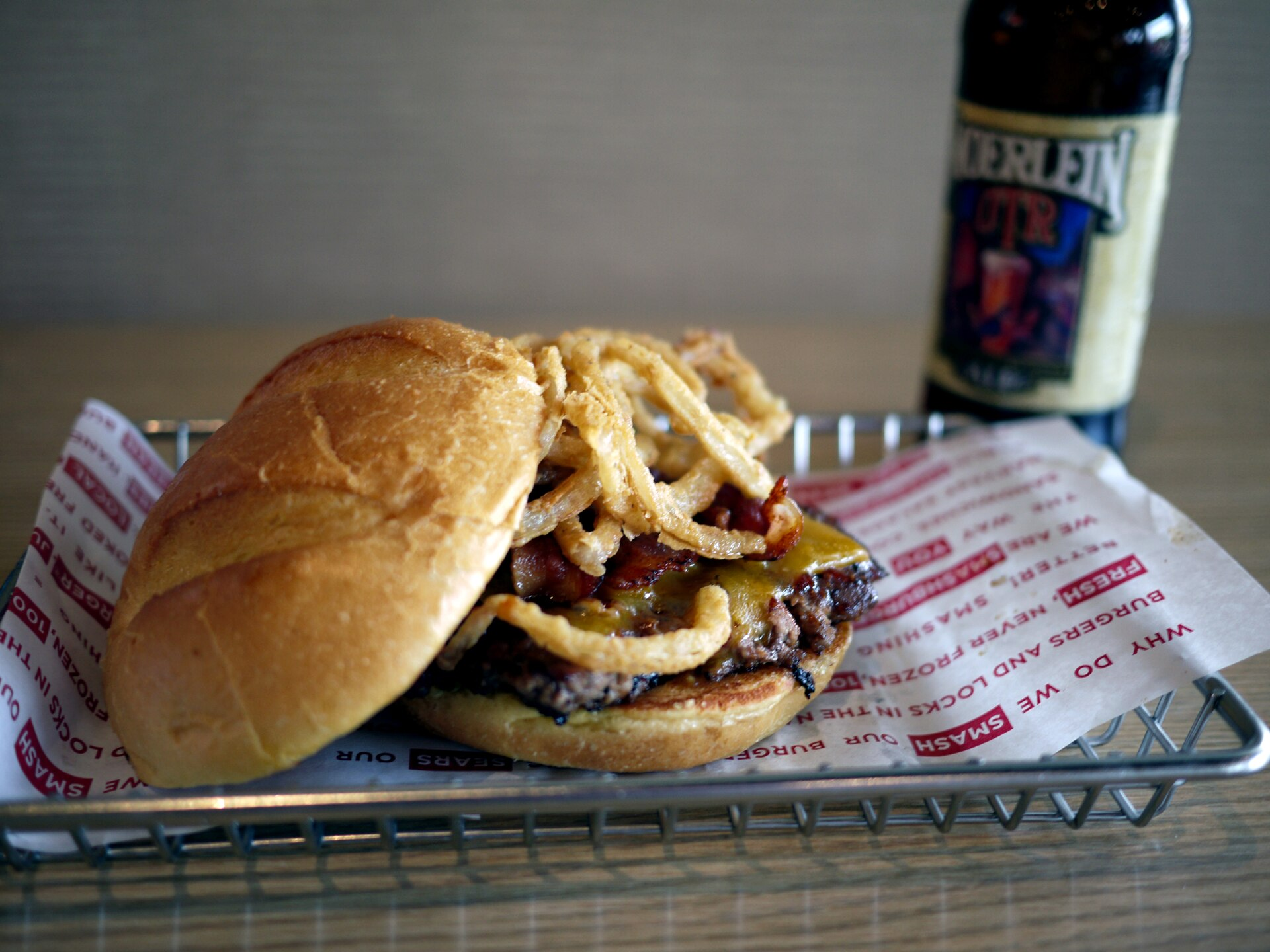
California popularized the thin, deeply smashed patty with a crispy, lacy edge. The technique has since spread nationally.
California’s contribution to burger culture centers on the smash burger technique, pressing a ball of ground beef forcefully onto a hot griddle to create a thin patty with genuinely crispy, lacy caramelized edges, a method that has since spread from West Coast diners to become a nationally popular style. The smash burger’s crispy-edged technique and California origin story reflect the state’s significant influence on broader American fast food and diner culture over the decades.
5. New Mexico: The Green Chile Cheeseburger
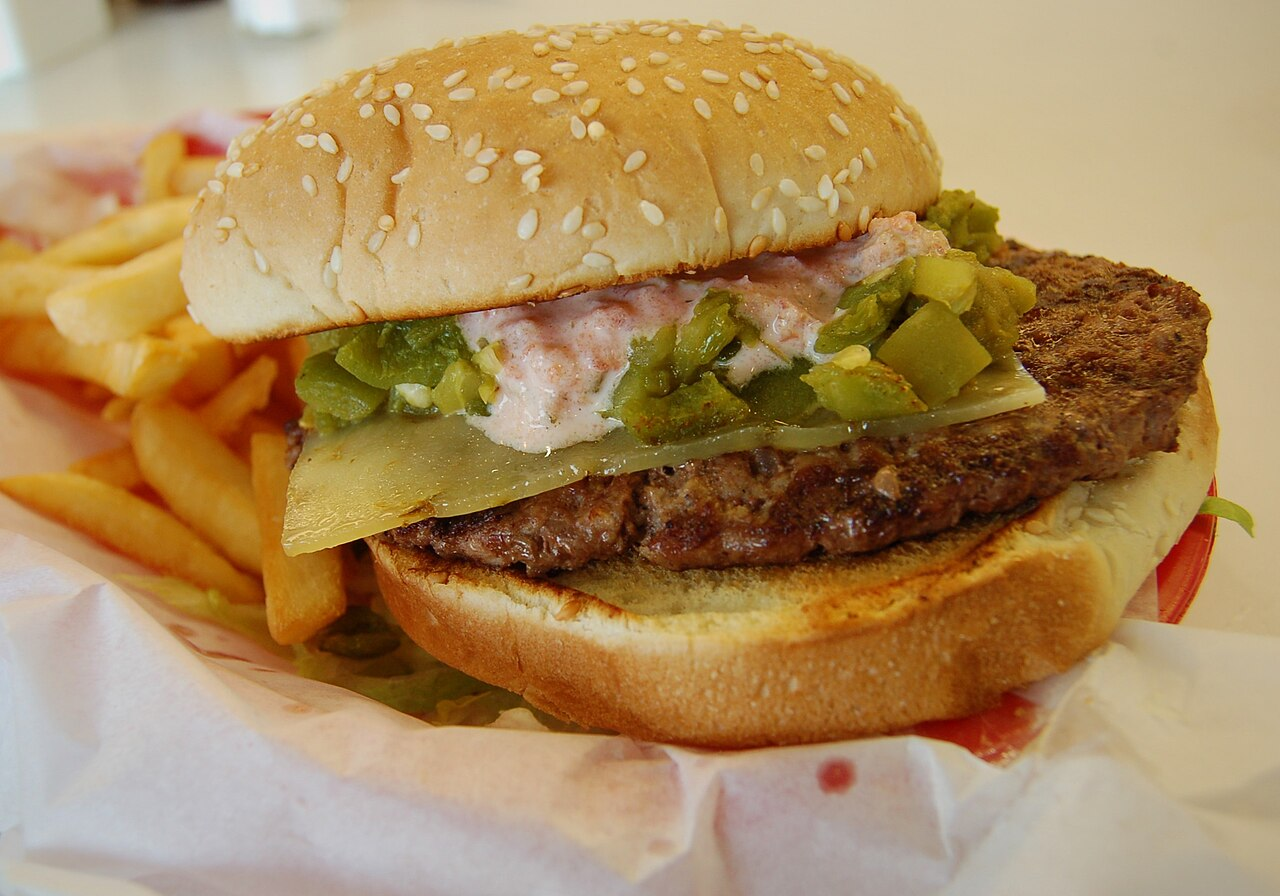
New Mexico tops its burgers with roasted green chile. The addition brings genuine regional heat and smoky depth.
The New Mexico green chile cheeseburger tops a classic cheeseburger with roasted, often Hatch-grown green chile, bringing genuine regional heat and smoky depth that transforms an otherwise familiar format into something unmistakably tied to the state’s distinctive chile culture and its year-round pride in the crop. The green chile cheeseburger reflects New Mexico’s deep culinary identity built around its signature chile crop, a beloved regional specialty found on menus throughout the entire state.
6. Wisconsin: The Butter Burger
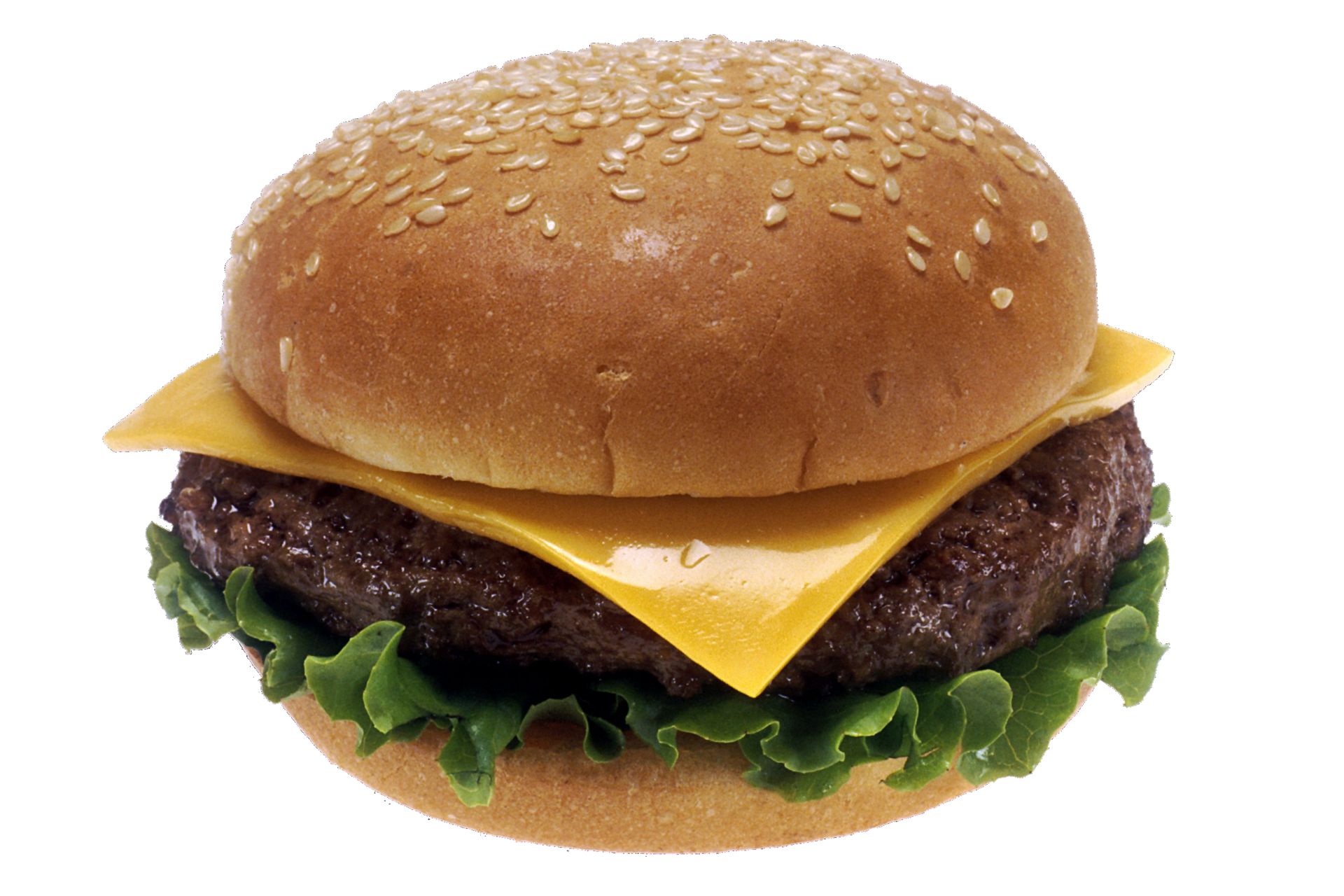
Wisconsin’s beloved specialty tops a burger with a generous pat of butter. The addition reflects the state’s deep dairy heritage.
The Wisconsin butter burger tops a hot patty with a genuinely generous pat of butter, letting it melt directly into the meat and bun, a rich addition that reflects the state’s deep, longstanding dairy heritage and its broader reputation for hearty, indulgent comfort food. The butter burger’s dairy-forward preparation makes it a genuinely distinctive regional specialty, one that longtime Wisconsinites consider an essential, non-negotiable part of a proper local burger.
7. The Pacific Northwest: The Salmon Burger
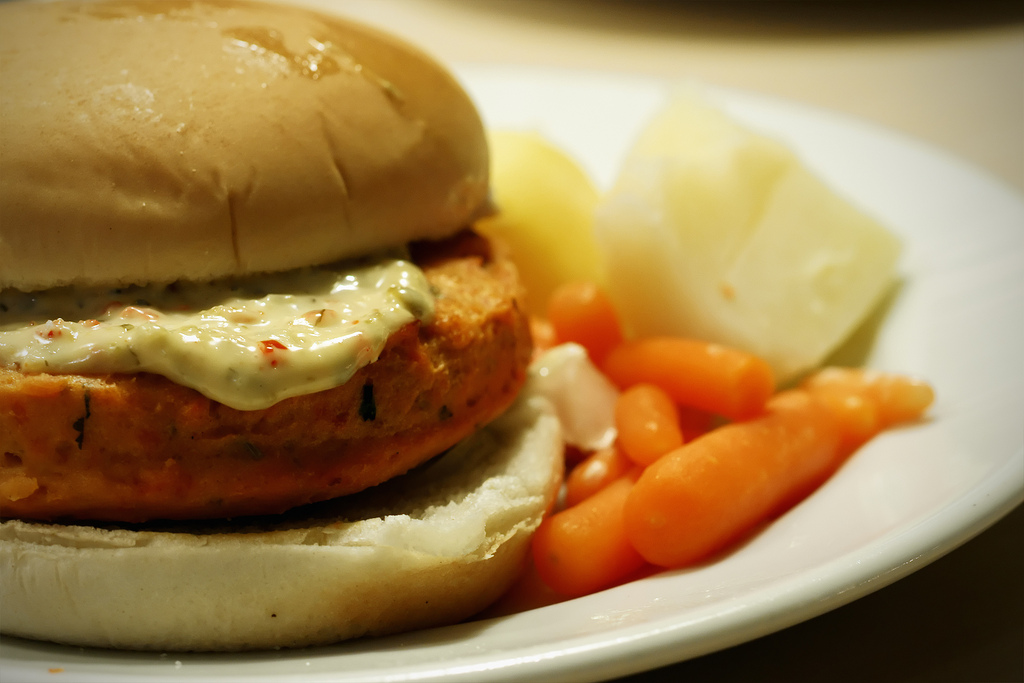
Pacific Northwest kitchens often substitute fresh salmon for traditional beef. The result reflects the region’s deep seafood culinary identity.
Pacific Northwest burger traditions frequently substitute fresh, locally caught salmon for traditional beef, a regional variation that reflects the area’s deep culinary connection to Pacific seafood and its broader identity as one of the country’s premier salmon-producing regions. The salmon burger’s seafood-forward approach represents a genuinely distinctive regional reinterpretation of the classic burger format, one built entirely around the Pacific Northwest’s most iconic local ingredient.
8. Texas: The Chili-Smothered Burger
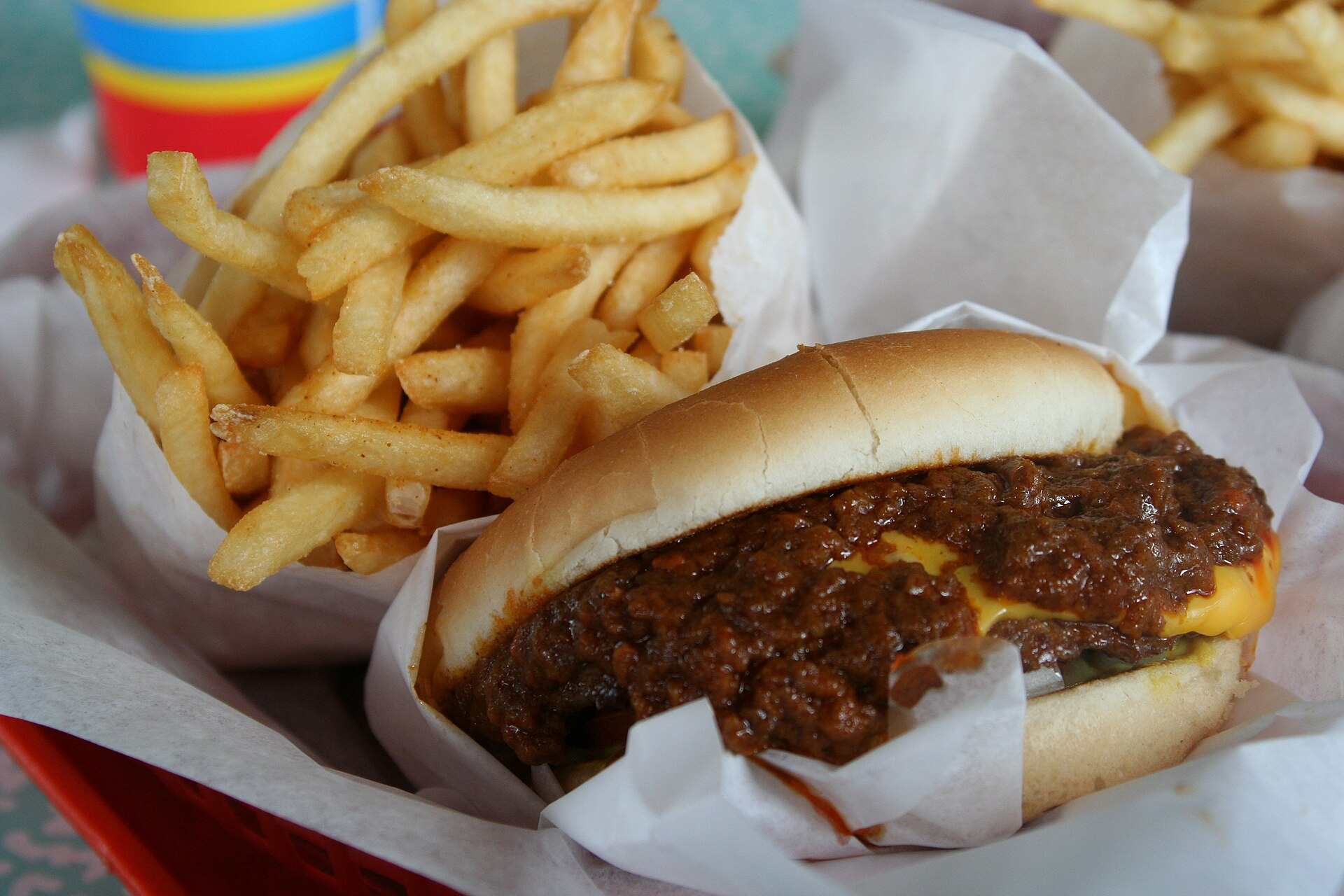
Texas often buries its burgers under a genuine ladle of chili. The combination reflects the state’s deep chili-making tradition.
Texas burger traditions frequently bury the patty under a genuinely generous ladle of the state’s beloved chili, a hearty combination that draws directly on Texas’s deep, competitive chili-making culture and transforms an ordinary burger into a considerably more substantial meal. The chili-smothered burger reflects Texas’s broader comfort food identity, a combination that showcases the state’s pride in its own distinctive chili tradition even within a completely different dish.
9. Hawaii: The Loco Moco Burger
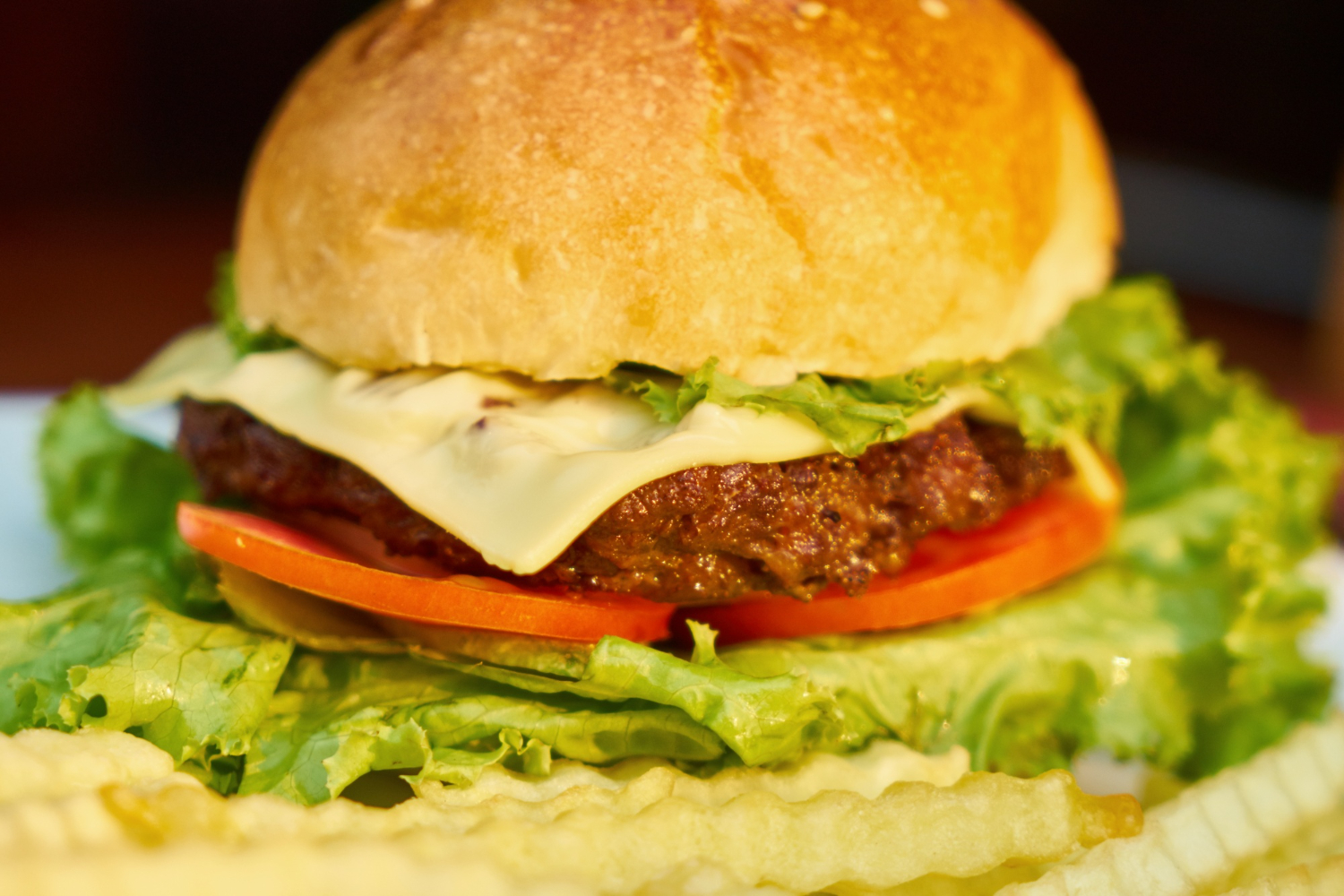
Hawaii’s beloved specialty tops a burger patty with rice, gravy, and a fried egg. The combination reflects genuine plantation-era culinary fusion.
Hawaii’s loco moco places a beef patty directly over a bed of white rice, smothered in brown gravy and topped with a fried egg, a genuinely hearty combination believed to have originated in Hilo as an affordable, filling meal reflecting the islands’ distinctive plantation-era culinary fusion and its resourceful, working-class origins. The loco moco’s rice-and-egg combination makes it one of the most structurally unique regional burger interpretations in the entire country, a dish that barely resembles a traditional burger while still building directly on the same basic patty.
A Map of American Burger Identity and Regional Pride
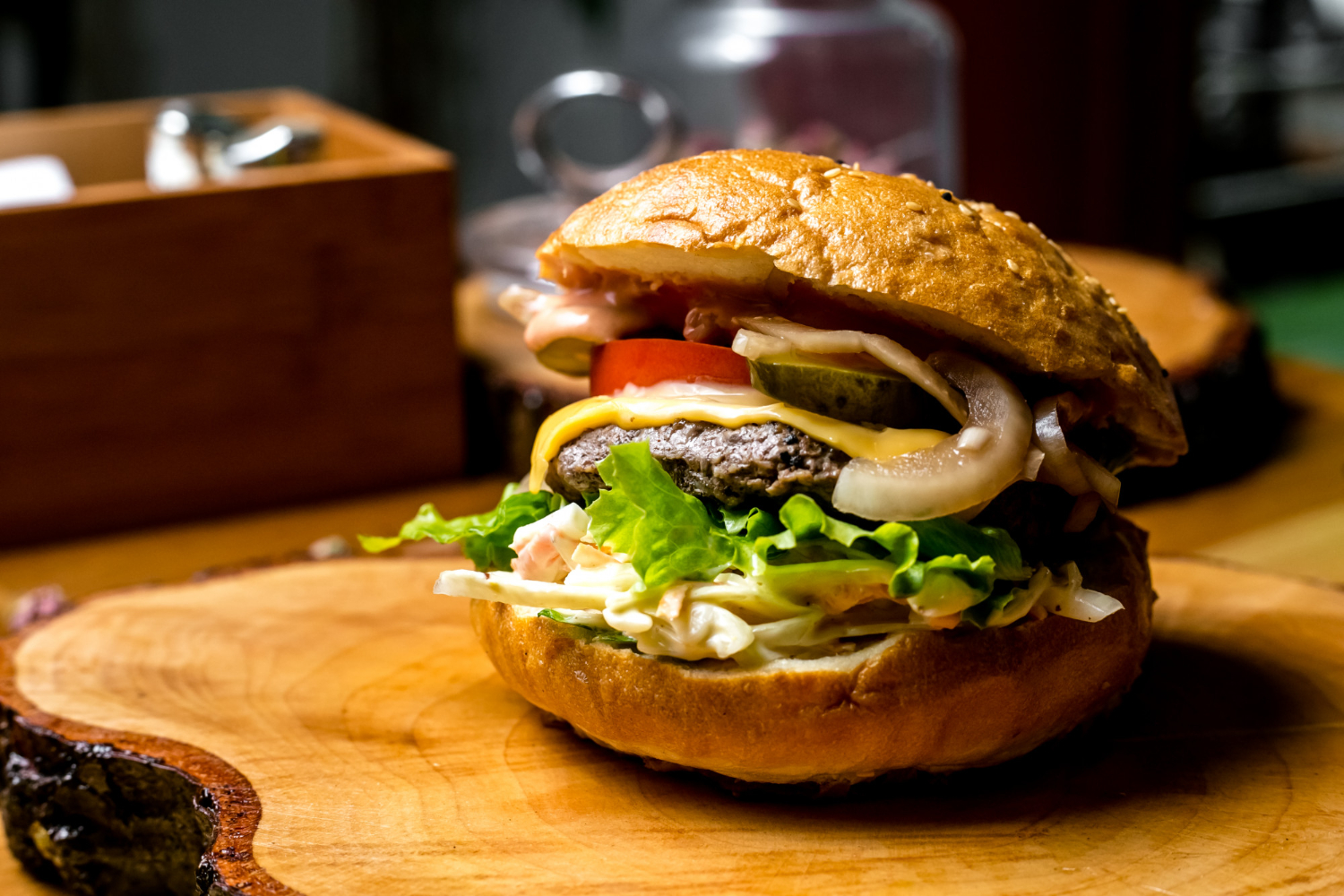
Taken together, these nine styles show just how much regional ingredients, immigrant heritage, and local technique can transform even America’s most universally recognized food, from Oklahoma’s onion-smashed patty to Hawaii’s rice-and-egg-topped loco moco. Each carries genuine regional pride in every single bite.
What unites these otherwise distinct traditions is how directly each reflects the specific history, geography, or culinary influence of the region that created it, a Depression-era cost-saving technique, a state’s dairy pride, a Pacific seafood identity, all converging on the same basic concept of a patty on a bun. Exploring America’s regional burger map offers a genuinely fun, delicious lesson in local food culture, proving that even the most familiar dish in the country can carry deep regional identity depending entirely on where in the country you happen to order it.
Many of these regional styles have also crossed over into national popularity in recent years, smash burgers in particular have spread from California diners to chains and independent restaurants across the entire country, while green chile cheeseburgers now regularly appear on menus well outside New Mexico’s borders. That broader spread hasn’t diminished each style’s original regional identity, if anything, it’s introduced more travelers to the specific techniques and flavor combinations that originally set each version apart. For food-curious travelers, seeking out the authentic regional version in its actual home state, rather than settling for a generic imitation elsewhere, remains one of the most rewarding ways to understand just how much history and identity a simple patty on a bun can genuinely carry.