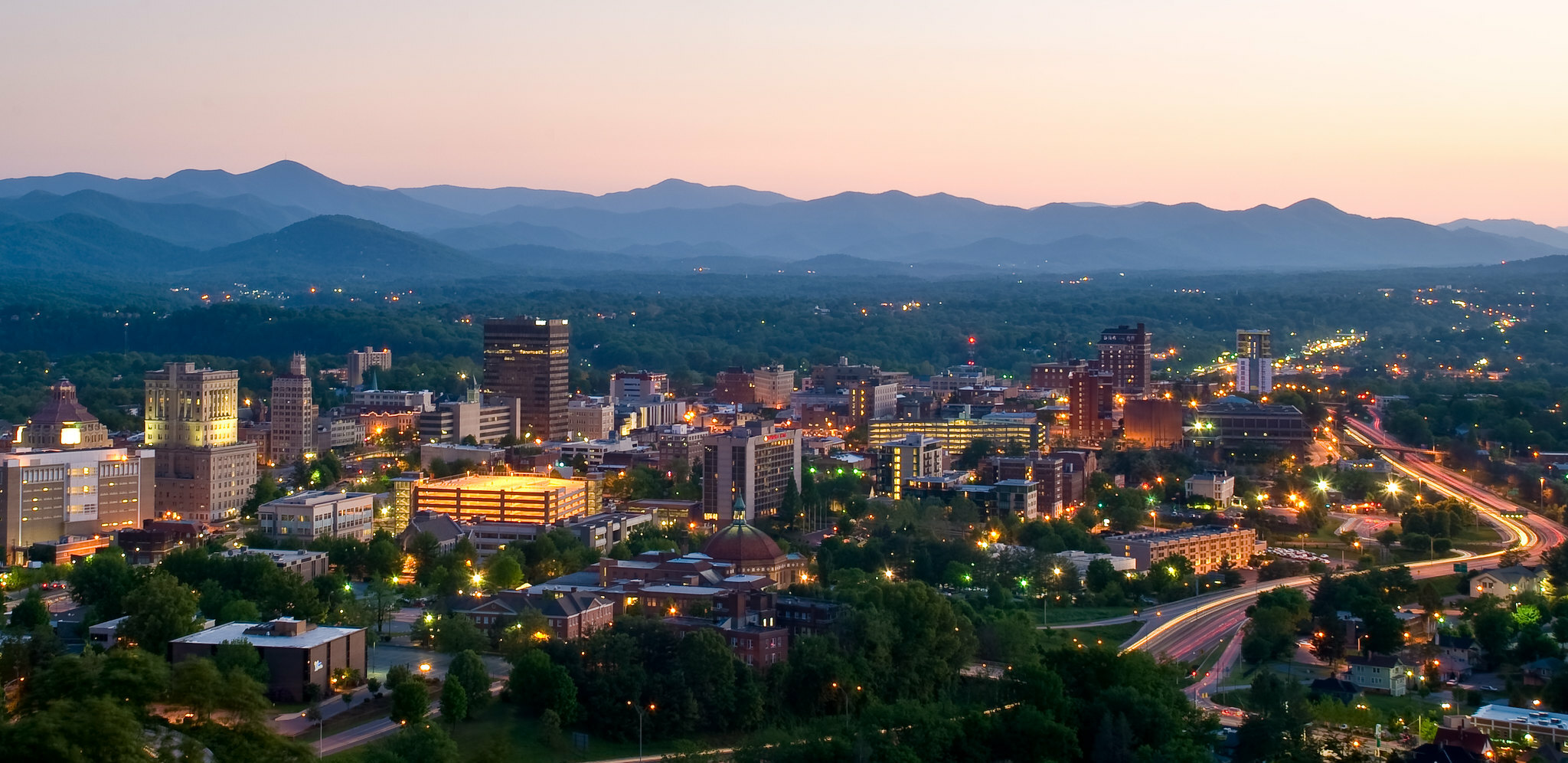
The U.S. Census Bureau’s most recent population-change data, released in March 2026 covering the period from July 2023 through July 2025, shows an unmistakable pattern: domestic migration in the United States has shifted away from the largest metropolitan suburbs and toward a specific set of medium-sized rural and small-city counties. The shift is meaningful in absolute numbers. Several counties in northern Vermont, western North Carolina, eastern Tennessee, and northern Idaho have grown faster in percentage terms than any suburban county in Texas or Florida — places that dominated the previous decade’s migration story. The reasons are specific and traceable: remote work durability, climate change concerns, housing affordability, and a broader cultural shift toward quieter, less-developed places. Here are eight American counties drawing the largest net inbound migration in 2026 — and the specific reasons each is now growing.
The American domestic migration pattern of 2025-2026 is a meaningful break from the 2015-2022 pattern. The earlier period was dominated by suburban growth around Austin, Phoenix, Tampa, Charlotte, and Nashville. That pattern continues but has decelerated significantly. The new growth concentration is in smaller counties with specific combinations of characteristics: walkable downtowns or small towns, lower housing costs than the dominant 2020-2022 destinations, access to outdoor recreation, persistent remote-work opportunities, and — crucially — climate stability relative to the hurricane and wildfire risk areas that have absorbed most of the previous decade’s growth. The Census Bureau’s county-level migration data, combined with U-Haul’s annual moving-pattern report and AAA’s interstate-trip data, produces a consistent picture of which counties are growing fastest in 2026.
1. Lamoille County, Vermont (Population 26,000) — +4.8% in Two Years
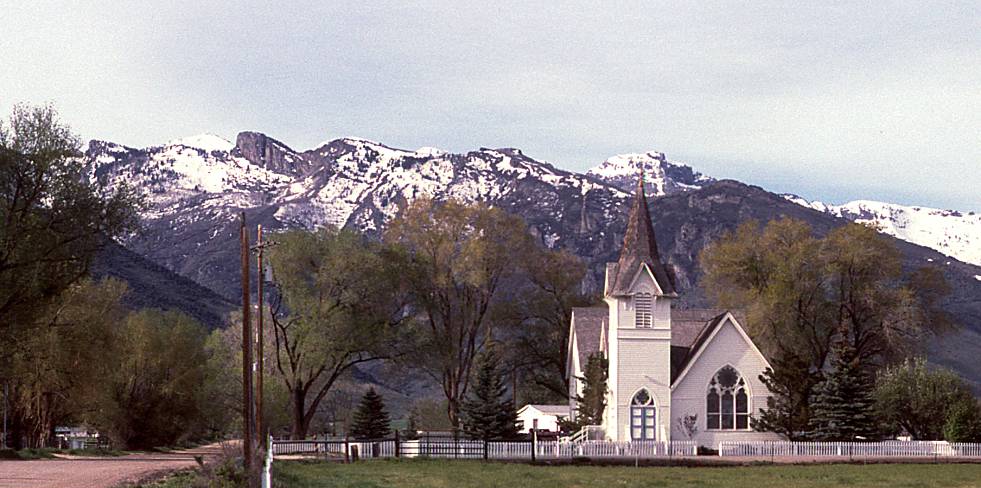
Lamoille County in north-central Vermont contains the towns of Stowe, Morristown, Cambridge, and Johnson. The county’s population grew by approximately 4.8 percent between July 2023 and July 2025, the third-fastest county-level growth rate in New England. The growth is driven by a specific combination: remote-work professionals relocating from Boston, New York, and Hartford; second-home conversions to primary residences; and a sharp increase in young families seeking outdoor-oriented small-town life. The county’s median home price has risen accordingly — from approximately $385,000 in 2022 to approximately $520,000 in 2025 — but remains well below New York City or Boston suburban prices. The Stowe ski-resort economy provides the primary employment base, supplemented by remote workers and a growing local maker economy.
2. Madison County, North Carolina (Population 22,000) — +5.1% in Two Years
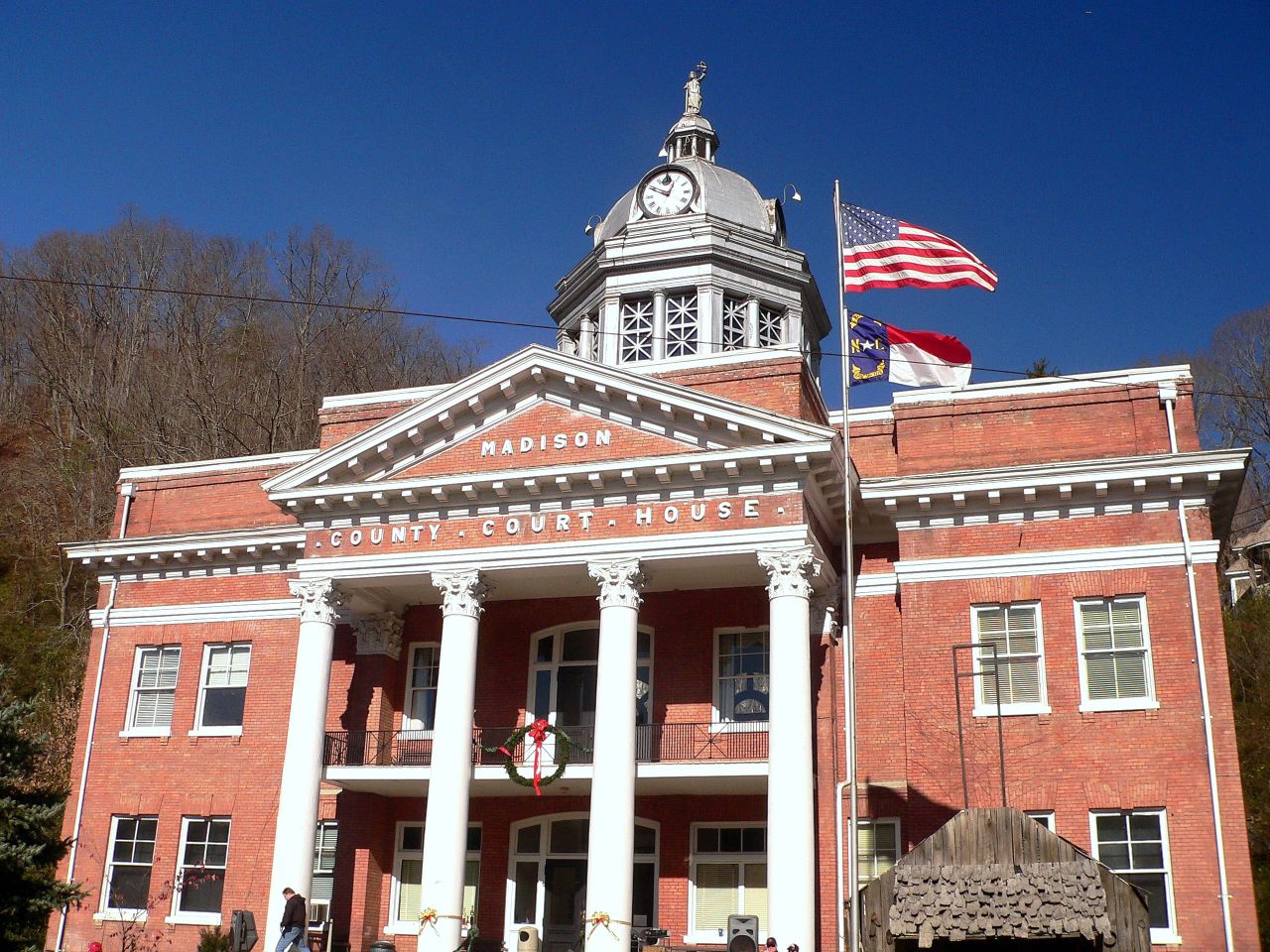
Madison County in the Blue Ridge Mountains north of Asheville has been the fastest-growing rural Appalachian county since 2023. The county contains the small towns of Marshall, Mars Hill, and Hot Springs (the latter on the Appalachian Trail). Migration is primarily from larger Southern cities — Atlanta, Charlotte, Raleigh — and from the Northeast. The driver is the same combination as Lamoille County: remote work permanence, lower housing costs than Asheville proper, and proximity to outdoor amenities. Madison County’s median home price ran approximately $310,000 in 2025, compared with Asheville’s $475,000. The French Broad River runs through the county. The Appalachian Trail crosses the county at Hot Springs. The county is benefiting from Asheville’s overflow without the Asheville price.
3. Greene County, Tennessee (Population 71,000) — +3.4% in Two Years
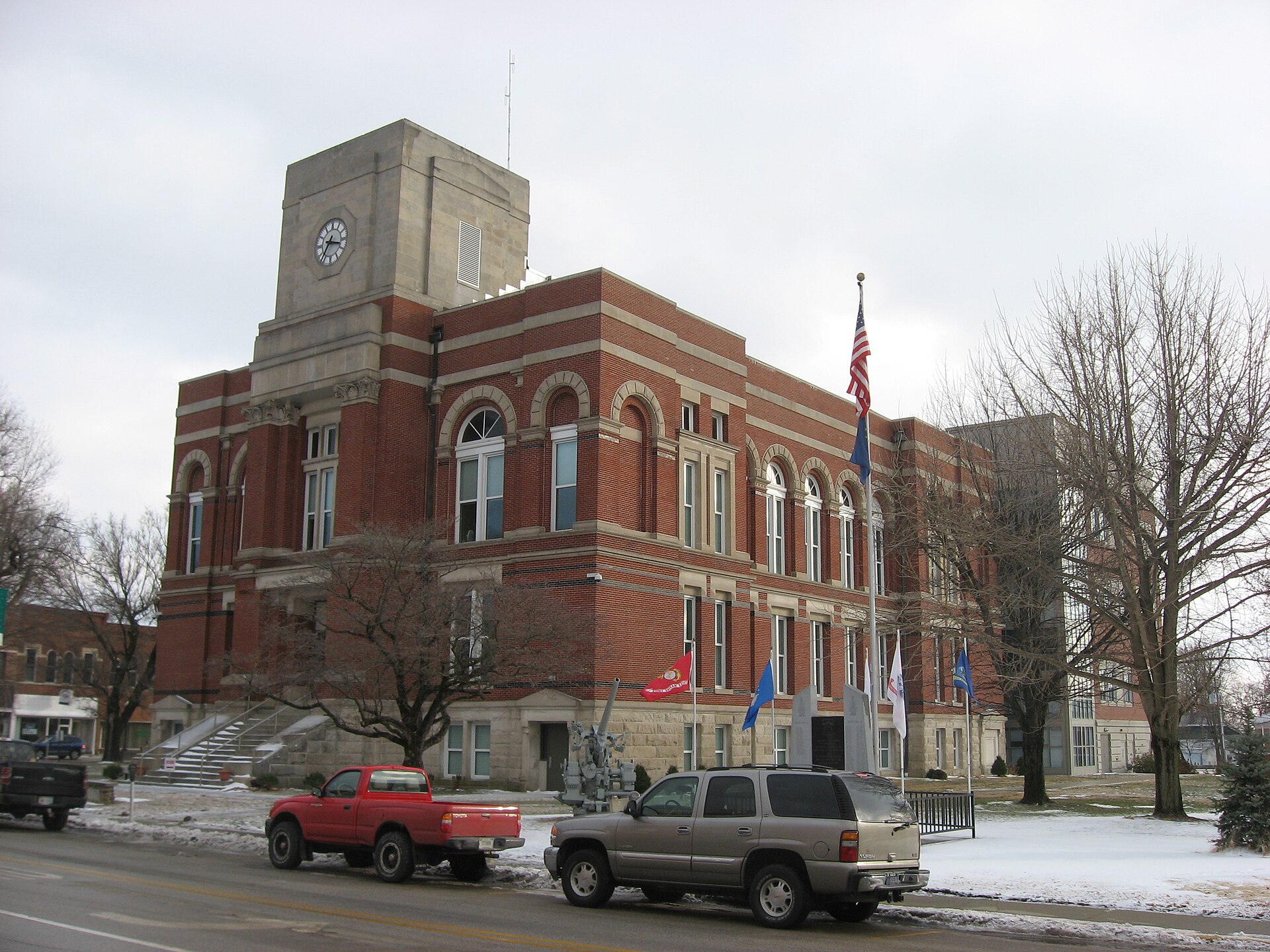
Greene County in East Tennessee, containing the historic town of Greeneville (birthplace of President Andrew Johnson), has emerged as one of the fastest-growing East Tennessee counties as Knoxville-area housing costs have risen. The county’s median home price was approximately $245,000 in 2025 — substantially below the broader Knoxville metropolitan area. Migration is from Knoxville, from the Carolinas, and from the Northeast. The county sits at the foot of the Great Smoky Mountains and provides easy access to the national park without the gateway-town overcrowding of Gatlinburg or Sevierville. The growth is producing measurable infrastructure strain — Greeneville schools have added trailers to handle enrollment, and county roads are increasingly congested at peak hours.
4. Kootenai County, Idaho (Population 178,000) — +4.2% in Two Years

Kootenai County in the Idaho Panhandle, containing Coeur d’Alene, has been one of the fastest-growing American counties for the entire past decade and has continued to grow rapidly in 2025-2026. Migration is primarily from California, Washington, and Oregon, driven by housing-cost differences, perceived political and cultural fit, and the lake-and-mountains lifestyle. Coeur d’Alene’s median home price ran approximately $560,000 in 2025 — higher than many comparable counties but still substantially below Seattle, Portland, or San Francisco. The county’s tax structure (no state income tax, lower property taxes) is a significant draw for retirees. The growth has compressed local housing supply substantially, and rental prices have outpaced wages for the local workforce.
5. Garrett County, Maryland (Population 28,000) — +2.9% in Two Years
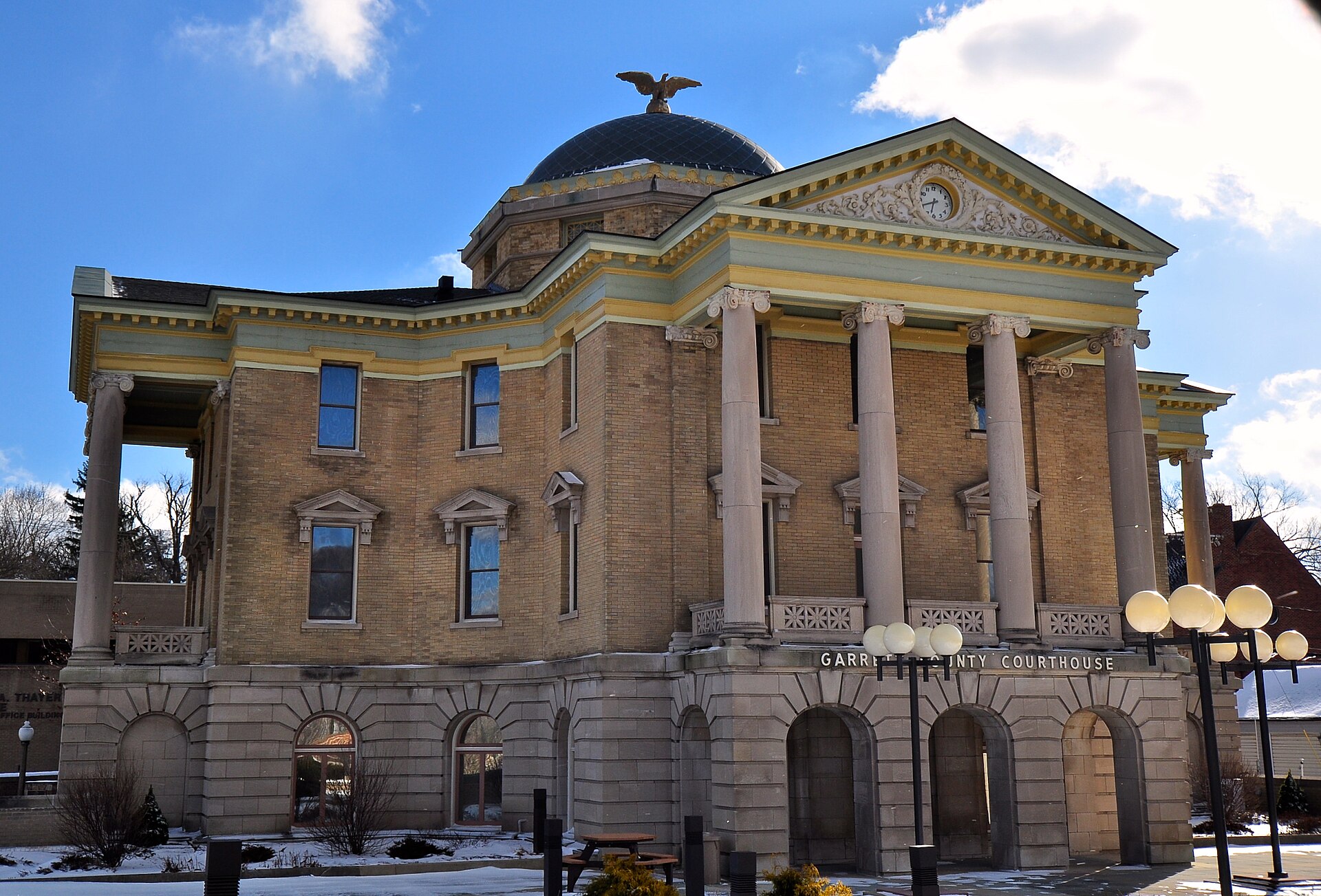
Garrett County in westernmost Maryland, containing Deep Creek Lake, has emerged as a quiet migration destination from the Washington D.C., Baltimore, and Pittsburgh metropolitan areas. The county’s median home price was approximately $385,000 in 2025 — high for rural Maryland but a third the cost of D.C. suburban housing. The Deep Creek Lake recreational anchor provides year-round outdoor amenities (boating in summer, skiing at Wisp Resort in winter). Migration is dominated by remote workers and second-home owners converting to primary residences. The county’s small size and limited housing inventory have produced rapid price escalation, with single-family homes routinely selling within two weeks of listing.
6. Lincoln County, Maine (Population 36,000) — +3.1% in Two Years
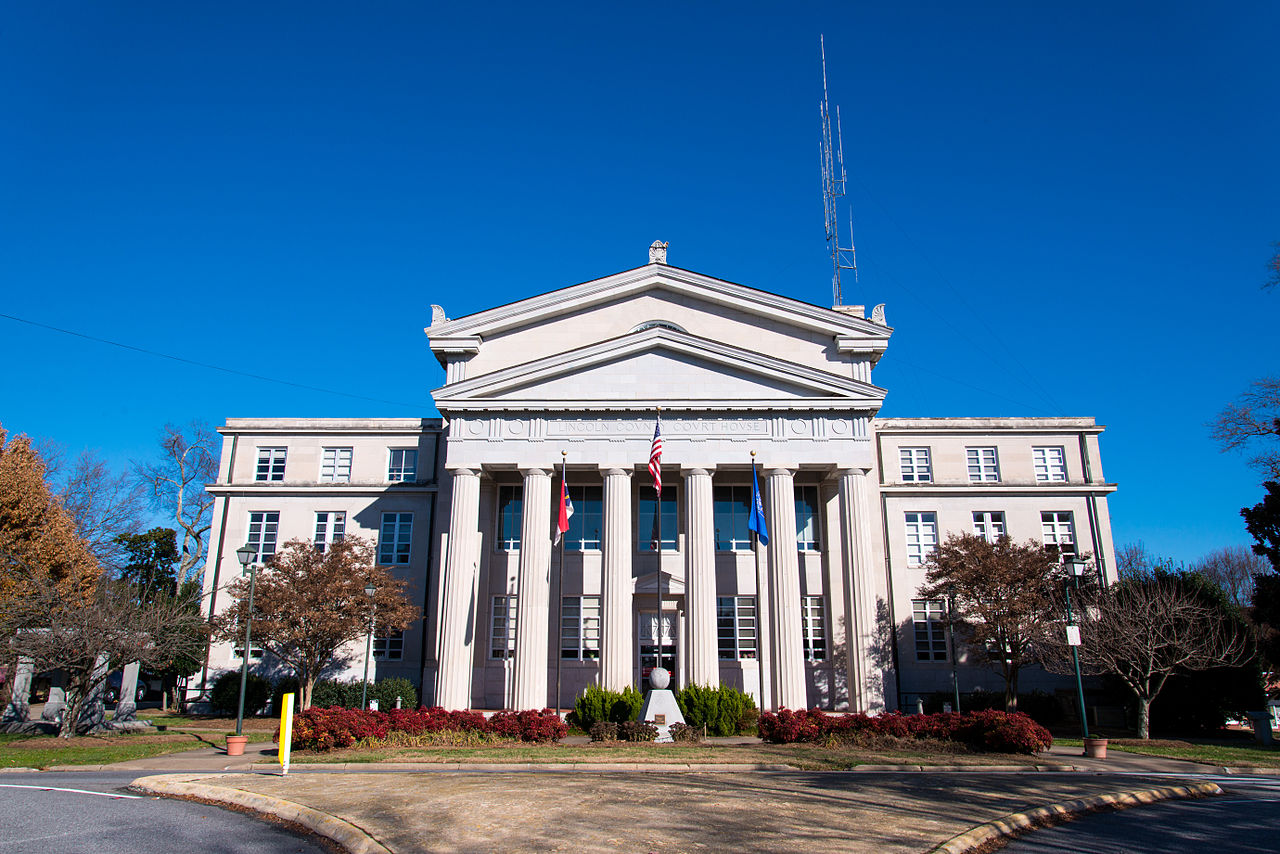
Lincoln County on the central Maine coast, containing the towns of Damariscotta, Wiscasset, Boothbay Harbor, and Newcastle, has emerged as a significant Maine-coast migration destination. The county’s coastal village character, working-fishing harbors, and proximity to Portland (about an hour south) make it accessible without being touristy. Migration is from Boston, New York, and other Northeast metropolitan areas. The county’s median home price ran approximately $445,000 in 2025 — high for rural Maine but well below coastal Massachusetts or Rhode Island. The growth has produced visible character changes — more high-end restaurants, more art galleries, fewer working fishing operations — that have generated some local controversy about the trajectory of small-town Maine.
7. Henderson County, North Carolina (Population 121,000) — +3.7% in Two Years
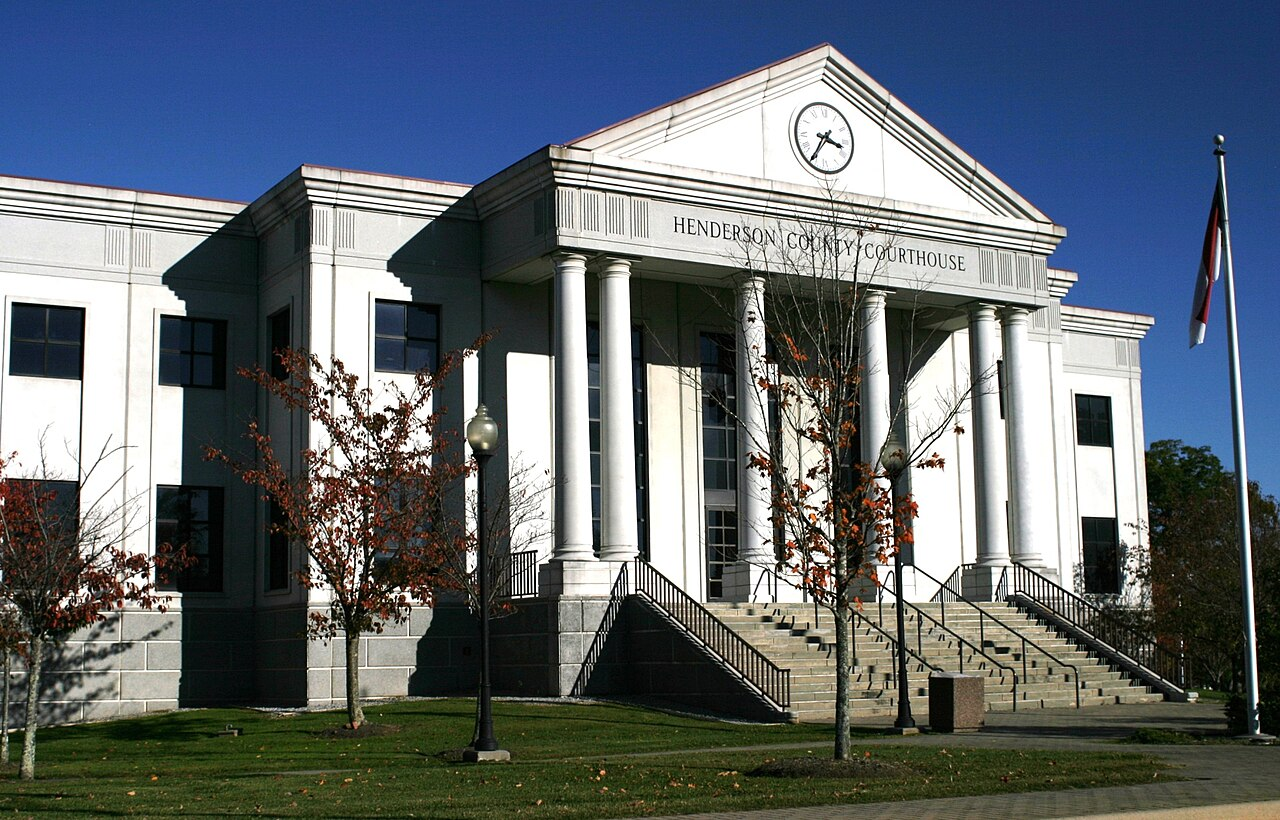
Henderson County south of Asheville, containing the historic town of Hendersonville, is another Asheville-overflow county that has grown rapidly since 2023. Migration is from Florida (notable as a reverse of the previous decade’s pattern), from the Northeast, and from California. The county is meaningfully more affordable than Asheville while sitting in the same Blue Ridge Mountains landscape. The median home price ran approximately $415,000 in 2025. The county’s apple-orchard economy, the historic Flat Rock Playhouse, and the Carl Sandburg Home National Historic Site provide cultural anchors. The growth has produced school-enrollment increases and infrastructure expansion projects that the county is still absorbing.
8. Park County, Montana (Population 17,500) — +5.4% in Two Years
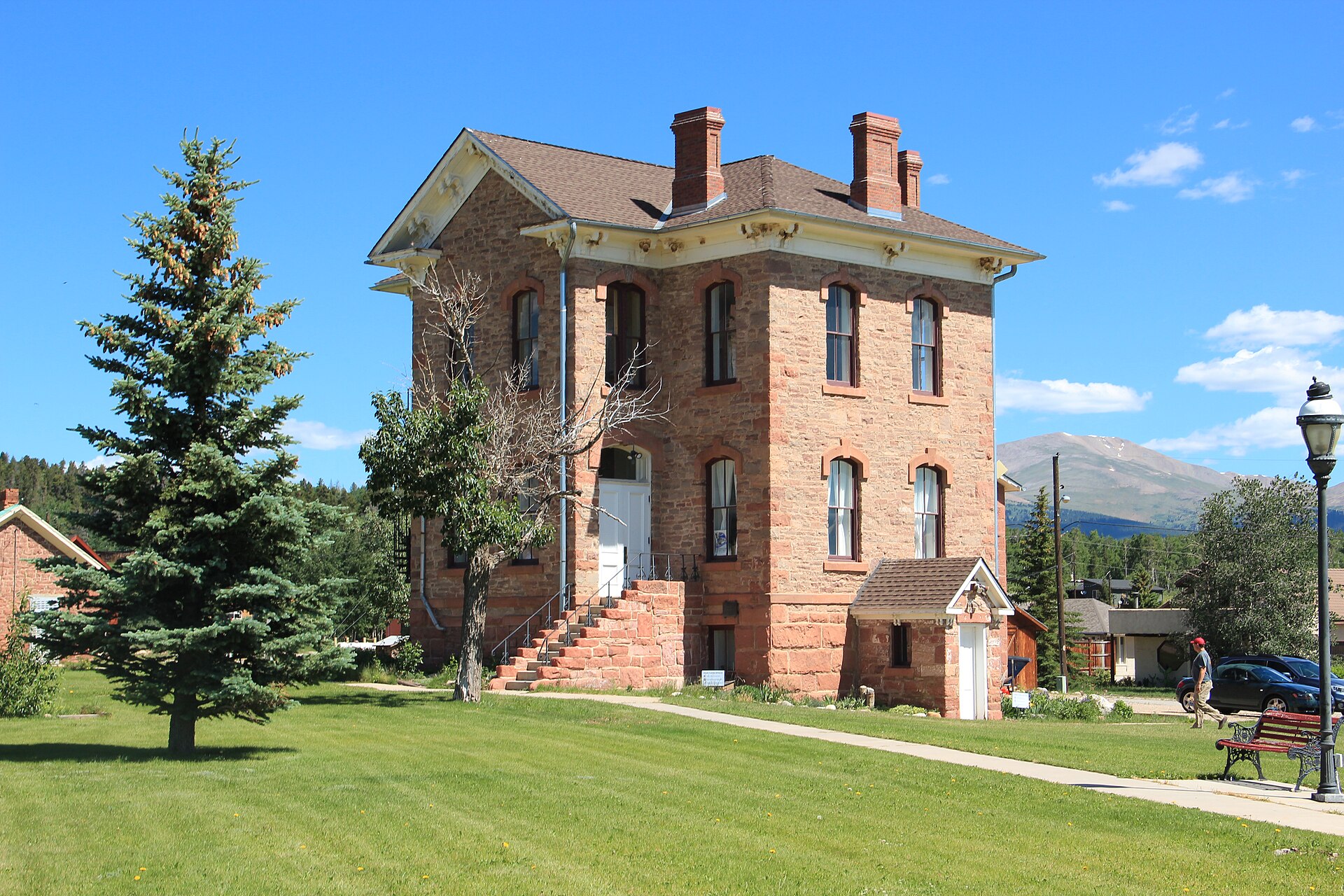
Park County immediately north of Yellowstone National Park, containing Livingston and the surrounding Paradise Valley, has been the fastest-growing rural Montana county in 2025. The county’s population grew approximately 5.4 percent between July 2023 and July 2025 — a high percentage in absolute terms for a county of this size. Migration is from California, Texas, the broader Mountain West, and the Northeast. The Yellowstone gateway access, the trout fishing on the Yellowstone River, the proximity to Bozeman (one of the fastest-growing American cities), and the high-end ranch culture all contribute. The county’s median home price ran approximately $625,000 in 2025 — high for rural Montana, driven heavily by second-home and remote-work buyers from coastal metropolitan areas. Park County is the clearest case of a small Mountain West county being transformed by amenity-driven migration.
The Common Pattern

The eight counties on this list share specific characteristics. Each has population between approximately 17,000 and 180,000 — small enough to feel rural or small-town, large enough to support basic services. Each has a recognized recreational or cultural anchor (mountains, lake, national park access, historic town). Each is meaningfully cheaper than the dominant 2020-2022 migration destinations (Austin metro, Phoenix metro, Tampa metro) but not the cheapest American counties available. Each has experienced rapid housing price appreciation tracking the migration. And each is generating local-resident controversy about how much further the growth should be allowed to go before infrastructure, school capacity, and small-town character begin to break down. The American domestic migration story of 2026 is no longer about Austin and Phoenix. It is about Lamoille and Madison and Park and Lincoln — counties most Americans cannot place on a map but that now lead the country in percentage growth.