
The American parenting culture of the 1970s operated under fundamentally different legal and social rules than the parenting culture of 2026. A dozen specific parenting practices that were entirely normal and unremarkable in 1975 — practices that essentially every American parent did, without comment from neighbors, teachers, or law enforcement — would now produce a Child Protective Services report, a citation, a fine, or in some cases a criminal charge. The shift is not a simple matter of evolving social mores. Specific federal and state laws have been written, and specific enforcement mechanisms put in place, that have actively criminalized parenting behaviors which were the standard expected practice fifty years ago. Most American adults over 55 today grew up under conditions that would now be considered neglect, abuse, or endangerment by current legal standards. Here are twelve specific 1970s American parenting practices, each one paired with the contemporary law or regulation that would now apply.
The pattern emerged gradually rather than through a single legal moment. State child-welfare laws were updated steadily throughout the 1980s and 1990s following the federal Child Abuse Prevention and Treatment Act of 1974 and its multiple subsequent reauthorizations. State motor vehicle codes added child-passenger safety requirements throughout the 1980s. Public smoking bans rolled out across states starting in the 1990s. The cumulative effect is that an American parent in 1975 operated under fewer than half the active child-protection laws that an American parent operates under in 2026. The list below is not exhaustive — there are at least 30 specific 1970s parenting practices that have been substantially regulated or criminalized — but each item below represents a near-universal 1975 practice that would now produce direct legal consequences.
1. Children Riding in the Front Seat of the Family Car
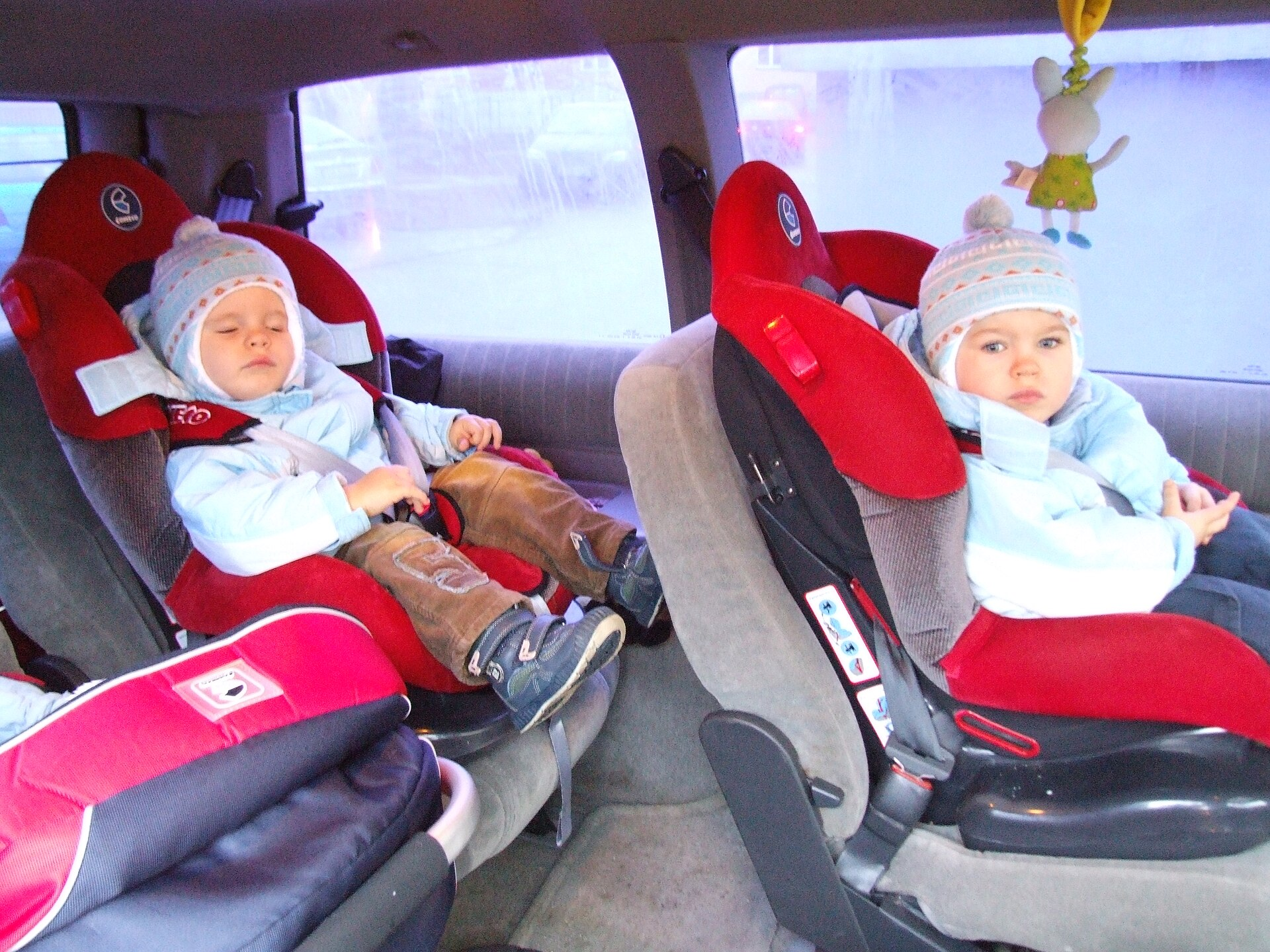
In 1975, American children of any age routinely rode in the front passenger seat of the family car. The 1970s American sedan typically had a front bench seat allowing three across, and the child sat between the parents. The behavior is now regulated under every U.S. state’s child-passenger-safety laws. According to the Insurance Institute for Highway Safety, 47 of 50 states currently prohibit children under specific ages (typically 8 to 13) from riding in the front seat. New York’s law requires children under 8 to ride in the back seat. California’s requires children under 8 unless they exceed 4 feet 9 inches. Violations result in citations, fines typically $50 to $250, and in repeat-violation cases child welfare referrals.
Like our content? Follow us for more.
2. Children Riding Unrestrained in the Back of Pickup Trucks
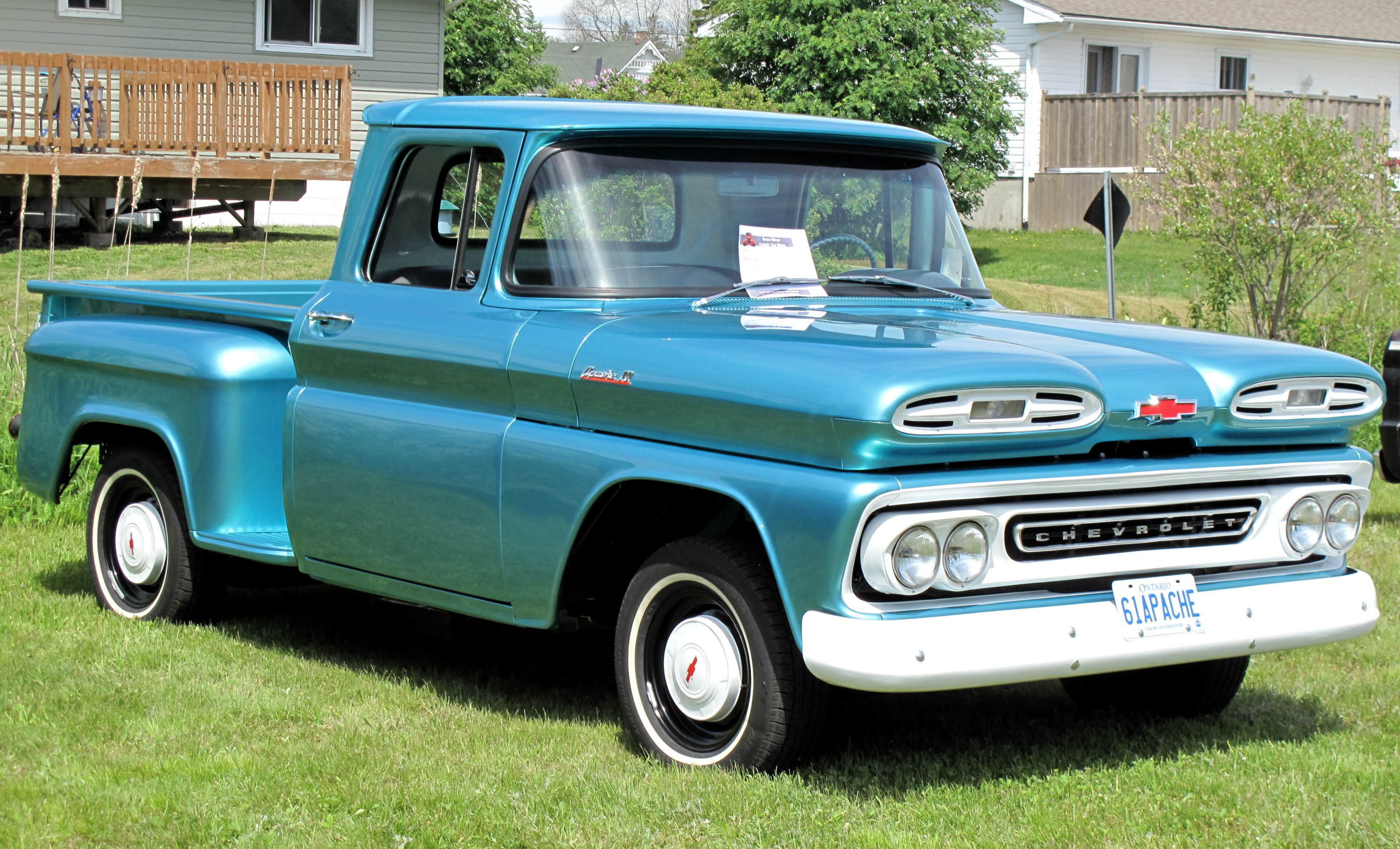
The 1975 American family routinely transported children in the open cargo bed of a pickup truck — on a Sunday drive, on the way to a baseball game, traveling between farm properties. The practice has been substantially regulated. As of 2026, 30 U.S. states prohibit children from riding in open pickup beds on public roads, with specific age thresholds varying. Violation penalties run $75 to $500 per incident plus potential child-endangerment charges in serious cases. The exact 1975 family photograph of a kid waving from the back of dad’s pickup would, taken today, generate immediate police contact in most states.
3. Lighting a Cigarette Inside the Car with Children Present

In 1975, approximately 38 percent of American adults smoked cigarettes, according to CDC data. The behavior occurred routinely in cars with children present. The cigarette went into the dashboard lighter, the lighter glowed orange, the smoke filled the car, the children breathed it. The practice has been substantially criminalized. As of 2026, at least 11 U.S. states (including California, Oregon, Vermont, Maine, Arkansas, Louisiana, Utah, Virginia, West Virginia, Washington, and Illinois) have laws prohibiting smoking in vehicles with children present. Penalties typically run $25 to $500 per violation, with child-welfare implications in repeat cases. The 1975 dashboard cigarette lighter, smoking parent, and unrestrained child combination is now multiple separate violations.
4. Leaving a Child Alone in the Car While Running an Errand
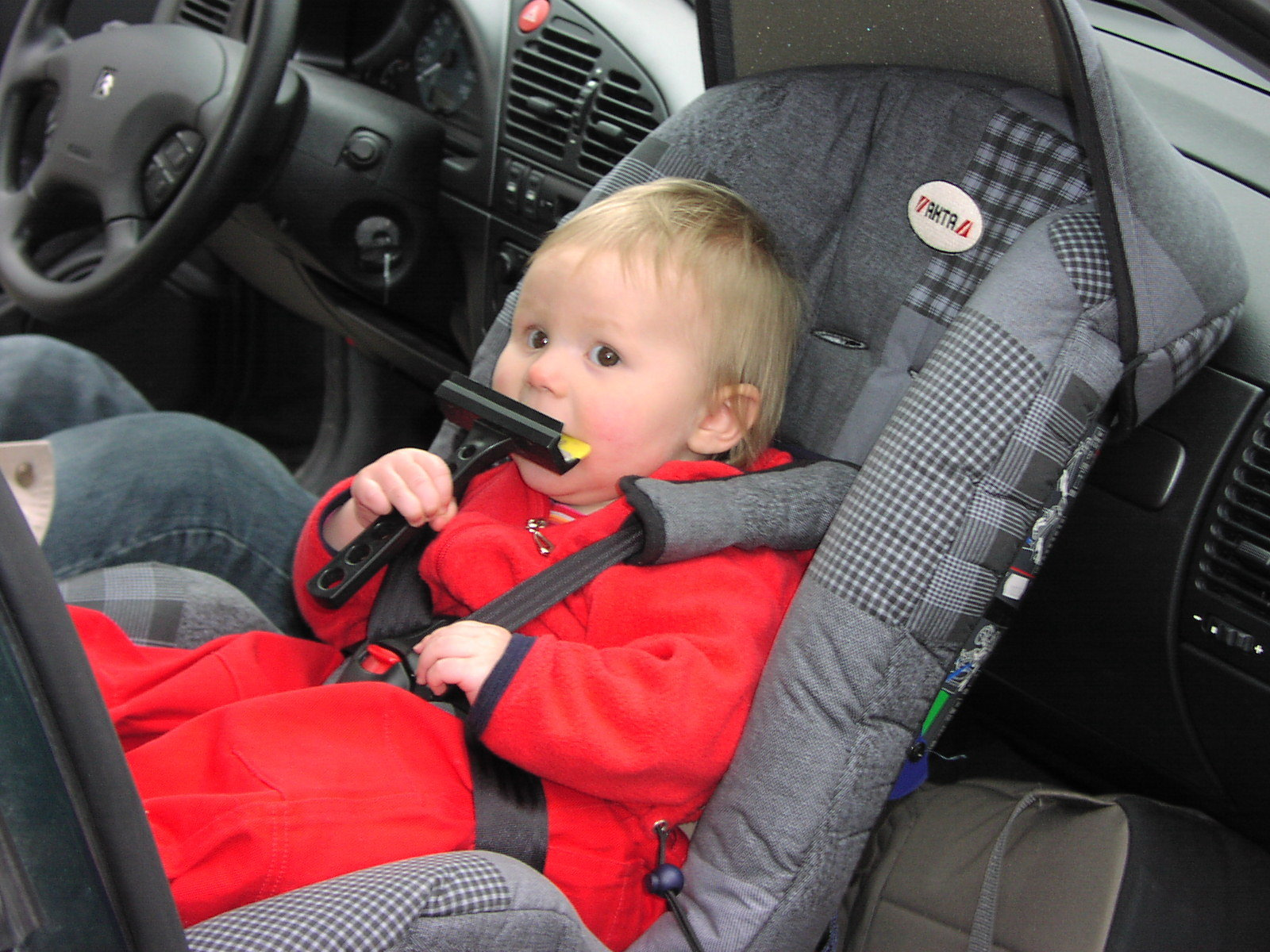
In 1975, American parents routinely left children alone in parked cars while running into a store, picking up dry cleaning, or stopping at the bank. The duration could range from 5 minutes to an hour. The practice has been substantially criminalized. As of 2026, 22 U.S. states have specific laws prohibiting leaving a child unattended in a vehicle. The age thresholds vary — Florida prohibits leaving a child under 6 alone in a vehicle, California under 7, Illinois under 6. Penalties range from $100 to $1,000 plus potential felony child-endangerment charges if the child suffers harm. The American parent of 2026 cannot leave a young child in the car for any reason without legal risk.
5. Letting Children Walk to School Alone Starting in First Grade

In 1975, American children typically walked to school alone or with siblings starting in first grade — roughly age 6. According to the National Center for Safe Routes to School, approximately 50 percent of American children walked or biked to school in 1969; the figure was approximately 11 percent in 2024. The practice has not been universally criminalized but has been subjected to substantial child-welfare scrutiny. The 2014 Meitiv family case in Maryland — in which parents were investigated by CPS for letting their 10- and 6-year-old children walk home from a park — generated national debate. Several states have since passed “free-range parenting” laws (Utah in 2018, Texas in 2021) explicitly permitting children to walk alone, but in many states the practice remains subject to CPS discretion.
6. Spanking with an Object (Belt, Paddle, Hairbrush)

In 1975, American parents commonly disciplined children with physical implements — a belt, a paddle, a wooden spoon, a hairbrush. The practice was openly discussed and routinely applied. Public attitudes have shifted substantially. As of 2026, no U.S. state has fully banned corporal punishment by parents, but the use of objects has become a frequent trigger for CPS investigation. Several states explicitly distinguish between “reasonable” parental discipline and “abuse,” with the use of objects often crossing the line. New York, California, Massachusetts, and several other states have updated their child-welfare standards to treat object-based physical discipline as presumptively abusive. The 1975 family belt-on-the-doorknob disciplinary symbol is essentially extinct in current American parenting culture and would generate immediate concern from most modern teachers, neighbors, and family.
7. Sending Young Children Out to Buy Cigarettes for Parents

In 1975, American parents routinely sent children — sometimes as young as 8 or 9 — to the corner store to buy cigarettes, beer, or lottery tickets. The store would simply sell the requested items to the child carrying a parental note. The practice has been completely criminalized. The federal Synar Amendment, passed in 1992, required all states to enforce minimum age laws for tobacco purchase. The federal age was raised to 21 in 2019. The practice of sending a child to buy cigarettes is now a violation by the parent (contributing to delinquency), by the store (selling to a minor), and potentially generates CPS contact. The 1975 child-buying-Marlboros routine is gone.
8. Allowing Children to Drink Alcohol at Family Functions

In 1975, the American family wedding, birthday party, or holiday gathering routinely included children being given small amounts of beer, wine, or spirits by their parents. The practice was unremarkable. The current legal status varies. The federal minimum drinking age is 21, established by the National Minimum Drinking Age Act of 1984. However, 31 states have specific exemptions allowing minors to consume alcohol under direct parental supervision in private locations. The practice has become substantially more constrained socially, even where legally permitted, with many states updating their family-exemption laws to require not just parental consent but parental physical supervision. The 1975 holiday-party-glass-of-wine-for-the-12-year-old is now legally complicated in ways it was not fifty years ago.
9. Letting Children Ride Bicycles Without Helmets
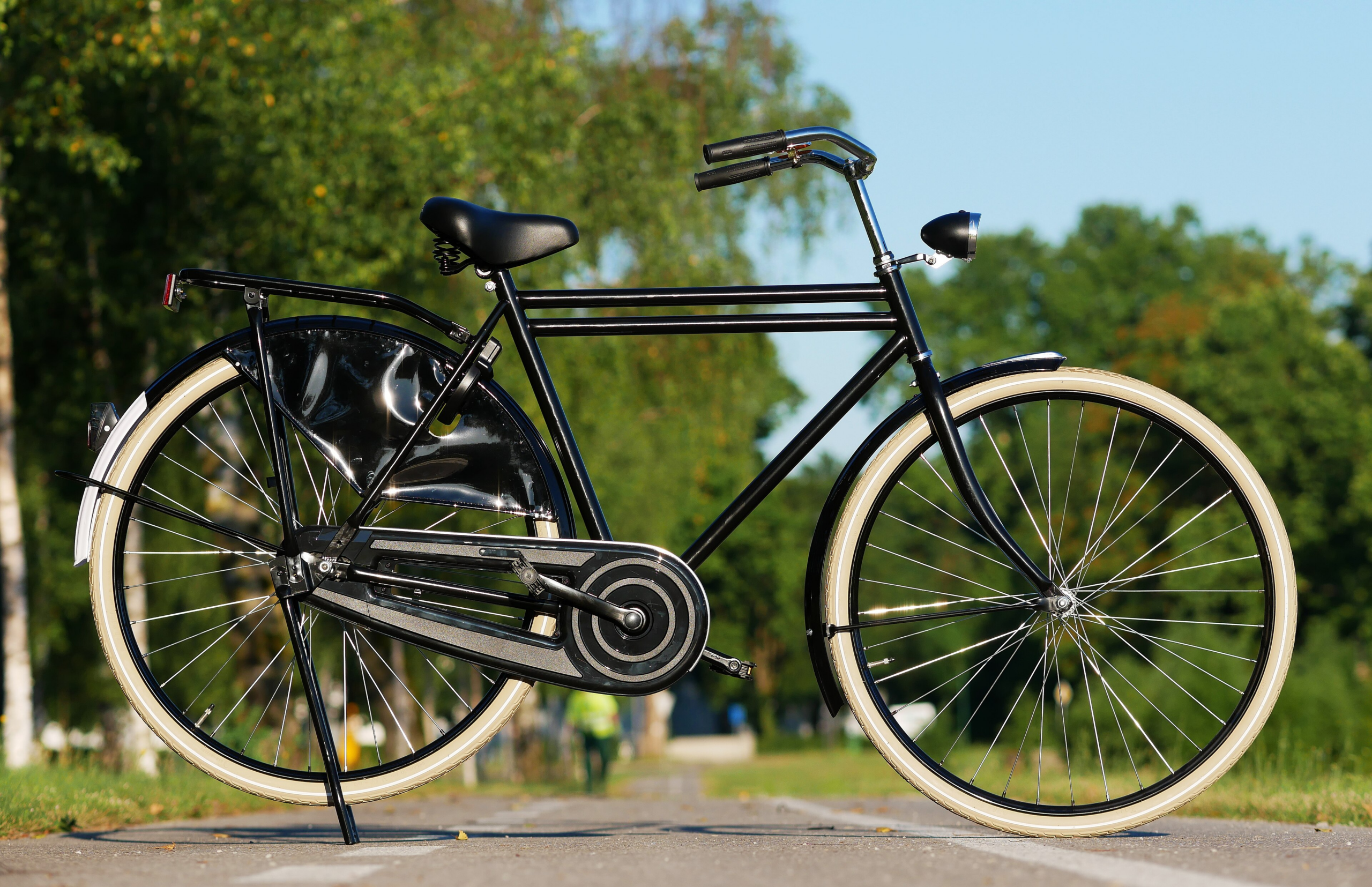
In 1975, helmet use among American children riding bicycles was approximately 2 percent according to the National Highway Traffic Safety Administration. Essentially every American child rode a bicycle without head protection. The practice has been substantially regulated. As of 2026, 22 U.S. states and the District of Columbia have laws requiring helmets for children under specific ages (typically 14 to 18), with municipalities in many additional states having their own ordinances. Penalties typically include warnings, citations of $25 to $100, and confiscation of the bicycle in some jurisdictions. The 1975 universal helmet-less child bicycling is now a legal violation in approximately half the country.
10. Letting Children Stay Home Alone Starting Around Age 8

In 1975, American children typically began staying home alone after school — the classic “latchkey kid” pattern — starting around age 8 to 10. The practice was nearly universal in two-earner households. The current legal status varies. No U.S. state has a single specific age threshold below which a child cannot legally be left home alone, but Maryland’s law requires children to be at least 8 to be left unsupervised, Illinois requires children to be at least 14 in some interpretations, and Oregon requires children to be at least 10. CPS standards in most states use a case-by-case assessment that frequently treats children under 12 left home alone as a welfare concern. The 1975 latchkey-kid pattern is functionally regulated even where not explicitly criminalized.
11. Letting Children Sleep on the Front Bench Seat During Long Drives
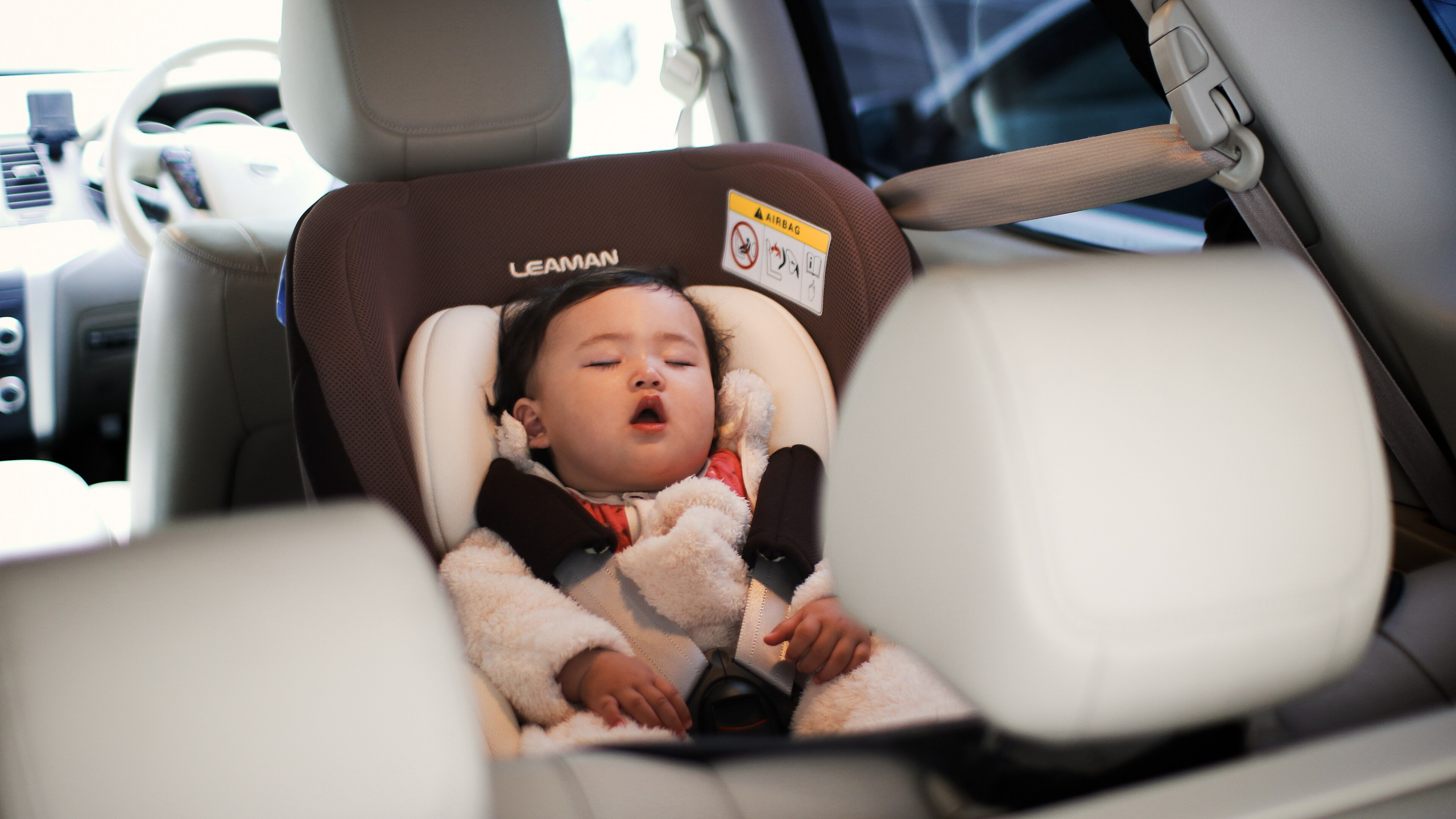
The 1975 American family road trip routinely included children sleeping on the front bench seat (or the back bench, or the floor between the front and back seats, or the rear shelf behind the back seat in a sedan). No restraints. The practice was universal. The current legal status is that every U.S. state requires children to be in age-appropriate restraints whenever the vehicle is in motion. The penalty for unrestrained children is typically $50 to $250 per occurrence, with potential CPS implications in serious cases. The 1975 child-sleeping-in-the-rear-window-shelf of a 1972 Pontiac LeMans is a multiple-violation traffic stop in 2026.
12. Allowing Children to Watch Adult Movies at Home

In 1975, American parents routinely allowed children to watch whatever movies were available on the broadcast or early cable television feed. The MPAA rating system existed but was not enforced in private homes. The practice has not been criminalized but has been substantially regulated through the cumulative impact of child-welfare standards, school reporting requirements, and the broader culture of supervised media exposure. Children exposed to extreme violent or sexual content can produce school counselor reports and CPS contact in cases where the exposure is documented. The 1975 family-room television showing whatever happened to be on, with children of any age present, has become substantially more constrained in 2026 American practice.
What the Pattern Reveals

The cumulative shift from 1975 to 2026 reflects approximately fifty years of progressive child-welfare law and changing social standards. Each individual change was modest. The cumulative effect is dramatic. An American parent operating today under 1975 standards would, within a typical month, accumulate enough legal violations to face criminal charges, CPS investigation, vehicle citations, and substantial fines. The 1975 American parent did not face this regulatory environment and operated under correspondingly fewer constraints. The trade-off between expanded child protection and the loss of certain forms of parental autonomy is not a simple binary. Most American adults over 55 today grew up under the 1975 standards and did not experience the harms the current laws are designed to prevent. Most American children under 18 in 2026 are growing up under the current standards and will not experience the freedoms their grandparents took for granted. The shift between the two worlds is the largest single change in American family law over the past century.
Like our content? Follow us for more.