

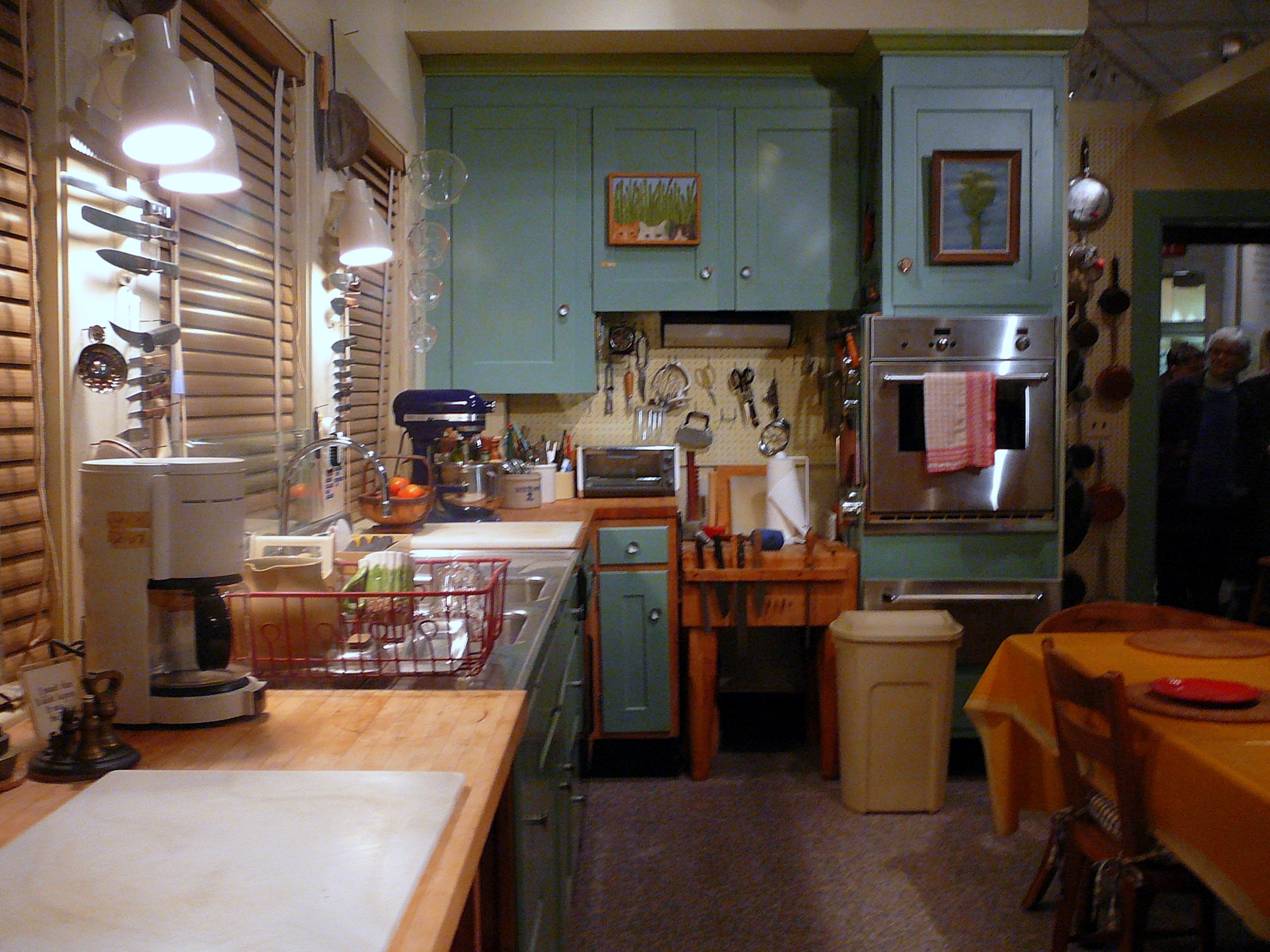
The American kitchen of 1978 was stocked with products, appliances, and materials that would not survive a modern safety inspection. Lead-glazed pottery sat in the cabinet. Aluminum cookware leached into the food. The percolator brewed coffee on the stovetop. The avocado-green refrigerator hummed with a compressor full of ozone-destroying refrigerant. Several of these items have since been outright banned by the FDA, the EPA, or the Consumer Product Safety Commission — not because anyone in 1978 considered them dangerous, but because subsequent research revealed problems that the original manufacturers and regulators had not anticipated. Boomers and older Gen Xers who grew up in 1970s American kitchens used all fifteen of these items daily. Seven of them are now banned, recalled, or prohibited from manufacture. Here is the complete list, with the specific regulatory action that ended each banned item.
1. Lead-Glazed Ceramic Dishware — NOW BANNED
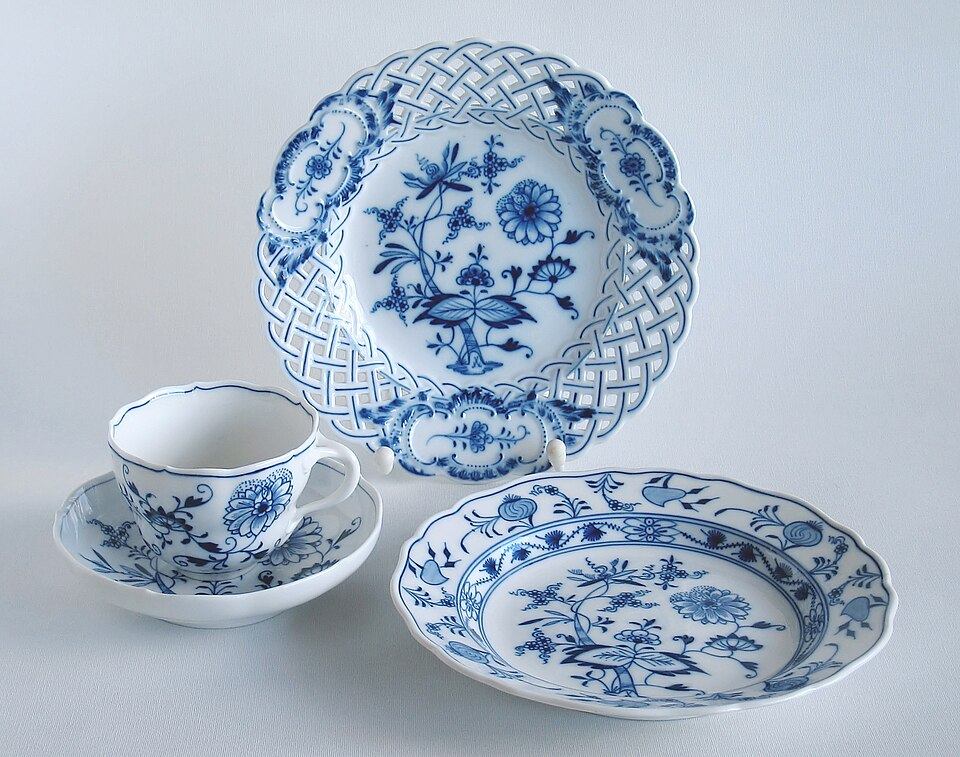
The decorative glazed pottery and ceramic dishware in the 1978 American kitchen frequently contained lead-based glazes, particularly imported and handcrafted pieces. The lead leached into food, especially acidic foods like tomato sauce and citrus. The FDA established enforceable lead-leaching limits for ceramic foodware in 1971 and tightened them substantially in 1991 and again in subsequent decades. Lead-glazed dishware manufactured to 1978 standards is now banned from sale in the United States. Many Americans still own vintage lead-glazed pieces inherited from the era, which the FDA recommends using for decoration only, not for serving food.
Like our content? Follow us for more.
2. The Stovetop Percolator
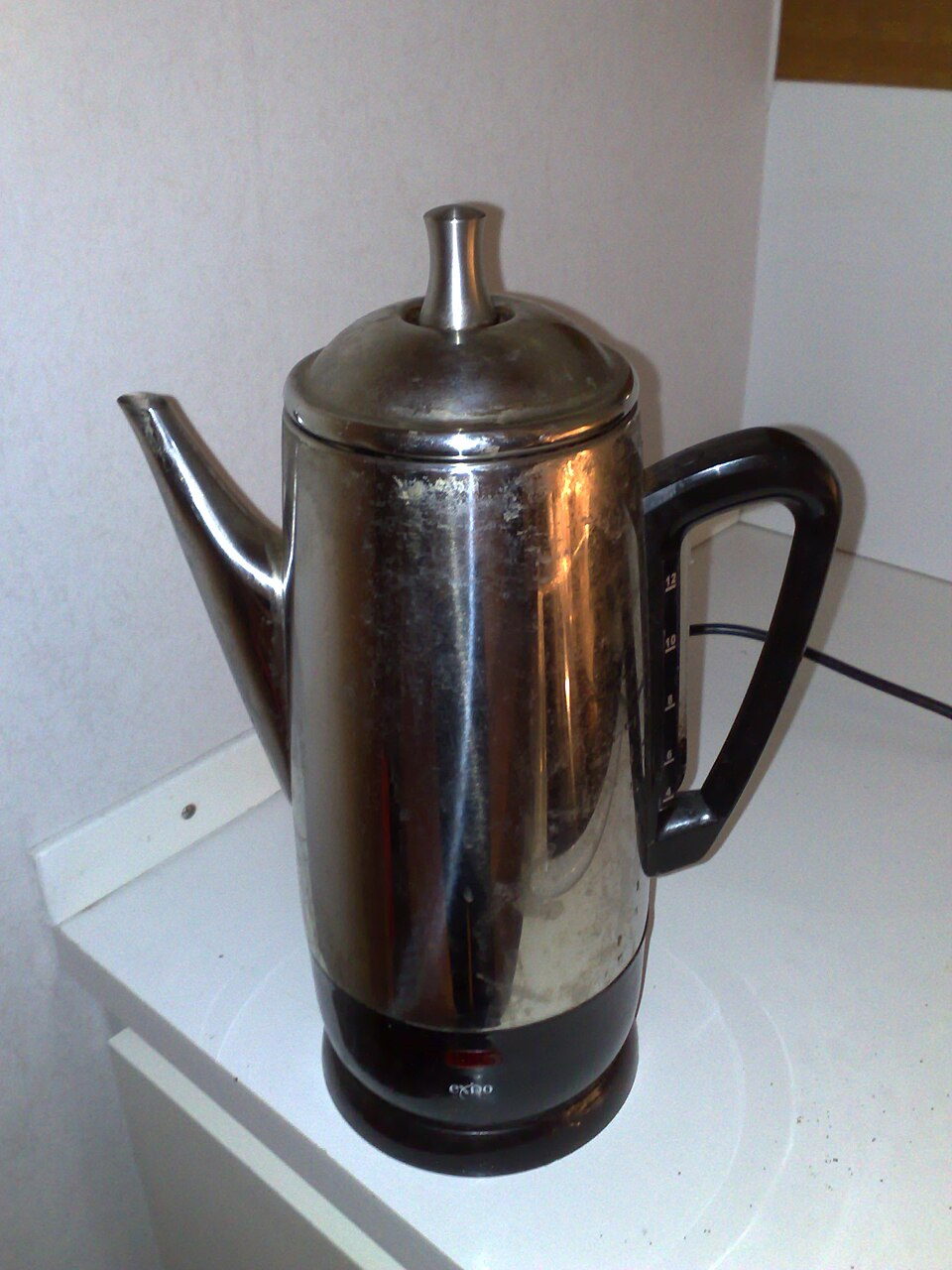
The stovetop percolator — the aluminum or stainless coffee maker that cycled boiling water up through a central tube and over the grounds repeatedly — was the dominant American coffee-brewing method through the 1970s. The percolator produced a strong, often over-extracted coffee. The device was largely displaced by automatic drip coffee makers (Mr. Coffee launched in 1972 and dominated by the early 1980s). The percolator is not banned and remains available, but it has substantially disappeared from American kitchens. The percolator’s distinctive bubbling sound and the glass knob on top are vivid 1970s kitchen memories.
3. Aluminum Cookware (Pre-Anodized) — LARGELY PHASED OUT
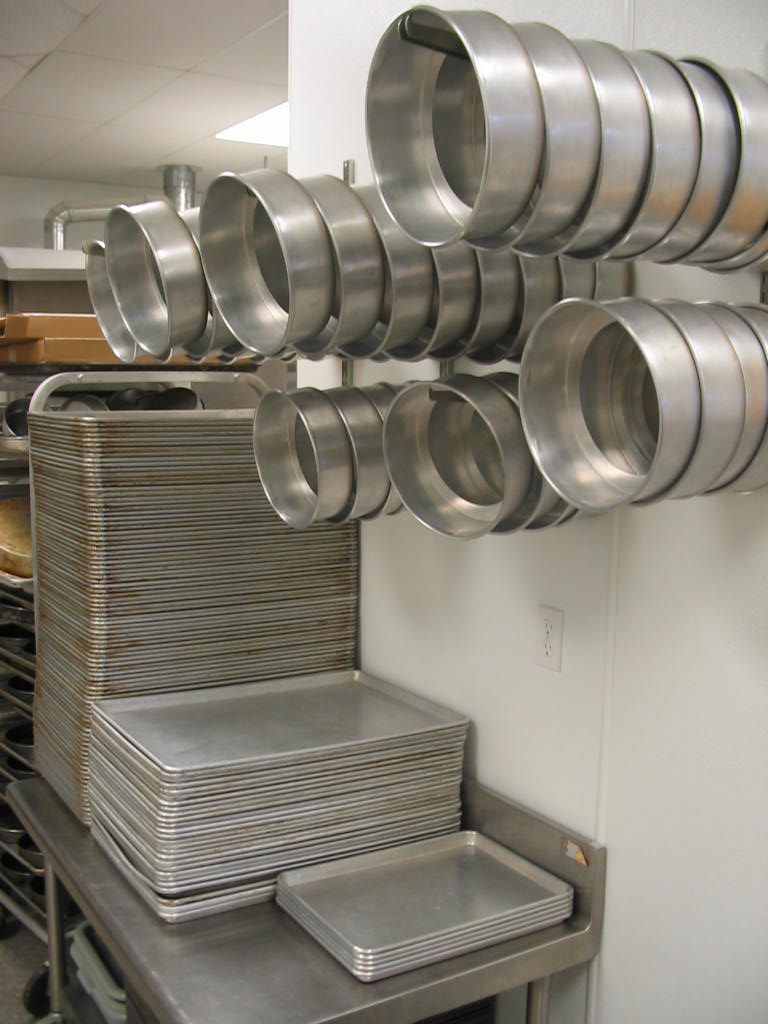
The 1978 American kitchen relied heavily on bare aluminum cookware — pots and pans that were lightweight, cheap, and conducted heat well but that leached aluminum into acidic foods. While bare aluminum cookware was never formally banned, the broader concern about aluminum exposure (and unproven 1980s theories linking aluminum to Alzheimer’s disease) caused manufacturers to shift almost entirely to anodized aluminum, stainless steel, and coated cookware. The bare aluminum pot of 1978 has substantially disappeared from American kitchens, replaced by safer alternatives.
4. Teflon Pans Made With PFOA — NOW BANNED
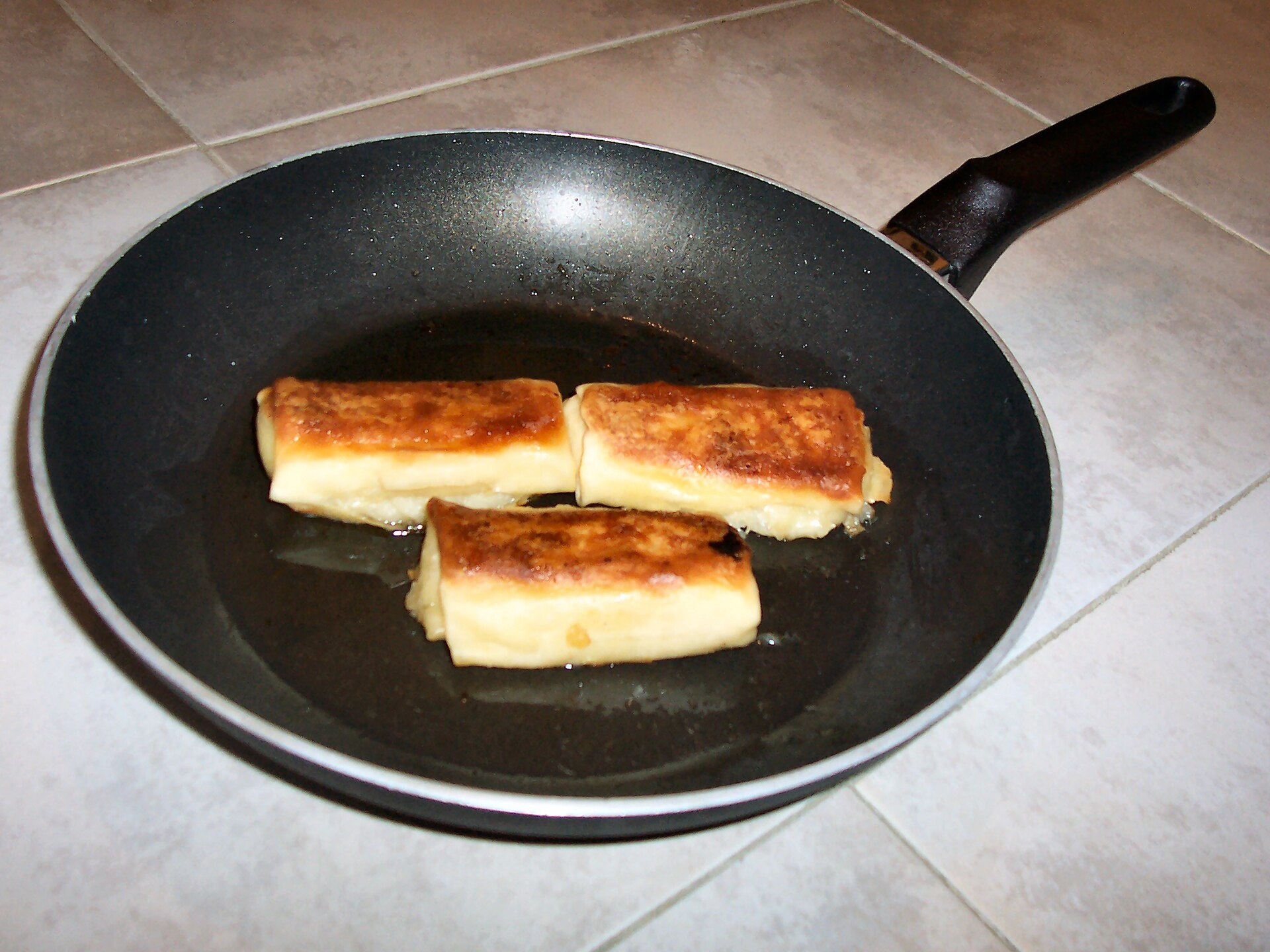
The non-stick Teflon pans that revolutionized American cooking in the 1960s and 1970s were manufactured using PFOA (perfluorooctanoic acid), a “forever chemical” that has since been linked to cancer and other health problems. The EPA reached an agreement with manufacturers to phase out PFOA in non-stick cookware by 2015, and the chemical is now effectively banned from new manufacture. The 1978 Teflon pan, manufactured with PFOA, would not be legal to produce today. Modern non-stick pans use PFOA-free formulations. Many Americans still own and use vintage Teflon cookware from the era.
5. The Avocado-Green or Harvest-Gold Refrigerator (With CFC Refrigerant) — REFRIGERANT NOW BANNED
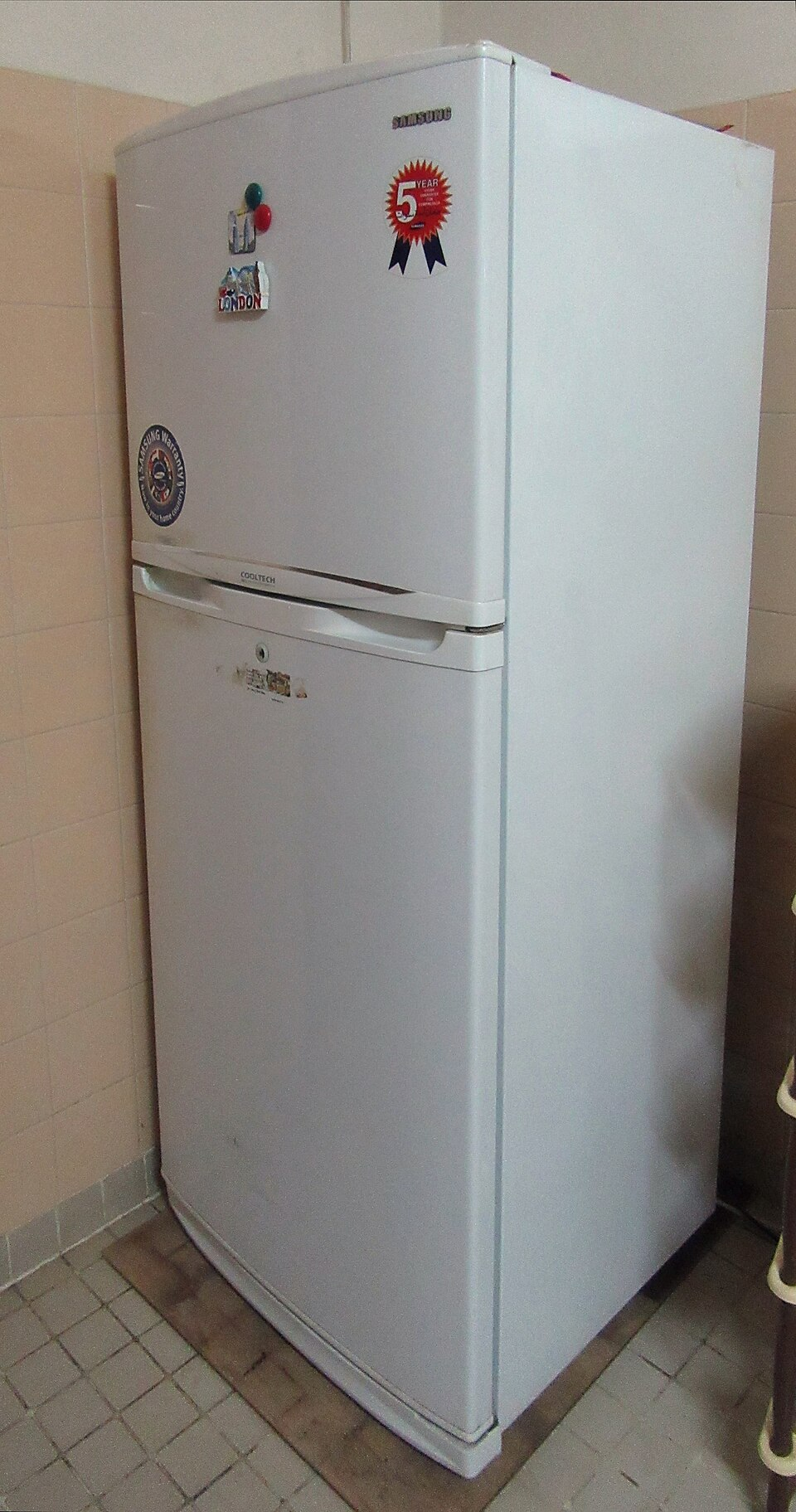
The iconic avocado-green or harvest-gold refrigerator of the 1978 American kitchen used CFC (chlorofluorocarbon) refrigerants — specifically Freon (R-12) — that were subsequently banned under the Montreal Protocol (1987) due to ozone-layer destruction. The United States banned new production of CFC refrigerants in 1996. The refrigerators themselves were not recalled, but the refrigerant they used is now banned, and any servicing requires conversion to modern refrigerants. The distinctive earth-tone color schemes of 1970s appliances are themselves a vivid period marker.
6. The Pressure Cooker (Old Design) — OLD DESIGNS RECALLED
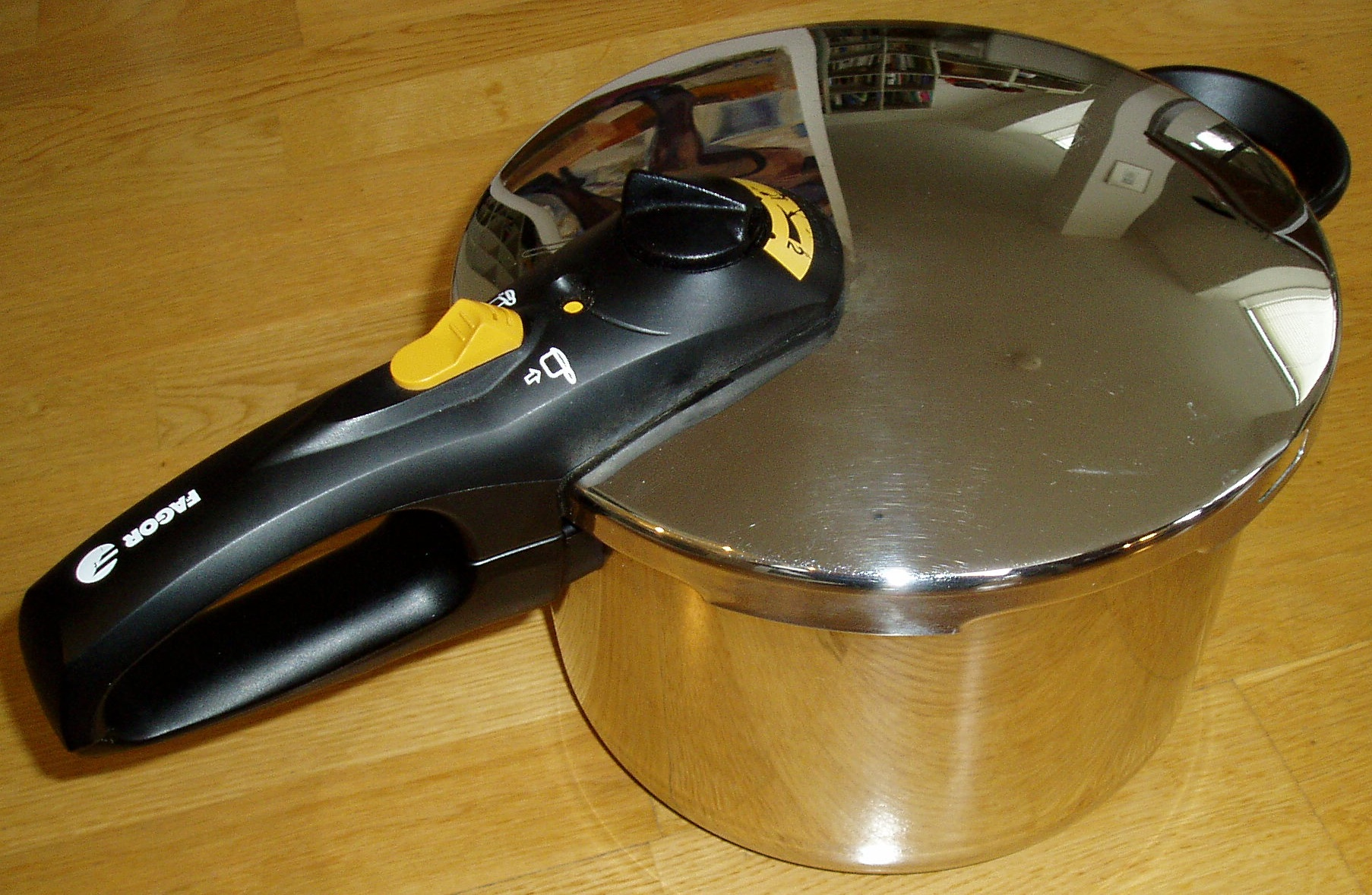
The 1978 American kitchen pressure cooker — typically an aluminum jiggle-top design — predated modern safety mechanisms. The older designs lacked the multiple redundant safety valves, locking lids, and pressure-release systems of modern pressure cookers and Instant Pots. Numerous older pressure cooker designs were subject to Consumer Product Safety Commission recalls for explosion and burn hazards over the decades. The 1978 jiggle-top pressure cooker, while not categorically banned, would not meet modern safety certification standards. The fear of pressure-cooker explosions was a genuine 1970s kitchen anxiety.
7. Red Dye No. 2 Food Products — BANNED IN 1976
The 1978 American kitchen was in the immediate aftermath of the Red Dye No. 2 (amaranth) ban. The FDA banned Red Dye No. 2 in 1976 after Soviet studies suggested it might be carcinogenic. The ban produced a famous panic — M&M’s eliminated red candies entirely from 1976 to 1987 (even though M&M’s never actually contained Red Dye No. 2) simply to reassure consumers. The 1978 kitchen contained the residue of this transition. The dye remains banned in the United States. The red M&M’s disappearance is one of the most vivid food-regulation memories of the era.
8. The Electric Carving Knife
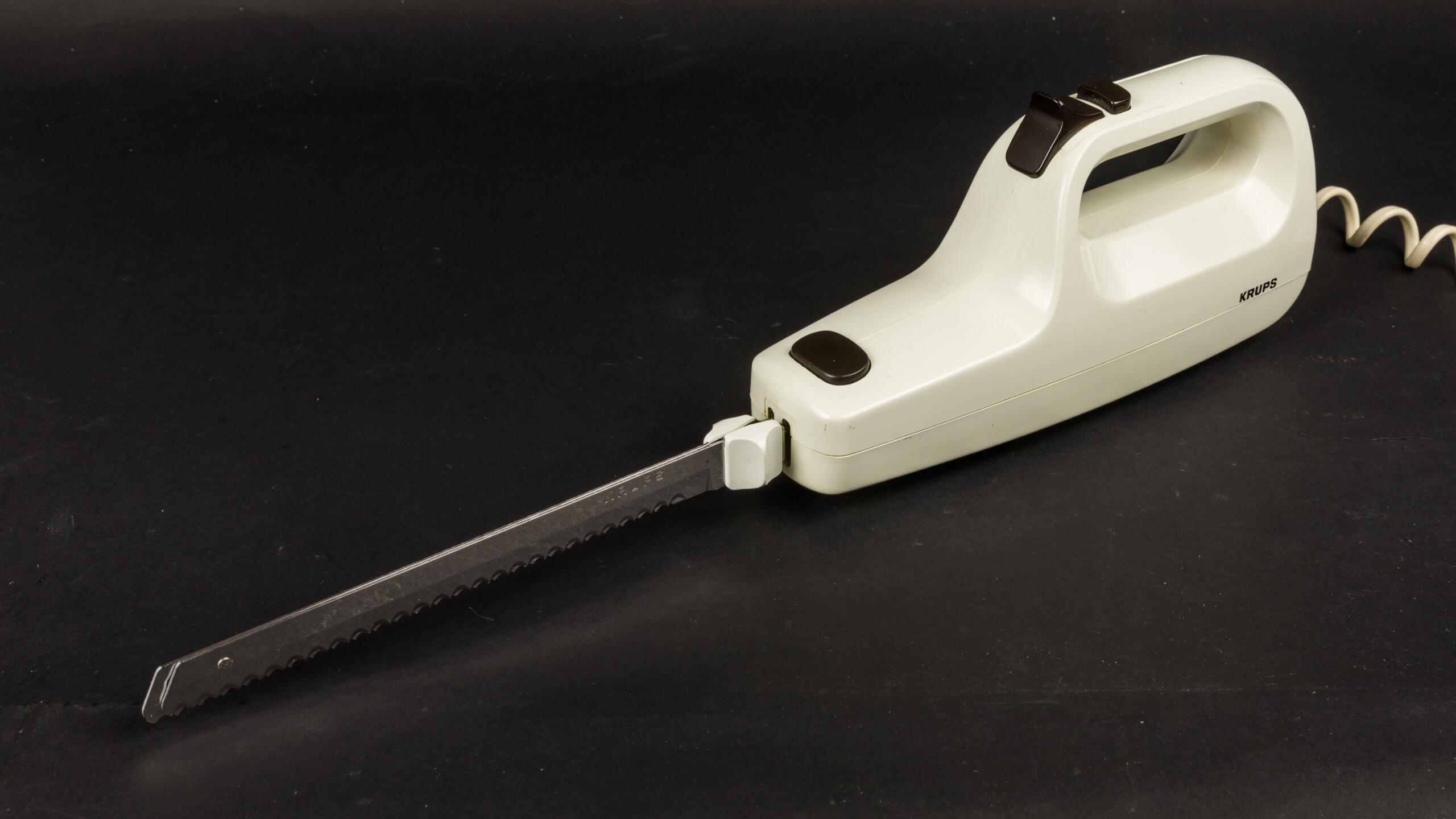
The electric carving knife — the twin-reciprocating-blade device used to carve the Thanksgiving turkey and the Sunday roast — was a near-universal 1978 American kitchen possession, frequently received as a wedding gift. The device is not banned and remains available, but it has substantially disappeared from American kitchens. The electric carving knife’s distinctive buzzing sound at the holiday table is a vivid 1970s memory. Most American households in 2026 do not own one.
9. Tang and Powdered Drink Mixes (Original Formulations) — REFORMULATED
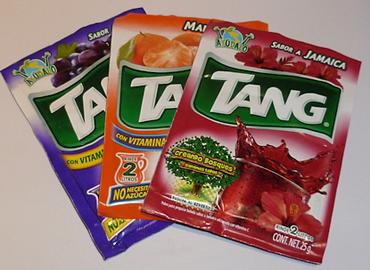
The 1978 American kitchen pantry contained Tang, the orange powdered drink mix famously associated with the NASA space program, plus Kool-Aid, Hi-C powder, and similar products. The original formulations contained substantial amounts of sugar, artificial colors (including some later-restricted dyes), and artificial flavors. While Tang is not banned and remains available, the original 1970s formulation has been substantially reformulated. The 1978 pitcher of bright orange Tang is a vivid kitchen memory that no longer matches the modern product.
10. The Fondue Pot
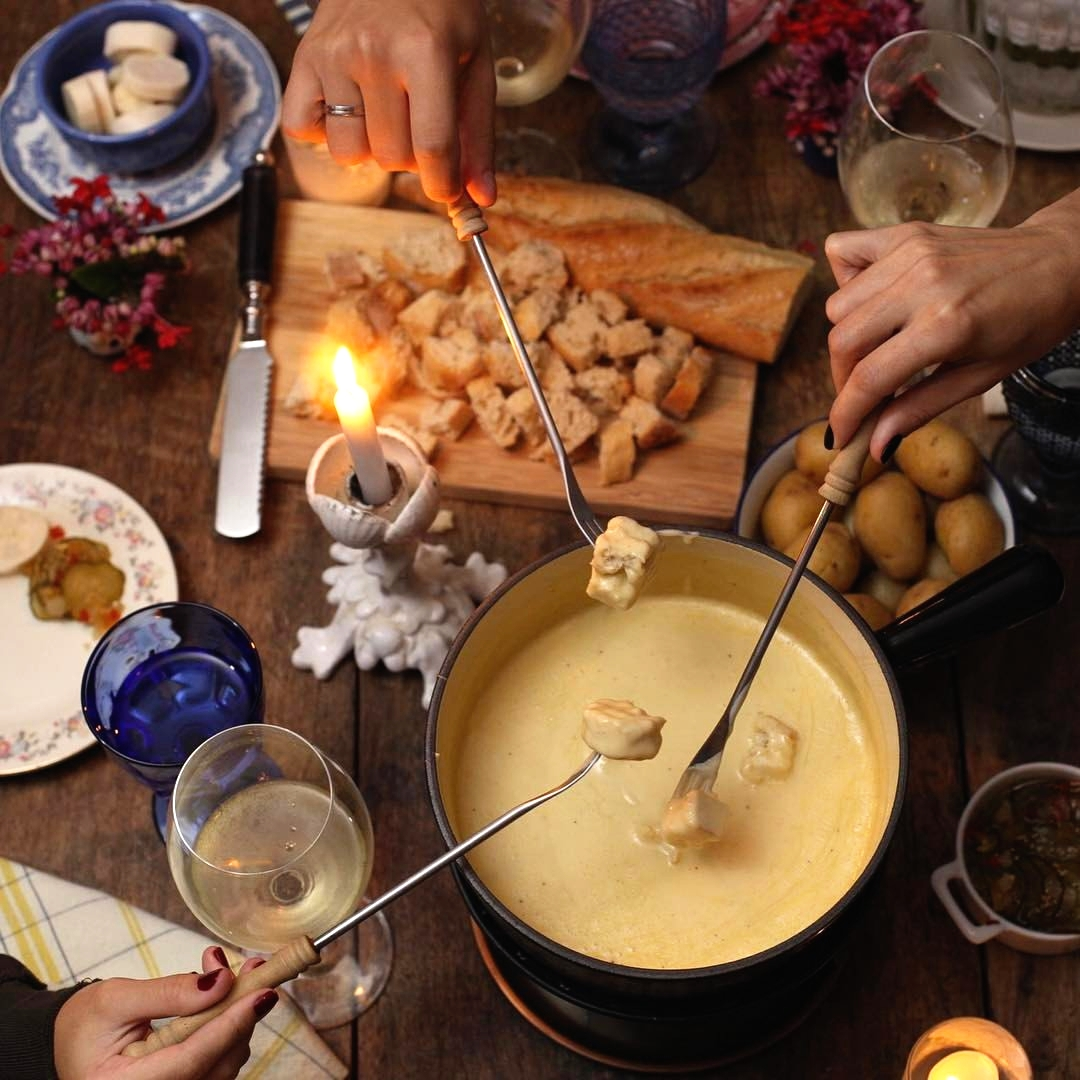
The fondue pot — typically with a Sterno or alcohol burner heating a pot of melted cheese or chocolate — was a defining 1970s American kitchen and entertaining item. Fondue parties were a quintessential 1970s social ritual. The fondue pot is not banned and remains available, but it has substantially disappeared from American kitchens after the fondue fad faded in the early 1980s. The open-flame Sterno burner of the 1978 fondue pot would raise modern safety concerns but was never formally regulated.
11. Saccharin-Sweetened Products (With Warning Label) — WARNING LABEL LATER REMOVED
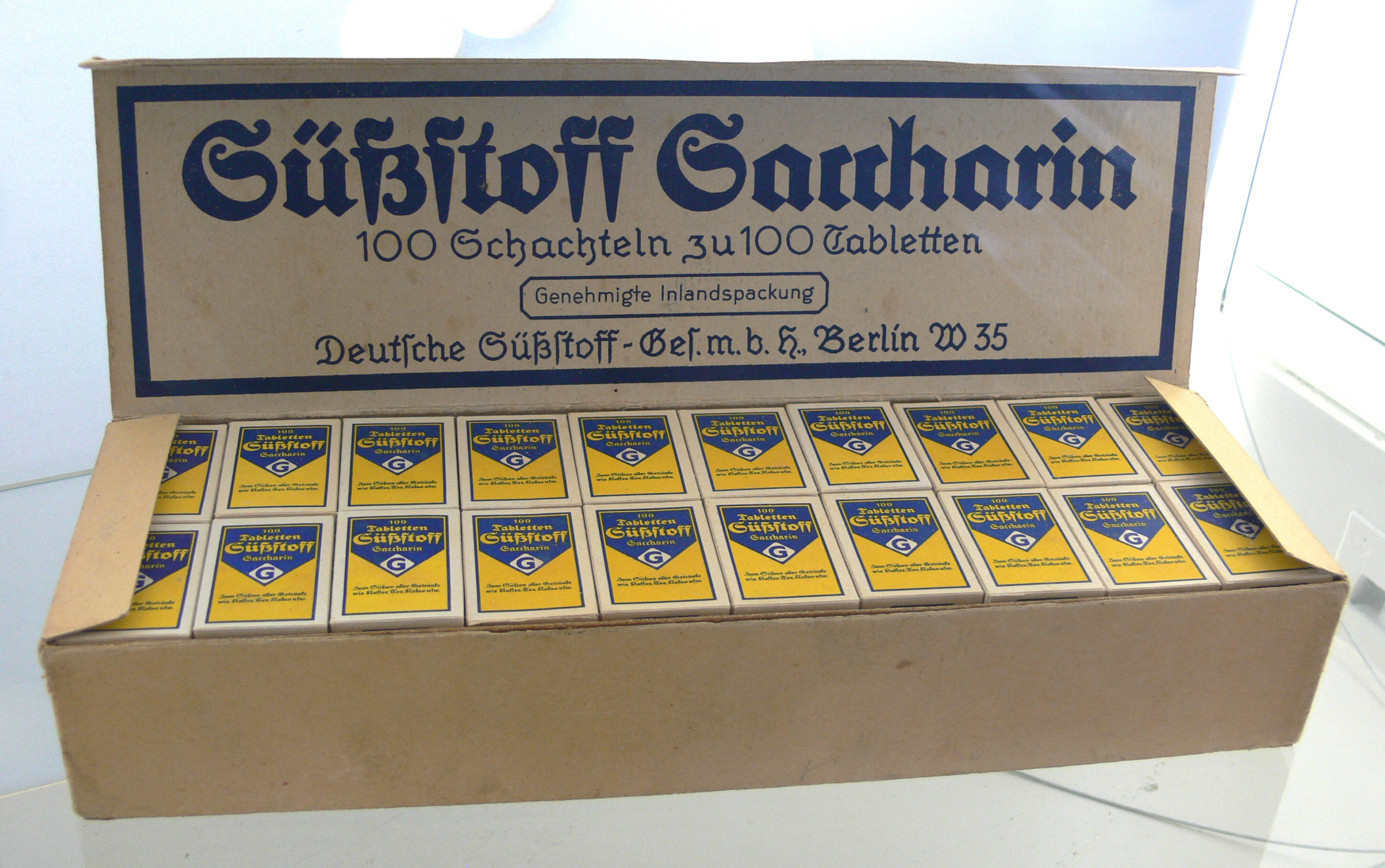
The 1978 American kitchen contained saccharin-sweetened diet products — Sweet’N Low, TaB cola, and various diet foods. In 1977, the FDA proposed banning saccharin after studies linked it to bladder cancer in rats, but Congress intervened with a moratorium that required a warning label instead. The 1978 saccharin products carried the famous cancer warning label. The warning was removed in 2000 after the cancer link was disproven for humans. The 1978 saccharin warning label is a specific period marker that today’s products do not carry.
12. The Glass Refrigerator Milk Bottle
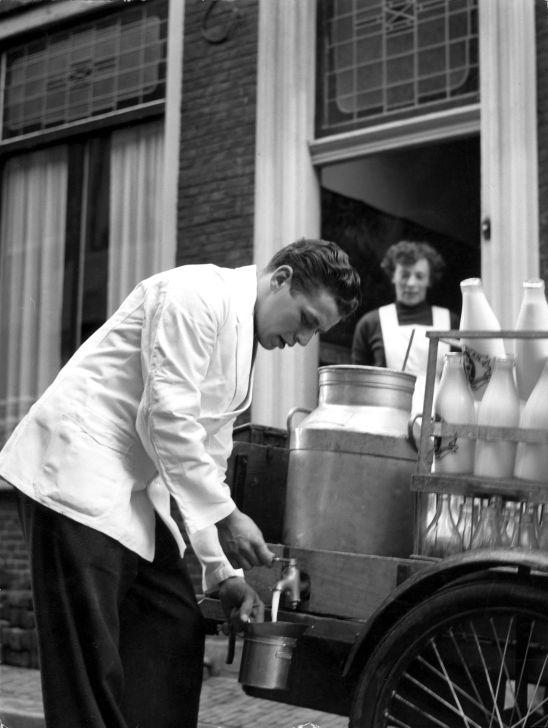
The 1978 American kitchen, in many regions, still received home-delivered milk in glass bottles, with the milkman collecting empties and leaving fresh bottles in an insulated box on the porch. The glass-bottle home-delivery system declined steadily through the 1970s and had largely disappeared by the mid-1980s, displaced by supermarket purchasing. The glass milk bottle on the kitchen counter is a vivid 1970s memory. Home milk delivery survives as a small niche market in 2026 but at a tiny fraction of its 1970s scale.
13. The Stovetop Stuffing and Convenience Food Explosion
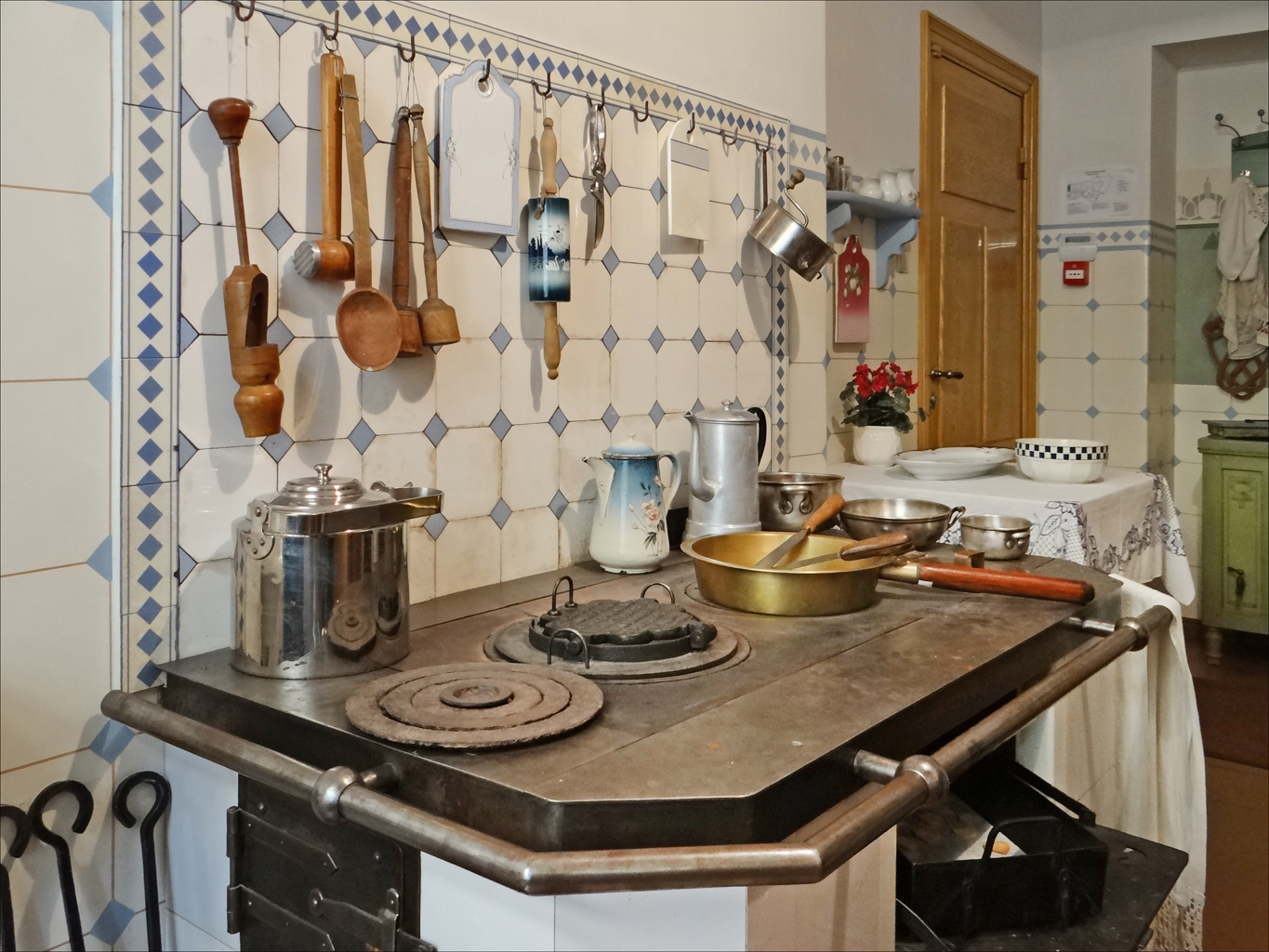
The 1978 American kitchen was at the peak of the convenience-food era — Stove Top stuffing (introduced 1972), Hamburger Helper (1971), Shake ‘n Bake, instant mashed potatoes, and TV dinners in aluminum trays. These products are largely still available, though many have been reformulated. The aluminum TV dinner tray specifically has disappeared, replaced by microwaveable plastic and paperboard. The 1978 kitchen’s reliance on these convenience products marked a specific moment in American food history.
14. The Cast Iron Skillet (Inherited and Unmarked)
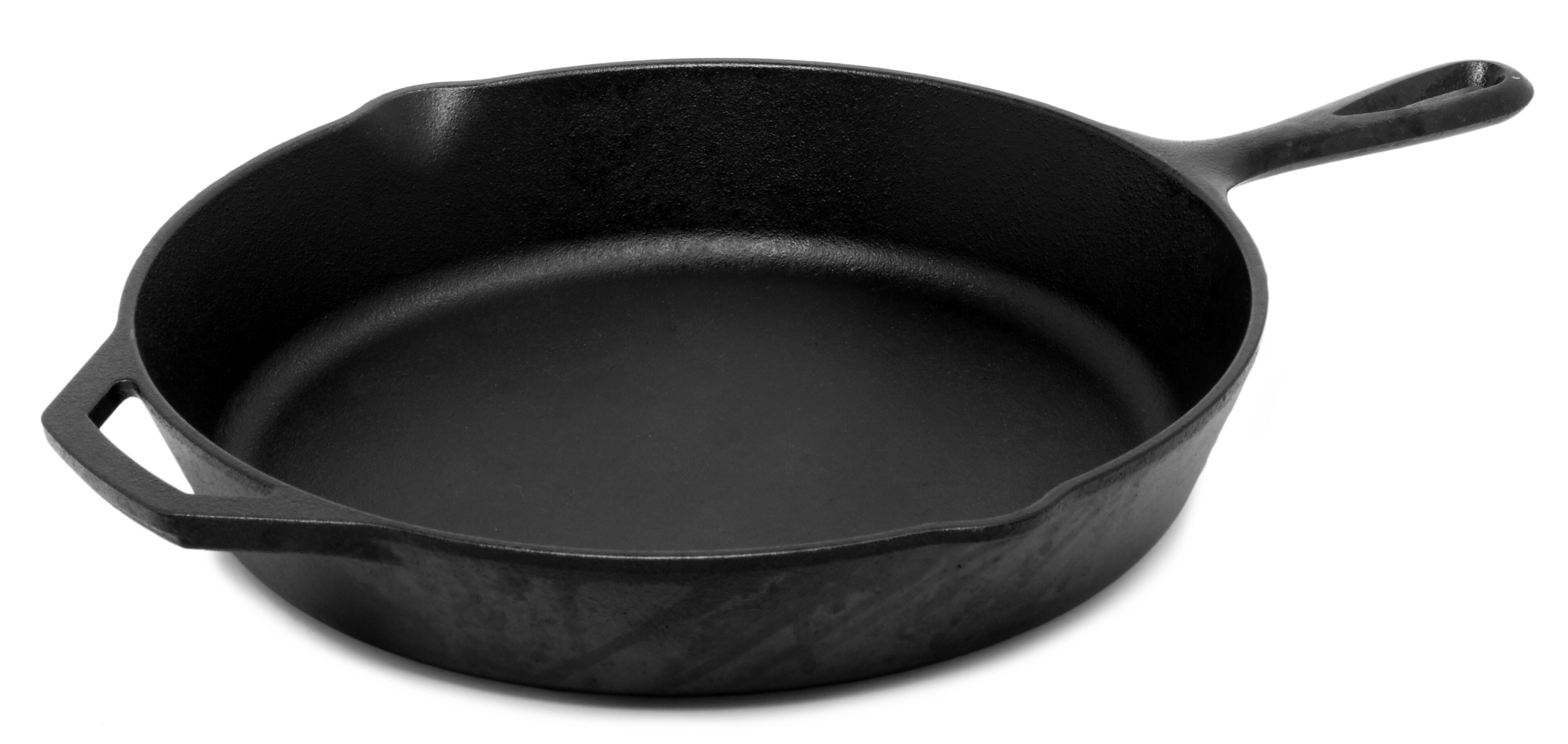
The 1978 American kitchen contained a cast iron skillet, frequently inherited from a previous generation and well-seasoned through decades of use. Cast iron is one of the few 1978 kitchen items that has not only survived but experienced a major revival — vintage Griswold and Wagner cast iron pieces from the early 20th century now sell for substantial premiums among collectors. The 1978 cast iron skillet is the rare kitchen item that has appreciated rather than disappeared.
15. Asbestos-Containing Oven Mitts and Ironing Board Covers — ASBESTOS NOW BANNED

The 1978 American kitchen contained textile products — oven mitts, pot holders, ironing board covers, and stove-area heat shields — that in some cases contained asbestos for heat resistance. The EPA began restricting asbestos in consumer products through the 1970s and 1980s, with a comprehensive ban attempt in 1989 (partially overturned) and a final comprehensive ban on chrysotile asbestos in 2024. Asbestos-containing kitchen textiles manufactured to 1978 standards are now banned. The danger was completely unknown to 1978 American homemakers, who handled these products daily without concern.
Like our content? Follow us for more.


