The American home kitchen of the 1970s produced a specific repertoire of dishes that have almost entirely disappeared from contemporary cooking. The gelatin salad with suspended vegetables. The liver and onions served weekly. The tuna casserole with crushed potato chips on top. The ambrosia salad. The Salisbury steak with brown gravy. These dishes were not regional specialties — they were the standard rotation of the American home cook, appearing in the era’s best-selling cookbooks (Betty Crocker, the Joy of Cooking, the recipe cards that came with kitchen appliances). They have vanished from American kitchens for specific reasons: changing tastes, the decline of organ meats, the rise of fresh and global cuisine, and the broad shift away from the gelatin-and-canned-goods aesthetic of mid-century American cooking. Here are fifteen American foods from the 1970s that have almost completely disappeared, with the specific reason each one vanished.
1. The Jell-O Gelatin Salad with Suspended Vegetables

The gelatin salad — vegetables, fruit, or even seafood suspended in flavored or unflavored gelatin and served as a side dish — was a defining 1970s American dish. The “perfection salad” (cabbage and celery in lemon gelatin) and countless variations appeared at every potluck and family dinner. The dish has almost entirely vanished, victim of changing tastes that no longer find savory gelatin appealing. The suspended-vegetable gelatin mold is now primarily a punchline about mid-century American cooking rather than an actual dish anyone prepares.
Like our content? Follow us for more.
2. Liver and Onions
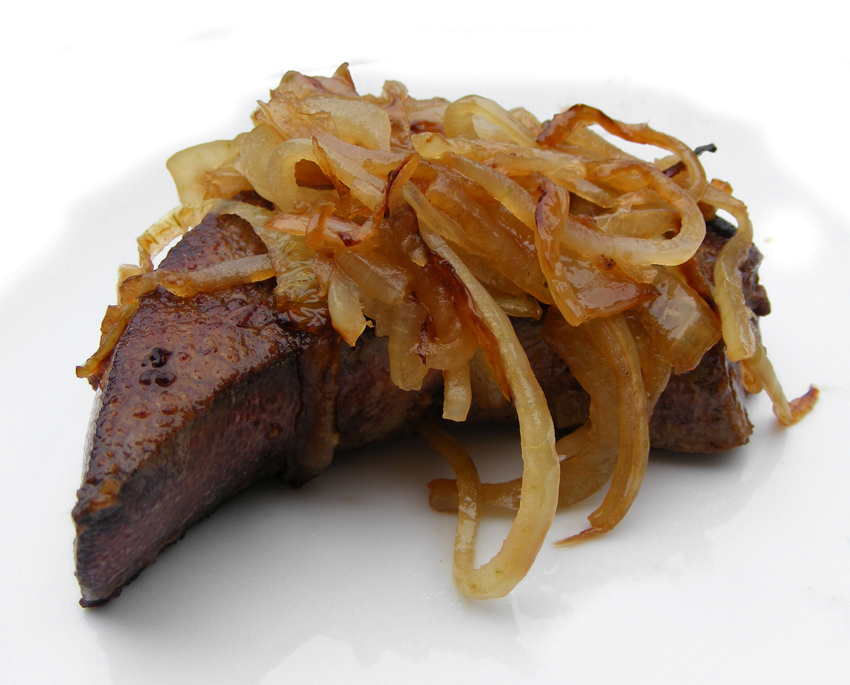
Liver and onions — typically beef or calf liver pan-fried with onions — was a weekly dinner staple in the 1970s American household, valued for being cheap and nutritious. The dish has substantially disappeared as American organ-meat consumption has collapsed. Per-capita liver consumption in the United States has fallen by approximately 80 percent since 1970. The childhood memory of forced liver-and-onions dinners is a vivid 1970s marker. The dish survives primarily in certain ethnic cuisines and among older Americans but has vanished from mainstream home cooking.
3. Tuna Noodle Casserole with Potato Chip Topping
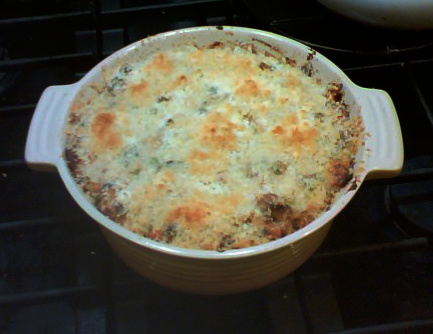
The tuna noodle casserole — canned tuna, egg noodles, canned cream of mushroom soup, and a topping of crushed potato chips or breadcrumbs — was a 1970s American weeknight dinner standard. The dish epitomized the canned-soup-as-sauce cooking method that defined mid-century American home cooking. The casserole has substantially declined as fresh-cooking and global-cuisine trends displaced the canned-goods aesthetic. The dish survives in some households but has largely vanished from the standard rotation.
4. Ambrosia Salad
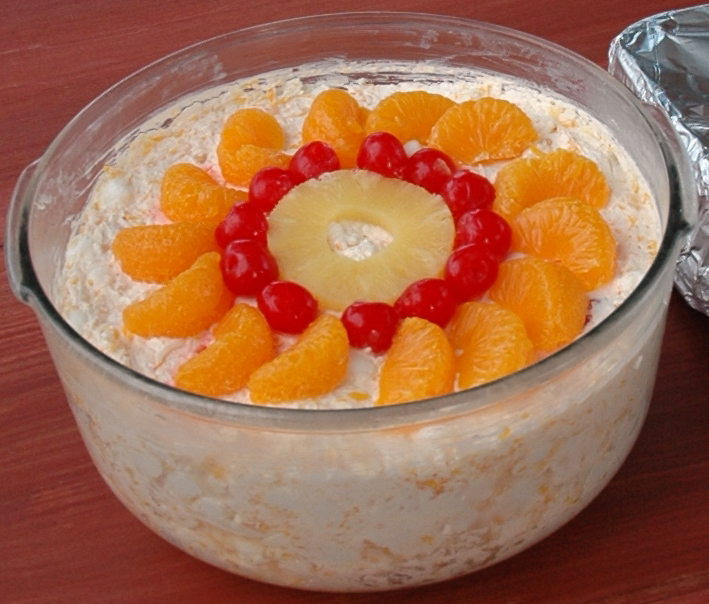
Ambrosia — the fruit salad combining canned mandarin oranges, canned pineapple, miniature marshmallows, shredded coconut, and either whipped cream or sour cream — was a defining 1970s American side dish and dessert. The dish was a holiday and potluck standard across the American South and Midwest. Ambrosia has substantially declined, surviving primarily as a nostalgic regional dish rather than the universal item it was in the 1970s.
5. Chipped Beef on Toast
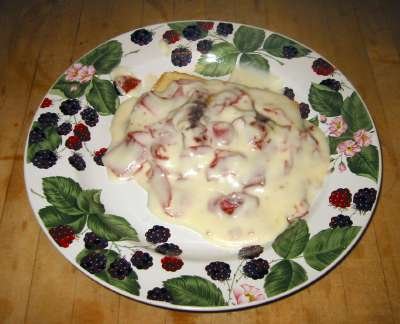
Creamed chipped beef on toast — dried, salted, thinly sliced beef in a white cream sauce served over toast, known colloquially by a vulgar military nickname — was a 1970s American breakfast and dinner staple, particularly in households with military connections. The dish has almost entirely disappeared. The packaged dried beef product (typically Armour brand in a glass jar) is still available but rarely purchased. The dish survives primarily as a nostalgic memory among older Americans.
6. Salisbury Steak with Brown Gravy
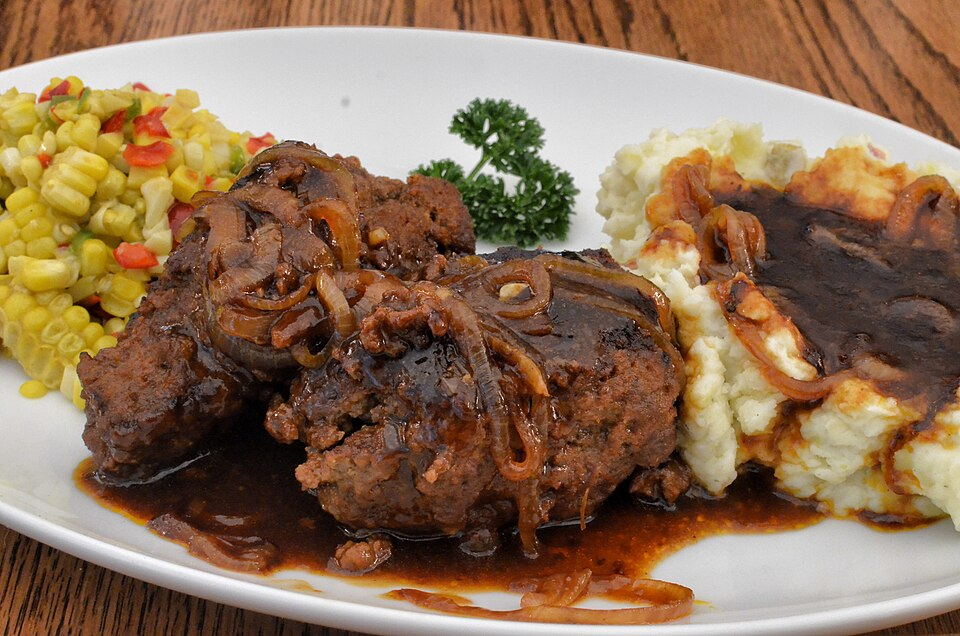
Salisbury steak — the seasoned ground-beef patty served with brown gravy — was a 1970s American dinner standard, appearing both in home cooking and in the era’s TV dinners. The dish has substantially declined in home cooking, though it survives in cafeteria and institutional settings. The 1970s Salisbury steak, often made from a packaged mix or as a frozen TV dinner, is a specific period marker that has largely vanished from American home kitchens.
7. Watergate Salad
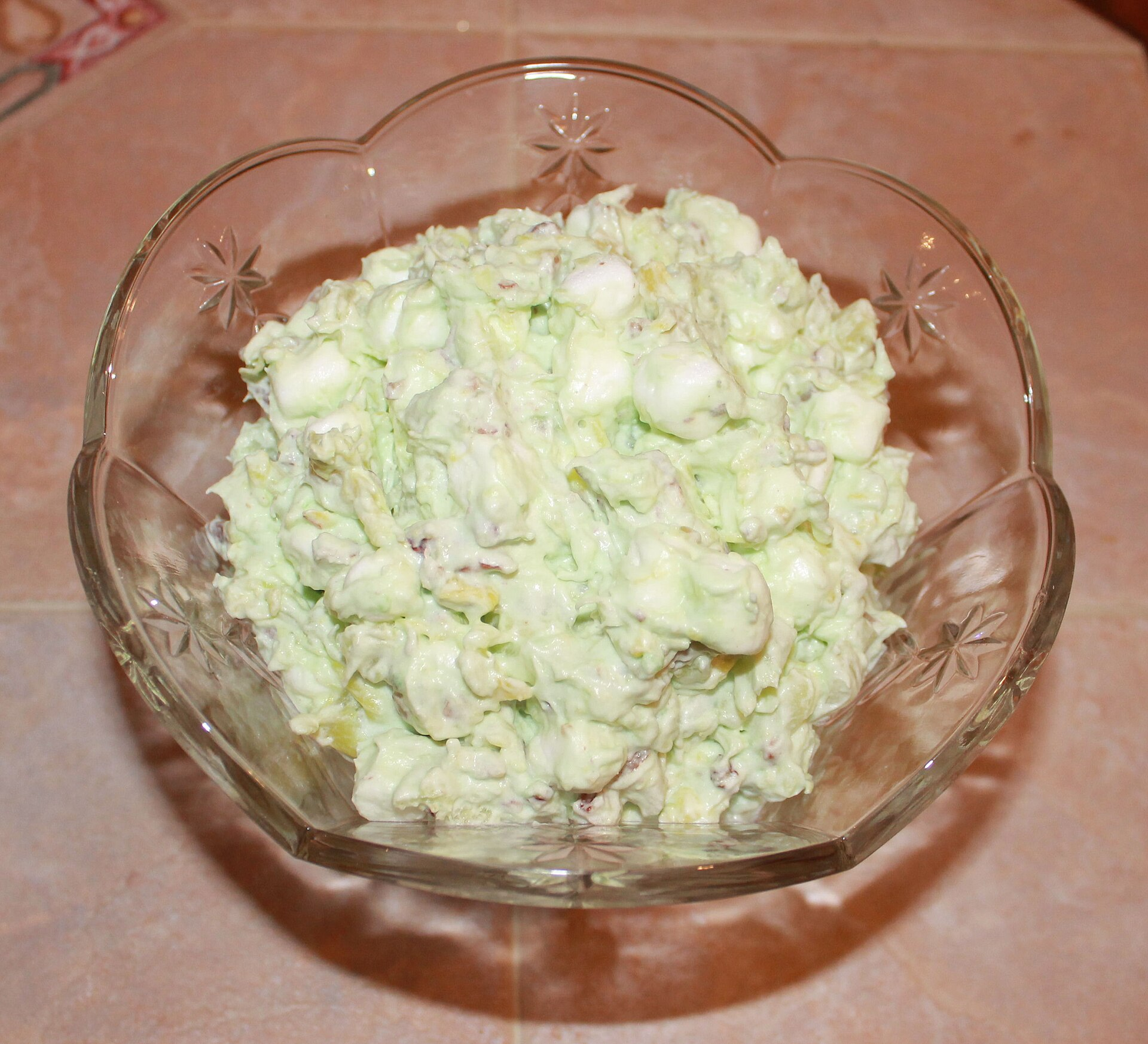
Watergate salad — pistachio pudding mix, canned crushed pineapple, miniature marshmallows, chopped nuts, and whipped topping — was a 1970s American dish named after the Watergate scandal era. The bright green dessert-salad was a potluck and holiday standard. The dish has substantially vanished, surviving primarily as a nostalgic novelty. The name itself ties the dish specifically to the early-to-mid 1970s American moment.
8. Tomato Aspic
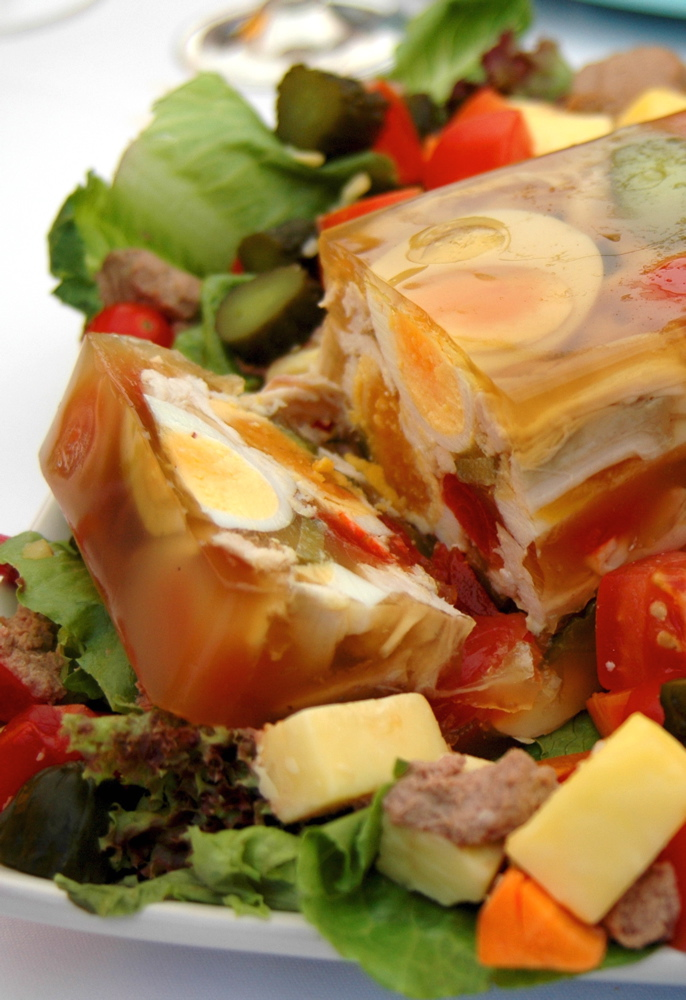
Tomato aspic — a savory tomato-flavored gelatin mold, often containing celery, olives, or shrimp — was a 1970s American dinner-party and ladies’-luncheon standard. The dish epitomized the savory-gelatin tradition of mid-century American entertaining. Tomato aspic has almost entirely vanished, victim of the same changing tastes that eliminated the gelatin salad. The dish survives primarily in certain Southern American culinary traditions but has disappeared from mainstream cooking.
9. Beef Stroganoff (From a Box)
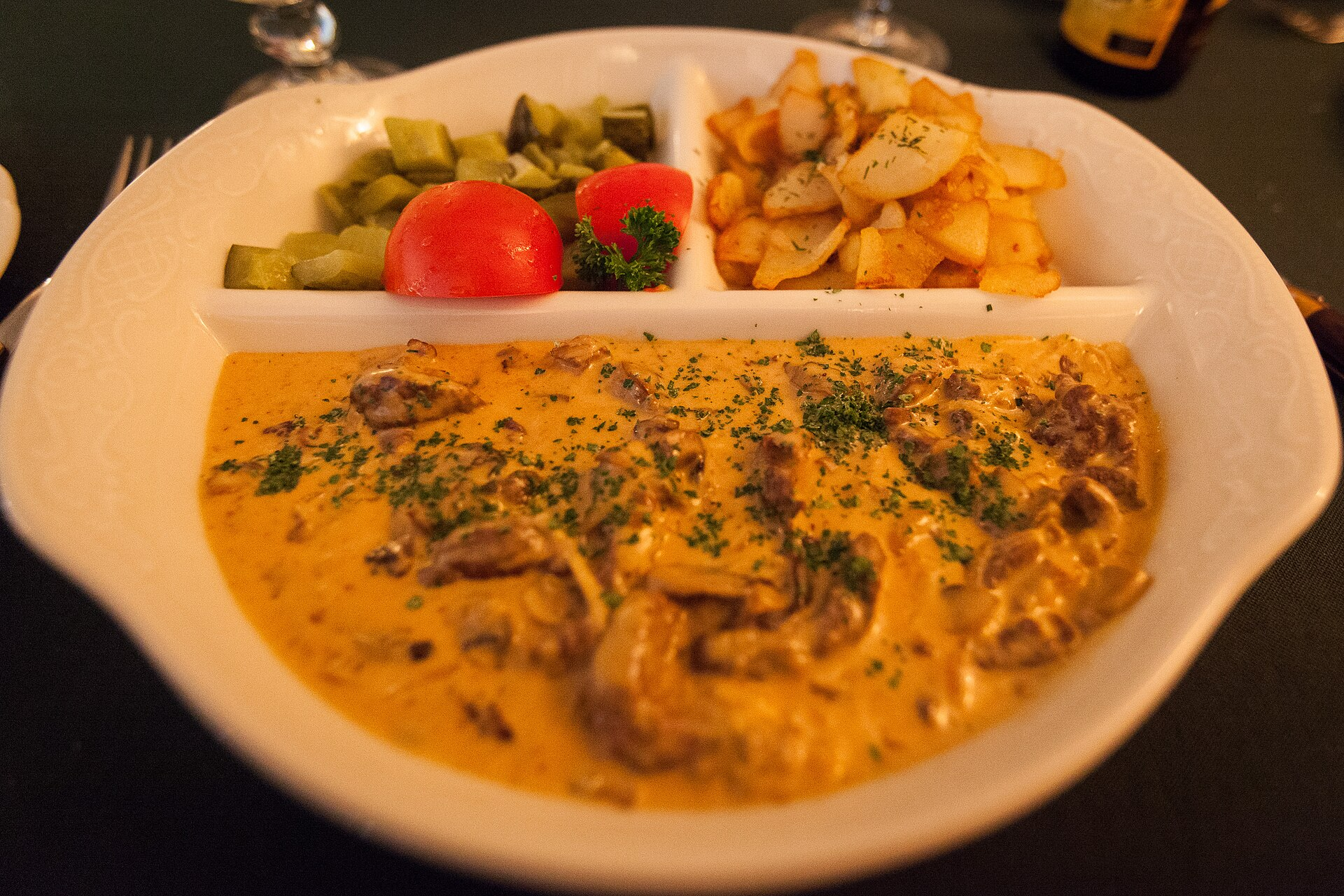
While beef stroganoff itself survives as a dish, the specific 1970s American version — Hamburger Helper Beef Stroganoff or similar boxed-mix preparations using ground beef rather than steak — was a defining weeknight dinner. The boxed-mix stroganoff epitomized the 1970s convenience-food cooking method. The dish survives in modified form but the specific 1970s boxed-mix version has substantially declined as home cooks have shifted toward either authentic preparations or entirely different cuisines.
10. Deviled Ham Sandwiches
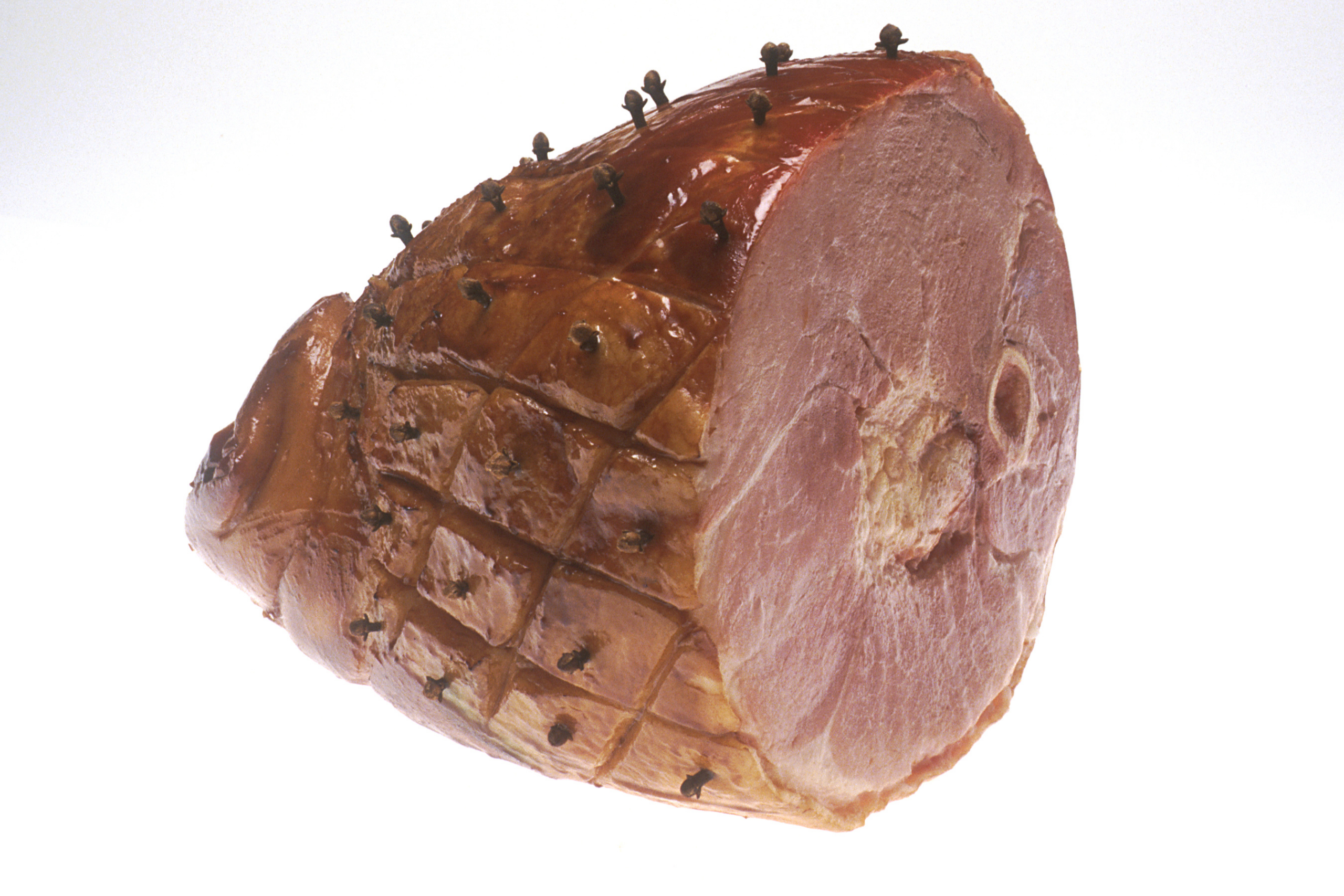
Deviled ham — the canned, finely-ground, spiced ham spread (typically Underwood brand in the distinctive paper-wrapped can) — was a 1970s American lunch standard, spread on white bread for school and work lunches. The product is still available but rarely purchased. The deviled ham sandwich has substantially vanished from American lunch rotations, displaced by fresh deli meats and the broader decline of canned-meat products.
11. Cottage Cheese with Canned Fruit
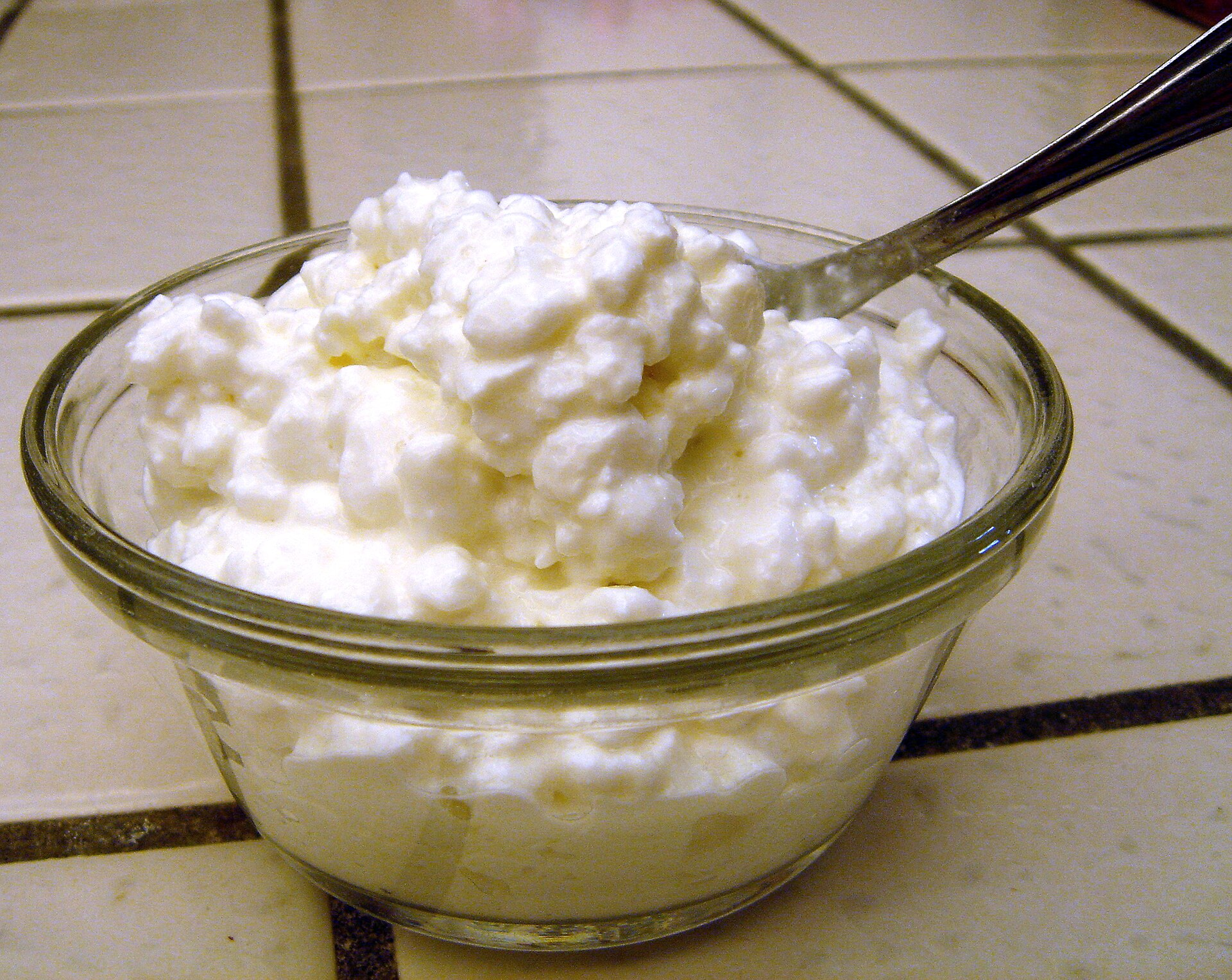
The 1970s American diet plate or light lunch frequently consisted of a scoop of cottage cheese with a canned peach half or canned pineapple ring. The combination was a standard “diet food” of the era, appearing on restaurant menus and in home kitchens. Cottage cheese consumption fell dramatically from the 1970s through the 2010s (though it has experienced a minor revival since 2023). The specific cottage-cheese-and-canned-fruit diet plate has substantially vanished.
12. Spam Fritters and Spam-Based Dishes

While Spam survives (particularly in Hawaii and certain regions), the broad 1970s mainland American use of Spam in everyday cooking — Spam fritters, fried Spam slices, Spam casseroles — has substantially declined. Spam was a 1970s American budget-protein staple across the mainland. The product’s mainland decline tracks the broader shift away from canned meats, though it retains strong cultural presence in Hawaii and the Pacific.
13. Frog Eye Salad
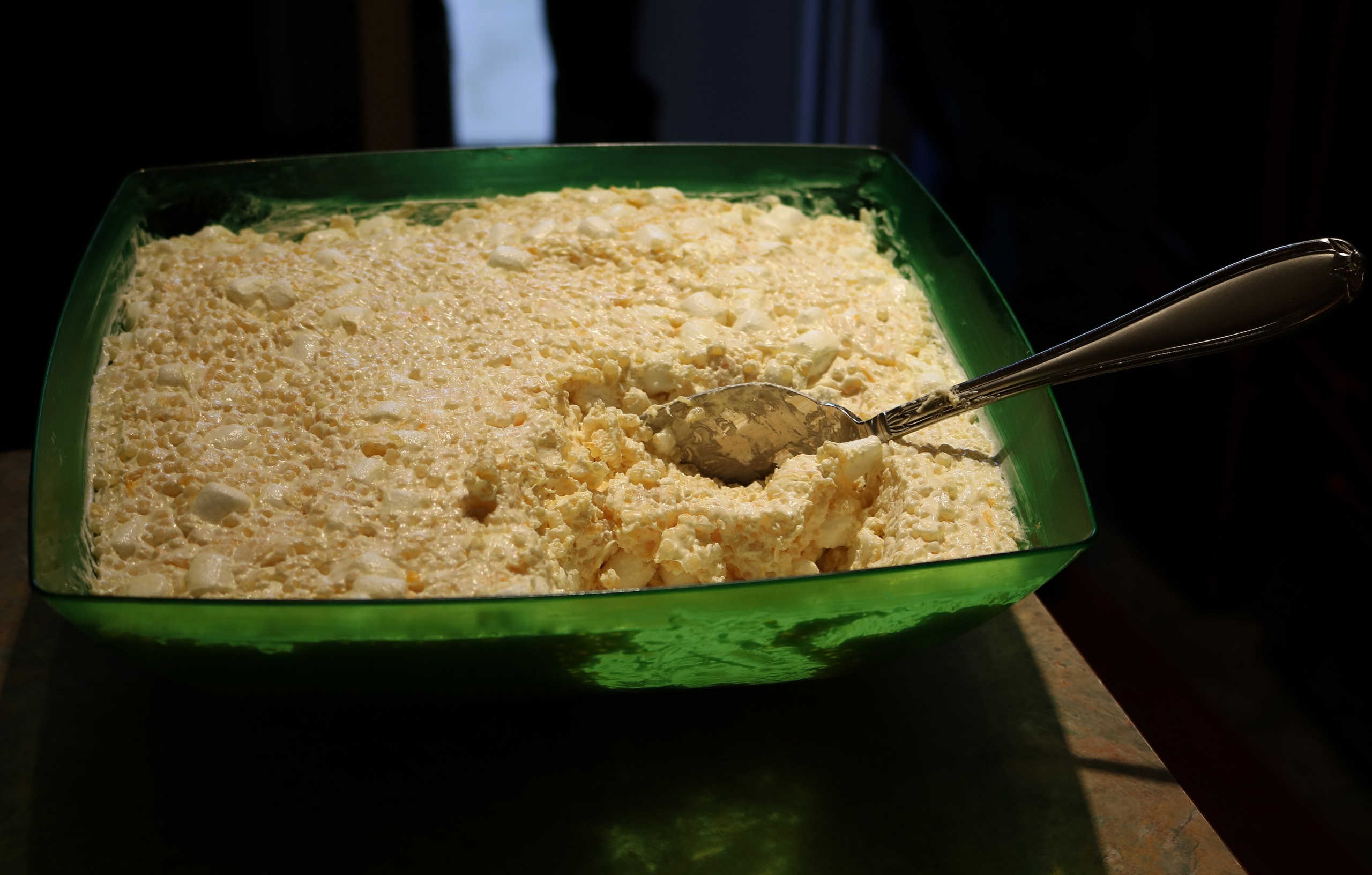
Frog eye salad — the dish combining acini di pepe pasta, canned fruit, marshmallows, and whipped topping, popular particularly in the American West and among Latter-day Saint communities — was a 1970s potluck standard. The dish has substantially vanished outside of certain regional and religious community traditions. The name (referring to the small pasta resembling eyes) is itself a vivid period marker.
14. Carnation Instant Breakfast

Carnation Instant Breakfast — the powdered drink mix added to milk as a complete-breakfast substitute — was a defining 1970s American breakfast convenience product. While the product survives (now branded Carnation Breakfast Essentials), the specific 1970s cultural moment when instant breakfast drinks were marketed as the modern, time-saving replacement for traditional breakfast has passed. The 1970s glass of chocolate Instant Breakfast is a specific period marker.
15. Pineapple Upside-Down Cake

Pineapple upside-down cake — the cake baked with canned pineapple rings and maraschino cherries arranged in a butter-and-brown-sugar topping that becomes the top when inverted — was a 1970s American dessert standard. While the cake survives, it has substantially declined from its 1970s ubiquity, when it appeared at nearly every family gathering. The dish epitomizes the canned-fruit-centric dessert tradition of mid-century American baking that has largely faded.
Why These Dishes Vanished
The fifteen dishes above disappeared for a small number of overlapping reasons. The first is the collapse of the canned-and-processed-goods cooking aesthetic that defined mid-century America — the gelatin salads, the cream-of-mushroom-soup casseroles, the canned-fruit desserts all depended on a pantry-driven cooking style that fresh-and-global cuisine displaced. The second is the dramatic decline in organ-meat consumption, which eliminated liver and onions and chipped beef from American tables. The third is changing taste preferences, particularly the near-total abandonment of savory gelatin (aspic, tomato aspic, the suspended-vegetable molds) that modern Americans find genuinely unappetizing. The fourth is the rise of restaurant and takeout dining, which reduced the everyday home cooking that produced these dishes. The fifth is the broad shift toward fresh, seasonal, and internationally-influenced home cooking that has displaced the mid-century American repertoire almost entirely. The dishes survive primarily as nostalgic memories among Americans who grew up in the 1970s, occasionally revived for retro-themed gatherings, but essentially absent from the everyday American kitchen of 2026.
Like our content? Follow us for more.