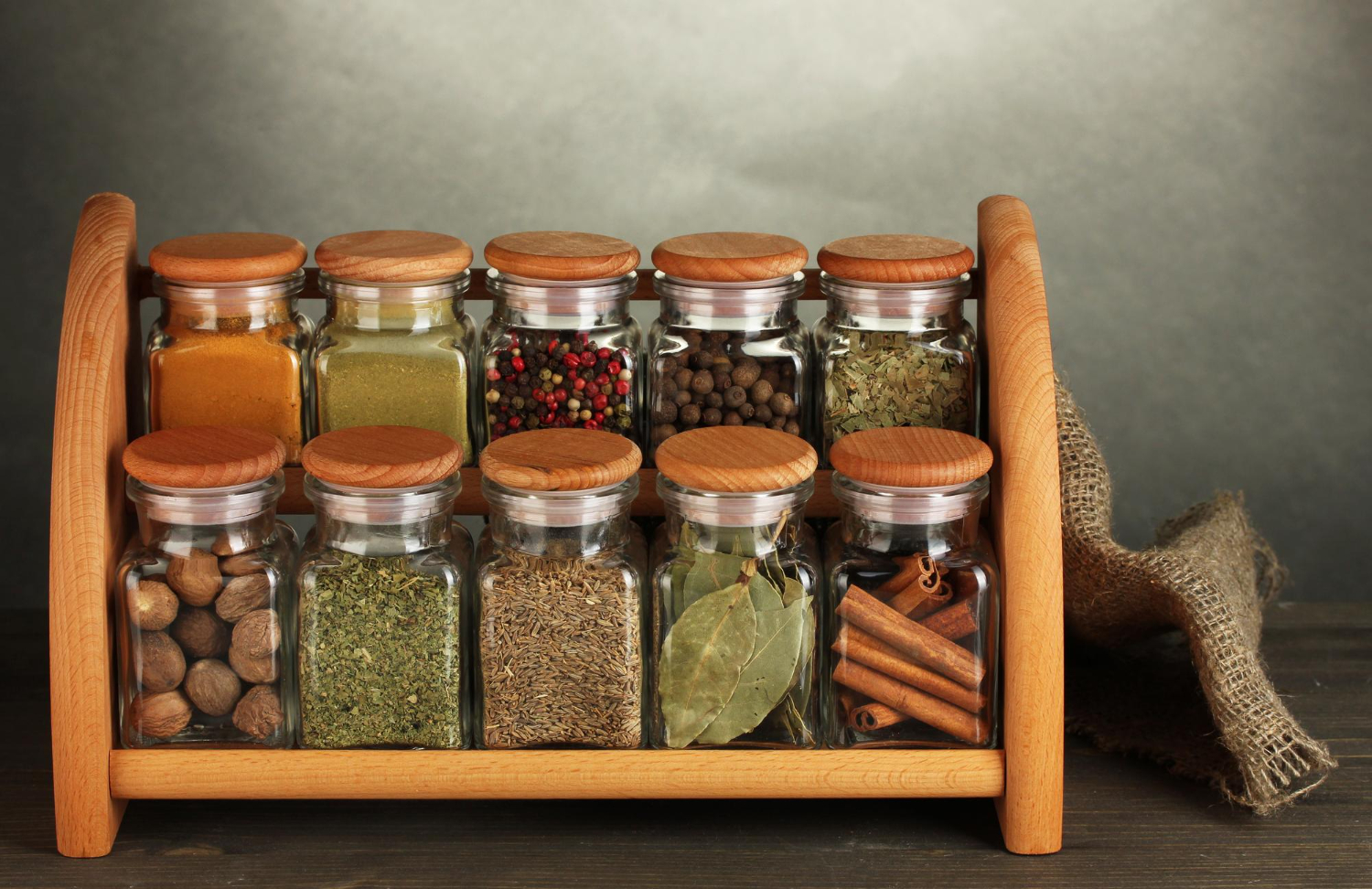
Most home cooks have a spice rack and a pantry full of staples they reach for on autopilot, rarely stopping to think about what these ingredients actually are, how they’re meant to be used, or why theirs never taste as good as they should. The truth is that many of the most common kitchen staples are quietly misunderstood — stored badly, used at the wrong time, kept far too long, or simply not understood well enough to use to their full potential. Fixing these small misunderstandings costs nothing and can genuinely transform your cooking, unlocking flavor you’ve been leaving on the table for years. Here are the common spices and pantry staples most people are using wrong, and the simple knowledge that makes everything you cook taste better.
The single biggest theme is that spices and pantry staples are not the immortal, set-and-forget items most people treat them as — they have a lifespan, a best way to be stored and used, and frequently far more potential than home cooks realize. Here’s what most people get wrong.
Your Spices Are Probably Old and Faded
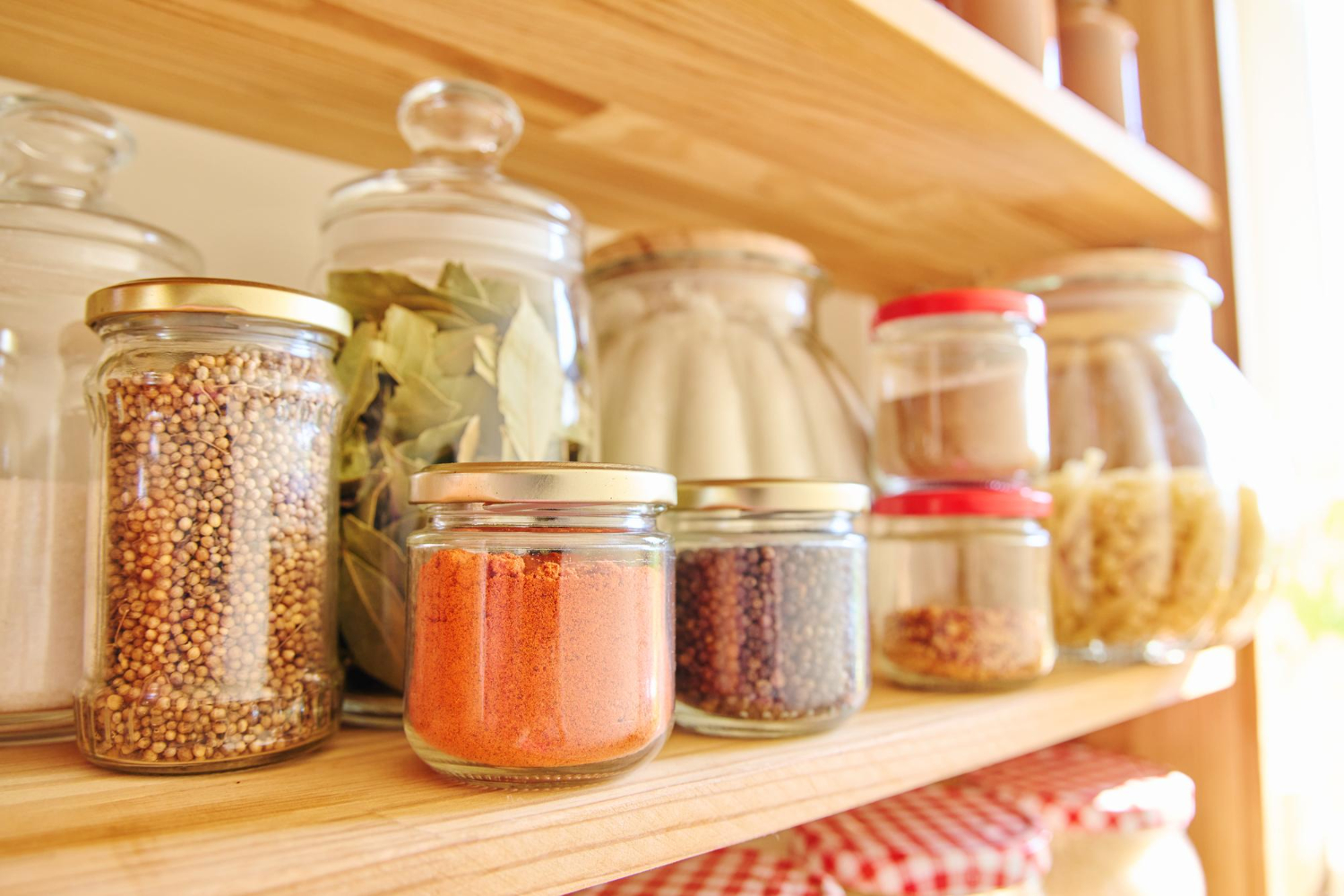
The most common spice mistake is keeping ground spices far too long — many people have jars that are years or even decades old, by which point ground spices have lost most of their flavor and aroma. Spices don’t spoil dangerously, but they go flat. The fix: know that ground spices generally keep their best flavor for only about a year or two (whole spices last longer), check yours by smell (if a spice barely smells like anything, it’s lost its punch), buy in smaller quantities you’ll actually use, and replace the ancient jars. Simply refreshing old, faded spices — and not expecting a ten-year-old jar to season anything well — is one of the easiest upgrades to your cooking.
You’re Storing Spices in the Worst Possible Spot
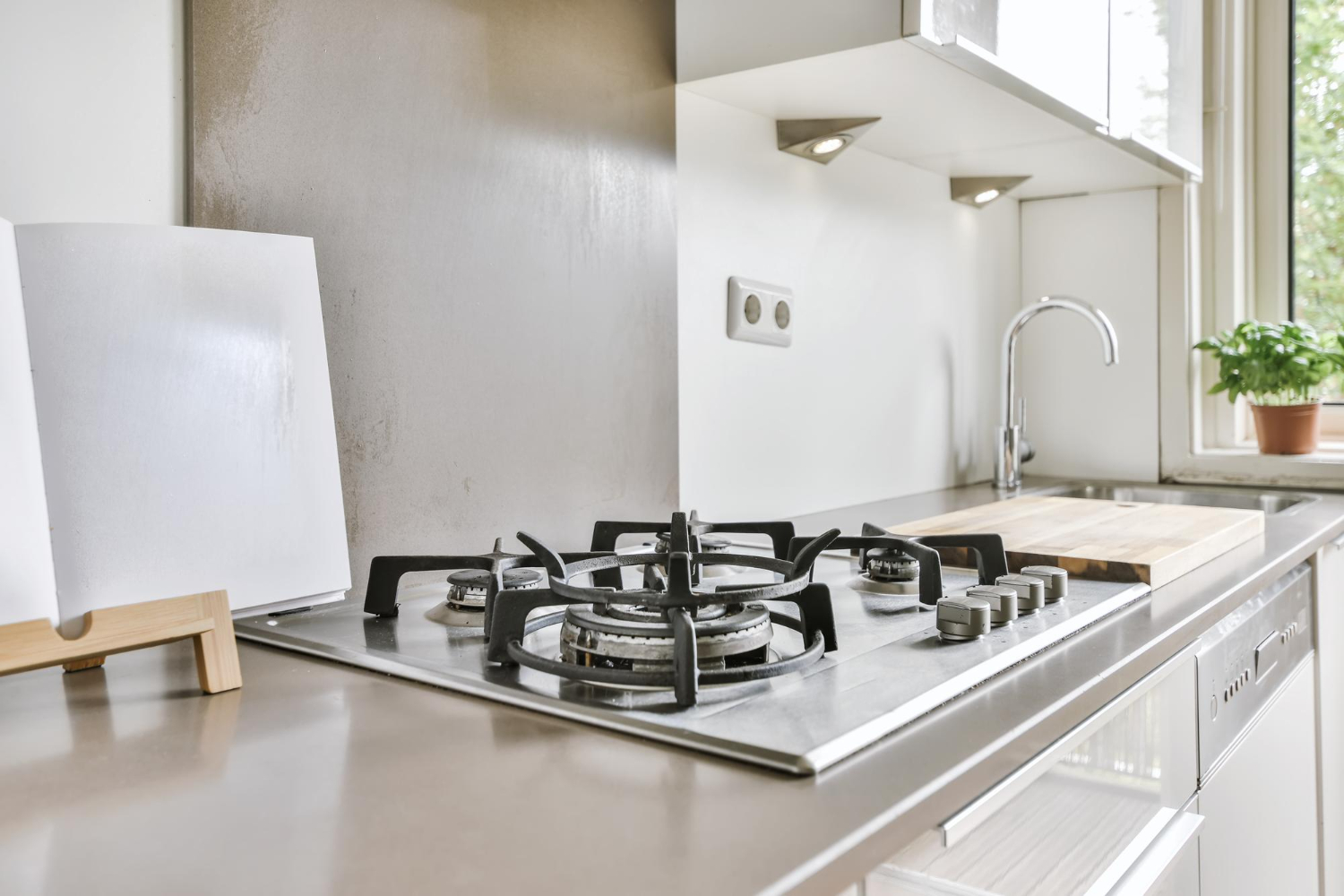
Many people store spices in a rack right next to or above the stove, which is the worst place — heat, light, and humidity from cooking all degrade spices faster. The convenient spot is the damaging one. The fix: store spices in a cool, dark, dry place away from the stove, oven, and direct light (a drawer or closed cabinet away from heat is ideal), keep them tightly sealed, and avoid sprinkling directly from the jar over a steaming pot (the rising steam introduces moisture). Proper storage dramatically extends how long spices stay potent, and moving them away from the heat and light is a free fix that keeps your seasonings flavorful far longer.
You’re Not Toasting or Blooming Spices
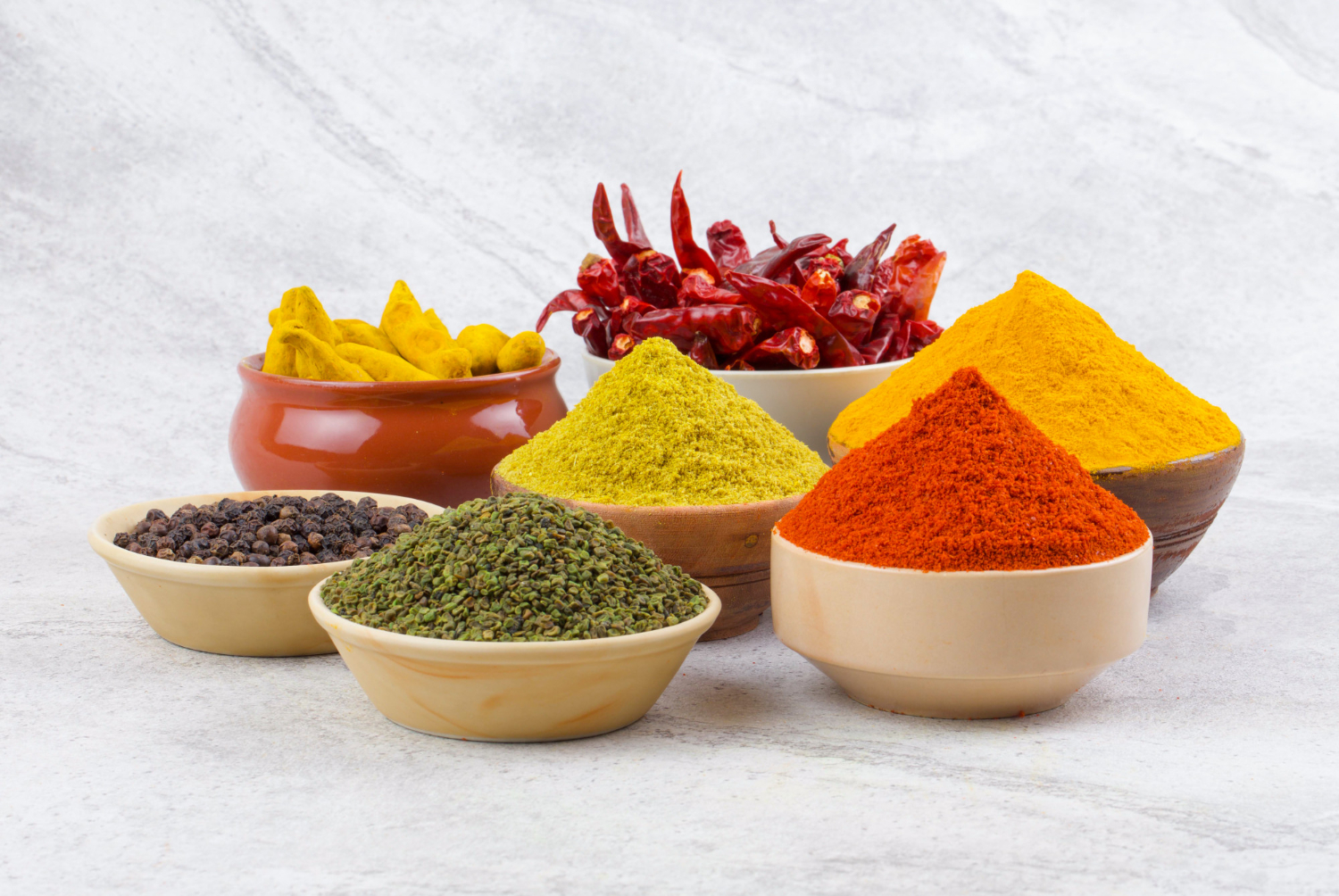
A technique most home cooks never use is toasting or blooming spices to release their full flavor — gently toasting whole spices in a dry pan, or briefly cooking ground spices in oil or butter, dramatically intensifies and deepens their flavor before you add other ingredients. Most people just dump spices in cold. The fix: bloom ground spices by stirring them into hot oil or butter for a few seconds until fragrant before adding liquids, and toast whole spices in a dry pan until aromatic before grinding. This single technique, standard in many cuisines, unlocks far more flavor from the exact same spices, and it’s one of the biggest differences between flat home cooking and vibrant, restaurant-quality results.
Salt Is the Most Misunderstood Staple of All
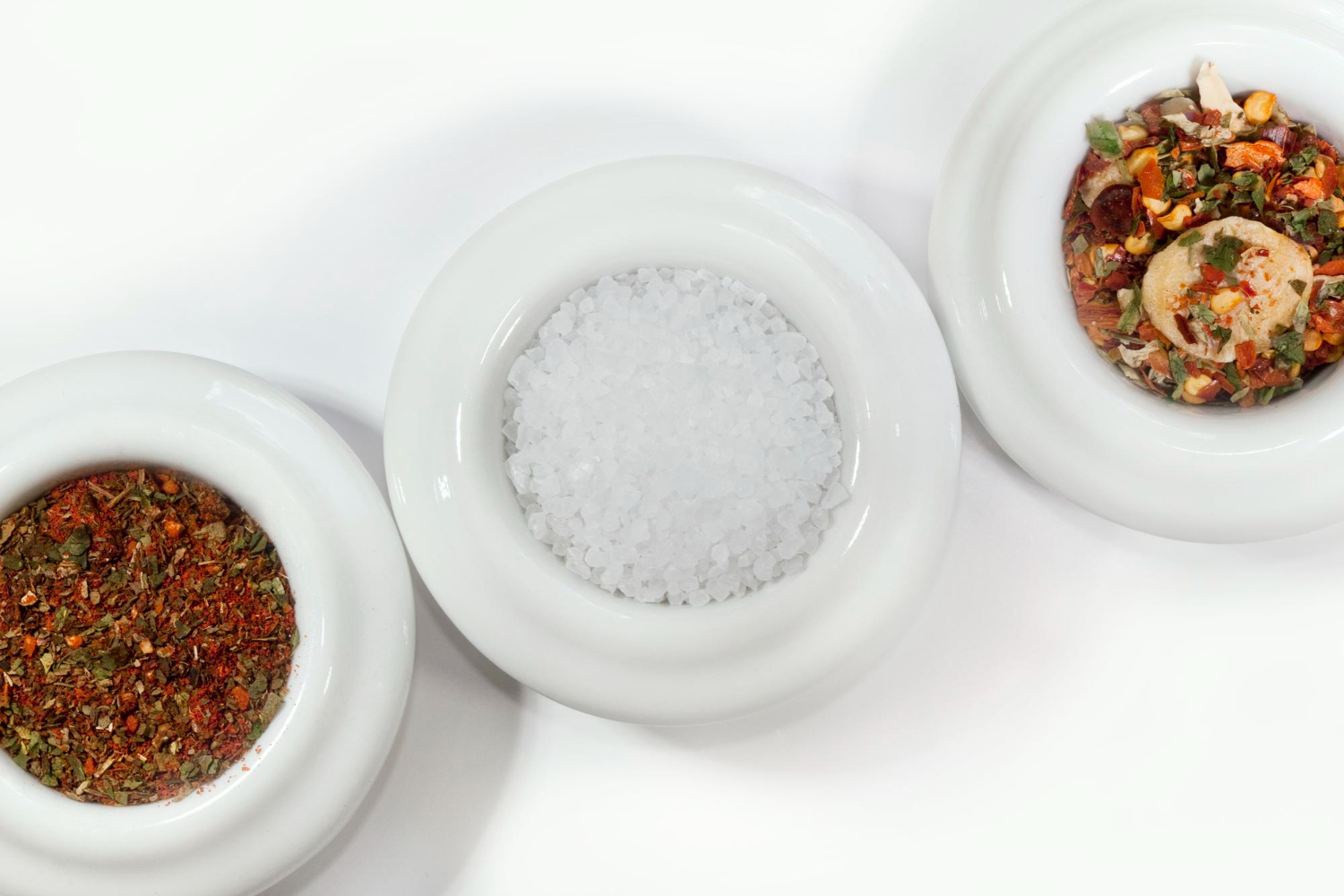
Salt is the most important and most misunderstood pantry staple: home cooks frequently under-salt, salt only at the end, or don’t realize that different salts (table, kosher, sea) have very different grain sizes, so a teaspoon of one is far saltier than another. The fix: season throughout cooking in layers (not just at the end), taste as you go, understand that properly salted food tastes vivid rather than salty, and know which salt your recipe assumes (most chef recipes use kosher salt, which is less dense than table salt, so they aren’t interchangeable spoon-for-spoon). Mastering salt — when, how much, and which kind — is arguably the single biggest leap a home cook can make, and it’s why restaurant food so often tastes better.
Black Pepper Loses Its Magic Pre-Ground
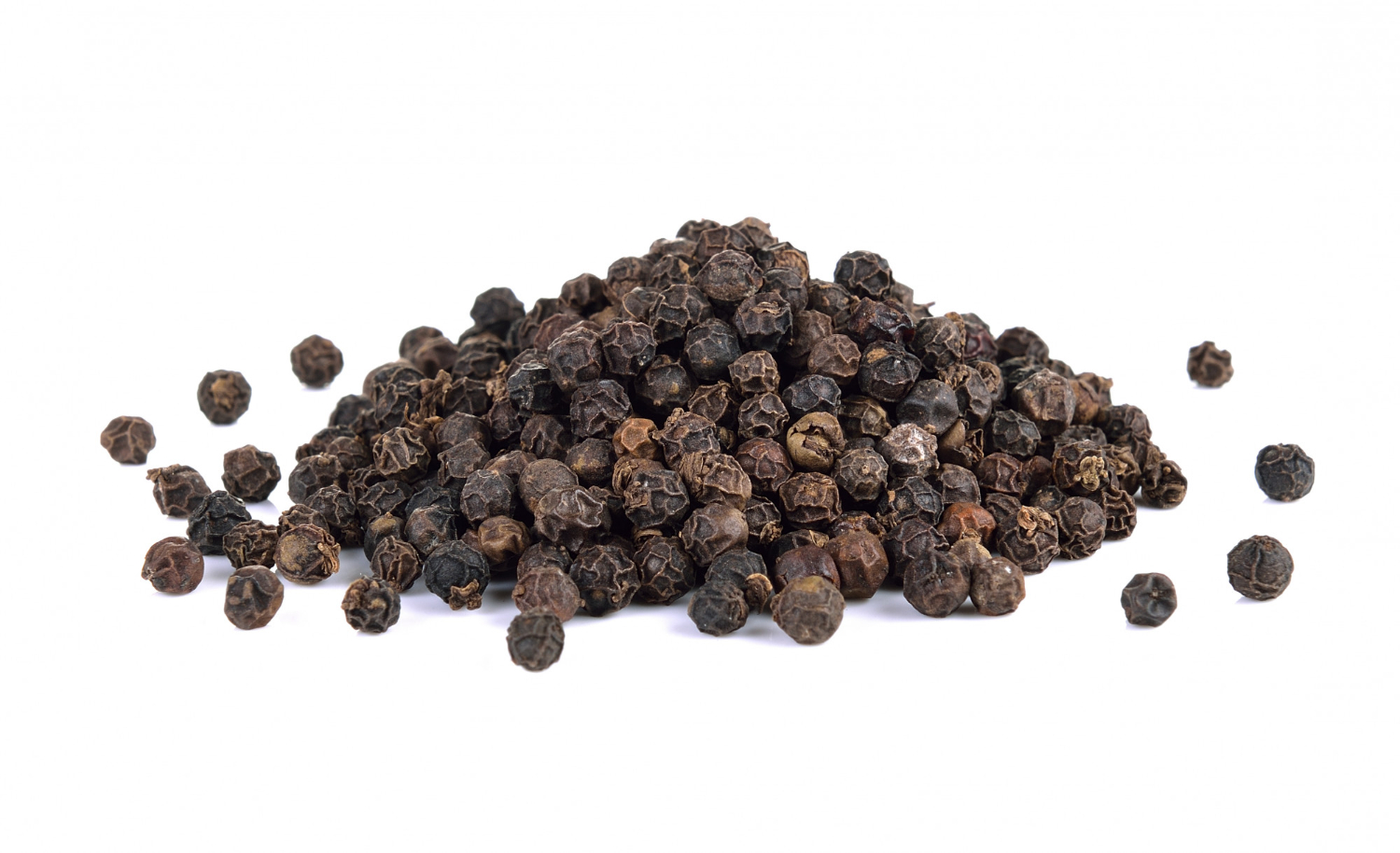
Most people use pre-ground black pepper from a tin, which has lost much of its aromatic punch, when freshly ground pepper from whole peppercorns is dramatically more fragrant and flavorful. The pre-ground stuff is a pale shadow. The fix: buy whole peppercorns and a pepper grinder, and grind fresh as you cook — the difference in aroma and flavor is immediate and significant. This is one of the cheapest, easiest upgrades in any kitchen: the same spice, freshly ground, transforms from a dusty afterthought into a genuinely flavorful, aromatic seasoning. Once you switch to freshly ground pepper, the pre-ground version tastes flat by comparison.
Dried Herbs and Fresh Herbs Aren’t Interchangeable (or Used at the Same Time)
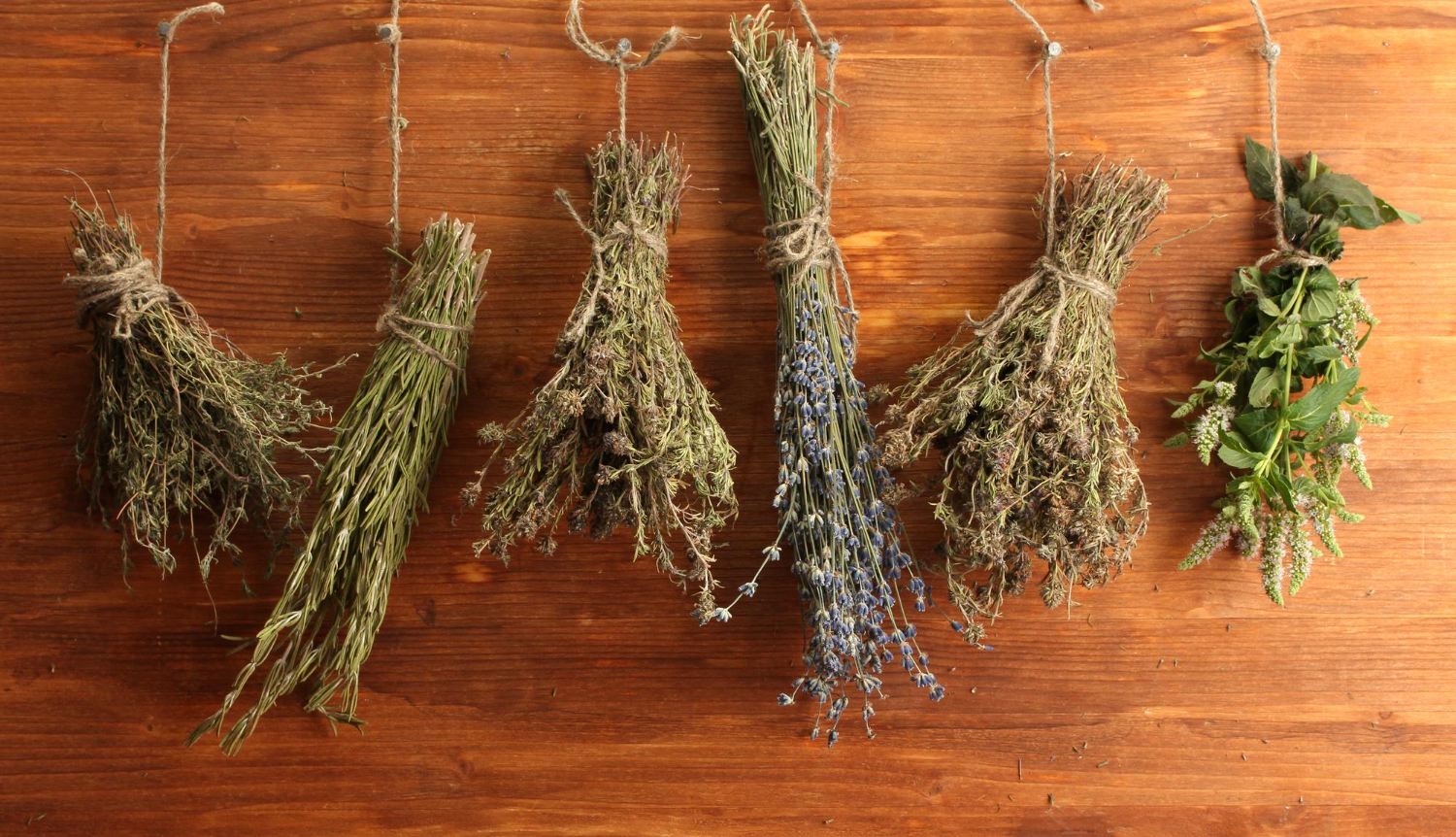
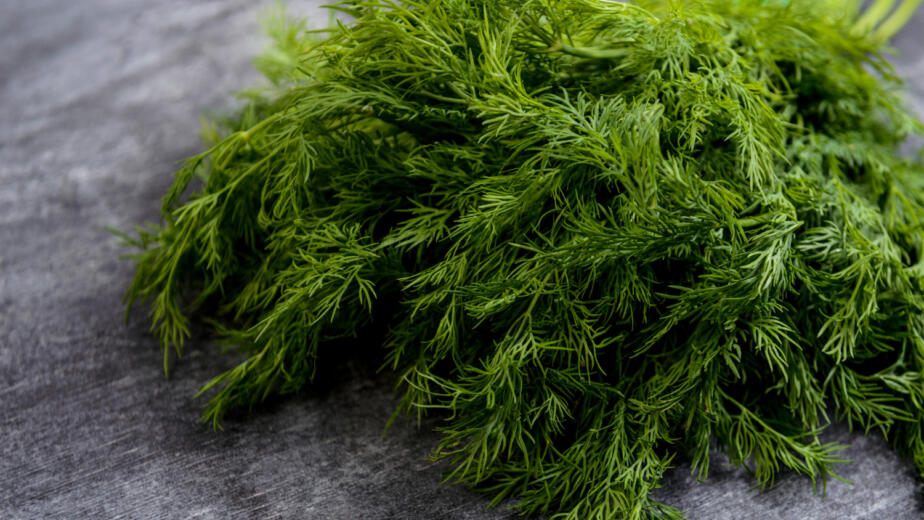
Many cooks misunderstand herbs: dried and fresh herbs aren’t equal substitutes (dried are more concentrated, so you use less), and crucially, they go in at different times — hardy dried herbs and hardy fresh herbs (like rosemary, thyme) can cook a while, while delicate fresh herbs (basil, cilantro, parsley) should be added at the very end to preserve their flavor and color. The fix: add delicate fresh herbs late, use dried herbs earlier in cooking, and remember dried are stronger so use roughly a third as much when substituting. Understanding when and how to use herbs — rather than dumping them all in at once — preserves their flavor and is a simple key to brighter, fresher-tasting food.
Olive Oil: The Good Stuff Isn’t for High Heat
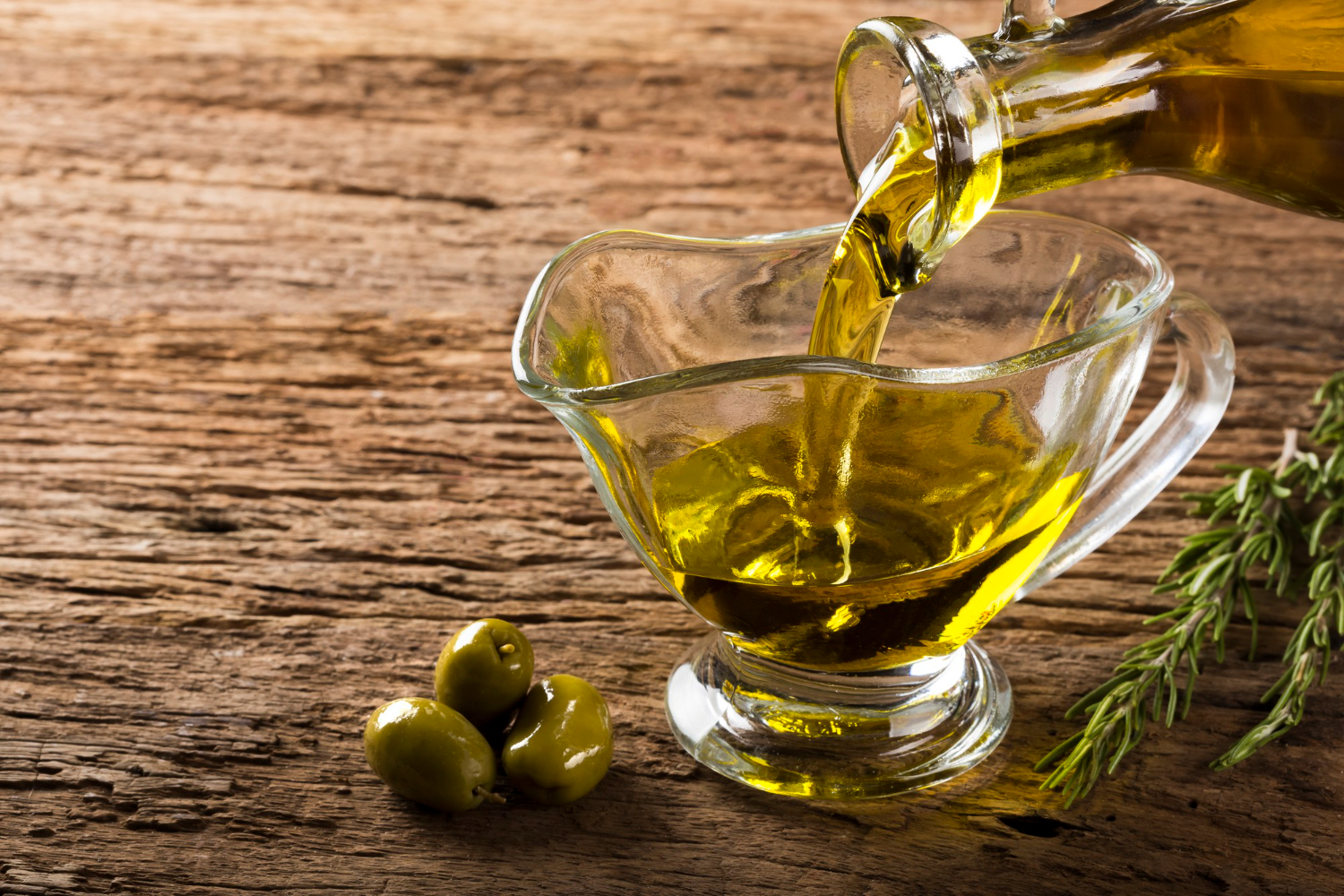
A common misunderstanding is using expensive extra-virgin olive oil for high-heat cooking, where its flavor is wasted and it can break down, while using it where its flavor would shine (finishing, dressings) is overlooked. The fix: save good extra-virgin olive oil for finishing dishes, drizzling, and dressings where its flavor matters, and use more neutral, higher-smoke-point oils for high-heat searing and frying. Understanding that your best olive oil is a finishing ingredient, not a frying medium, both preserves its flavor and saves you money, while using the right oil for high heat improves your cooking. Matching the oil to the job is a small distinction that makes a real difference.
Garlic and Aromatics: Timing and Prep Change Everything
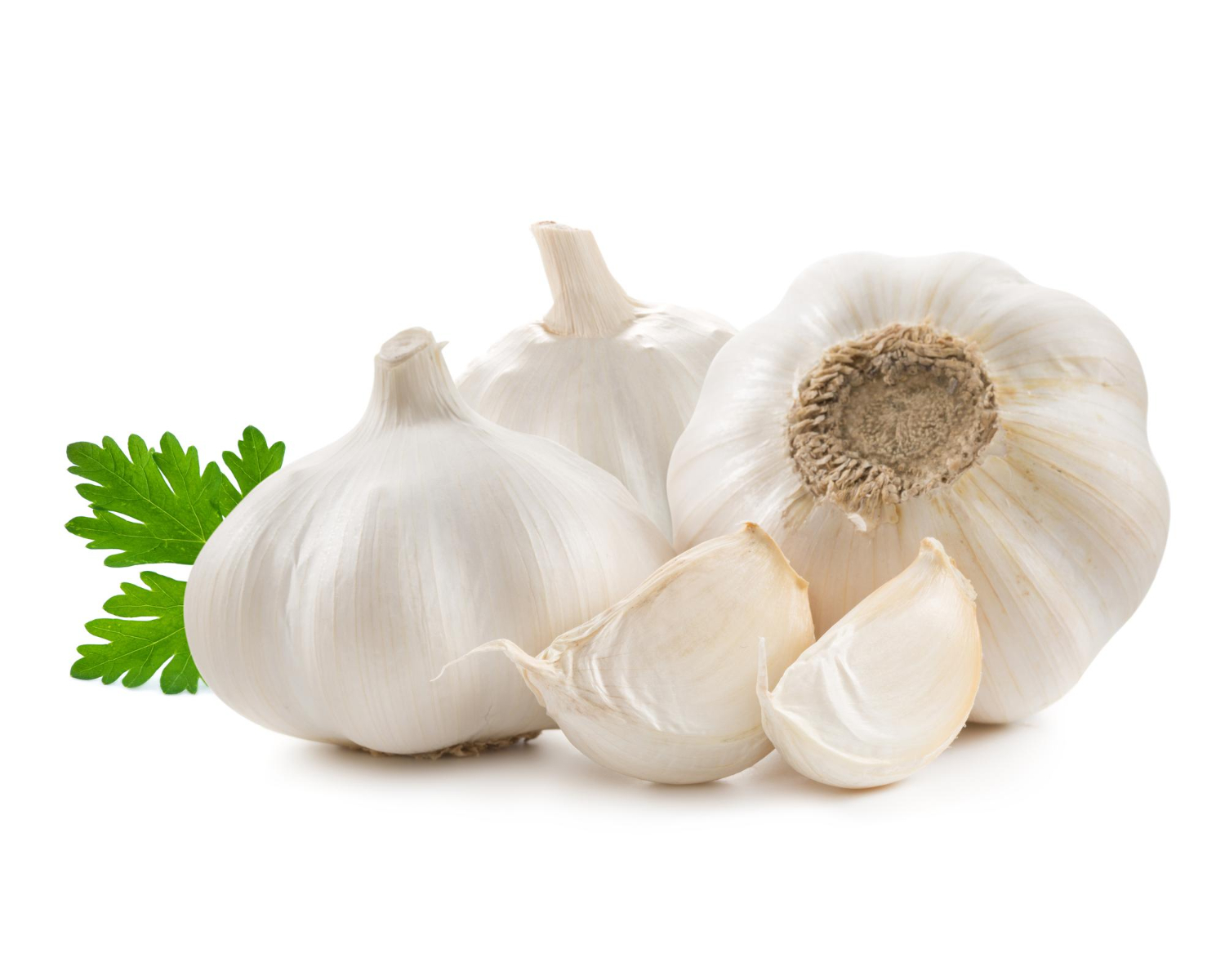
Home cooks frequently misuse garlic and aromatics — burning garlic by adding it too early to high heat (which turns it bitter), or not realizing that how you prepare garlic (crushed, minced, sliced) changes its intensity. The fix: add garlic later than onions since it burns easily (just until fragrant), watch the heat, and know that finely minced or crushed garlic is more pungent than sliced. Burnt garlic is bitter and can ruin a dish, so treating it with a little care — adding it at the right moment and not scorching it — protects the flavor of countless recipes. Understanding the timing and prep of aromatics is a small skill that quietly improves a huge range of cooking.
The Bottom Line on Using Your Pantry Right
What ties all of this together is that the common spices and staples in every kitchen have far more to offer than most people realize, and a handful of simple understandings unlock that potential at no cost. Replace your ancient, faded ground spices and store the rest away from heat and light; toast and bloom spices to release their full flavor; master salt by seasoning in layers and knowing your salt; grind your pepper fresh; use fresh and dried herbs at the right times and amounts; save good olive oil for finishing rather than frying; and treat garlic and aromatics with attention to timing and heat. None of these require new skills or special equipment — just an awareness that these everyday ingredients aren’t immortal, interchangeable, or set-and-forget, but have a best way to be stored, timed, and used. Home cooks who internalize these small truths frequently find their food improves dramatically, not because they learned to cook something new, but because they finally started using the staples they already owned to their full, flavorful potential. The difference between flat and vibrant cooking frequently hides in exactly these overlooked details.
Like our content? Follow us for more.