

We live in an age when the first instinct at any landmark is to reach for a phone. But at a surprising number of the world’s most famous attractions, taking a photo is restricted or flat-out forbidden, and ignoring the rules can mean anything from a stern warning to deleted photos or even a fine. The reasons vary: some bans protect fragile art from light damage, some come down to copyright deals, and others exist out of religious respect or security. Knowing where the camera has to stay in your pocket can save you embarrassment and trouble. Here are famous tourist sites where photography is banned or limited, why the rules exist, and what to keep in mind before you go.
The Sistine Chapel, Vatican City
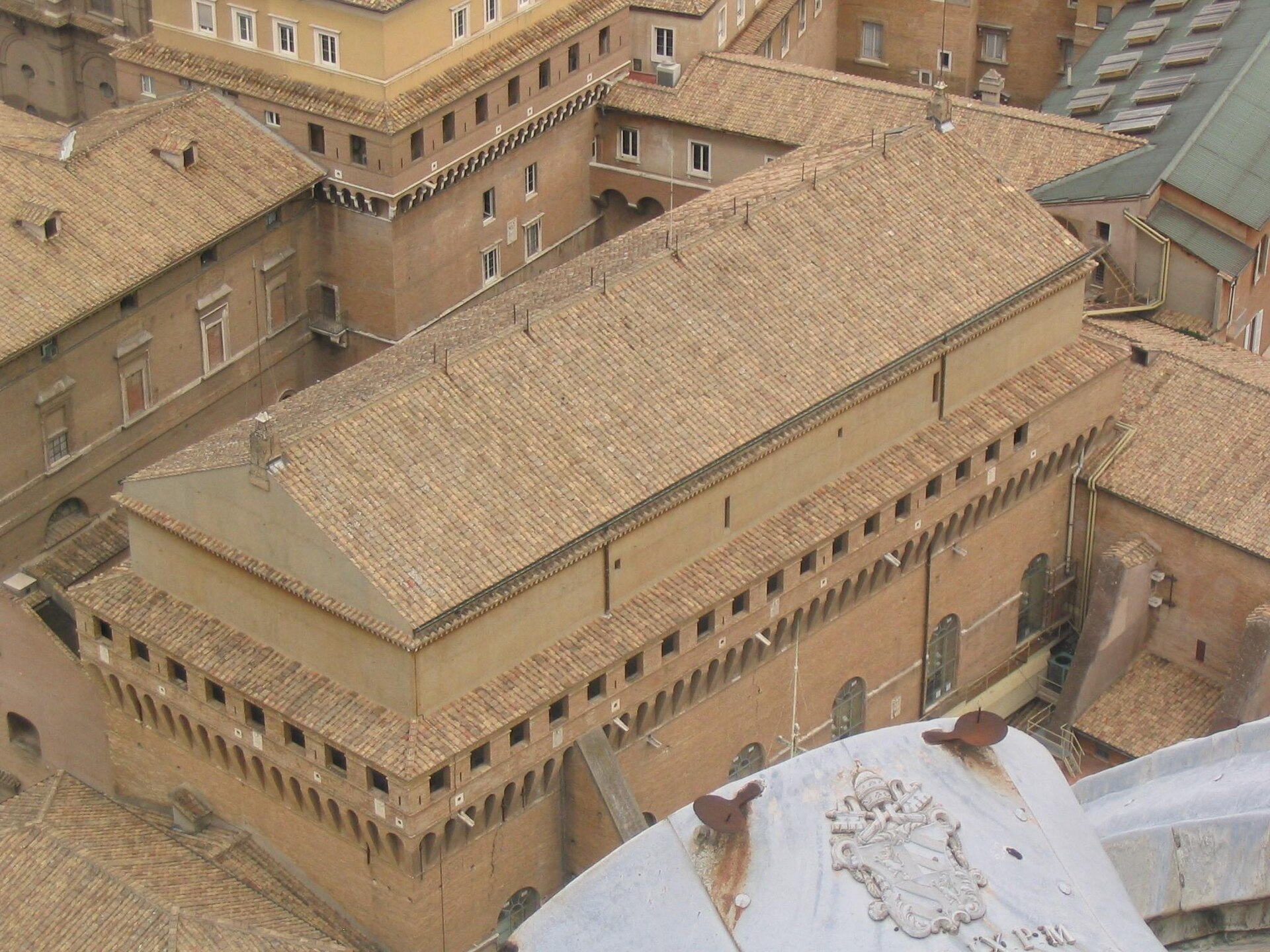
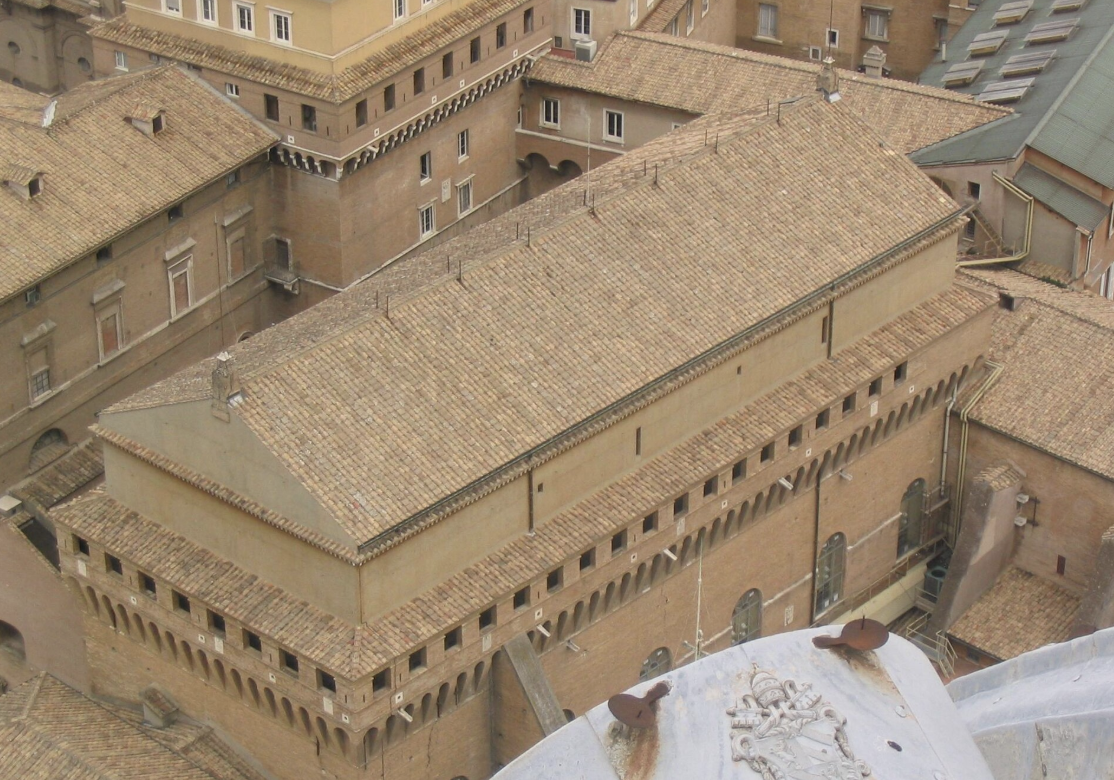
The most famous photo ban in the world guards Michelangelo’s masterpiece. Photography and video inside the Sistine Chapel are strictly forbidden, and many visitors assume it’s only to protect the frescoes from camera flash. The bigger reason is a contract: between 1980 and 1994, the Japanese broadcaster Nippon Television funded the chapel’s multi-million-dollar restoration, and in return received exclusive rights to film and photograph the artwork. Even though the project is long finished, the ban remains, and it doubles as a way to preserve the sacred, contemplative atmosphere. Guards actively enforce it and can ask you to delete images, so this is one place to simply look up, take it in, and leave the phone alone.
Like our content? Follow us for more.
The Taj Mahal Interior, India
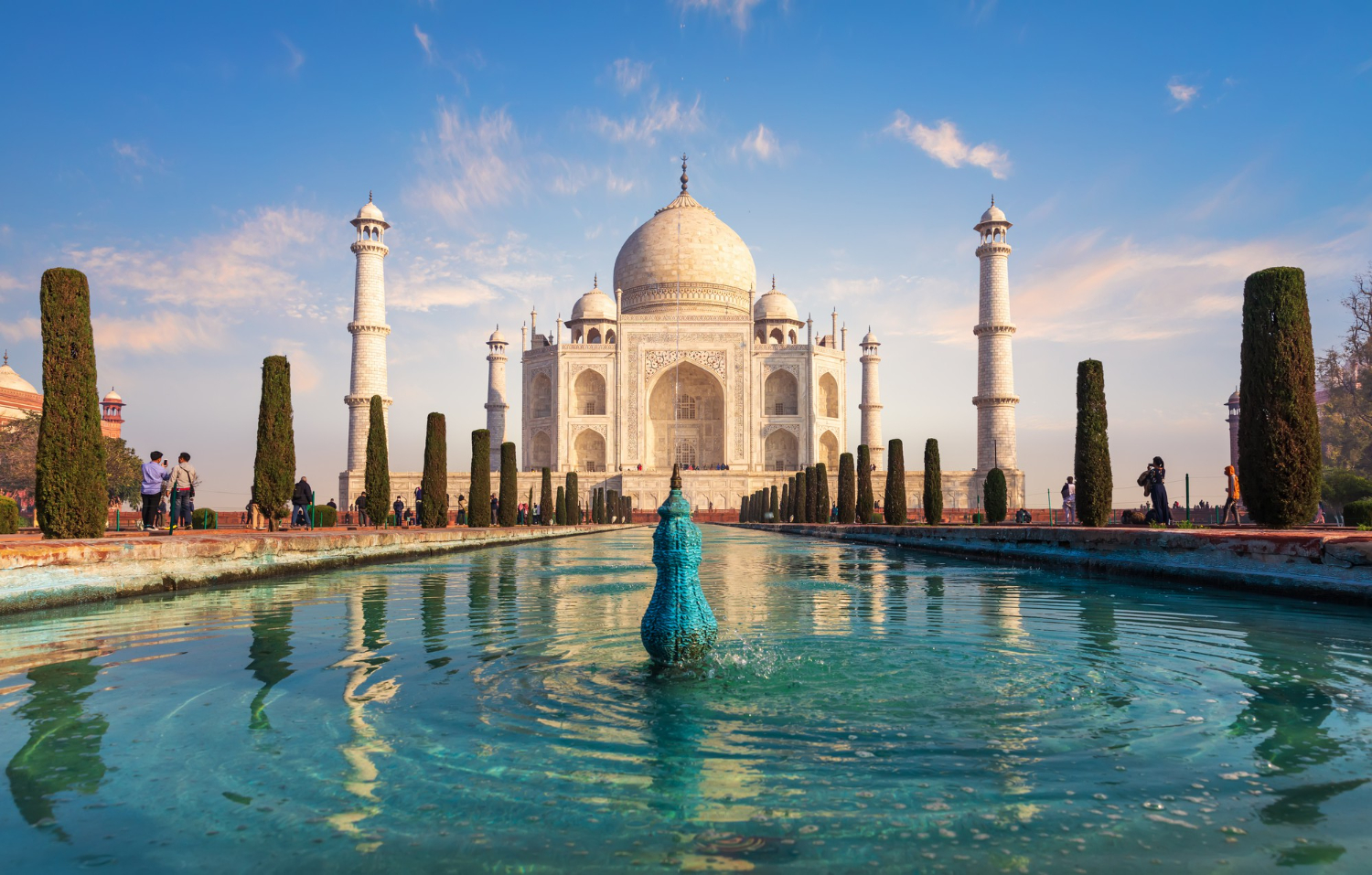
You can photograph the Taj Mahal from the outside to your heart’s content, and most people do. But the interior is a different matter. The building is a mausoleum, the tomb of the wife of the Mughal emperor who built it, and taking photographs inside the main chamber is considered disrespectful and is not permitted. In practice, large bags, tripods, and sometimes cameras must be left at the entrance before you go in, and security staff will stop anyone trying to sneak a shot. Visitors are also asked to keep quiet inside. The rule is about respect for a sacred resting place, so the iconic exterior photos are your reward, and the interior is for the eyes only.
The Valley of the Kings,Egypt
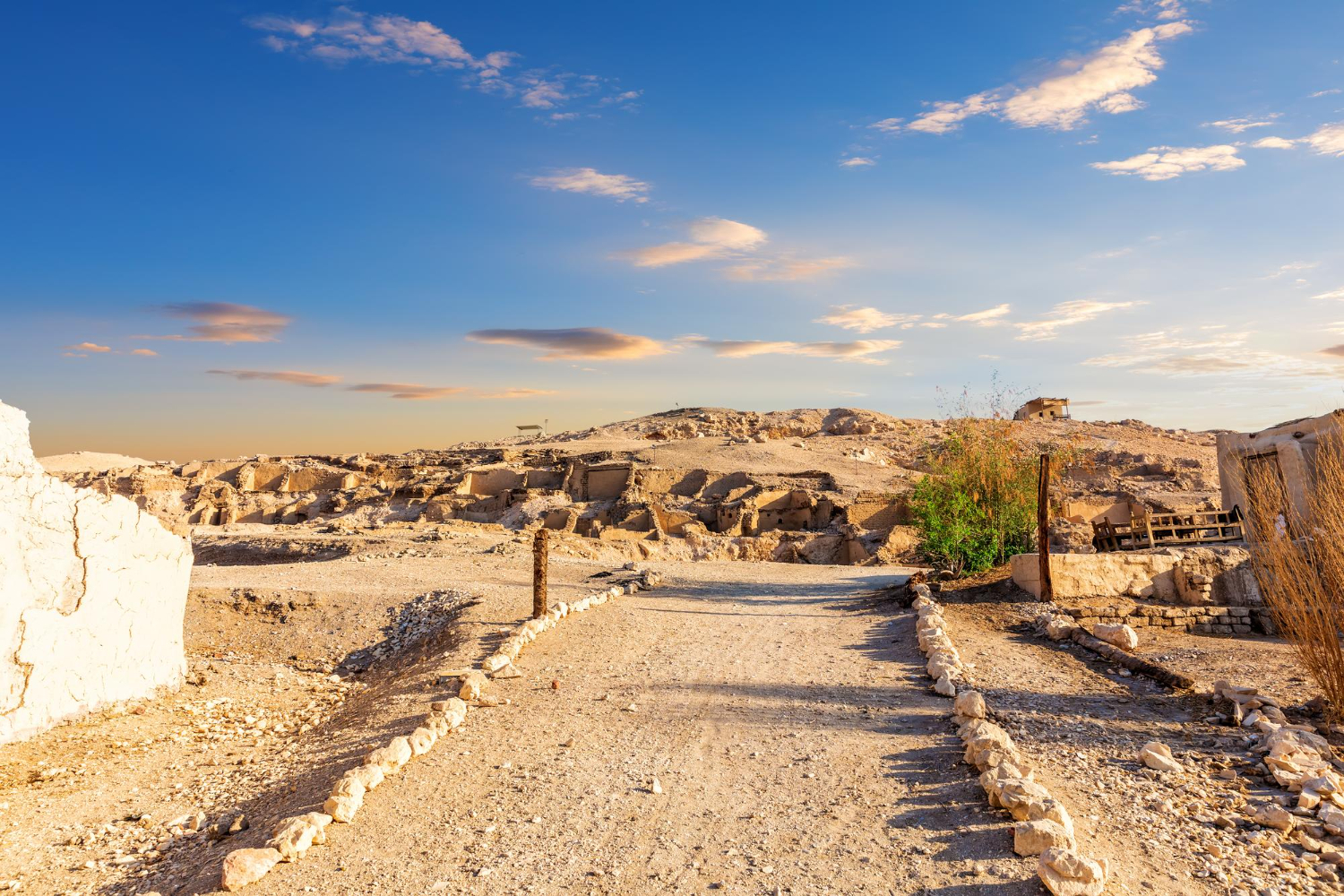
The ancient burial ground of Egypt’s pharaohs, on the west bank of the Nile near Luxor, contains dozens of tombs decorated with vividly colored hieroglyphics and paintings thousands of years old. To protect this irreplaceable artwork, photography inside the tombs has long been restricted; flash in particular can accelerate the fading of the ancient pigments. Rules have shifted over time, with some periods requiring a special photo permit for interior shots and others banning cameras outright inside the most fragile tombs. Visitors are typically searched before entering, and sneaking photos can mean a fine. The restriction is fundamentally about conservation, ensuring that art that has survived millennia isn’t degraded by millions of camera flashes.
Westminster Abbey, London
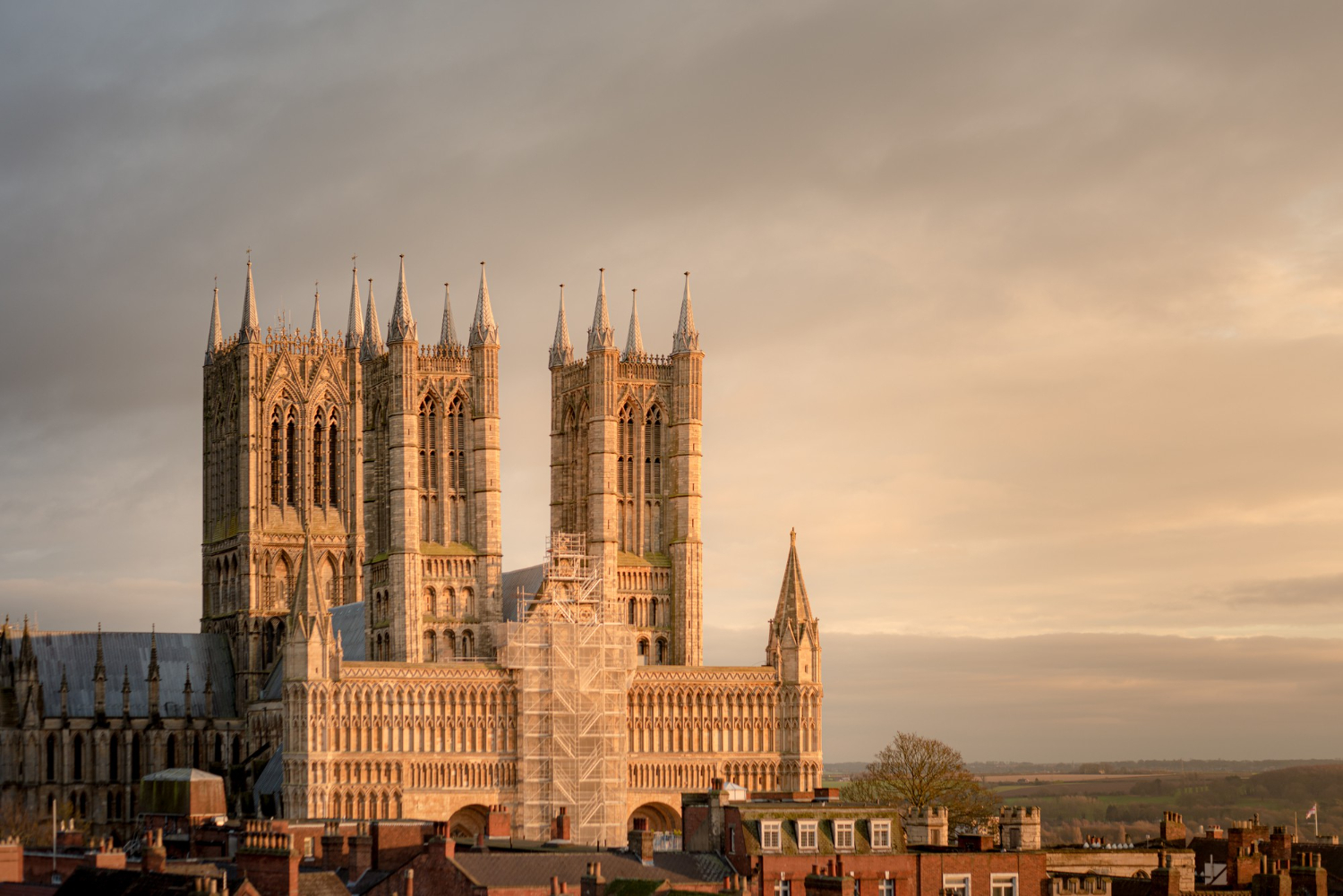
One of England’s most iconic buildings, the Gothic Westminster Abbey has hosted coronations, royal weddings, and burials for centuries. Photography and filming inside are not permitted, a rule that protects the solemn, working-church atmosphere of a site that remains in active religious use. With huge numbers of visitors passing through daily, the ban also helps keep crowds moving and preserves a sense of reverence in a space filled with monuments and tombs. As with many cathedrals, you’re free to photograph the magnificent exterior, but once inside, the cameras go away. It’s worth knowing before you arrive so you’re not caught off guard at the door.
The Crown Jewels, Tower of London
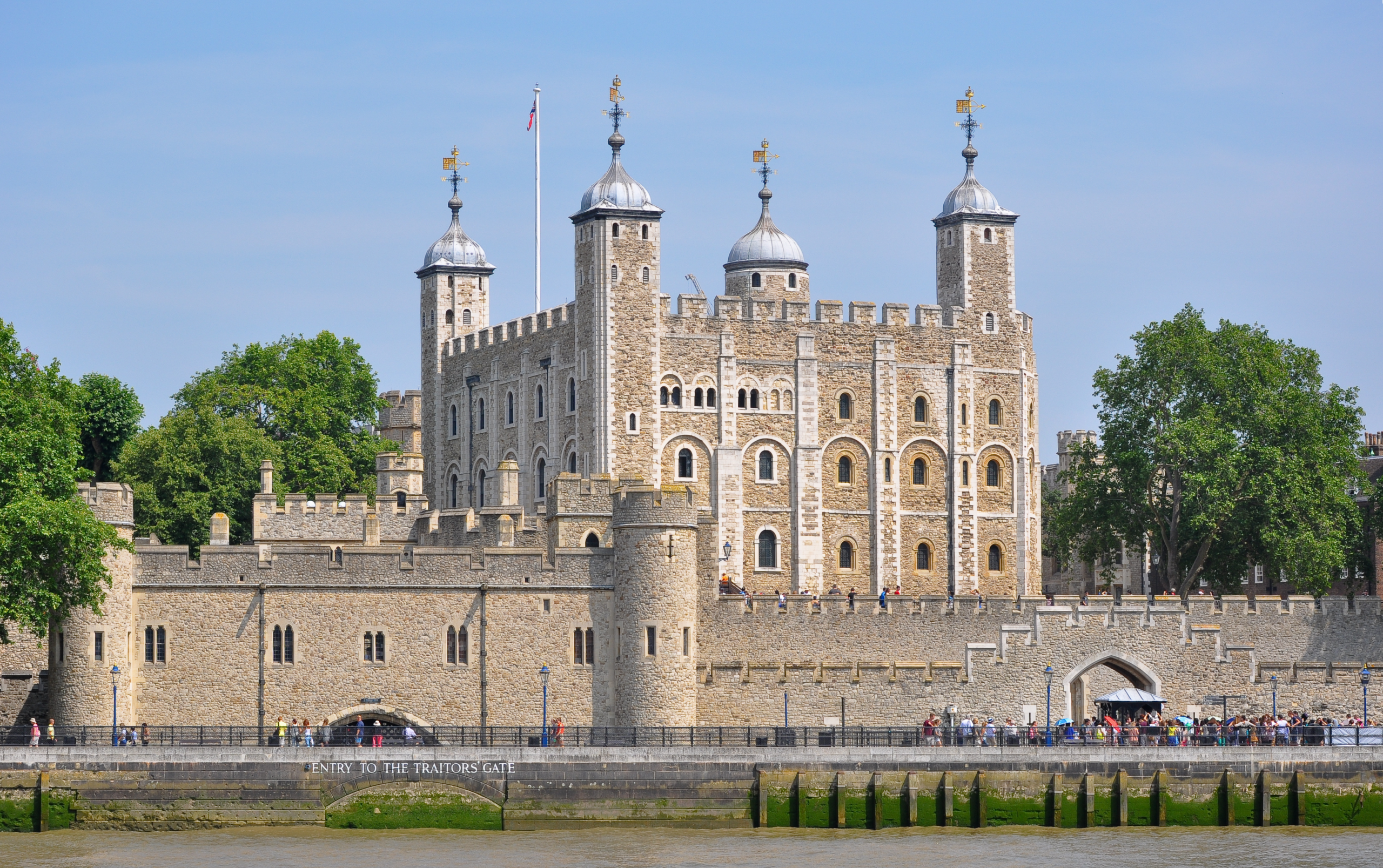
The Tower of London draws crowds for its history, its ravens, and above all the Crown Jewels of the United Kingdom. But photographing the jewels themselves is strictly forbidden. The display is monitored by guards and a large network of security cameras, and the no-photography rule is primarily about security, reducing the risk to one of the most valuable collections on Earth, as well as keeping the line of visitors flowing past the cases. You can photograph much of the rest of the Tower complex, but in the Jewel House, the phone stays away. It’s one of the clearest examples of a ban driven by protection rather than preservation or copyright.
Neuschwanstein Castle, Germany
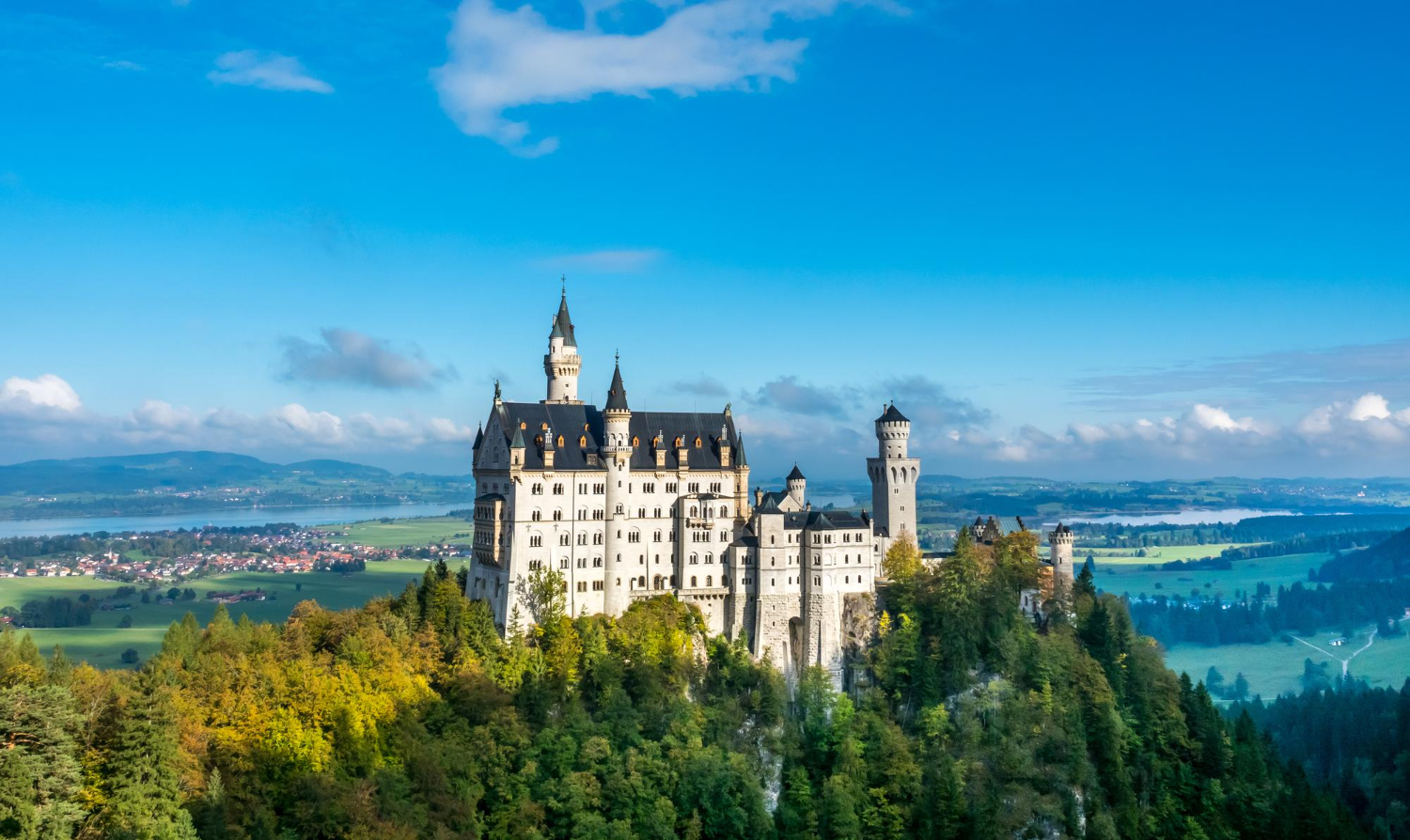
The fairy-tale castle that helped inspire Disney’s iconic palace is among the most visited in the world, and its exterior is one of the most photographed buildings anywhere. Inside, however, photography and filming are forbidden. The interiors of the 19th-century palace are richly decorated, and the ban helps protect them while keeping the timed guided tours moving efficiently through the rooms. With enormous visitor numbers, allowing everyone to stop and photograph each chamber would create chaos. So snap the famous shot of the castle perched on its crag from the nearby bridge or hillside, then put the camera away for the interior tour. The outside is the money shot anyway.
The Eiffel Tower at Night
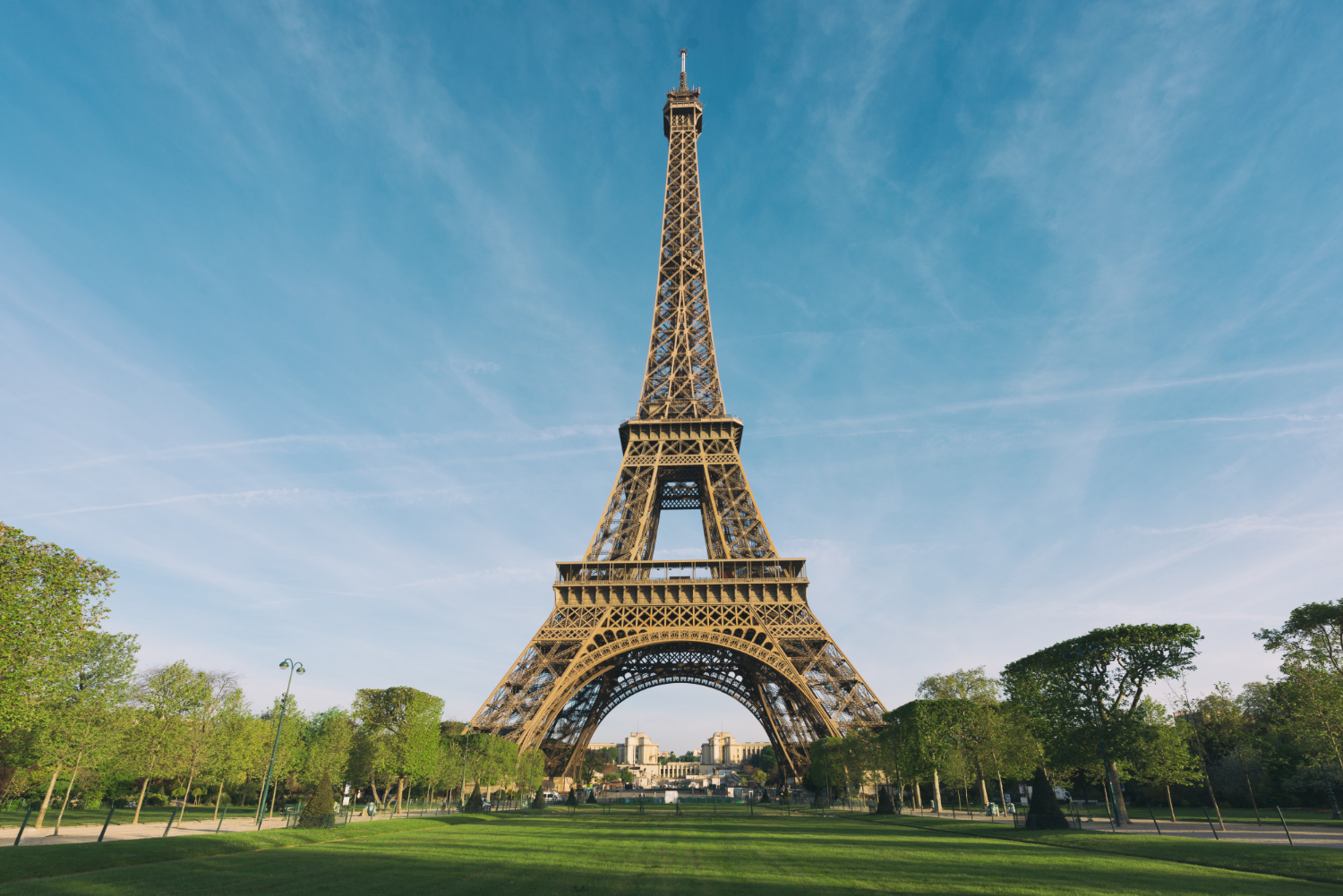
Here’s a quirk that surprises people: photographing the Eiffel Tower during the day is completely fine, because the structure itself is old enough to be in the public domain. But the tower’s nighttime light display, with its sparkling illuminations, is a separate, more recent creation that is protected by copyright. In strict legal terms, publishing or commercially using a photo of the illuminated tower at night can require permission from the company that manages it. In everyday practice, tourists snap personal nighttime photos constantly without issue, but if you’re shooting for commercial use, the lights are a genuine copyright consideration, a rare case where the rule is about intellectual property rather than the building itself.
The Mausoleum of Mao Zedong, China
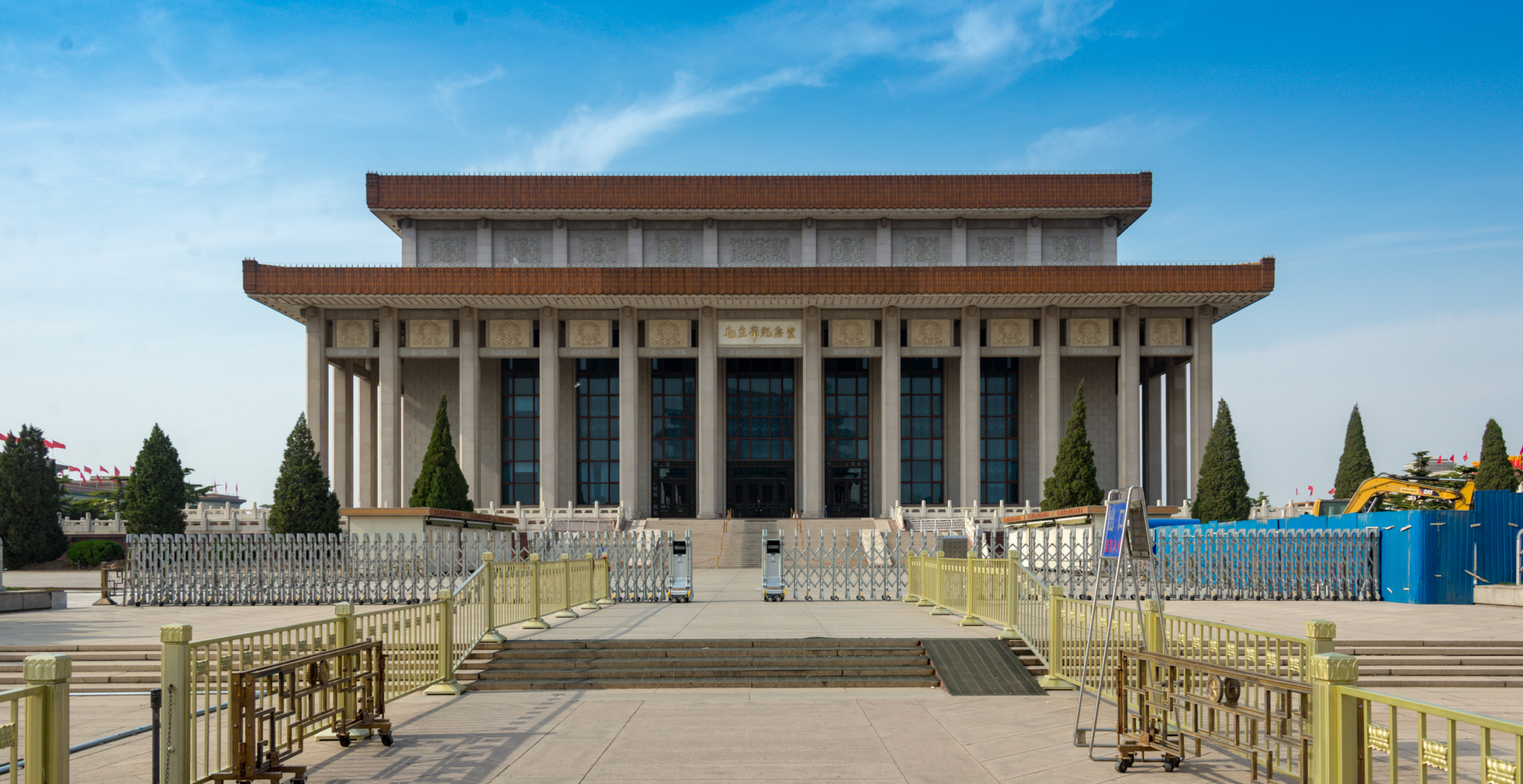
In Beijing’s Tiananmen Square, the mausoleum holding the preserved body of China’s revolutionary leader draws long lines of visitors. Photography inside is not allowed, both to maintain a respectful, solemn environment and because of strict security at the site. Visitors typically must check bags and cameras before entering and move through in a controlled, continuous flow. The ban reflects a combination of reverence and tight control common at politically significant sites. It’s a reminder that at memorials and sites of state importance, especially in certain countries, photography rules can be strict and rigidly enforced, so it’s wise to follow them closely.
The U.S. Supreme Court Courtroom
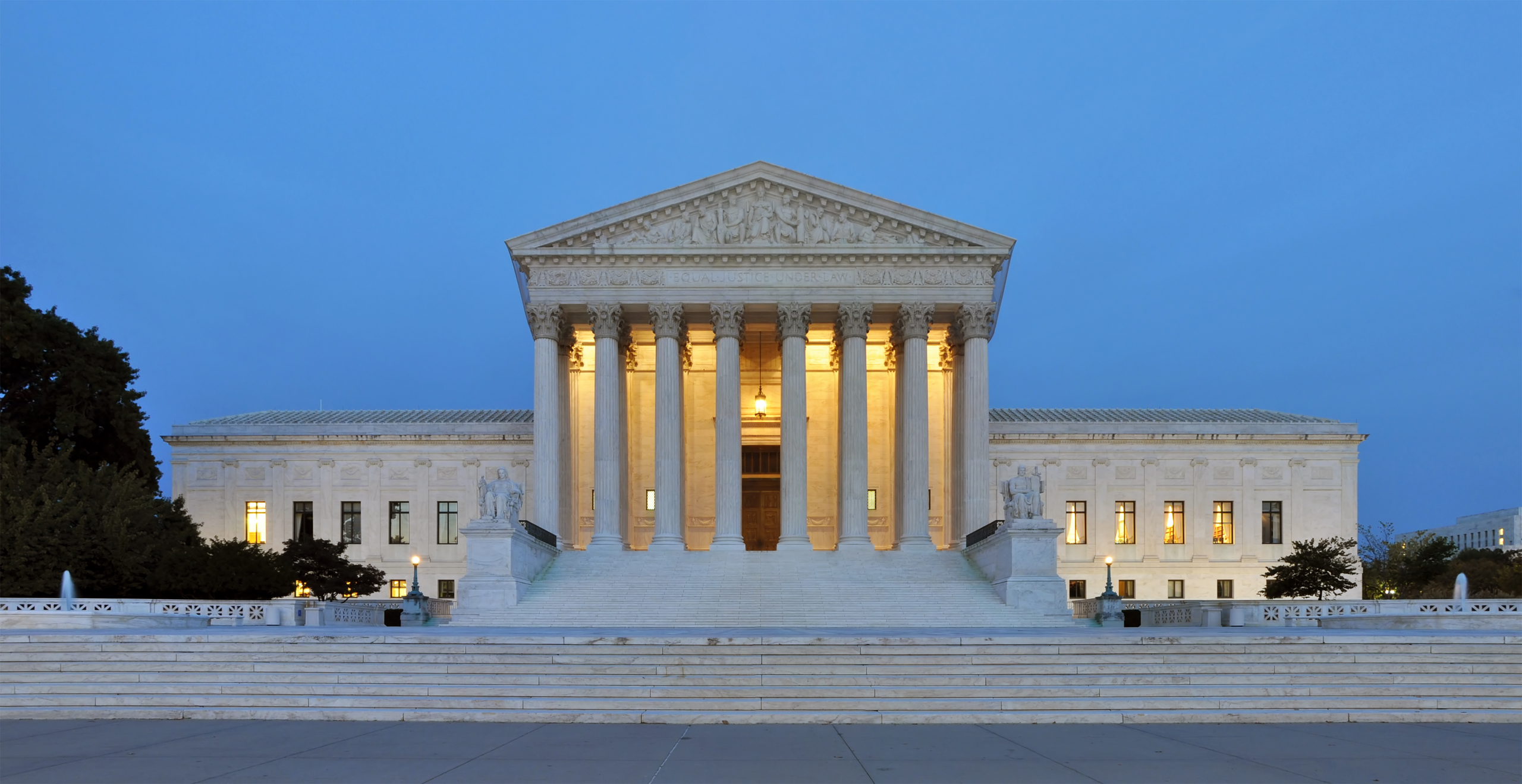
Not all photo bans are abroad. Inside the courtroom of the United States Supreme Court, photography is prohibited during proceedings under federal rules, which bar the taking of photographs or broadcasting of judicial proceedings. Visitors can photograph the public spaces and the building’s grand exterior, but the courtroom itself, while court is in session, is strictly off-limits to cameras. The rule reflects long-standing concerns about preserving the dignity and integrity of judicial proceedings. It’s a useful reminder that photography restrictions aren’t limited to ancient or sacred sites; government and judicial buildings frequently have their own firm rules about when and where cameras are allowed.
Museums and Why the Rules Vary
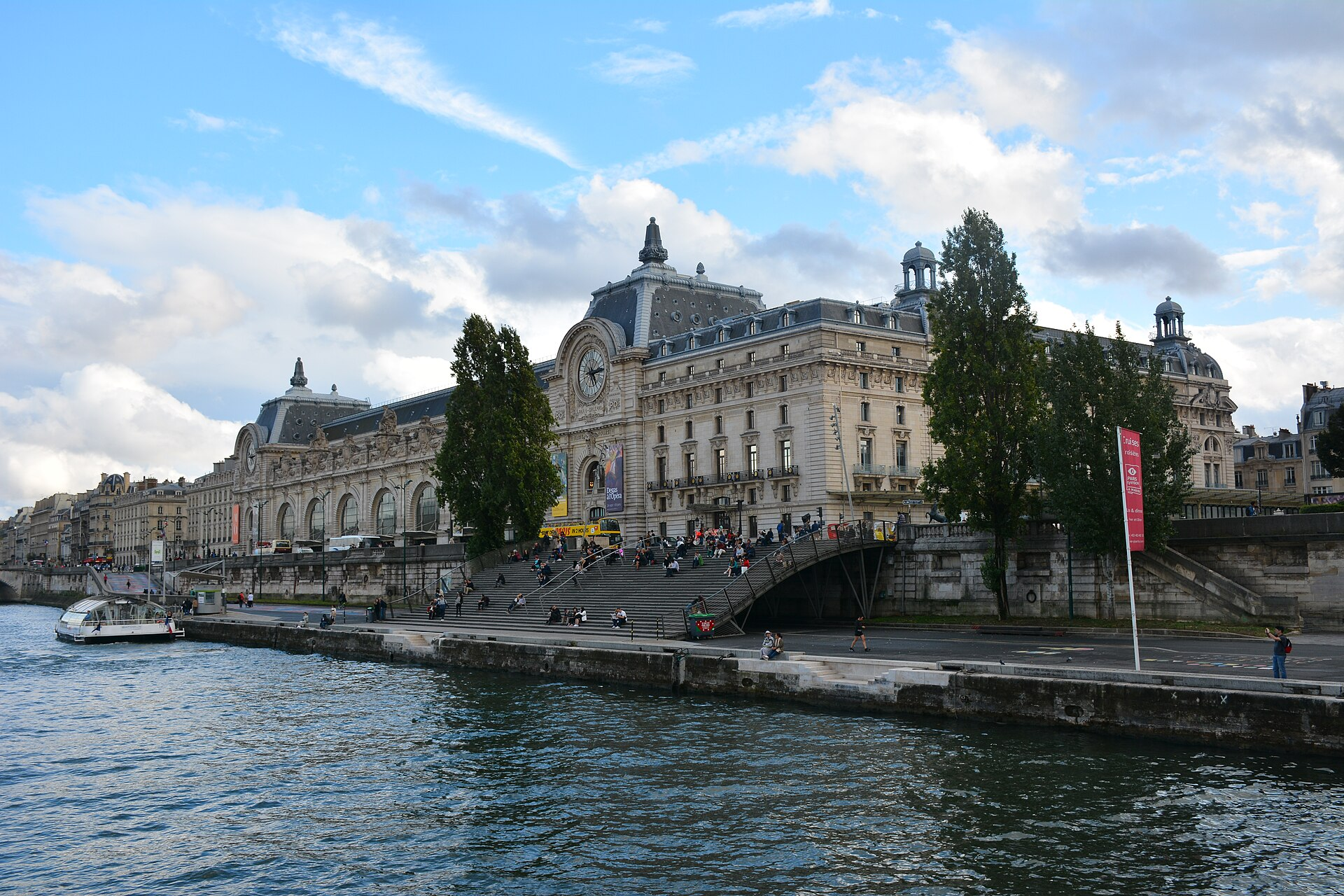
Many museums fall into a gray area rather than a flat ban. Some prohibit photography entirely, some allow it but ban flash, and some restrict photos only of specific artworks. The Musée d’Orsay in Paris, for instance, has at times barred cameras in the halls holding its most famous Impressionist works. The reasons are a mix of protecting light-sensitive art, respecting copyright on certain pieces, and managing crowds. Live performances and shows are similar, often banning recording because the work is copyrighted. The safest approach in any museum is to look for posted signs or ask a staff member, since the rules differ not just between institutions but sometimes from one room to the next.
Always Check Before You Shoot
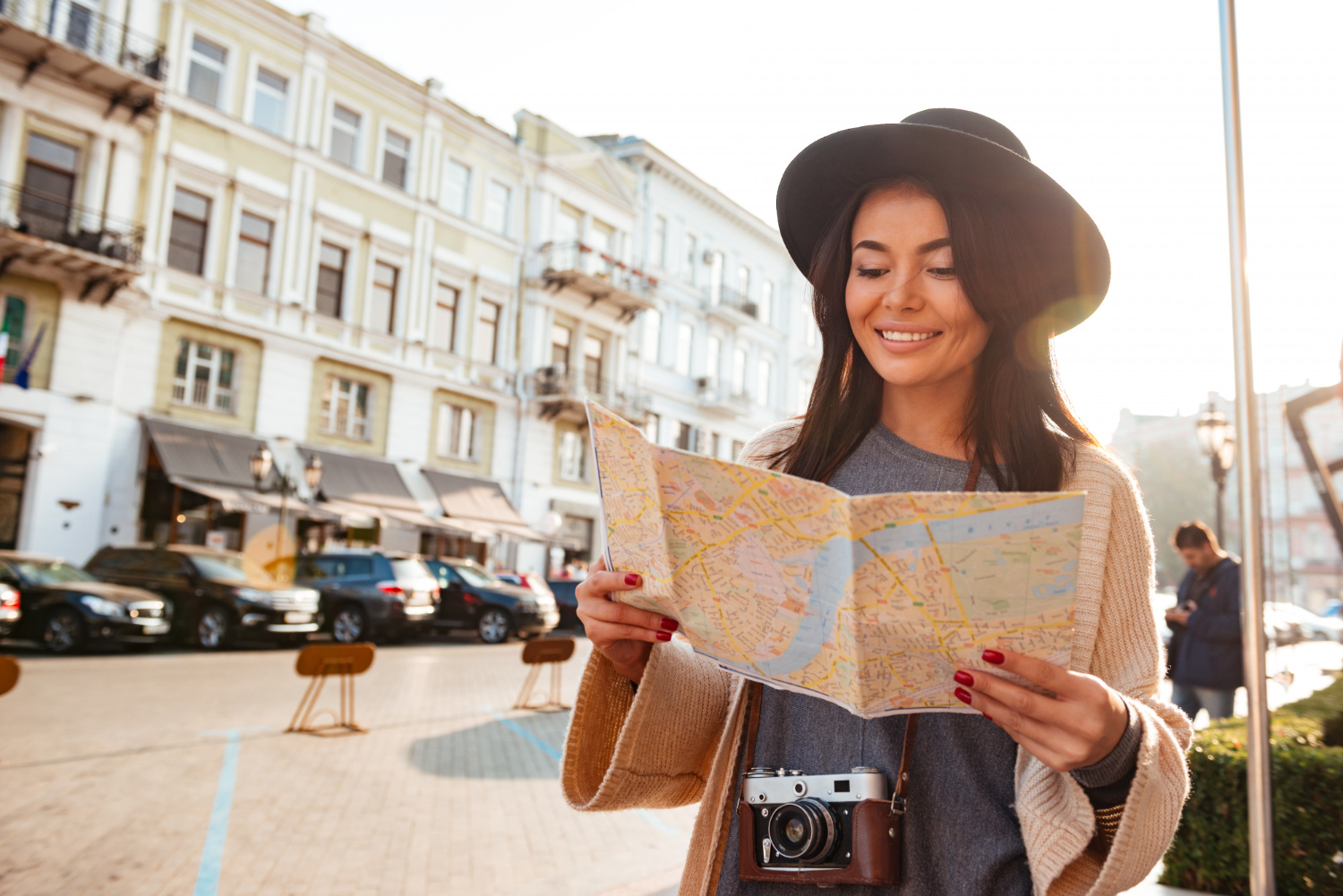
The common thread across all these sites is that the rules exist for real reasons, conservation, copyright, religious respect, or security, and that they change over time and are enforced unevenly. A site that banned photos last year may allow them now, or vice versa, and a quick look at the official website before you visit will tell you where you stand. When in doubt, watch for posted signs, follow what guides and guards tell you, and err on the side of putting the camera away. Beyond avoiding fines or deleted photos, respecting these rules helps protect fragile art and sacred spaces for the travelers who come after you. Sometimes the best memory is the one you simply take in with your own eyes.
Like our content? Follow us for more.

