Before GPS, smartphones, and seatback screens, the great American family road trip was a very different adventure. In the 1970s, a vacation meant piling into a wood-paneled station wagon, unfolding a paper map across the dashboard, and setting off with an 8-track tape, a cooler of sandwiches, and a chorus of “are we there yet?” from the back. Kids rode unbuckled in the very back of the wagon, families navigated by road signs and gut instinct, and the journey itself, the roadside diners, the motels with the glowing signs, the kitschy attractions, was half the point. Here’s a nostalgic look back at what the 1970s family road trip was really like, a slower, more analog kind of travel that anyone who lived it remembers with a smile.
A quick note: this is fond nostalgia, and some seventies travel habits, especially around car safety, were genuinely riskier than today’s. We’ll celebrate the memories while being honest that a few things have changed for very good reasons. With that, let’s load up the wagon.
The Mighty Station Wagon
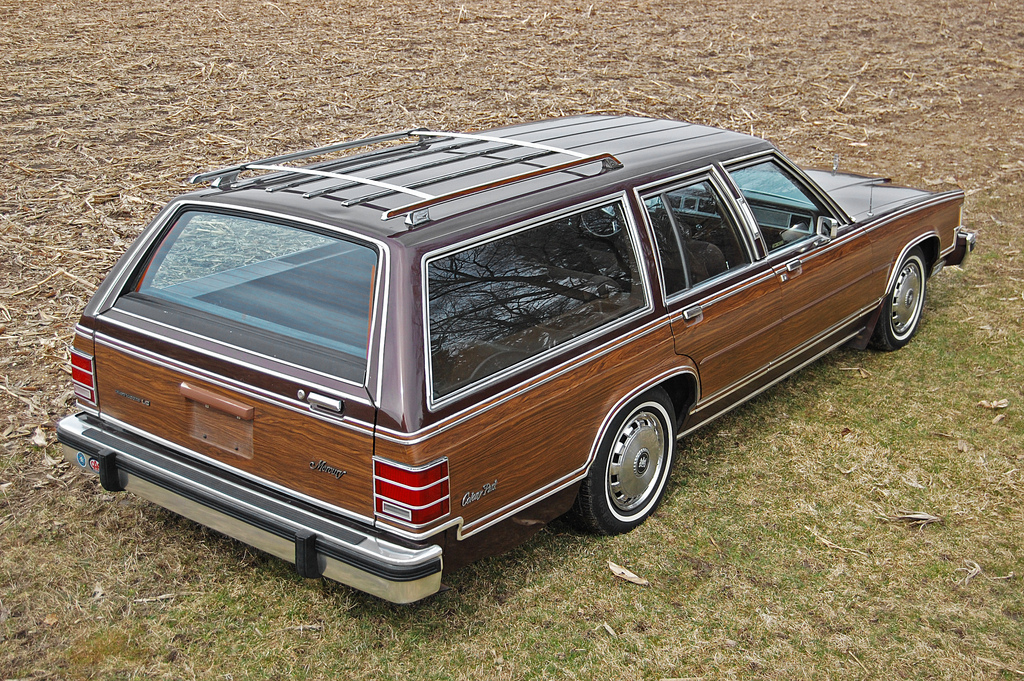
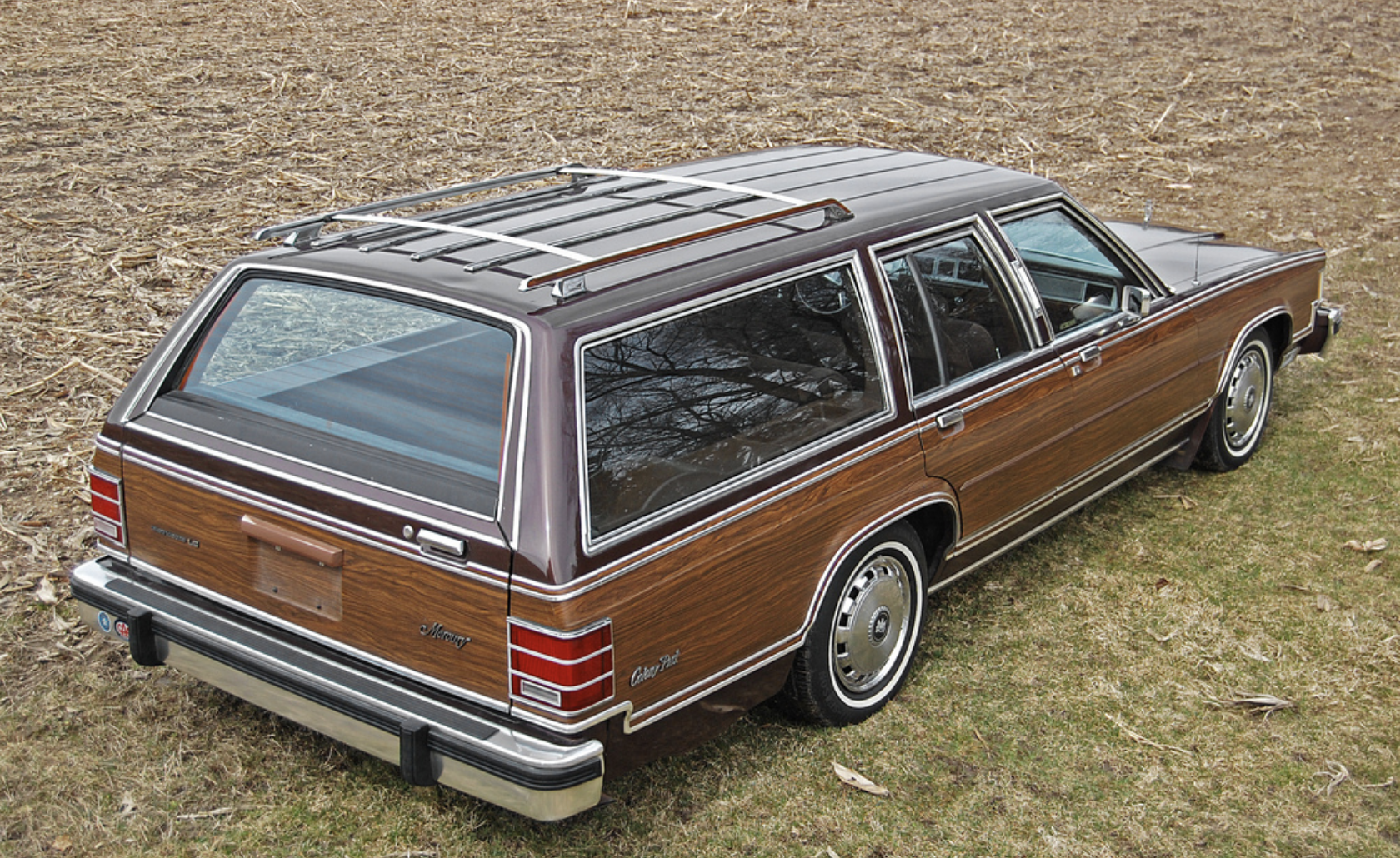
The undisputed king of the seventies family road trip was the station wagon. Long, low, and often clad in that unmistakable faux-wood paneling, the family wagon could swallow a remarkable amount of luggage, gear, and children. With bench seats front and back and a cavernous cargo area, it was built to haul the whole family and everything they owned across the country. Many wagons even featured a rear-facing third-row seat in the very back, a coveted spot for kids who wanted to wave at the cars behind. Spacious, sturdy, and endlessly practical, the station wagon was the vehicle that made the family road trip possible, and its silhouette is permanently linked to the era’s vacation memories.
Like our content? Follow us for more.
Riding in the Way Back
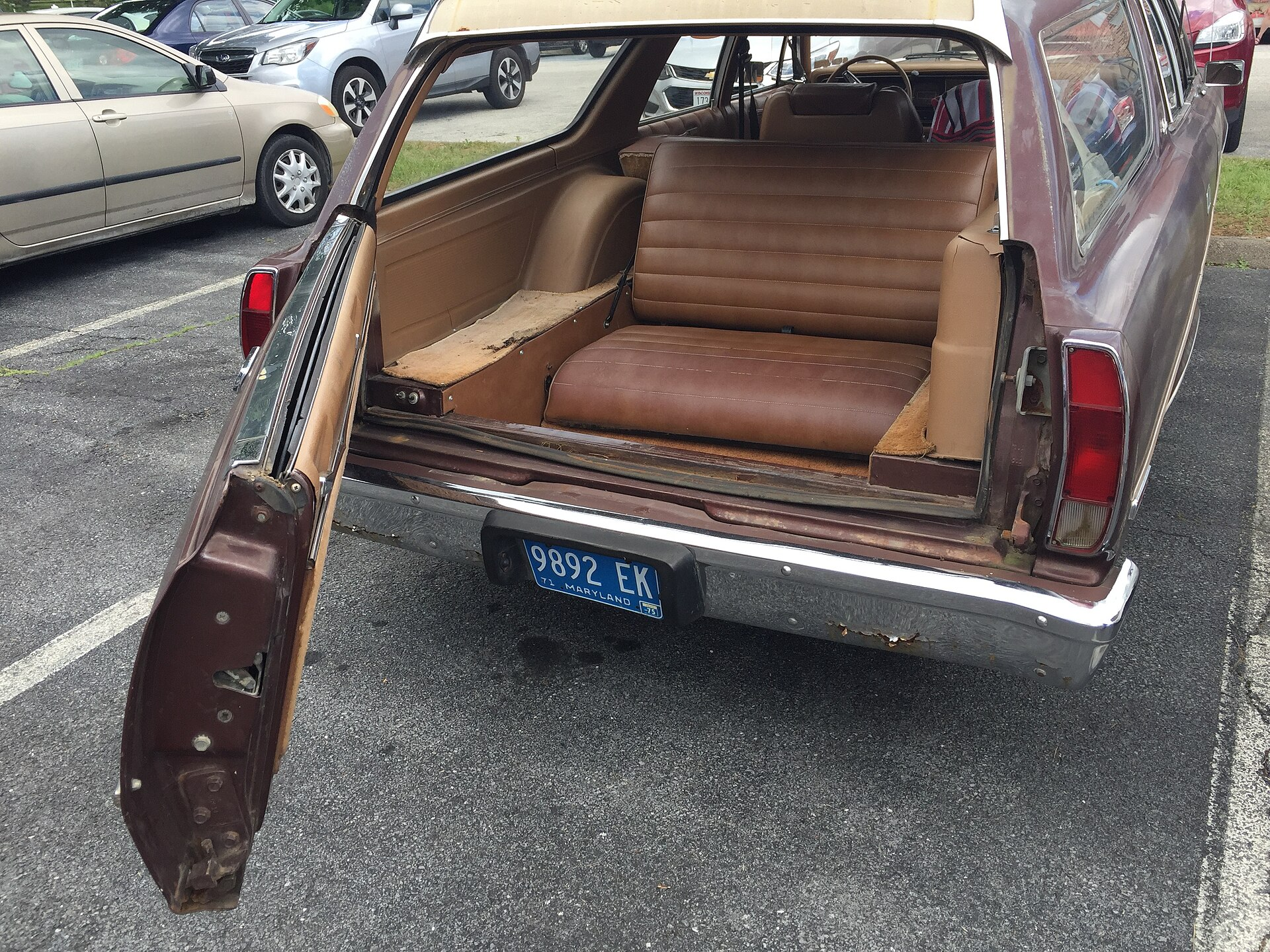
Here’s where seventies nostalgia meets a dose of honesty. In that era, car safety was a world away from today’s standards. Seatbelt use was minimal and rarely enforced, child car seats as we know them barely existed, and kids routinely sprawled across the back seat or piled into the open cargo area, the famous “way back” of the station wagon, for the duration of a trip. Children might lie down, play games, or pop up to peer out the rear window, entirely unrestrained. It was simply how things were done. Looking back, it’s clear why car-safety laws have changed so dramatically and saved so many lives. But for kids of the seventies, that freewheeling way-back was a cherished, if undeniably risky, part of the road-trip experience.
Navigating by Paper Map
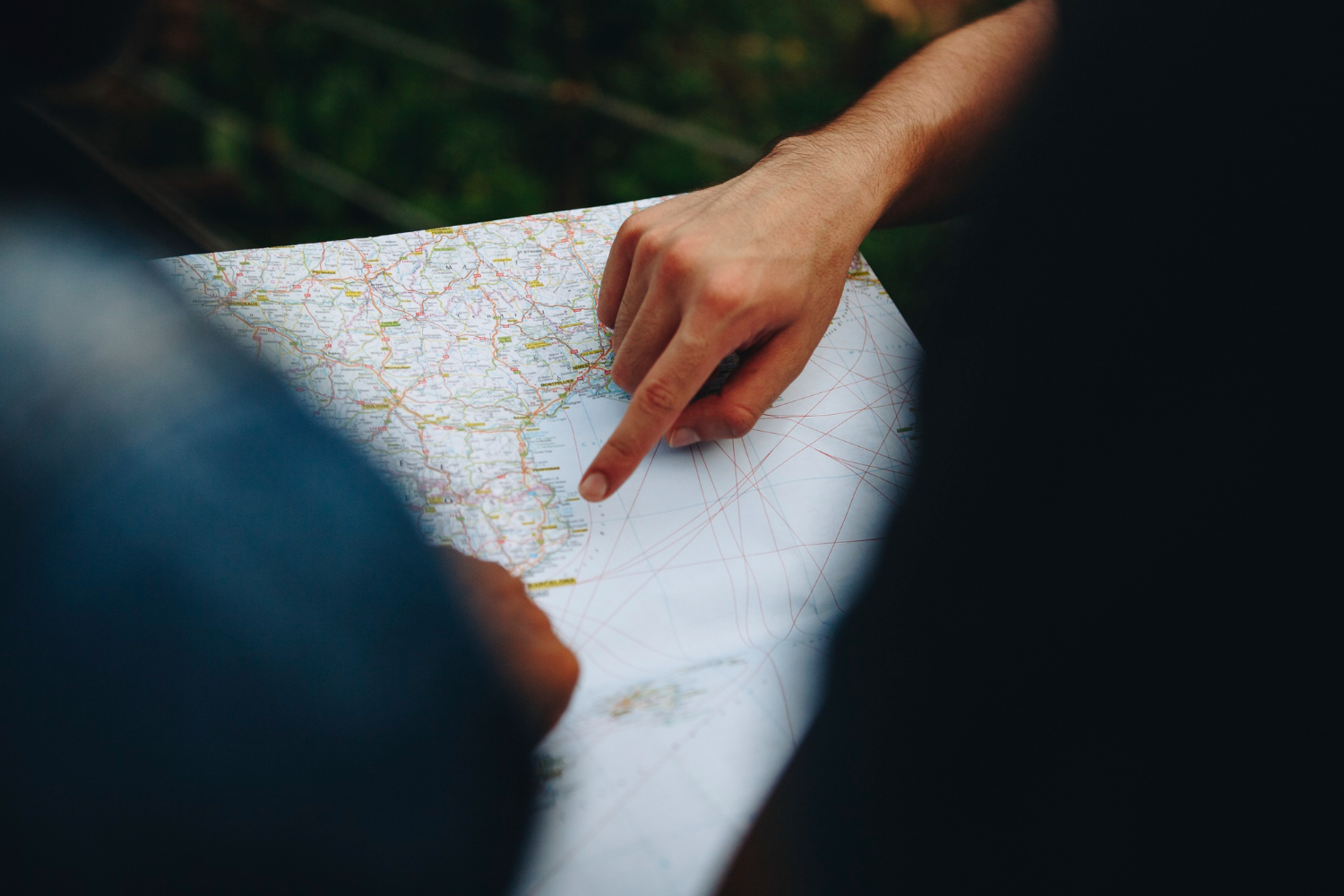
There was no friendly voice announcing the next turn in the 1970s. Families navigated the old-fashioned way, with a paper road map or a road atlas, usually wrestled open across the passenger’s lap and refolded, badly, at every stop. Many travelers planned their route in advance using a service from their auto club, which would map out a trip on a flip-style booklet of strip maps marking the roads, turns, and points of interest mile by mile. Once underway, navigation meant reading road signs, watching for exits, and occasionally pulling over to ask a local for directions. Getting lost was a real possibility and part of the adventure. This hands-on navigation made the driver and the designated map-reader a true team, and reaching the destination felt like a genuine accomplishment.
The Soundtrack: AM Radio and 8-Tracks
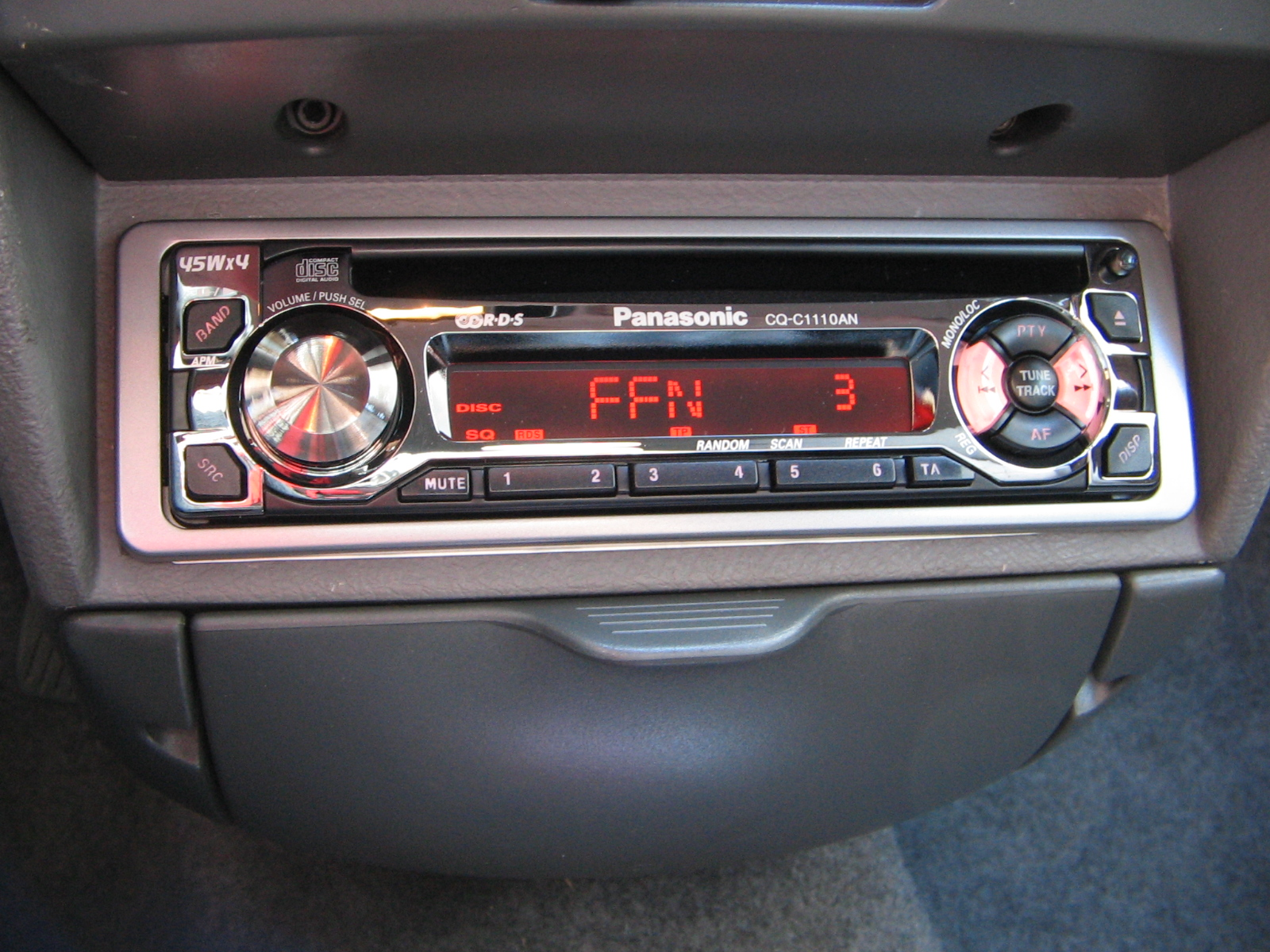
Entertainment on the road came through the dashboard. Many seventies cars had an AM radio, and families would scan for local stations as they drove, losing a signal and hunting for a new one as they crossed into each new region. For those who wanted control over the music, the 8-track tape player was the height of in-car technology, letting you bring a few favorite albums along, even if the format had a habit of switching tracks mid-song with a loud ka-chunk. Later in the decade, cassette players began to appear. Sing-alongs were inevitable, and the shared soundtrack, whatever happened to be playing, became part of the trip’s memory. There were no headphones and no personal playlists; everyone listened to the same thing, together.
Keeping the Kids Occupied
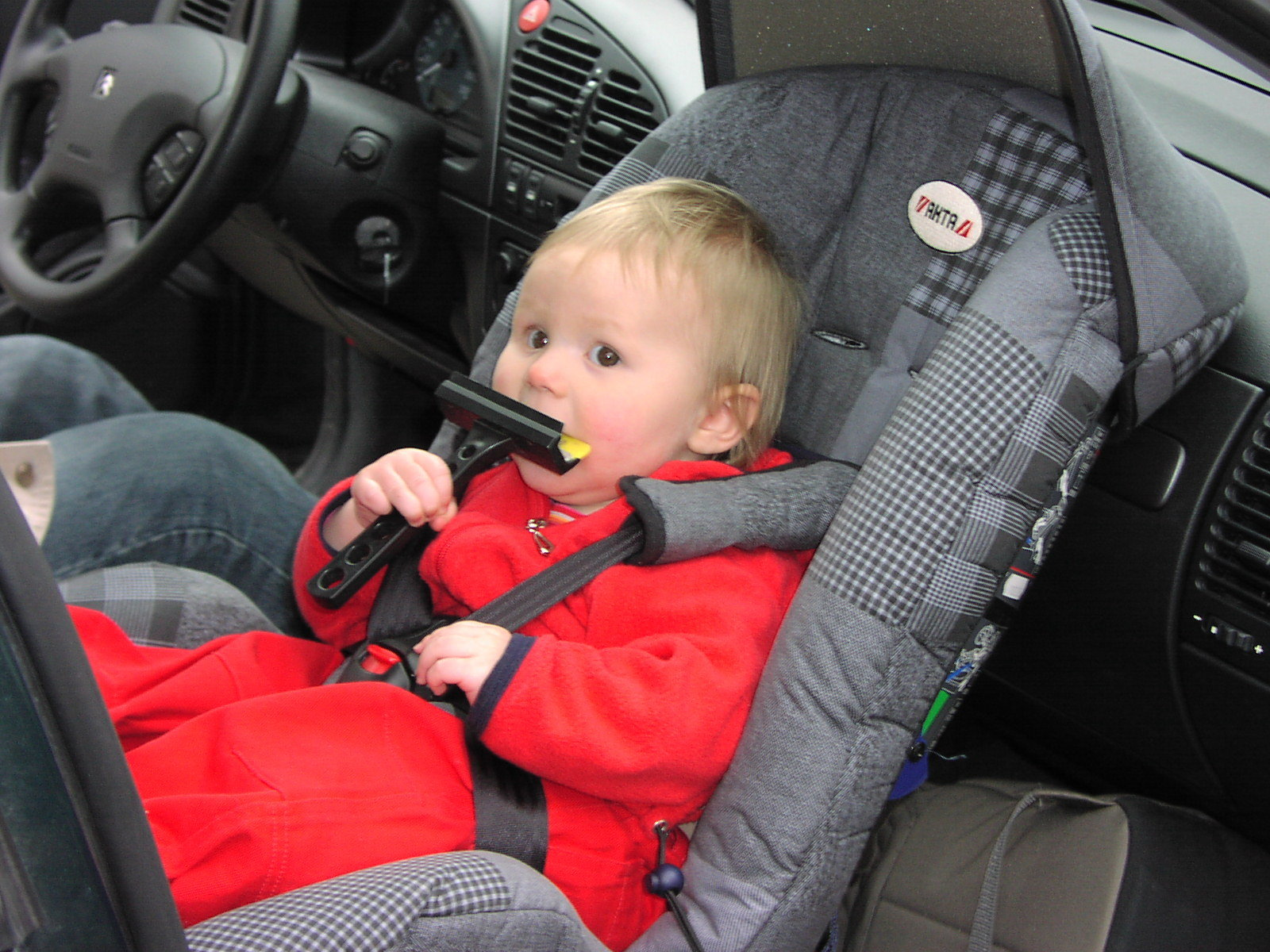
With long hours to fill and no screens in sight, seventies kids found low-tech ways to pass the miles. Classic car games ruled the back seat: spotting license plates from different states, counting cows, the alphabet game using road signs and billboards, and “I spy” kept everyone engaged for surprisingly long stretches. Coloring books, comics, and paperback books came along for quieter moments. And of course, there was the time-honored tradition of bickering with siblings over the invisible line dividing the back seat, punctuated by the eternal refrain of “are we there yet?” Parents managed it all with snacks, the occasional stern word, and the promise of the next rest stop. This screen-free creativity is one of the most charming aspects of the era’s travel.
Roadside Diners and the Family Cooler
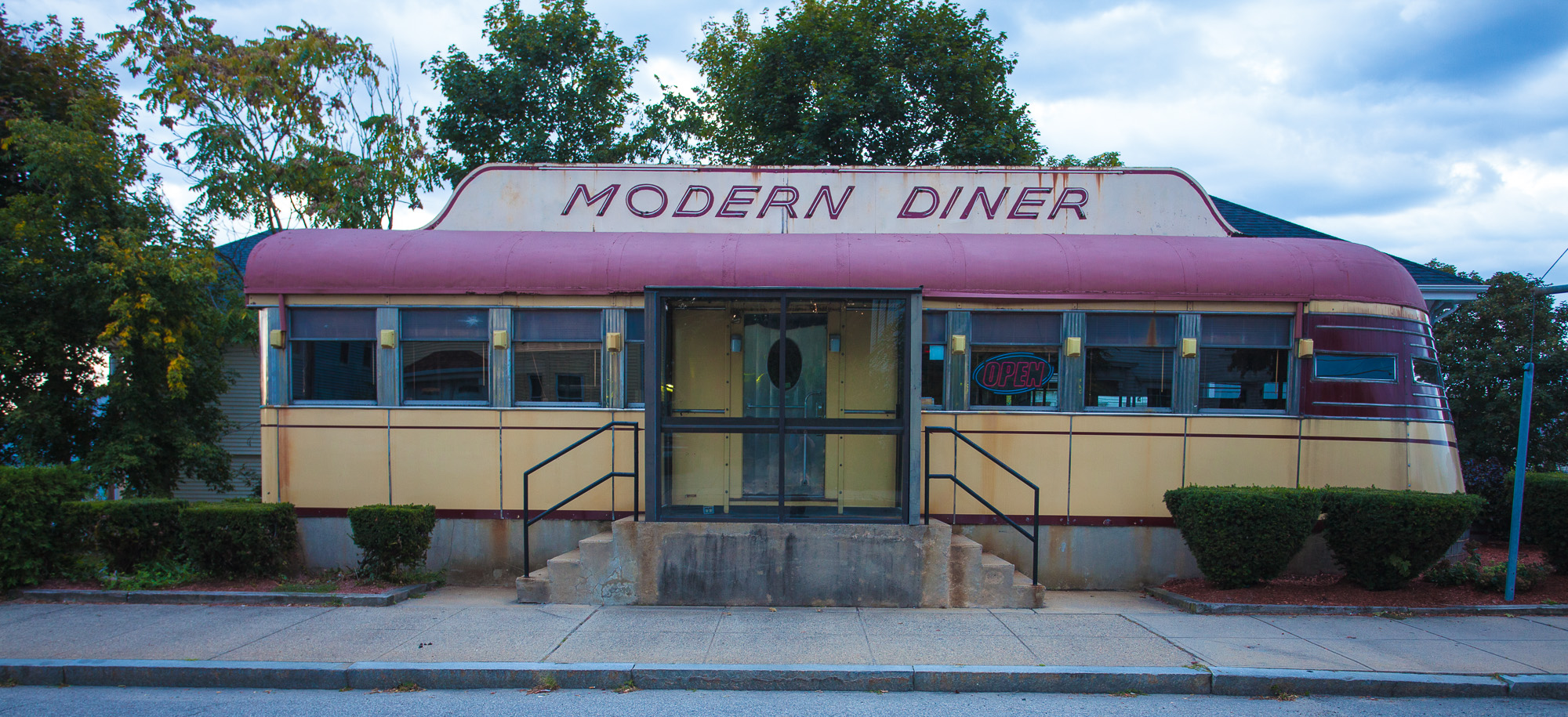
Eating on a seventies road trip was an event in itself. Many families packed a cooler full of sandwiches, fruit, and drinks to eat at roadside picnic tables, saving money and time on long drives. When it was time for a proper meal, the great American diner beckoned, with its counter stools, vinyl booths, and hearty, familiar menu. Stopping at a local diner or a roadside restaurant was a highlight, a chance to stretch your legs and sample a slice of pie in an unfamiliar town. Fast-food chains were also spreading rapidly, offering a quick and reliable bite. Whether it was a homemade sandwich at a rest area or a burger at a roadside stand, mealtime punctuated the journey and gave everyone a welcome break from the car.
Motels with Glowing Signs
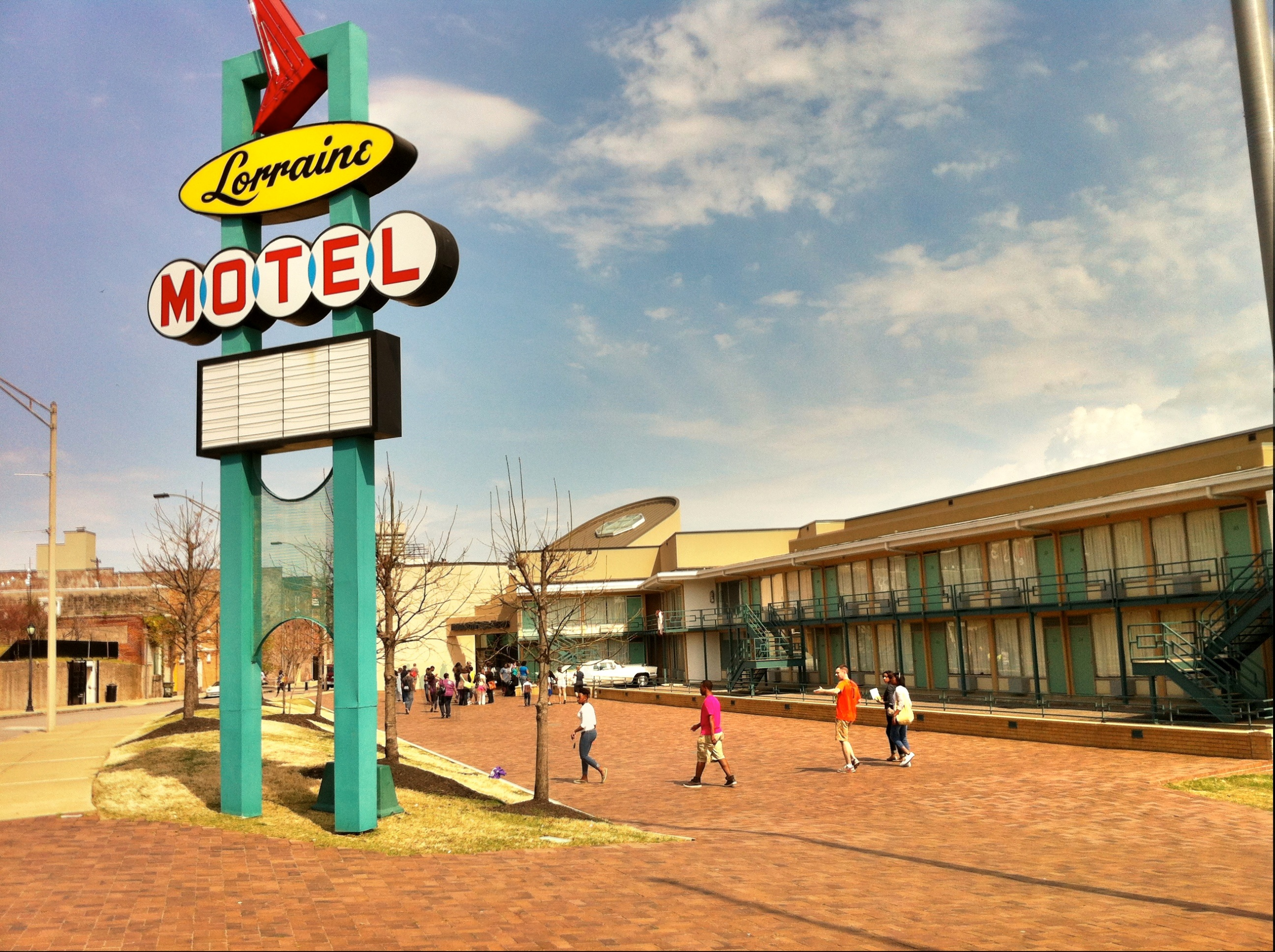
As night fell, the family road trip needed a place to rest, and the roadside motel was the answer. The seventies were the heyday of the American motor lodge, with rows of rooms you could park right in front of, glowing neon signs advertising a vacancy, and the holy grail of amenities: a swimming pool. Pulling into a motel after a long day’s drive, with the kids itching to jump in the pool, was a quintessential road-trip moment. Chains promising consistent, family-friendly accommodations spread along the highways, while quirky independent motels offered character and the occasional themed room. The motel was more than a place to sleep; with its pool, its ice machine, and its promise of rest, it was a destination of its own.
Kitschy Roadside Attractions
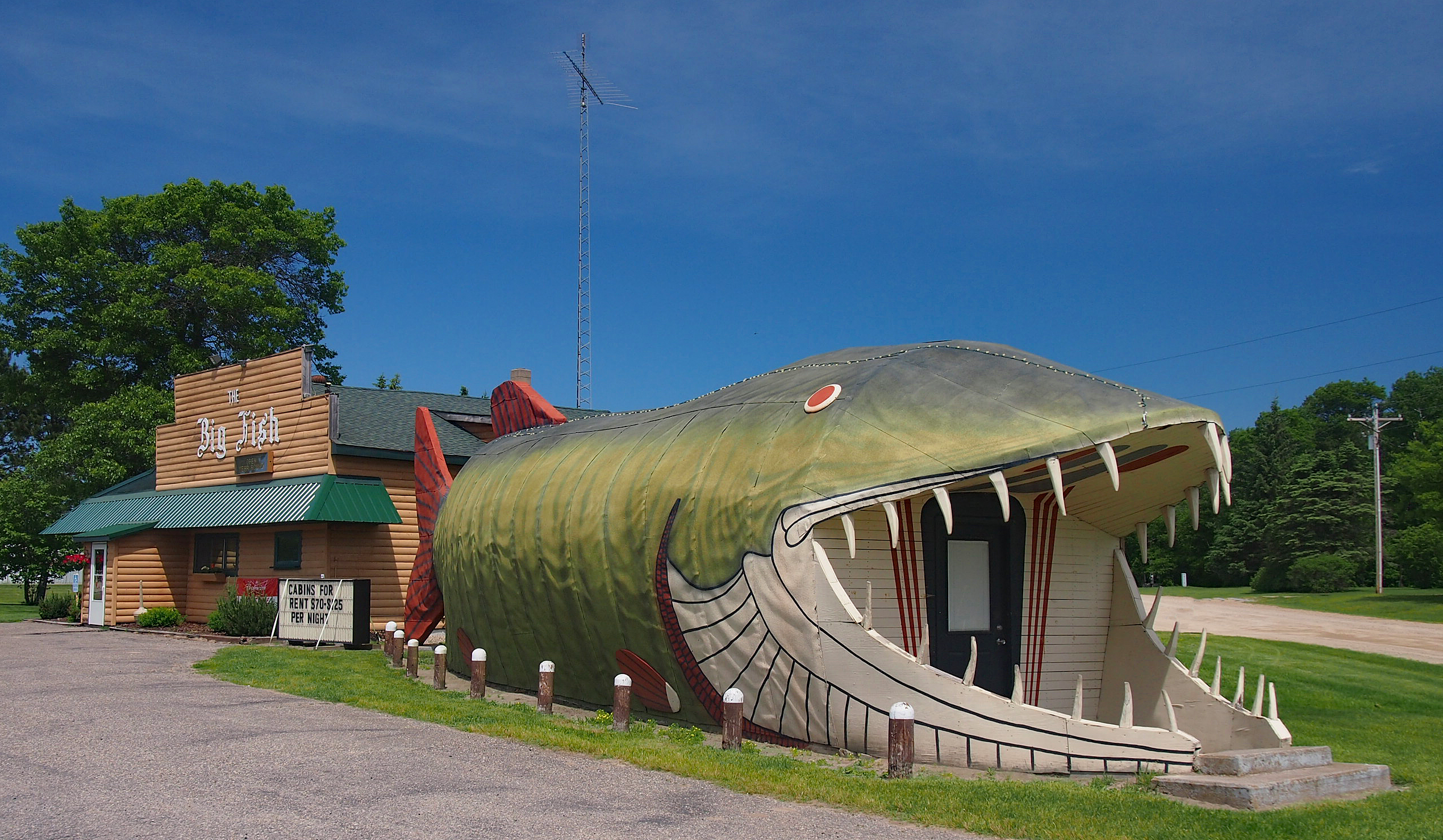
Half the fun of a seventies road trip was what you found along the way. The highways were dotted with gloriously kitschy roadside attractions designed to lure travelers off the road: the world’s largest ball of twine, giant fiberglass statues, caverns and trading posts, mystery spots, and countless other oddities advertised by billboards for miles in advance. Parents might groan, but kids would beg to stop, and these quirky landmarks became unforgettable highlights of the trip. They embodied the spirit of the open road, the sense that the journey held surprises around every bend. Snapping a photo beside a giant roadside dinosaur or oversized statue was the kind of memory that lasted a lifetime, and these attractions gave each trip its own collection of stories.
The Slow, Scenic Pace
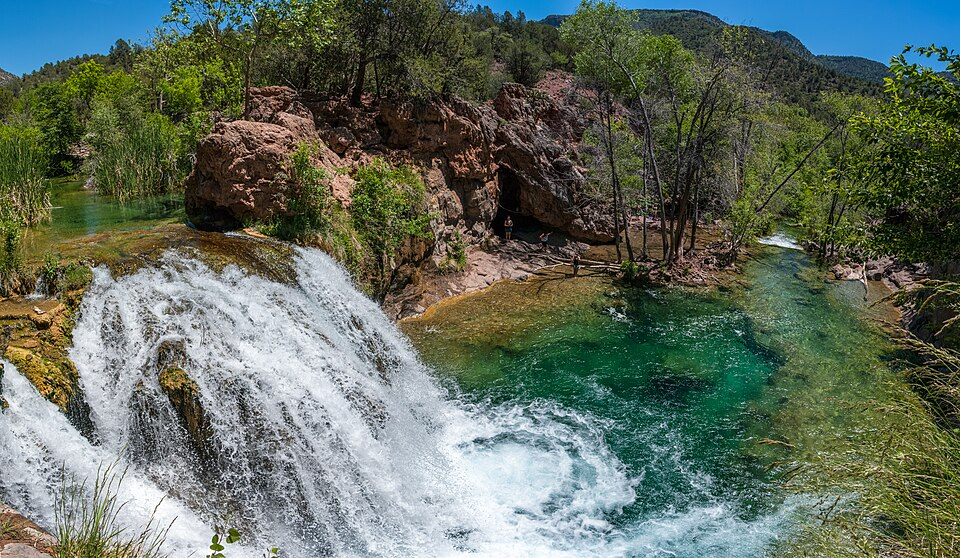
The seventies road trip unfolded at a slower, more deliberate pace than modern travel. Without GPS to optimize every minute or a phone to fill every idle moment, families simply watched the landscape roll by, took in the scenery, and let the drive breathe. Long stretches of highway invited daydreaming, conversation, and the simple pleasure of looking out the window. Stops happened when someone needed a break or something interesting appeared, not according to a rigid schedule. This unhurried rhythm, with its inevitable detours and discoveries, made the journey feel like a real shared experience rather than just transit between two points. The destination mattered, of course, but in the seventies, getting there was genuinely a big part of the adventure.
A Journey to Remember
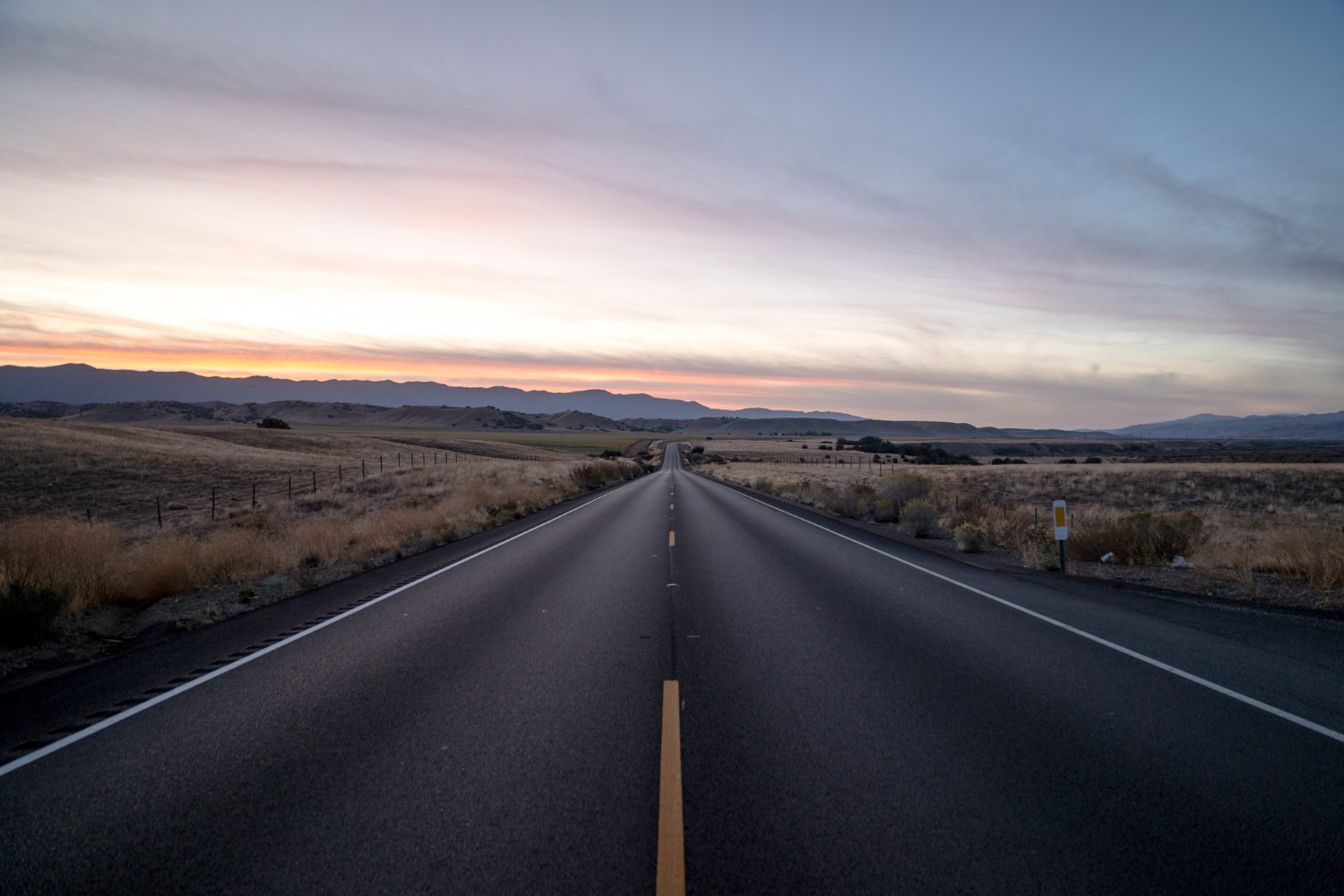
The 1970s family road trip was an institution, a sweaty, crowded, gloriously analog adventure that brought families together for better and occasionally for worse. From the wood-paneled station wagon and the unfolded paper map to the 8-track soundtrack, the cooler of sandwiches, the neon-lit motel, and the irresistible roadside oddities, every element added up to an experience that’s almost impossible to replicate today. It was slower, less safe in some ways, and far less convenient, but it was also rich with shared moments, real surprises, and the simple magic of the open road. For anyone who grew up climbing into the way back of the family wagon, the seventies road trip remains one of childhood’s great adventures, an experience defined as much by the people crammed in the car as by wherever the road finally led.
Like our content? Follow us for more.