

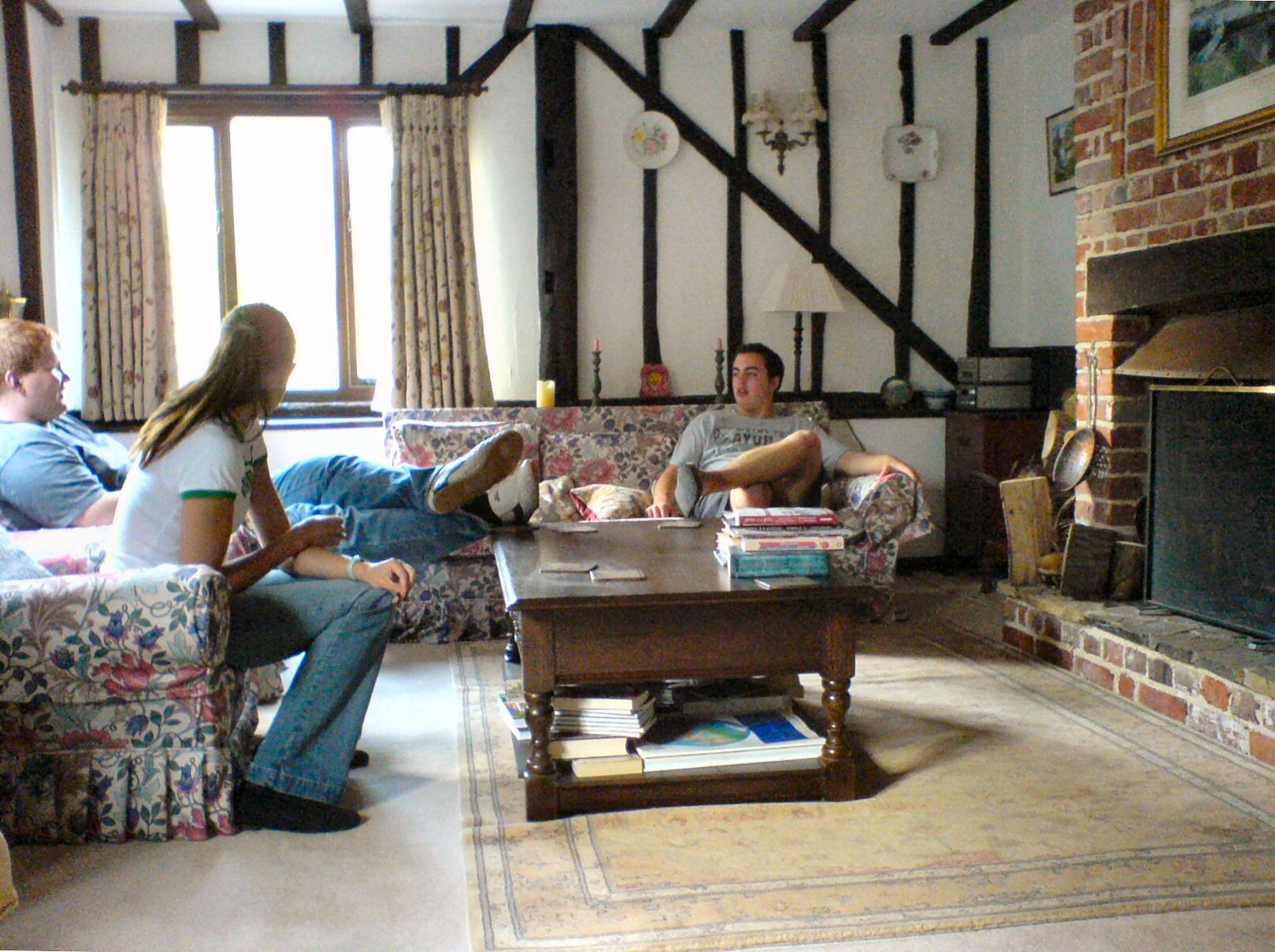
There is a special kind of memory reserved for a grandparent’s house. The particular smell of it, the specific objects on the shelves, the rituals of every visit, these details stay with us for a lifetime. For generations of Americans, those houses shared a remarkably consistent set of features, a whole vocabulary of furnishings and objects that signaled “grandma’s house.” Many of them have now largely vanished, victims of changing tastes, new technology, and the passing of an era. Here is a fond look back at the things that filled a grandparent’s home, and the reasons you rarely see them anymore.
The Plastic-Covered Sofa
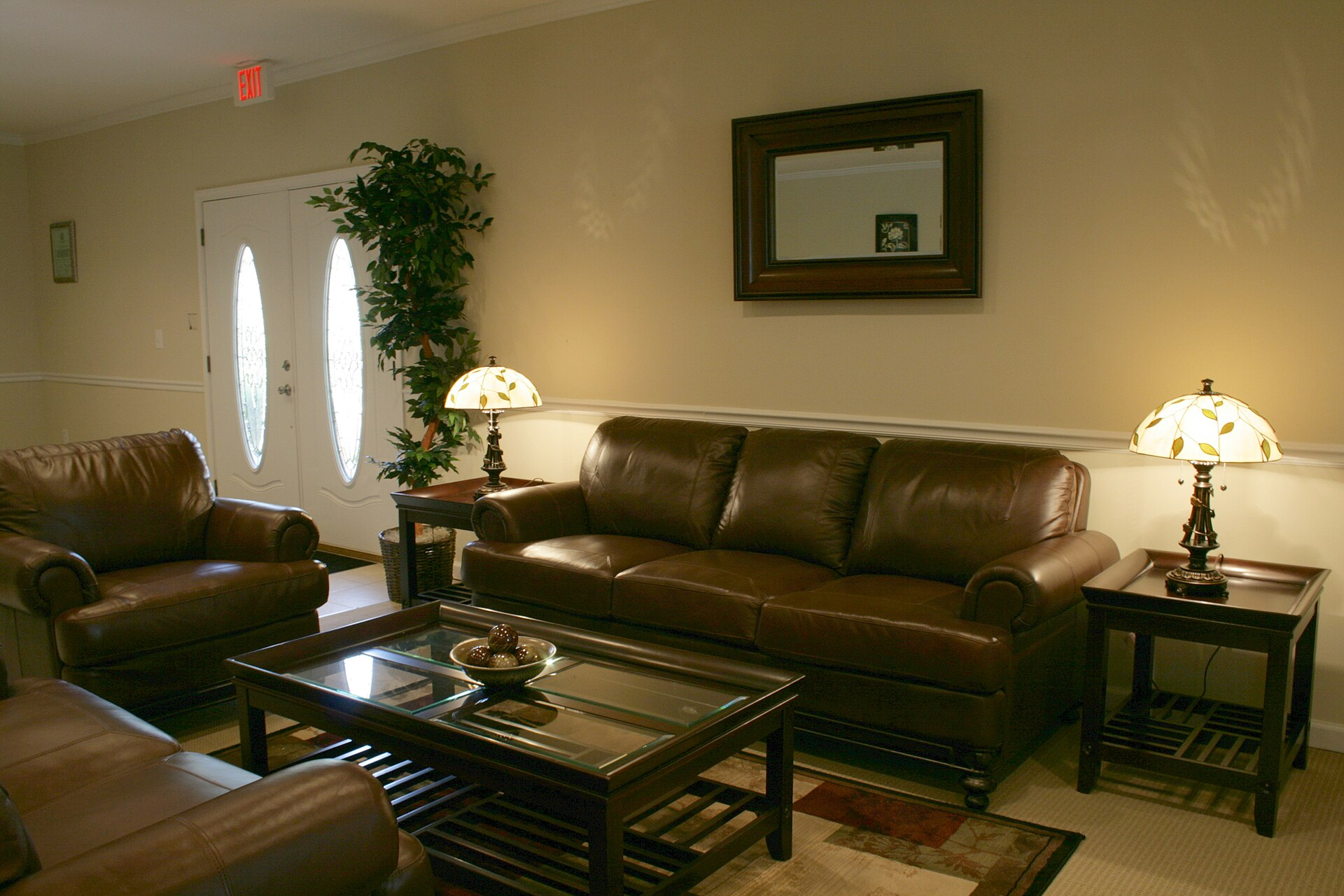
Among the most universal features was the living-room furniture sealed in clear plastic slipcovers. Grandparents protected their “good” sofa and chairs with fitted vinyl covers that stuck to your legs in summer and crackled when you sat down, preserving the upholstery for a special occasion that never quite seemed to arrive.
This practice, born of a Depression-era impulse to make nice things last forever, has almost entirely disappeared. Modern attitudes favor actually using and enjoying furniture rather than entombing it in plastic. The sweaty, squeaky plastic-covered couch is a powerfully nostalgic memory, a symbol of a generation that treasured and protected its few fine possessions.
Like our content? Follow us for more.
The Candy Dish That Was Always Full

On the coffee table or sideboard sat the candy dish, often a cut-glass bowl, perpetually filled with hard candies, those strawberry-shaped sweets in their wrappers, ribbon candy, or butterscotch discs. It was a fixture of every visit, an unspoken offering to grandchildren and guests alike.
The ever-present candy dish reflected an era of hospitality and small indulgences. While people still keep candy around, the formal, always-full glass dish as a permanent furnishing has faded. Those specific old-fashioned candies, slightly dusty, mysteriously ancient, are inseparable from the memory of a grandparent’s home, and the sight of one can transport people back decades.
The Rotary Phone on the Wall
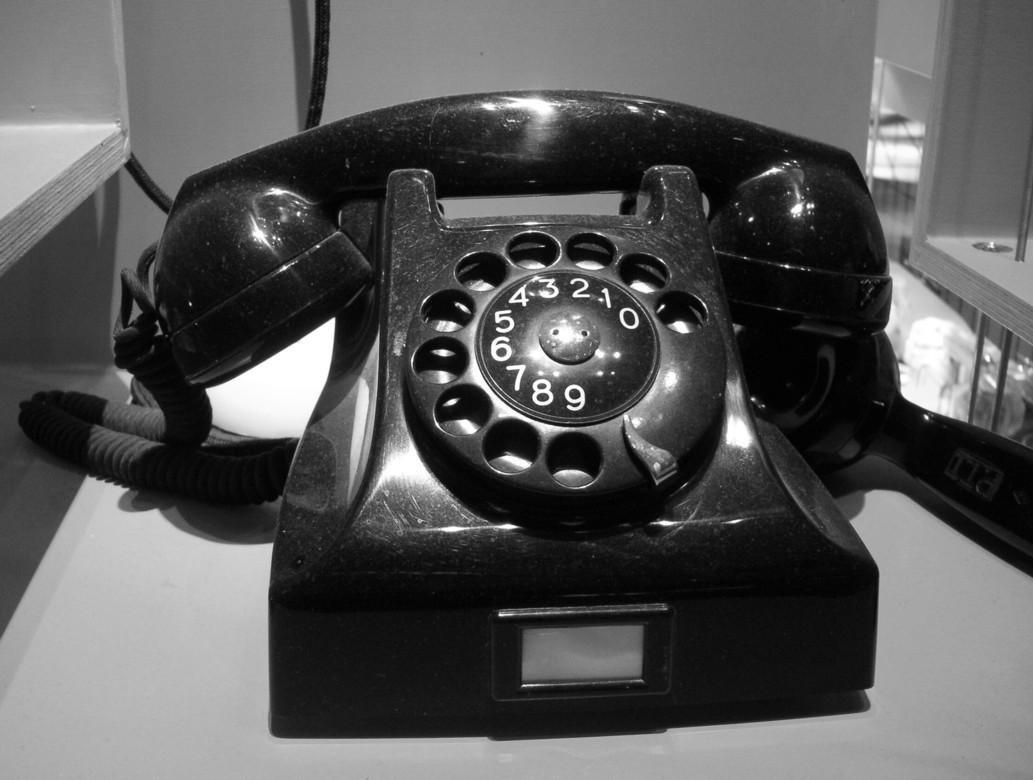
Mounted in the kitchen or hallway, often with an impossibly long curling cord, was the rotary telephone. You dialed by spinning the numbered wheel and waiting for it to whir back, and a single phone served the whole house. Long conversations meant stretching the cord around corners for a sliver of privacy.
Cordless phones, then cell phones, made the wall-mounted rotary phone obsolete. For younger generations, the very act of dialing a rotary phone is a baffling novelty. The kitchen wall phone with its tangled cord was the communication hub of the grandparent’s house, and its disappearance marks the broader revolution in how we connect.
Doilies, Antimacassars, and Decorative Coverings
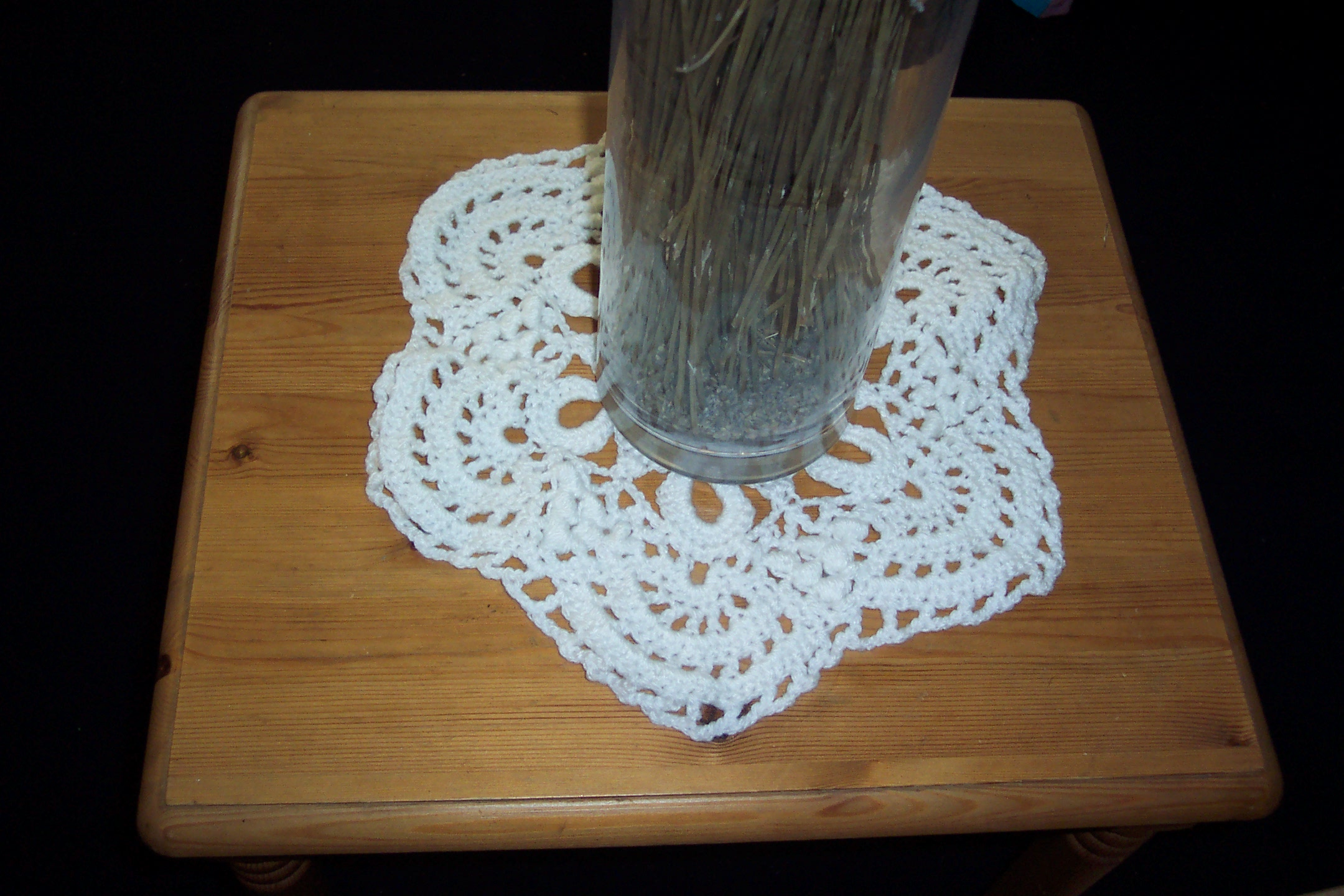
Grandparents’ homes were full of small decorative textiles: crocheted doilies under every lamp and knickknack, antimacassars draped over the backs and arms of chairs, and protective coverings on every surface. These delicate, often handmade pieces signaled care, propriety, and domestic pride.
This layer of decorative protection has largely vanished from modern homes, which favor cleaner, more minimal surfaces. The doily, once a marker of a well-kept home, now reads as distinctly old-fashioned. These small textiles, often made by hand by the grandparents themselves, were part of the visual texture of a generation’s homes.
The Console Television and the TV Guide
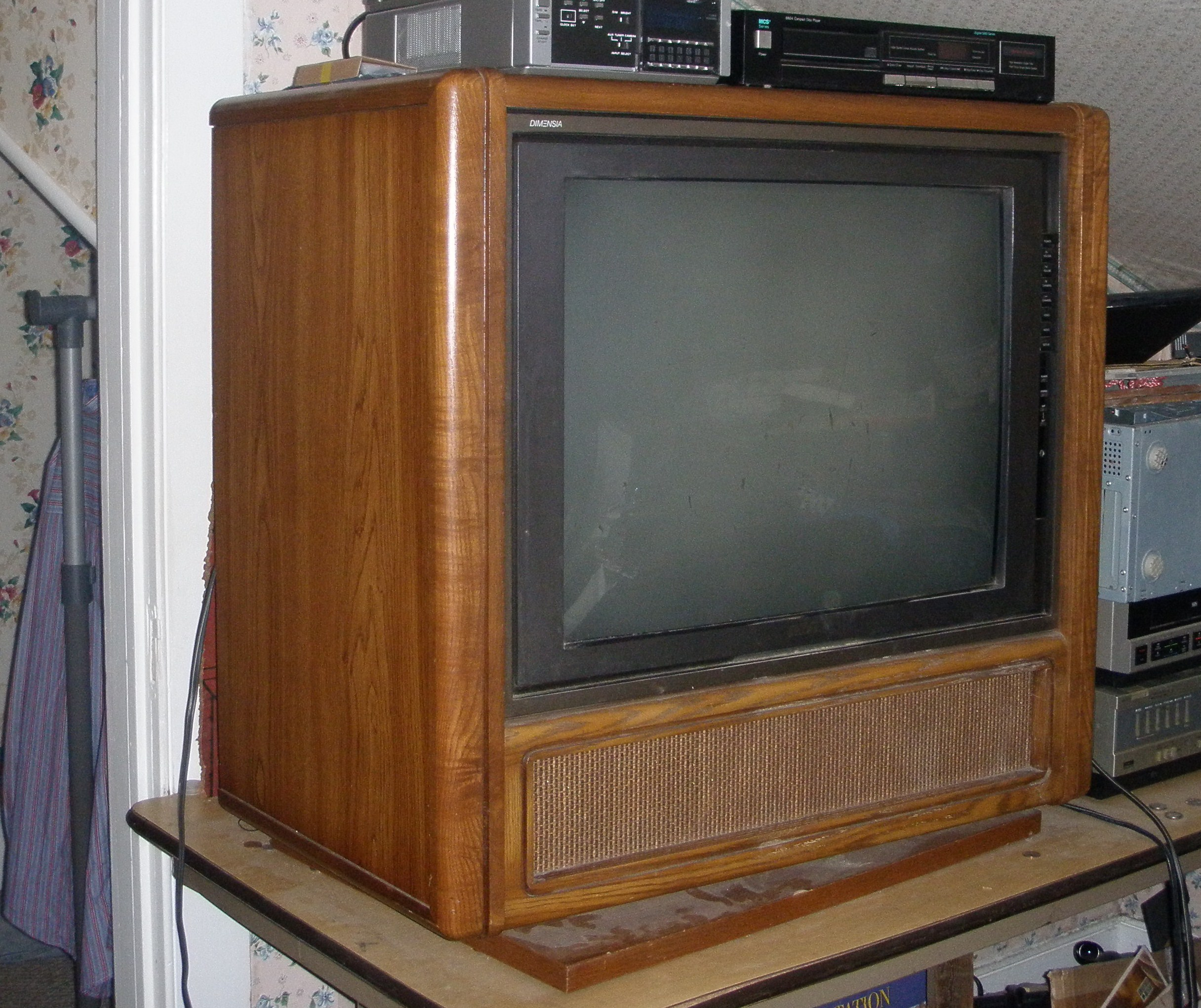
The television in a grandparent’s house was often a massive piece of wooden furniture, a console TV that doubled as a cabinet, with the screen built into an ornate wooden body. Atop it might sit framed photos and figurines, and nearby was the well-thumbed TV Guide magazine, essential for knowing what was on.
Flat-screen televisions and streaming made both the furniture-sized console TV and the printed TV Guide obsolete. The console television, treated as a centerpiece of the living room and a fine piece of furniture, is a relic of an age before screens grew thin and ubiquitous. Many grandchildren remember being entrusted with carefully adjusting its dials and antenna.
The Formal Living Room No One Used
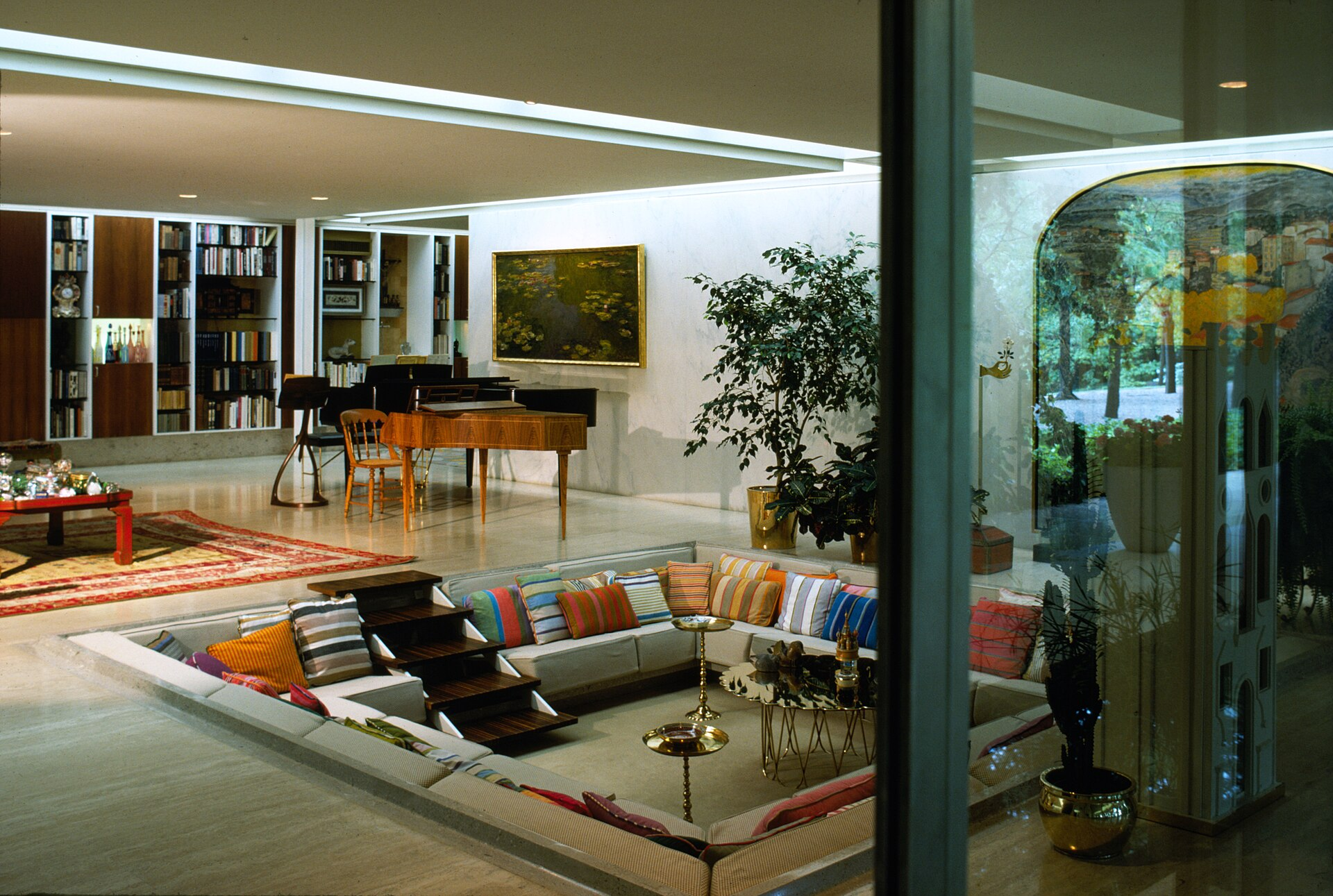
Many grandparents kept a formal living room or parlor reserved for special occasions and important guests, a pristine space, often with the best furniture, that grandchildren were warned not to play in. Real life happened in the den or kitchen, while this room sat waiting for company that rarely came.
The idea of dedicating a whole room to occasional formal use has faded as homes became more casual and open-plan. The “good room,” kept perfect and largely unused, reflected an era’s sense of propriety and the importance of being prepared for guests. Its disappearance mirrors the broader shift toward informal, lived-in homes.
Hard Candy, Home Cooking, and a Full Pantry
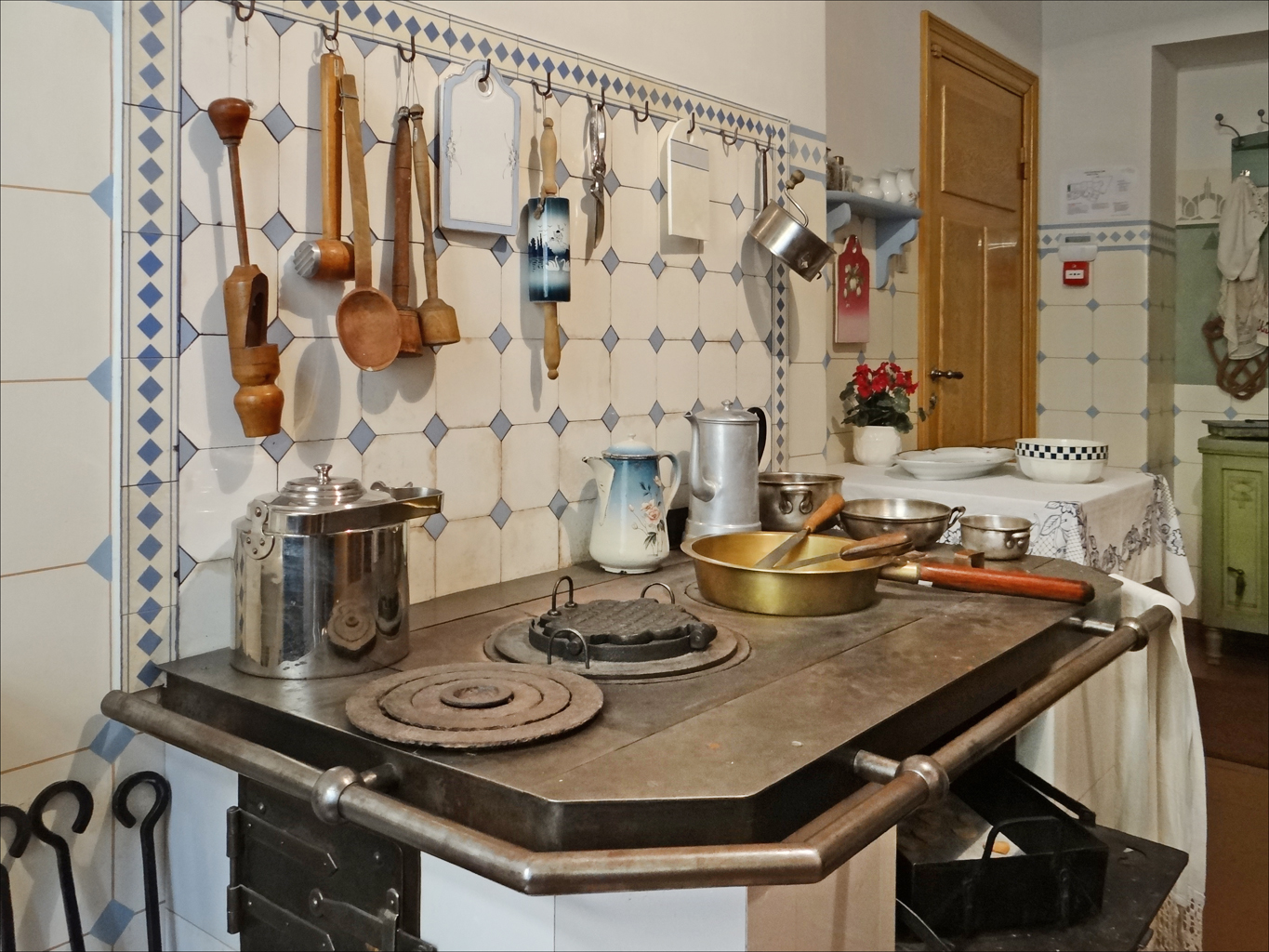
The grandparent’s kitchen had its own distinctive character: a pantry stocked with home-canned goods, a cookie jar that was always full, specific dishes made from memory without a recipe, and the particular aromas of a kitchen where cooking happened from scratch every day. Mealtimes were events, and no one left hungry.
The traditions of home canning, daily from-scratch cooking, and the perpetually full cookie jar have faded with busier lives and convenience foods. The grandparent’s kitchen was a place of abundance and care, its smells and flavors among the most powerful triggers of nostalgia. Many people would give anything for one more meal made by those hands.
The Smells and Sounds That Went With Them
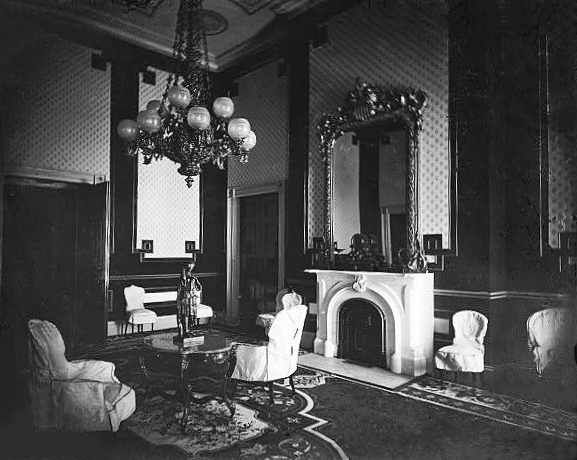
Beyond the objects themselves, a grandparent’s house had a distinctive sensory signature that lives on powerfully in memory. There was the particular smell, some combination of cooking, mothballs, old books, a specific soap or perfume, and decades of living, that hit you the moment you walked in the door and that instantly meant “grandma’s house.” No two were quite alike, yet everyone who had one remembers theirs.
There were sounds too: the tick of a particular clock, the hum of an old refrigerator, the creak of specific floorboards, the chime of a mantel clock marking the hour. These sensory details are among the most powerful memory triggers of all, capable of transporting people back decades in an instant. Long after the plastic-covered sofas and rotary phones are gone, it is often a stray smell or sound that brings a grandparent’s house rushing back, more vividly than any photograph ever could.
Why So Much of It Disappeared

The vanishing of these grandparent’s-house staples reflects sweeping changes in technology, taste, and daily life. Cell phones replaced the wall phone, flat screens replaced the console TV, and casual modern decor replaced the doilies, plastic covers, and formal parlors. Convenience culture changed the kitchen, and a generation’s particular habits of thrift and propriety faded with them.
For those who remember these houses, the nostalgia is deep and specific, tied to particular objects, smells, and the people who kept them. These homes reflected the values of a generation shaped by hard times: thrift, hospitality, pride in a well-kept house, and the careful preservation of a few good things. The plastic-covered sofa and the always-full candy dish may be gone, but for those lucky enough to have known them, they remain among the most vivid and beloved memories of all, a warm and slightly crackly link to grandparents who made every visit feel like home.
Like our content? Follow us for more.

