For generations, a trip to the movie theater was a special event, and the experience looked very different from today’s stadium-seat multiplexes. There was one big screen, a grand marquee out front, and a whole ritual built around the show, from the newsreel to the intermission. Many of the features that defined the classic American movie house have since vanished as cinemas modernized and home viewing changed how we watch films. Looking back at them brings the old picture palace flickering to life. Here are thirteen things nearly every American movie theater had decades ago, counted down one by one.
1. A Towering Marquee Out Front
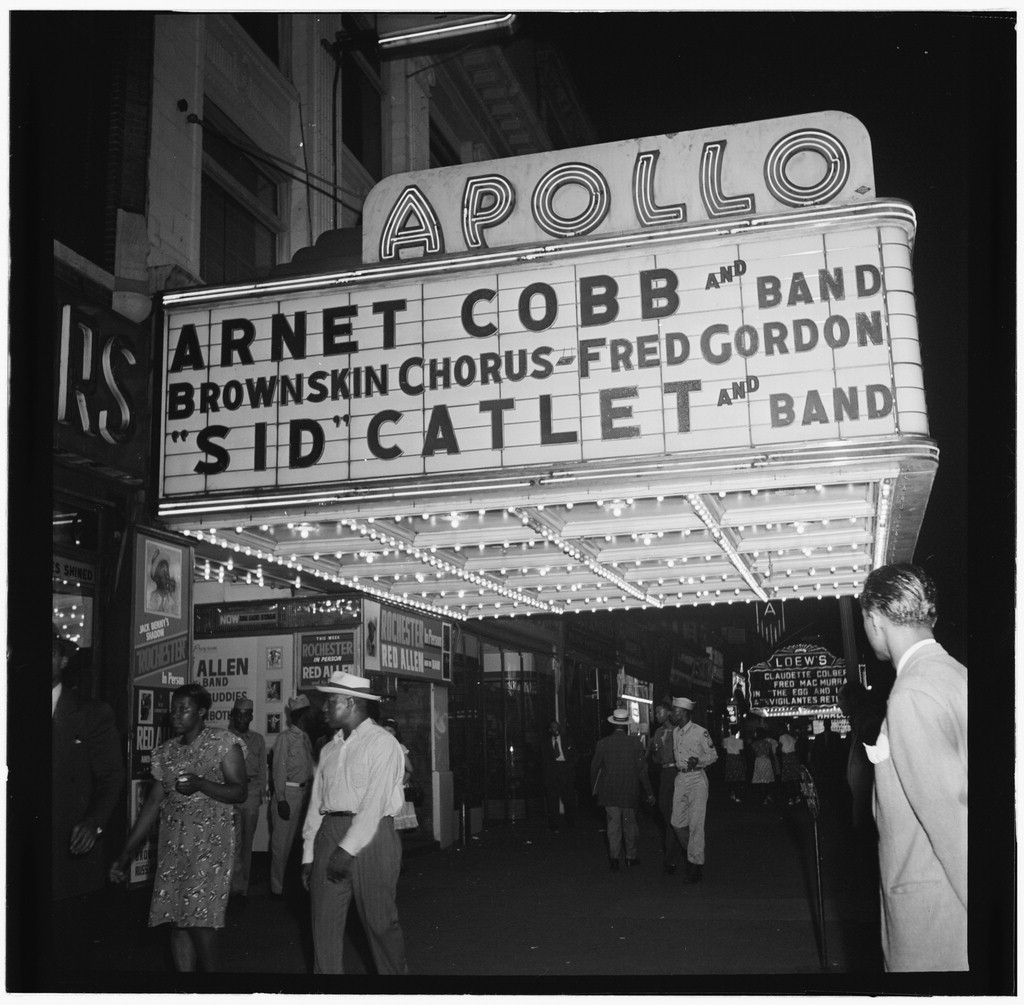
A glowing marquee with movable letters announced the films and lit up the street. It was the theater’s grand calling card.
The classic movie theater announced itself with a towering, brightly lit marquee, its rows of black letters spelling out the current features and showtimes. Strung with bulbs that glowed against the evening sky, the marquee was a landmark in town and an irresistible invitation to come inside. Staff changed the letters by hand with long poles. That illuminated marquee is one of the most iconic images of the classic American cinema, a beacon of entertainment that made heading to the movies feel like a genuine occasion.
2. A Single Giant Screen
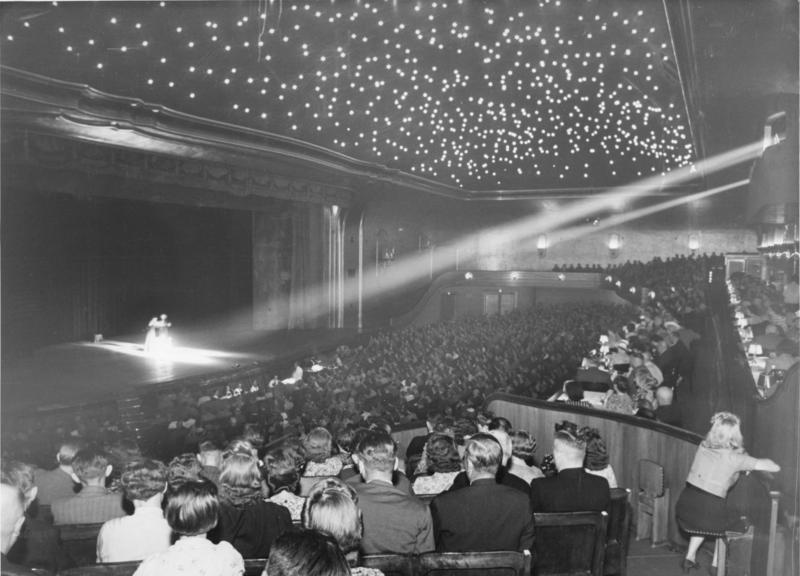
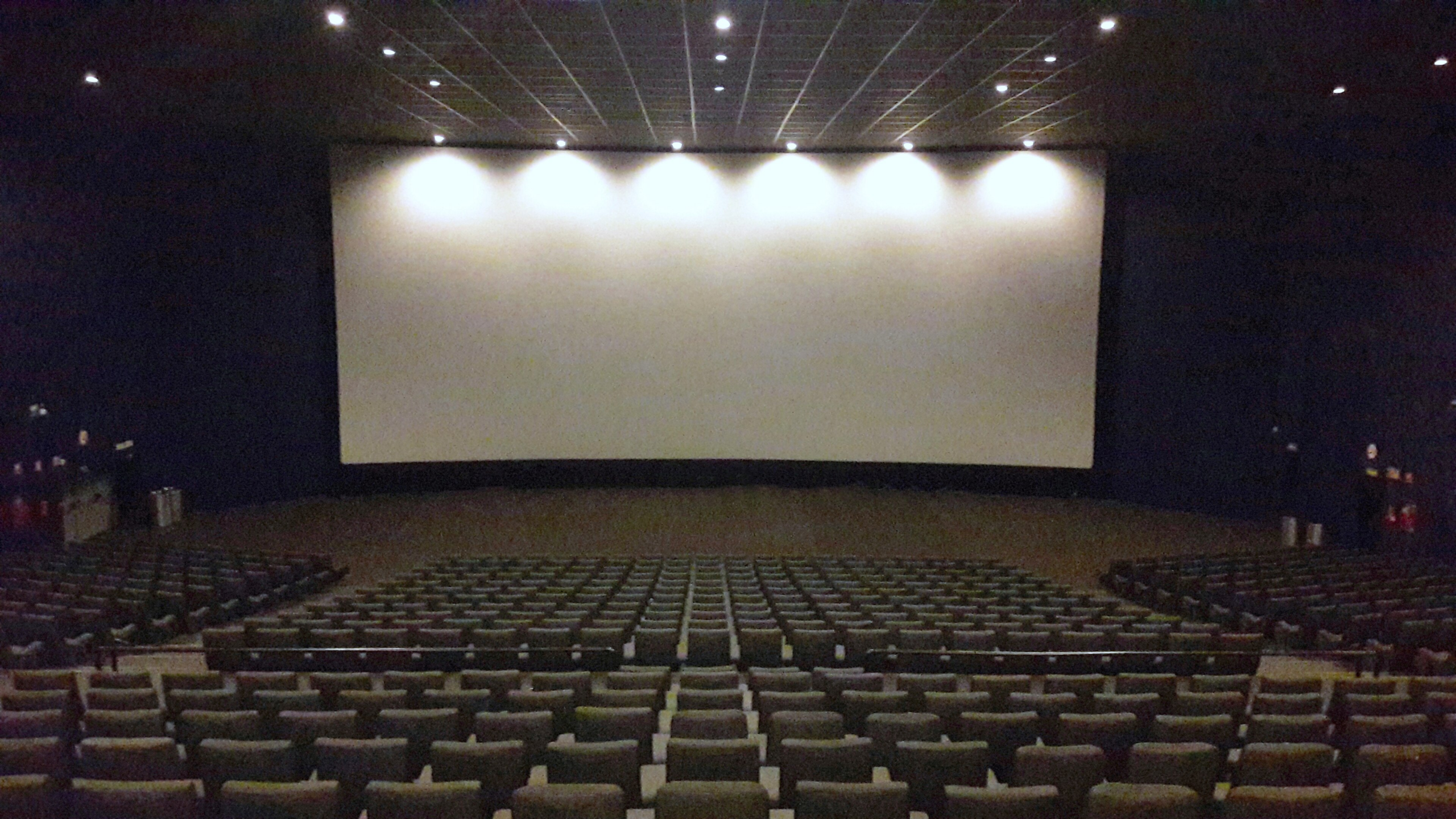
Before multiplexes, the theater had one enormous screen in a grand auditorium. Everyone watched the same film together.
The heart of the old movie house was a single, massive screen in one cavernous auditorium that could seat hundreds or even thousands. There were no choices of a dozen films, just the feature of the week, shown to a full house. The sheer scale of the screen and room made the experience grand and communal. This single-screen setup defined moviegoing for decades, and its replacement by multi-screen complexes marks one of the biggest changes in how Americans experience films at the theater.
3. The Ornate, Palace-Like Décor
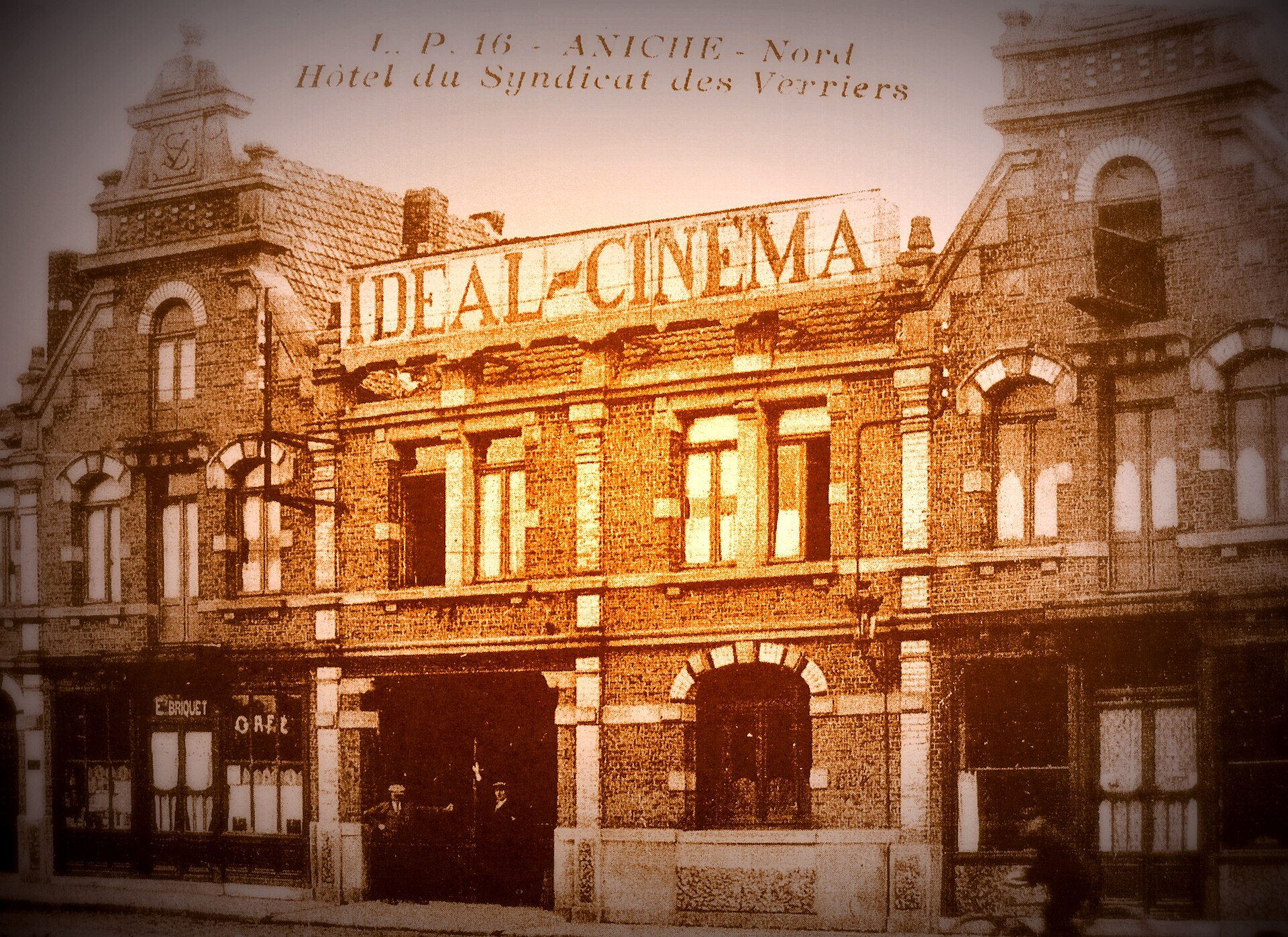
Old theaters were lavishly decorated, with chandeliers, gilded trim, and grand staircases. They were called “picture palaces” for good reason.
Many classic movie theaters were architectural showpieces, lavishly decorated with chandeliers, plush carpets, gilded moldings, painted ceilings, and sweeping staircases. Designed to make ordinary moviegoers feel like royalty, they earned the name “picture palaces.” Stepping inside was part of the magic, an escape into opulence. While a few grand old theaters have been lovingly restored, most gave way to plainer modern multiplexes. That palatial décor is a cherished memory of the golden age of cinema, when the building itself was part of the show.
4. An Usher with a Flashlight
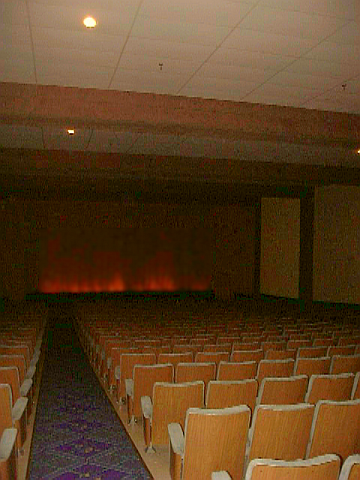
Uniformed ushers guided patrons to their seats in the dark with a flashlight. They kept order and helped latecomers find a spot.
The old movie theater employed uniformed ushers, who tore tickets, kept order, and, most memorably, guided patrons to their seats in the darkened auditorium with a small flashlight. They shushed noisy crowds and helped latecomers find a spot without tripping. It was a job that lent the cinema a touch of formality and service. The attentive usher with a flashlight is a fondly remembered fixture of the classic moviegoing experience, a personal touch that has largely disappeared from today’s self-service theaters.
5. A Cartoon and Newsreel Before the Feature
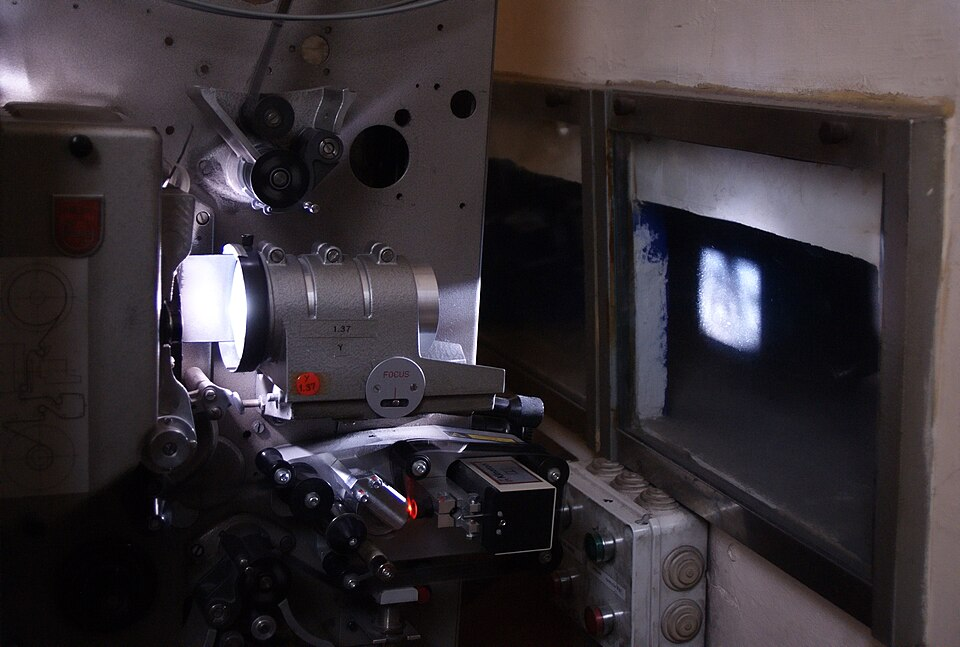
The main movie was preceded by a cartoon short and a newsreel. The program offered more than just the headline film.
Decades ago, the feature film wasn’t the only thing on the bill. The program typically opened with a short animated cartoon and a newsreel, the latter delivering current events to audiences in the days before television news was universal. There might also be a serial or a second feature. The full program made an afternoon at the movies a rich, varied experience. The cartoon-and-newsreel opener is a beloved memory of the classic cinema, a quaint reminder of moviegoing as a whole afternoon’s entertainment.
6. An Intermission
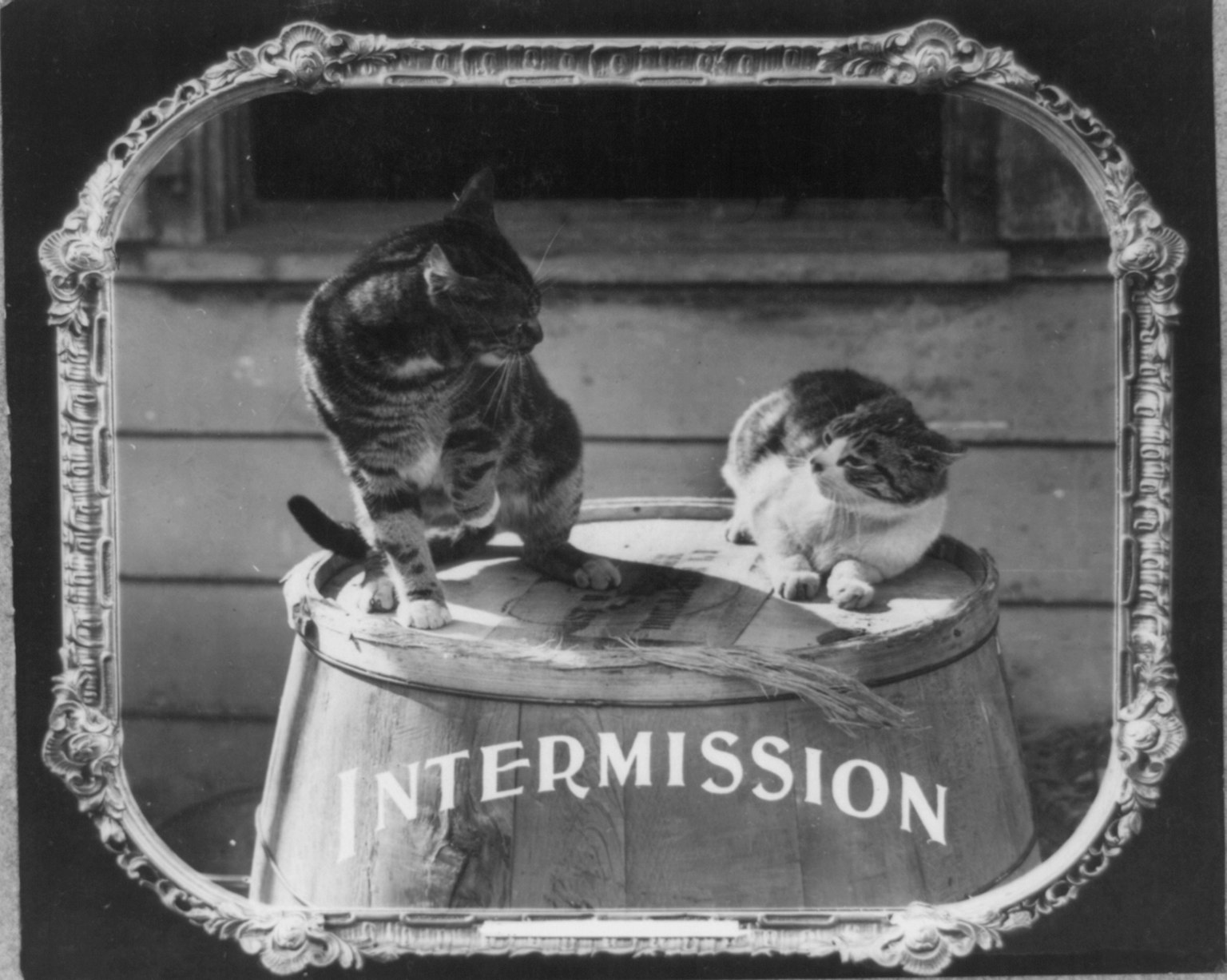
Longer films, and double features, came with an intermission. It was a chance to stretch and refill the popcorn.
Many showings, especially of long epics or double features, included an intermission, a scheduled break partway through when the lights came up and patrons could stretch their legs, visit the restroom, or head to the lobby for more snacks. An “Intermission” card would appear on screen, sometimes with a countdown. It gave the moviegoing experience a leisurely, event-like rhythm. The intermission is a nostalgic feature of the classic cinema, a built-in pause that has all but vanished from the modern, run-it-straight-through theater.
7. A Real Popcorn Popper in the Lobby
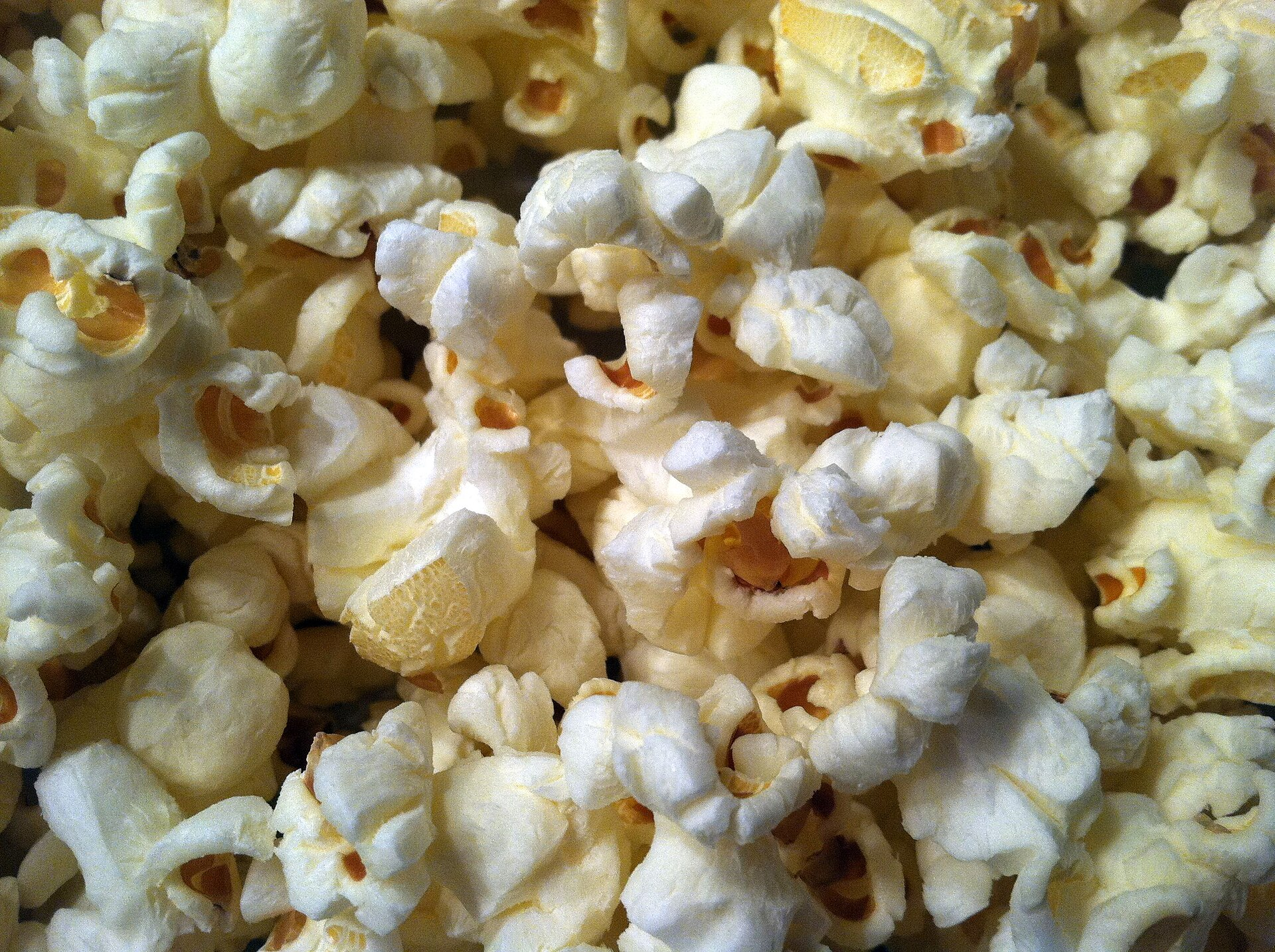
Fresh popcorn was popped right in the lobby, filling the air with its irresistible aroma. The smell was half the experience.
The lobby of the old movie theater featured a popcorn machine popping fresh batches right before your eyes, filling the whole space with a buttery aroma impossible to resist. Popcorn became inseparable from the moviegoing experience, served in paper bags or boxes. The sight and smell of the popper drew everyone to the concession stand. That fresh-popped popcorn and its mouthwatering scent are among the most beloved sensory memories of the classic cinema, a tradition that, happily, endures in spirit today.
8. The Classic Concession Stand
The concession counter offered candy, soda, and popcorn from a glass display. Treats were a key part of the outing.
Beyond popcorn, the concession stand was a treasure trove of movie treats, boxes of candy lined up in a glass case, fountain sodas, and other goodies, all part of the ritual of settling in for the show. Choosing your candy was a small but serious decision. The concession counter, with its glowing display and friendly attendant, was a destination in itself. The classic movie-theater snack bar is a warmly remembered part of the experience, where the treats were nearly as important as the film.
9. A Smoking Section (or Smoking Allowed)
In earlier decades, smoking was permitted in theaters, often in a designated balcony or section. Haze sometimes hung in the projector beam.
In earlier eras, it was common for moviegoers to smoke inside the theater, sometimes anywhere, later in a designated section or the balcony. A faint haze could often be seen drifting through the beam of the projector. As awareness of the effects of indoor smoking grew, theaters, like most public spaces, banned it entirely in later decades. The former presence of smoking in cinemas is a striking reminder of how much everyday norms have changed, and a detail of the classic theater that feels almost unimaginable today.
10. Velvet Ropes and a Grand Lobby
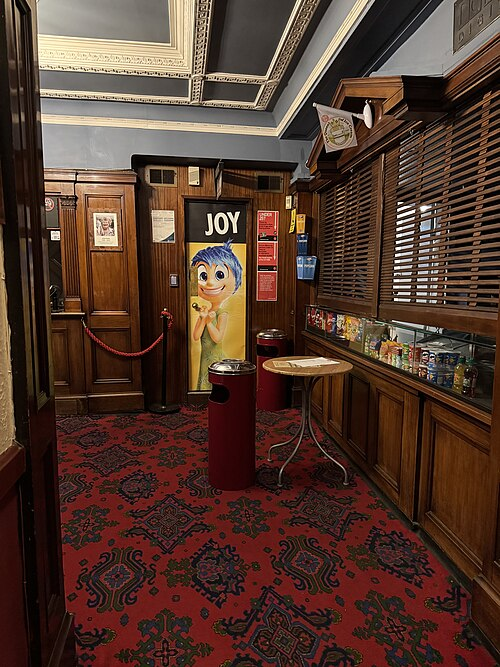
A spacious lobby with velvet ropes managed the crowds waiting for the next show. The lobby set the stage for the experience.
The classic movie house featured a grand lobby where patrons gathered before the show, often organized by velvet ropes on brass stanchions to manage the line for the next screening. Decorated to match the theater’s opulent style, with posters of coming attractions on display, the lobby built anticipation. Waiting there was part of the fun. The elegant lobby with its velvet ropes is a fondly remembered feature of the classic cinema, a grand waiting room that made the simple act of seeing a movie feel important.
11. The Balcony
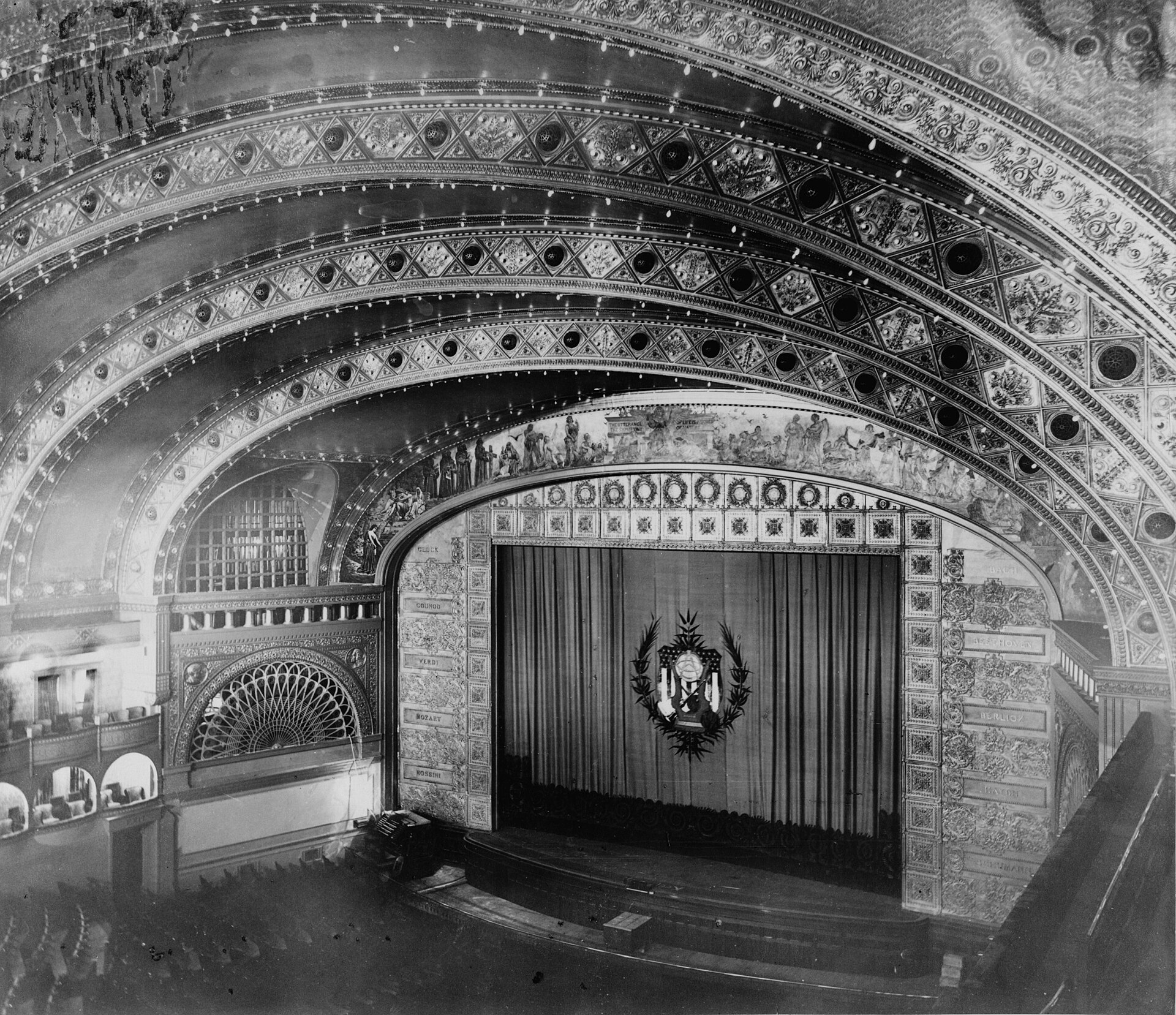
A second-floor balcony offered extra seating and a coveted view. It was a favorite spot for many moviegoers.
Many older theaters featured a balcony, a second tier of seating that offered a different vantage point on the big screen and a sense of occasion. Some patrons preferred the view from above, and the balcony often had its own character and following. As theaters were divided into smaller multiplex screens or rebuilt, the grand balcony largely disappeared. The movie-theater balcony is a nostalgic feature of the classic picture palace, remembered fondly by those who had a favorite seat up in the second tier.
12. Double Features and the Matinee
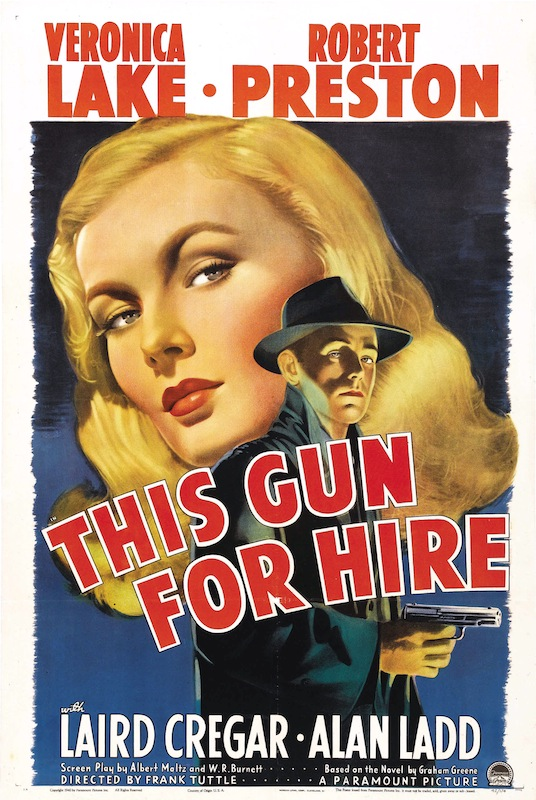
For one admission, audiences often got two films, and matinees offered cheap daytime showings. It was great value and a full outing.
Decades ago, theaters frequently offered double features, two full-length films shown back to back for a single admission, making for an entire afternoon or evening of entertainment. Affordable matinee showings drew families and kids during the day. The combination meant moviegoers got tremendous value and a long, leisurely escape. The double feature and the matinee are beloved memories of the classic cinema, when one ticket could buy a whole afternoon of movies and the theater was a budget-friendly destination.
13. Hand-Painted Posters and Lobby Cards
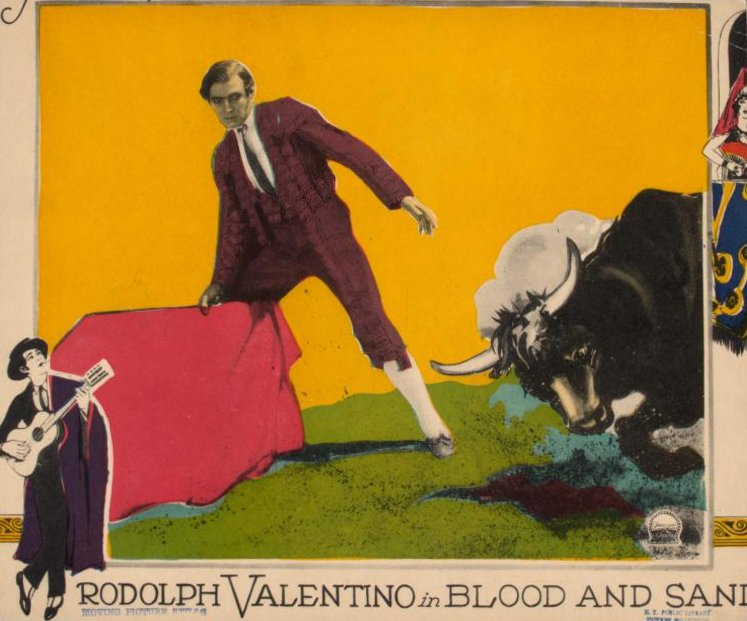
Coming attractions were promoted with large posters and lobby cards displayed in glass cases. They built excitement for upcoming films.
The classic theater promoted its films with large posters and lobby cards, often displayed in glass-fronted cases in the lobby and out front. These eye-catching displays advertised both the current feature and coming attractions, building anticipation for the films ahead. Collectors now prize the artwork of that era. The poster-filled display cases are a nostalgic detail of the old movie house, the colorful advertisements that beckoned passersby and got moviegoers excited about what was playing next at their local cinema.
The Magic of the Movies
Taken together, these thirteen things capture the unmistakable character of the American movie theater of decades past, a grand, communal experience built around a single giant screen, an ornate picture palace, ushers and intermissions, and the irresistible smell of fresh popcorn. Going to the movies was an event, complete with cartoons, newsreels, and a whole afternoon’s worth of entertainment.
The way we watch films has changed enormously, from the rise of the multiplex to home video and streaming, and much of the old theater’s grandeur and ritual has faded into memory. Yet the magic of the movie theater endures, and many of these traditions, like fresh popcorn and the thrill of the big screen, live on. Looking back at the classic American cinema is a fond reminder of when seeing a movie meant dressing up, lining up under a glowing marquee, and settling into a palace of entertainment for an unforgettable afternoon at the show.
Like our content? Follow us for more.