

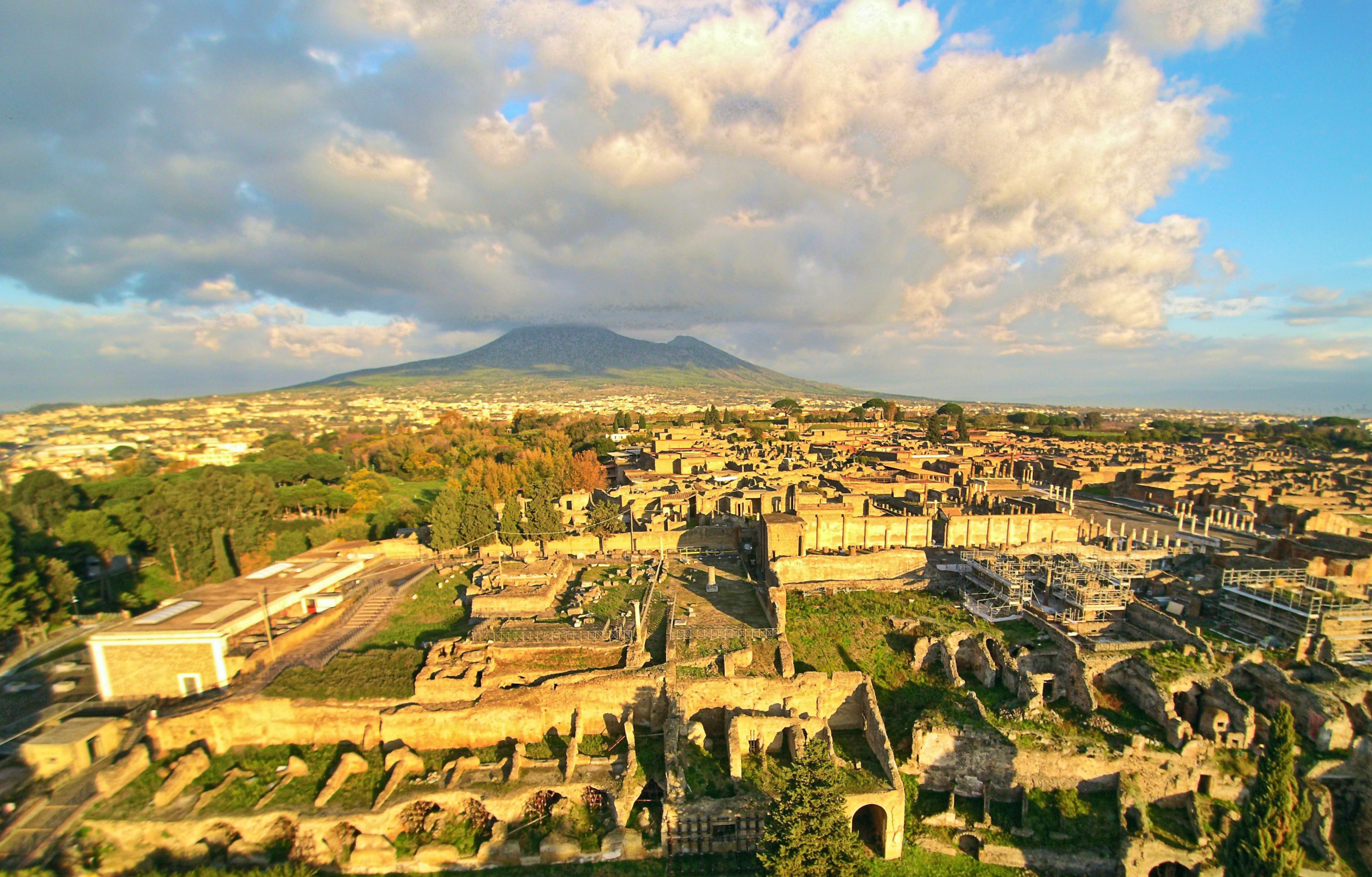
On the lush Caribbean island of Montserrat, a small British Overseas Territory in the Lesser Antilles, lies one of the most extraordinary and sobering places in the world: Plymouth, the island’s capital, frozen in time and buried in volcanic ash. Once a thriving Georgian-era town and the heart of island life, Plymouth was destroyed by a reawakened volcano in the 1990s and abandoned, leaving behind a ghost town that remains, remarkably, the de jure capital of Montserrat to this day. Its story is one of catastrophe, resilience, and a community forever changed. It is unlike anywhere else on Earth.
A Georgian Town in the Caribbean
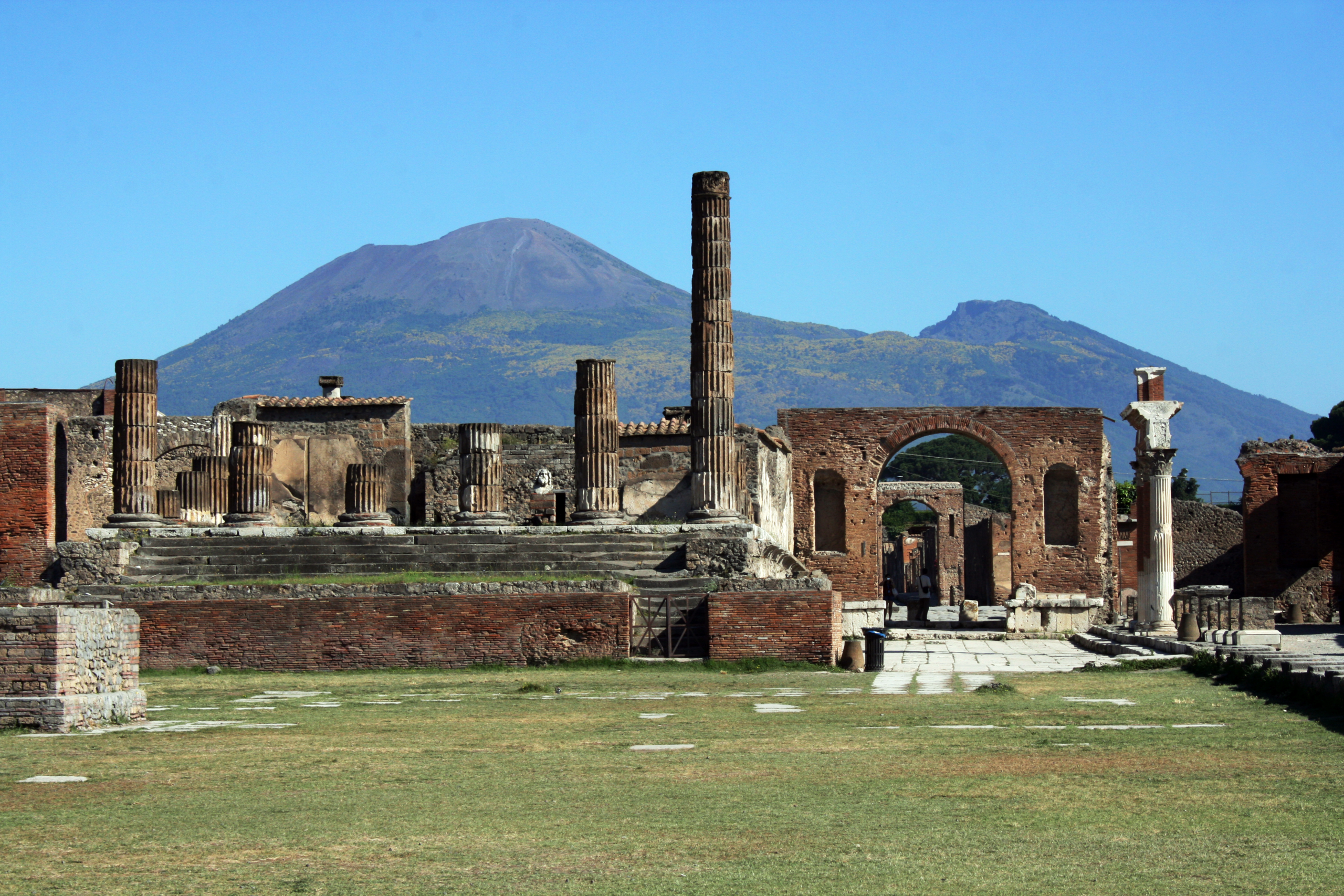
Montserrat is a small, green island, often called the “Emerald Isle of the Caribbean” for its Irish heritage and verdant landscape. Plymouth, situated on the island’s southwest coast, was its capital and only port of entry, a town of Georgian-era architecture built up over centuries near the Soufrière Hills volcano, which had been dormant for so long, hundreds of years, that it was scarcely considered a threat.
By the early 1990s, Plymouth was a lively community of around 4,000 people, roughly a third of the island’s population of about 12,000. Its streets held shops, churches, a hospital, government buildings, and the bustle of daily Caribbean life. The town was built on a fan of old volcanic deposits, a geological hint that the mountain looming just a few kilometers away had shaped the land before. For generations, though, the Soufrière Hills slept, and Plymouth thrived in their shadow.
Like our content? Follow us for more.
The Volcano Awakens
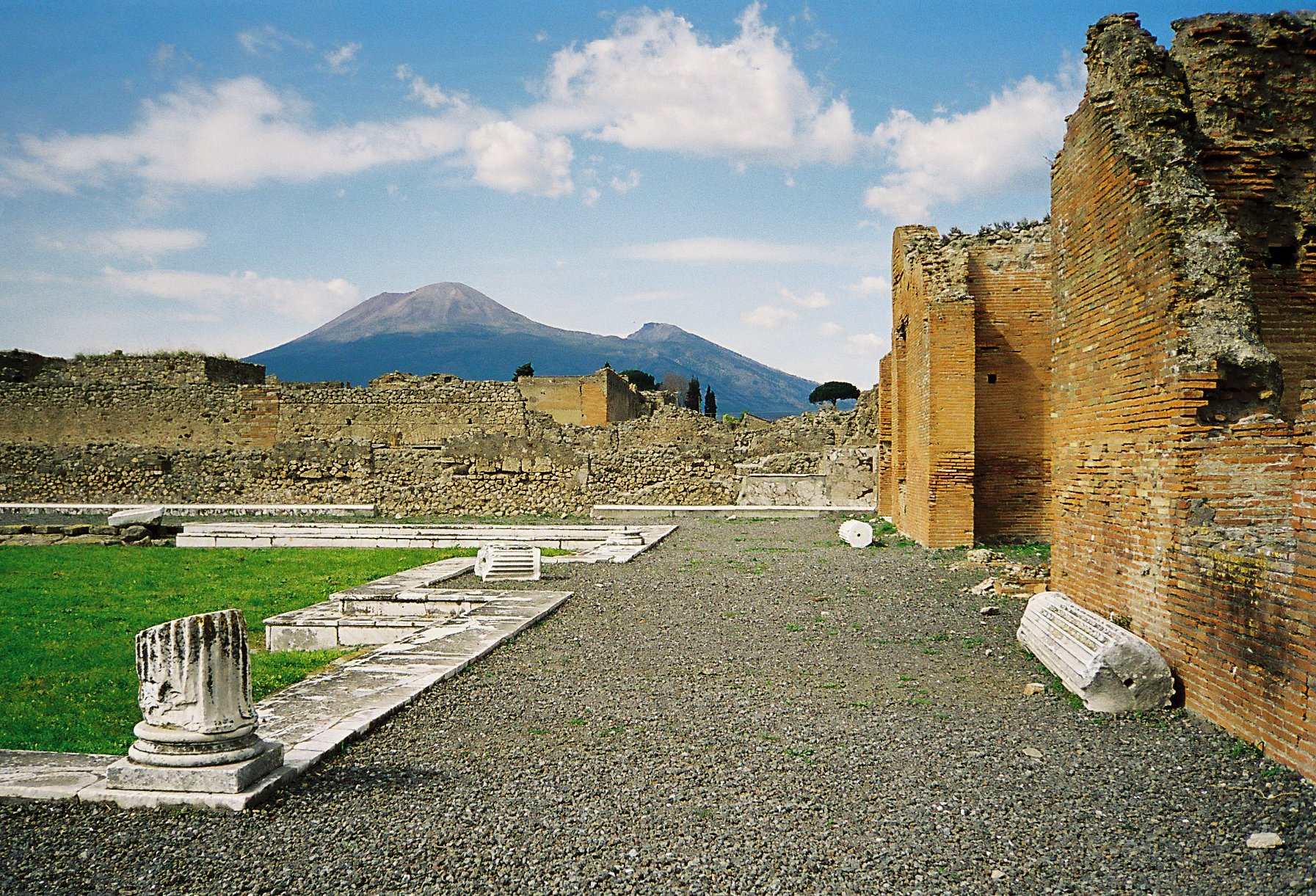
Everything changed on July 18, 1995, when the long-dormant Soufrière Hills volcano roared back to life. It began with steam and ash, as the volcano sent ash falls across southern Montserrat, including the capital. As the activity intensified through the following weeks, the danger to Plymouth became clear, and in August 1995, the town was evacuated for the first time, with residents moved to safer areas in the north.
What followed was an agonizing, drawn-out crisis. Residents were allowed to return during quieter periods, only to be evacuated again as the volcano flared. This pattern, the comfort of home against the looming threat, created what experts have called “eruption fatigue,” making the prolonged emergency enormously difficult. By 1996, after pyroclastic flows and mudflows began occurring regularly, the southern portion of the island, including Plymouth, faced permanent evacuation. The volcano was not going back to sleep.
The Destruction of Plymouth
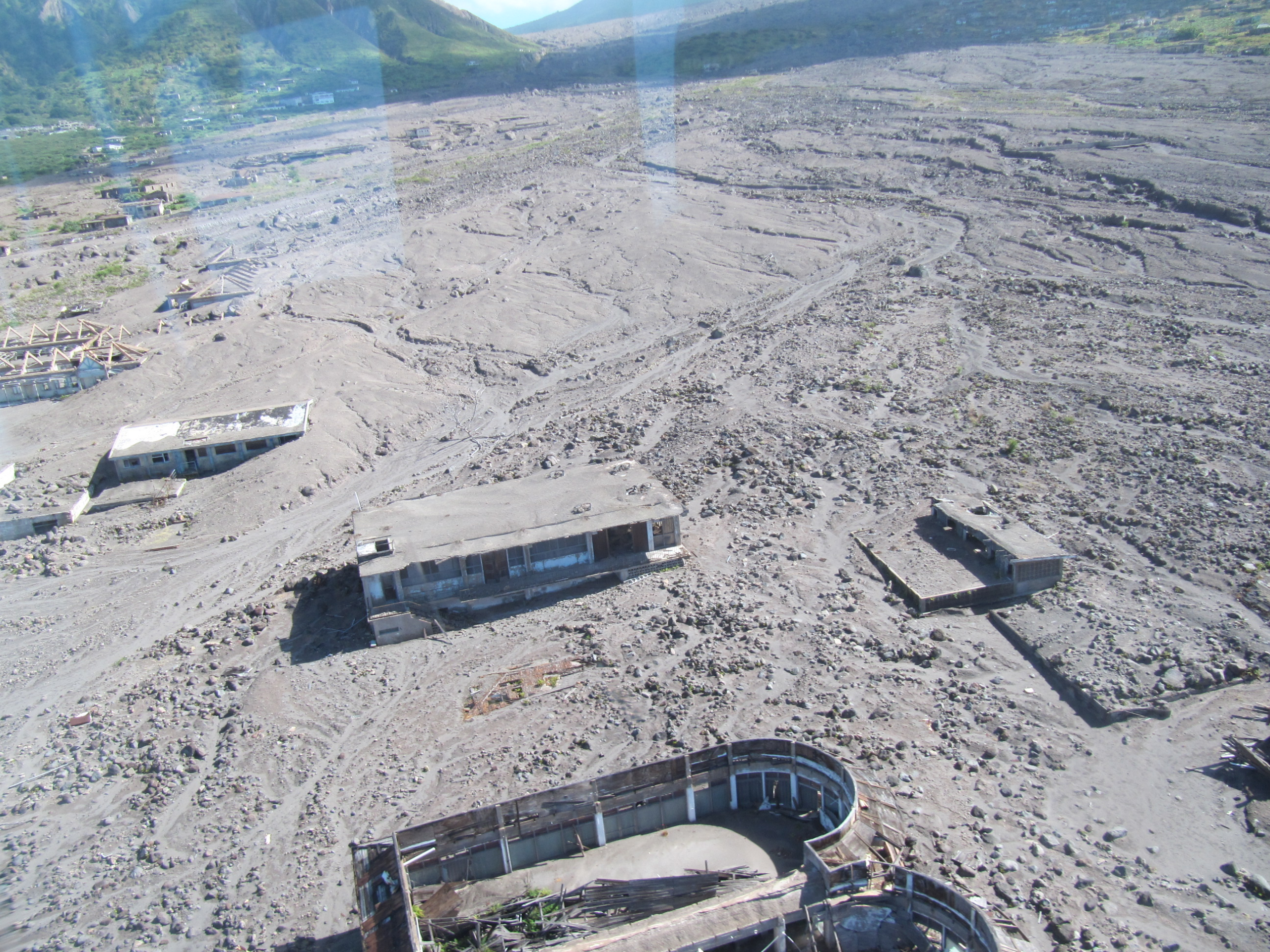
The most tragic day came on June 25, 1997, when a major eruption sent a pyroclastic flow, a fast-moving avalanche of superheated gas and rock, surging down the mountain. It killed 19 people who were in an officially evacuated area, a sobering reminder of the volcano’s deadly power. The same period of eruptions destroyed the island’s airport.
In August 1997, a series of eruptions buried much of Plymouth. Estimates of the depth of ash and mud vary widely by source and location, from around 1.4 meters in some accounts to well over 12 meters in others, but the result was the same: roughly 80 percent of the town was buried, and Plymouth was abandoned for good. Churches, clock towers, hotels, and homes were swallowed by ash and mud, their upper stories left poking out of a gray, hardened sea. The town that had been the heart of Montserrat fell silent.
An Island Transformed
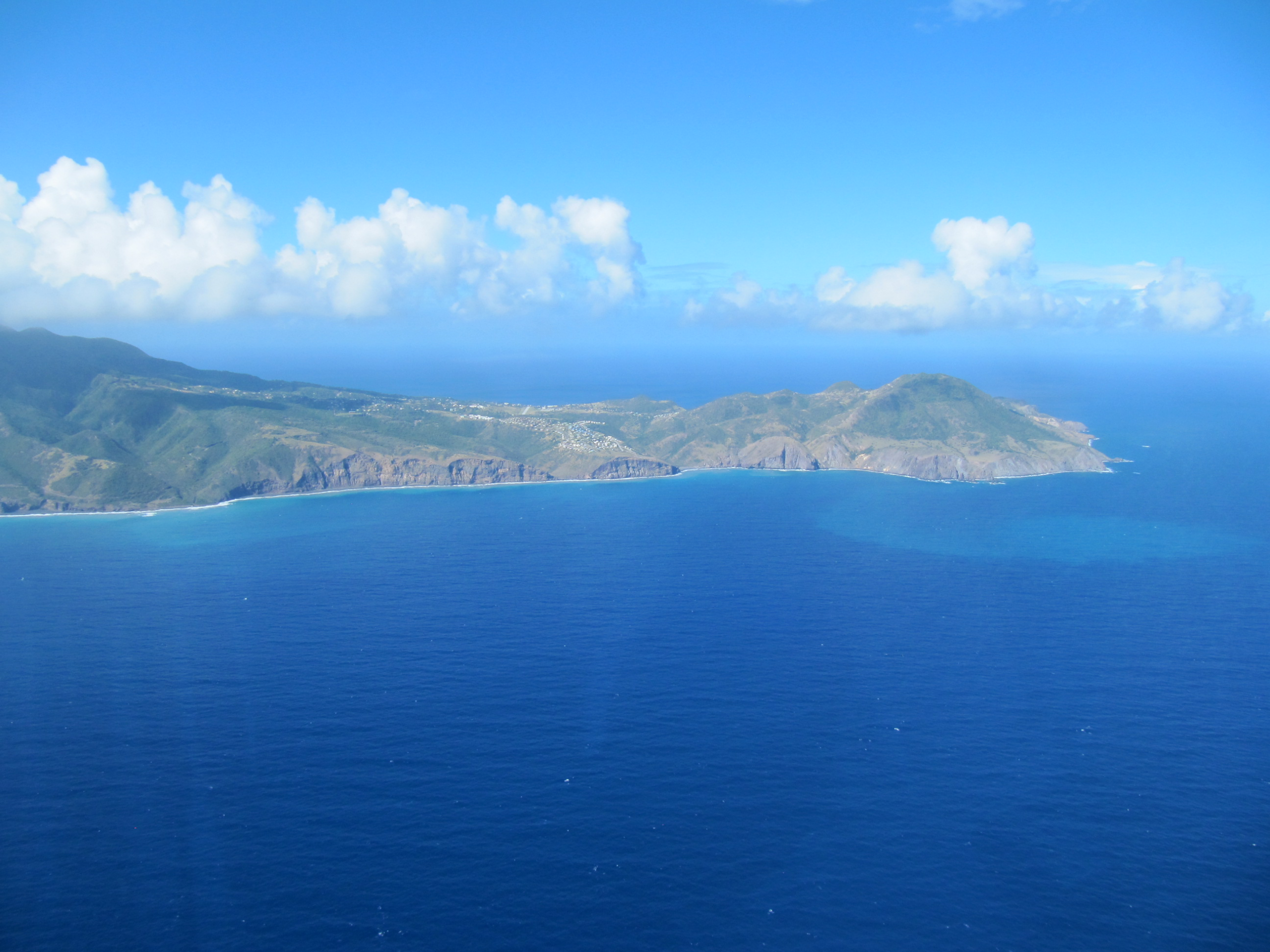
The destruction of Plymouth reshaped the entire island. The southern two-thirds of Montserrat was declared an Exclusion Zone, deemed too dangerous for habitation, with the most restricted area, including Plymouth, considered wholly off-limits. The island’s population, around 12,000 to 13,000 before the eruptions, plummeted to as few as 1,200 by 1997 as more than half the residents emigrated, many to the United Kingdom.
With Plymouth gone, the seat of government was moved north to the town of Brades, which serves as the de facto capital, while a brand-new capital and port are being built at Little Bay on the island’s northwest coast. A new airport, the John A. Osborne Airport, opened in 2005 in the north to replace the one the volcano destroyed. Slowly, the island has recovered, with the population climbing back to somewhere around 4,400 to 5,300 in the safe northern zone in the years since.
The Pompeii of the Caribbean
Today, Plymouth holds its unique and somber title: the only ghost-town capital of any political territory in the world. Often called “the Pompeii of the Caribbean,” it is a haunting landscape of buildings half-buried in hardened ash, streets vanished beneath gray drifts, and everyday objects, said to include typewriters, furniture, and belongings, left exactly where they were when the town was abandoned. Nature, too, is reclaiming parts of the ruins, with tropical vegetation creeping over the ash.
Visiting Plymouth is possible, but only under strict, carefully managed conditions. The town sits within the most restricted part of the Exclusion Zone, and access is permitted only with a certified guide and official authorization, during daytime and depending on the volcano’s activity on a given day. The Soufrière Hills volcano is continuously monitored by the Montserrat Volcano Observatory, and the hazards, from unstable ground to volcanic gases, are real. This is emphatically not a place to explore on one’s own, and visitors are expected to treat it with the seriousness and respect that its history, including the lives lost, demands.
A Sobering Monument
More than a quarter century after its abandonment, Plymouth endures as one of the most extraordinary places on Earth, a modern capital city frozen in ash, a stark monument to the power of nature, and a poignant reminder of a community uprooted. For the people of Montserrat, the story is not just one of loss but of resilience: an island that refused to disappear, rebuilding its life in the green hills of the north even as its old capital lies buried in the south.
For the traveler drawn to history and the dramatic forces that shape our world, Montserrat offers a profound and humbling experience, alongside the genuine beauty and warmth of its recovered northern half. Approached responsibly, safely, and with respect for both its hazards and its history, Plymouth stands as a sobering, unforgettable monument to one of the most remarkable natural disasters of modern times, the Caribbean capital that a volcano buried and time forgot.
Like our content? Follow us for more.
