

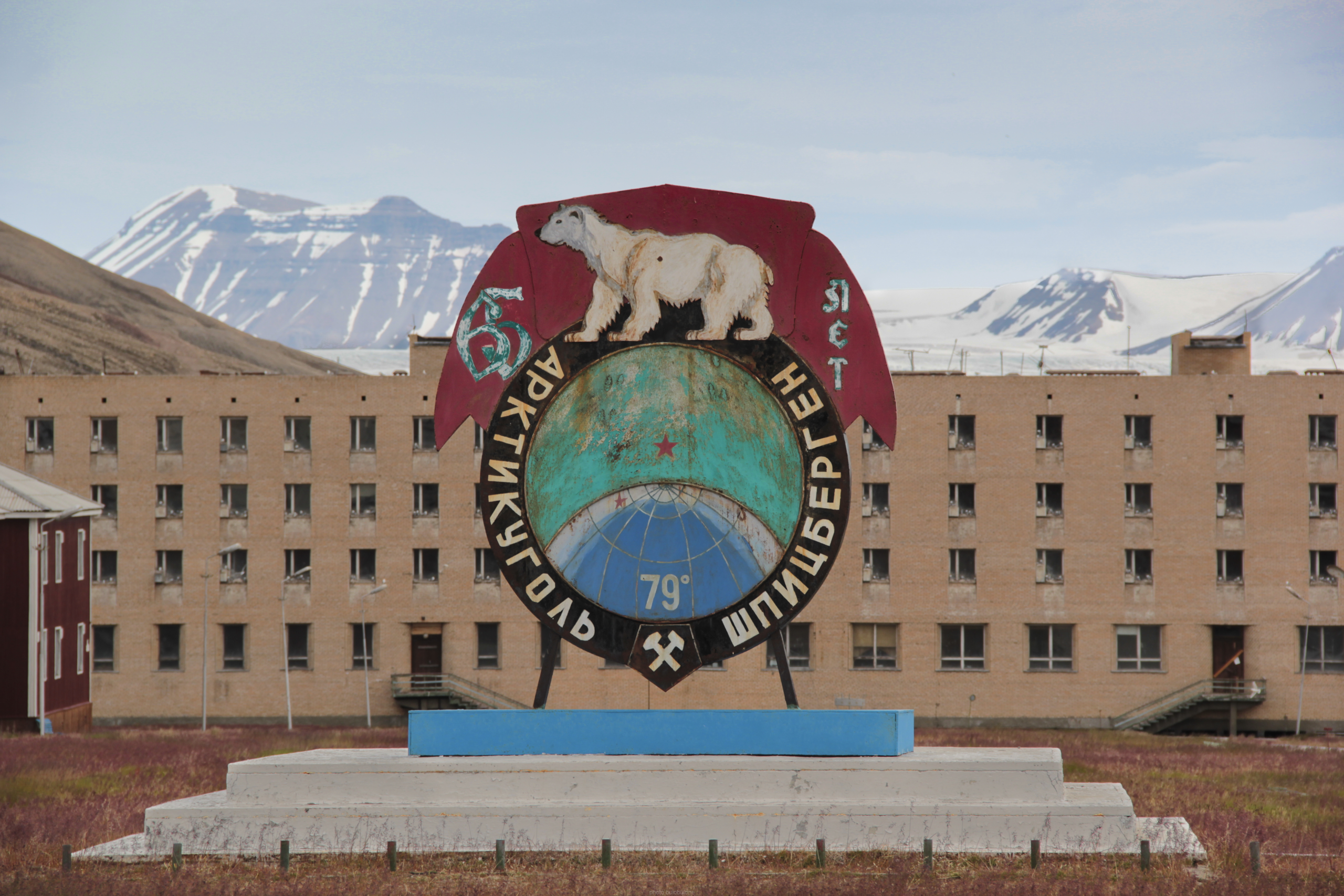
High in the Arctic, on the Norwegian archipelago of Svalbard, stands one of the most surreal and haunting places on Earth: Pyramiden, an abandoned Soviet coal-mining settlement frozen in time beneath the polar sky. For decades, this remote town thrived as a showcase of Soviet life at the edge of the world, complete with a heated swimming pool, a grand cultural center, and the northernmost statue of Lenin anywhere on the planet. Then, almost overnight, it was abandoned, and the extreme Arctic cold has preserved it ever since, like a museum no one curates. Its story is a fascinating chapter of history at 78 degrees north.
A Soviet Town at the Edge of the World
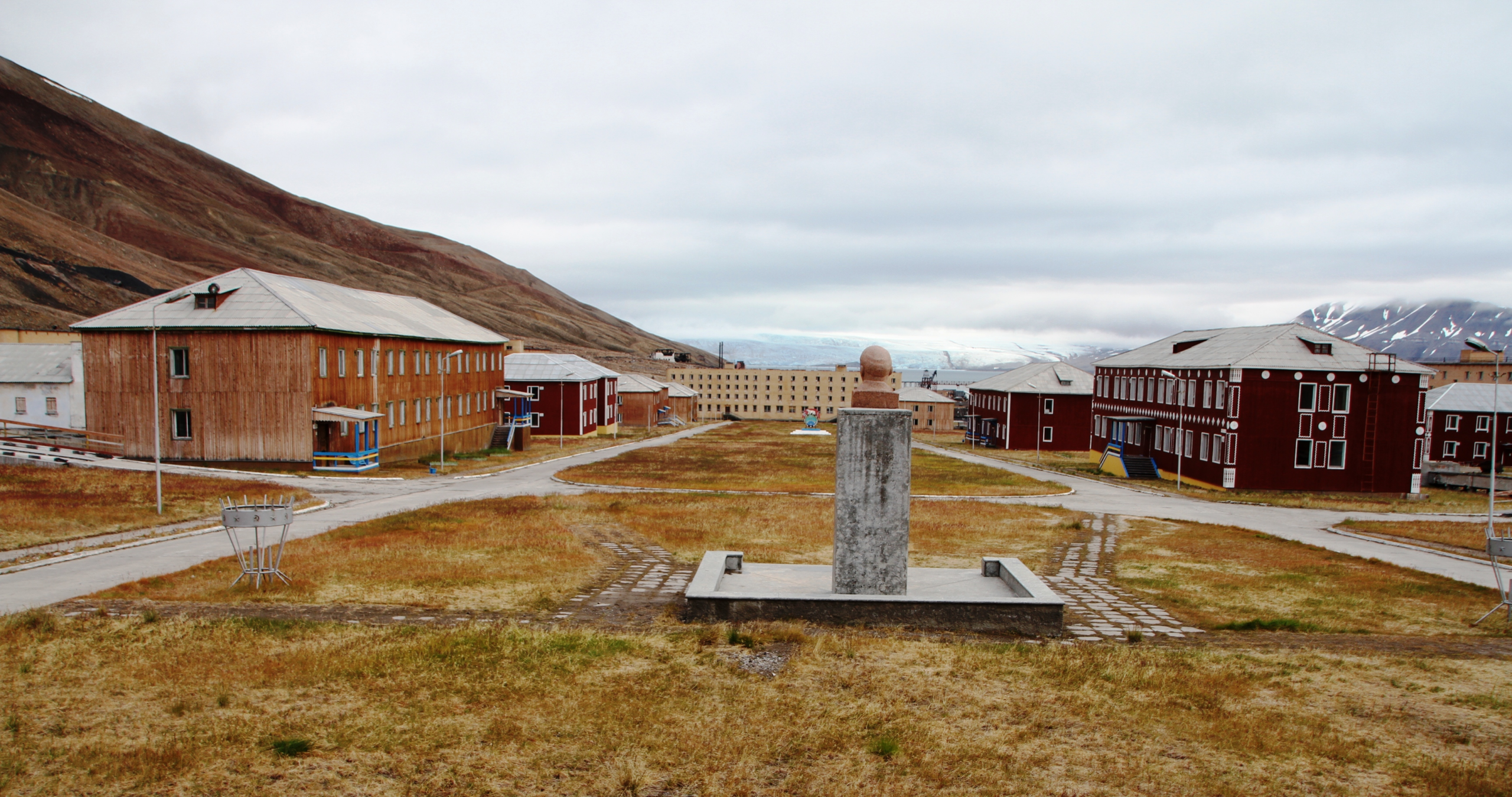
Pyramiden lies on the island of Spitsbergen in Svalbard, at the foot of the Billefjorden, named for the pyramid-shaped mountain that towers over it. Coal was first discovered here by Sweden in 1910, and the settlement was sold to the Soviet Union in 1927. Its existence was made possible by the 1920 Svalbard Treaty, which gave Norway sovereignty over the archipelago but allowed other signatory nations, including the Soviet Union, the right to mine and conduct industry there.
Operated by the Soviet state-owned coal company Trust Arktikugol, which also ran the nearby settlement of Barentsburg, Pyramiden grew into a full-scale mining community after World War II. At its peak, it was home to around 1,000 residents, mostly miners and their families, many of them from Russia and Ukraine. It was, in effect, a self-contained Soviet town transplanted to the high Arctic, more than a thousand kilometers from the mainland.
Like our content? Follow us for more.
A Model Community in the Snow
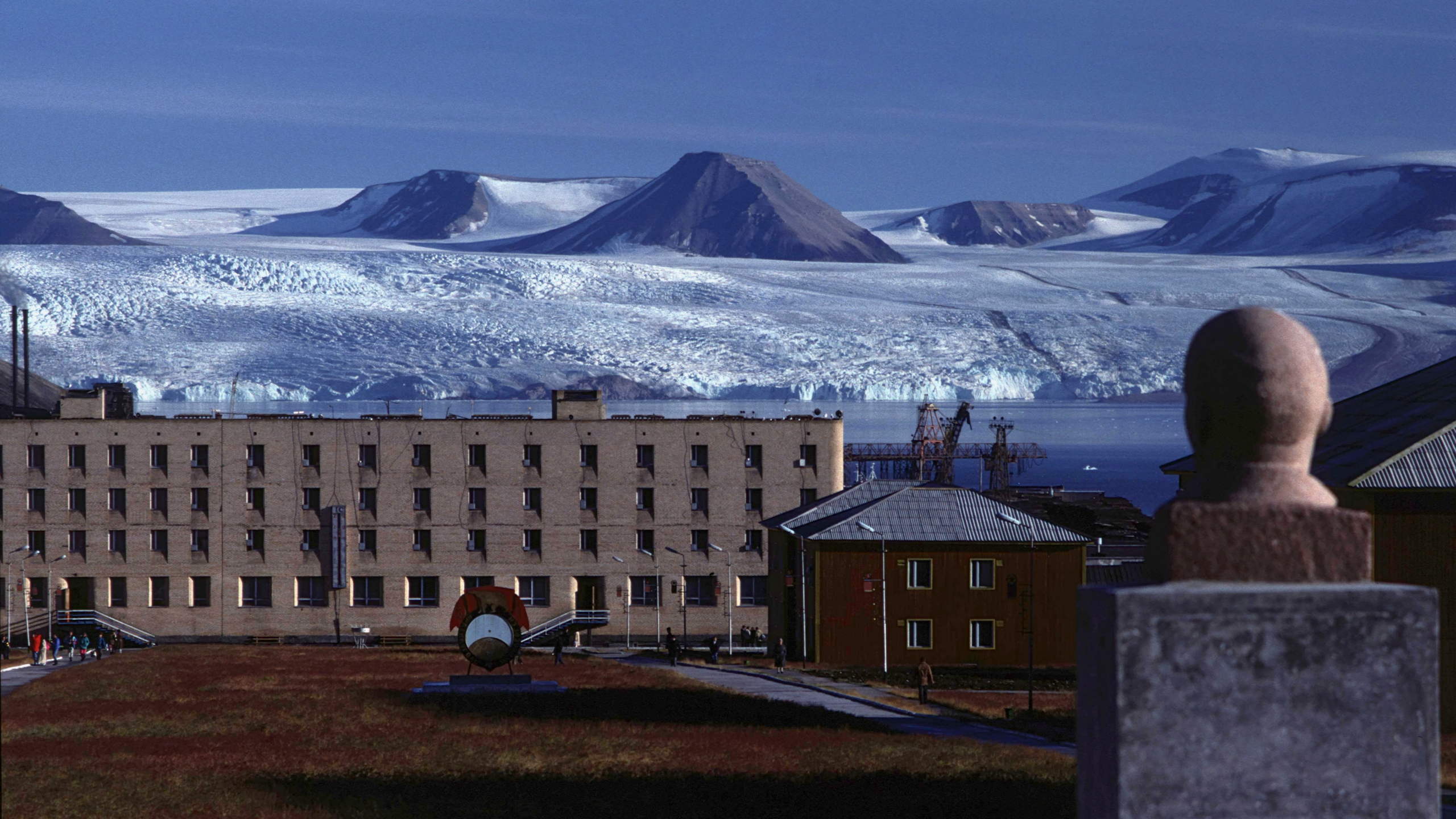
Pyramiden was built to be a showcase, a model of the ideal Soviet community thriving even in one of the harshest environments on Earth. To make life bearable through the long polar nights, the town was equipped with remarkable amenities: a cultural center with a theater, a library, and music studios; a sports complex featuring a heated indoor swimming pool, said to be the northernmost in the world; a school and kindergarten; and a canteen that operated around the clock.
The town even had a greenhouse and farm to grow fresh food, and, in one of its most famous flourishes, the Soviets imported soil from the mainland to grow a patch of green lawn around the town’s centerpiece: a bust of Vladimir Lenin, the world’s northernmost statue of the revolutionary leader, gazing out over the settlement toward a distant glacier. Pyramiden was a genuine community in the snow, a place where families lived, worked, and made a life at the top of the world.
Tragedy and Decline
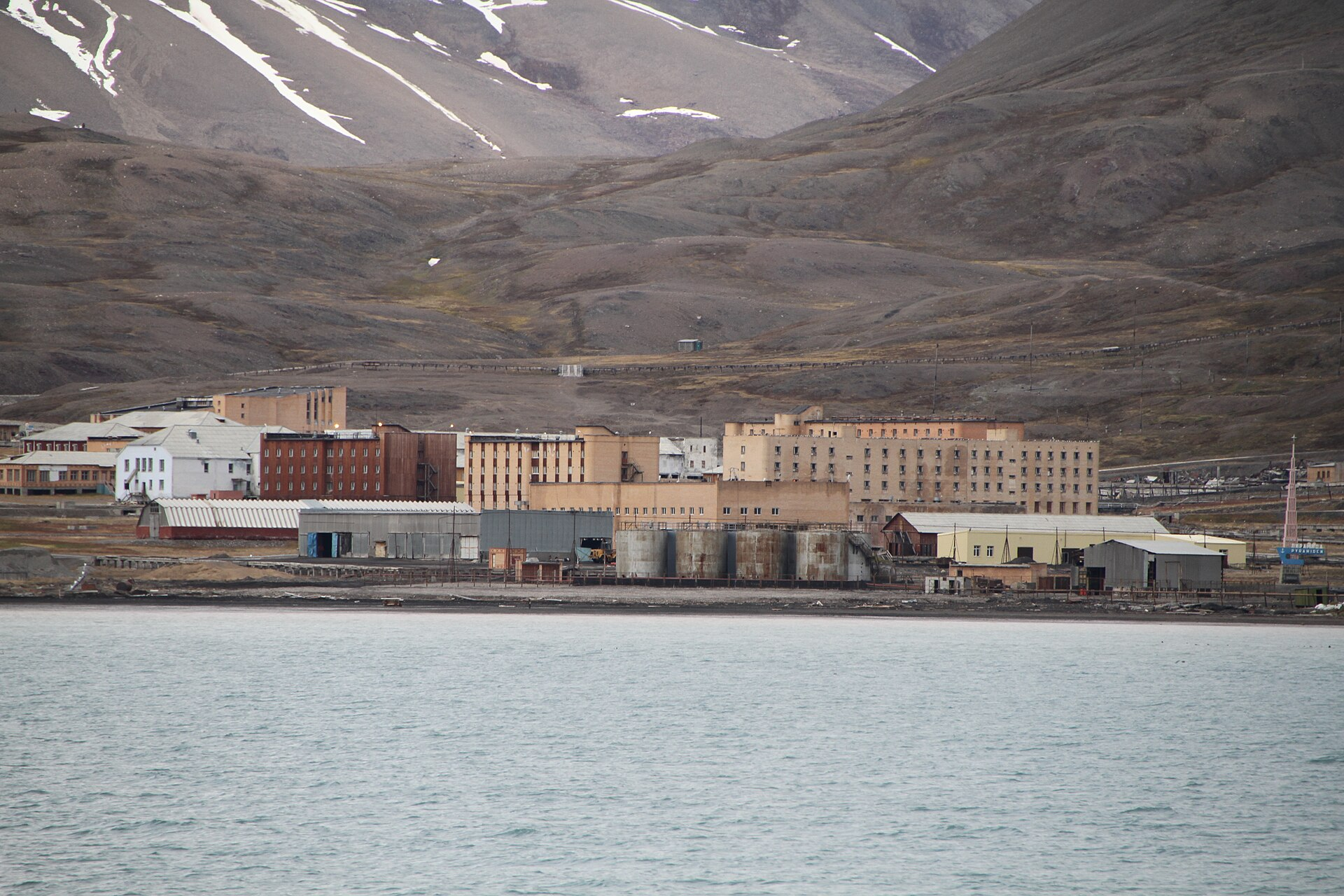
The town’s fortunes turned with the collapse of the Soviet Union in 1991, which dried up the subsidies that had kept the unprofitable mining operation running. Conditions declined through the 1990s, with shortages and falling living standards. Then, in 1996, tragedy struck: a charter flight operated for Arktikugol, carrying miners and their families, crashed on its approach to the airport near Longyearbyen, killing all 141 people aboard. It was a devastating blow to the small community.
Beset by financial losses, the difficulty of extracting the coal, and the weight of the disaster, the decision was made to close Pyramiden. Mining ceased on March 31, 1998, after decades of continuous operation that had produced millions of tonnes of coal. The residents departed over the following months, and the last permanent resident left on October 10, 1998. In a remarkably short time, a town of hundreds stood empty.
Frozen in Time
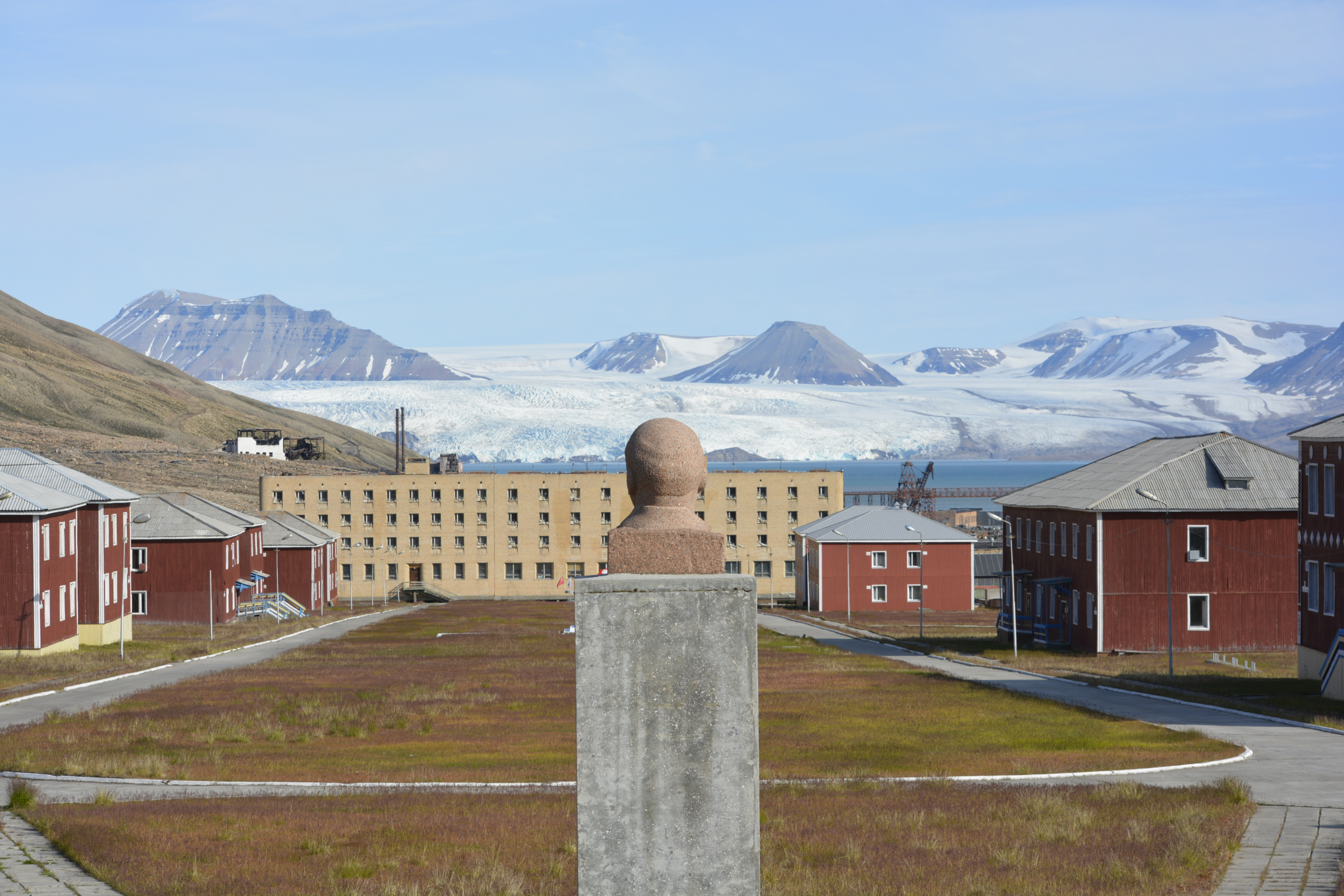
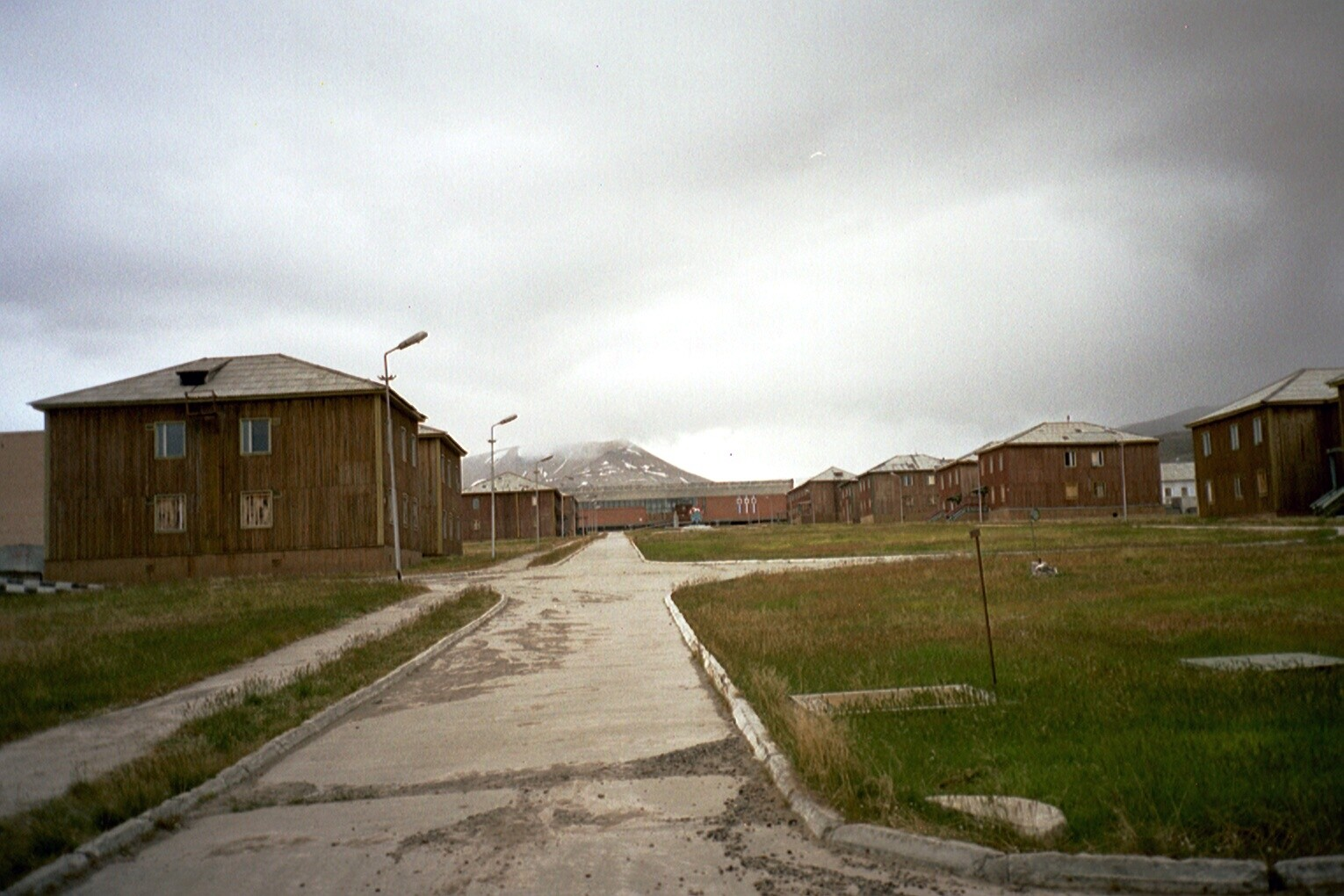
What makes Pyramiden so extraordinary is how completely it was left behind, and how well the Arctic has preserved it. Because the residents left by plane and boat, taking only personal belongings, they abandoned nearly everything else in place. The extreme cold and permafrost slow decay dramatically, so the town remains, in a very real sense, frozen in time.
Visitors today describe walking through buildings where dishes still sit on canteen tables, calendars hang on office walls, children’s drawings remain pinned in the school, and a grand piano stands in the cultural center. The block-style apartment buildings, the sports complex, and the silent streets all endure much as they were when the last residents departed more than a quarter century ago. Presiding over it all, the northernmost Lenin still stares out over the empty square toward the glacier, an eerie monument to a vanished way of life.
Visiting the Arctic Ghost Town
Since 2007, the operating company has worked to turn Pyramiden into a tourist destination, renovating the town’s hotel, which reopened in 2013 and now houses a small museum, post office, and shop. A handful of caretakers, around six in the summer, live there to maintain the site and guide visitors, with more present at times of year.
Reaching Pyramiden is an adventure in itself. It can be accessed only from Longyearbyen, Svalbard’s main settlement some 50 kilometers to the south, by boat in the summer months or by snowmobile across the frozen fjord in winter. Guided tours are mandatory, and for a striking reason: this is polar bear country, and guides carry rifles as a standard safety precaution, since bears roam the area and have even been known to shelter in the abandoned buildings. Visitors are also asked to follow strict “leave no trace” principles, taking nothing and disturbing nothing, to preserve this fragile historical site.
It’s worth noting that Pyramiden sits within a sensitive geopolitical context. Because it remains connected to Russian state interests on Norwegian soil, the site has become a point of tension, and following Russia’s 2022 invasion of Ukraine, the local tourism board removed tours linked to Russian-connected companies. The situation surrounding access can shift, so anyone hoping to visit should check the latest information before planning a trip.
A Haunting Window Into the Past
Pyramiden remains one of the most remarkable abandoned places on Earth, a perfectly preserved Soviet ghost town at the edge of the Arctic, where the silence is broken only by the wind and the cry of seabirds. It is at once a time capsule of a bygone era, a monument to human ambition in an unforgiving landscape, and a poignant reminder of how quickly a thriving community can vanish.
For travelers drawn to history, the Arctic, and the world’s most unusual destinations, Pyramiden offers an experience like no other, the chance to walk through a frozen moment in time beneath the polar sky. Approached safely, respectfully, and with care for its fragile state and its history, this haunting Arctic ghost town stands as an unforgettable window into the past, watched over, as it has been for decades, by the northernmost Lenin in the world.
Like our content? Follow us for more.
