
After years of delays, the REAL ID requirement is now being enforced at US airport security checkpoints, and 2026 brought a significant new wrinkle: a fee for travelers who arrive without an acceptable form of identification. For most people, nothing changes, the overwhelming majority already carry a compliant ID, but it pays to know exactly what’s required, what counts as acceptable, and what happens if you show up without it. Here is a clear, practical rundown of ten things US travelers need to know about REAL ID in 2026, counted down one by one. As always, this is general information rather than legal advice, and you should confirm the current rules with official sources before you fly.
1. What REAL ID Is and the Telltale Star
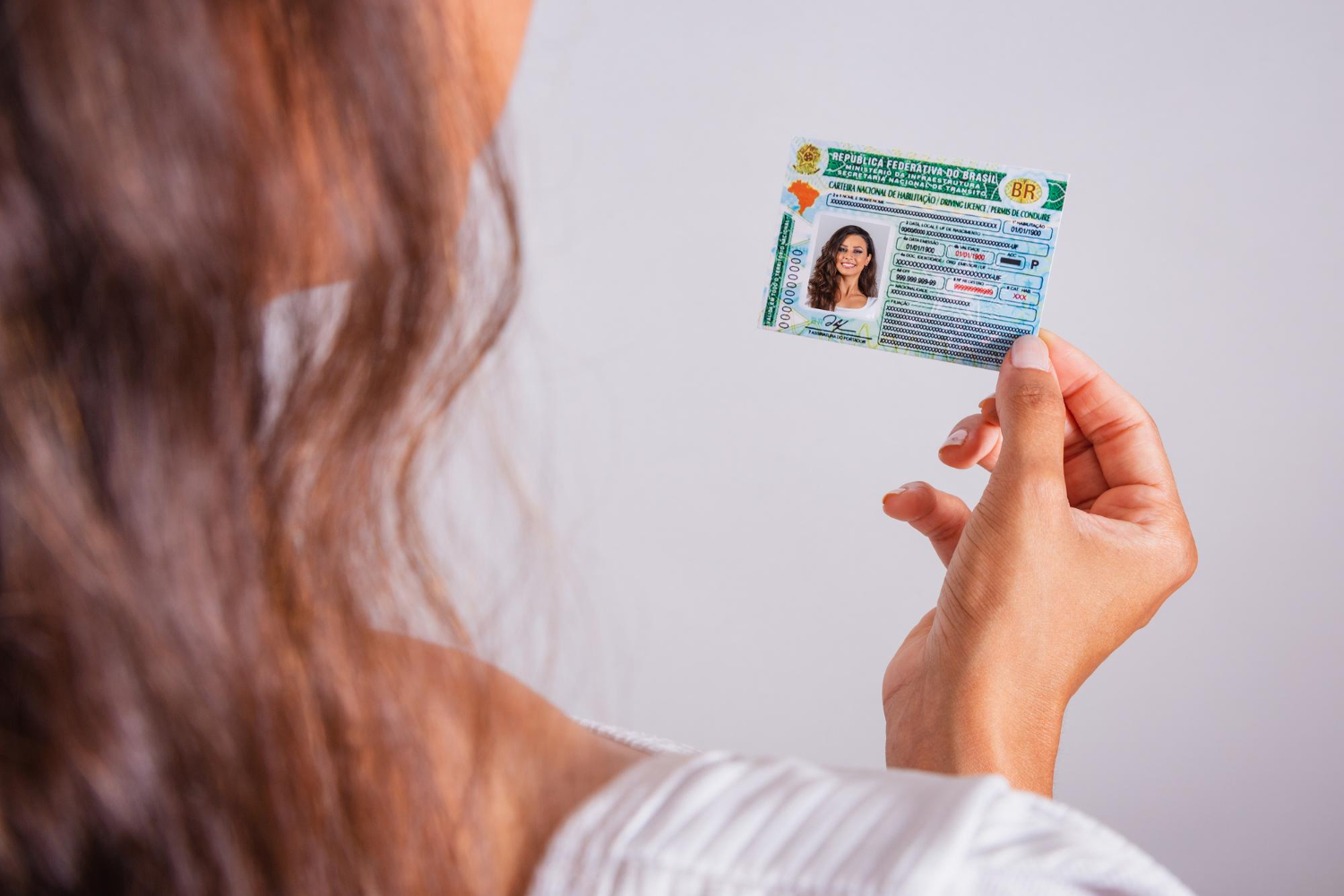
REAL ID is a federal security standard for state IDs, marked by a star in the upper corner. The star is the quick way to check.
REAL ID is a federal standard for state-issued driver’s licenses and ID cards, created by the REAL ID Act of 2005 following recommendations of the 9/11 Commission for stronger identity verification. A compliant card is marked by a star symbol, often gold or black, in the upper portion of the card, typically the upper right corner. Checking your own license takes just seconds. Knowing what REAL ID is and how to spot the star is the essential first step, look at the top corner of your driver’s license, and if you see the star, your card meets the federal standard for domestic air travel.
Like our content? Follow us for more.
2. Enforcement Began in May 2025
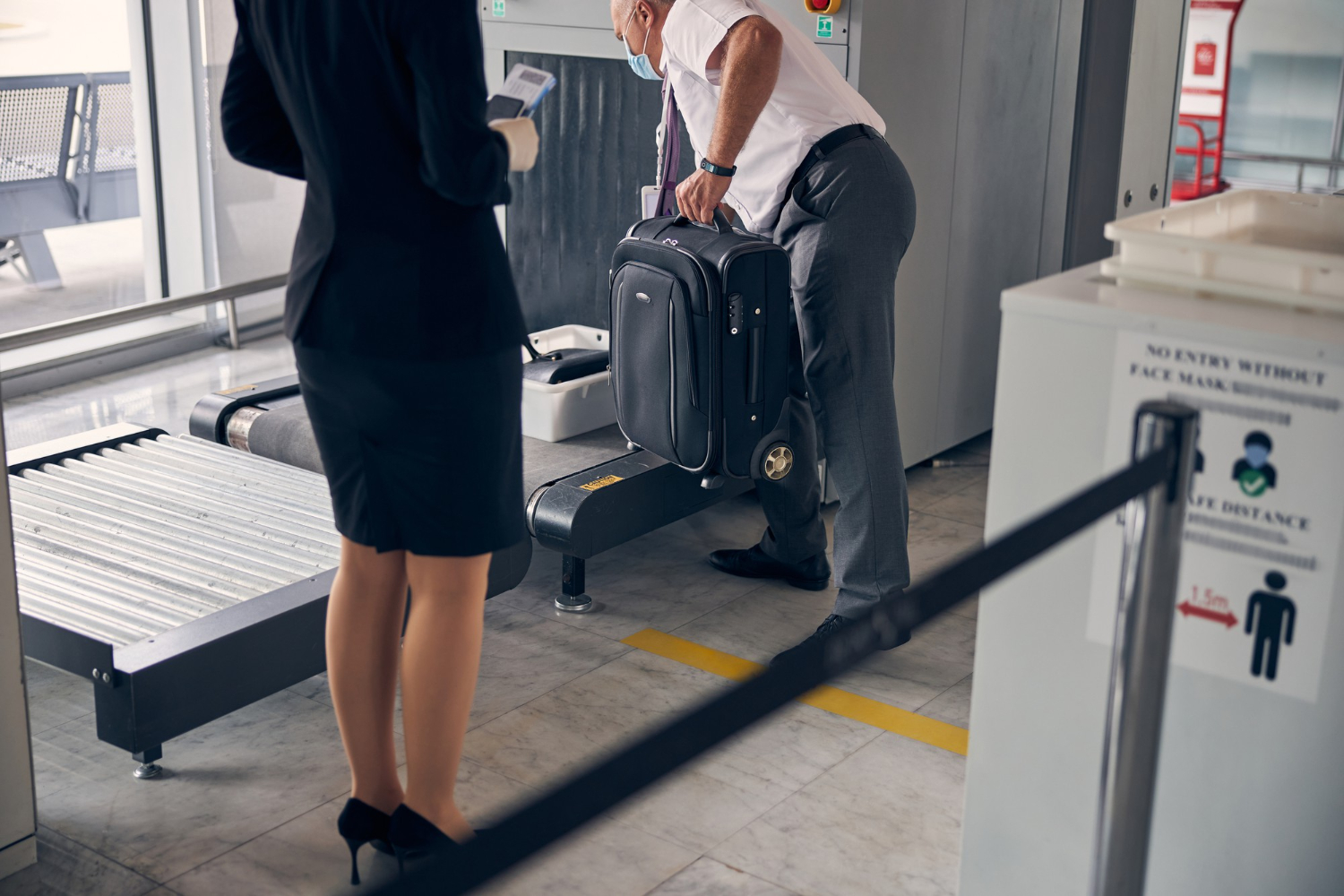
After many delays, REAL ID enforcement started on May 7, 2025. It is active and not expected to be postponed again.
Although the REAL ID Act passed in 2005, its enforcement was delayed repeatedly over the years, first due to states’ difficulties implementing the standards and later because of the pandemic. Full enforcement finally began on May 7, 2025, and it is now active nationwide, with no further delays expected. Some airports continued accepting other IDs for a time as the system ramped up. Knowing that enforcement is now real and active is important, the long era of postponements is over, so travelers should make sure they have a compliant ID or an acceptable alternative rather than assuming the deadline will slip again.
3. The New $45 ConfirmID Fee (Feb. 1, 2026)

As of February 1, 2026, travelers without acceptable ID can pay $45 to verify their identity. The fee is non-refundable.
[IMAGE SUGGESTION] Wikimedia Commons “airport identity verification kiosk technology” — CC-licensed image of identity verification.
The biggest change for 2026 is the new “TSA ConfirmID” process, which took effect on February 1, 2026. Travelers who arrive at a checkpoint without an acceptable ID and still wish to fly can pay a $45 fee to undergo identity verification through a biometric or biographic system. If verified, the clearance is valid for a 10-day travel period, not a permanent fix. Knowing about the ConfirmID fee matters because it carries real consequences, the fee is non-refundable, the process can add 30 minutes or more, and if your identity can’t be verified, you won’t be allowed to fly, so it’s far better to bring proper ID.
4. A Passport Works Just as Well
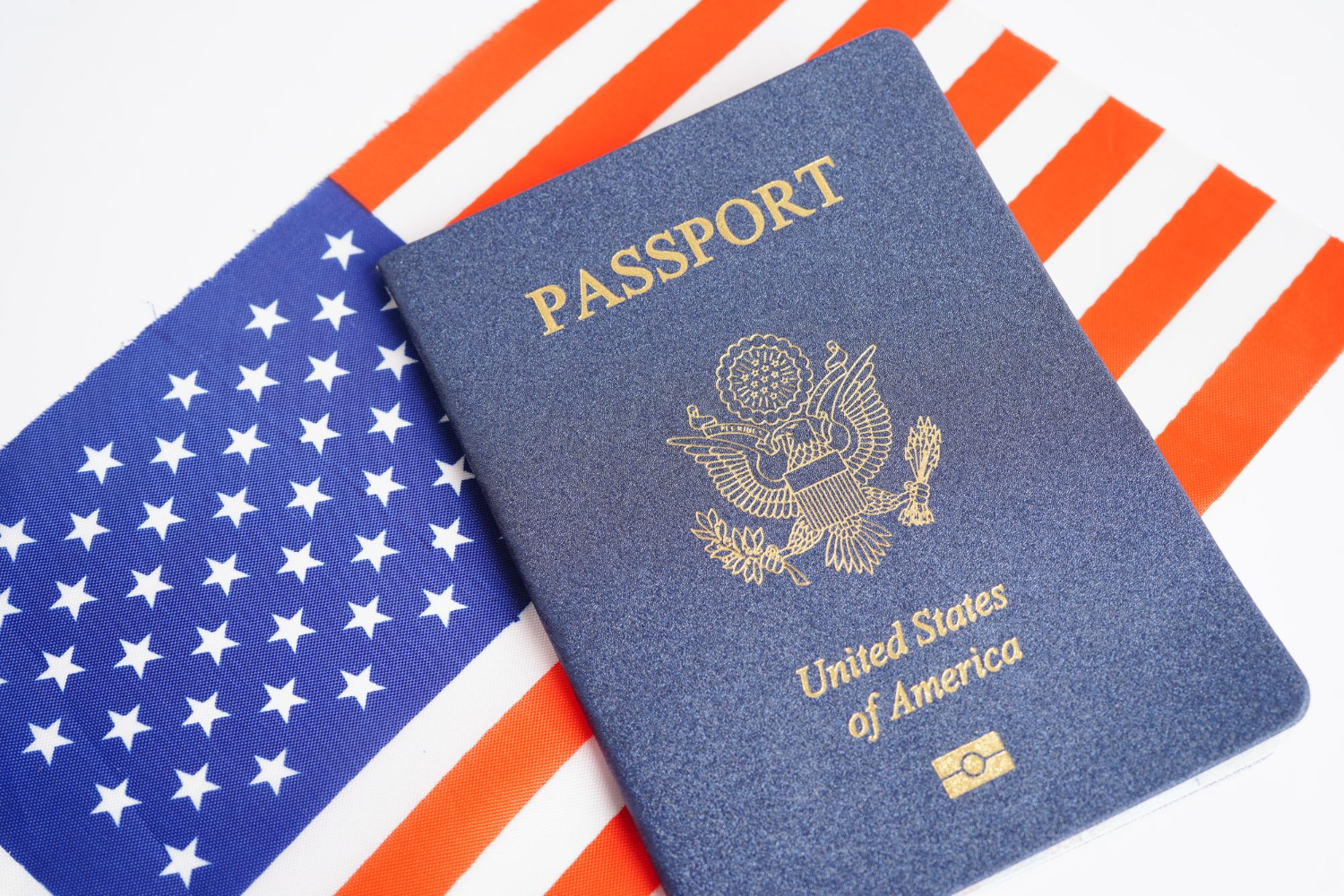
A valid US passport or passport card is fully accepted in place of a REAL ID. It’s a simple alternative for domestic flights.
You don’t actually need a REAL ID-compliant license if you have another acceptable document, and the most common is a US passport. A valid US passport or US passport card is fully accepted at TSA checkpoints and can be used in place of a REAL ID for all domestic flights. If you already have a passport, simply bringing it to the airport solves the issue. Knowing that a passport works just as well gives travelers a straightforward alternative, if your license isn’t compliant or you’d rather not get one, your passport is a perfectly valid way to fly domestically.
5. The Other Acceptable IDs

Several other documents are accepted besides a REAL ID or passport. Knowing the list can save a trip.
Beyond a REAL ID license and a passport, TSA accepts several other forms of identification, including a US passport card; DHS Trusted Traveler cards such as Global Entry, NEXUS, SENTRI, and FAST; a US military or Department of Defense ID; a permanent resident card; a border crossing card; and a photo ID issued by a federally recognized tribal nation, among others. Knowing the full list of acceptable IDs can save your trip, if you hold one of these documents, you’re already covered for domestic air travel even without a REAL ID-compliant driver’s license.
6. Enhanced Driver’s Licenses Count
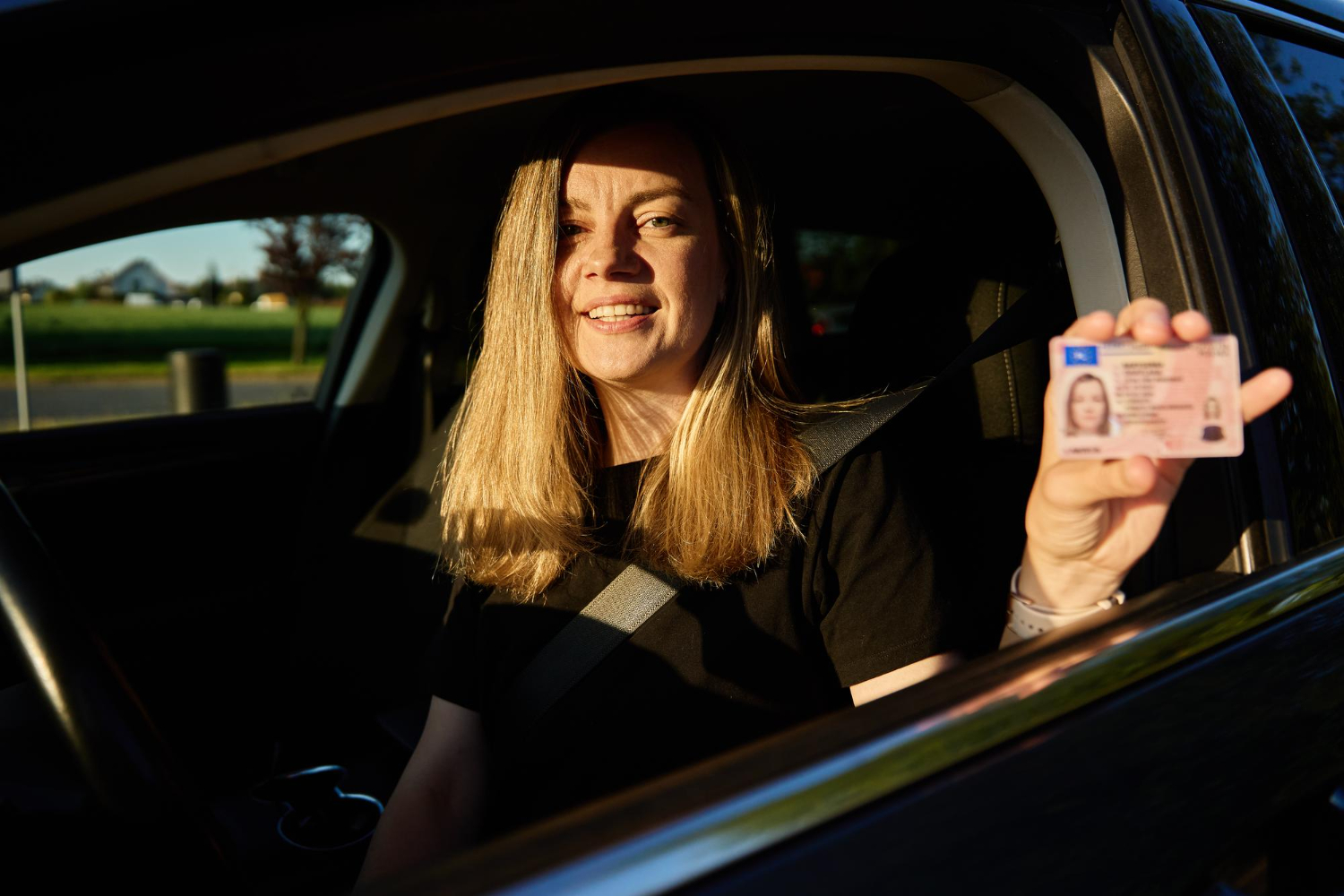
Five states issue Enhanced Driver’s Licenses, marked with a US flag, that also satisfy the requirement. They do double duty for some border crossings.
[IMAGE SUGGESTION] Wikimedia Commons “enhanced driver license US flag symbol” — CC-licensed image of an enhanced license.
A handful of states, Michigan, Minnesota, New York, Vermont, and Washington, issue Enhanced Driver’s Licenses (EDLs), marked with a US flag symbol. These are accepted for domestic air travel and, as a bonus, are also valid for land and sea border crossings to Canada, Mexico, and some Caribbean destinations. Knowing that an Enhanced Driver’s License counts is useful for residents of those five states, an EDL satisfies the REAL ID requirement for flying and offers added flexibility for certain cross-border travel, all in a single card.
7. “Federal Limits Apply” Means Not Compliant

A license reading “federal limits apply” does not meet the standard. You’ll need another acceptable ID to fly.
Some state IDs carry the phrase “federal limits apply,” which means the card is not REAL ID-compliant and cannot be used on its own to board a domestic flight or enter certain federal facilities. If your card lacks the star and bears this phrase, you’ll need a passport or another acceptable document to fly. Knowing this distinction is important, don’t assume any current driver’s license will do, check for the star and watch for the “federal limits apply” language, which is the clear sign that your card won’t meet the federal requirement at the checkpoint.
8. Kids Under 18 Don’t Need ID to Fly Domestically

Children under 18 are not required to show ID for domestic flights. The accompanying adult still must.
There’s good news for families: TSA does not require children under 18 to present identification when flying domestically, so the REAL ID requirement does not apply to them. The accompanying adult, however, must still have a compliant ID or acceptable alternative. Note that international travel is different, every traveler, including infants, needs a passport. Knowing that kids under 18 don’t need ID for domestic flights can ease the stress of family travel, but parents and guardians should make sure their own identification is in order before heading to the airport.
9. It’s Also Needed for Federal Facilities
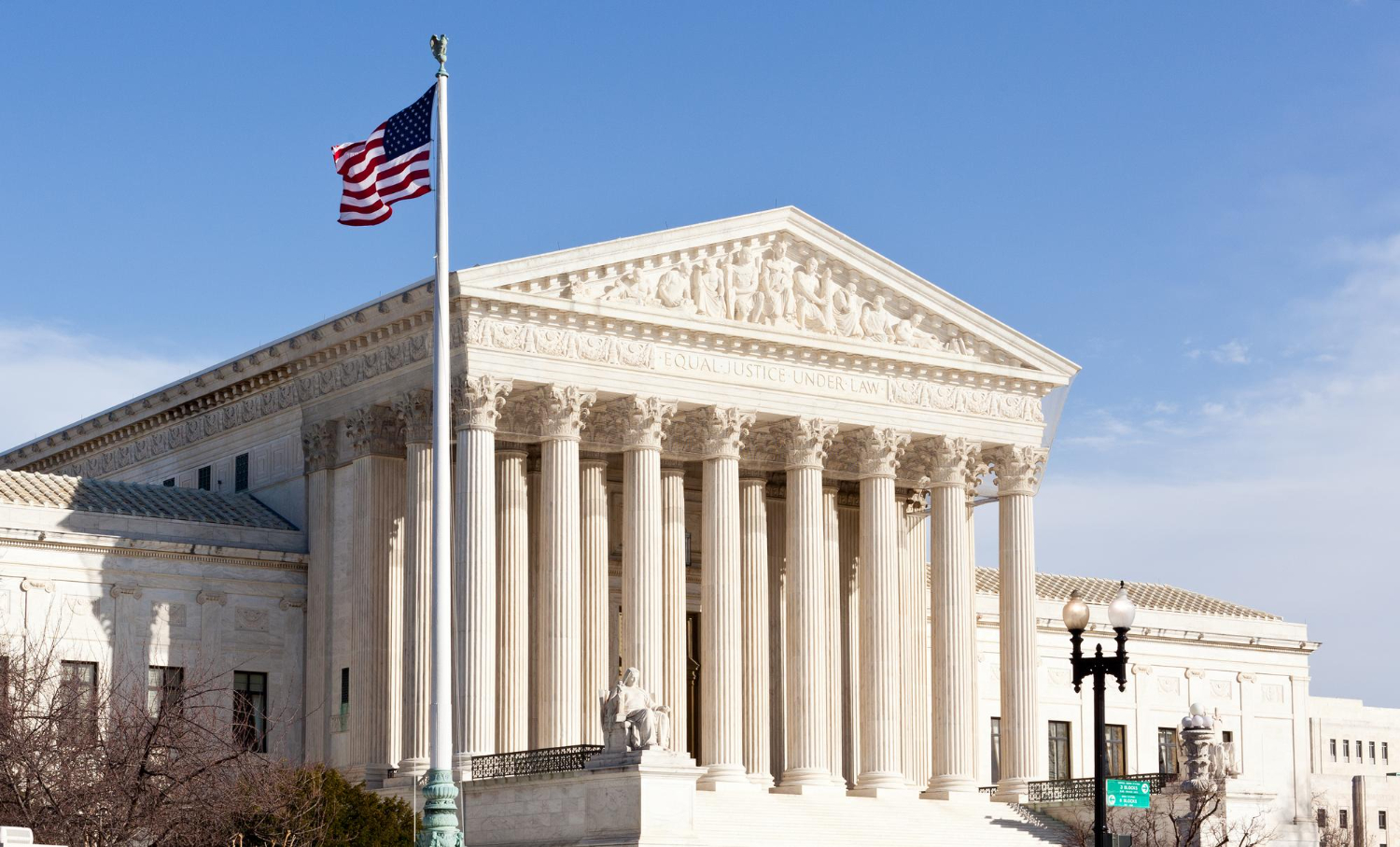
REAL ID is required to enter certain federal facilities, not just to fly. This includes military bases and federal courthouses.
REAL ID isn’t only about flying. A compliant ID or acceptable alternative is also required to access certain federal facilities, such as military bases, federal courthouses, nuclear sites, and even some federal building tours like the White House. For most people, the airport is the only place this comes up in daily life, but it’s worth knowing the requirement extends further. Knowing that REAL ID is needed for federal facilities too helps you plan ahead, if you have a visit to a secure federal site coming up, make sure your identification will meet the standard before you go.
10. How to Get One, and What It Doesn’t Replace

You apply for a REAL ID at your state DMV with specific documents, but it doesn’t replace a passport for international travel. Plan ahead before your next trip.
To get a REAL ID, you apply in person at your state DMV, bringing documents that typically prove your full legal name and date of birth, your Social Security number, two proofs of address, and your lawful status, though exact requirements vary by state, so check your DMV’s list first. Crucially, a REAL ID does not replace a passport for international travel, you still need a valid passport to fly abroad. Knowing how to get one and what it doesn’t cover lets you prepare properly, allow time for processing, and remember that for any international trip, your passport remains essential.
Flying Prepared in 2026
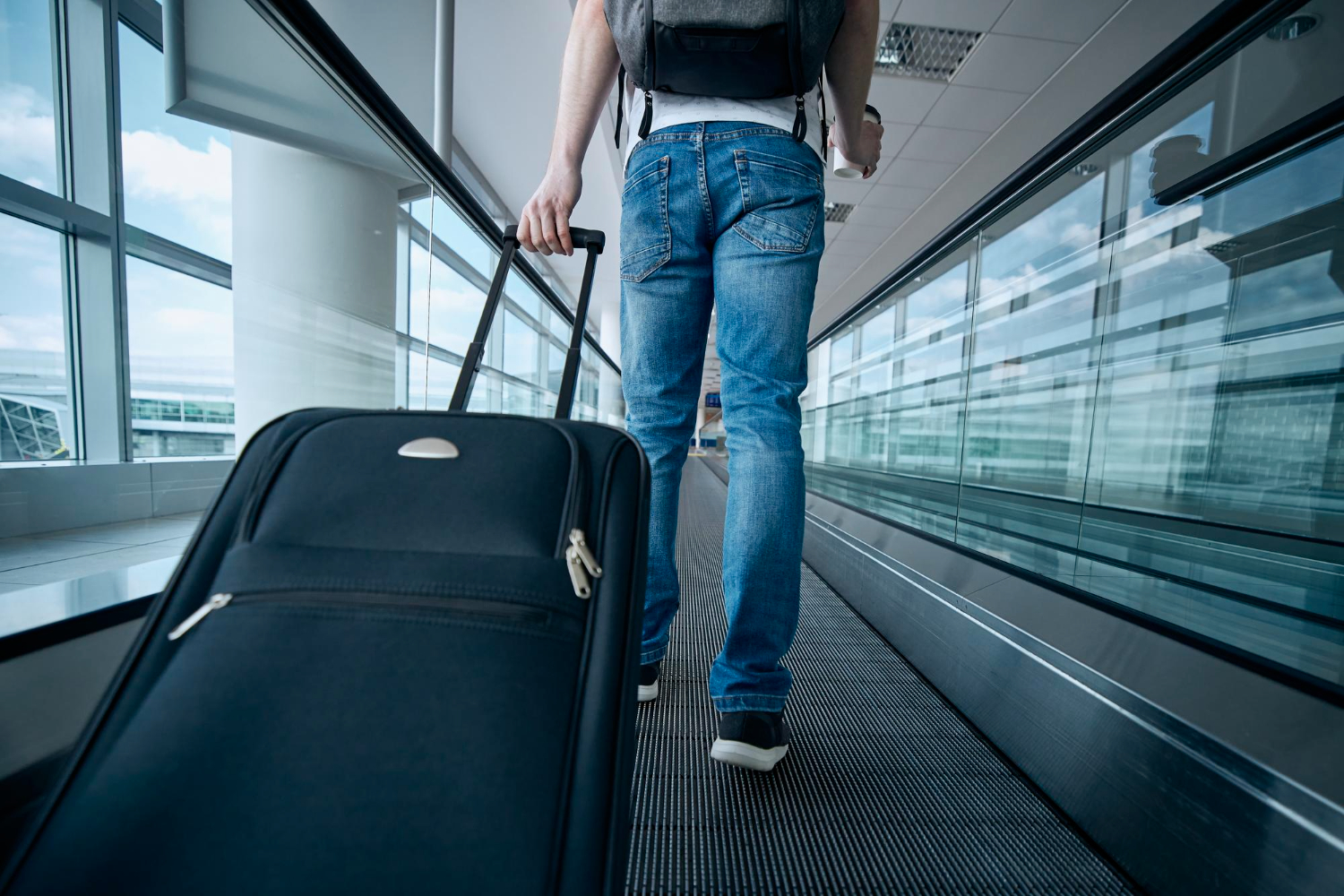
Taken together, these ten points cover what US travelers need to know about REAL ID in 2026, from spotting the star on your license and the new $45 ConfirmID fee to the acceptable alternatives, the exemption for kids, and how to apply. The bottom line is simple: make sure you have a compliant ID or an acceptable alternative like a passport before you head to the airport.
The good news is that most travelers are already prepared, TSA reports that the vast majority arrive with an acceptable ID, so for many people nothing changes. The key is simply to check your wallet before you travel: look for the star, or pack your passport, and you’ll breeze through without paying the new fee or facing delays. Rules and procedures can change, so always confirm the latest requirements with official TSA and DHS sources before your trip. This is general information to help you plan, not legal advice, and a few minutes of preparation now can save you real stress at the checkpoint later.
Like our content? Follow us for more.