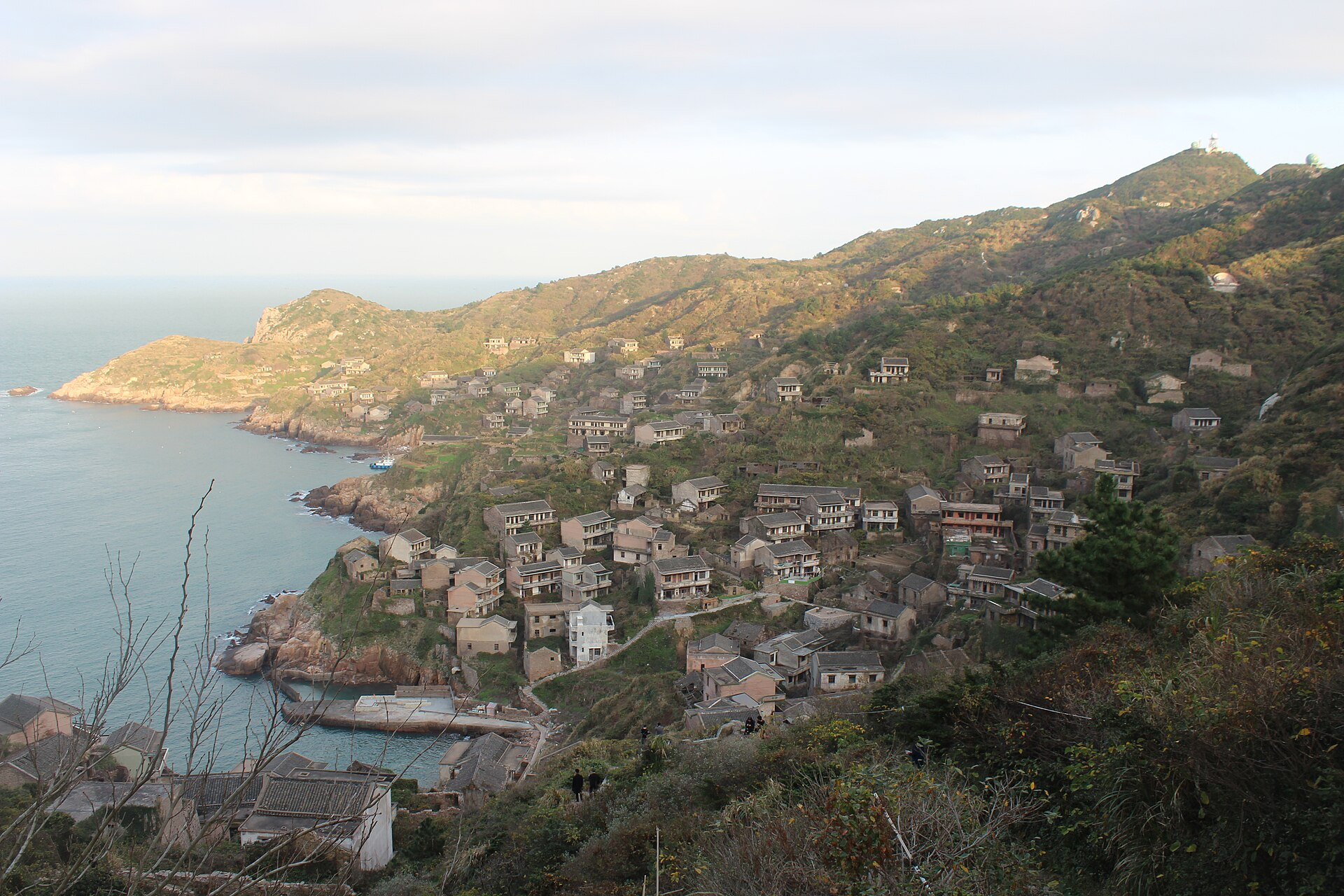
Off the eastern coast of China, on a remote island in the East China Sea, lies one of the most extraordinary abandoned places on the planet: Houtouwan, a former fishing village where nature has reclaimed nearly every building, swallowing whole houses beneath a blanket of lush green vines. Once a thriving community of thousands, the village was gradually deserted and left to the elements, and over two decades the climbing plants transformed it into a surreal, emerald landscape that looks like something out of a fairy tale. Today it draws visitors from around the world, fascinated by the haunting beauty of a place where the green has won.
A Village on a Remote Island
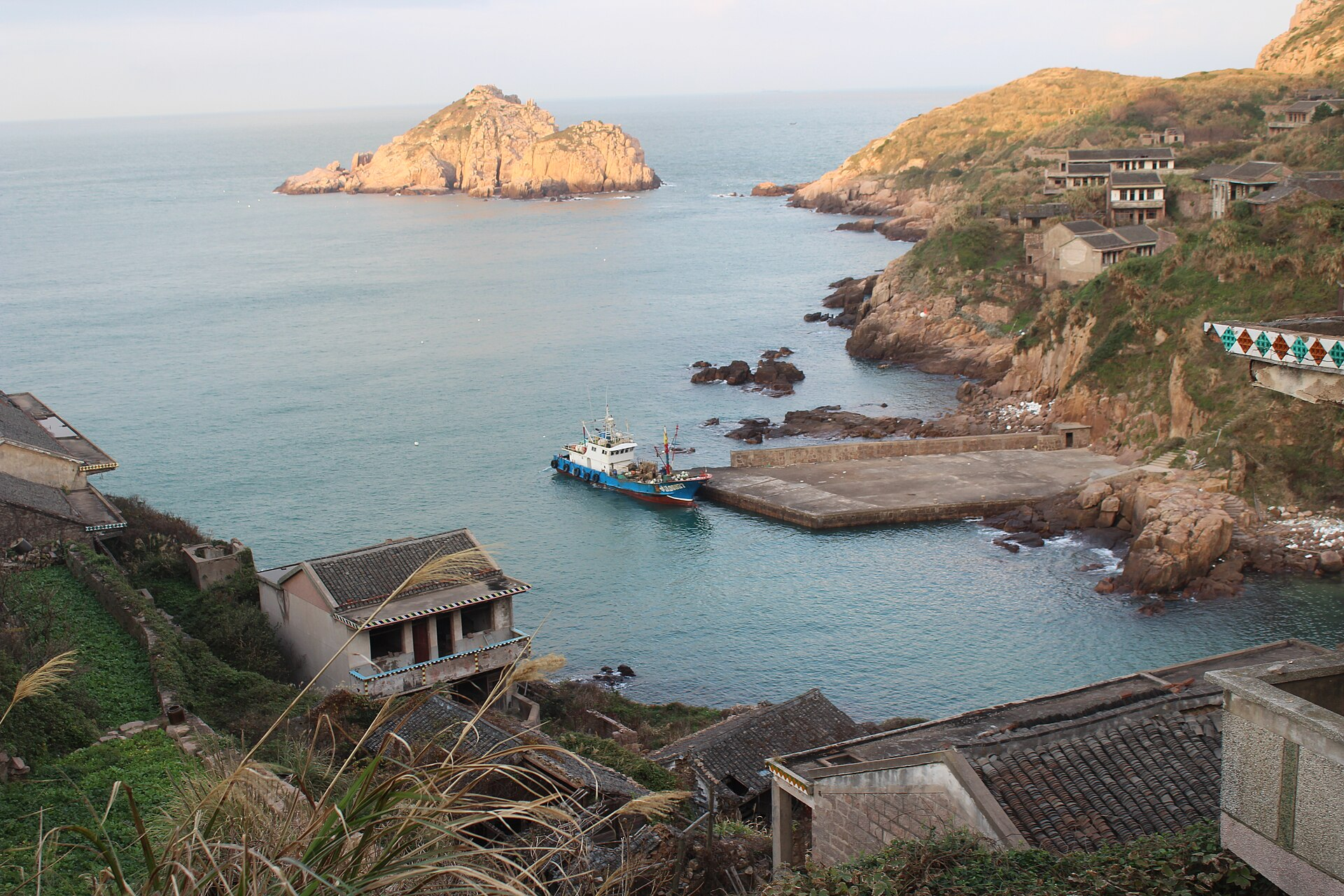
Houtouwan sits on the northern face of Shengshan Island, part of the Shengsi Archipelago, a scattering of around 400 islands in Zhejiang Province, roughly 40 miles (about 64 kilometers) east of Shanghai. The name is often translated as “back bay,” and the village clings to a steep, cliffside slope overlooking the sea. Established in the 1950s, it grew into a prosperous fishing community, thanks to the rich waters around the archipelago.
At its peak in the 1980s, Houtouwan was home to somewhere between 2,000 and 3,000 residents, mostly fishermen and their families. So prosperous was the village in its heyday that it earned the nickname “Little Taiwan.” Boats crowded its harbor, and its cliffside houses bustled with the life of a working fishing town at the edge of the sea.
Like our content? Follow us for more.
The Slow Decline
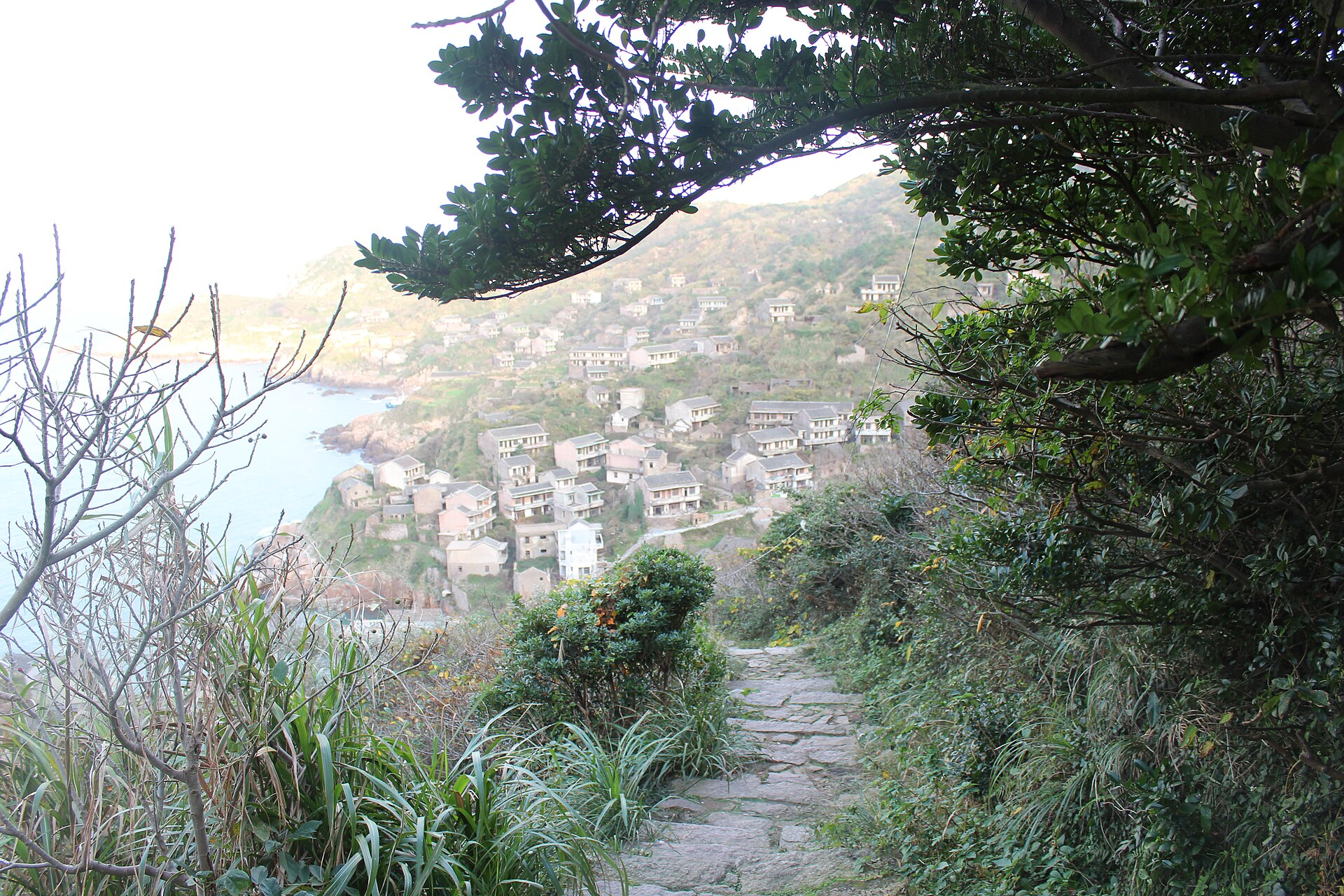
Houtouwan’s decline began in the 1990s, driven by a combination of factors. As China’s fishing fleet modernized, the village’s small, shallow harbor could no longer accommodate the larger, steel-hulled trawlers that were replacing the old wooden boats. Just as importantly, the village’s remote and hard-to-reach location meant limited access to education, supplies, and the opportunities of the mainland.
One by one, families began leaving for the mainland and nearby Shanghai in search of better prospects and an easier life, a pattern common to many small, isolated villages in the region. The exodus was gradual rather than sudden, but it was steady and, ultimately, complete. By 2002, the village had been entirely depopulated, officially merged into a nearby village, with only a small handful of elderly residents choosing to remain in the home they loved.
Nature Takes Over
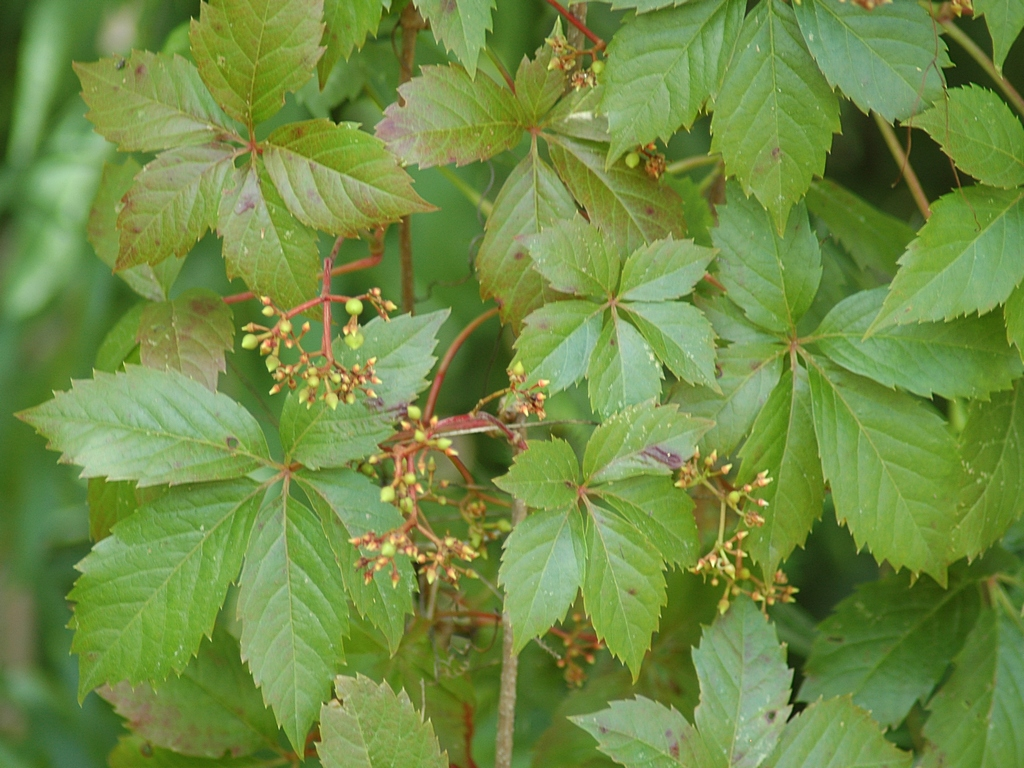
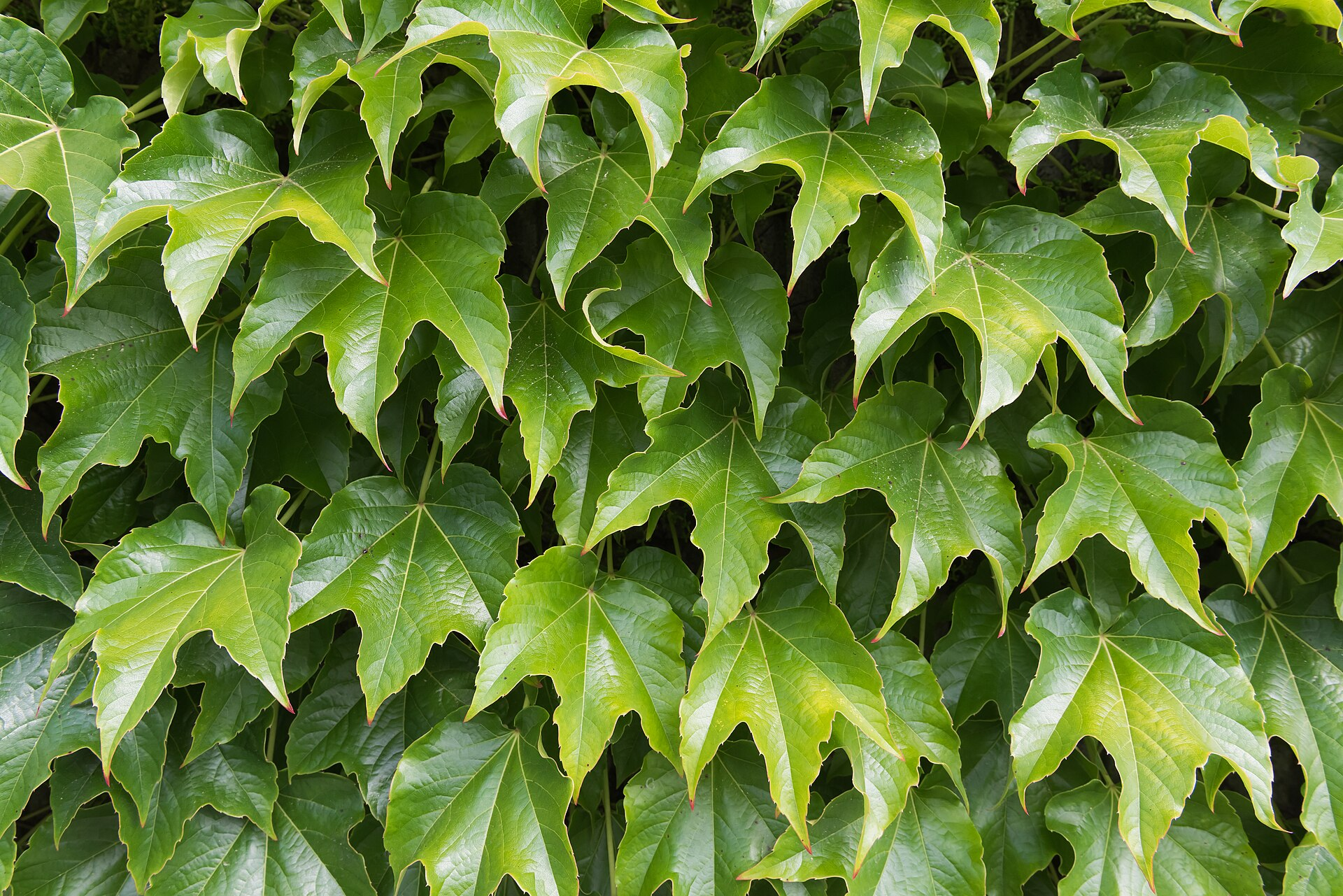
What happened next is what makes Houtouwan so remarkable. Left empty in a warm, humid, rainy maritime climate, the village became fertile ground for a fast-growing climbing vine, identified as Parthenocissus tricuspidata, commonly known as Boston ivy or Japanese creeper. The plant uses tiny adhesive pads to cling to almost any surface, brick, concrete, glass, and wood alike, and in the subtropical conditions of the island, it can grow up to a meter a year.
Over two decades, the ivy did not merely decorate the abandoned houses, it engulfed them. It carpeted the roofs, sealed the windows, and climbed every wall until entire buildings disappeared beneath dense, shingle-like layers of green. From a distance, the stone houses became almost undetectable, blending into the hillside as though the village were dissolving back into the landscape. The result is a settlement that looks less like a ruin and more like a green sculpture, earning Houtouwan its reputation as perhaps the “greenest village in the world.”
A Village Frozen in Time
Adding to the eerie, fairy-tale quality of the place is what the departing residents left behind. Because the village emptied gradually, many homes still contain the furniture, household objects, and everyday belongings of the families who once lived there, slowly being overtaken by the encroaching greenery. Peering into a window can reveal a room frozen in time, now wrapped in vines.
Narrow, overgrown paths and dirt roads wind among the cliffside houses, and the remains of the old fishing harbor hint at the village’s working past. The interplay of the man-made and the natural, stone walls held together as much by root networks as by their original mortar, creates a landscape where it is genuinely hard to tell where the buildings end and the hillside begins. The effect is otherworldly, especially in the misty weather that often rolls in from the sea.
From Ghost Village to Tourist Draw
For years, Houtouwan was simply a forgotten village known mainly to locals. That changed in 2015, when a series of mesmerizing photographs of the vine-covered village went viral online, capturing imaginations around the world and turning the remote ghost village into an unexpected tourist attraction.
Today, hundreds of visitors a day make the journey to wander the village’s trails and photograph its emerald buildings. Some of the few remaining locals have found a new livelihood in tourism, guiding visitors and selling bottled water, often described as the only thing for sale in the village. Islanders have added hiking trails and a viewing platform, with a modest fee, around the equivalent of a few US dollars, to access the viewing area or to hike among the overgrown buildings. The best time to visit is summer, when the vegetation is at its most lush and the green is at its peak.
Visiting Responsibly
Reaching Houtouwan is an adventure that requires real planning. The journey from Shanghai is a multi-step affair involving buses and ferries, often via ports such as Yangshan, Shengjiawan, or Ningbo, to reach Shengshan Island, with the final leg by local transport to the village. The trip can take several hours or more, and ferry schedules can be infrequent, so it is wise to research routes and timetables carefully in advance.
Visitors are strongly advised to take care among the ruins. Travel guides, including CNN, have warned that the empty houses are unmaintained and can be dangerous, and that people should stay out of the structures and keep to the designated paths and viewing areas. The remaining residents deserve respect and privacy, and the fragile site should be treated with care. Anyone planning a visit should also check the latest access information, as arrangements and seasonal tourist access can change.
Where the Green Has Won
Houtouwan stands as one of the most beautiful and thought-provoking abandoned places on Earth, a working fishing village that emptied out and was then slowly, completely reclaimed by nature. It is at once a poignant reminder of the rural communities lost to modernization and migration, and a strangely hopeful vision of the natural world’s power to reclaim what people leave behind.
For travelers drawn to the offbeat, the eerie, and the genuinely unique, Houtouwan offers an unforgettable sight: an entire village dissolving into a sea of green, where furniture sits in vine-wrapped rooms and nature has gently, relentlessly taken over. Approached responsibly, safely, and with respect for its remaining residents and its fragile state, this emerald ghost village is a haunting and beautiful window into what happens when nature is left to reclaim a place, and wins.
Like our content? Follow us for more.