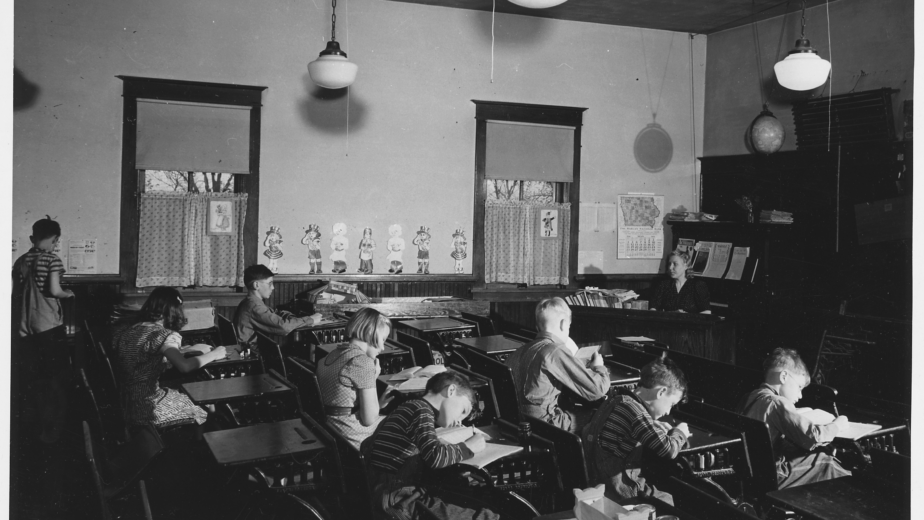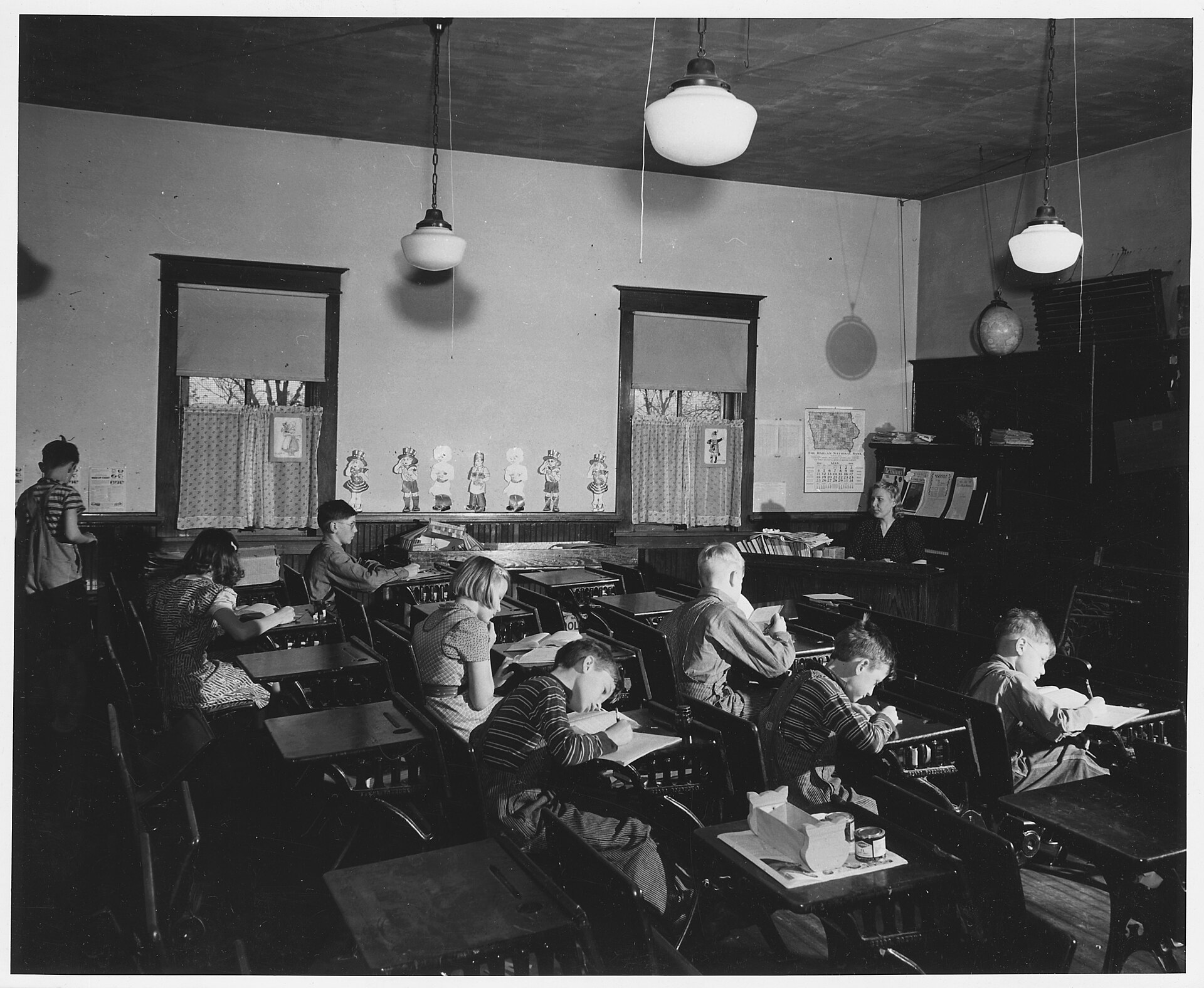
For much of American history, especially in rural areas, education happened in the one-room schoolhouse, a single building where one teacher taught children of all ages and grades together. It was a world of slates and chalk, recitation and rote learning, where older students helped younger ones and the school day was shaped by the rhythms of farm life. These humble little schools educated generations before consolidated schools replaced them, leaving behind a rich vein of nostalgia. Looking back at the one-room schoolhouse offers a window into a vanished way of learning. Here are twelve things nearly every one-room schoolhouse had, counted down one by one.
1. All Grades in One Room
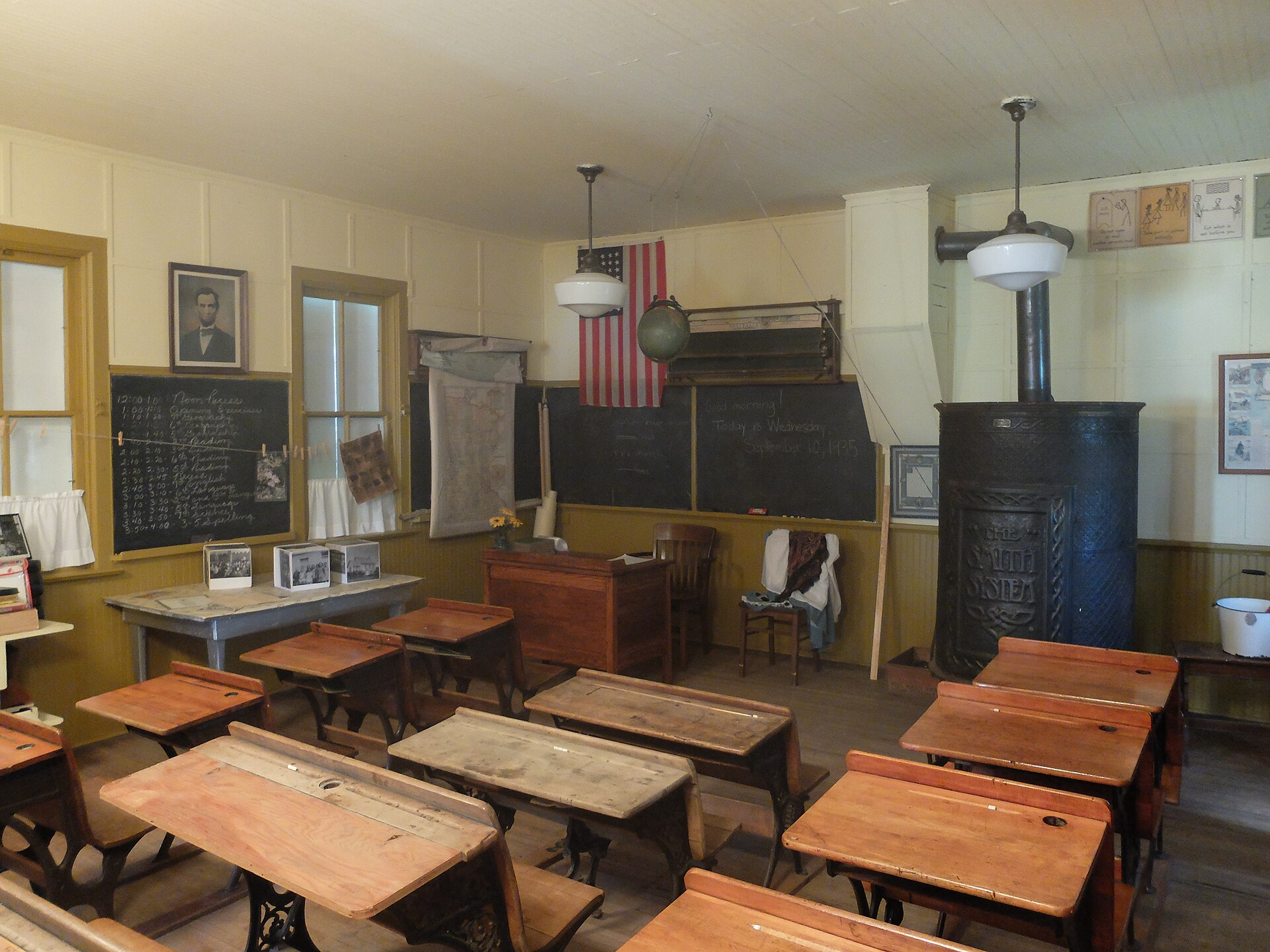
A single room held students of every age and grade together. One teacher taught them all.
The defining feature of the one-room schoolhouse was that all the local children, from the youngest beginners to the oldest students, learned together in a single room under one teacher. The teacher worked with each grade in turn while the others studied on their own, and older students often helped the younger ones. It was an intimate, mixed-age community of learning. The all-grades-in-one-room setup is the essence of the one-room schoolhouse, the remarkable arrangement that had a single teacher educating children of every age together and fostered a close-knit, family-like classroom unlike anything in modern schooling.
Like our content? Follow us for more.
2. The Potbelly Stove
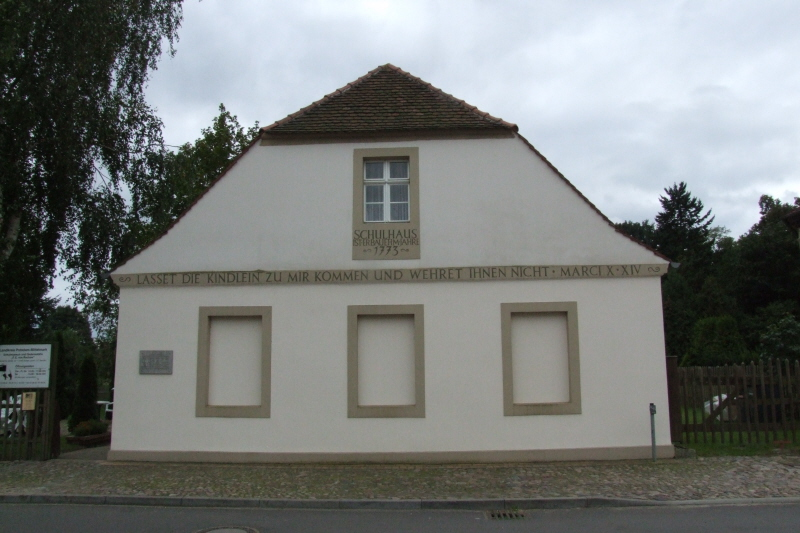
A wood or coal stove heated the whole room. Students closest to it were warm; those far away, less so.
The one-room schoolhouse was heated by a single potbelly stove, burning wood or coal, that the teacher or older students tended through the day. Children near the stove were toasty, while those at the edges of the room shivered, and the morning often began with starting the fire. Wet mittens and coats dried nearby. The potbelly stove is a classic feature of the one-room schoolhouse, the single source of heat that warmed the room unevenly and made tending the fire one of the daily rituals of school life in the days before central heating.
3. The School Bell
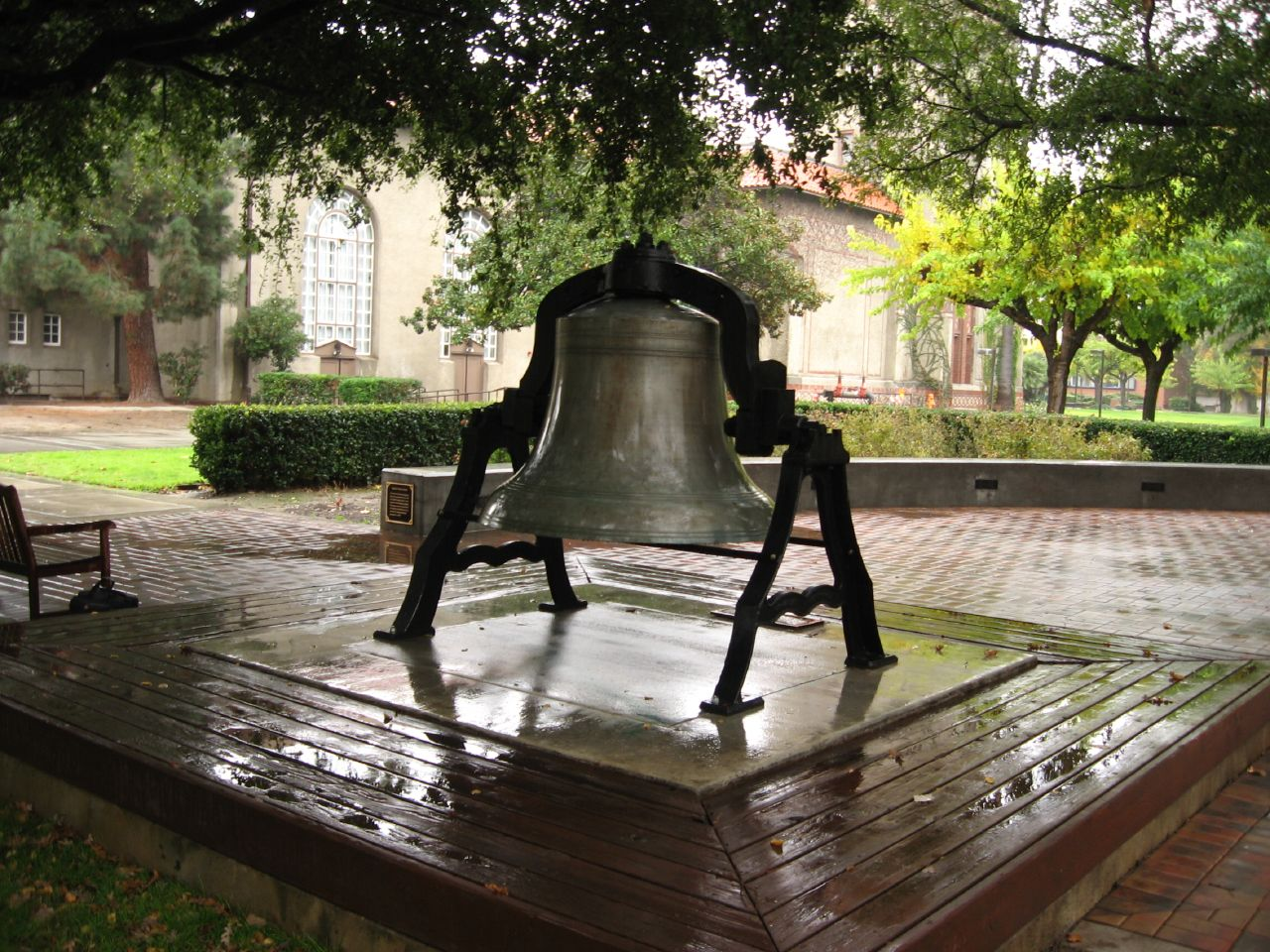
A hand bell or belfry bell called students to class. Its ring marked the start of the school day.
The school day was governed by the bell, whether a hand bell the teacher rang from the doorway or a larger bell in a small belfry atop the schoolhouse, calling children in from play and signaling the start of lessons. The familiar ring carried across the schoolyard and the surrounding fields. It set the rhythm of the day. The school bell is an iconic feature of the one-room schoolhouse, the simple instrument that summoned students to their lessons and whose ring became one of the most enduring and evocative sounds of the old country school.
4. Slates and Chalk
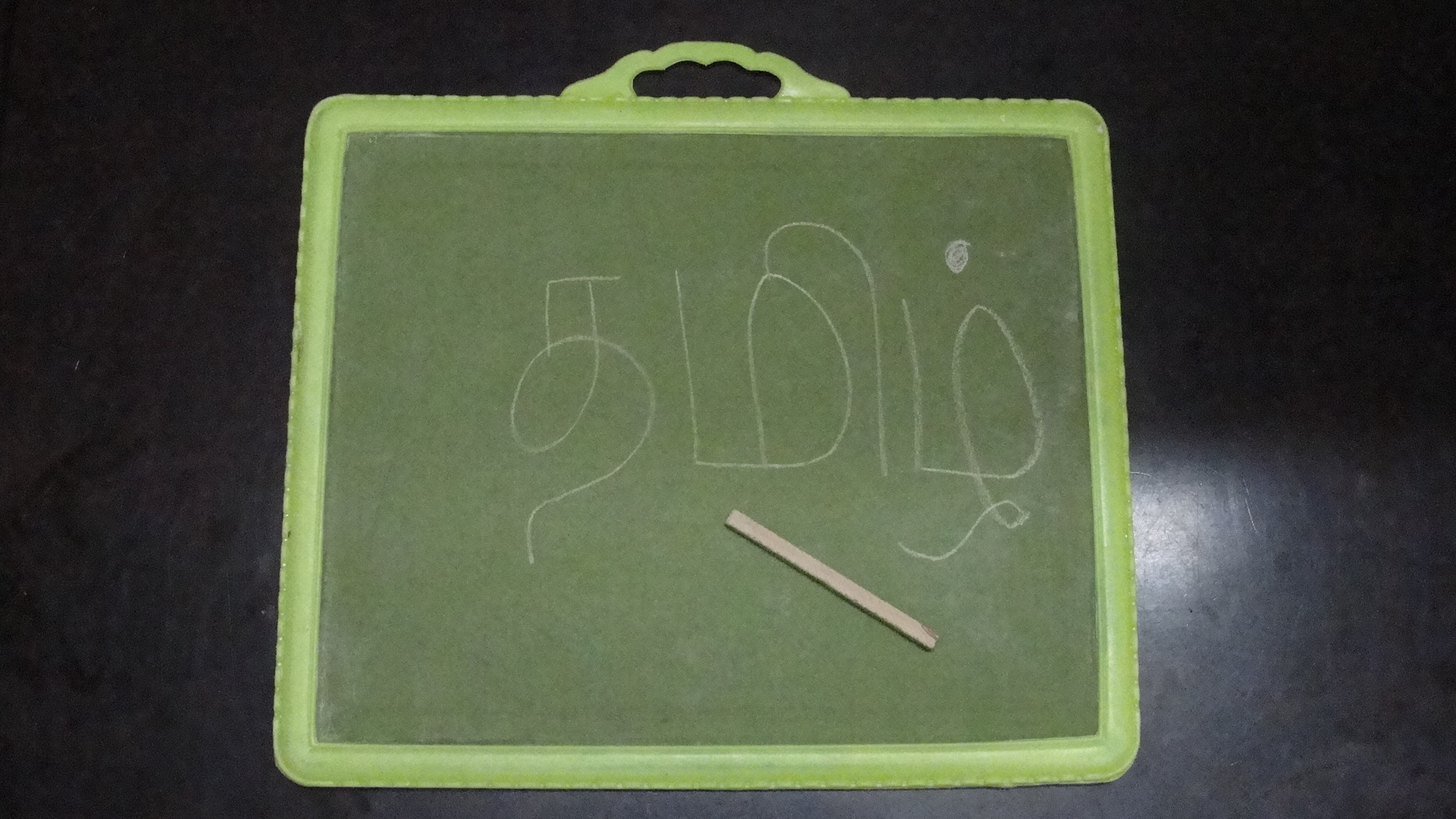
Students wrote on small slates with chalk instead of paper. Slates were wiped clean and reused.
Before paper was cheap and plentiful, students did their work on small handheld slates, writing with chalk and wiping them clean to reuse, often with a damp cloth or sponge. The slate was a student’s primary writing surface for sums and lessons, an economical tool in an era of scarce supplies. The scratch of chalk filled the room. Slates and chalk are a classic feature of the one-room schoolhouse, the reusable writing tools that served students before paper became common and remain one of the most recognizable artifacts of early American schooling.
5. Inkwells and Dip Pens
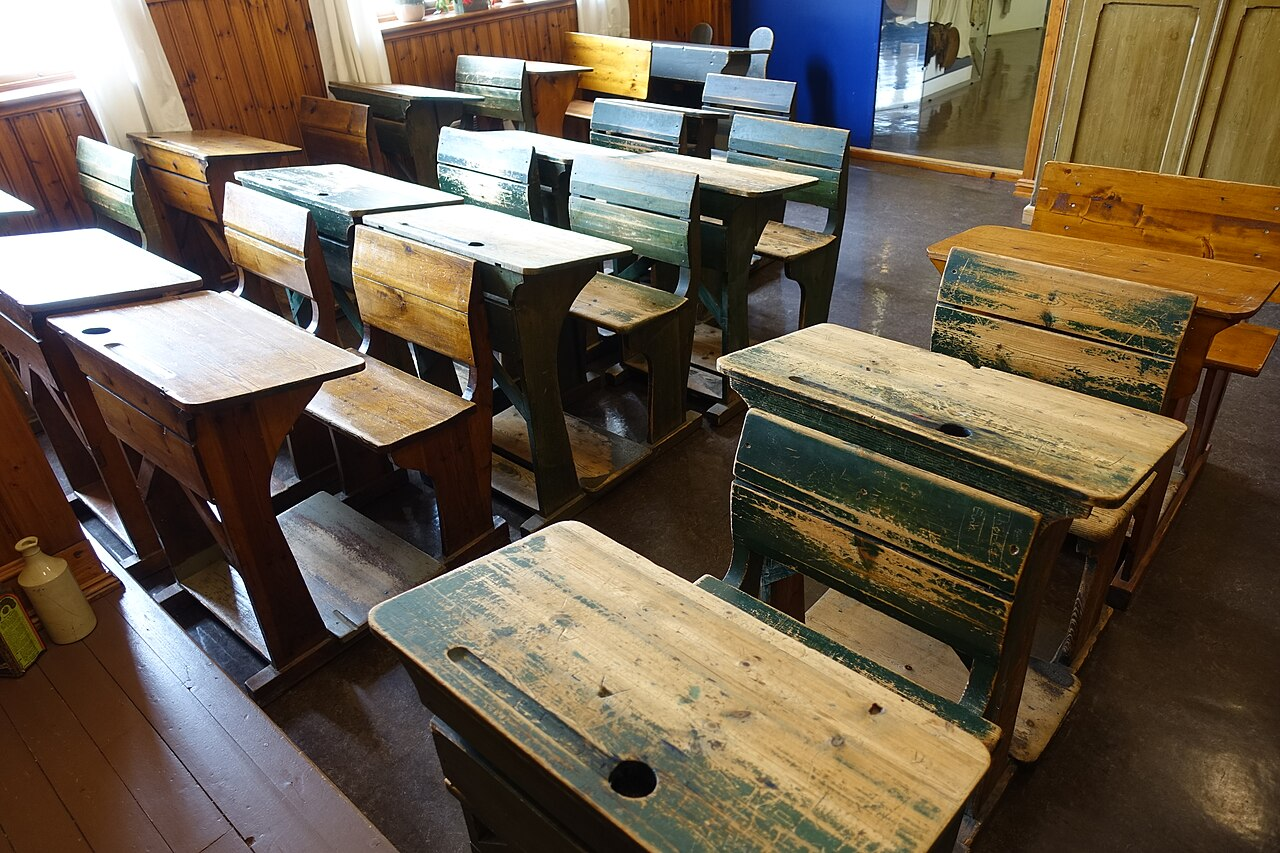
Desks held inkwells for dip pens used in penmanship lessons. Spills and ink-stained fingers were common.
As students advanced, they wrote with dip pens and ink, with each desk featuring a small hole holding an inkwell. Penmanship was taught with great care, and learning to write neatly without blots or spills was a real skill. Ink-stained fingers and the occasional knocked-over inkwell were part of school life. The inkwells and dip pens are a charming feature of the one-room schoolhouse, the writing tools that made penmanship a careful art and left their mark, sometimes literally, on generations of students learning to write.
6. The McGuffey Readers and Shared Books
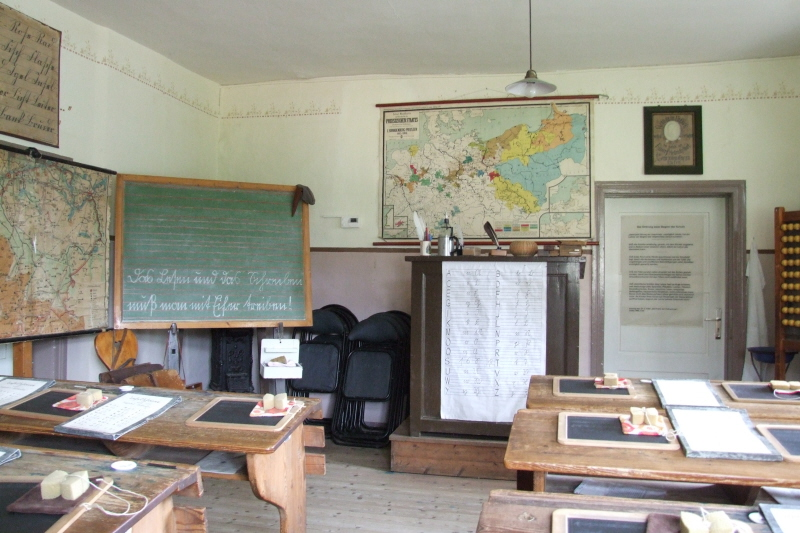
A handful of shared textbooks, like the readers, taught the lessons. Books were scarce and passed along.
The one-room schoolhouse relied on a small set of textbooks, most famously the graded readers that taught reading, along with spellers and arithmetic books, often shared among students and passed down through families. Books were precious and scarce, and lessons leaned heavily on reading aloud and memorization. The readers shaped a generation’s education. The shared textbooks are a defining feature of the one-room schoolhouse, the handful of well-worn books, especially the famous graded readers, that formed the backbone of the curriculum in an era when printed material was a precious resource.
7. Recitation at the Front
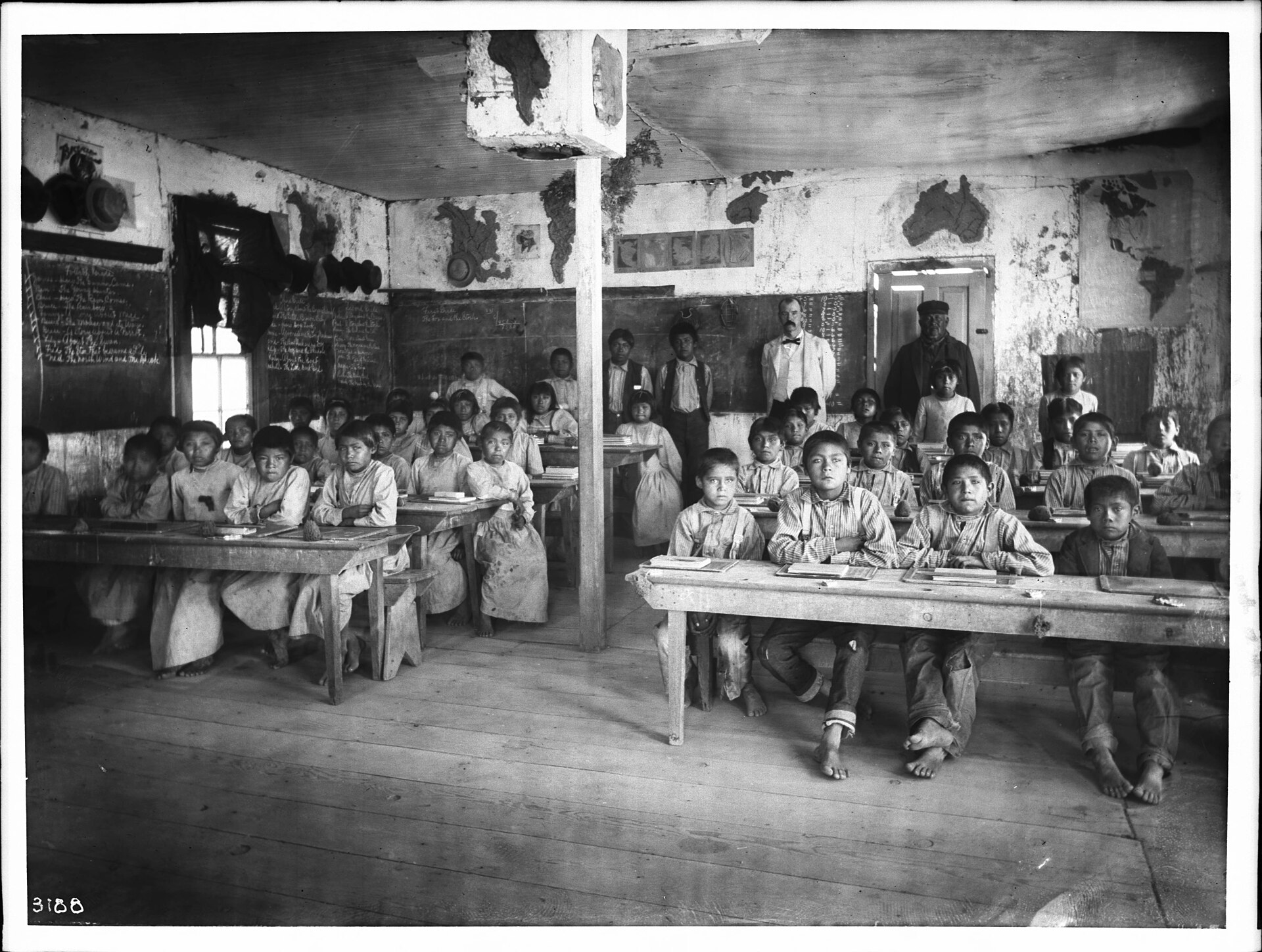
Students came to the front to recite lessons aloud. Learning by heart was central to the method.
A central method in the one-room school was recitation, where each grade in turn came to a bench at the front of the room to recite their lessons aloud to the teacher while the rest studied. Memorization and reciting from memory, spelling, poetry, and sums, were the heart of learning. The recitation bench saw a steady parade of students. Recitation at the front is a classic feature of the one-room schoolhouse, the teaching method built on memorization and reciting aloud that defined the old-fashioned education and kept the single teacher rotating through every grade and subject.
8. The Water Bucket and Dipper
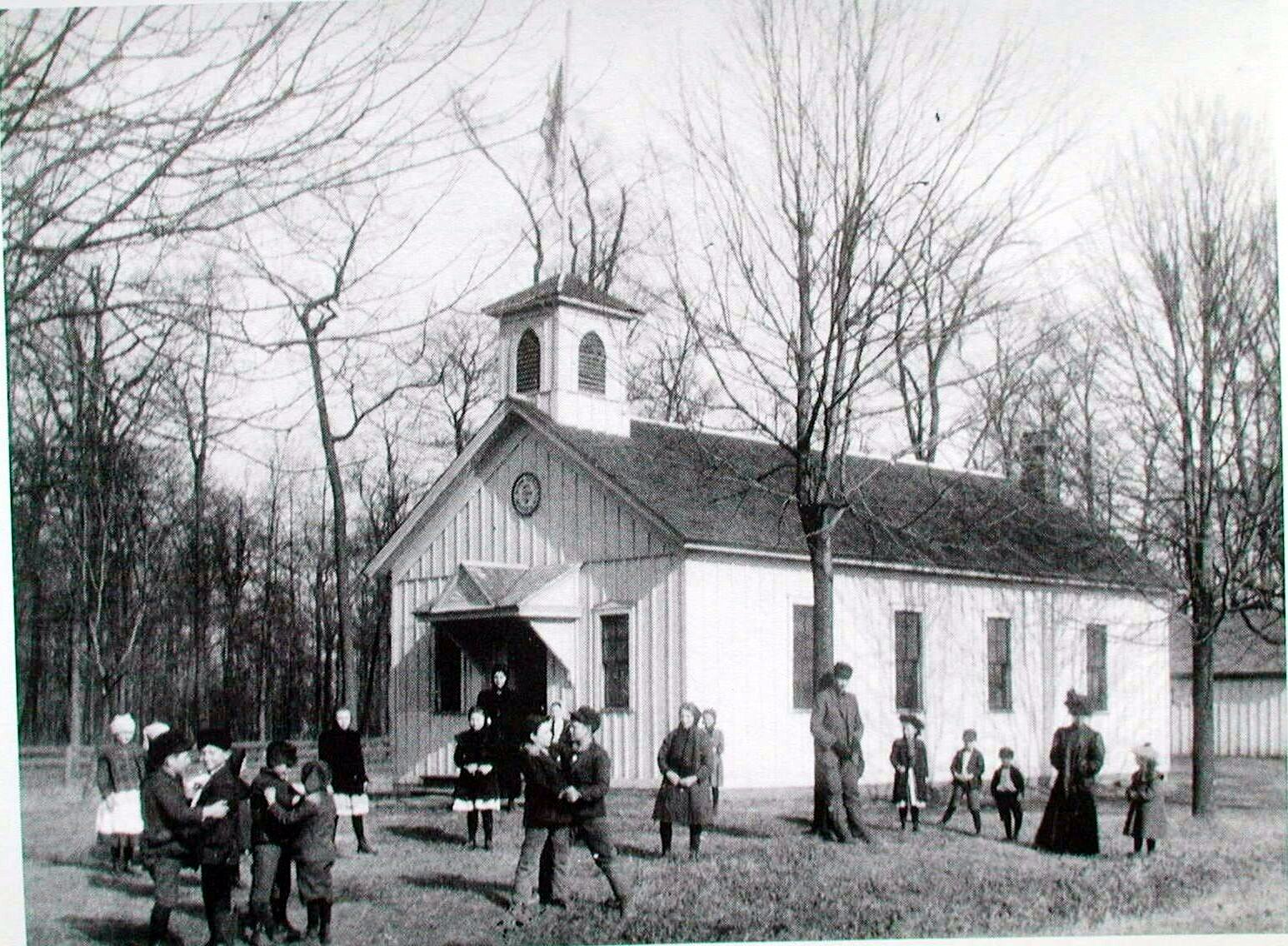
A bucket of water with a shared dipper served the whole school. Fetching water was a daily chore.
Drinking water came from a single bucket, often filled from a nearby well or pump, with a shared dipper or cup that the whole school used, a practice that seems unthinkable today. Fetching the water was a chore assigned to older students, and the water bucket sat in a corner of the room. Everyone drank from the same dipper. The water bucket and shared dipper are a telling feature of the one-room schoolhouse, the simple, communal drinking arrangement that reflects how much daily life has changed and how self-sufficient these little rural schools had to be.
9. The Outhouse Out Back
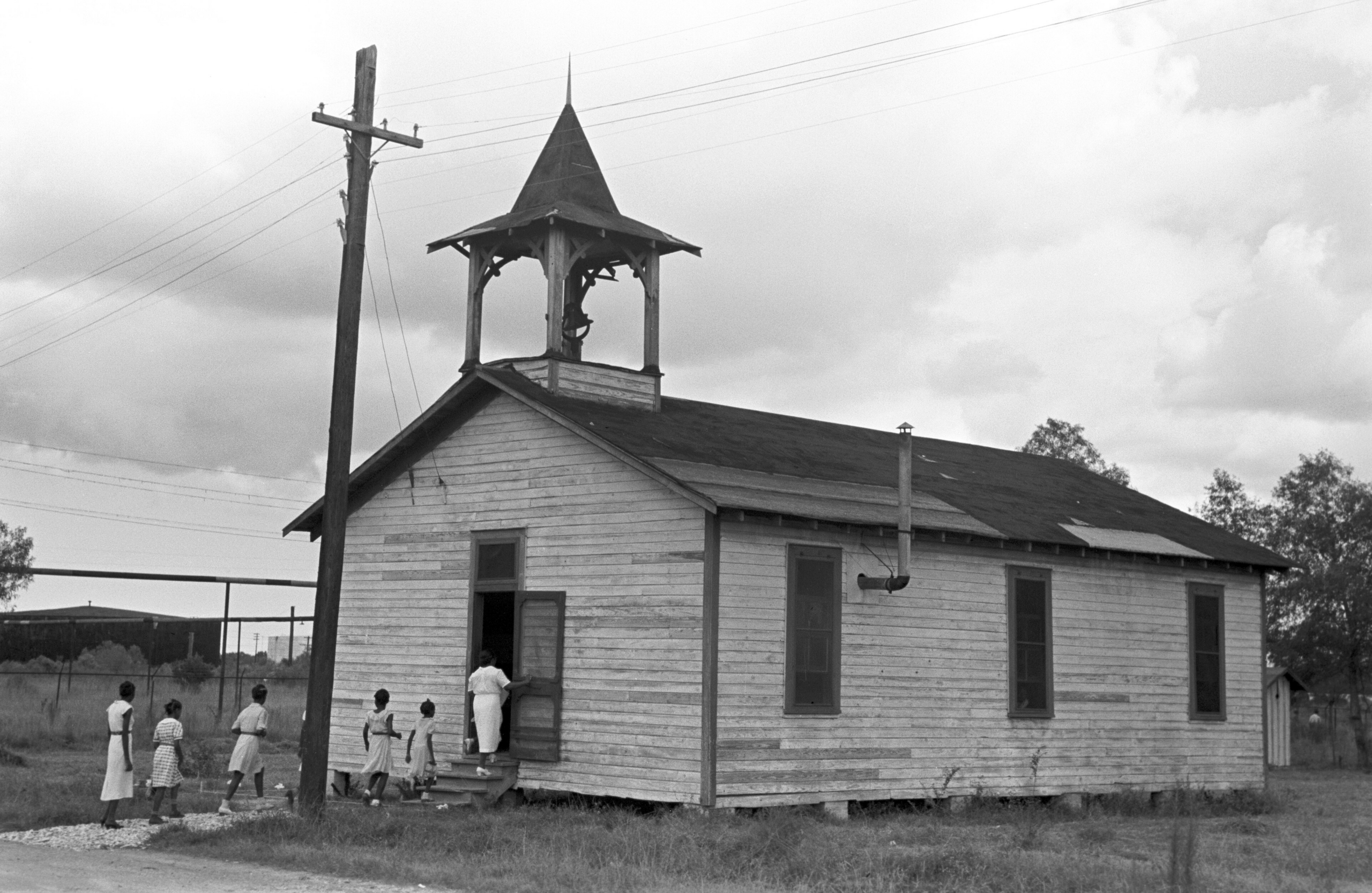
Outdoor privies served as the school’s only restrooms. A trip outside was needed in all weather.
The one-room schoolhouse had no indoor plumbing, so restrooms were outhouses, typically two small privies out back, set apart for boys and girls. A trip to the outhouse meant going outside in all weather, from summer heat to winter cold. It was simply a fact of school life in those days. The outhouse out back is a humble but defining feature of the one-room schoolhouse, the outdoor facilities that reflect the rustic, no-frills nature of these rural schools and the hardier conditions students once took for granted.
10. The Blackboard and the Lessons of the Day
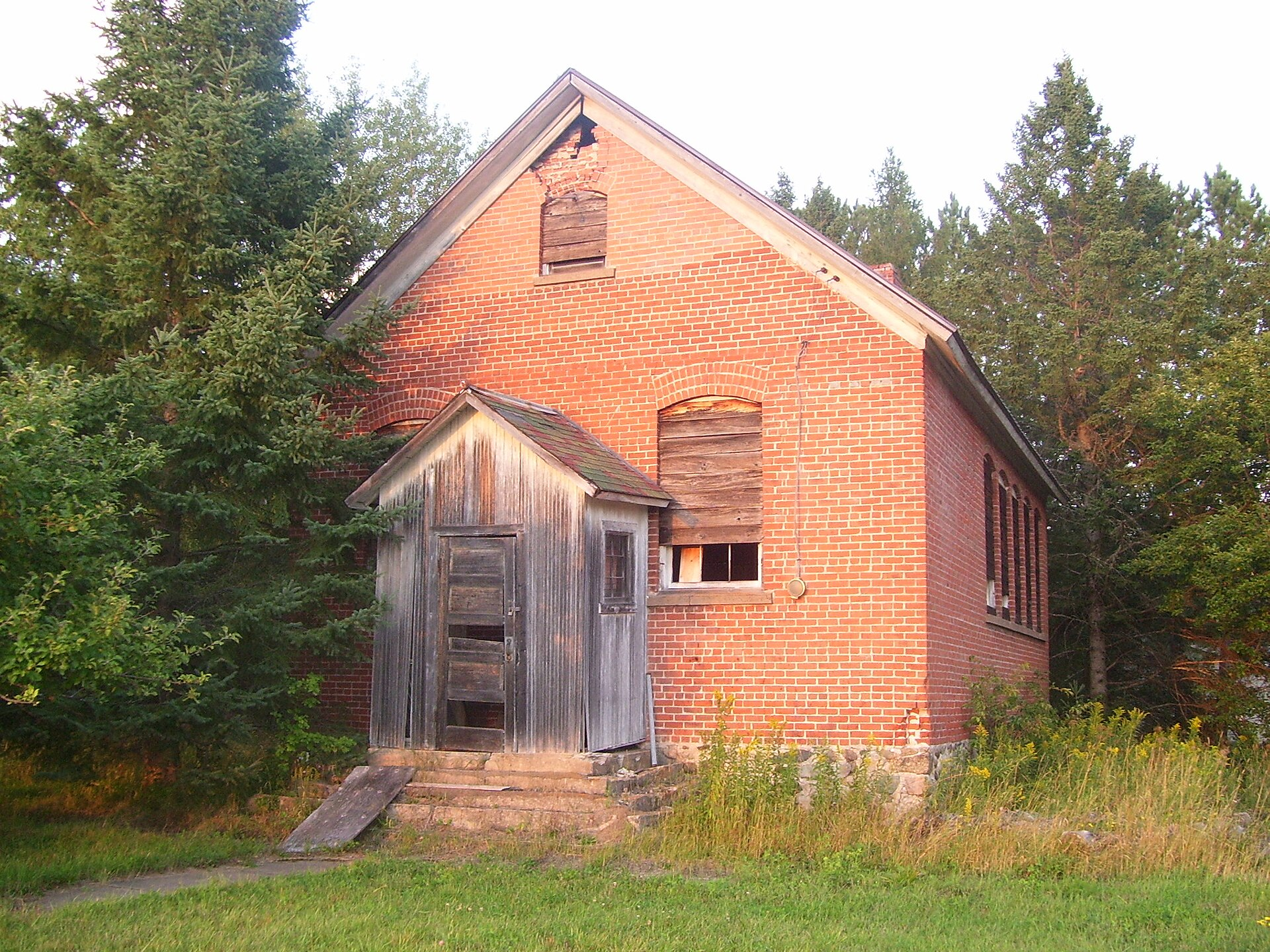
A blackboard at the front displayed lessons and sums. The teacher wrote out the day’s work in chalk.
At the front of the room hung the blackboard, on which the teacher wrote the day’s lessons, sums, spelling words, and examples in chalk for the students to copy and learn. The blackboard was the teacher’s main visual tool, and clapping the erasers clean was a coveted, if dusty, chore. It anchored the front of the room. The blackboard is a classic feature of the one-room schoolhouse, the central teaching surface where the day’s lessons came to life in chalk and which remains one of the most enduring symbols of the old-fashioned classroom.
11. Chores and Responsibilities
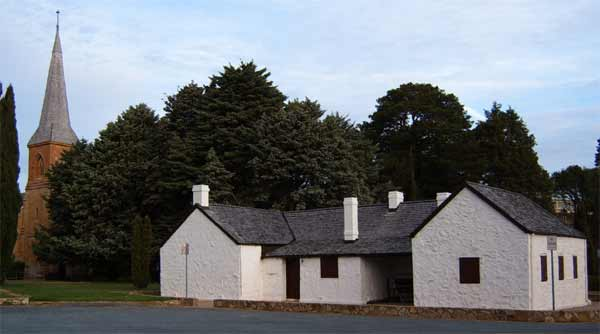
Students fetched water, swept up, and tended the stove. Everyone pitched in to run the school.
Keeping the one-room schoolhouse running was a shared effort, with students assigned chores like fetching water, sweeping the floor, clapping erasers, bringing in firewood, and tending the stove. These responsibilities taught duty and cooperation and were simply part of the school day. Everyone had a role in caring for their school. The chores and responsibilities are a meaningful feature of the one-room schoolhouse, the shared duties that kept the little school functioning and instilled a sense of responsibility and community in students from an early age.
12. The Walk to School
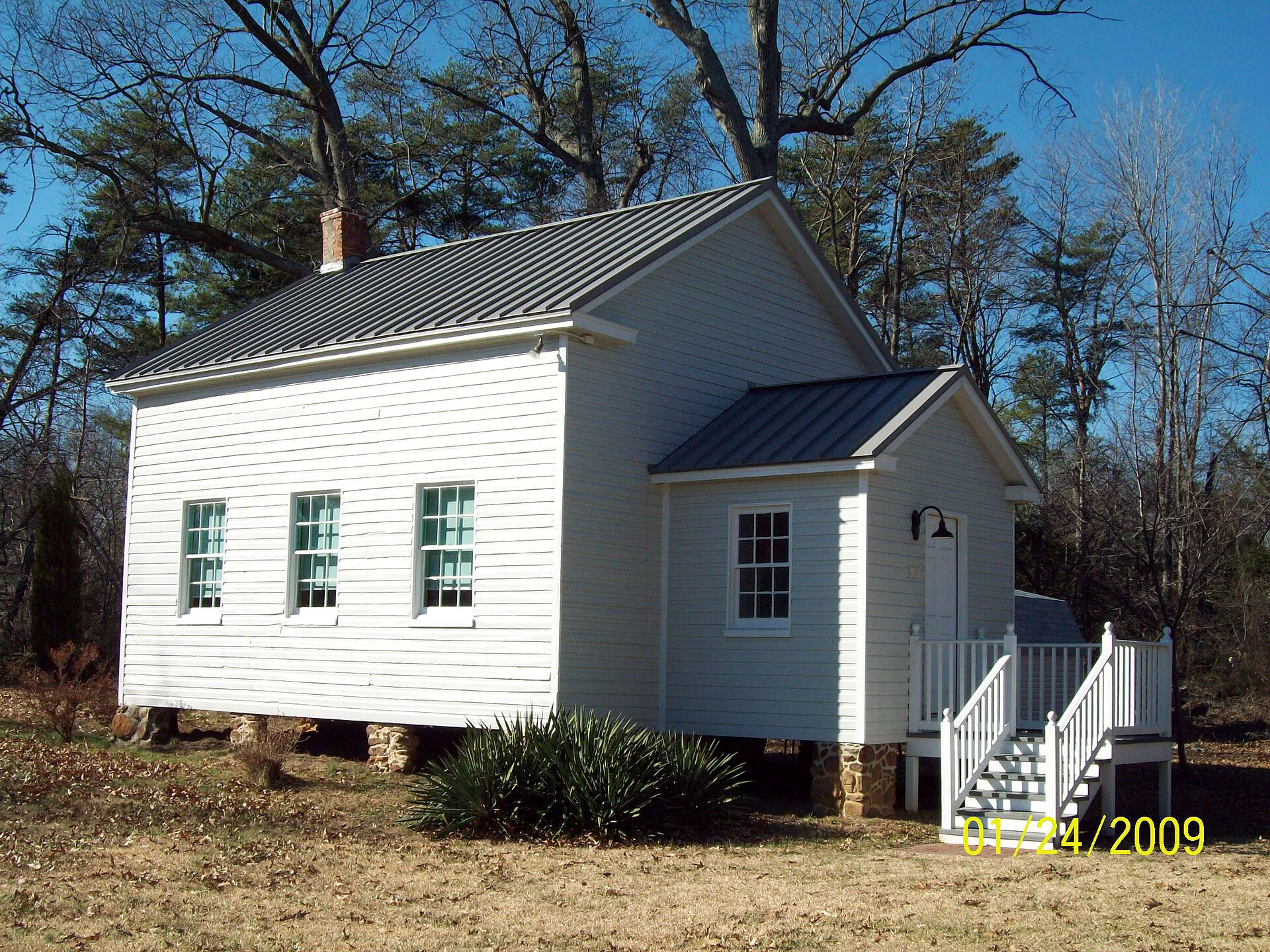
Children walked to school, often long distances in all weather. The journey was part of the day.
In rural areas, children walked to the one-room schoolhouse, sometimes for miles, along country roads and across fields, in all kinds of weather. The walk, often with siblings and neighbors, was simply part of the school day, and the schoolhouse was placed centrally so children from scattered farms could reach it. The journey built independence. The walk to school is a memorable feature of the one-room schoolhouse era, the daily trek that children made on foot in all weather and that reflects a time when getting an education took real effort and the schoolhouse was the hub of a rural community.
A Vanished Way of Learning
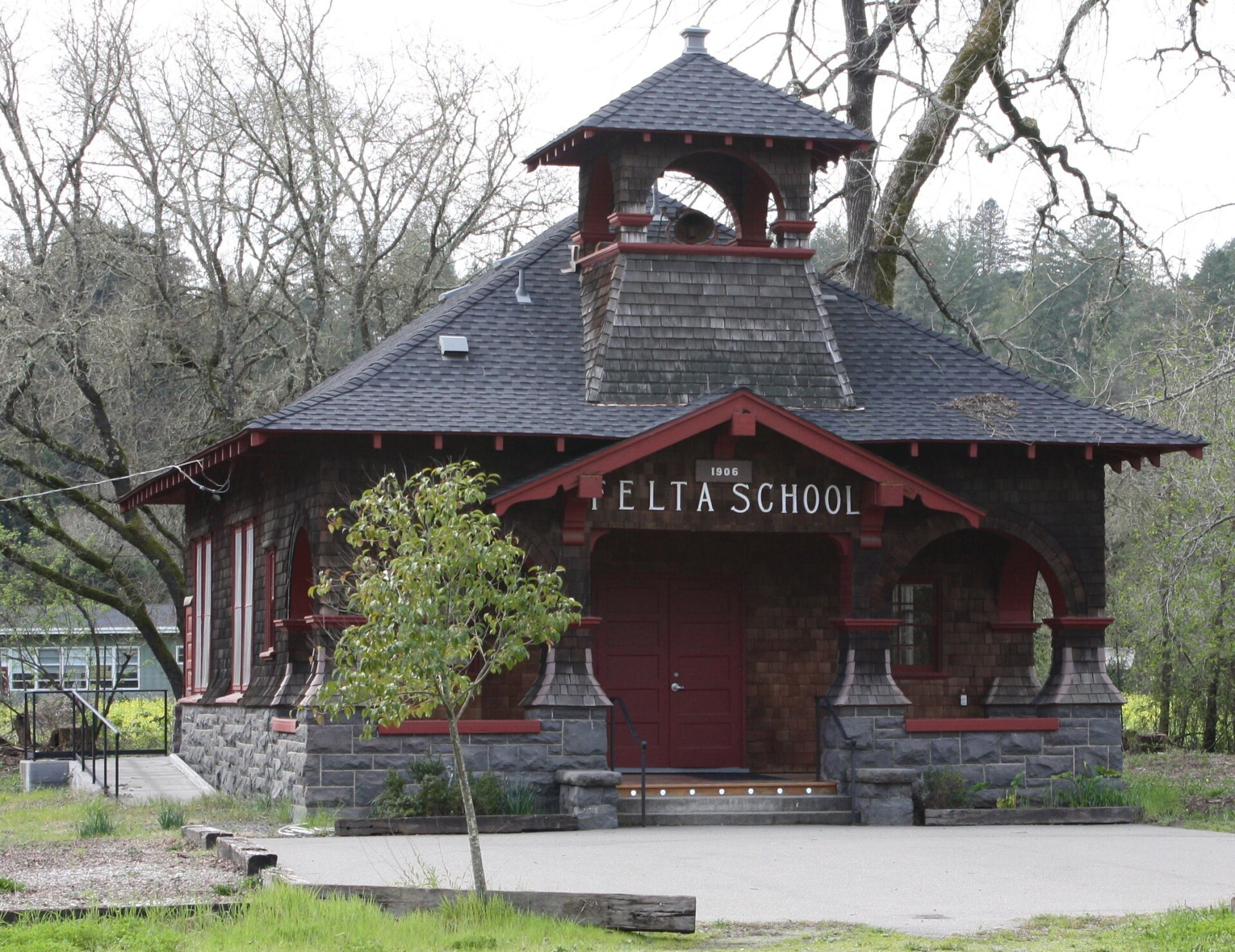
Taken together, these twelve things capture the world of the one-room schoolhouse, from all grades learning together and the potbelly stove to the slates, the recitation bench, and the long walk to school. It was a humble, hardy, close-knit way of learning that educated generations of American children before it faded into history.
The consolidation of rural schools, the spread of buses, and modern facilities gradually replaced the one-room schoolhouse, ending an era that had shaped American education for over a century. Yet these little schools hold a cherished place in memory and history, symbols of a simpler, more self-reliant time. For those who attended one, or whose parents and grandparents did, these details bring that world to life. Looking back at the one-room schoolhouse is a fond tribute to a vanished way of learning, where one room and one teacher gave a whole community its start in the world of letters and numbers.
Like our content? Follow us for more.