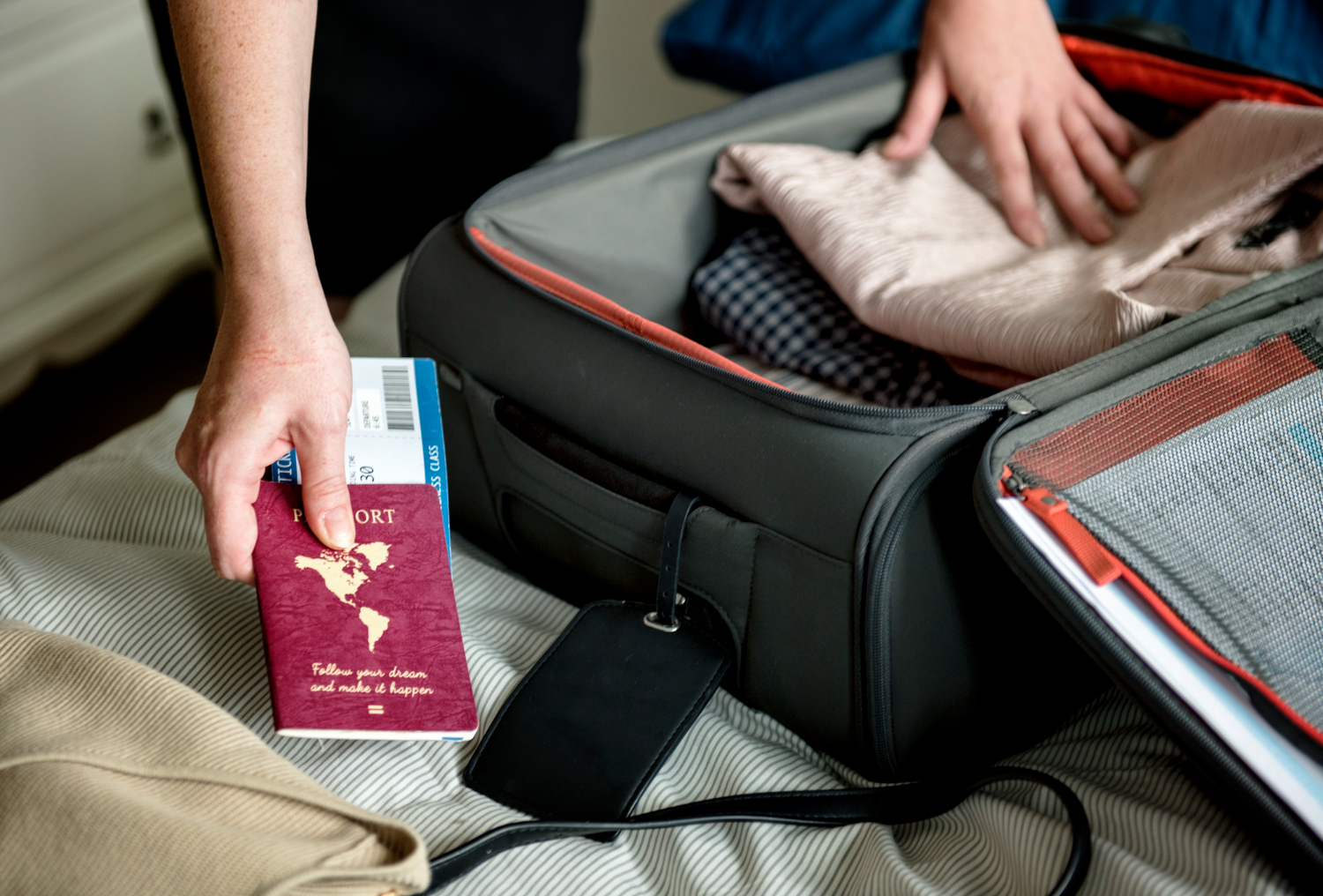
For American travelers, the U.S. passport opens a lot of doors, granting visa-free or visa-on-arrival access to roughly 179 destinations. But the world of visa-free travel is changing: new electronic authorizations are rolling out, some countries have tightened their rules, and “visa-free” almost never means you can simply show up with no preparation. Understanding how it really works can save you from being turned away at the gate. Here are ten things to know about visa-free travel for Americans in 2026, counted down one by one. (Entry requirements change frequently; always confirm the rules for your specific destination before traveling.)
1. Visa-Free Doesn’t Mean Paperwork-Free

You may still need authorizations or forms. “No visa” isn’t “no requirements.”
The most important thing to understand is that “visa-free” doesn’t mean requirement-free. Even where no traditional visa is needed, you may need an electronic travel authorization, a digital arrival card, an onward ticket, proof of funds, or a passport valid for a set period. Visa-free not meaning paperwork-free is the essential starting point, the reality that skipping a formal visa application doesn’t mean skipping preparation, since a growing range of online forms, authorizations, and entry conditions can still apply, and overlooking them can derail a trip at the airport or border.
Like our content? Follow us for more.
2. The U.S. Passport Still Reaches Around 179 Destinations
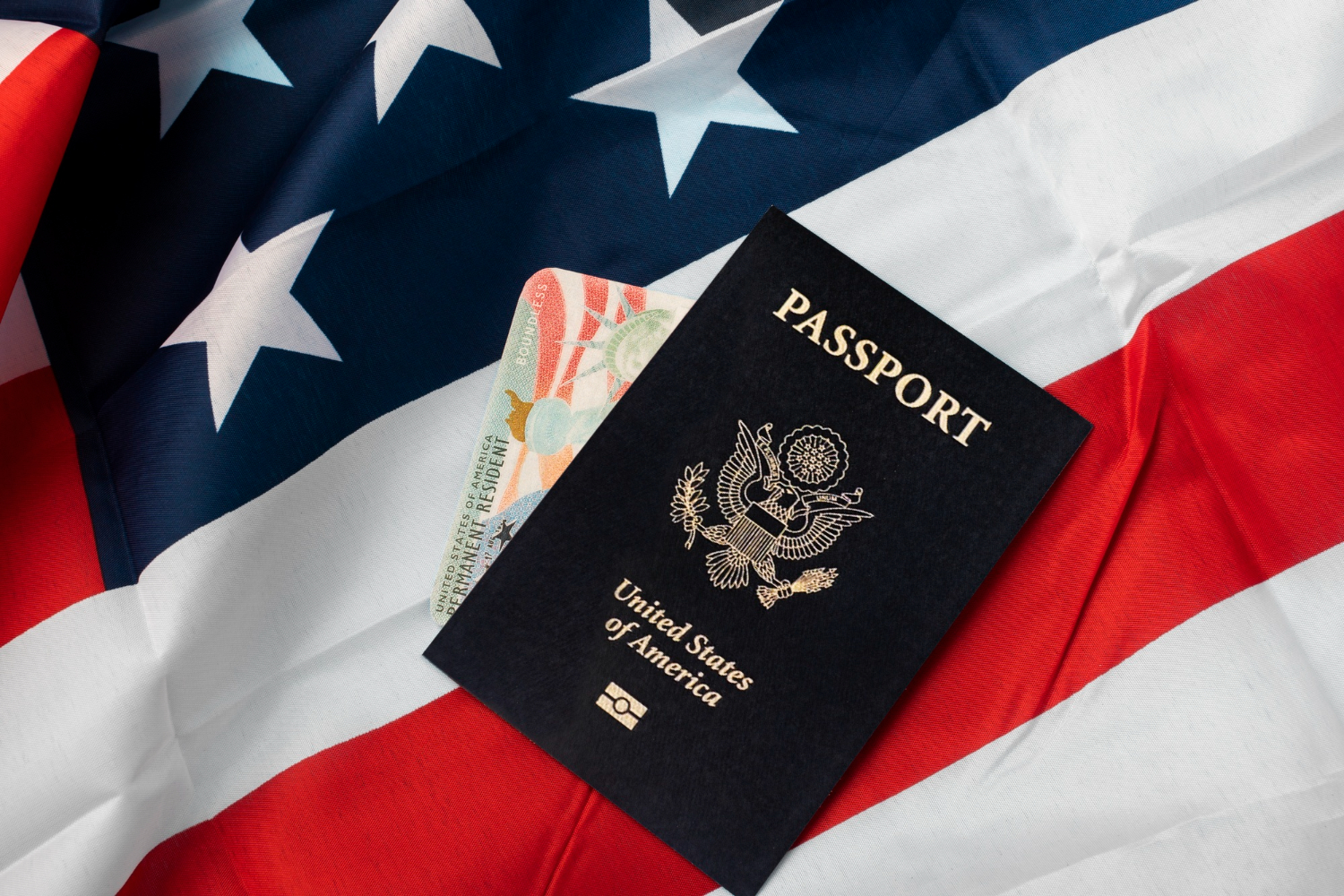
Americans can enter many places without a prior visa. Access remains broad.
According to the Henley Passport Index, the U.S. passport provides visa-free or visa-on-arrival access to around 179 destinations in 2026, keeping it among the world’s stronger passports despite slipping in the rankings. For most popular trips, Americans can travel without arranging a visa in advance. The U.S. passport reaching around 179 destinations is reassuring context, the broad access that still covers the vast majority of common travel destinations, meaning that while the U.S. no longer tops the global rankings, American travelers remain able to visit most places without a traditional advance visa.
3. Europe’s New ETIAS Authorization Is Coming
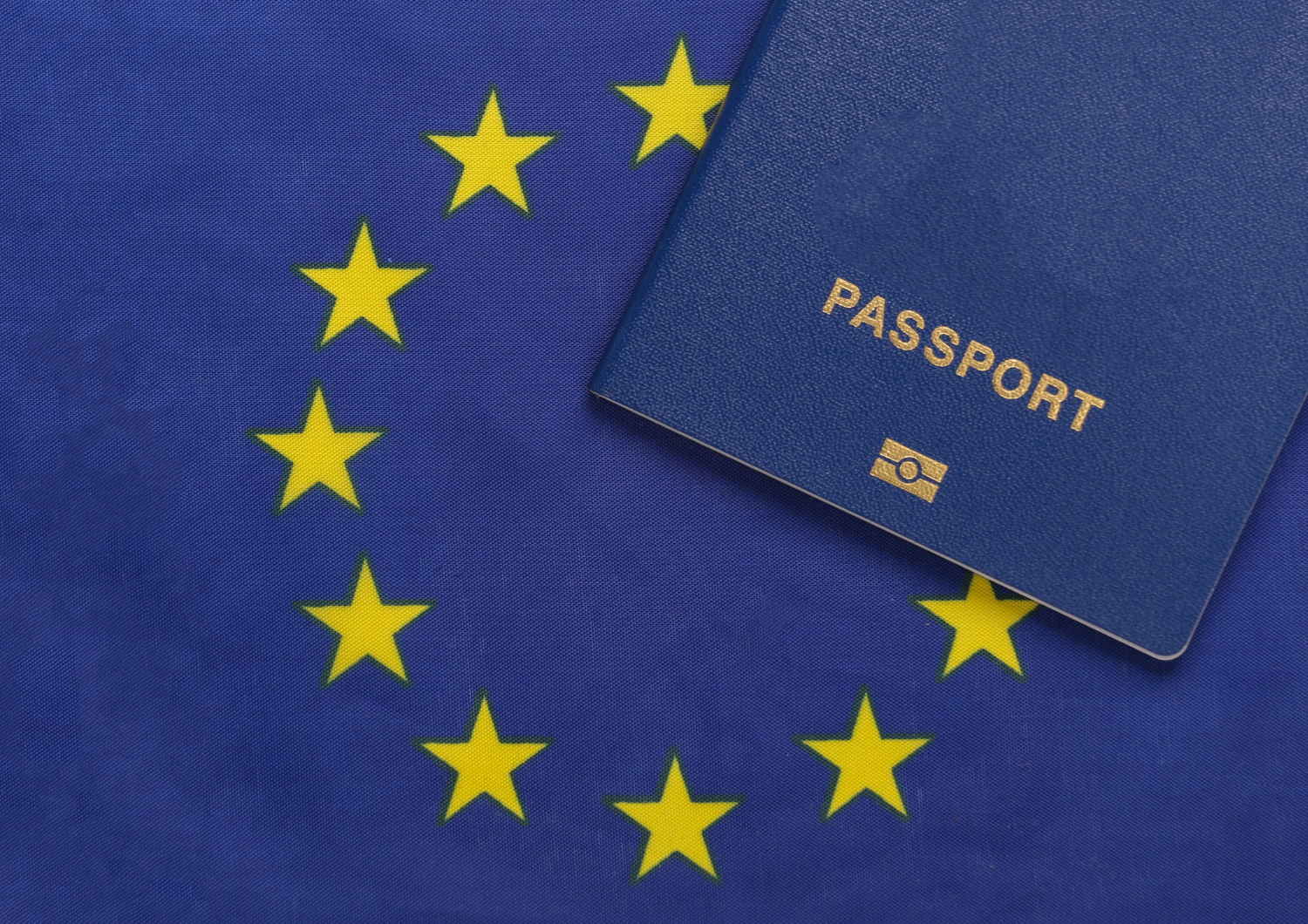
Europe plans an online travel authorization. It’s a quick form, not a visa.
A major change on the horizon is Europe’s ETIAS (European Travel Information and Authorisation System), a pre-travel authorization that Americans and other visa-exempt visitors will need to obtain online before visiting many European countries. It’s not a visa, but a quick online registration with a small fee. Europe’s ETIAS coming is a key development to track, the new requirement that, once in effect, will add a simple online step before European trips, a reminder that even longtime visa-free travel to Europe is shifting toward requiring advance authorization that travelers should plan for.
4. The UK Now Requires an ETA

Britain has its own electronic travel authorization. Americans need it before arrival.
The United Kingdom has rolled out its Electronic Travel Authorisation (ETA), which visa-exempt visitors, including Americans, must obtain online before traveling. It carries a fee and is valid for multiple trips over a set period, but without it, travelers can be denied boarding. The UK requiring an ETA is a current, concrete example, the kind of online authorization now needed for a destination that was once simply visa-free, underscoring how essential it is to check for these requirements, since airlines enforce them and missing one can stop a trip before it starts.
5. Some Countries Have Ended Visa-Free Access for Americans
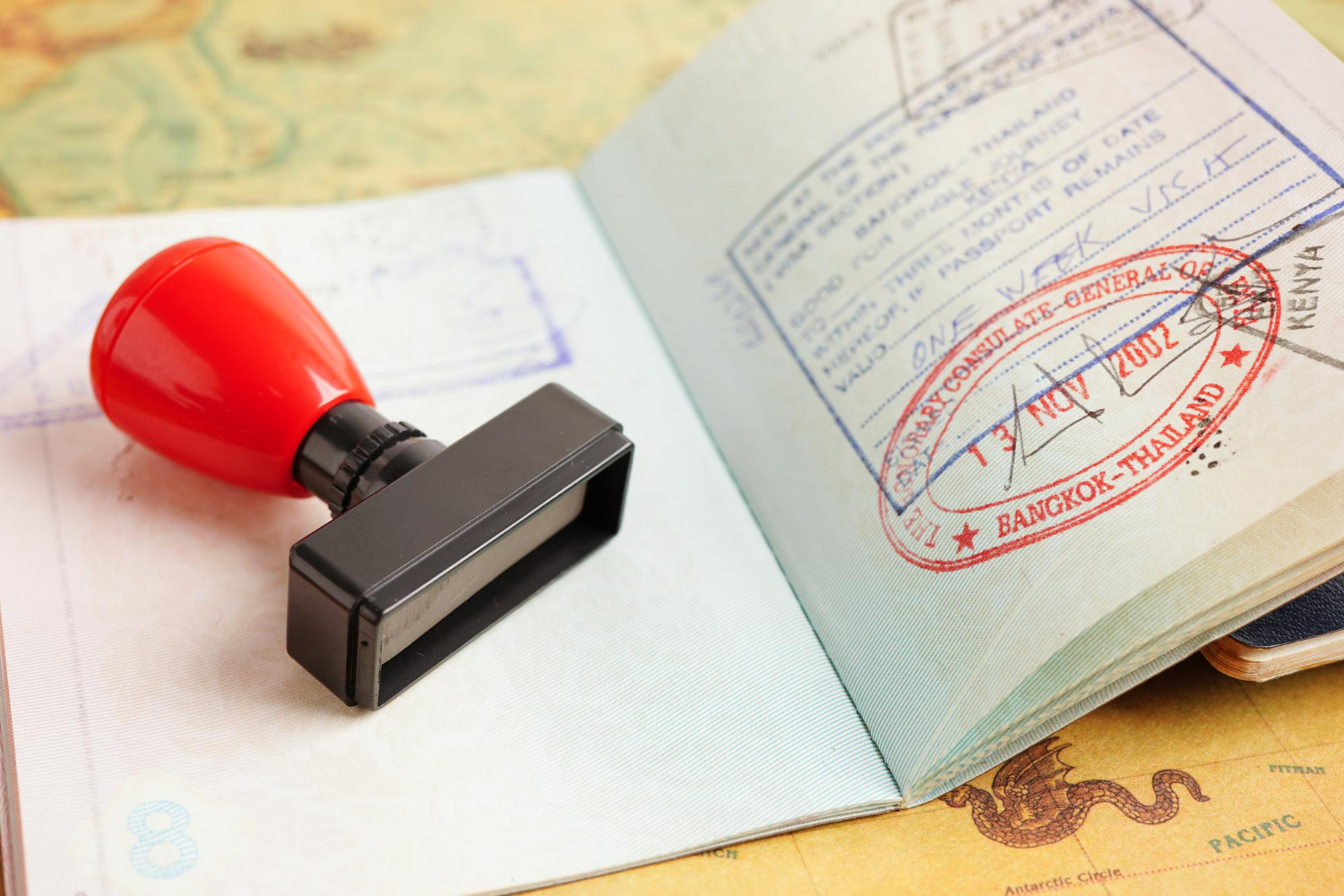
A few destinations now require visas. Reciprocity drives these changes.
Part of why the U.S. passport has slipped is that a handful of countries have ended visa-free entry for Americans in recent years, often citing reciprocity. This means some destinations that previously required no visa now do. Some countries ending visa-free access is an important trend, the reminder that visa policies are not permanent and can change based on diplomatic relationships, so a destination that was visa-free on a past trip may now require a visa, making it essential to re-check rules rather than relying on past experience.
6. Visa-on-Arrival Is Different From Truly Visa-Free

Some “visa-free” access means a visa at the border. Know which applies.
Passport rankings often combine “visa-free” and “visa-on-arrival” access, but they’re not the same. Truly visa-free means no visa at all; visa-on-arrival means you still obtain (and often pay for) a visa when you land, sometimes requiring documents or cash. Visa-on-arrival differing from truly visa-free is a useful distinction, the difference between walking through with just your passport and needing to complete a process at the border, which affects what you should prepare, since a visa-on-arrival destination may still require fees, photos, or forms upon landing.
7. Electronic Visas and Arrival Cards Are Spreading

More countries use online e-visas and digital forms. Fill them out before you fly.
Many countries now use electronic visas (e-visas) you apply for online in advance, or digital arrival cards you must complete before or upon entry. These have made some previously harder-to-reach destinations more accessible, but they require action ahead of time. Electronic visas and arrival cards spreading reflects a digital shift, the growing use of online systems that streamline entry but still demand advance preparation, meaning travelers increasingly need to handle a quick online application or form before departure rather than sorting everything out at the airport.
8. Passport Validity Rules Can Trip You Up
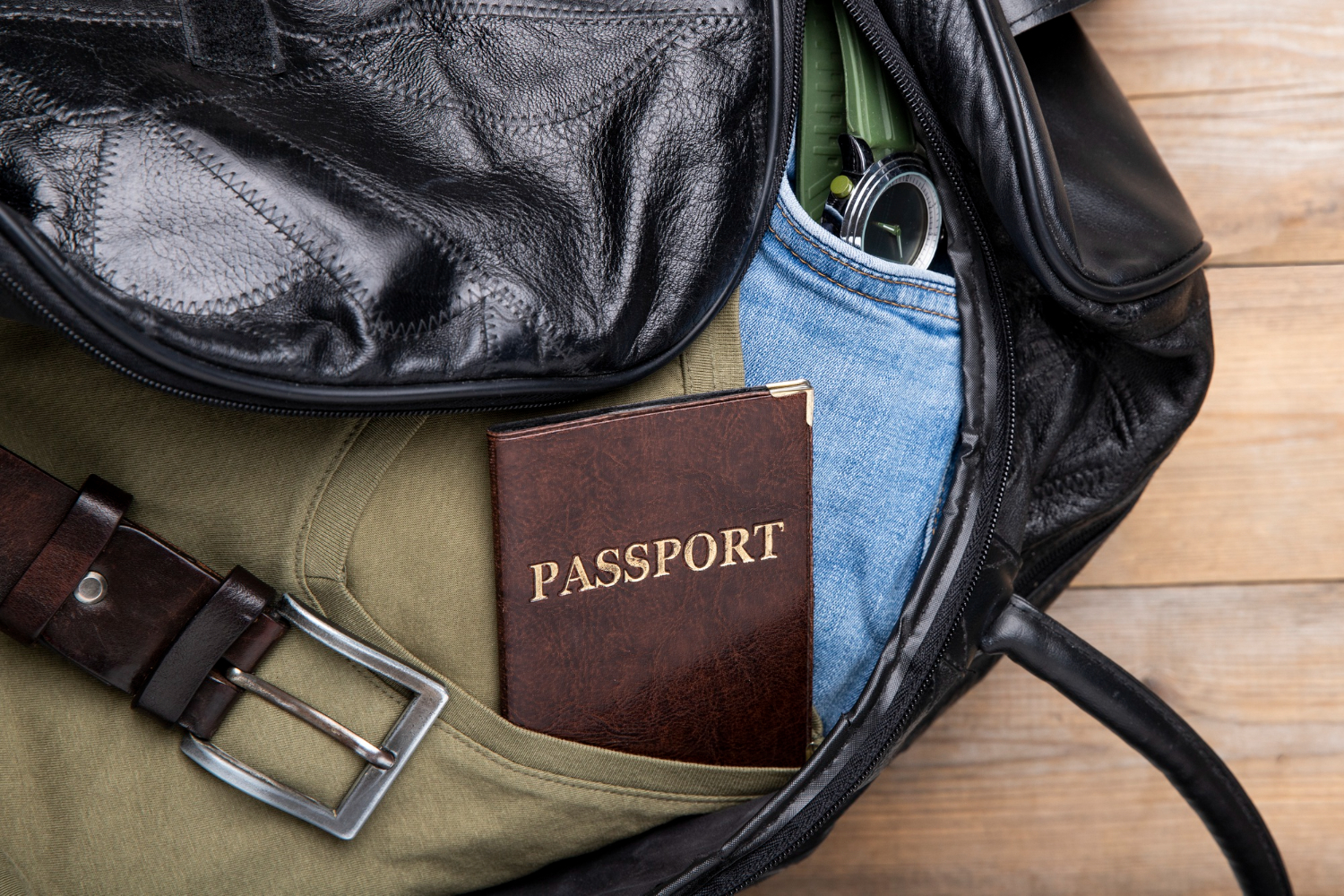
Many countries require months of passport validity. Check your expiration date early.
A common pitfall even for visa-free travel is passport validity. Many countries require your passport to be valid for at least six months beyond your travel dates, and some require blank pages. A passport too close to expiration can get you denied boarding. Passport validity rules tripping you up is a frequently overlooked issue, the requirement that catches travelers who assume a valid passport is enough, when many destinations demand months of remaining validity, which is why checking your expiration date well before a trip, and renewing early if needed, is essential.
9. Entry Conditions Go Beyond the Visa

Onward tickets, funds, and more may be required. Visa-free still has conditions.
Beyond visas and authorizations, many destinations have entry conditions: proof of onward or return travel, evidence of sufficient funds, accommodation details, or specific health requirements. These can apply even to visa-free entry and may be checked at boarding or arrival. Entry conditions going beyond the visa is a key reminder, the range of additional requirements that can apply regardless of visa status, meaning that being technically visa-free doesn’t exempt travelers from proving they meet a destination’s conditions, which airlines and border officers may verify.
10. Always Verify the Rules Before You Travel

Requirements change often. Official sources are the reliable check.
The single best habit is to verify the current entry requirements for your specific destination shortly before you travel, using official government sources. Rules change, new authorizations launch, and conditions vary by nationality and purpose of visit. Always verifying the rules before you travel is the essential capstone, the practice that protects against every pitfall on this list, since the only reliable way to know what you need, visa, authorization, validity, or conditions, is to check the current, official requirements close to your departure rather than relying on assumptions or outdated information.
Travel Smart in a Changing Landscape
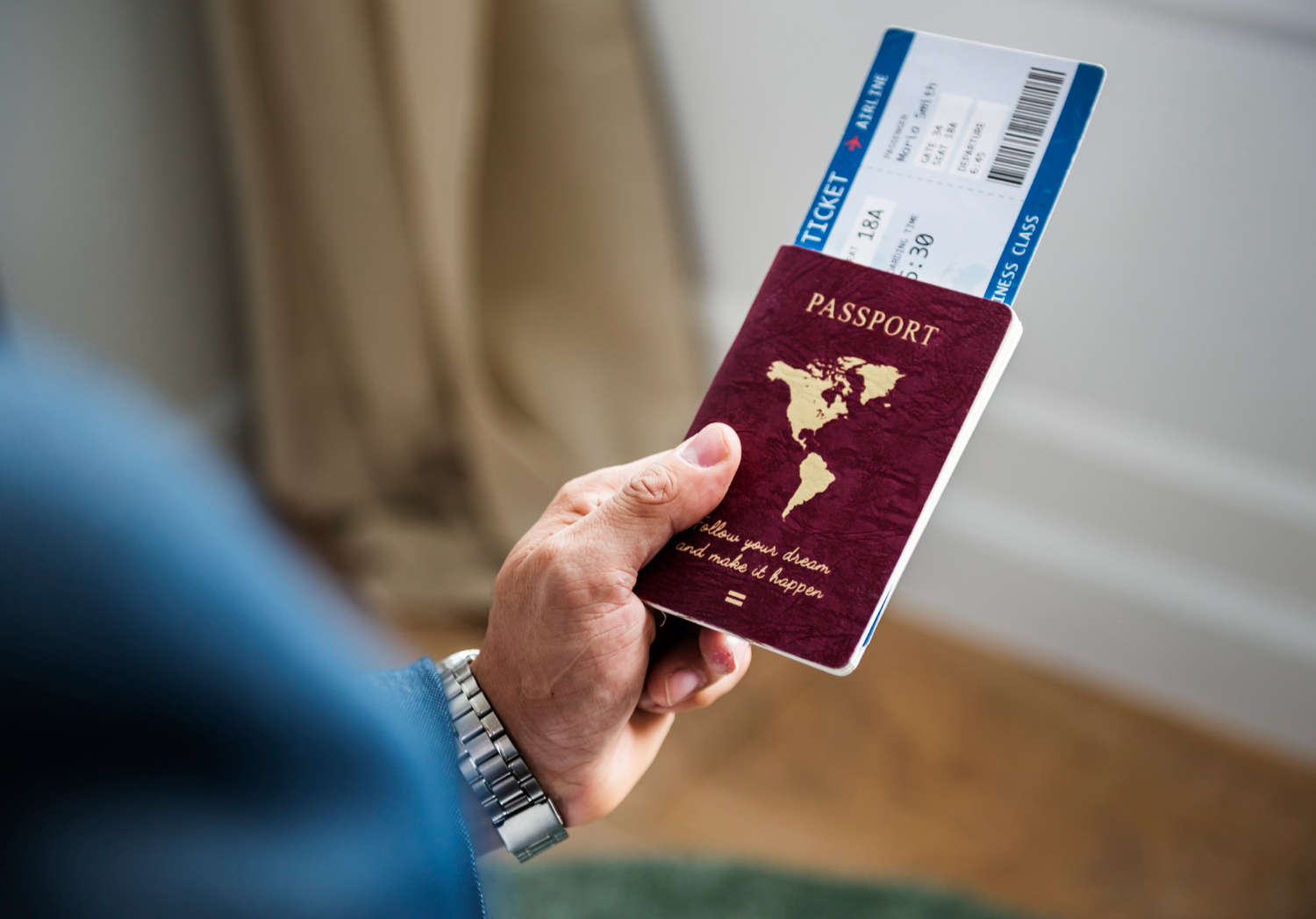
Taken together, these ten points show that visa-free travel in 2026 is broad but increasingly conditional, with new authorizations like ETIAS and the UK’s ETA, spreading e-visas, and entry conditions all part of the picture. For American travelers, the U.S. passport remains powerful, but smart preparation matters more than ever.
The broad trend is that the world is moving toward more pre-travel authorization, not less, even as overall access remains wide for U.S. passport holders. Quick online systems like ETIAS and the UK’s ETA are becoming the norm rather than the exception, and they’re easy to handle, as long as you know to do them in advance. The bottom line is simple: visa-free travel is a privilege that still requires homework. By checking each destination’s current requirements before you go, American travelers can keep enjoying broad global access while avoiding the costly surprise of being turned away for missing a step.
Like our content? Follow us for more.