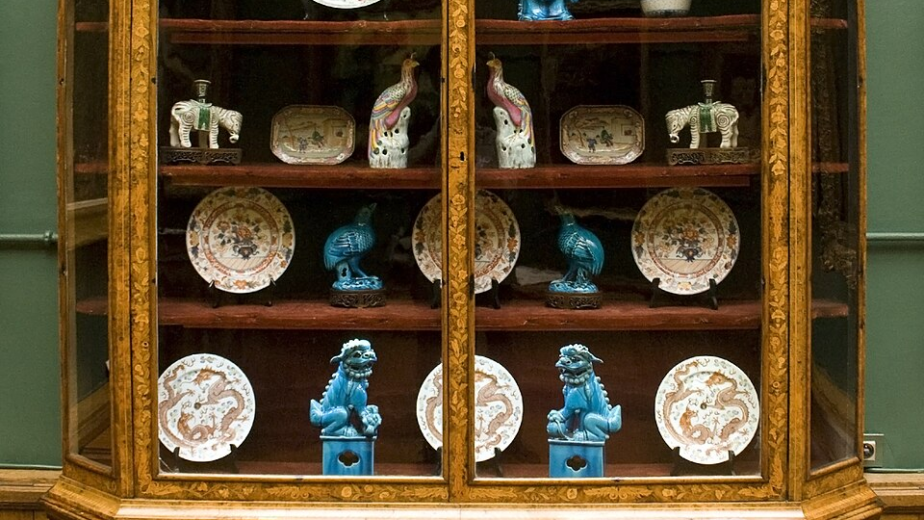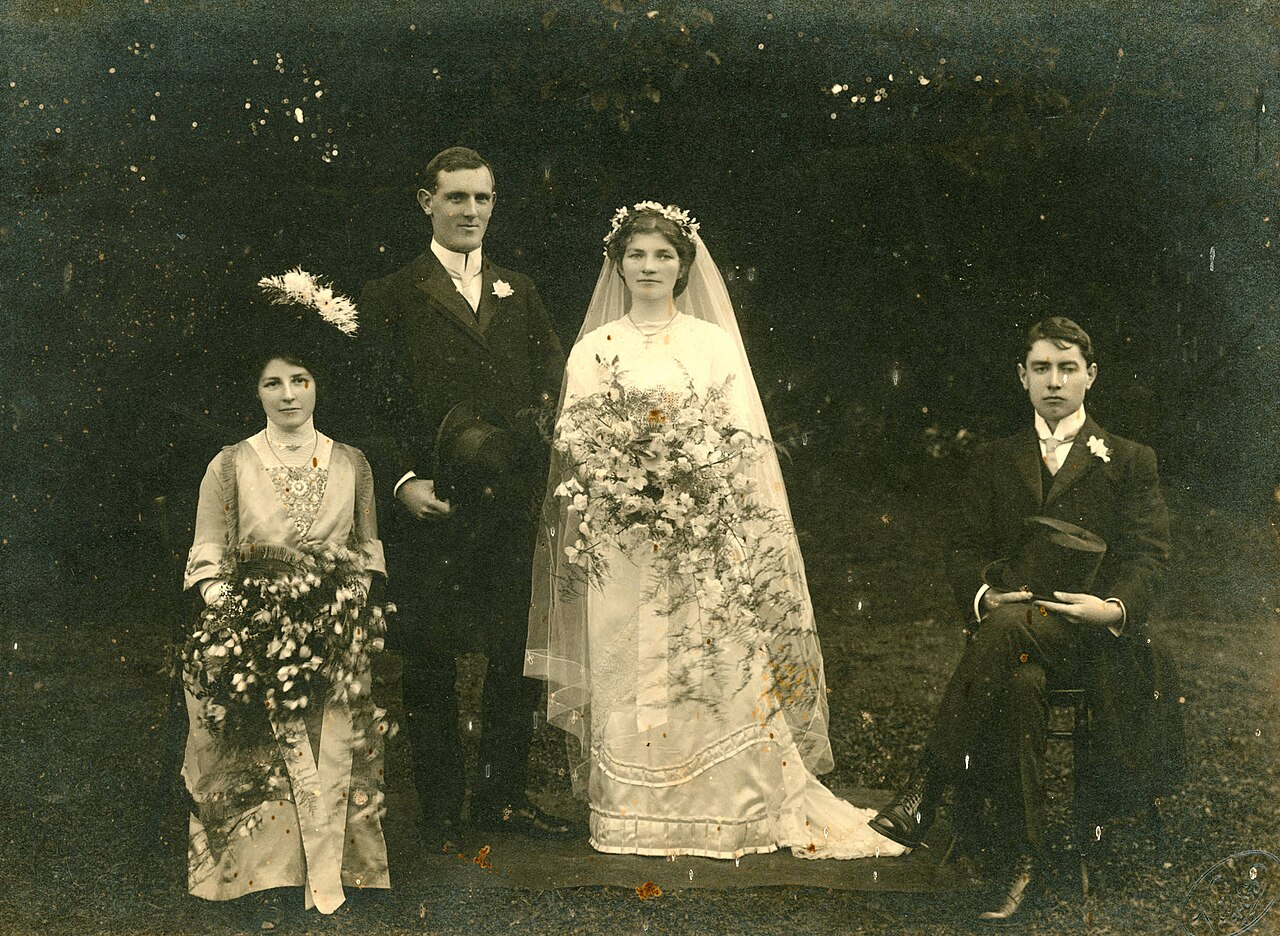
Long before a couple registered for gifts online, a young American woman in 1962 was often gradually filling a hope chest, a wooden trunk kept at the foot of the bed, gradually stocked over years with linens, china, and handmade items in anticipation of a future marriage and household. It was a tradition passed down through generations, part practical preparation and part hopeful daydream. Here are twelve things every American bride packed in her hope chest in 1962, counted down one by one.
1. A Set of Monogrammed Linens
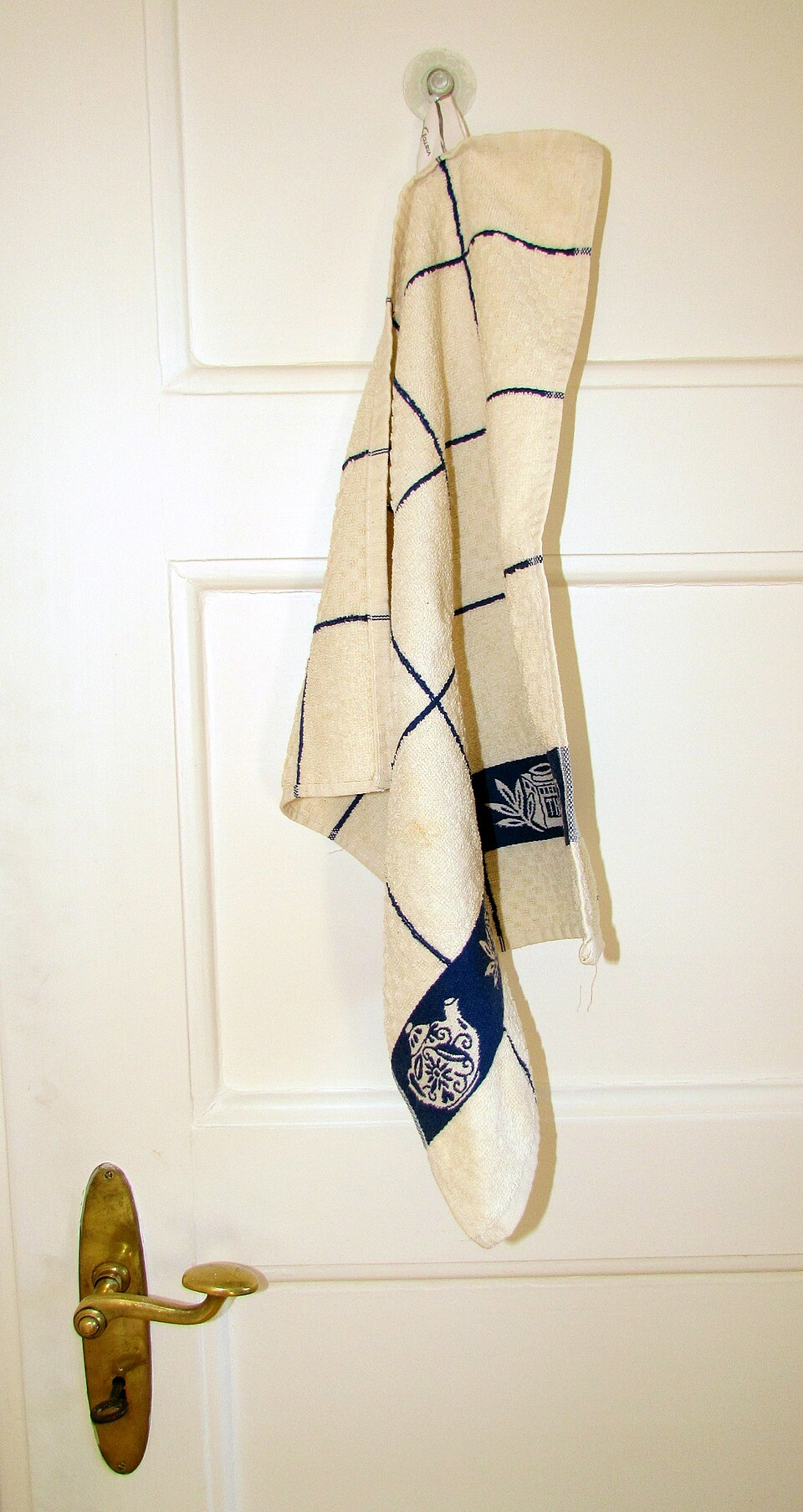
Sheets and towels bore embroidered initials. They were saved for the future married household.
A cornerstone of the hope chest was a set of monogrammed linens, sheets, pillowcases, and towels embroidered with initials for a future married name, purchased or stitched gradually over several years. Choosing the monogram style felt like a small act of imagining the life ahead. These linens were kept pristine, set aside for the day they’d finally be used. A set of monogrammed linens is a classic hope-chest item, the carefully prepared household textiles that represented a young woman’s hopeful planning for a future home of her own.
Like our content? Follow us for more.
2. Good China Saved for Special Occasions
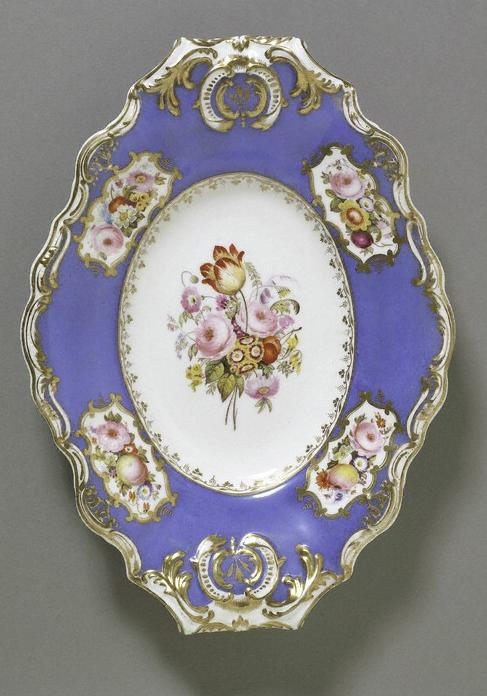
Fine china was collected piece by piece. It waited untouched for the wedding day.
Good china, often a formal pattern collected piece by piece as a gift from relatives or a special purchase, was carefully wrapped and stored in the hope chest, waiting untouched for the wedding day and the special occasions that would follow. It represented a genuine investment in the future household’s table. Unwrapping it for the first married Thanksgiving felt like a milestone. Good china saved for special occasions is a treasured hope-chest item, the formal dishware set aside years in advance, a tangible symbol of the elegant home life a young bride hoped to build.
3. Embroidered Pillowcases Stitched by Hand
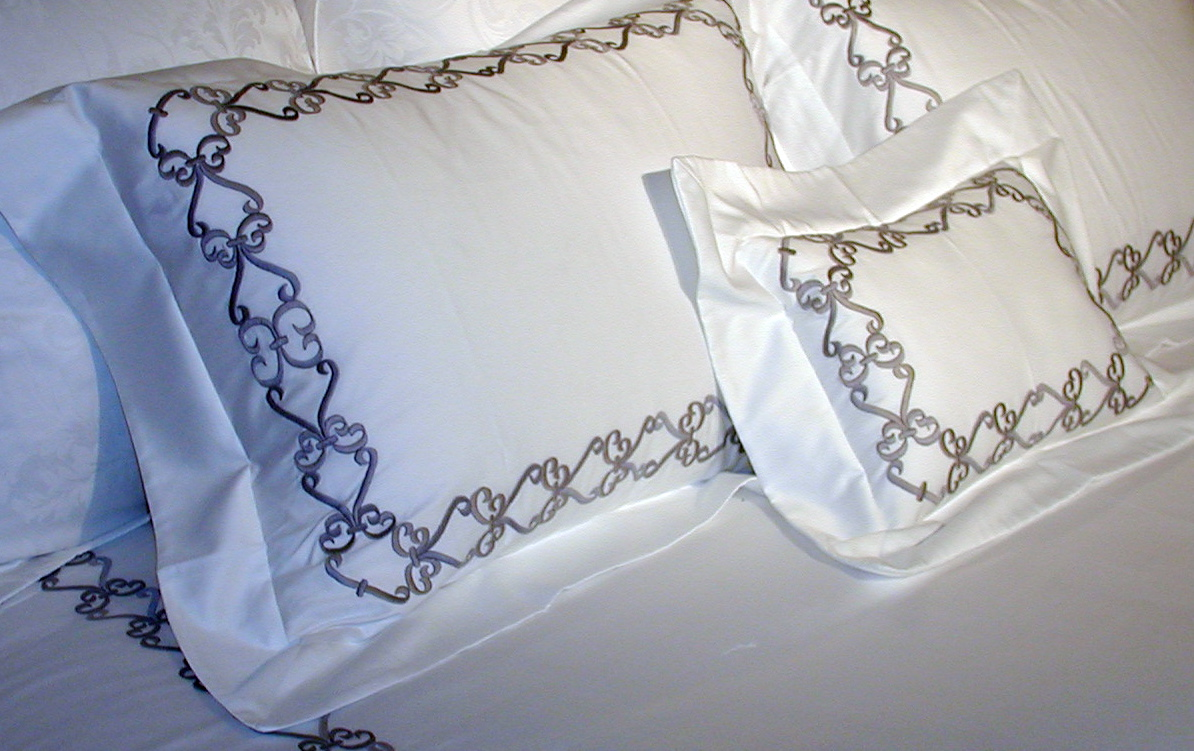
Pillowcases featured hand-stitched embroidery. Many were made by the bride herself.
Many hope chests held a set of pillowcases embroidered by hand, delicate floral or scalloped designs stitched during quiet evenings, sometimes taught by a mother or grandmother as a shared skill passed down through the family. The careful needlework represented real time and effort. Each finished pair felt like a genuine accomplishment. Embroidered pillowcases stitched by hand are a cherished hope-chest item, the handmade textiles that reflected both domestic skill and personal care, a tradition that turned ordinary bedding into something genuinely meaningful.
4. A Wedding-Day Handkerchief Tucked Away
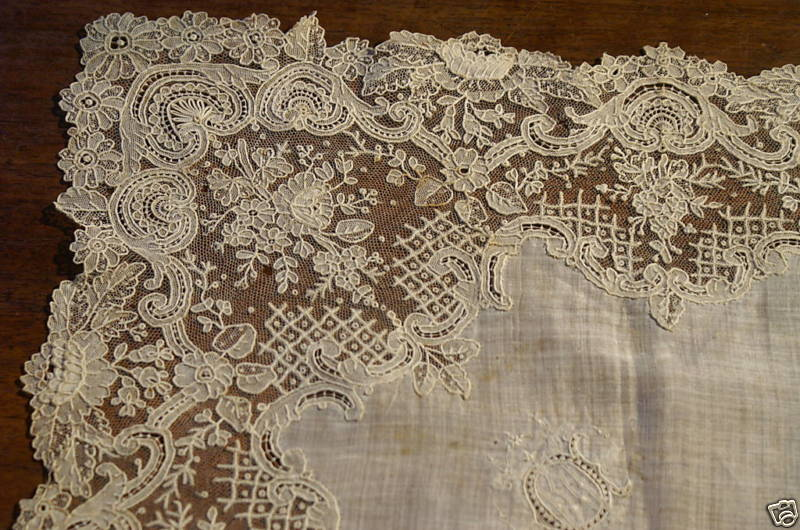
A special handkerchief was set aside for the ceremony. It often became a treasured keepsake.
A delicate lace or embroidered handkerchief was often tucked away specifically for the wedding day itself, sometimes inherited from a mother or grandmother, sometimes newly purchased for the occasion. It fulfilled the old tradition of carrying “something old” down the aisle. Afterward, it became a treasured keepsake, occasionally passed down again to the next generation. A wedding-day handkerchief tucked away is a sentimental hope-chest item, the small, meaningful object that connected generations of brides through a simple, shared tradition.
5. A Quilt Pieced Together Over Years
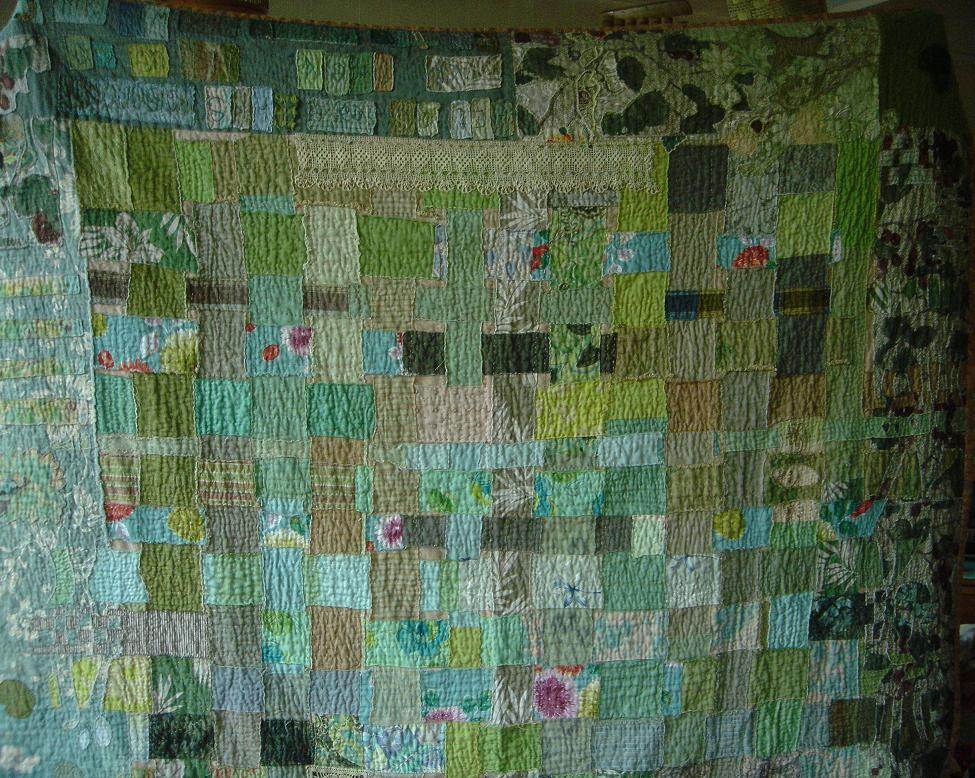
A handmade quilt was assembled gradually. It represented countless hours of careful work.
A handmade quilt, pieced together patch by patch over months or years, often with the help of mothers, aunts, and grandmothers at a quilting circle, was one of the most labor-intensive items in the hope chest. Each square told its own small story. Finishing it felt like a genuine milestone worth celebrating. A quilt pieced together over years is a deeply meaningful hope-chest item, the handmade bedding that represented countless hours of shared family labor, a tradition that turned practical craft into a lasting, sentimental heirloom.
6. Recipe Cards Copied From Family Cooks
Family recipes were copied onto index cards. They preserved favorite dishes for the new household.
A young bride often copied down family recipes onto index cards, favorite dishes from her mother’s or grandmother’s kitchen, carefully preserving the exact measurements and methods for the household she was about to start. It ensured the flavors of home would carry forward. Building a personal recipe box felt like genuine preparation. Recipe cards copied from family cooks are a heartfelt hope-chest item, the preserved family knowledge that connected a new household to generations of home cooking that came before it.
7. A Set of Silver Flatware
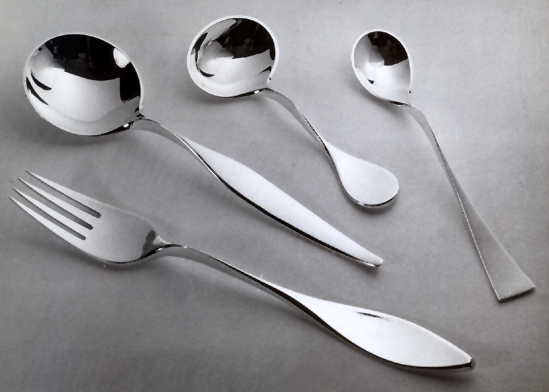
Silver flatware was collected piece by piece. It was reserved for formal meals and holidays.
A set of silver or silver-plated flatware, often collected gradually as birthday or holiday gifts, was carefully wrapped in cloth and stored in the hope chest for formal meals and future holiday gatherings. Polishing it became an occasional, satisfying ritual. It represented a genuine step up from everyday utensils. A set of silver flatware is a classic hope-chest item, the formal tableware saved for special occasions, a symbol of the elegant hospitality a young bride hoped to offer in her future home.
8. Baby Clothes Made in Anticipation
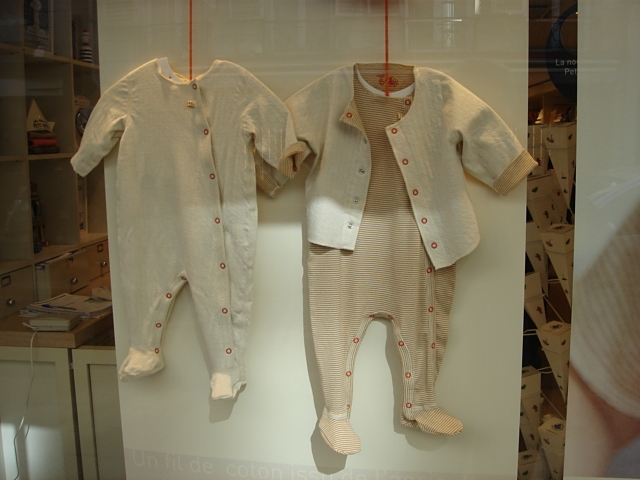
Some brides sewed baby garments in advance. It was a hopeful, forward-looking tradition.
Some hope chests included a few small, hand-sewn or knitted baby garments, prepared well in advance as an optimistic gesture toward the family a young couple hoped to eventually have. It reflected the forward-looking, hopeful spirit that gave the hope chest its very name. These items were often set aside with particular care. Baby clothes made in anticipation are a touching hope-chest item, the hopeful, handmade garments that reflected a bride’s dreams for her future family, a tender tradition rooted in optimism about the years ahead.
9. Table Linens for Holiday Gatherings
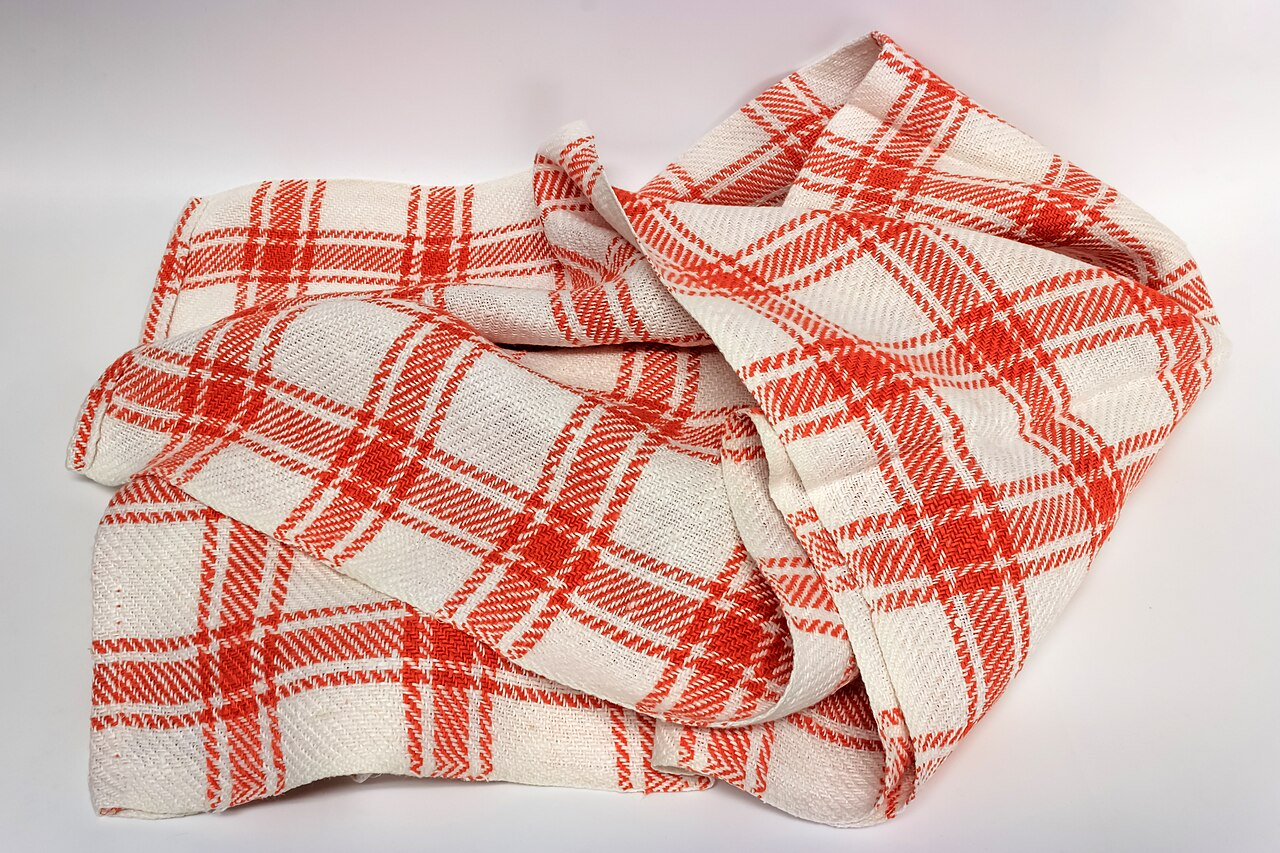
Formal tablecloths and napkins were set aside. They were saved for future family holidays.
A formal tablecloth and matching cloth napkins, sometimes embroidered or trimmed with lace, were folded carefully into the hope chest, saved for the future holiday gatherings and family dinners a bride imagined hosting. They represented a vision of the home she hoped to build. Setting the table with them for the first time felt genuinely momentous. Table linens for holiday gatherings are a warm hope-chest item, the formal dining textiles that anticipated years of future family celebrations around a table of her own.
10. A Diary of Wedding Planning Thoughts
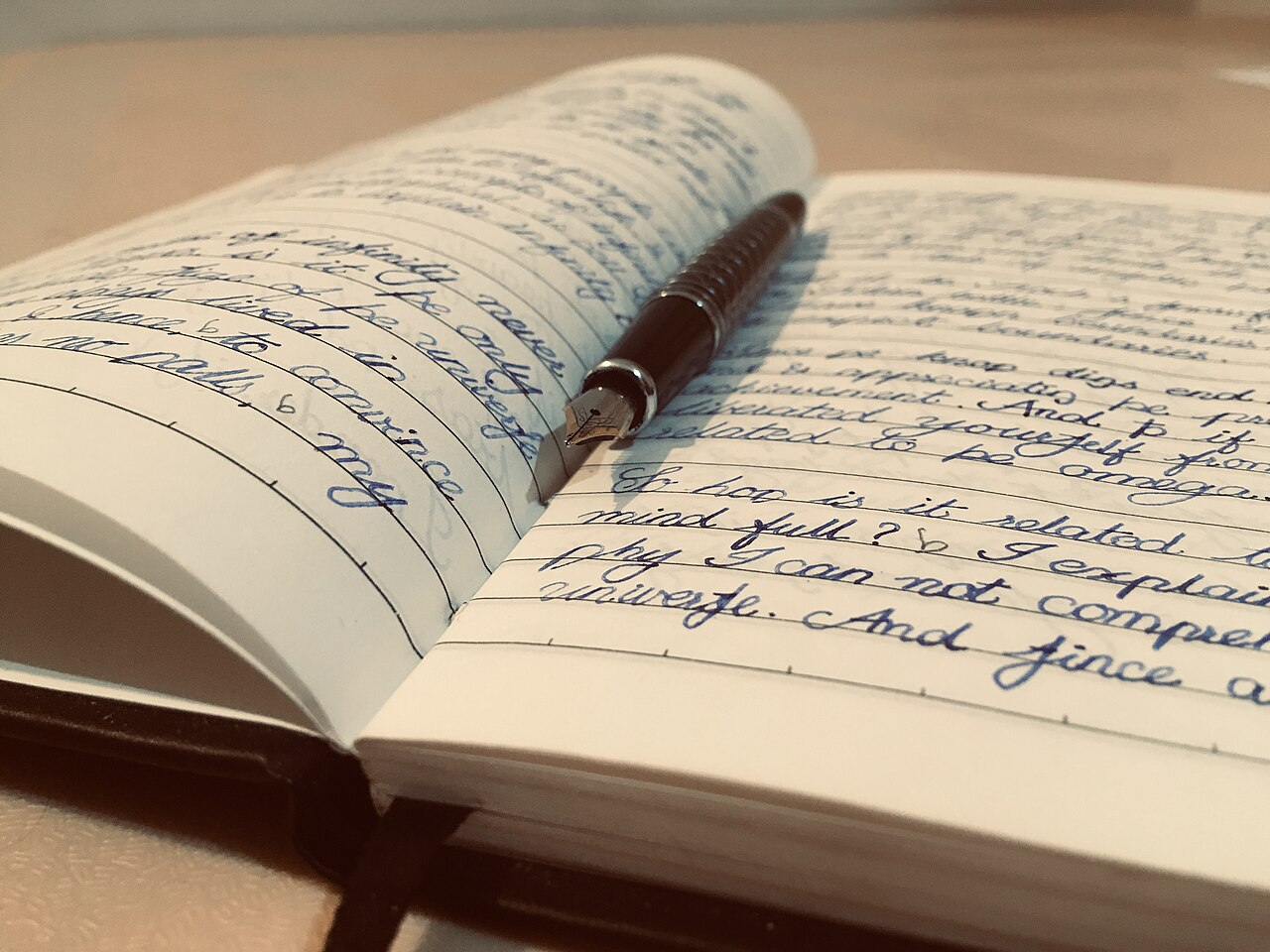
Some brides kept a personal diary. It recorded hopes and plans for the future.
A personal diary or journal sometimes found its way into the hope chest, filled with private thoughts about wedding planning, hopes for married life, and reflections on the transition ahead. It was a rare, honest record of a significant life chapter. Rereading it years later often brought back a flood of memories. A diary of wedding planning thoughts is a deeply personal hope-chest item, the private written record that captured a bride’s genuine feelings during one of the most anticipated transitions of her life.
11. A Framed Photo for the Future Home
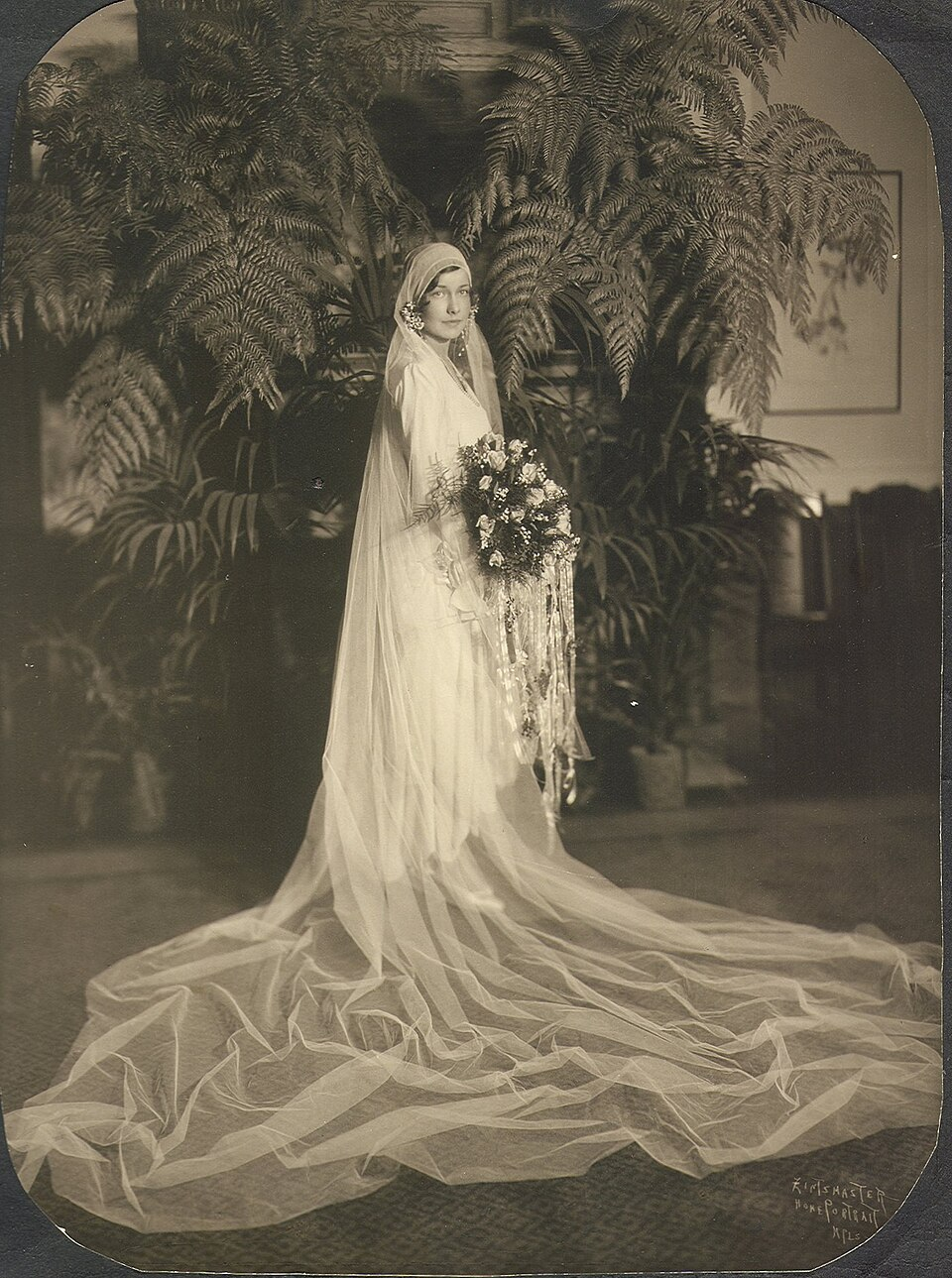
A special photograph was set aside for display. It was meant for the new household’s walls.
A framed photograph, often of the couple or of family, was tucked into the hope chest specifically to be displayed in the future home, chosen with care for the place it would eventually hang. It represented a small piece of the life being planned. Setting it up in the new house for the first time was a meaningful moment. A framed photo for the future home is a sentimental hope-chest item, the carefully chosen keepsake that bridged the anticipation of the hope chest with the reality of the new household finally underway.
12. A Cedar Lining That Kept Everything Fresh
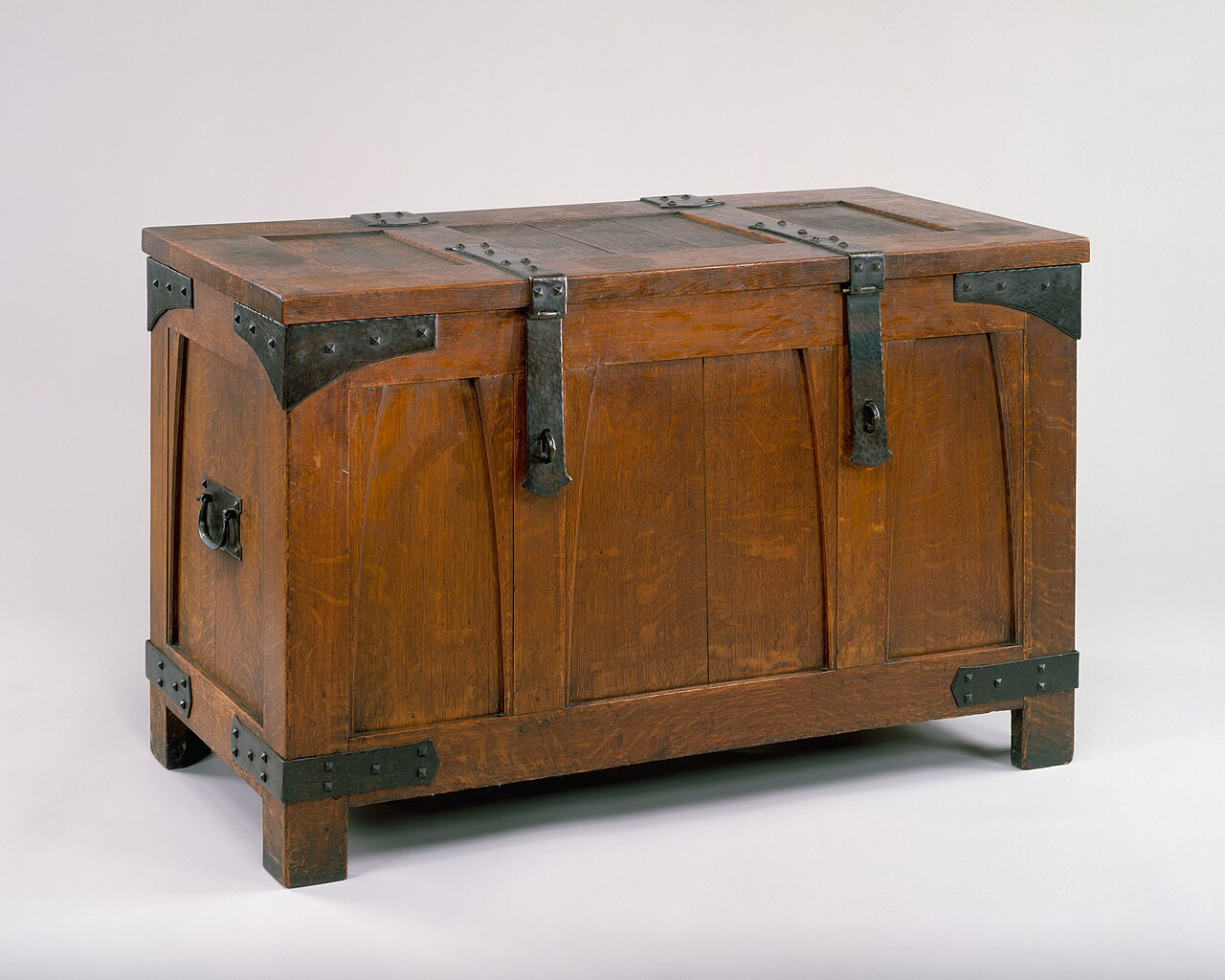
The chest itself was often lined with cedar. It protected the contents for years of storage.
The hope chest itself was frequently lined with fragrant cedar wood, prized for naturally repelling moths and keeping stored linens and fabrics fresh through years of anticipation before the wedding day finally arrived. Opening the lid released a distinctive, comforting scent. The chest itself often became a treasured piece of furniture. A cedar lining that kept everything fresh is the finishing touch on the hope chest tradition, the practical craftsmanship that protected years of careful preparation and ensured everything inside remained ready for the day it was finally needed.
A Tradition of Quiet Preparation
Taken together, these twelve items capture the spirit of the hope chest tradition in 1962, from the monogrammed linens and hand-stitched pillowcases to the recipe cards and the cedar-lined chest that held it all. It was a tradition of quiet, hopeful preparation, a gradual gathering of household treasures that reflected genuine care and optimism about the future.
The hope chest tradition has largely faded from American life, as bridal registries, dual-income households, and changing social customs transformed how couples prepare for married life. The shift reflects broader changes in how young women approached marriage and homemaking over the following decades. Yet for those who remember filling one, or inheriting one from a mother or grandmother, these details bring it all back: the embroidery, the careful wrapping of good china, the cedar scent released each time the lid opened. Looking back at what every bride packed in her hope chest in 1962 is a warm, sentimental tribute to a gentle tradition of hopeful, patient preparation.
Like our content? Follow us for more.