

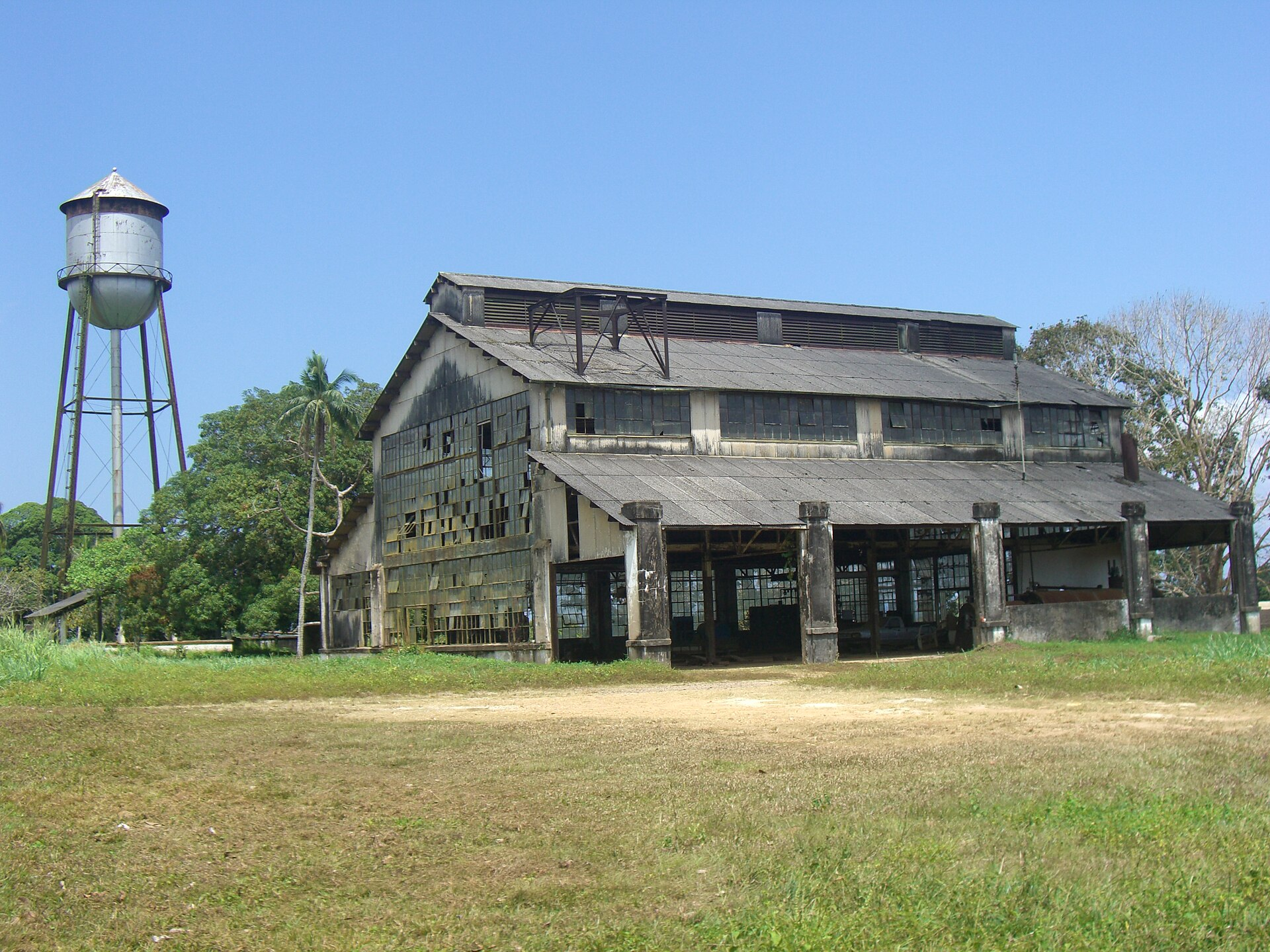
Deep in the Brazilian Amazon, roughly 300 kilometers south of the river city of Santarém, sits one of the strangest relics of American industrial ambition: a cluster of white clapboard houses, a rusting water tower, and the shell of a factory, all built by Henry Ford in a failed attempt to grow his own rubber. Fordlândia was meant to be a self-sufficient American town of 10,000 people in the middle of the rainforest. Instead, it became one of the 20th century’s most remarkable failed utopias, a strange, half-swallowed piece of Michigan transplanted into the jungle.
A Deal for Rubber
In the 1920s, Henry Ford relied entirely on rubber controlled by British colonial plantations in Southeast Asia to keep his automobile empire supplied with tires, a dependency he deeply resented. Seeking to break that monopoly, Ford negotiated a deal with the Brazilian government in 1927, securing a concession of roughly 10,000 square kilometers of Amazon rainforest along the Tapajós River in exchange for a share of future profits. The rubber tree was native to the Amazon, and Ford reasoned that growing it in its original home would be straightforward. He was profoundly wrong.
Like our content? Follow us for more.
Building a Slice of America
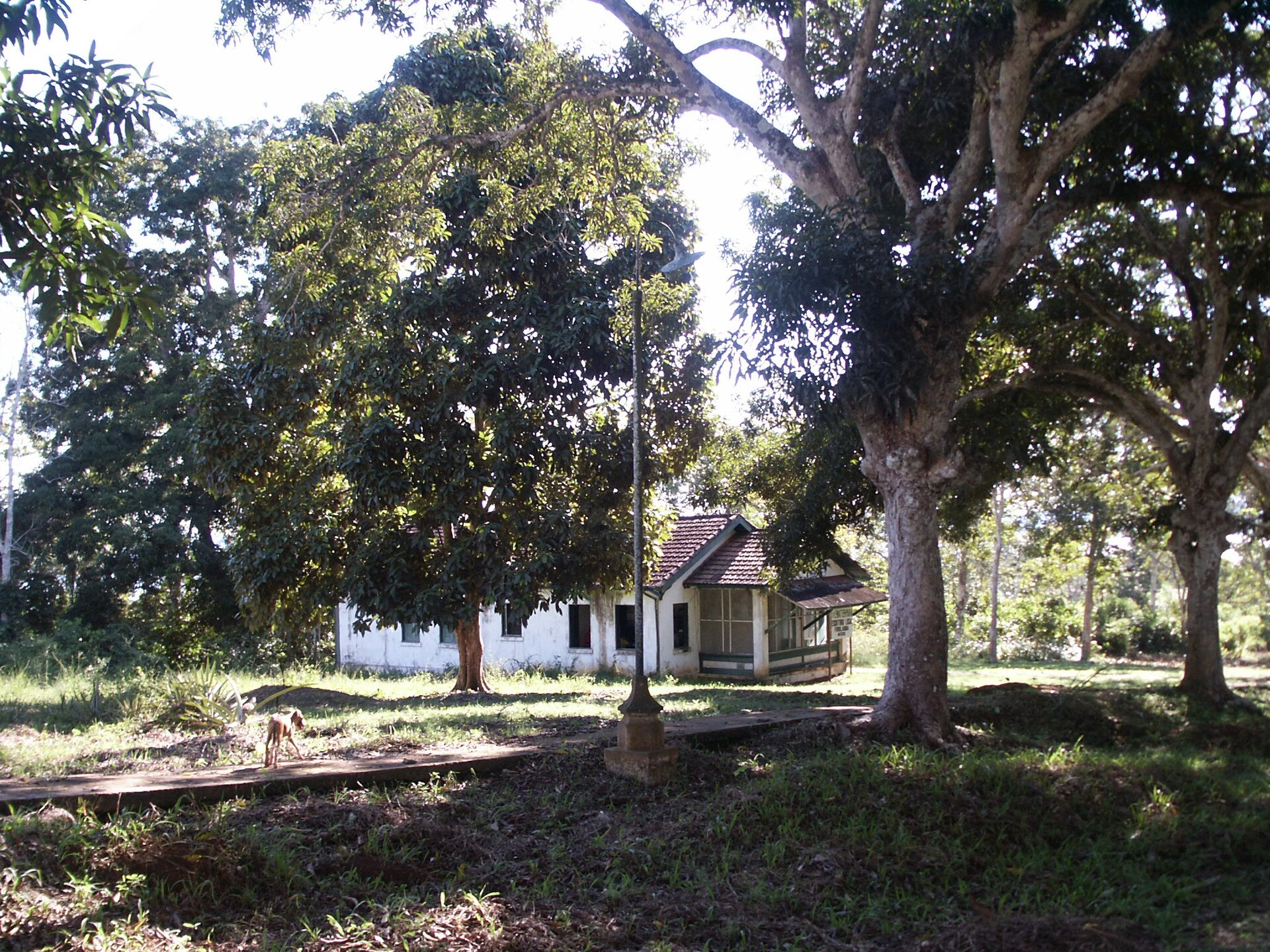
Rather than a simple plantation, Ford set out to build an entire American-style town, complete with a hospital, school, cinema, swimming pools, a golf course, and rows of neat white clapboard houses for thousands of workers. He imposed strict American customs on the Brazilian workforce: mandatory nametags, prescribed diets of oatmeal and canned peaches, evening poetry readings, and bans on alcohol, gambling, and prostitution. Workers were expected to follow a Dearborn-style factory schedule, signaled by a siren, in a climate and culture utterly unlike Michigan. The mismatch between Ford’s vision and the reality of the Amazon proved deeply unpopular with the local workforce almost from the start.
Rubber Trees That Refused to Cooperate
The fatal flaw in the entire project was botanical. In its natural habitat, the rubber tree grows widely spaced from other rubber trees, a natural defense against the pests and blight that had evolved alongside it over millennia. Ford’s managers, none of them tropical agriculture experts, planted the trees in dense rows more suited to a conventional plantation crop. The close spacing made the trees easy prey for leaf blight, caterpillars, and lace bugs, and the plantation’s yields never came close to viable commercial levels. Not a single drop of Fordlândia rubber, by most accounts, ever made it into an actual Ford tire.
Unrest and the Cafeteria Revolt
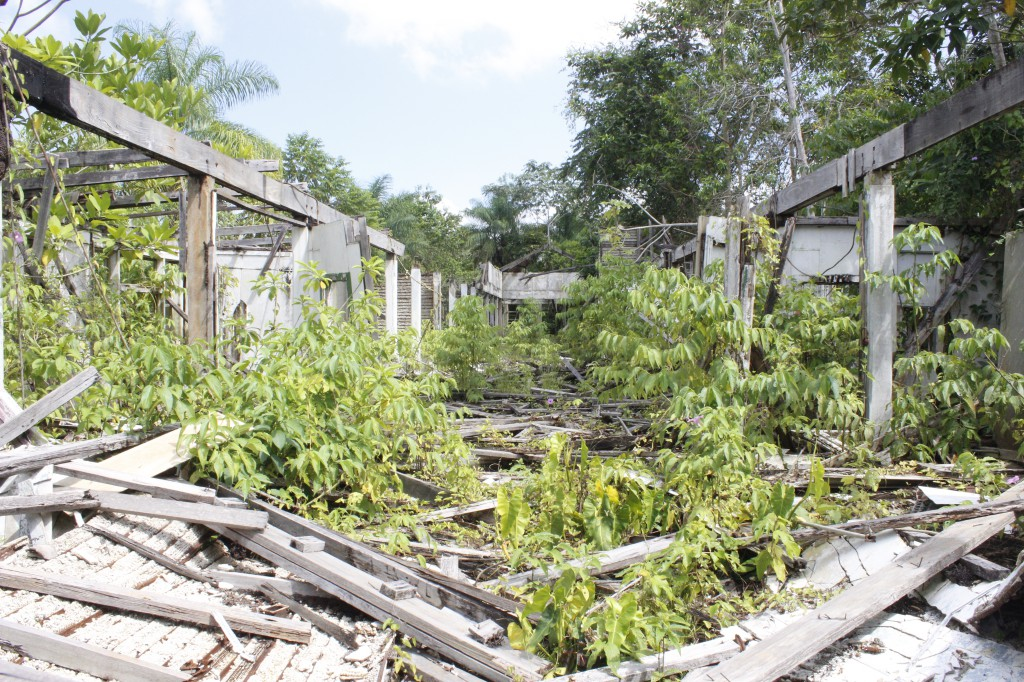
Tensions between Ford’s American managers and the Brazilian workforce boiled over in 1930, when disputes over food and working conditions triggered what became known as the Cafeteria Revolt, a rebellion against the imposed American diet and rigid rules that led workers to briefly seize control of the settlement. The unrest was eventually resolved and some of the stricter policies were relaxed, but it exposed just how poorly Ford’s vision had accounted for the people actually living and working in his experimental town.
Moving Downriver, Then Giving Up Entirely
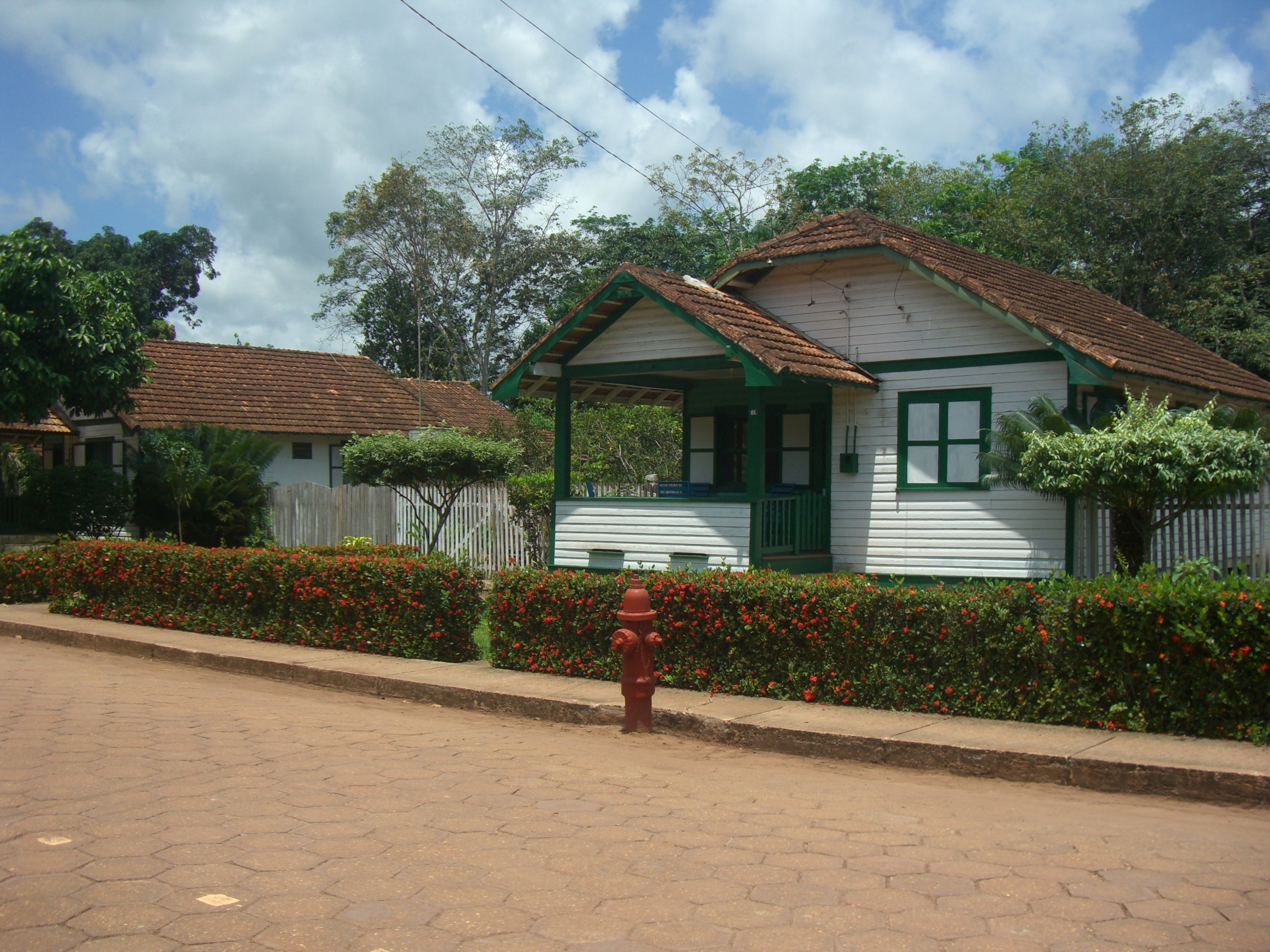
By the early 1930s, Ford relocated the main plantation operations to a new site called Belterra, roughly 80 miles downstream, hoping better soil and expert guidance might finally produce viable rubber. It didn’t. By the 1940s, the development of synthetic rubber during World War II eliminated much of the remaining demand for natural rubber altogether, and the entire Amazon venture became a sunk cost with no path to profitability. In 1945, Henry Ford’s grandson sold both Fordlândia and Belterra back to the Brazilian government for a small fraction of the tens of millions of dollars the company had poured into the project.
A Ghost Town That Isn’t Quite Empty
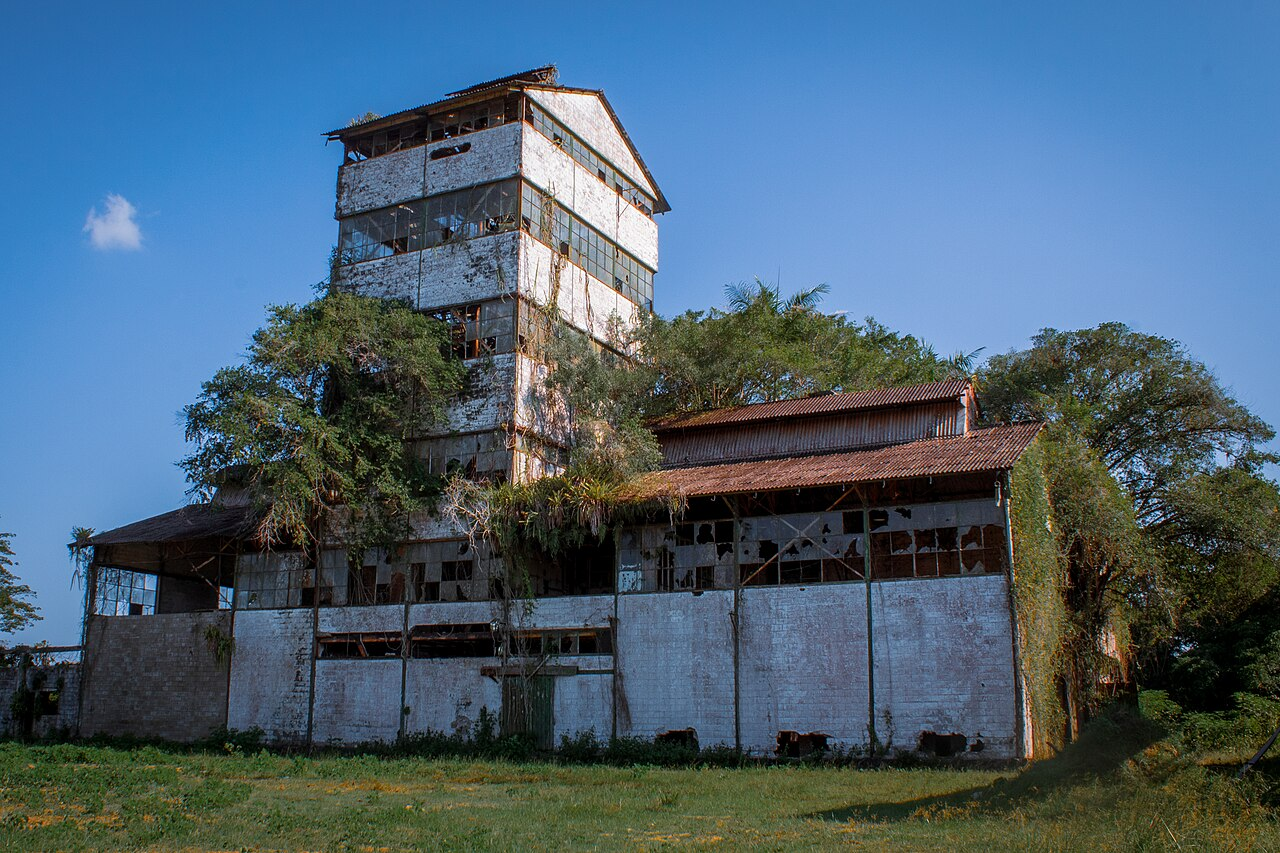
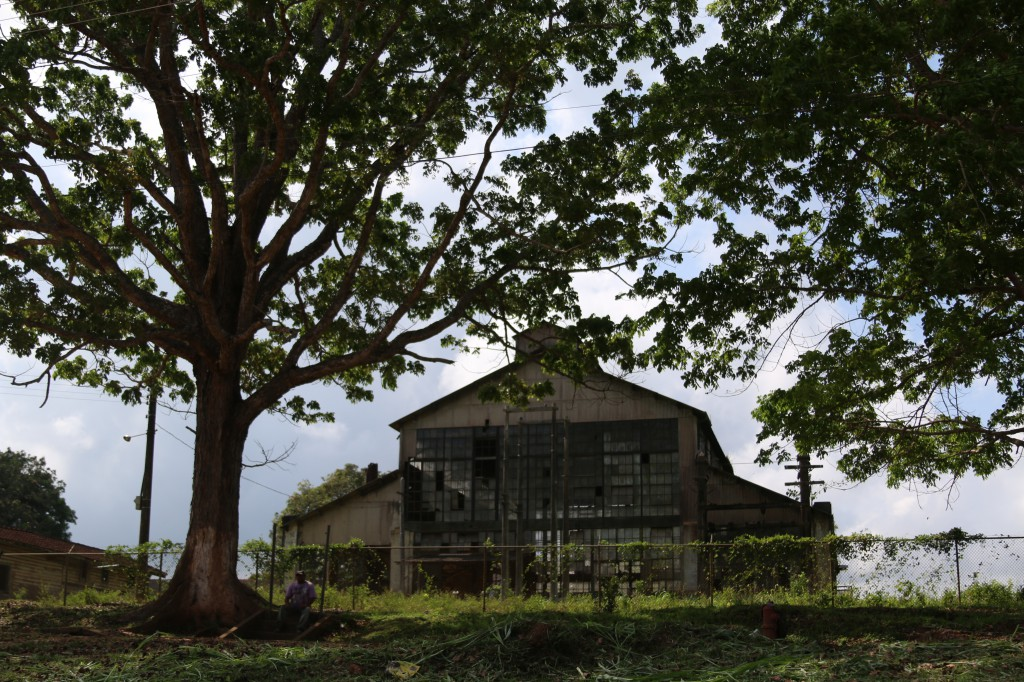
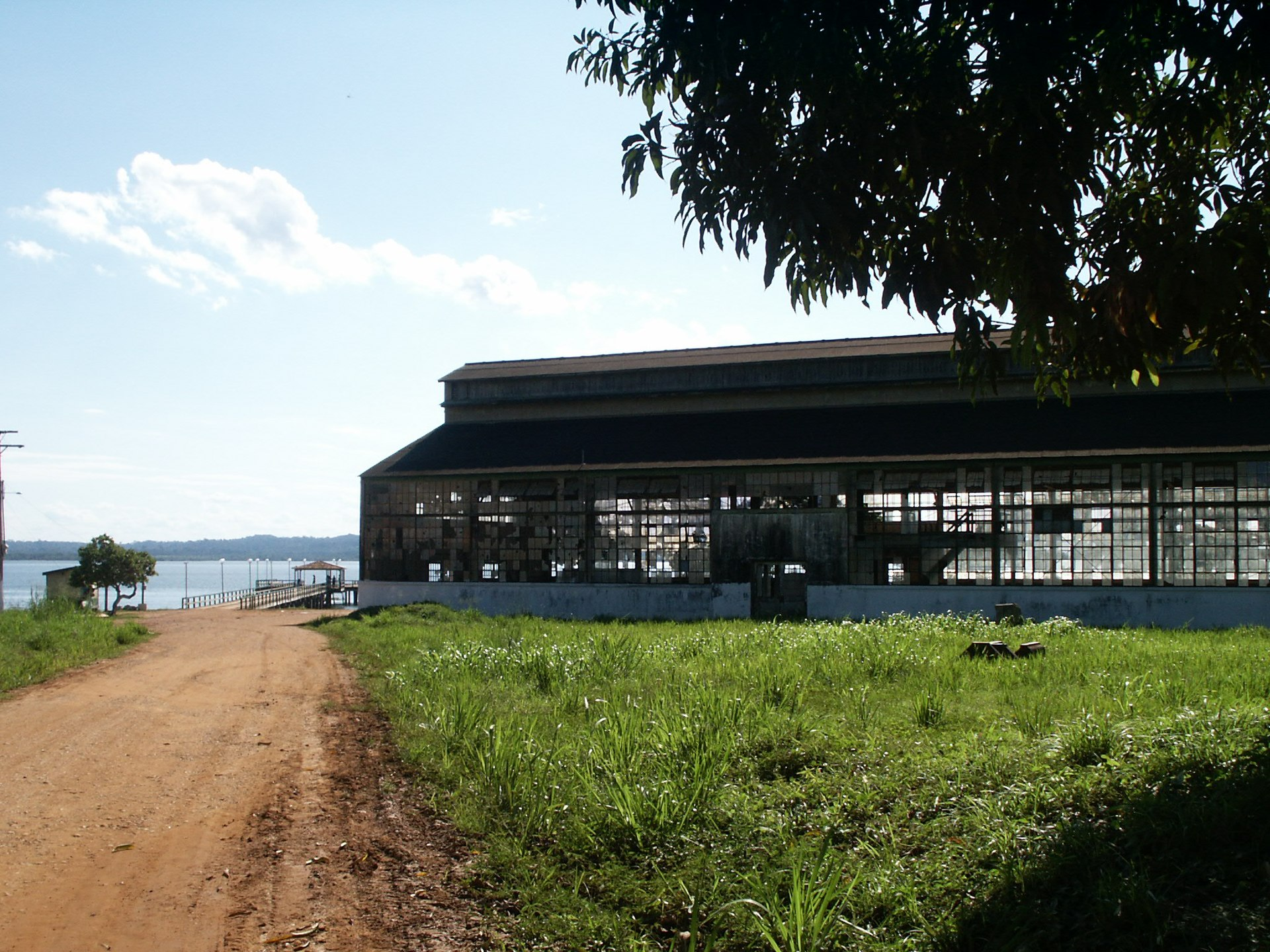
Unlike many abandoned places, Fordlândia was never fully deserted. After the Ford Motor Company departed, the Brazilian government operated various facilities on the site for decades, and squatters and descendants of former workers gradually moved into the remaining houses. Today a small community, estimated in the low thousands, still lives among the rusting water tower, the shell of the old factory, and the decaying rows of American-style bungalows, using and reusing buildings never intended for the world they now inhabit. Visitors can reach the site by boat from Santarém, though the trip is long and there are no formal tourist facilities, hotels, or organized guided tours.
A Cautionary Monument in the Jungle
Fordlândia has since become a subject of considerable fascination, inspiring a well-regarded history book, several documentary films, and even Aldous Huxley’s dystopian vision in Brave New World. It stands today as a genuinely remarkable cautionary tale about the limits of imposing one culture’s assumptions onto an unfamiliar environment, however good the underlying intentions. For travelers and history buffs willing to make the journey, it offers something few destinations can: the eerie, overgrown remains of one of American industry’s most ambitious and complete failures.
Like our content? Follow us for more.
