
With so many luggage options available, hard-shell versus soft-sided, spinner wheels versus traditional, choosing the right piece genuinely depends on the specific kind of travel you do most often, not simply which option looks the most appealing on a store shelf. Here are ten things to consider when choosing the right luggage for your trip, counted down one by one.
1. Hard-Shell Cases Offer Better Protection for Fragile Items
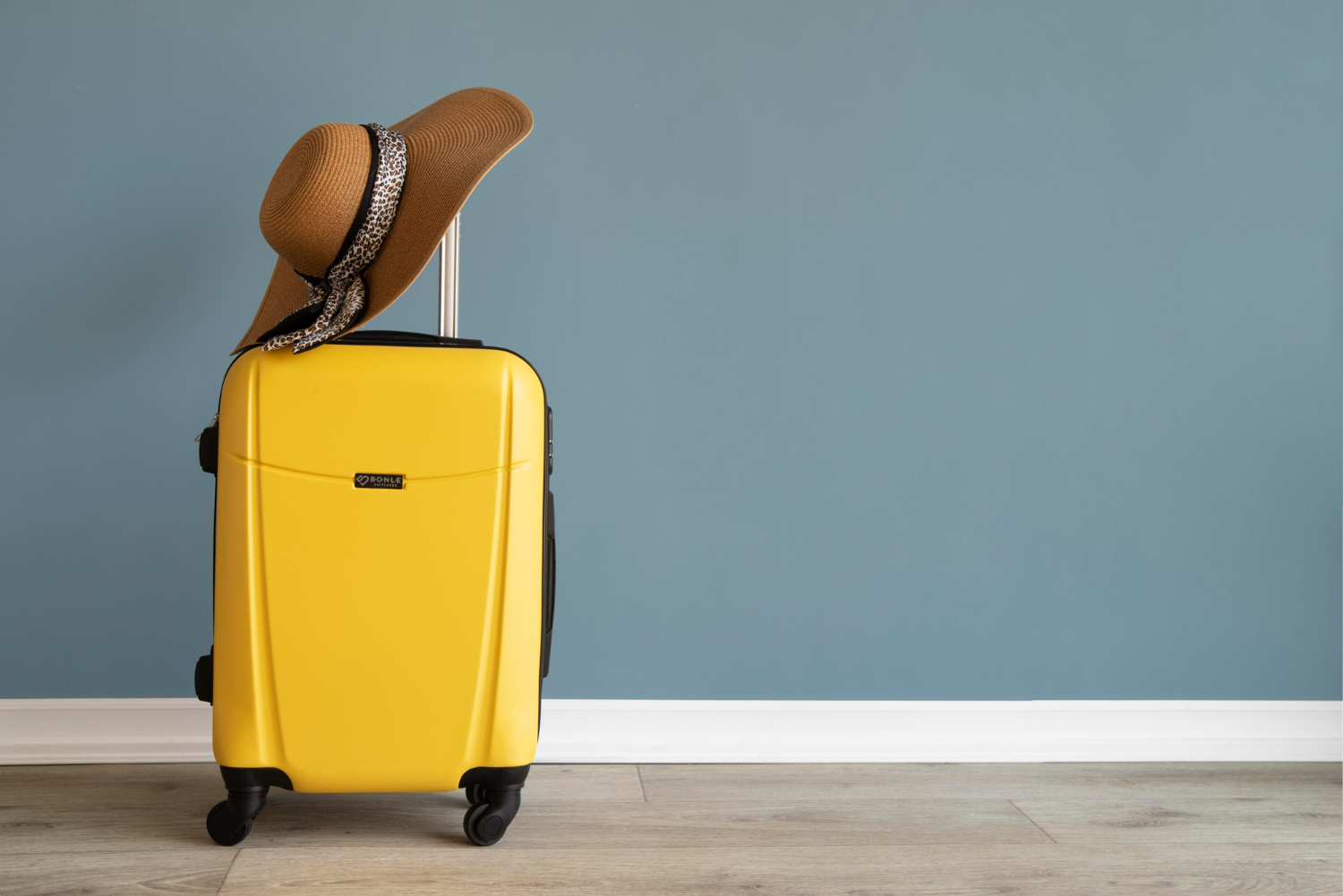
Rigid exteriors resist crushing and impact damage. This matters most for packing breakables or electronics.
Hard-shell luggage, typically made from polycarbonate or similar rigid materials, offers considerably better protection against crushing and impact damage during handling, making it a genuinely smart choice for travelers packing fragile souvenirs, electronics, or anything else that shouldn’t be compressed. Hard-shell cases offering better protection for fragile items is worth prioritizing if your packing regularly includes breakable or delicate items that need real physical protection during transit.
Like our content? Follow us for more.
2. Soft-Sided Bags Offer More Flexible Packing Capacity
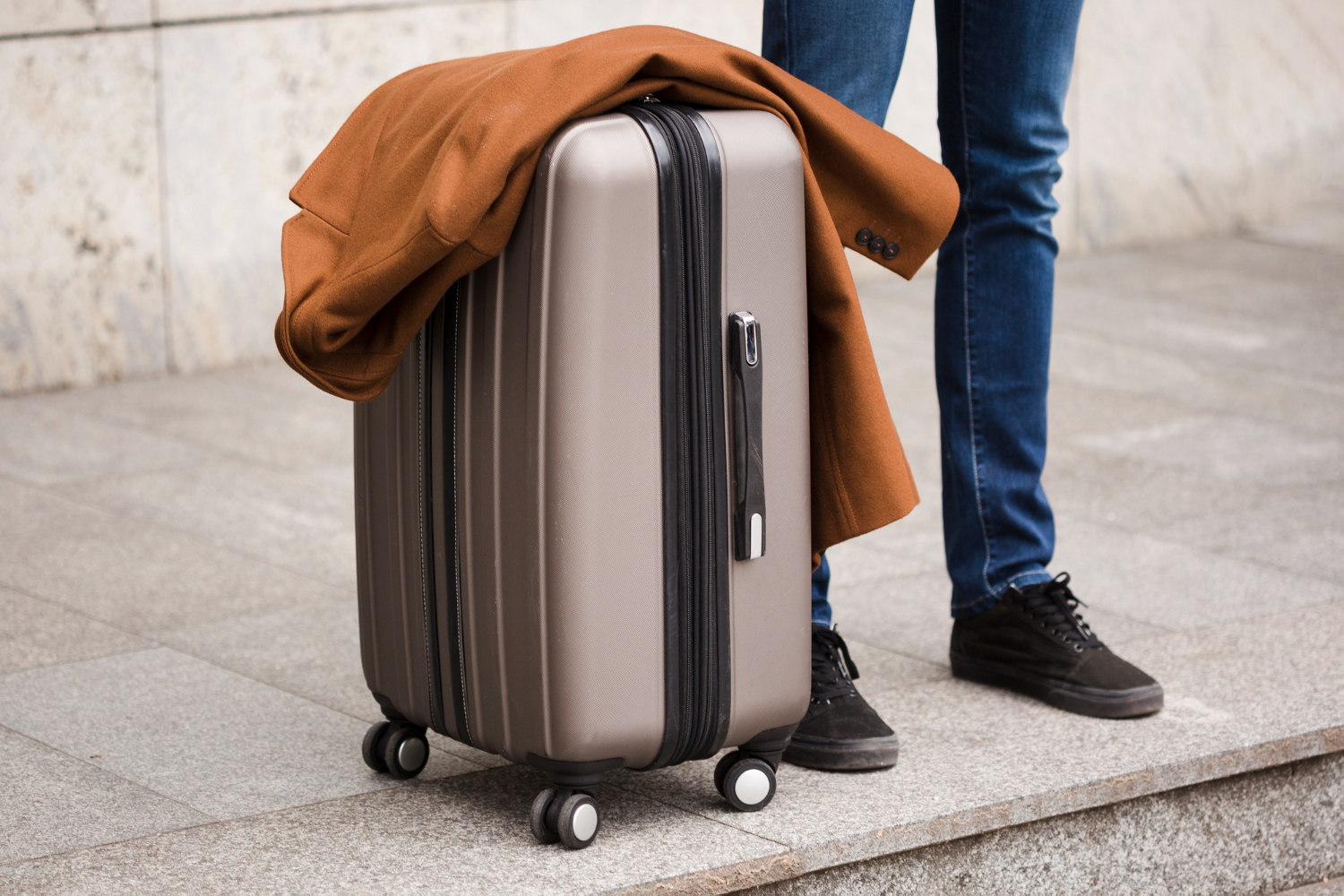
Fabric exteriors can expand and compress somewhat. This flexibility helps when packing quantities vary trip to trip.
Soft-sided luggage offers genuine flexibility that hard-shell cases can’t match, expanding slightly to accommodate a few extra souvenirs or compressing somewhat when packed lighter, along with exterior pockets that provide additional, easily accessible storage. Soft-sided bags offering more flexible packing capacity suits travelers whose packing needs vary considerably from trip to trip, or who value the convenience of quick-access exterior pockets for frequently needed items.
3. Spinner Wheels Ease Navigation Through Crowded Airports
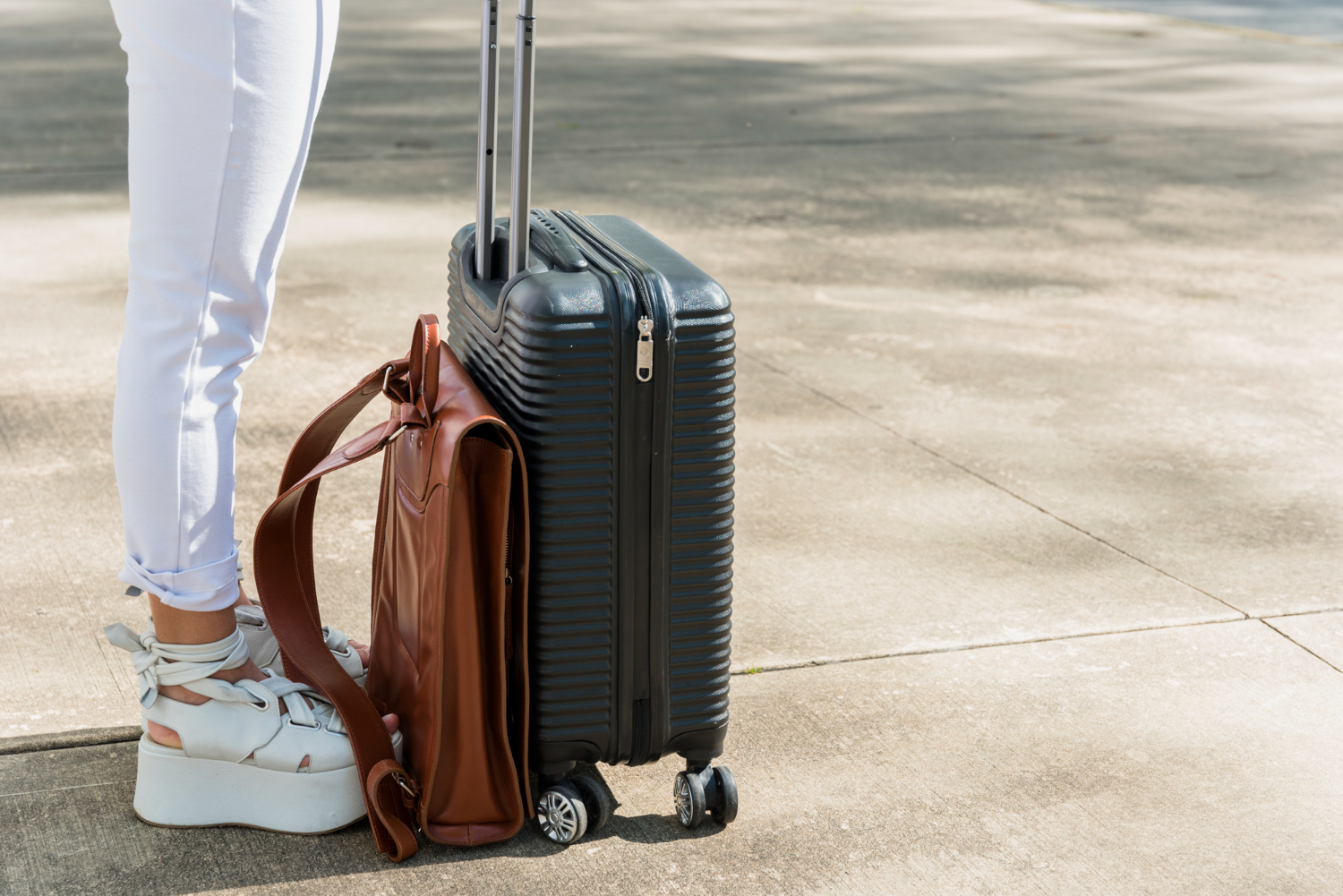
Four-wheel spinner designs roll smoothly in any direction. This reduces strain compared to traditional two-wheel designs.
Four-wheel spinner luggage rolls smoothly in any direction with minimal effort, letting travelers navigate crowded airport terminals by simply pushing the bag alongside them rather than tilting and dragging a traditional two-wheel design behind. Spinner wheels easing navigation through crowded airports is a genuinely practical upgrade worth prioritizing, particularly for travelers who frequently navigate large, busy airports or make tight connections requiring quick movement.
4. Weight of the Empty Bag Affects Your Total Packing Allowance
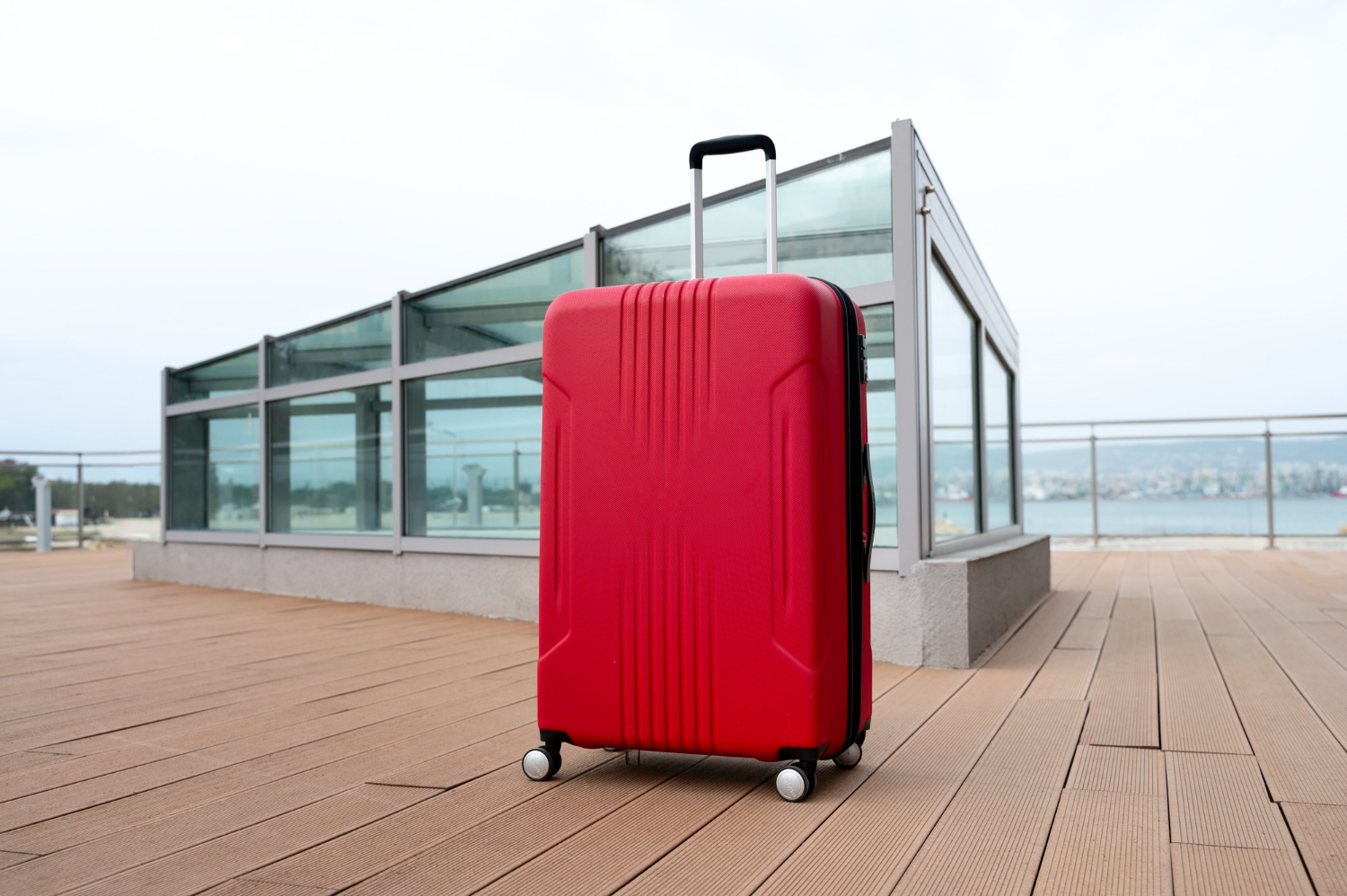
Heavier luggage construction eats into checked baggage weight limits. A lighter empty bag leaves more room for actual belongings.
Since airline weight limits apply to the total bag, including its own construction weight, a heavier empty suitcase directly reduces how much you can actually pack before hitting checked baggage limits, a genuinely significant consideration for travelers who tend to pack close to the maximum allowance. Weight of the empty bag affecting your total packing allowance is worth checking specifically before purchasing, since two similarly sized bags can differ by several pounds in their own construction weight alone.
5. Carry-On Compliant Sizing Varies by Airline

Size restrictions differ meaningfully between carriers. Confirming compatibility avoids a costly gate-check surprise.
Carry-on size restrictions vary meaningfully between airlines, and even a bag marketed generically as “carry-on compliant” may exceed the specific limits of certain carriers, particularly budget airlines with notably stricter dimensions. Carry-on compliant sizing varying by airline is essential to verify against the specific airlines you fly most often, preventing the frustrating and costly surprise of being forced to check a bag you’d planned to carry on.
6. Durability Matters More for Frequent Travelers

Cheaper luggage often fails faster under regular use. Investing in quality construction pays off over many trips.
Travelers who fly frequently put considerably more cumulative stress on their luggage than occasional vacationers, making genuine build quality, reinforced corners, quality zippers, sturdy wheel housings, a more worthwhile investment even at a higher upfront cost. Durability mattering more for frequent travelers reflects a straightforward cost-benefit calculation, where paying more for genuinely well-constructed luggage upfront often saves money over the long run by avoiding repeated replacement purchases.
7. Built-In TSA Locks Simplify Airport Security
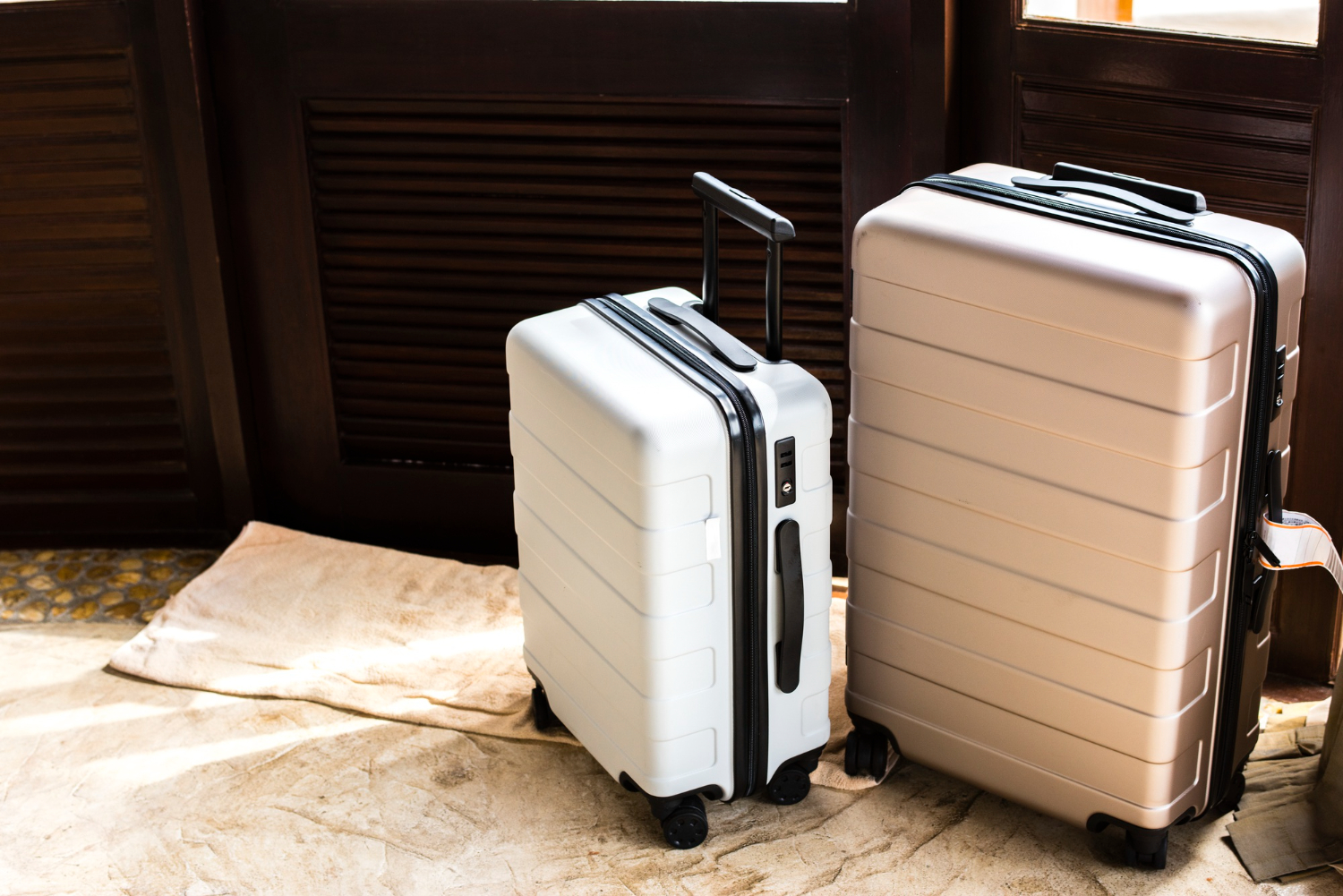
TSA-approved locks let officers inspect bags without cutting them off. This adds convenient security for checked luggage.
Luggage with a built-in TSA-approved lock lets airport security officers open and inspect checked bags using a master key, rather than cutting off a non-compliant lock entirely, providing a genuine layer of security without the risk of a damaged bag returning from an inspection. Built-in TSA locks simplifying airport security is a worthwhile feature for checked luggage specifically, offering peace of mind that balances reasonable security with the practical realities of the screening process.
8. Color and Distinctive Markings Help at Baggage Claim
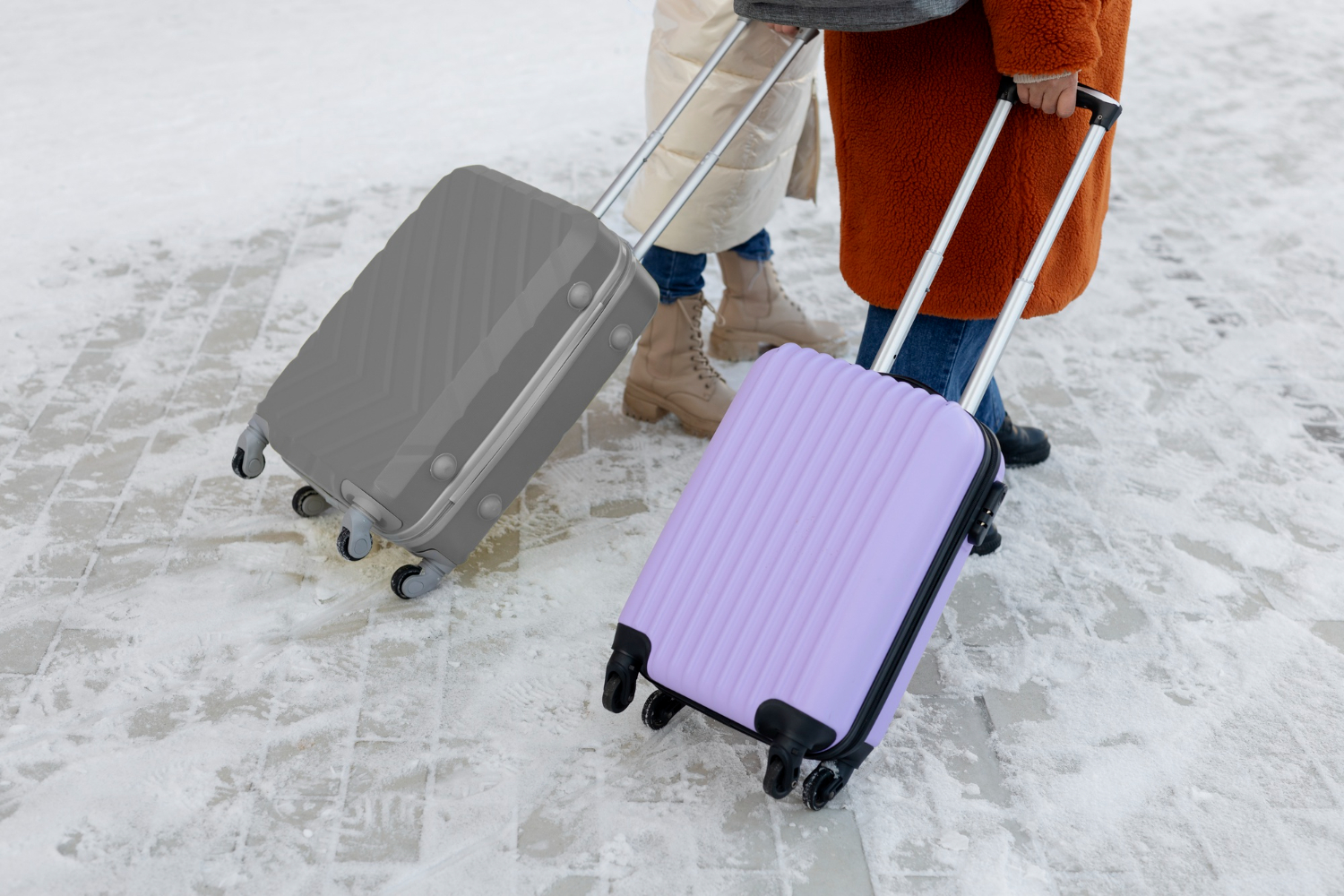
Standard black bags are notoriously hard to spot quickly. A distinctive color or marker speeds up identification.
Standard black luggage is notoriously difficult to distinguish quickly among dozens of similar bags circling a busy baggage claim carousel, making a distinctive color, pattern, or a brightly colored luggage strap genuinely useful for faster identification and reduced risk of accidentally grabbing someone else’s nearly identical bag. Color and distinctive markings helping at baggage claim is a simple, low-cost consideration that saves real time and prevents an awkward mix-up at the end of a long flight.
9. Expandable Zippers Add Useful Packing Flexibility
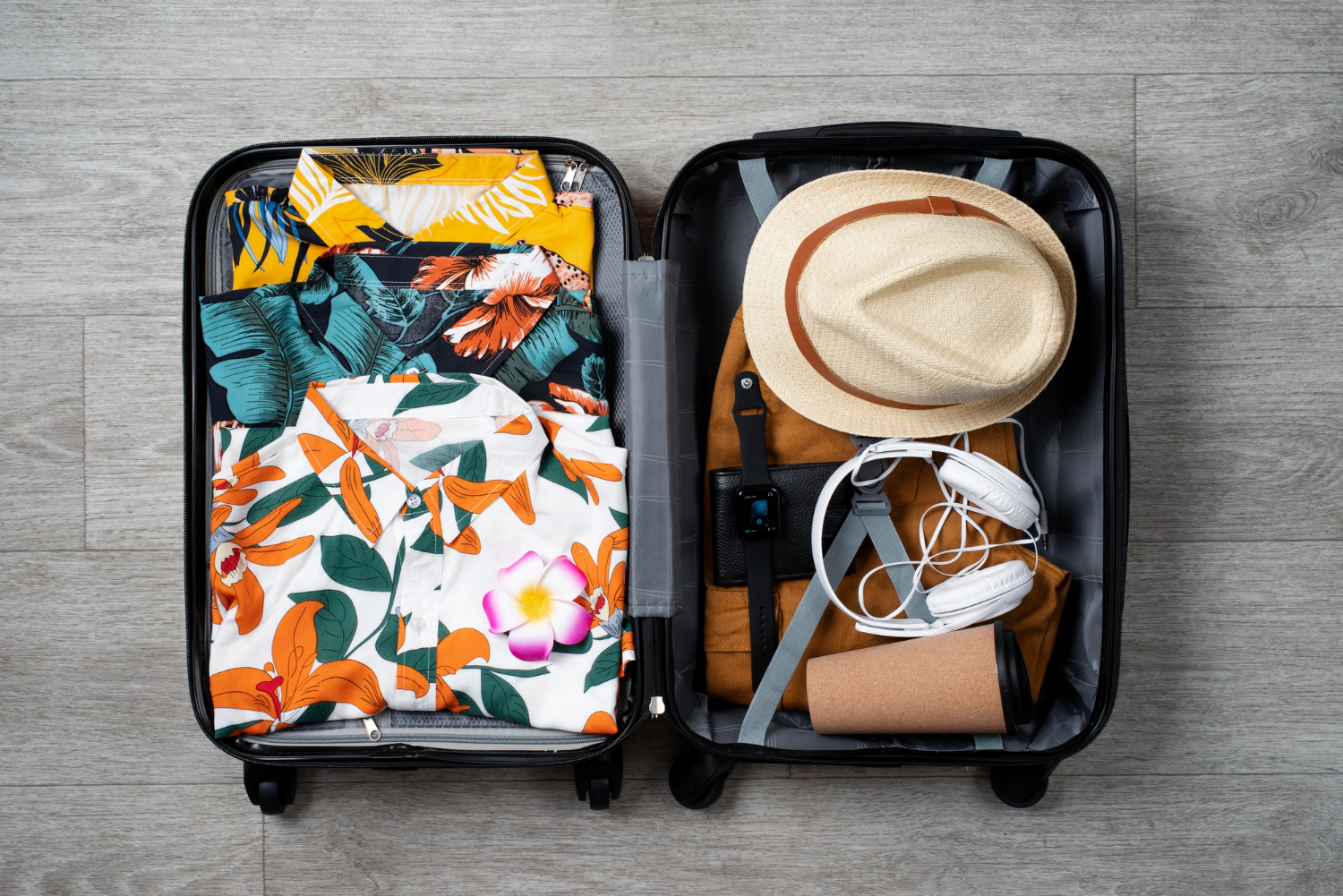
A secondary zipper expands the bag’s capacity when needed. This flexibility helps accommodate souvenirs purchased during the trip.
Many suitcases include a secondary expansion zipper that increases the bag’s overall capacity by an inch or two when needed, useful flexibility for accommodating souvenirs, gifts, or additional clothing acquired during the trip that wasn’t part of the original packing plan. Expandable zippers adding useful packing flexibility is a practical feature worth prioritizing for travelers who often return with more than they departed with, without needing to purchase an entirely separate bag.
10. Warranty Coverage Varies Significantly by Brand
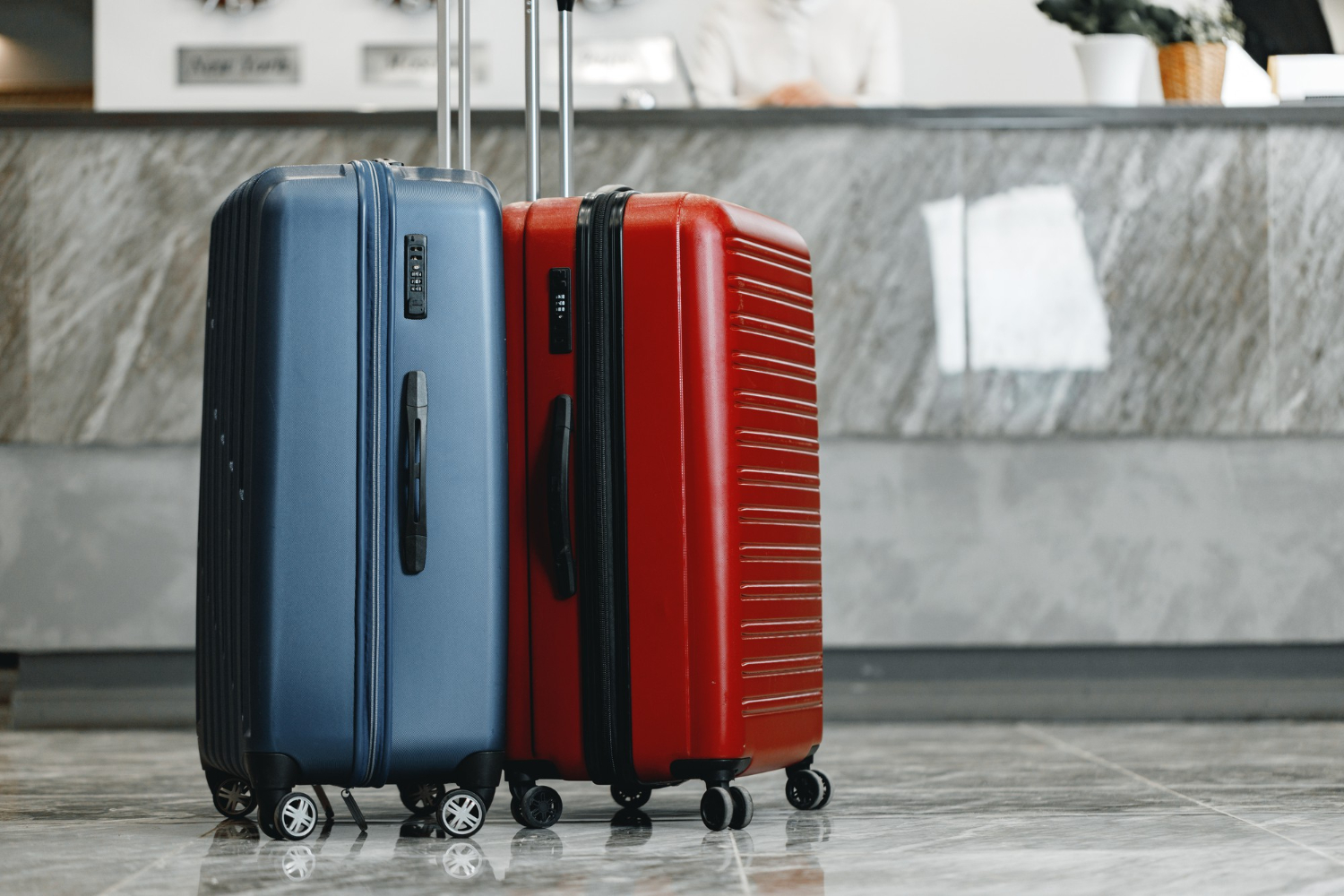
Some luggage brands offer genuinely strong repair or replacement guarantees. This coverage can matter considerably over years of use.
Luggage warranty coverage varies enormously between brands, some offer limited coverage for manufacturing defects only, while others provide genuinely comprehensive repair or replacement guarantees covering airline-caused damage for many years after purchase. Warranty coverage varying significantly by brand is worth researching before a significant luggage purchase, since strong coverage can provide real long-term value well beyond the bag’s initial purchase price.
The Right Bag for the Way You Actually Travel
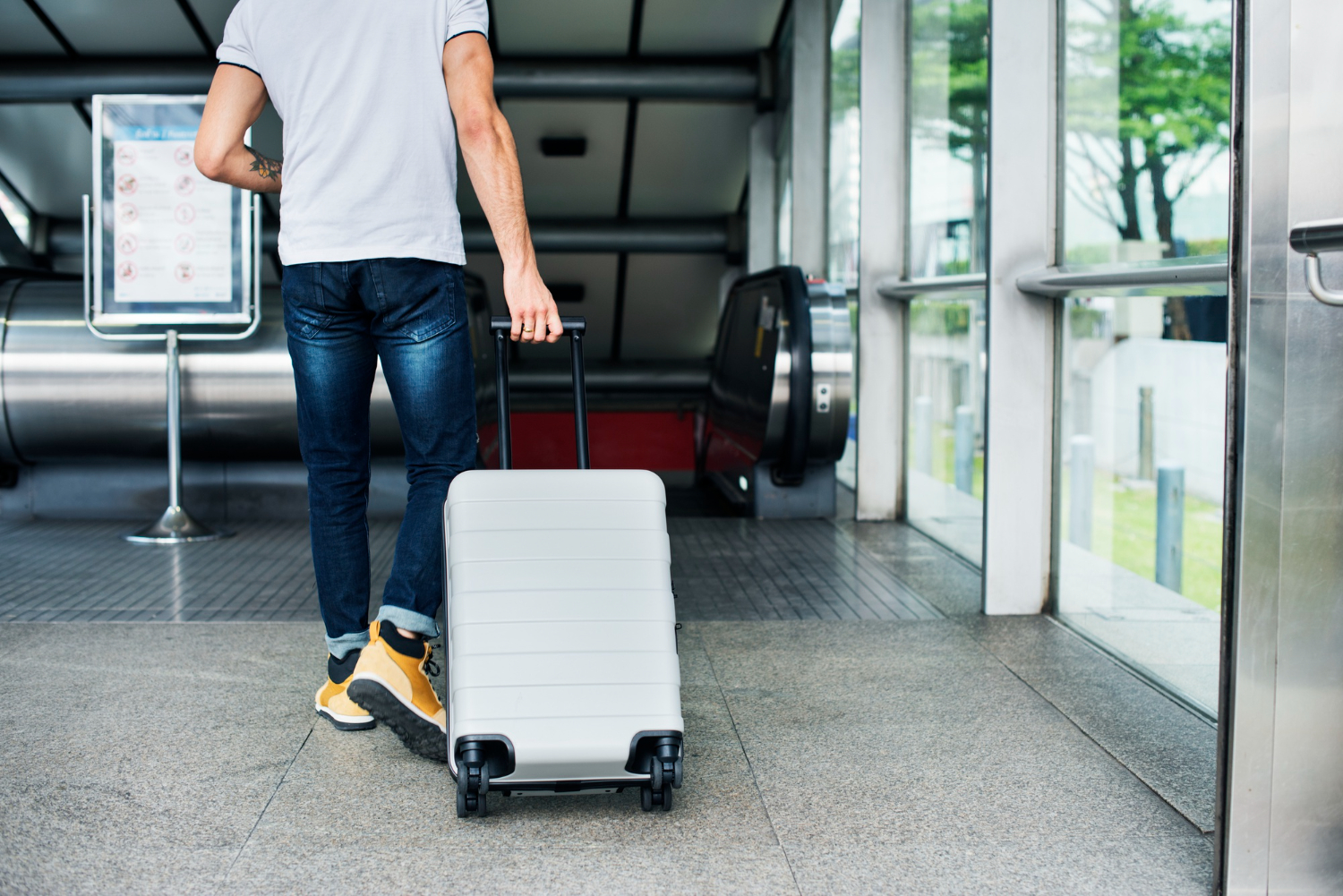
Taken together, these ten considerations show that choosing the right luggage genuinely depends on matching the bag’s specific features to your actual travel patterns, frequency, destinations, and packing habits, rather than simply picking whatever looks appealing on a store shelf. Thinking through these practical factors leads to a purchase that holds up over years of real use.
There’s no single “best” luggage that suits every traveler equally, a frequent business flyer prioritizing durability and carry-on compliance has genuinely different needs than an occasional vacationer who values flexible expansion capacity for souvenirs. Taking the time to honestly assess your own travel habits before making a purchase leads to a piece of luggage that genuinely serves you well trip after trip, rather than one that looked good in the store but proves frustrating on the road.
It’s also worth thinking about your luggage as a system rather than a single purchase, a well-chosen carry-on paired with a compatible personal item, or a checked bag that nests neatly with a smaller companion piece, often serves real-world travel needs better than any single bag purchased in isolation. Testing a bag with an actual packed load before a major trip, rather than trusting showroom impressions alone, can reveal genuine comfort or durability issues while there’s still time to exchange it. A little extra research upfront, matched honestly against how and how often you actually travel, pays real dividends across years of future trips.
Like our content? Follow us for more.