
Missing a connecting flight is one of travel’s more stressful, if fairly common, disruptions, but knowing the right steps to take immediately can turn what feels like a crisis into a manageable, if annoying, delay. Here are ten things to do when you miss a flight connection, counted down one by one.
1. Head Directly to the Airline’s Service Desk

Speaking with an agent in person is usually faster than calling. Airport staff can often rebook you on the spot.
As soon as you realize you’ve missed a connection, heading directly to the airline’s service or transfer desk, rather than immediately calling customer service, usually gets you rebooked faster, since agents physically present at the airport often have more real-time flexibility and visibility into available options. Heading directly to the airline’s service desk is typically the fastest first step, one that puts you in front of someone with the authority to actually solve the problem on the spot.
Like our content? Follow us for more.
2. Check the Airline’s App While Waiting in Line

Mobile apps sometimes offer instant rebooking options. This can save time even before reaching an agent.
While waiting in line at the service desk, checking the airline’s mobile app can sometimes reveal available rebooking options you can select instantly, occasionally resolving the issue before you even reach an actual agent. Checking the airline’s app while waiting in line is a smart parallel strategy, using the waiting time productively rather than passively standing in line with no progress being made toward an actual solution.
3. Know Whether the Missed Connection Was the Airline’s Fault
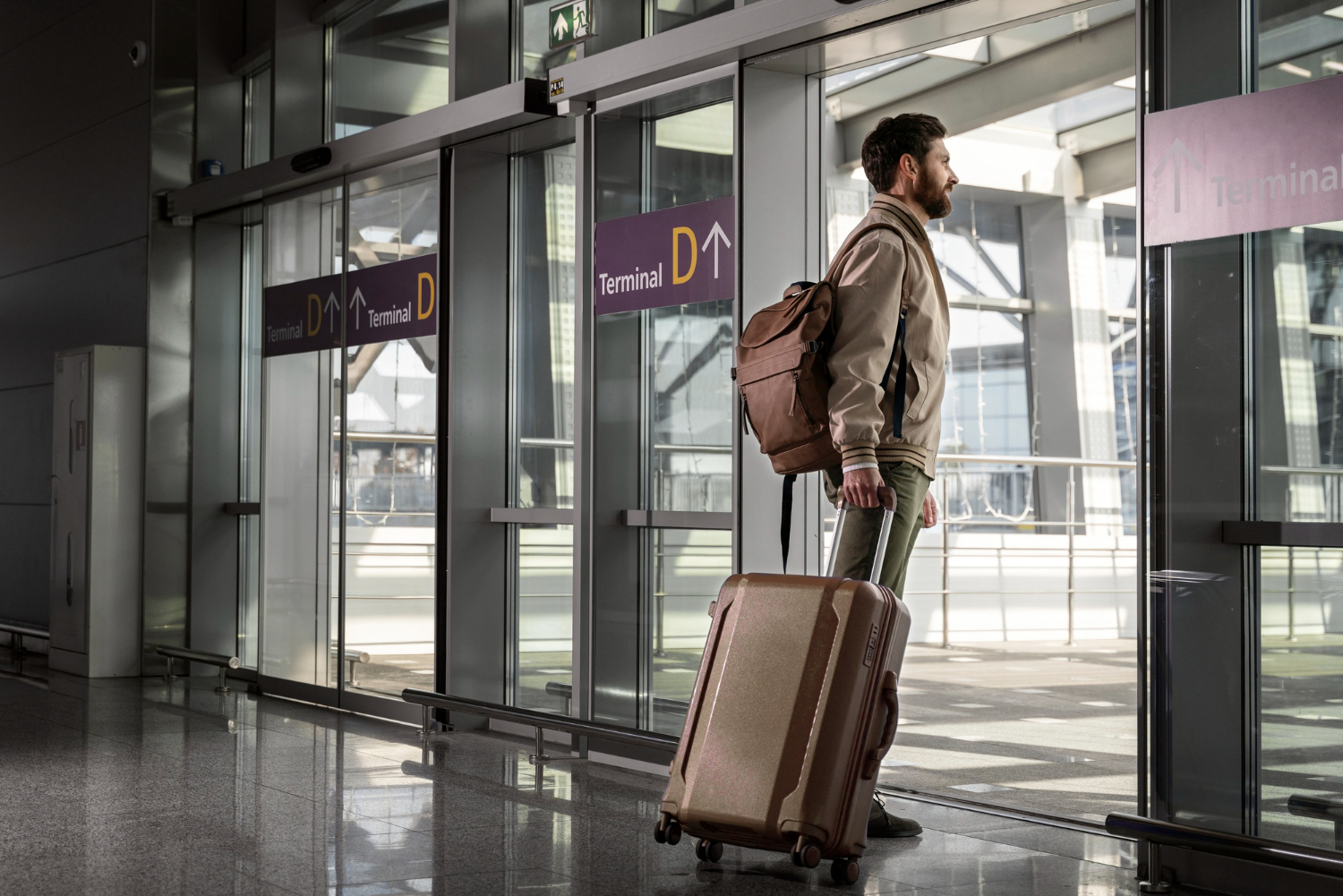
Delay causes affect your rebooking rights and options. Understanding this distinction shapes what you can reasonably expect.
Whether the missed connection resulted from the airline’s own delay, a mechanical issue, understaffing, versus something outside the airline’s control, severe weather, an air traffic control issue, meaningfully affects what rebooking options and compensation you’re reasonably entitled to expect. Knowing whether the missed connection was the airline’s fault helps set realistic expectations, since airline-caused delays typically come with stronger rebooking obligations than weather-related disruptions beyond anyone’s control.
4. Ask About Hotel and Meal Vouchers if Overnight Rebooking Is Needed

Airlines sometimes provide accommodations for airline-caused overnight delays. It’s worth asking directly rather than assuming none is offered.
If the next available flight isn’t until the following day and the delay was caused by the airline itself, it’s worth directly asking about hotel and meal vouchers, since these aren’t always offered proactively but are often available if a traveler specifically requests them. Asking about hotel and meal vouchers if overnight rebooking is needed is simple, direct advocacy that can meaningfully offset the disruption’s cost and inconvenience, provided the circumstances genuinely qualify.
5. Keep All Receipts for Delay-Related Expenses

Documentation supports any reimbursement claim later. Meals, transportation, and incidentals should all be tracked.
Keeping careful receipts for any expenses incurred due to the delay, meals, ground transportation, or incidentals, provides essential documentation if you later pursue reimbursement through the airline or a travel insurance claim. Keeping all receipts for delay-related expenses is simple but important discipline, the paper trail that turns a vague inconvenience into a documented, reimbursable expense with genuine supporting evidence.
6. Consider Nearby Alternate Airports

A different airport near your destination might have earlier availability. This flexibility can meaningfully shorten a delay.
If your final destination has multiple nearby airports, asking the agent about rebooking to a different one, followed by a rental car or shuttle for the final leg, can sometimes get you moving considerably sooner than waiting for the next available flight to your original arrival airport. Considering nearby alternate airports is worth raising proactively with the agent, since this option isn’t always volunteered but can genuinely shorten an otherwise lengthy delay.
7. Check if Travel Insurance Covers the Disruption

Some policies specifically cover missed connections. Reviewing your coverage clarifies what costs might be reimbursed.
If you purchased travel insurance for the trip, reviewing the policy’s specific language around missed connections and trip delays clarifies what expenses, meals, lodging, or even prepaid nonrefundable trip costs affected by the delay, might actually be covered and reimbursable. Checking if travel insurance covers the disruption is a worthwhile step for anyone holding a policy, since filing a legitimate claim later requires understanding your coverage terms before expenses pile up unnecessarily.
8. Notify Anyone Waiting to Pick You Up as Soon as Possible

Ground transportation plans need immediate updating. A quick message prevents someone from waiting unnecessarily.
As soon as a missed connection becomes clear, sending a quick message to anyone planning to pick you up at your final destination prevents them from waiting unnecessarily at the airport for a flight that’s no longer arriving on schedule. Notifying anyone waiting to pick you up as soon as possible is simple courtesy that also solves a real logistical problem, sparing a friend or family member an avoidable, frustrating wait.
9. Stay Calm and Polite With Airline Staff

Agents handle rebooking requests more efficiently for courteous travelers. Frustration rarely speeds up the actual process.
While a missed connection is genuinely frustrating, remaining calm and polite with airline staff, who are typically managing many similarly affected travelers simultaneously, tends to result in more efficient, and sometimes more generous, assistance than an openly frustrated or hostile approach. Staying calm and polite with airline staff is practical, not just courteous advice, since agents generally have some discretion in how they handle rebooking and are understandably more inclined to go the extra mile for a patient, respectful traveler.
10. Know Your Rights for Compensation on International Itineraries

Some international routes carry specific delay compensation rules. Understanding applicable regulations clarifies what you’re owed.
Certain international itineraries, particularly those involving European Union airports, fall under specific regulations guaranteeing compensation for lengthy delays caused by the airline, rules that don’t automatically apply to purely domestic U.S. travel. Knowing your rights for compensation on international itineraries is worth researching for the specific route involved, since applicable regulations vary considerably by region and can meaningfully affect what compensation you’re legitimately entitled to pursue.
Turning a Stressful Moment Into a Manageable One

Taken together, these ten steps show that a missed flight connection, while genuinely frustrating, is usually resolvable with a clear-headed, proactive approach, heading straight to the service desk, documenting expenses, and understanding your actual rights and options. Knowing what to do in advance removes much of the panic from an already stressful situation.
None of these steps guarantee a missed connection won’t disrupt your travel plans meaningfully, sometimes a genuine delay of many hours or even an extra overnight stay is simply unavoidable. But approaching the situation with a clear plan, rather than pure frustration, consistently leads to better outcomes and a faster resolution. With the right preparation and mindset, even a missed connection can become just another manageable part of the broader travel experience rather than a genuine crisis.
It’s also worth building a small amount of buffer time into connections whenever your itinerary allows, since a tight 45-minute layover leaves almost no margin for even a minor delay on the first flight, while a more generous connection window absorbs small disruptions before they ever become a genuine missed-connection problem. For itineraries with only one realistic remaining flight option that day, some travelers find it worthwhile to proactively ask about standby status on an earlier or later flight even before their original connection is officially missed, since gate agents can sometimes see a looming problem coming before the traveler does. A calm, informed approach at every stage remains the most reliable way to turn an inherently stressful situation into simply an inconvenient one.
Like our content? Follow us for more.