
For Americans 62 and older, the Senior Pass has long been one of the best-kept secrets in travel, lifetime access to more than 2,000 federal recreation sites for a single flat fee. A significant modernization of the broader America the Beautiful pass system took effect at the start of 2026, and several of the changes make the Senior Pass an even more compelling deal. Here are ten things to know about the National Park Senior Pass in 2026, counted down one by one. (Pricing and policy details reflect official NPS guidance as of 2026 and are subject to change; confirm current terms at nps.gov.)
1. The Senior Lifetime Pass Still Costs Just $80

The lifetime pass price has remained unchanged since 2017. It covers entrance for life with a single purchase.
The Senior Lifetime Pass remains priced at $80, unchanged since it was set at that level in 2017, and it covers entrance fees at more than 2,000 federal recreation sites for the remainder of the passholder’s life with a single one-time purchase. Given how many parks and sites the pass covers, it remains one of the most genuinely valuable deals in American travel. The Senior Lifetime Pass still costing just $80 is a remarkable fact worth appreciating on its own, a price that hasn’t budged even as general park fees have climbed elsewhere in the system.
Like our content? Follow us for more.
2. The Regular Annual Pass Now Costs the Same as the Senior Lifetime Pass
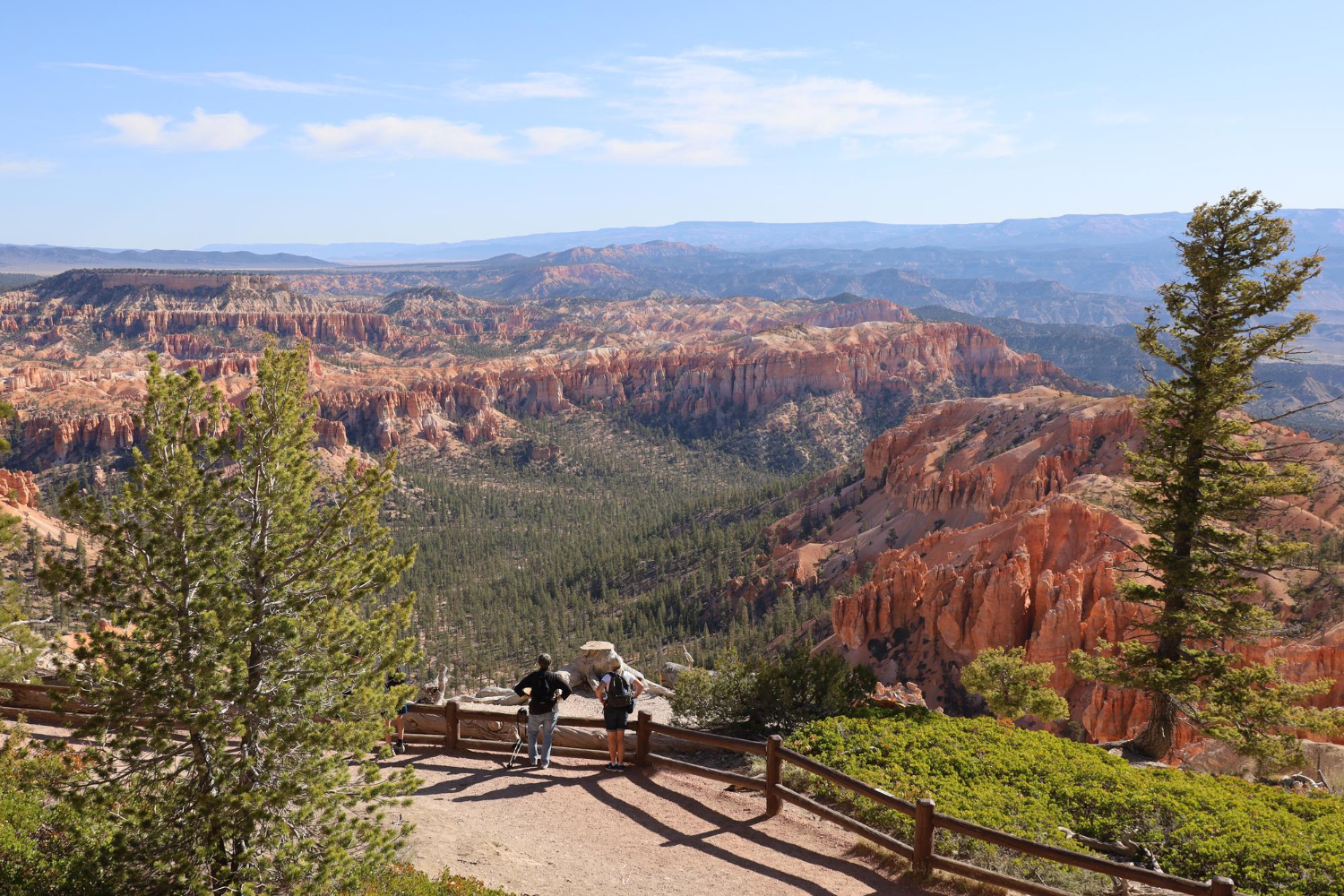
The standard America the Beautiful pass rose to $80 in January 2026. This makes the senior discount considerably more valuable by comparison.
As part of the January 2026 changes, the standard America the Beautiful Annual Pass, available to any U.S. resident regardless of age, increased to $80, the same price as the Senior Lifetime Pass. This means seniors now get a pass valid for the rest of their lives at exactly the price everyone else pays for just one year of access. The regular annual pass now costing the same as the senior lifetime pass dramatically widens the value gap in favor of the Senior Pass, making 2026 an especially good time to take advantage of it.
3. A $20 Annual Senior Pass Option Also Remains Available
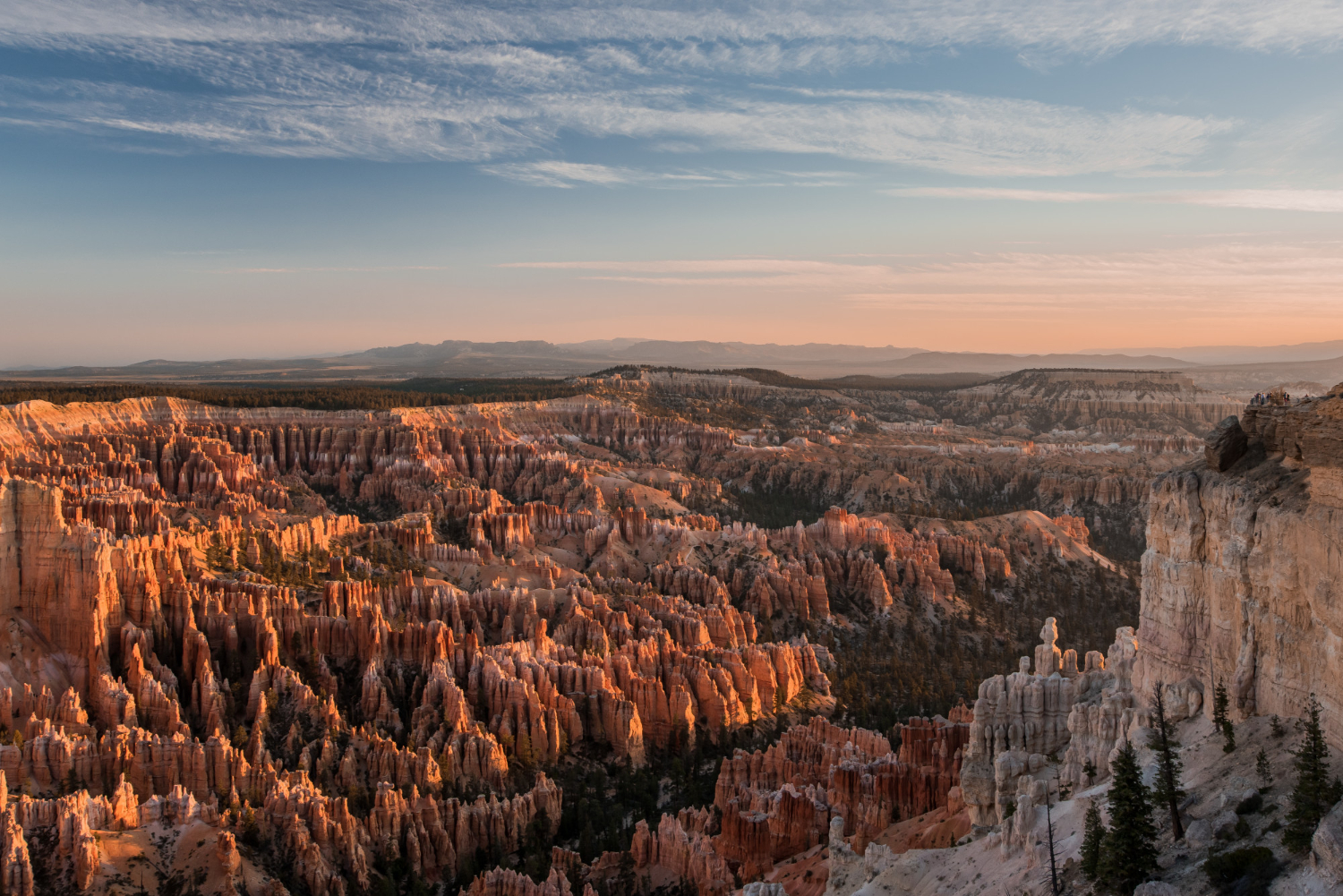
Occasional visitors can choose the lower-cost annual option. It can later be upgraded to the lifetime version.
For seniors who visit parks only occasionally, a Senior Annual Pass remains available for just $20, valid for twelve months from the date of purchase. This annual pass can later be upgraded to the Senior Lifetime Pass in person at a participating federal site for the price difference. A $20 annual senior pass option also remaining available gives infrequent park visitors a lower-cost entry point before committing to the full lifetime purchase.
4. All Senior Passes Are Now Available in Digital Format

Digital passes can be purchased and used instantly. This eliminates the wait for a physical card to arrive by mail.
As of the 2026 modernization, Senior Passes, along with Military, 4th Grade, and Access passes, are now available in fully digital format through Recreation.gov, allowing instant purchase and use directly from a smartphone rather than waiting up to several weeks for a physical card to arrive by mail. Digital passes can also be linked to a physical card for convenience. All Senior Passes now being available in digital format is a genuinely useful improvement, particularly for travelers who decide to purchase a pass shortly before an upcoming trip.
5. Physical Passes Are Still Available for Those Who Prefer Them
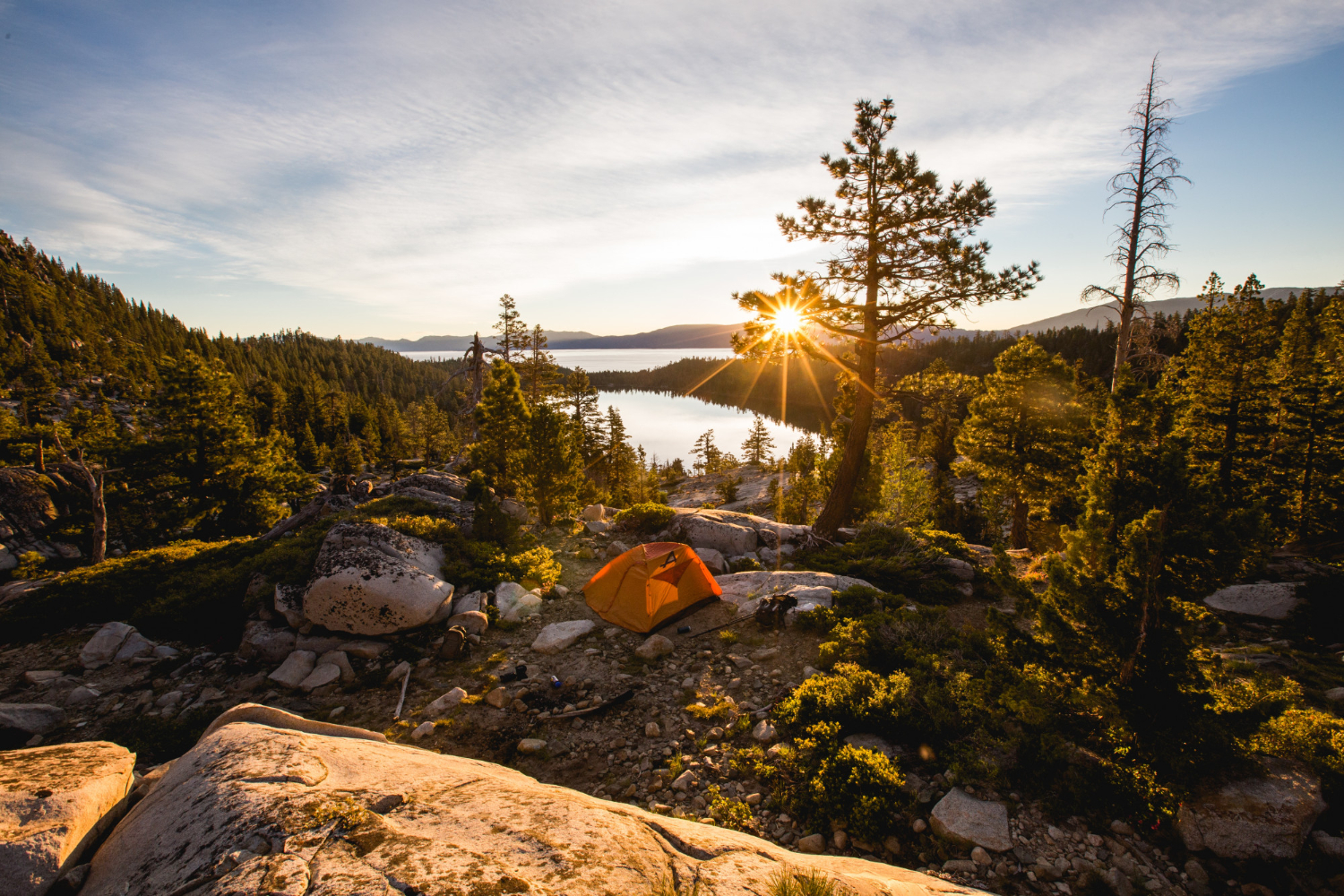
In-person purchase remains an option at parks and federal offices. Some travelers still prefer a physical card.
Despite the shift toward digital options, physical Senior Passes remain available for purchase in person at participating federal recreation sites, or by mail through the USGS store, for travelers who prefer a traditional card, or who want their purchase to directly benefit the specific park where they buy it. Physical passes still being available for those who prefer them ensures the modernization adds convenience without eliminating the traditional purchasing option many longtime park visitors are accustomed to.
6. Motorcycle Coverage Has Expanded to Two Bikes Per Pass
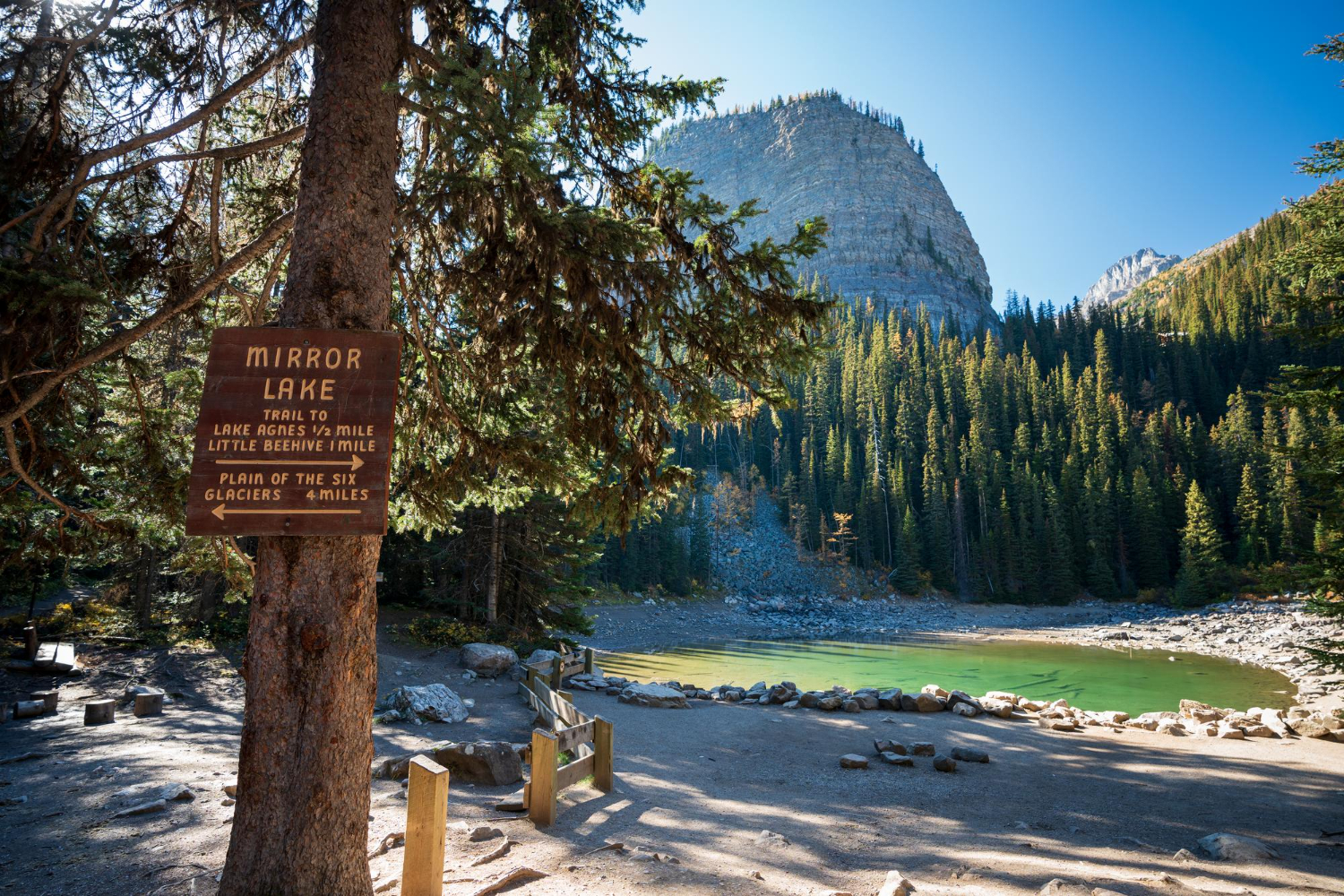
The pass previously covered one vehicle or a single motorcycle. It now covers two motorcycles under the same pass.
Under the 2026 changes, all America the Beautiful passes, including the Senior Pass, now cover entrance for two motorcycles rather than just one, making the pass considerably more useful for senior travelers who ride with a spouse, friend, or riding group. Motorcycle coverage expanding to two bikes per pass is a meaningful improvement for the substantial number of older Americans who enjoy motorcycle touring through national parks and other federal lands.
7. Proof of Age and Residency Is Required to Purchase

Applicants must document U.S. citizenship or residency and age. This requirement hasn’t changed under the 2026 update.
Purchasing a Senior Pass requires documentation proving both age, 62 or older, and U.S. citizenship or permanent residency, typically a driver’s license, passport, or similar government-issued identification. This requirement remains unchanged from prior years despite the broader system modernization. Proof of age and residency being required to purchase is a standard, unchanged verification step, one worth having documentation ready for whether purchasing digitally or in person.
8. The Pass Covers More Than Just National Parks

Six different federal agencies honor the Senior Pass. This includes national forests, wildlife refuges, and more.
The Senior Pass is honored not just at National Park Service sites but across six different federal agencies, including the Forest Service, Fish and Wildlife Service, Bureau of Land Management, Army Corps of Engineers, and Bureau of Reclamation, covering more than 2,000 federal recreation sites nationwide. The pass covering more than just national parks significantly expands its practical value, since the vast majority of holders likely aren’t aware how many different types of federal land it actually includes.
9. Non-Resident Pass Fees Don’t Affect U.S. Senior Pricing

New fees apply specifically to foreign visitors at select parks. American seniors’ pricing remains fully unaffected.
The 2026 changes also introduced a new $250 non-resident annual pass and additional per-person surcharges for non-residents at eleven of the most popular parks, but these changes apply specifically to foreign visitors and do not affect pricing or terms for U.S. citizen or resident Senior Pass holders in any way. Non-resident pass fees not affecting U.S. senior pricing is an important clarification, ensuring American seniors understand that this particular change has no bearing on their own pass costs.
10. The Pass Can Offer Discounts Beyond Just Entrance Fees
Some camping and amenity fees receive a discount too. This varies by specific park and site.
Beyond covering standard entrance fees, the Senior Pass can also provide discounts of up to 50 percent on certain amenity fees at participating sites, including camping, boat launches, and some interpretive services, though this benefit varies by specific location and isn’t universal across every site. The pass offering discounts beyond just entrance fees adds meaningful additional value, particularly for seniors planning longer camping trips across multiple federal recreation areas.
An Even Better Deal Than Before

Taken together, these ten points show that 2026’s modernization of the America the Beautiful pass system has made the Senior Pass an even more compelling value than it already was, with digital convenience, expanded motorcycle coverage, and a widening price gap between the senior and standard annual passes. For eligible Americans who haven’t yet purchased one, this is a particularly good year to do so.
Given that the general public now pays the same $80 for just twelve months of access that seniors pay for a lifetime, the Senior Pass represents an increasingly rare bargain in an era of rising travel costs nearly everywhere else. Whether the plan is a single dramatic trip to a bucket-list park or years of regular visits to federal lands closer to home, the modest one-time cost pays for itself remarkably quickly. For any eligible American not yet taking advantage of it, 2026’s changes make this an especially good year to pick one up.
Like our content? Follow us for more.