
More than 30 countries now offer dedicated retirement or passive-income visa programs, and interest among American retirees has grown substantially as domestic living costs continue climbing in many parts of the country. These programs vary enormously in requirements, benefits, and complexity. Here are ten things to know about retirement visas for Americans in 2026, counted down one by one. (This is a general informational overview, not legal, immigration, financial, or tax advice; consult a licensed immigration attorney and tax professional for guidance specific to your situation.)
1. Most Programs Require Proof of Steady Passive Income

Pensions, Social Security, and investment income typically qualify. Active employment income generally doesn’t count.
The core requirement across nearly every retirement visa program is documented proof of steady passive income, a pension, Social Security benefits, annuity payments, or investment income, rather than active employment earnings. Most programs require a Social Security award letter, pension statement, or similar official documentation as part of the application. Most programs requiring proof of steady passive income is the foundational eligibility hurdle for nearly every country on this list, the qualifying factor that determines whether an applicant meets a program’s basic threshold at all.
Like our content? Follow us for more.
2. Income Thresholds Vary Dramatically by Country

Some countries require as little as $1,000 monthly. Others require significantly more, particularly in Western Europe.
Monthly income requirements range enormously depending on the destination, Panama and Costa Rica both require roughly $1,000 per month, Portugal’s D7 visa starts around $830 to $1,000 monthly, while Spain’s Non-Lucrative Visa requires closer to $2,300 to $2,650 monthly, and Italy’s Elective Residence Visa demands roughly $2,500 monthly. Income thresholds varying dramatically by country means the right destination often depends heavily on an applicant’s actual retirement income level.
3. Panama’s Pensionado Program Includes Notable Retiree Discounts
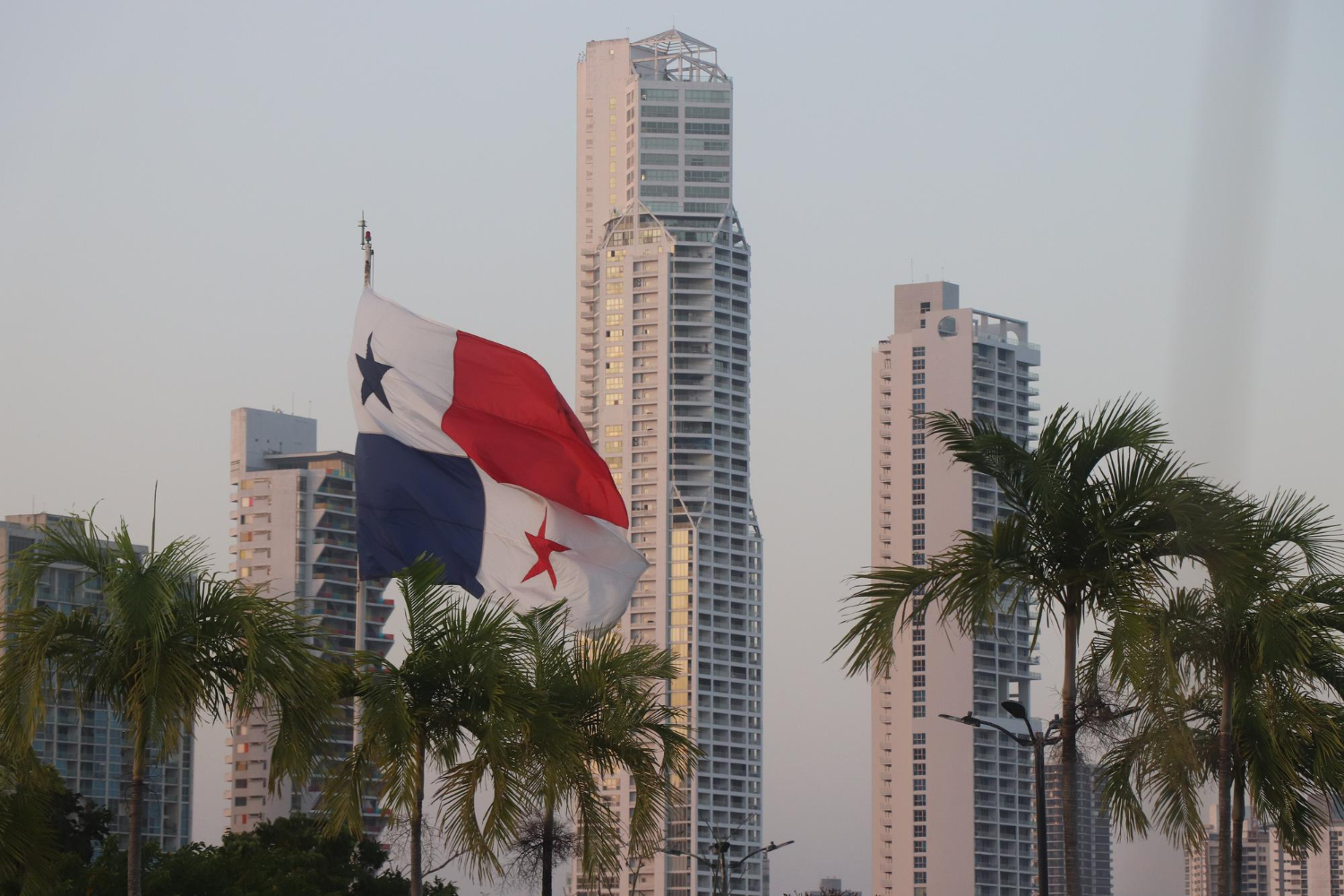
Beyond residency, Panama offers a discount card for retirees. It covers healthcare, dining, and travel expenses.
Panama’s long-established Pensionado program requires just $1,000 in monthly pension income and includes a widely used discount card offering 20 to 50 percent reductions on healthcare, restaurants, entertainment, hotels, and domestic flights. Panama also uses the U.S. dollar as its currency, eliminating exchange-rate risk for American retirees. Panama’s Pensionado program including notable retiree discounts makes it one of the more complete value propositions among Latin American retirement destinations.
4. Portugal’s D7 Visa Remains One of Europe’s Most Accessible Options

Portugal offers a relatively low income threshold for Europe. It also provides a path toward EU permanent residency.
Portugal’s D7 Passive Income Visa remains one of the more accessible European options, with an income threshold around the Portuguese minimum wage, roughly €760 to €920 monthly, and a path toward permanent residency after five years and citizenship eligibility after six. Portugal’s D7 visa remaining one of Europe’s most accessible options explains its enduring popularity among American retirees seeking EU residency without an extremely high income bar.
5. Tax Treatment of U.S. Retirement Income Varies Significantly

Some countries don’t tax foreign pension income at all. Others tax worldwide income once residency is established.
Countries like Panama, Costa Rica, and the Philippines generally tax only income earned within their own borders, meaning U.S. Social Security and pension payments typically aren’t taxed locally. Spain and Portugal, by contrast, may tax worldwide income once legal tax residency is established, though tax treaties can affect specific outcomes. Tax treatment of U.S. retirement income varying significantly makes professional tax guidance genuinely essential before any relocation decision, since the financial implications differ enormously by destination.
6. Most Retirement Visas Prohibit Local Employment

Local jobs are generally off-limits under these visa categories. Remote work rules for foreign clients vary by country.
Nearly all retirement or passive-income visa categories explicitly prohibit taking a job with a local employer, since the visa is designed around already-retired, passive-income status. Rules around remote work for foreign clients vary considerably, Portugal’s D7 explicitly permits it, while Italy’s Elective Residence Visa prohibits all work, including remote arrangements. Most retirement visas prohibiting local employment is an important structural detail, one that shapes what kind of continued income activity, if any, a retiree can maintain while living under one of these visa categories.
7. Health Insurance Requirements Differ by Program

Most countries require private insurance at application. Some later allow access to public healthcare systems.
Most retirement visa programs require applicants to hold private health insurance meeting specific coverage minimums at the time of application, though several countries, including Portugal and Spain, allow registered residents to access public healthcare systems after establishing legal residency. Costa Rica requires enrollment in its public healthcare system directly as part of the visa process. Health insurance requirements differing by program is a critical planning factor, especially significant given that Original Medicare provides no coverage for care received outside the United States.
8. Pathways to Permanent Residency and Citizenship Vary Widely

Some countries offer a clear route to citizenship. Others provide long-term residency with no citizenship pathway at all.
Portugal and Panama both offer paths to citizenship after roughly five to ten years of continuous residency, while countries like Thailand, Malaysia, and the Philippines offer no standard citizenship pathway through their retirement visa programs at all, requiring indefinite renewal instead. Pathways to permanent residency and citizenship varying widely is an important long-term consideration for anyone viewing a retirement visa as a potential step toward eventually settling permanently abroad.
9. Mexico’s Income Requirements Have Risen Substantially

Recent increases have made Mexico less accessible for some retirees. Higher thresholds now apply for both temporary and permanent status.
Mexico, historically one of the most popular retirement destinations for Americans due to its proximity and lower cost of living, has raised its income requirements considerably in recent years, with current thresholds reported around $4,200 monthly for temporary residency and $7,000 monthly for permanent residency, pricing out retirees relying solely on Social Security. Mexico’s income requirements having risen substantially reflects a broader trend of destination countries adjusting thresholds in response to inflation and rising demand.
10. A “Mini-Retirement” Trial Can Reduce Long-Term Risk

Some visa categories allow shorter, renewable stays. Testing a location before fully committing reduces costly mistakes.
Several visa categories function well as a lower-commitment “mini-retirement” trial, a year or two abroad to genuinely test healthcare access, language, climate, and community fit before committing to selling property or fully relocating permanently. This measured approach helps avoid a costly mismatch discovered only after a bigger commitment has already been made. A mini-retirement trial reducing long-term risk is a practical strategy worth considering, allowing retirees to gather honest, firsthand experience before making an irreversible decision.
Research Thoroughly Before You Leap

Taken together, these ten points show that retirement visa programs offer genuinely appealing options for Americans seeking to stretch retirement income further, but the details, income thresholds, tax treatment, healthcare access, and citizenship pathways, vary enormously by country and deserve careful individual research.
None of this general overview substitutes for a direct consultation with a licensed immigration attorney familiar with your specific target country, along with a tax professional who can evaluate how a move would affect your particular Social Security, pension, and investment income. Visa requirements, income thresholds, and tax treaties can all change, sometimes with little advance notice, so verifying current rules directly with the destination country’s consulate or immigration authority before making any firm plans is essential. For those willing to do the homework, though, a retirement visa can open up a genuinely different, and often more affordable, chapter of retirement.
Like our content? Follow us for more.

![boats docked near seaside promenade]](https://travelandtannins.com/wp-content/uploads/2025/12/YfM6mqWf-unsplash-Prb-sjOUBFs-924x520.jpg)