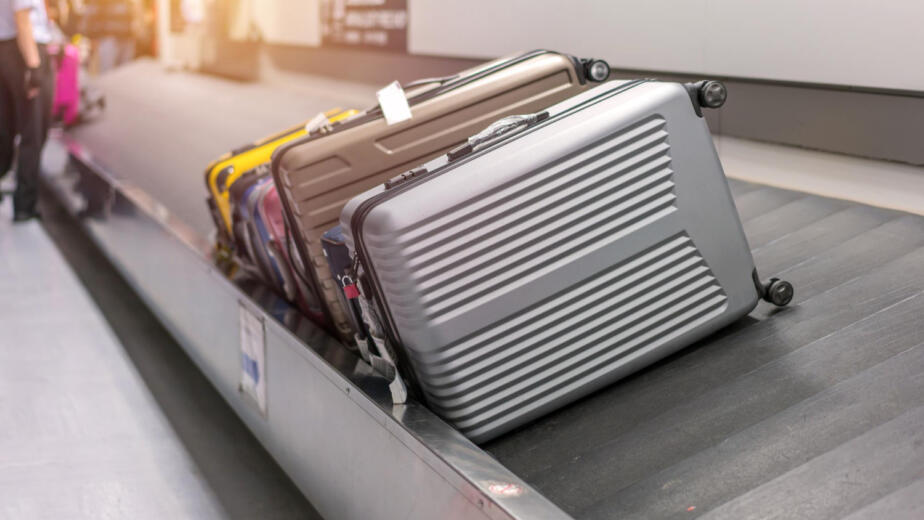
Delta, United, JetBlue, American, and Southwest all raised checked baggage fees by $10 in April 2026. American is also adding a fee for Basic Economy seat selection starting May 18. Here’s the complete picture of what’s changed and what it costs.
The 2026 spring travel season has arrived with the most significant baggage fee increases in years. Within a 5-day period in early April, four of the six largest U.S. airlines — United, JetBlue, Delta, and Southwest — all raised their checked baggage fees by $10 per bag. American Airlines is also implementing significant changes to Basic Economy seat selection that take effect May 18.
The driver behind the changes, according to airline statements and industry reporting, is jet fuel prices that have spiked sharply since early 2026 due to geopolitical instability. Rather than increasing base ticket prices (which are highly sensitive to demand), airlines have shifted the cost increase into fees, which research consistently shows are less sensitive to consumer comparison shopping.
Here’s exactly what’s changed, what it now costs, and how to minimize the impact.
The April 2026 baggage fee increases
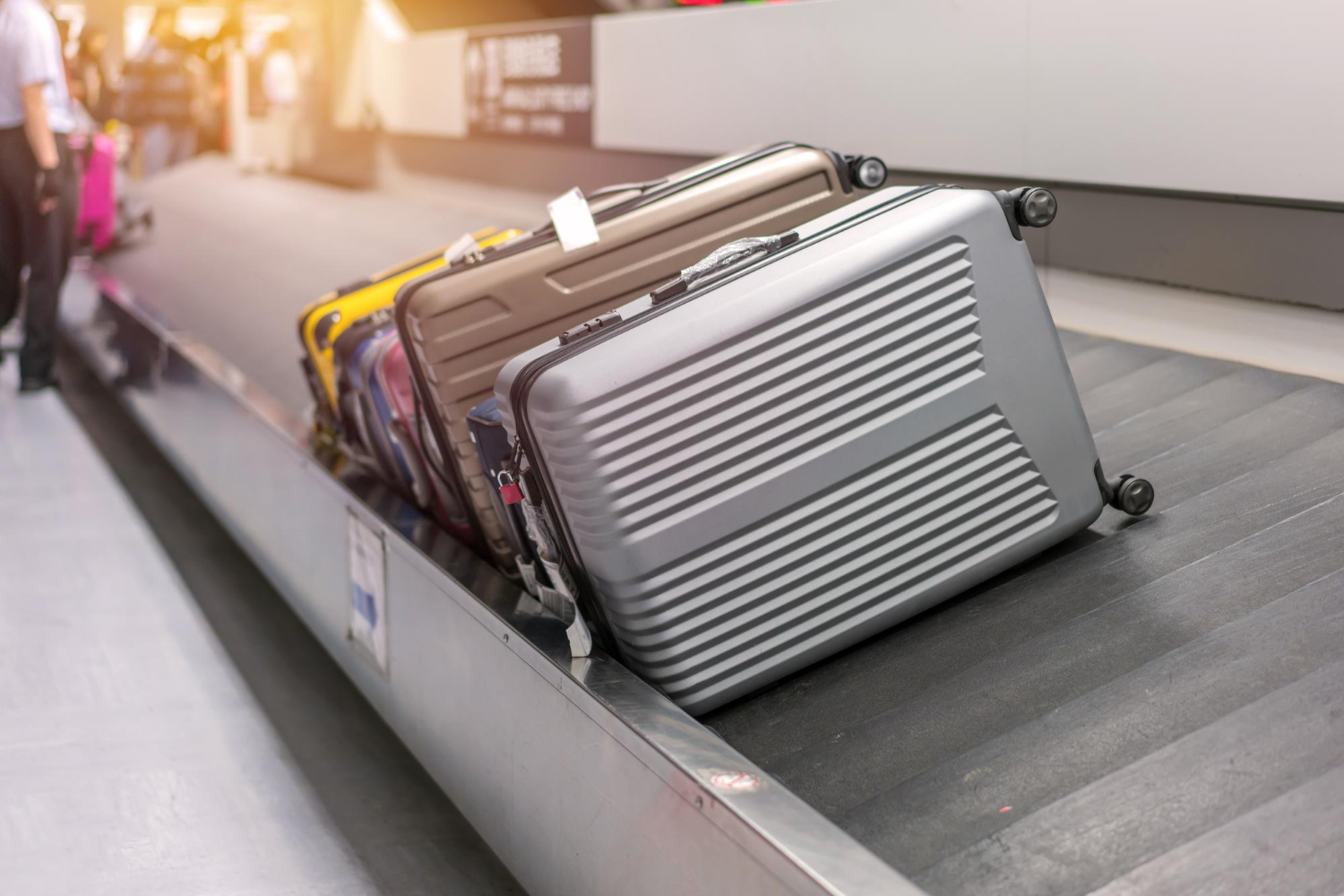
United Airlines: First moved (April 3, 2026)
- First checked bag: increased by $10
- Second checked bag: increased by $10
- Third checked bag: increased by $50
- This was United’s first baggage fee increase in over two years
JetBlue Airways: Followed quickly
- First checked bag (off-peak): now $39
- First checked bag (peak): now $49
- Surge pricing on high-demand days adds an additional $4-10
- Late check-in fee (within 24 hours of departure): $10 per bag
- Total cost can reach $59 for first bag, $79 for second bag during peak times with late check-in
Delta Air Lines: April 8, 2026
- First checked bag (domestic and select short-haul international): increased by $10
- Second checked bag: increased by $10
- Third checked bag: increased by $50
- This was Delta’s first domestic baggage fee increase in two years
Southwest Airlines: April 9, 2026
- First and second checked bags: increased by $10 each
- This applies to “all reservations ticketed or voluntarily changed on or after April 9, 2026”
- Notably, Southwest only began charging for checked bags in mid-2025, ending its decades-long policy of two free checked bags. The April 2026 increase is the first hike since the original 2025 policy change.
American Airlines: Already implemented earlier 2026
- Standard checked bag fees in line with industry pricing
- Note: Basic Economy customers who don’t prepay 24 hours before departure pay an additional $5 per bag
- For Basic Economy tickets purchased on or after May 18, 2026, all customers (including elite status members) will pay an additional $5 per bag
Current standard checked bag fees across major U.S. airlines (April 2026)

After the April 2026 increases, the typical fee structure across United, American, Delta, and Alaska is:
- First checked bag: approximately $45-50 (for domestic flights)
- Second checked bag: approximately $55-65
- Third checked bag: approximately $200+ (the third-bag $50 increase makes this fee dramatically higher than before)
JetBlue is notably more expensive than the legacy carriers, with peak-period fees that can reach $79 for a second bag.
The ultra-low-cost carriers (Spirit, Frontier, Allegiant) generally charge less for the base fare but more for bags, with bag fees that vary based on flight distance, when you pay (online vs. at airport), and demand. A “cheap” Spirit flight can easily cost more than a regular fare on a legacy carrier once bag fees are added.
American Airlines’ Basic Economy seat selection change (May 18, 2026)
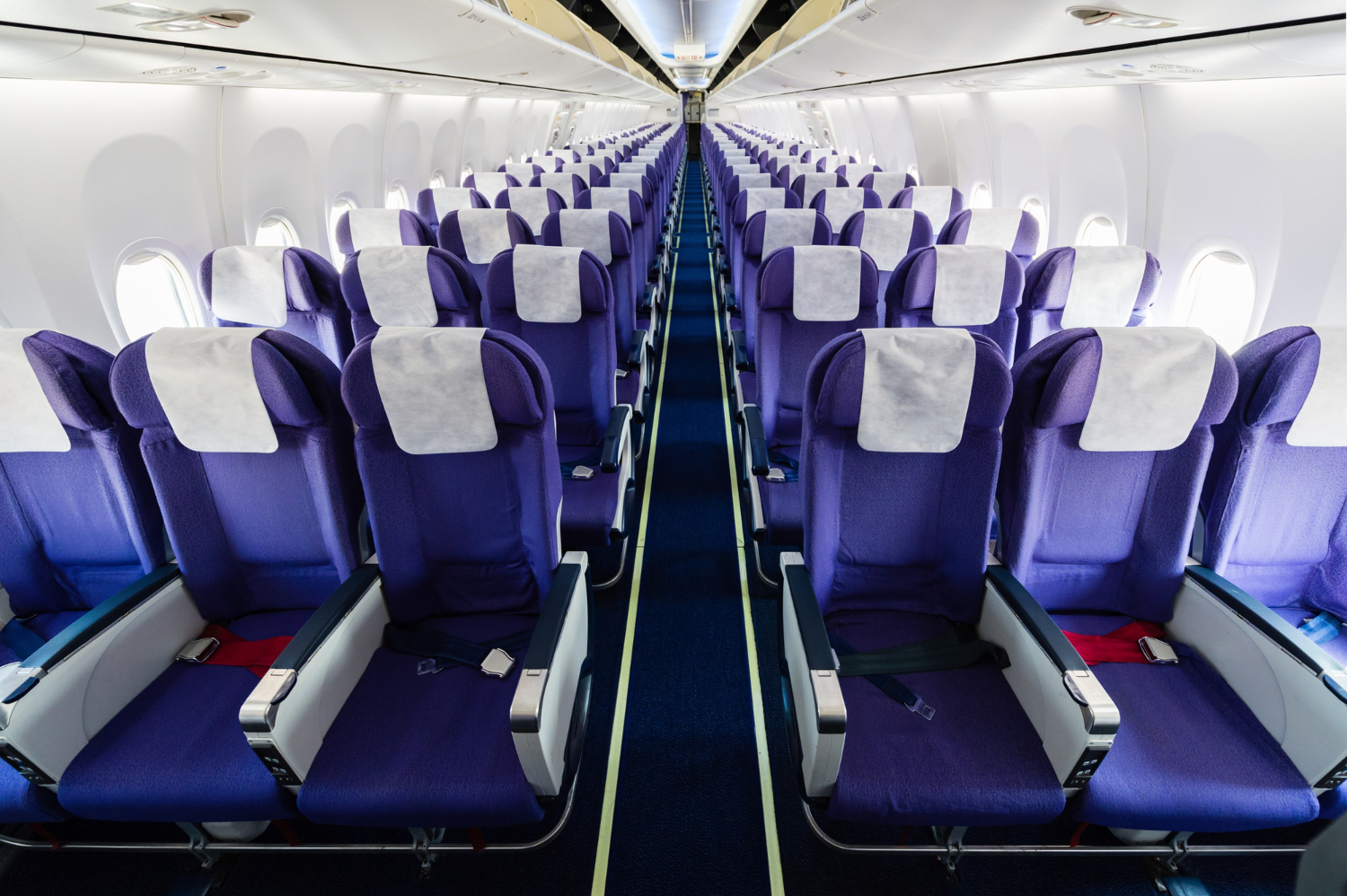
This is the change most likely to surprise frequent American Airlines flyers:
For Basic Economy tickets purchased on or after May 18, 2026:
- All customers (including AAdvantage status members) will pay a fee for seat selection
- AAdvantage status members will no longer be eligible for complimentary or systemwide upgrades on Basic Economy fares
- Basic Economy passengers still receive: one personal item, one carry-on bag, free snacks/drinks, and free inflight entertainment
This is a significant departure from American’s previous policy, which gave AAdvantage status members complimentary seat selection on all fare types including Basic Economy. The change makes American’s Basic Economy more similar to United’s and Delta’s Basic Economy products in terms of restrictions.
For Main Cabin (regular economy) fares, AAdvantage status members continue to receive complimentary seat selection and complimentary upgrades, plus free Wi-Fi sponsored by AT&T regardless of status.
Seat selection fees across airlines in 2026
A NerdWallet analysis published in early 2026 calculated average seat selection fees for one-way main cabin flights:
- Delta: $24.99 average — lowest among major U.S. carriers
- American: slightly higher than Delta — close second
- Alaska: similar to American
- JetBlue: significantly higher — by far the most expensive of the major carriers
- Southwest: variable — Southwest now charges for seat selection, ending its decades-long open-seating policy
Seat selection fees scale with flight distance and demand. Transcontinental flights have the highest fees. Window and aisle seats in preferred locations cost more than middle seats.
What changed about Southwest specifically
Southwest’s transition from its long-standing “two free checked bags” policy to the current paid-bag model has been the most disruptive change for U.S. travelers. The history:
- For decades: Southwest provided two free checked bags as a core differentiation from other carriers
- Mid-2025: Southwest began charging for checked bags for the first time
- April 9, 2026: Southwest’s first baggage fee increase since instituting bag fees, raising both first and second bag fees by $10
- 2025-2026: Southwest also ended its open-seating policy, introducing assigned seats that customers can purchase
For longtime Southwest loyalists, the cumulative effect has been substantial. A family of four taking a Southwest trip and checking 4 bags now pays approximately $200 in baggage fees — a cost that didn’t exist 18 months ago. Southwest credit card holders still receive one free checked bag for up to 8 people on the same reservation, which has become significantly more valuable.
Change and cancellation fees in 2026
Beyond baggage and seat selection, change/cancellation fees have continued to evolve:
For most U.S. domestic flights on legacy carriers (American, Delta, United):
- Main Cabin and above: change fees eliminated for most domestic and short-haul international flights
- Basic Economy: typically no changes allowed, but with some exceptions
- The 24-hour cancellation rule (DOT-required) remains: any ticket can be canceled within 24 hours of purchase for a full refund, provided the flight is at least 7 days out
For ultra-low-cost carriers (Spirit, Frontier, Allegiant):
- Substantial change/cancellation fees remain ($75-$200 depending on timing)
- These are often higher than the original ticket cost
For international flights:
- Vary significantly by airline and route
- Many international tickets, particularly Basic Economy fares to Asia, the Middle East, Africa, and India, have $200+ change fees or are non-changeable entirely
How to minimize the impact
Several strategies remain effective for reducing fee exposure:
Get an airline credit card. Most major airline co-branded credit cards include a free checked bag for the cardholder and often for additional people on the same reservation. The Southwest Rapid Rewards credit cards are particularly valuable because they provide a free checked bag for up to 8 people on the same reservation. Annual fees for starter-level cards are typically $99-$150, which break even after about one round trip with checked bags.
Earn airline elite status. Elite status with United, American, Delta, or other major carriers typically includes free checked bags (number varies by status level). For frequent flyers (15+ flights per year), achieving even basic status often produces enough free baggage to offset hundreds of dollars in annual fees.
Pre-pay for bags online. Most airlines offer a small discount ($5-10 per bag) for pre-paying bags online instead of at the airport. JetBlue, United, and American all charge more for bags paid for at the airport vs. paid online in advance.
Travel with carry-on only when possible. Carry-on bags remain free on most legacy carriers (American, Delta, United, Alaska). Even Basic Economy tickets on these airlines typically include a free carry-on. Ultra-low-cost carriers (Spirit, Frontier) often charge for carry-ons that exceed personal item dimensions, but the legacy carriers don’t.
Use credit cards with airline incidental credits. Premium travel cards from American Express (Platinum, Business Platinum) and Chase (Sapphire Reserve, United Quest) include annual airline incidental credits that can be used to reimburse baggage fees, seat selection fees, and other charges. These can fully offset hundreds of dollars in annual airline fees.
Consider booking shorter trips that fit in carry-on. For 3-4 day trips, packing in a carry-on eliminates checked bag fees entirely. Strategies like compression cubes, wearing your bulkiest clothes on the plane, and choosing destinations where laundry is accessible can extend carry-on viability.
For families: consolidate luggage. Packing 2-3 family members’ clothes in a single larger checked bag is dramatically cheaper than each person checking individual bags. The fee structure is per-bag, not per-person.
What to expect for the rest of 2026
Industry analysts expect that the April 2026 baggage fee increases are unlikely to be reversed, even if jet fuel prices stabilize. As one financial analyst quoted in Newsweek put it, baggage fees “are known to stay at their new levels” once raised.
Several additional changes are anticipated for the remainder of 2026:
Premium cabin expansion. United has announced new layouts that ditch some economy seats to make room for bigger premium cabins. American is “seriously considering” bringing back seat-back screens to its narrow-body fleet. Both moves reflect industry-wide investment in premium experiences while economy continues to be unbundled.
Continued unbundling. Beyond bags and seat selection, expect more services to become paid options: Wi-Fi (already paid on most flights), priority boarding (already paid), priority security at airports, lounge access, and even potentially paid carry-on bags on legacy carriers (already standard on ultra-low-cost carriers).
Dynamic pricing for fees. JetBlue’s surge pricing model for baggage fees on high-demand days may spread to other carriers. Demand-based fee variation for seats, bags, and other services is increasingly the industry norm.
Greater divergence between Basic Economy and Main Cabin. The trend toward making Basic Economy more restrictive (no seat selection without fees, no upgrade eligibility, no free checked bags) is likely to continue. American’s May 18 changes are part of this broader pattern.
For travelers, the practical implication is that the headline ticket price increasingly tells you less about what your trip will actually cost. A $179 Basic Economy fare on American, after seat selection ($25), one checked bag ($45), and snack purchases ($15), can easily reach $264 — nearly 50% above the advertised fare. Comparison shopping in 2026 requires looking at total costs after fees, not just base fares.
The simplest hedge against the rising fee environment is the same as it’s been for several years: get a co-branded airline credit card for the airline you fly most, learn each airline’s specific fee structure before booking, and pack lighter when possible. The fees aren’t going away; they’re going to keep growing. Adapting to that reality is now part of being an informed American traveler.