

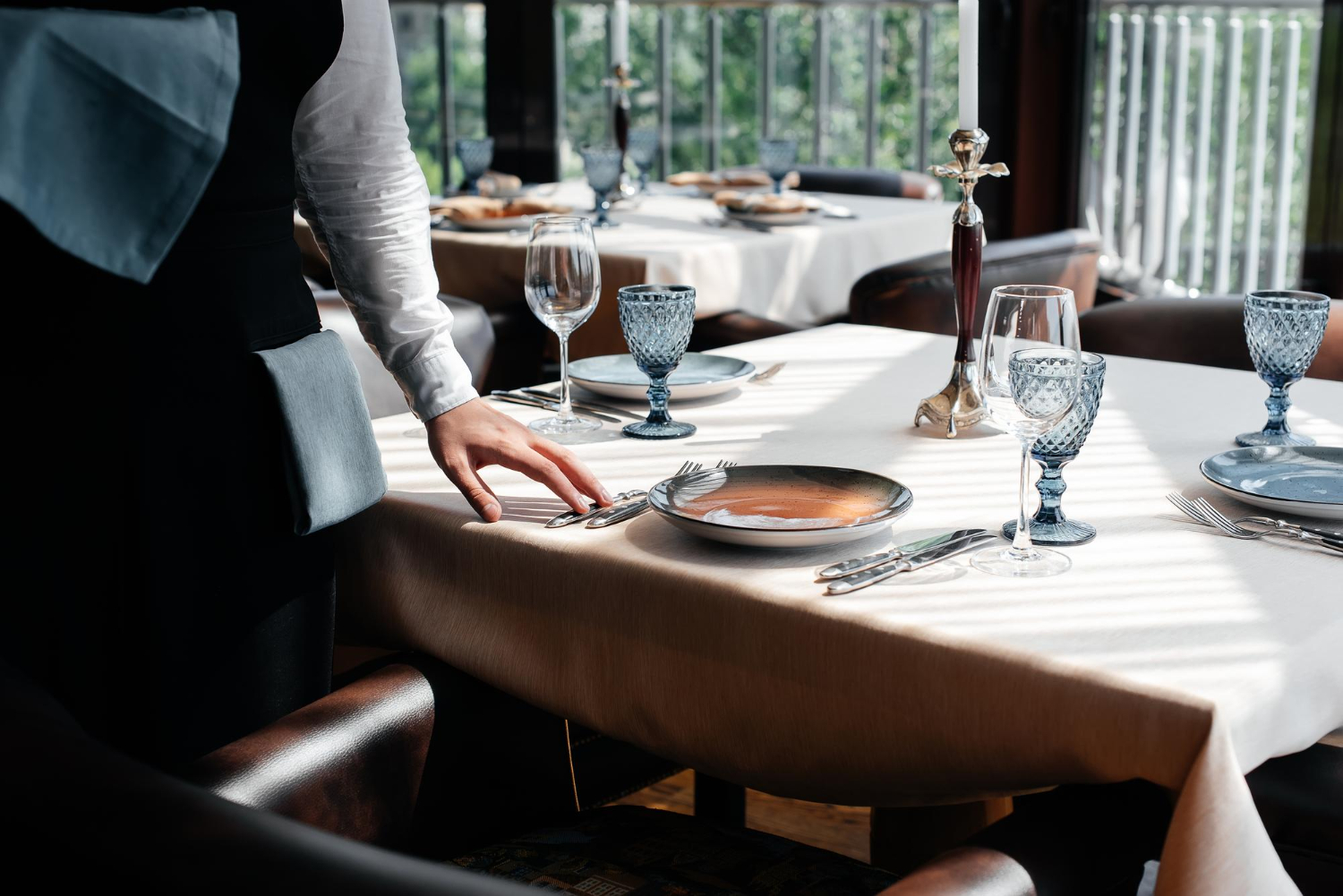
Waiting tables is part hospitality, part psychology. Experienced servers learn to size up a table almost instantly, reading small cues to figure out how to deliver the best possible service, and how the meal is likely to go. According to waiters who have shared these insights, those first moments at the table reveal a surprising amount. Most of it has nothing to do with judging you and everything to do with anticipating your needs, timing the meal well, and earning a good tip through good service. Here are ten things your waiter is commonly said to notice the moment you sit down, counted down one by one.
1. Whether You’re in a Hurry
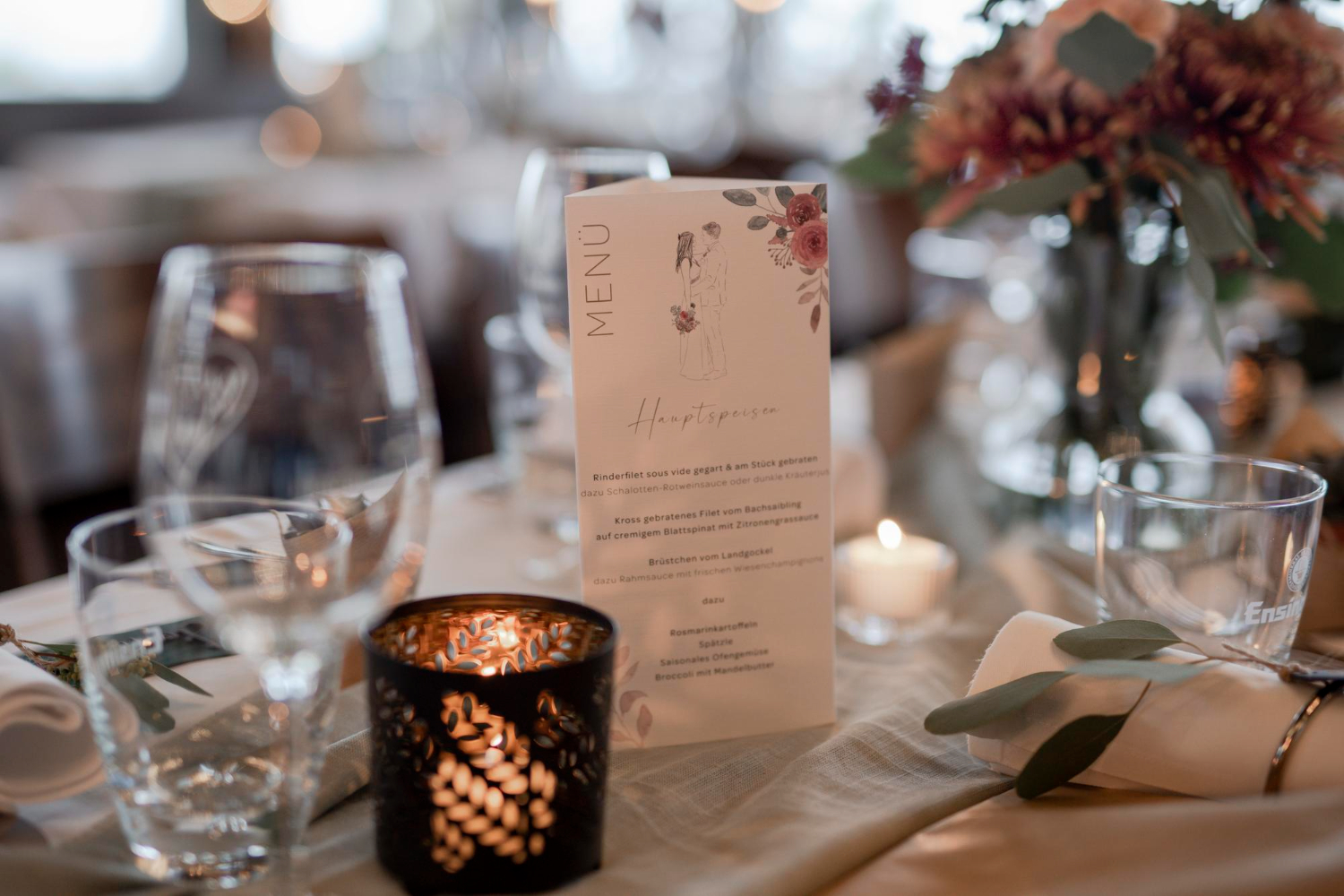
One of the first things a server reads is your pace and body language, which signal whether you’re settling in for a leisurely meal or trying to eat and run. Glancing at the time, staying in your coat, or quickly scanning the menu all suggest you’re in a hurry.
Reading whether a table is rushed or relaxed helps the server pace the meal accordingly, speeding things up for a hurried guest or slowing down for one settling in. Cues like checking a watch or keeping a coat on are telling. Getting this right is key to good service. According to waiters, gauging your sense of urgency the moment you sit down is one of the first and most useful reads they make, allowing them to time your meal to suit your needs.
Like our content? Follow us for more.
2. How You Handle the Menu
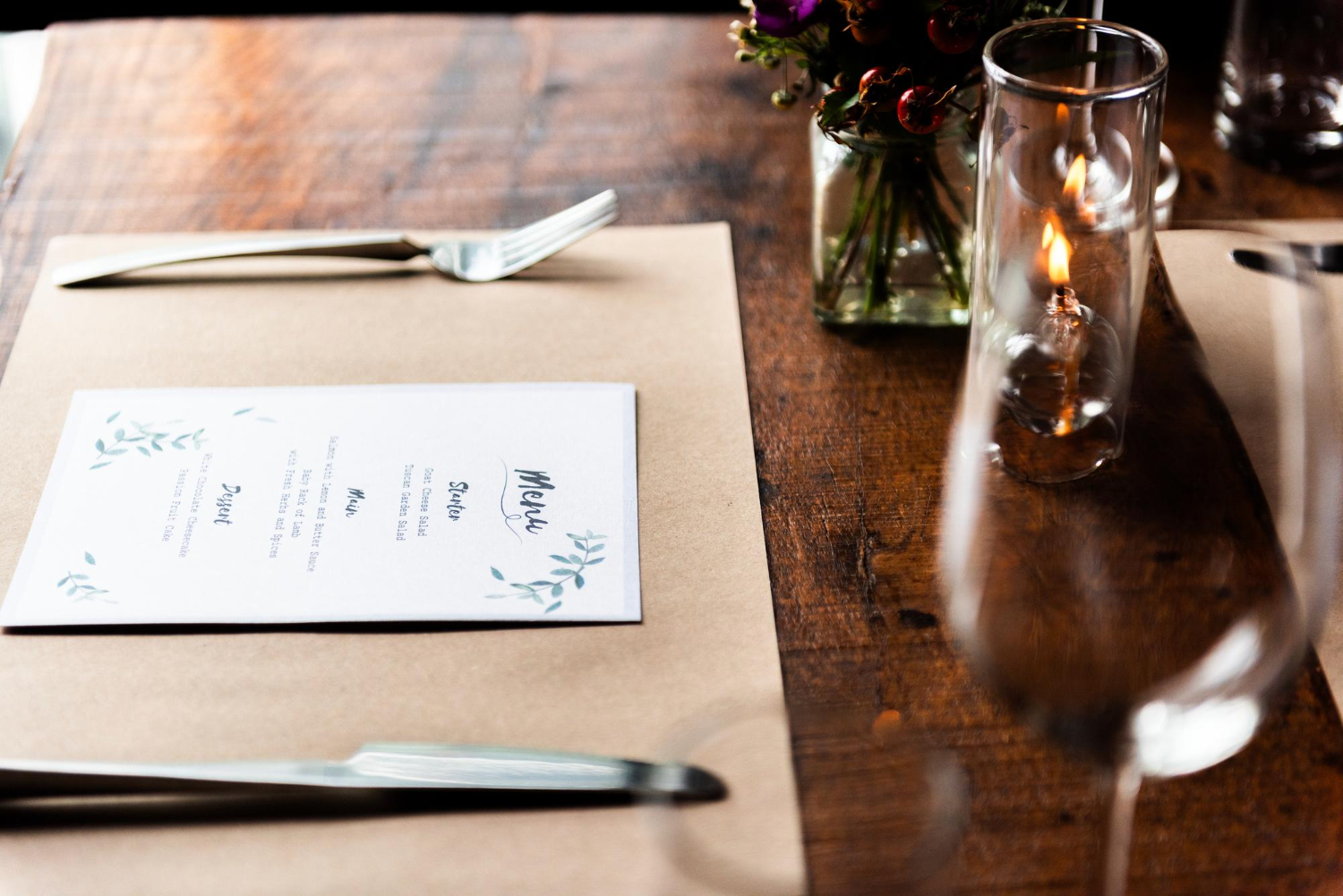
Servers watch how you engage with the menu, which reveals whether you’re a decisive diner or someone who will need more time and guidance. Closing the menu signals you’re ready, while continued studying tells the server to give you space.
A guest who quickly closes the menu is usually ready to order, while one who keeps flipping through it may want recommendations or more time. The closed menu is a classic, universal signal among diners and servers alike. Reading this helps the server time their approach. According to waiters, watching how you handle the menu is a reliable way to know when you’re ready and whether you might appreciate a suggestion, making for smoother, better-timed service.
3. Your Overall Mood

A perceptive server quickly picks up on the table’s mood, whether the diners seem happy and relaxed, stressed, or perhaps in the middle of a tense conversation. The emotional temperature of the table shapes how attentive or unobtrusive the server should be.
Sensing the mood helps a server know whether to be chatty and warm or to give the table privacy and space. A celebratory group calls for different service than a couple in a serious discussion. Reading the room is a core hospitality skill. According to waiters, picking up on your overall mood the moment they arrive lets them tailor their approach, providing the kind of attentive but appropriate service that makes a meal feel just right.
4. The Group Dynamic
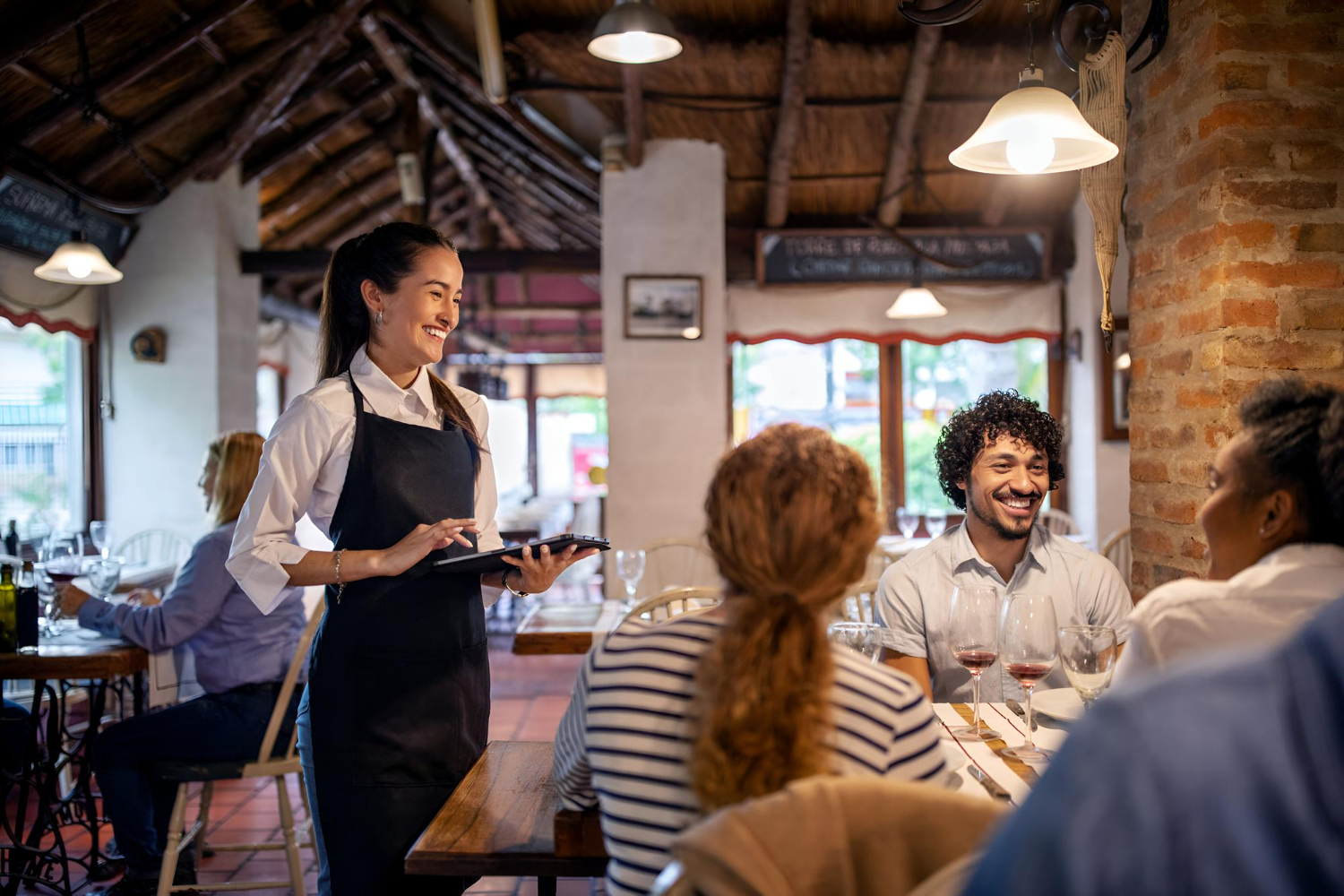
Servers quickly assess the dynamic of the group, who seems to be the host, whether it’s a celebration, a business meal, a first date, or a family outing. This helps them understand how to serve the table and who to take certain cues from.
Identifying the nature and dynamics of a group, from a birthday celebration to a business lunch to a romantic date, helps the server provide fitting service. Spotting the likely host or organizer is part of the read. The group’s purpose shapes the whole approach. According to waiters, quickly understanding the group dynamic the moment you’re seated allows them to anticipate the table’s needs and deliver service suited to the occasion, whatever it may be.
5. Whether It’s a Special Occasion
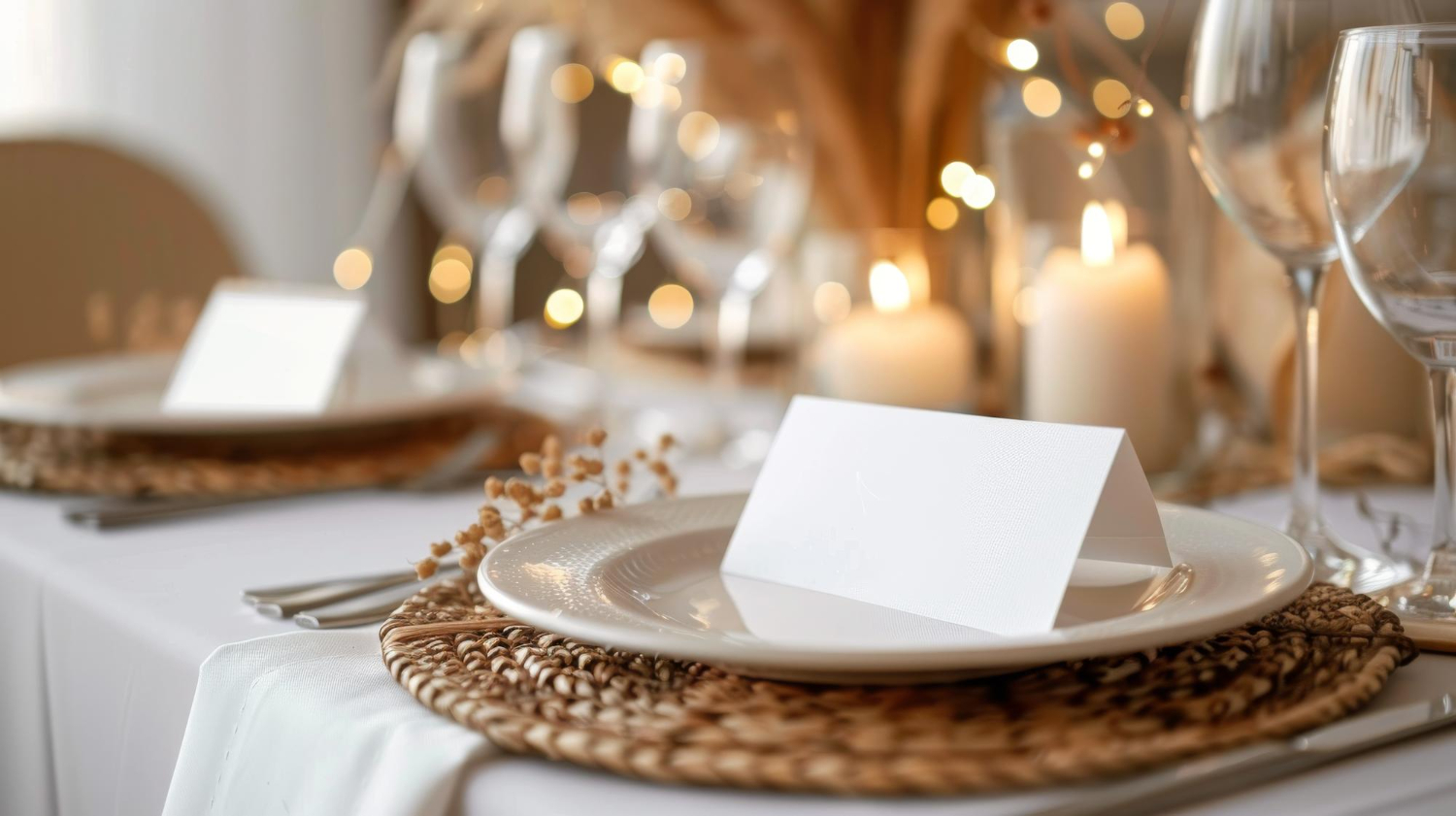
Closely related, servers watch for signs that the meal marks a special occasion, a birthday, an anniversary, a graduation, or a celebration. Spotting these cues lets them add a thoughtful touch and make the experience memorable.
Noticing signs of a celebration, from balloons to dressed-up diners to overheard well-wishes, allows the server to acknowledge the occasion, perhaps with a special dessert or a kind word. These touches create memorable experiences and happy guests. Reading the occasion is part of attentive service. According to waiters, picking up on a special occasion the moment you sit down lets them go the extra mile, turning a meal into a memory and providing the kind of service that guests remember.
6. How You Treat Your Group and Others
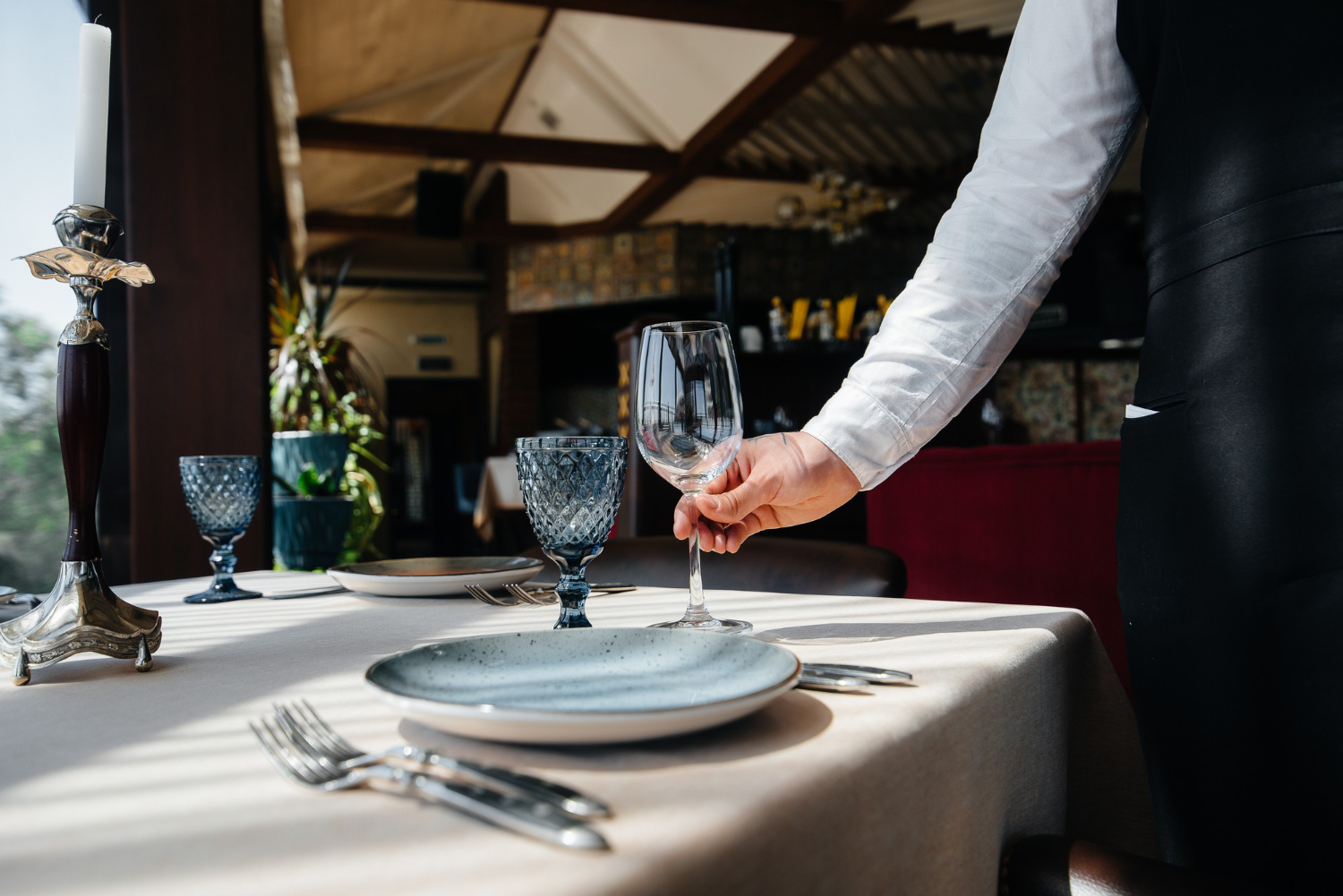
Servers notice how diners interact with one another and with the staff, which offers a quick read on the table’s temperament. Politeness and warmth set a positive tone, while tension or rudeness signals the server to tread carefully.
How guests treat each other and the staff gives the server an early sense of how the meal will go and how to approach the table. Courtesy and friendliness are noticed and appreciated, while friction prompts a more careful approach. This read shapes the service. According to waiters, observing how you treat your companions and the staff helps them gauge the table’s temperament and respond accordingly, all in the service of a smooth and pleasant meal.
7. Signs of Dietary Needs or Preferences
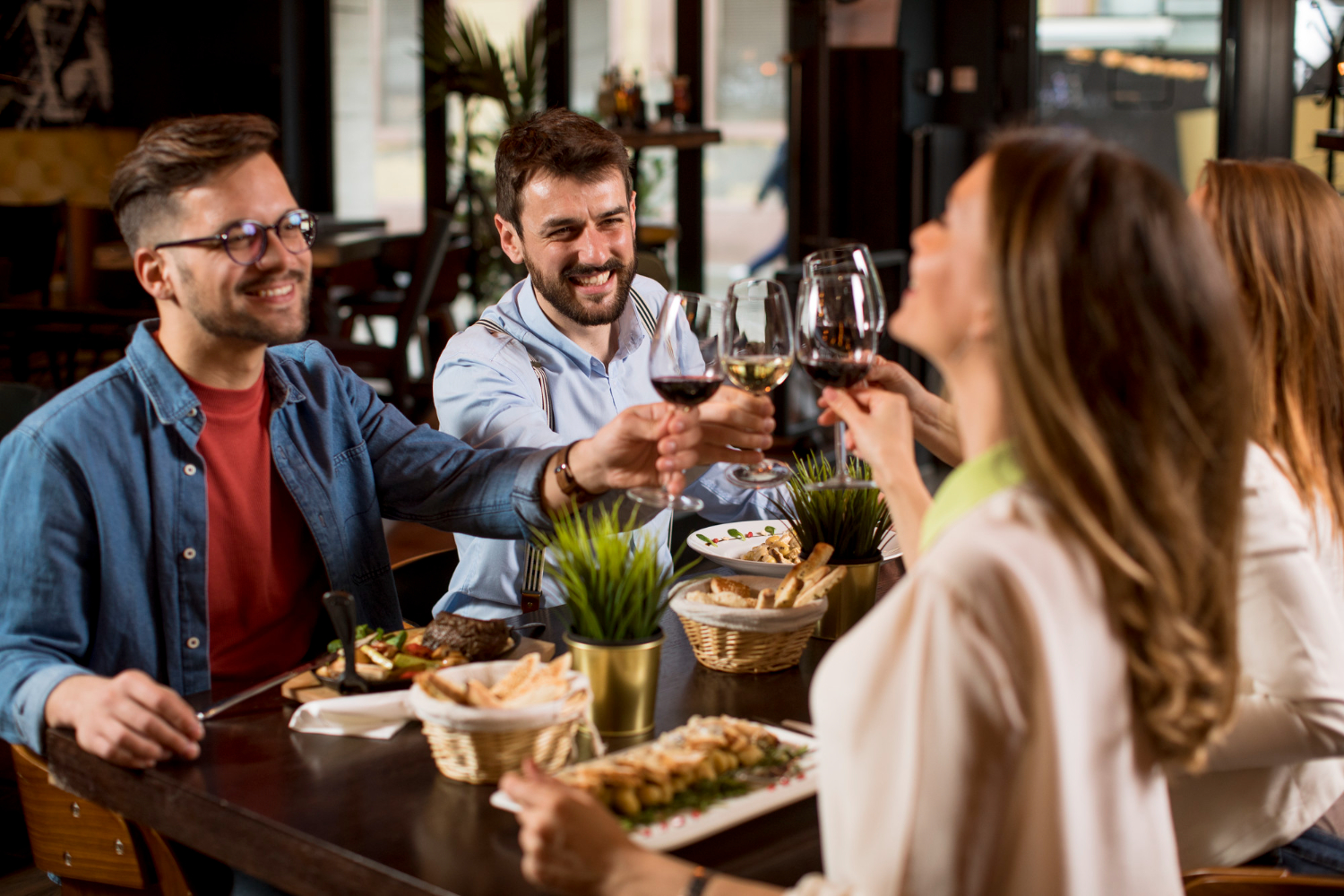
Attentive servers stay alert for early signs of dietary needs, allergies, or strong preferences, whether mentioned outright or hinted at through questions about the menu. Catching these early helps ensure a safe, satisfying meal and smooth service.
Picking up on dietary questions or mentions of allergies and preferences allows the server to guide menu choices and alert the kitchen as needed. Taking these seriously is both good service and, in the case of allergies, important for safety. Early awareness makes for a better meal. According to waiters, noticing signs of dietary needs or preferences the moment they arise lets them provide careful, accommodating service and help every guest enjoy their meal with confidence.
8. Your Drink Order Pace

The drink order is an early signal servers read closely, indicating how the meal might unfold. A table that orders a round of drinks right away may be settling in, while one that sticks to water might be keeping things quick and simple.
The drink order helps the server gauge the table’s pace and plans, from a relaxed evening to a quick bite. How quickly and what guests order to drink offers useful early information. The server uses this to time the rest of the meal. According to waiters, reading your drink order and its pace is an early clue to how the meal will go, helping them anticipate the table’s rhythm and provide well-timed, attentive service throughout.
9. Phone Use at the Table

Servers notice when and how diners use their phones, which signals the table’s level of engagement and the best moments to approach. A table absorbed in conversation differs from one where everyone is on their devices.
Watching phone use helps the server find the right moments to check in without interrupting, and gauge how engaged the table is. A guest deep in their phone may not be ready to order, while an attentive table welcomes prompt service. Timing the approach is key. According to waiters, noticing phone use at the table helps them read the right moment to step in, providing attentive service without intruding on the guests’ experience.
10. Subtle Tipping Signals

Finally, experienced servers pick up on subtle cues that may hint at how a table tips, from demeanor to dining style to how regulars are known to tip. While far from certain, these reads can influence a server’s expectations, even as good professionals aim to give every table excellent service.
Servers may form impressions about tipping based on various cues, though these guesses are imperfect and tipping practices vary widely by guest and region. Good servers know the best approach is simply to provide great service to everyone. Tipping is always a personal choice. According to waiters, while they may notice subtle signals about tipping, the professional rule of thumb is to treat every table well, since attentive, genuine service is the surest path to a satisfied guest, and a fair tip.
What It All Comes Down To
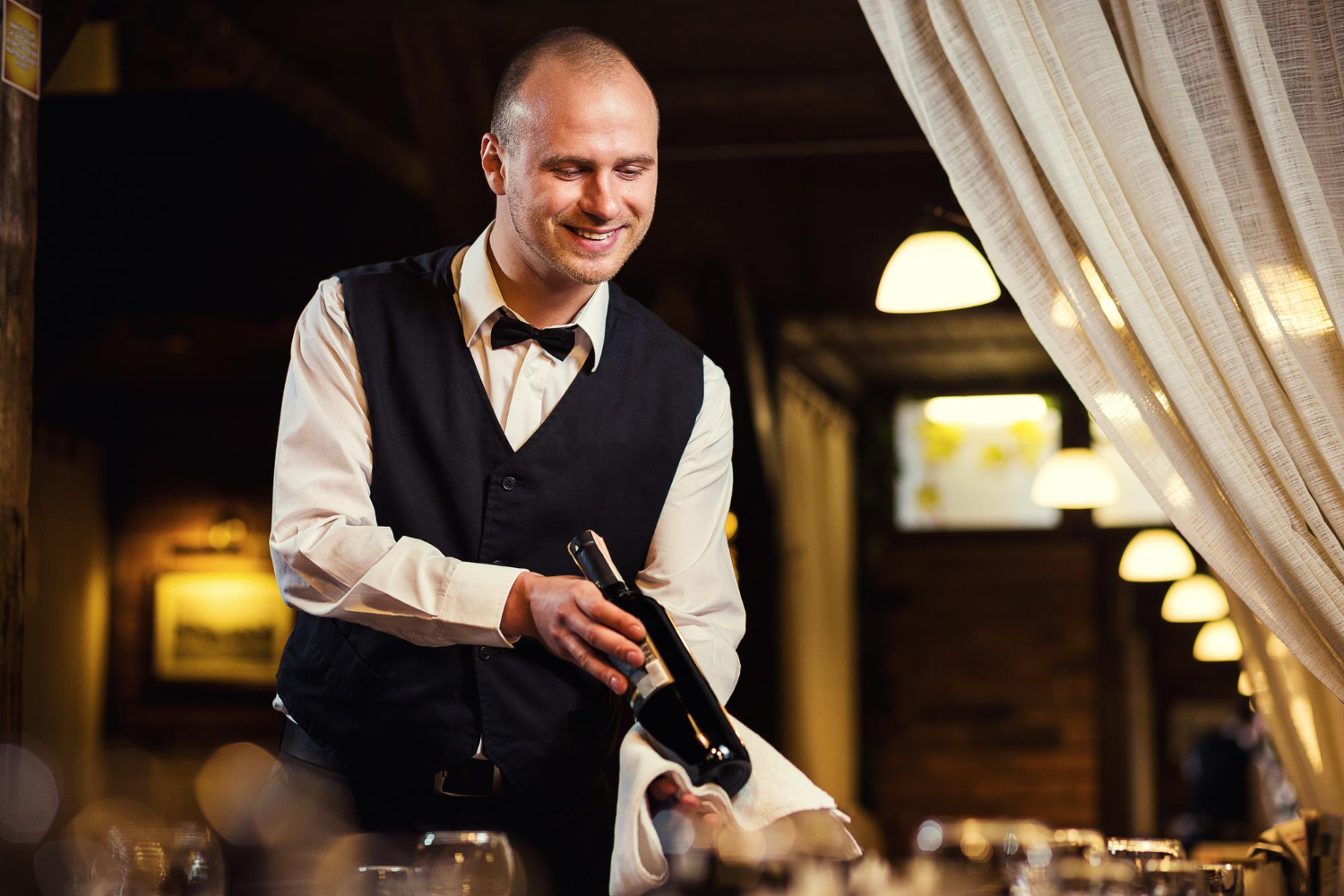
Taken together, these ten observations reveal that a good server is a skilled reader of people, sizing up a table within moments to deliver service tailored to its needs. Far from judging diners, waiters use these reads to anticipate what guests want, time the meal well, and create a pleasant experience. Their attentiveness is the heart of good hospitality.
Understanding what your waiter notices can make you a more considerate diner. Being clear when you’re ready to order, treating the staff with courtesy, mentioning dietary needs early, and tipping fairly when you can all contribute to a better experience for everyone. These insights, shared by servers themselves, offer a fascinating glimpse into the skill behind good service, and a reminder of the attentiveness and care that go into every meal out, beginning the moment you sit down.
Like our content? Follow us for more.

