

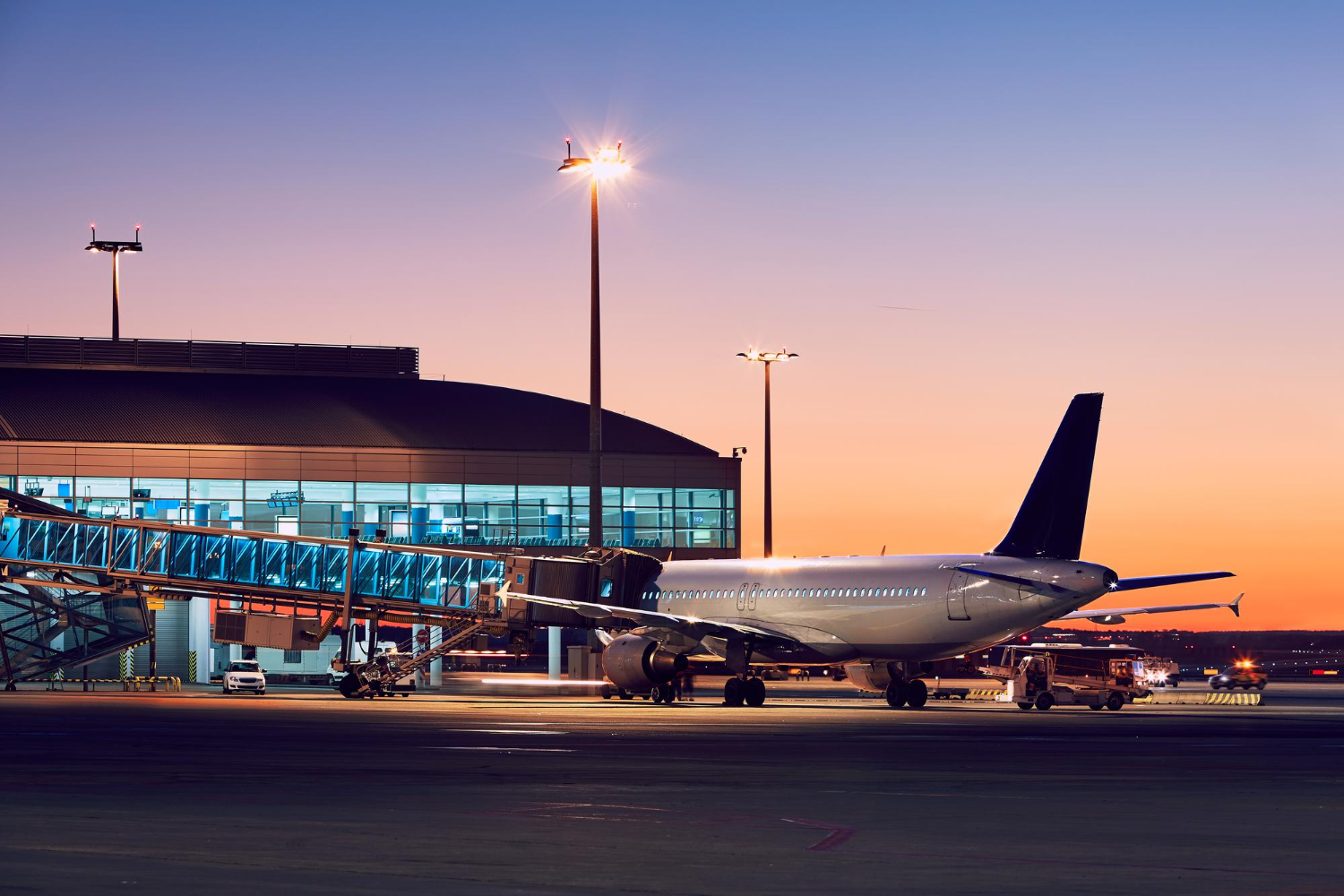
In the early morning hours of May 2, 2026, Spirit Airlines told its 5,000 flight attendants the hardest news of their careers: the airline was shutting down, effective immediately. Within hours, every Spirit flight was canceled, customer service went dark, and thousands of travelers nationwide were told, bluntly, not to bother going to the airport.
A Collapse Years in the Making

Spirit had been in financial trouble for years, losing more than $2.5 billion since 2020 and entering Chapter 11 bankruptcy twice, first in November 2024 and again in August 2025. The airline had reached a restructuring agreement with bondholders as recently as March 2026 that would have let it continue operating. Then jet fuel prices spiked roughly 70 to 85 percent, driven by conflict in the Middle East disrupting energy markets, pushing Spirit’s projected 2026 operating margin from a manageable loss into a catastrophic one, adding an estimated $360 million in costs the airline simply didn’t have.
Like our content? Follow us for more.
A Bailout That Fell Apart
With no viable path forward, Spirit’s leadership pursued a $500 million federal rescue package, and reports suggested the Trump administration had signaled tentative approval. But the proposed deal would have given the government control of the overwhelming majority of Spirit’s shares, a structure that drew sharp backlash from the broader airline industry and Republican members of Congress. When a key group of creditors rejected the terms, the rescue collapsed, and Spirit’s board voted to wind down operations rather than continue burning cash with no plan left to save the company.
The Human Toll
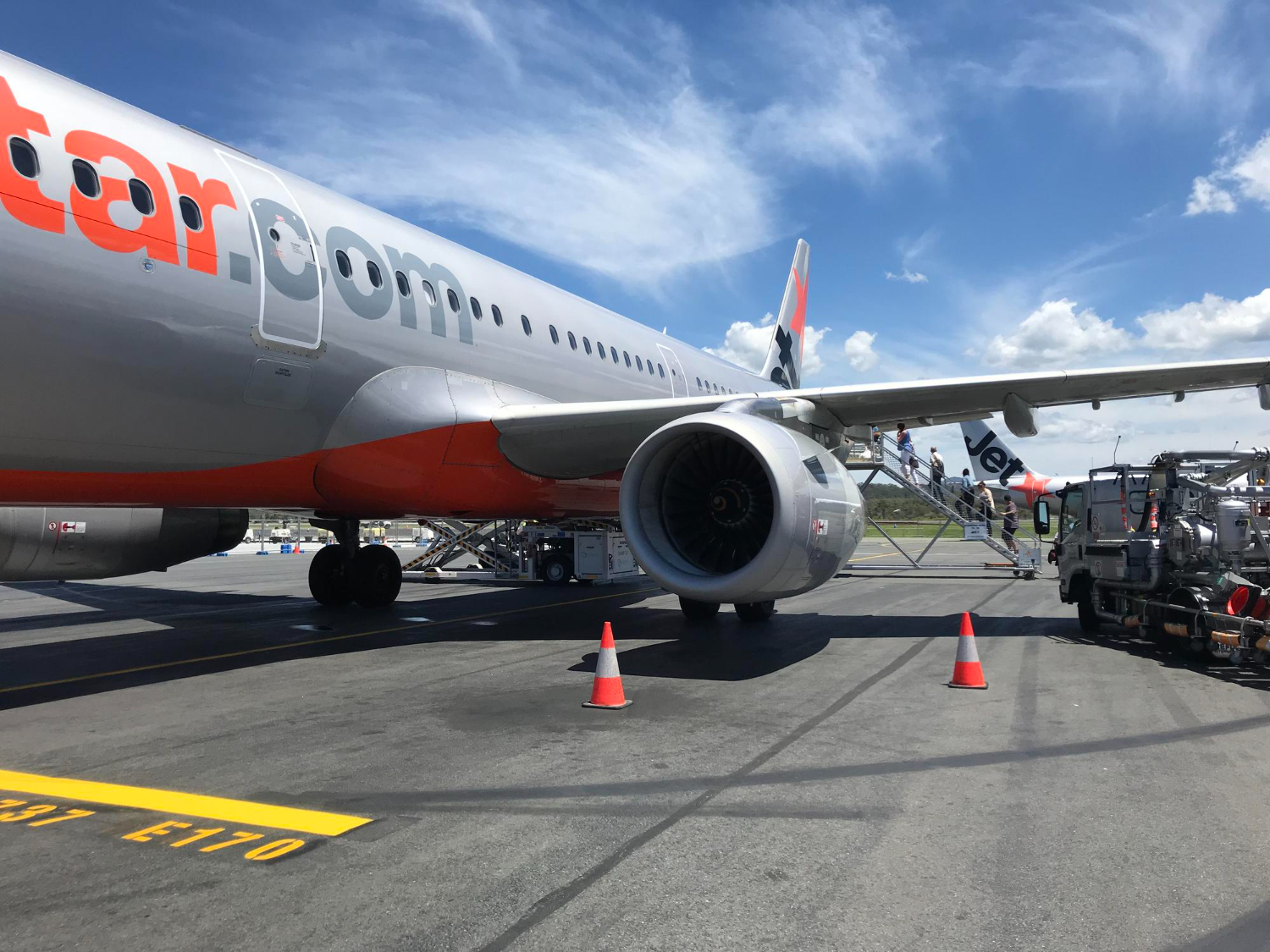
The shutdown put roughly 17,000 people out of work, including 14,000 direct Spirit employees and thousands of additional contractors whose jobs depended on the airline’s operations. About 9,000 scheduled flights, representing 1.8 million booked seats through the end of May, were canceled outright. Several rival carriers moved quickly to help stranded Spirit employees, offering travel benefits, open jump seats, and priority hiring consideration for pilots and flight attendants suddenly without a job.
What Happens to Your Refund Depends Entirely on How You Paid
If you booked directly with Spirit using a credit or debit card, you’re in the strongest position: Spirit says these purchases will be automatically refunded to the original payment method. If you booked through a travel agent or third-party site, you’ll need to contact that agent or platform directly rather than waiting for an automatic refund from Spirit. If you paid with a travel voucher, flight credit, or Free Spirit miles, the situation is considerably more difficult, those claims will be resolved through Spirit’s bankruptcy court process, which can take months or years and may ultimately recover only a fraction of what’s owed, if anything.
Free Spirit Miles Are Effectively Gone
Spirit’s loyalty program, Free Spirit, is nonredeemable and nontransferable, meaning any accumulated miles are very likely to lose all value entirely. There’s a small chance unused miles could be addressed during bankruptcy proceedings, but consumer advocates and travel experts both describe recovery as genuinely unlikely. If you had a significant mile balance, it’s realistic to treat it as a loss rather than something worth waiting on.
Rebooking Options for Stranded Travelers
The Department of Transportation coordinated with United, Delta, JetBlue, Southwest, American, Frontier, and Allegiant to offer capped rescue fares, generally around $200 one-way, for passengers who can show a canceled Spirit confirmation number. These offers came with specific windows, JetBlue’s ran through May 8 and Southwest’s through May 6 in-person at an airport counter, so if you haven’t already rebooked using one of these programs, it’s worth checking directly with major carriers about any options still available for your specific situation.
Additional Steps Worth Taking
If Spirit’s automatic refund doesn’t come through as promised, passengers who paid by credit card can initiate a formal chargeback dispute with their card issuer under the Fair Credit Billing Act, a process worth starting sooner rather than later given time-sensitive dispute deadlines. If you purchased separate travel insurance for your trip, contact your insurer directly, since some policies specifically cover airline insolvency. Save every receipt, confirmation email, and piece of correspondence related to your canceled trip, thorough documentation meaningfully strengthens any claim you pursue.
What This Means Going Forward
Historical data suggests fares tend to rise noticeably, sometimes by more than 20 percent, on routes an ultra-low-cost carrier like Spirit previously served, and while Frontier, Allegiant, and smaller carriers like Breeze and Avelo are expected to absorb some of the displaced demand, that shift won’t happen instantly, particularly heading into peak summer travel. If budget fares have been central to your travel planning, it’s worth building in extra flexibility and comparing prices across several carriers rather than assuming the ultra-low-cost options you’re used to will remain as widely available as before.
Like our content? Follow us for more.


![boats docked near seaside promenade]](https://travelandtannins.com/wp-content/uploads/2025/12/YfM6mqWf-unsplash-Prb-sjOUBFs-924x520.jpg)