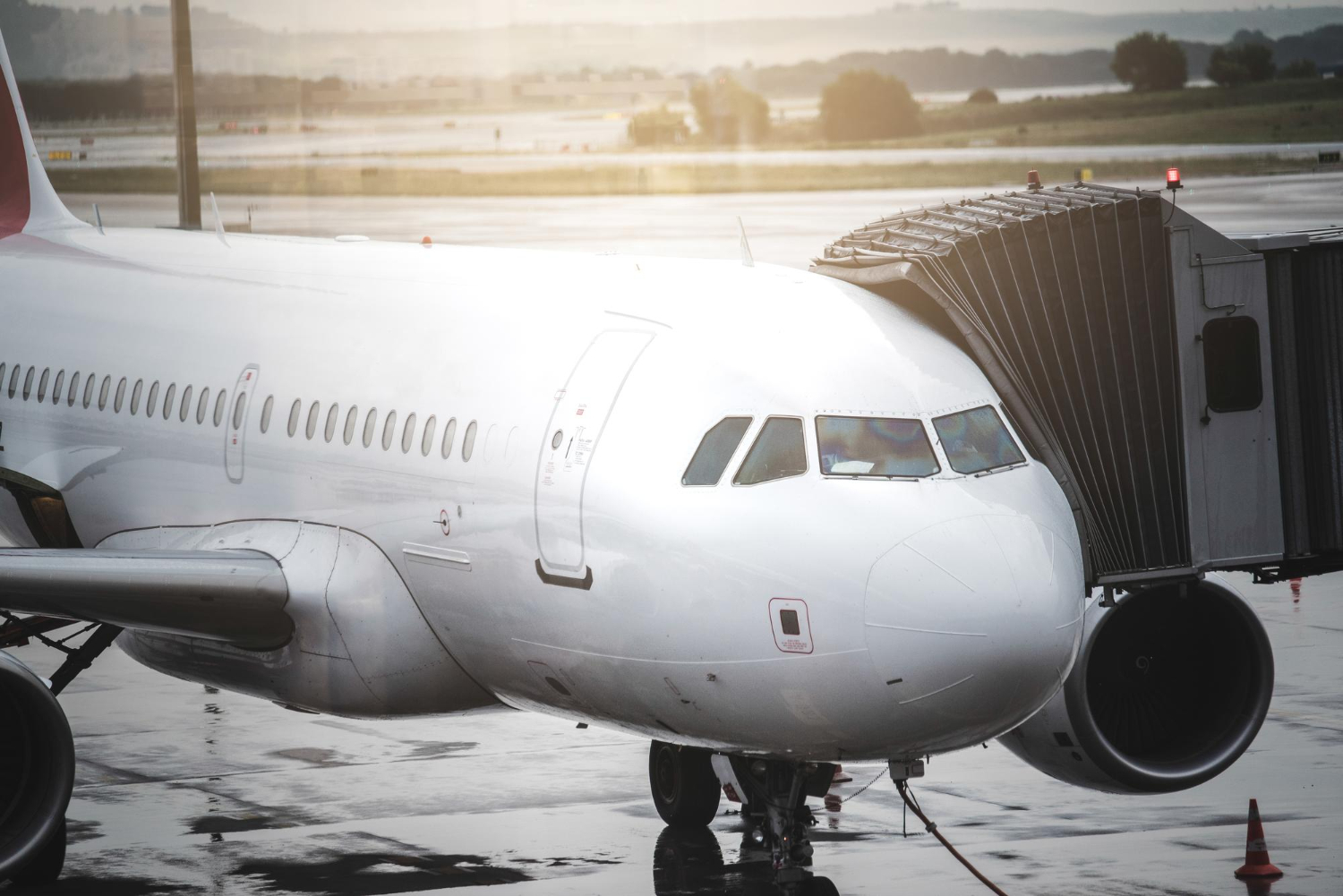
Seat selection fees have become a genuinely common part of booking a flight, and understanding exactly how airlines structure these charges helps you make more informed decisions about when paying is worthwhile and when it’s a cost you can reasonably skip. Here are nine things to understand about airline seat selection fees, counted down one by one.
1. Basic Economy Fares Almost Always Charge for Seat Selection

The cheapest fare category typically assigns seats automatically at check-in. Choosing your own seat requires an upgrade or additional fee.
Basic economy fares, the cheapest ticket category most airlines offer, typically assign seats automatically at check-in rather than allowing advance selection, and choosing a specific seat in advance generally requires either upgrading to a higher fare class or paying a separate seat selection fee. Basic economy fares almost always charging for seat selection is worth knowing before booking the cheapest available fare, since travelers with specific seating needs, traveling with children, requiring extra legroom, may find the fare’s true total cost higher than the advertised price alone suggests.
Like our content? Follow us for more.
2. Seat Fees Generally Increase With Location Desirability
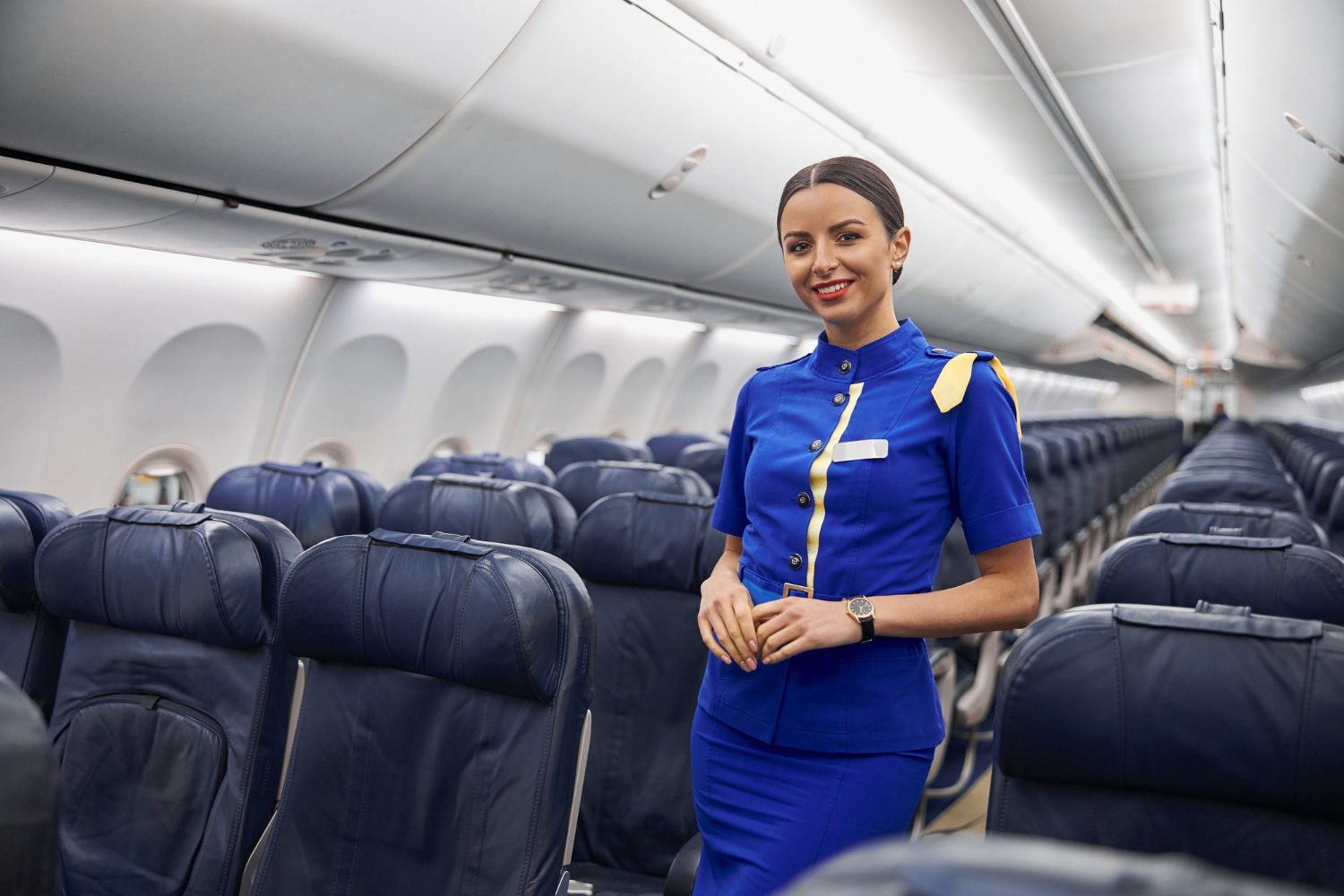
Extra-legroom and front-of-cabin seats cost more than standard economy positions. The fee structure directly reflects genuine passenger demand.
Airlines typically structure seat selection fees in tiers, with extra-legroom seats, aisle seats, and seats toward the front of the cabin commanding meaningfully higher fees than standard middle or rear seats, a pricing structure that directly reflects genuine passenger demand for more comfortable or convenient positions. Seat fees generally increasing with location desirability means comparing the specific fee for your preferred seat type against the actual comfort or convenience benefit you’d genuinely gain from it.
3. Elite Status and Premium Credit Cards Often Waive These Fees

Frequent flyer program tiers and certain co-branded credit cards include complimentary seat selection. Checking your existing benefits before paying matters.
Many airline loyalty program elite tiers and premium co-branded credit cards include complimentary seat selection as a genuine cardholder or member benefit, meaning travelers with these existing accounts may already have free access to better seating without realizing it. Elite status and premium credit cards often waiving these fees is worth confirming before paying separately, since checking existing benefits takes just a few minutes and can mean avoiding a charge you didn’t actually need to pay.
4. Seat Selection Fees Are Generally Non-Refundable
Paying for a specific seat typically locks in that charge regardless of later changes. Understanding this before purchasing matters for flexible plans.
Once paid, seat selection fees are generally non-refundable, even if your travel plans change or you later switch to a different flight, meaning this specific charge typically can’t be recovered the way a base fare sometimes can be under certain cancellation policies. Seat selection fees generally being non-refundable is worth considering specifically for travelers whose plans carry genuine uncertainty, since paying early for a specific seat on a booking that might still change adds real financial risk to the decision.
5. Families Traveling With Young Children Have Some Protections

Many airlines guarantee seating children near an accompanying parent at no extra cost. Understanding this policy can save a genuine unnecessary expense.
Many airlines maintain policies guaranteeing that young children will be seated near an accompanying adult at no additional charge, even on basic economy fares, though the specific age threshold and guarantee terms vary meaningfully between different carriers. Families traveling with young children having some protections is worth researching for your specific airline before assuming you need to pay extra seat fees purely to guarantee sitting together, since this particular concern is often already addressed by existing policy.
6. Seat Maps Sometimes Show Availability Without Requiring Payment
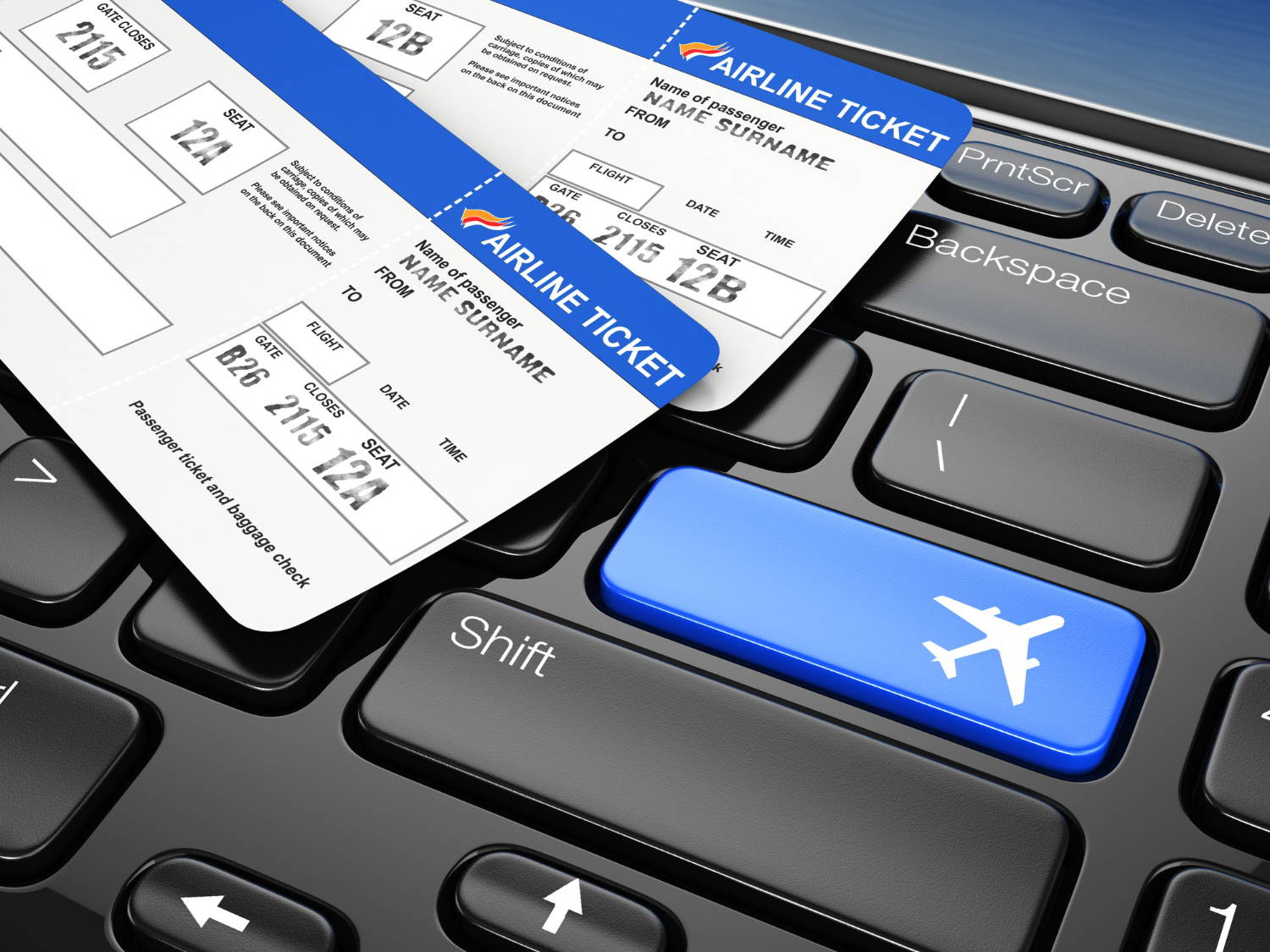
Some airlines let you view and select certain seats for free while charging only for premium locations. Checking the actual map matters.
Some airlines display a full seat map with a genuine mix of free, standard economy positions alongside paid premium options, meaning travelers willing to accept a standard seat can often select it at no additional cost rather than assuming every seat requires payment. Seat maps sometimes showing availability without requiring payment is worth checking directly during booking, since assuming all seat selection requires a fee can mean missing genuinely free options actually available on the same flight.
7. Seat Fees Can Sometimes Be Avoided by Checking In Early

Airlines using automatic assignment at check-in sometimes release better seats as check-in opens. Timing your check-in strategically can help.
For fares that assign seats automatically at check-in rather than allowing advance selection, checking in at the very earliest available moment, often exactly 24 hours before departure, sometimes secures a genuinely better seat than checking in later once the more desirable remaining options have already been claimed. Seat fees sometimes being avoidable by checking in early is a practical, no-cost strategy worth using specifically when your fare doesn’t include paid advance seat selection as an option at all.
8. Bundled Fare Options May Include Seat Selection at Better Overall Value

Some airlines offer mid-tier fares bundling seat selection with other benefits. Comparing the bundle’s total value against separate fees matters.
Some airlines offer a mid-tier fare option bundling seat selection together with other benefits, checked bag allowance, flexible change policies, and comparing this bundle’s total cost against purchasing basic economy plus separate seat and bag fees sometimes reveals genuinely better overall value in the bundled option. Bundled fare options potentially offering better overall value is worth calculating directly before assuming the cheapest base fare, plus add-ons, is actually the most economical way to book your specific trip.
9. Your Actual Comfort Priorities Should Guide the Decision
Some travelers genuinely need a specific seat type, while others are indifferent. Being honest about this shapes a smarter spending decision.
Ultimately, whether paying for seat selection makes sense depends entirely on your own genuine comfort priorities, some travelers have real physical or logistical needs that justify the expense, while others are perfectly comfortable accepting whatever seat is automatically assigned at no extra charge. Your actual comfort priorities should guide the decision rather than a reflexive sense that paying for a seat is simply mandatory, an honest assessment that often reveals real savings available on flights where a standard automatic seat assignment would work perfectly well.
Spending Deliberately, Not Reflexively
Taken together, these nine points show that airline seat selection fees, while genuinely widespread, involve considerably more nuance than a single flat, unavoidable charge, existing benefits, timing strategies, and honest comfort assessment all factor into whether paying actually makes sense for your specific trip. A bit of research before booking consistently leads to smarter spending on this increasingly common airline fee.
None of this means seat selection fees are never worth paying, for travelers with genuine comfort needs or specific logistical requirements, the additional cost often delivers real, worthwhile value. The key is making that decision deliberately, informed by your actual existing benefits and genuine priorities, rather than paying reflexively simply because the option appears during checkout.
It’s also worth revisiting this calculation for each specific flight rather than defaulting to the same choice every time, a short domestic hop and a long-haul international flight carry very different stakes when it comes to seat comfort, and treating every booking identically often means either overpaying on short flights or under-investing in comfort on the trips where it genuinely matters most. Taking a few extra minutes at booking to actually compare your specific options against your real travel plans remains the simplest way to ensure this increasingly common fee works in your favor rather than simply adding unnecessary cost to every ticket you buy.
Like our content? Follow us for more.