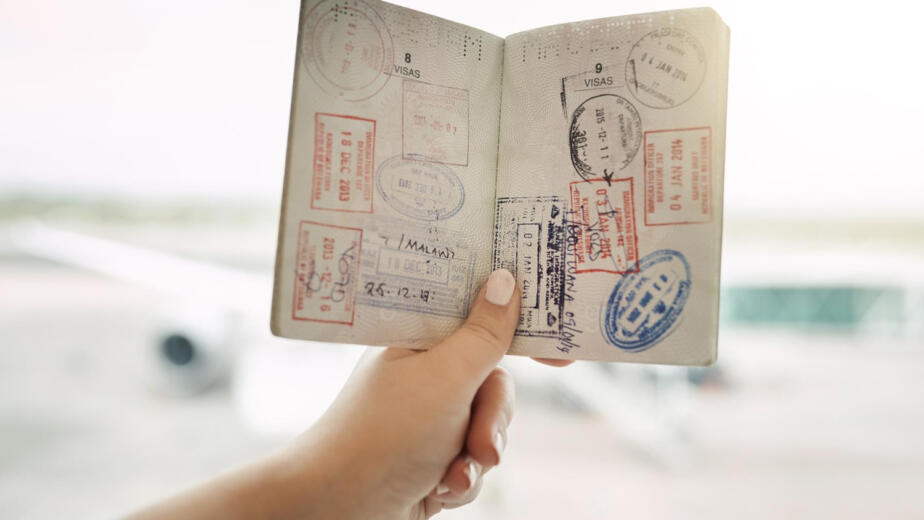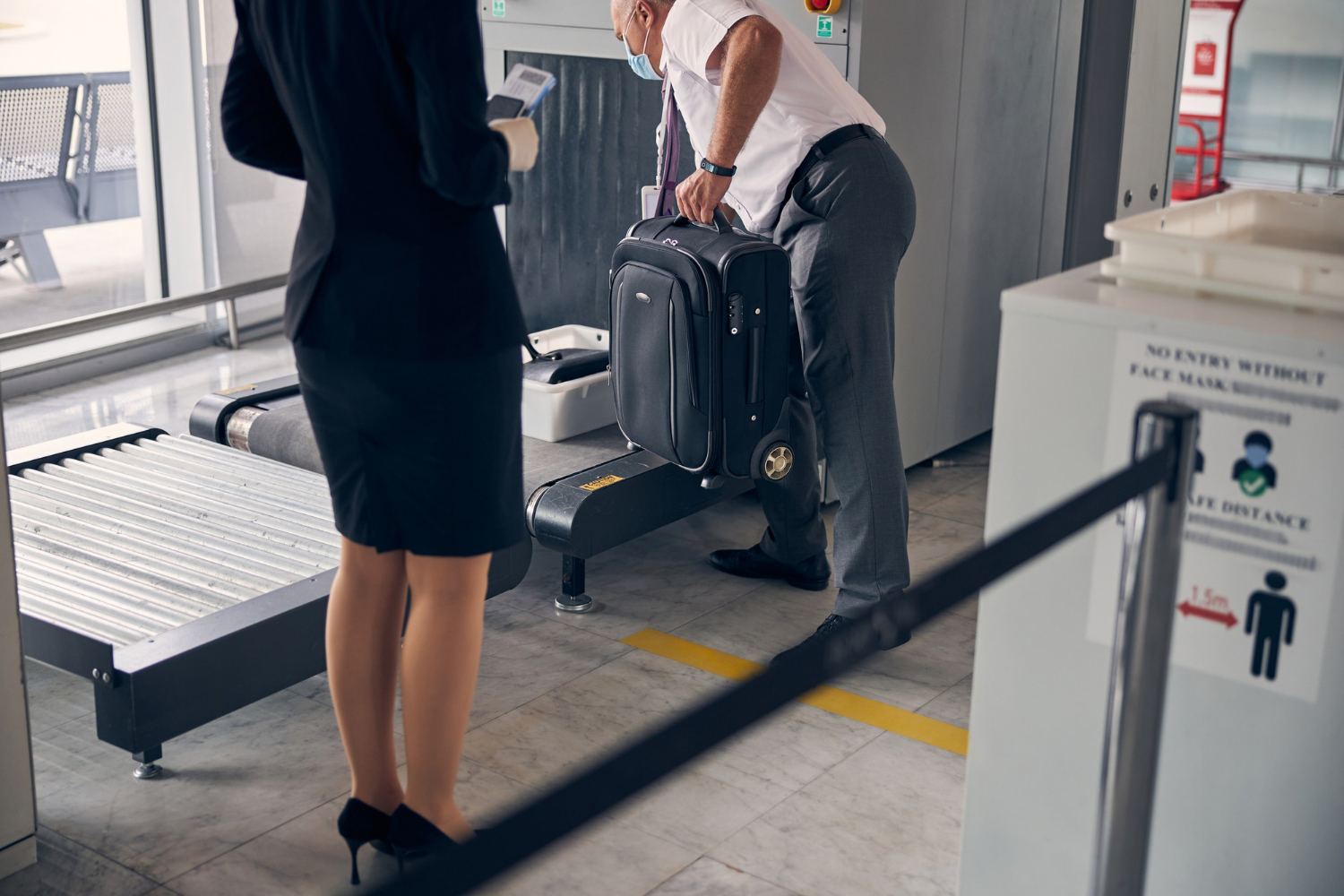
If you haven’t flown recently, the security checkpoint may look and feel noticeably different this summer. TSA’s continued rollout of new screening technology is changing some long-familiar rules, but unevenly, and travelers who don’t know what to expect at their specific airport are increasingly getting tripped up.
What CT Scanners Actually Change
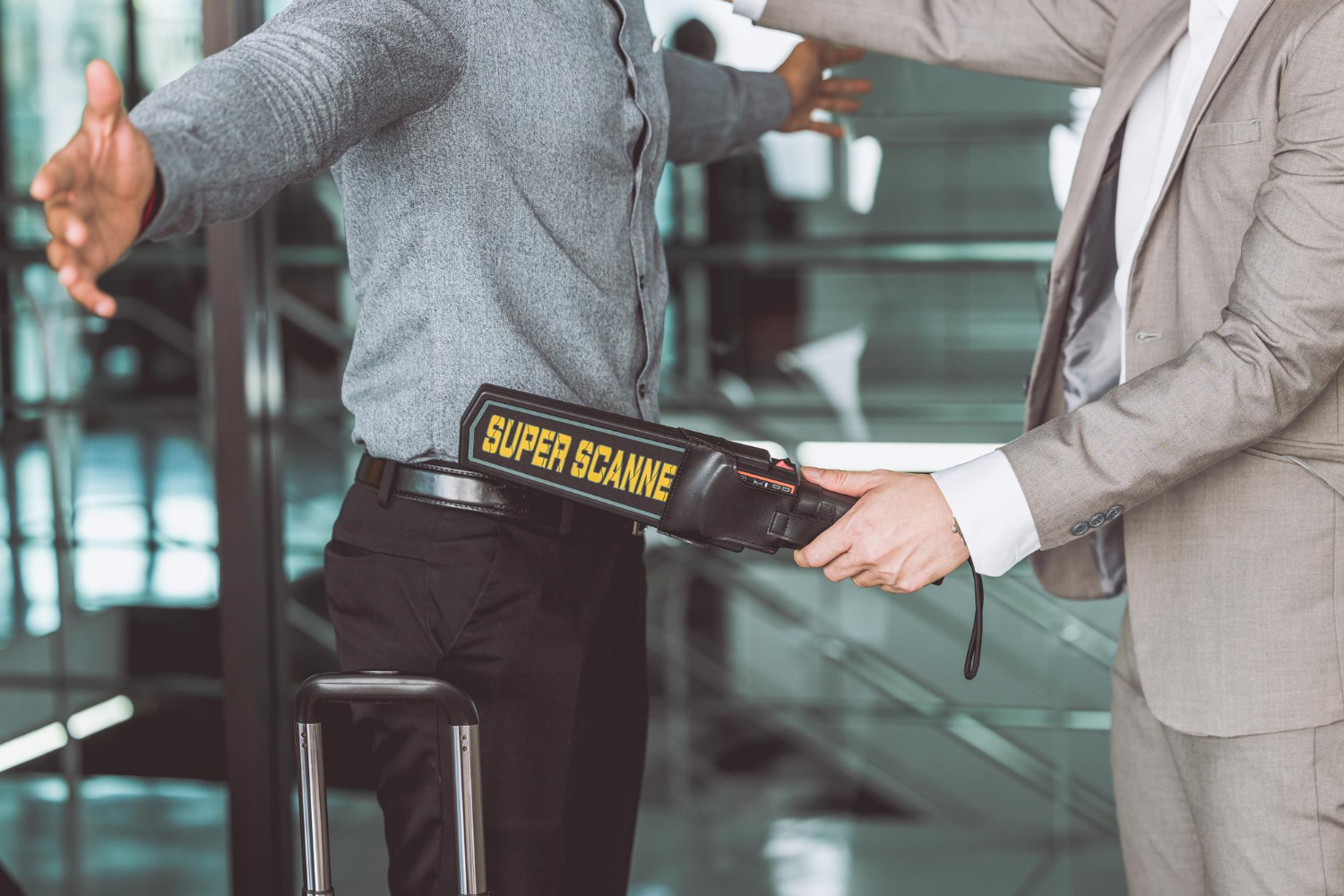
Computed tomography scanners, the same core technology used in medical CT scans, generate detailed 3D images of a carry-on bag’s contents from every angle, letting screening officers rotate and examine the image on a monitor rather than relying on a flat, two-dimensional X-ray. Where these machines are installed, passengers can generally leave laptops and other large electronics inside their bags during screening, eliminating a step that’s been standard practice at security checkpoints for roughly two decades.
Like our content? Follow us for more.
A Rollout That’s Genuinely Uneven
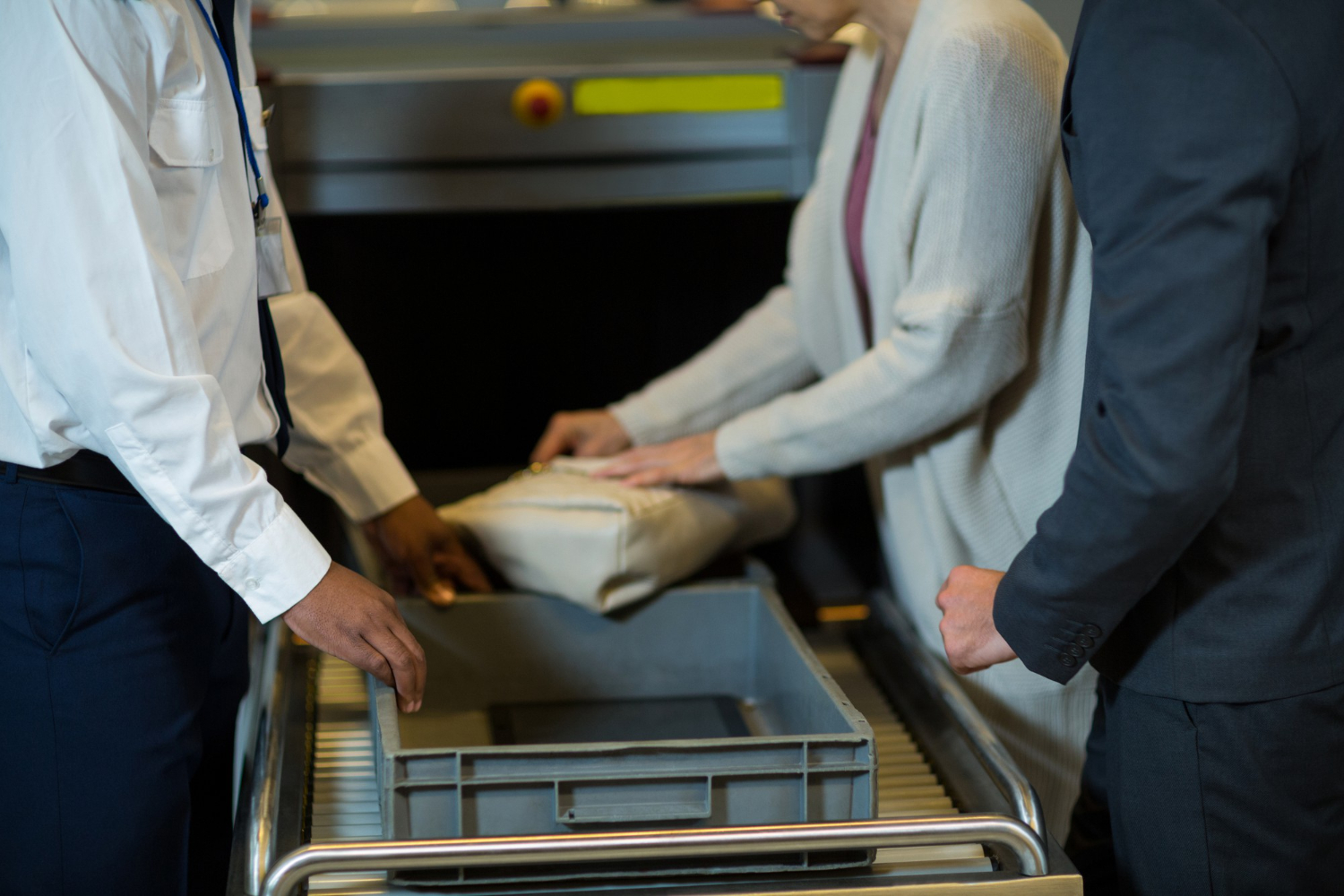
The core complication for travelers is that CT scanner deployment remains genuinely inconsistent across the country, some airports have upgraded every lane, others have only a handful of CT-equipped lanes mixed in among older machines, and some smaller airports haven’t received the new technology at all. Travel advisors are increasingly recommending that passengers simply ask a TSA officer directly whether their specific lane uses CT technology rather than assuming based on a previous trip through a different airport or even a different terminal at the same airport.
Liquids Rules Remain Unchanged, But Enforcement Has Tightened
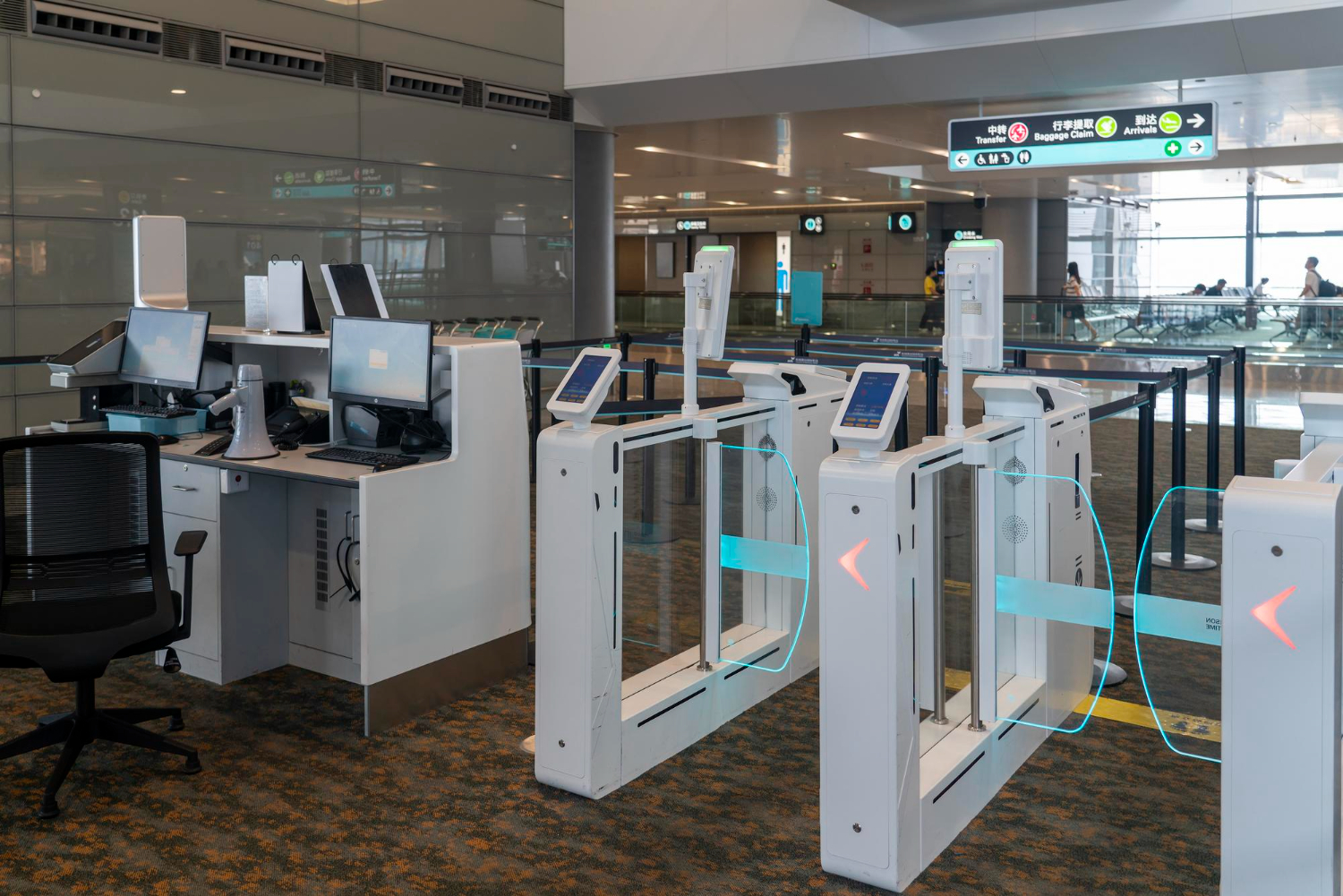
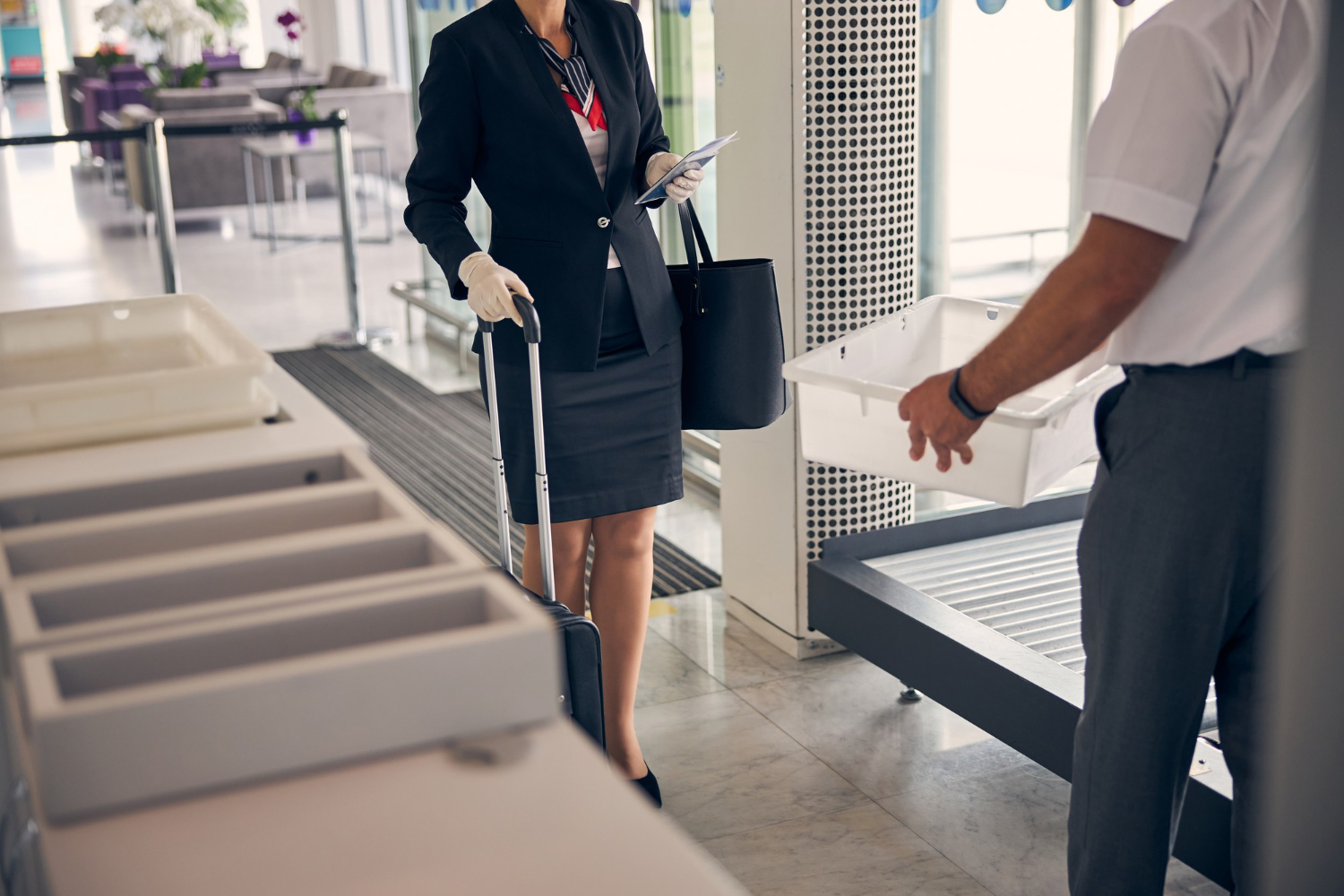
Despite some social media claims suggesting otherwise, the standard 3-1-1 liquids rule, containers of 3.4 ounces or less in a single quart-sized clear bag, remains fully in effect at every checkpoint regardless of scanner technology. What has genuinely changed is enforcement consistency, officers at many checkpoints are now more reliably requiring that the liquids bag be placed alone in its own bin, separate from other carry-on items, a practice that was previously enforced somewhat inconsistently from lane to lane.
The REAL ID Deadline Has Real Financial Consequences
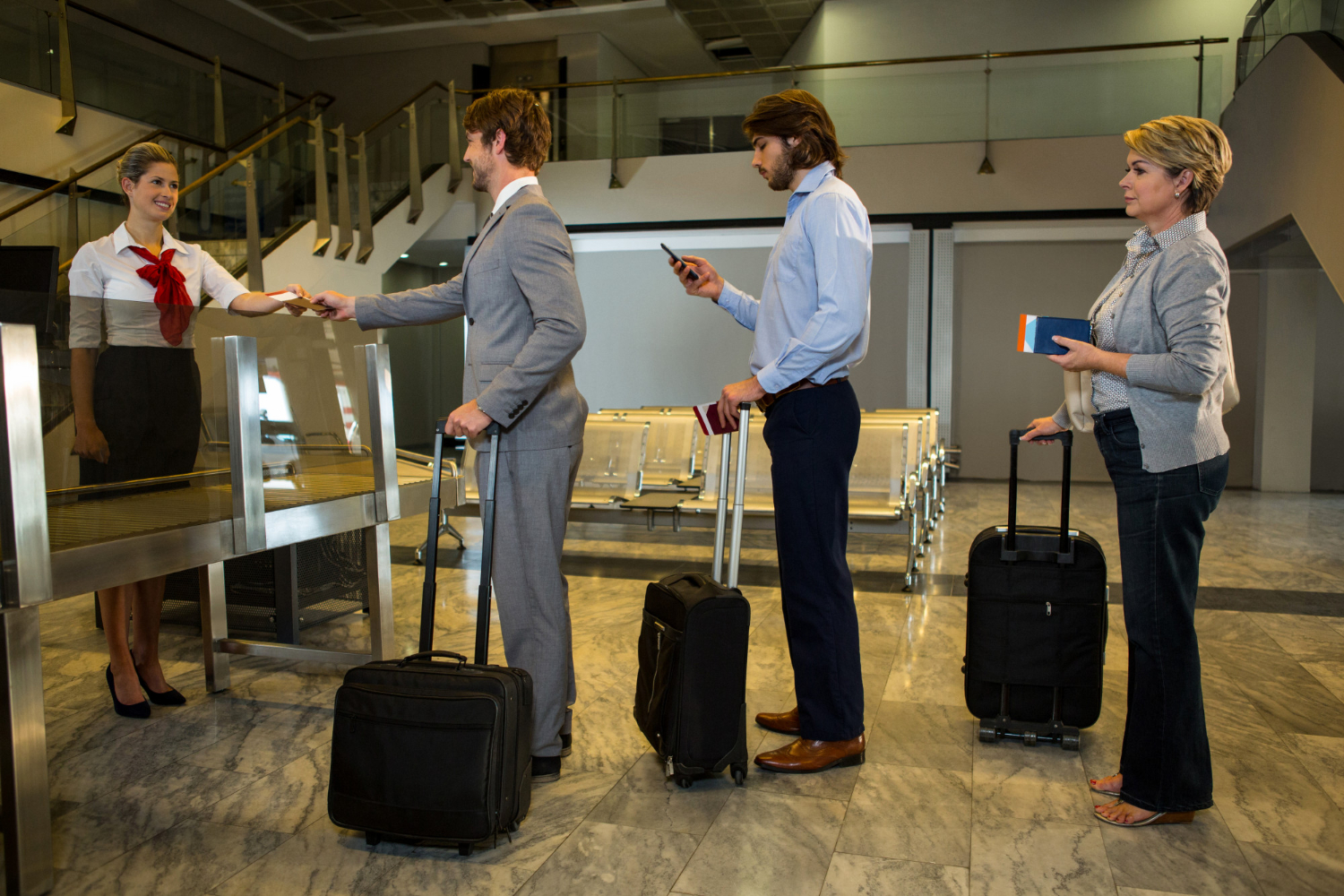
Separately from the scanner rollout, REAL ID enforcement became fully active on February 1, 2026, and travelers who show up without a REAL ID-compliant license, passport, or other TSA-approved credential now face a genuine $45 fee for the agency’s Confirm.ID identity verification process, valid for a ten-day window before the fee would apply again. TSA has stated the verification process still allows travelers without compliant identification to fly, though officials note it may still result in additional screening time or delays beyond the standard checkpoint experience.
What This Means for Packing Electronics
In lanes equipped with CT scanners, travelers can generally leave laptops, tablets, and similar devices inside their bag, though items larger than a smartphone, an e-reader, a gaming device, are still sometimes pulled for individual screening in older lanes without the new technology. The safest practice for travelers uncertain about their specific checkpoint remains simple: keep electronics accessible near the top of your bag, and be prepared to remove them if an officer asks, regardless of what scanner technology happens to be in use that day.
What Officers Are Actually Looking For
The improved 3D imaging CT scanners provide gives screening officers considerably more detail than older X-ray technology, reducing the number of bags flagged for manual secondary inspection simply because an object’s shape was ambiguous on a flat, two-dimensional image. TSA has indicated this improved accuracy is a central goal of the broader rollout, aiming to reduce both false alarms that slow down lines unnecessarily and the genuine security risk of missed items that older technology occasionally failed to catch clearly.
Other Checkpoint Technology Rolling Out Alongside CT Scanners
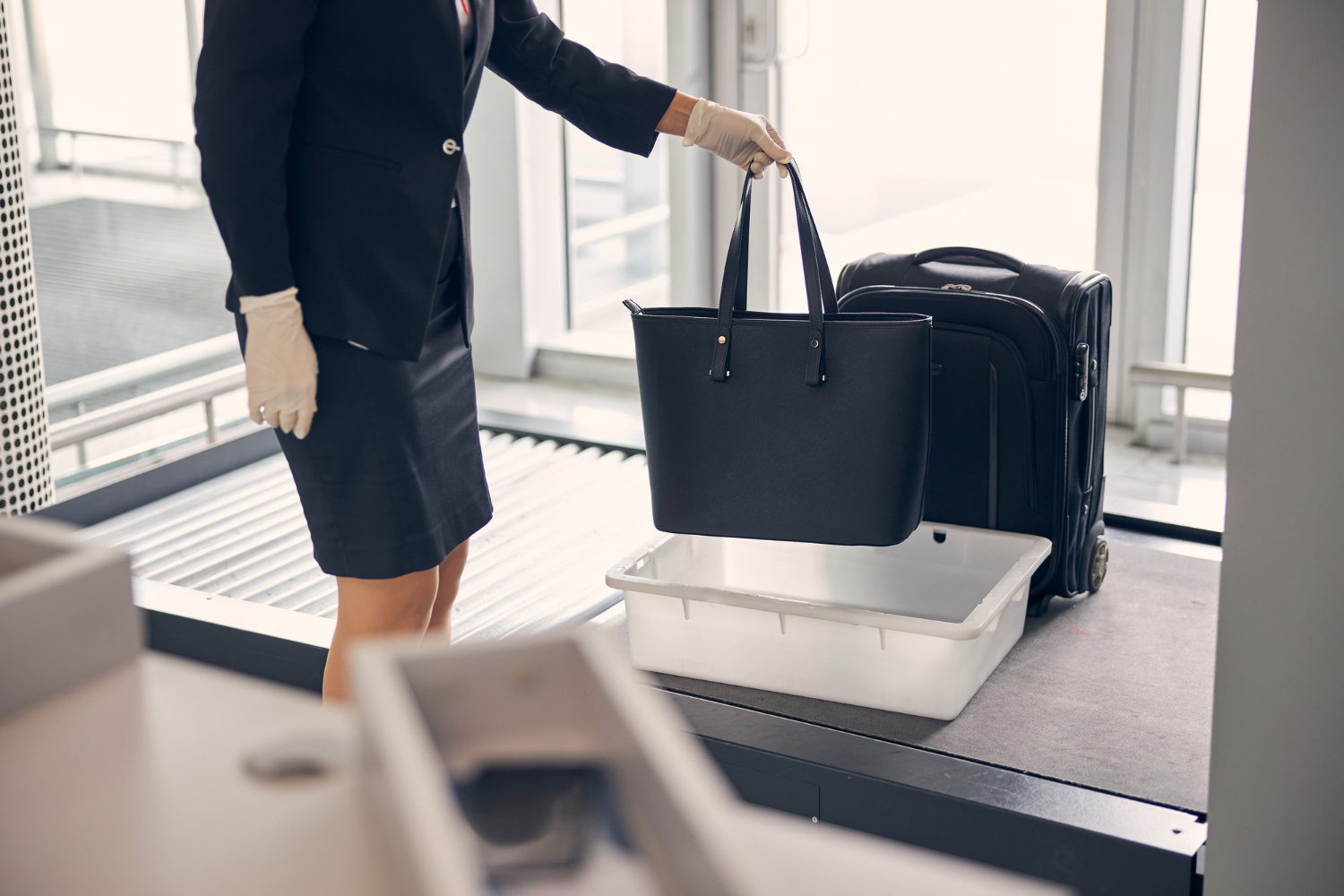
The CT scanner rollout is only one piece of a broader modernization effort underway at airports nationwide, TSA is also expanding Credential Authentication Technology units that combine document scanning with live facial comparison, replacing the traditional manual ID-check podium at many checkpoints. Some larger airports have additionally begun piloting reservation-based security screening, letting travelers book a specific arrival window in advance to help spread out checkpoint congestion during the busiest travel periods.
Practical Advice for This Summer’s Travel
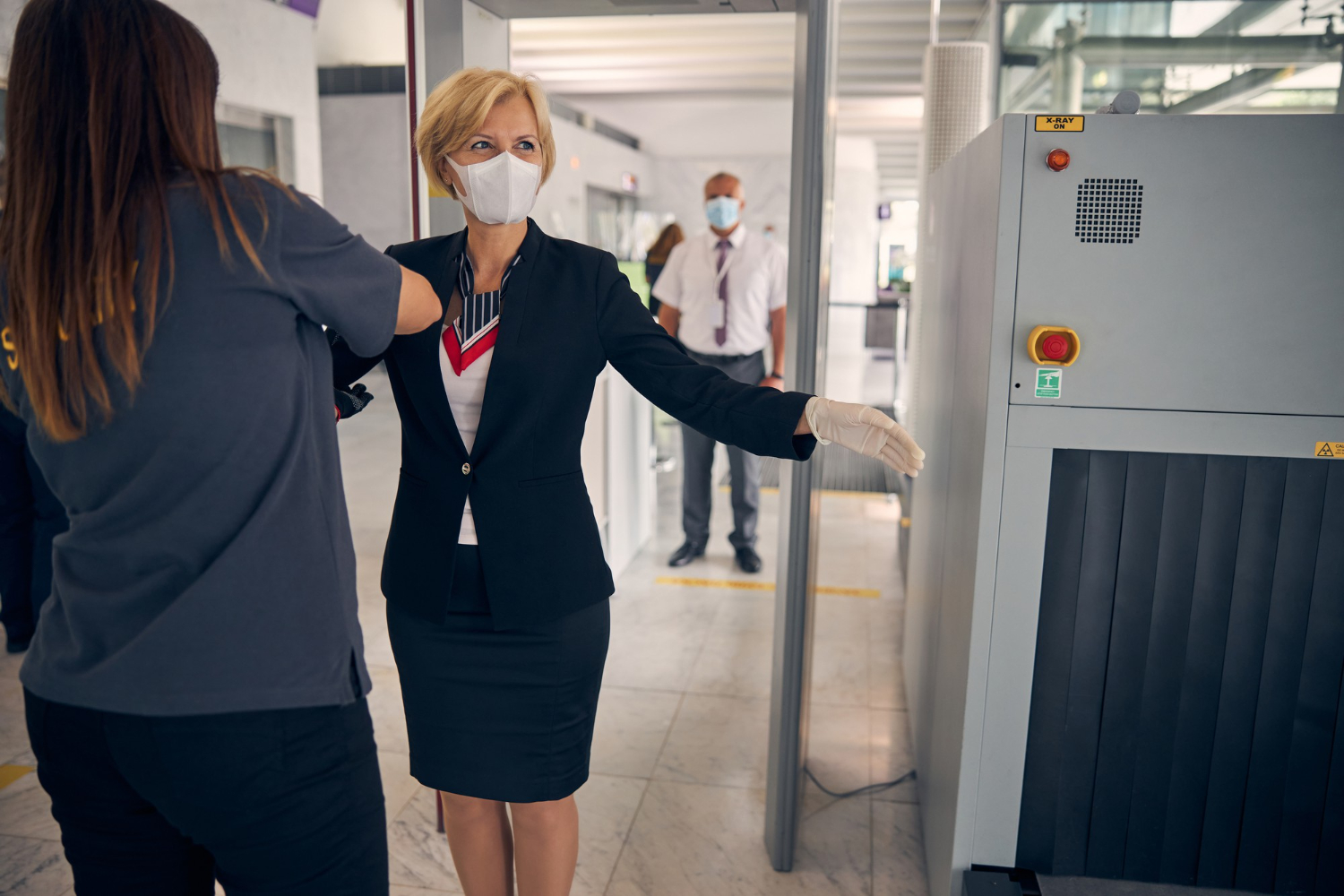
Given the genuine inconsistency in technology deployment, arriving at the airport with your usual buffer time remains the safest approach rather than assuming a faster CT-lane experience will be available. Checking your specific departure airport’s security wait times and, where offered, reservation-based screening slots in advance can help manage expectations, and simply asking the TSA officer at the start of your specific lane whether the “laptops stay in the bag” rule applies removes any guesswork before you’re already unpacking at the belt.
A Modernization Effort Still Finding Its Footing
TSA’s broader technology upgrade, spanning CT scanners, biometric identity verification, and automated screening lanes, represents one of the most significant changes to the checkpoint experience in years, with the stated goal of reducing wait times and improving detection accuracy as the rollout continues. For now, the practical reality for travelers is a genuinely mixed experience depending entirely on which airport, and even which specific lane, they happen to pass through, making a quick question to the officer at the start of the line the most reliable way to know exactly what to expect.
Like our content? Follow us for more.