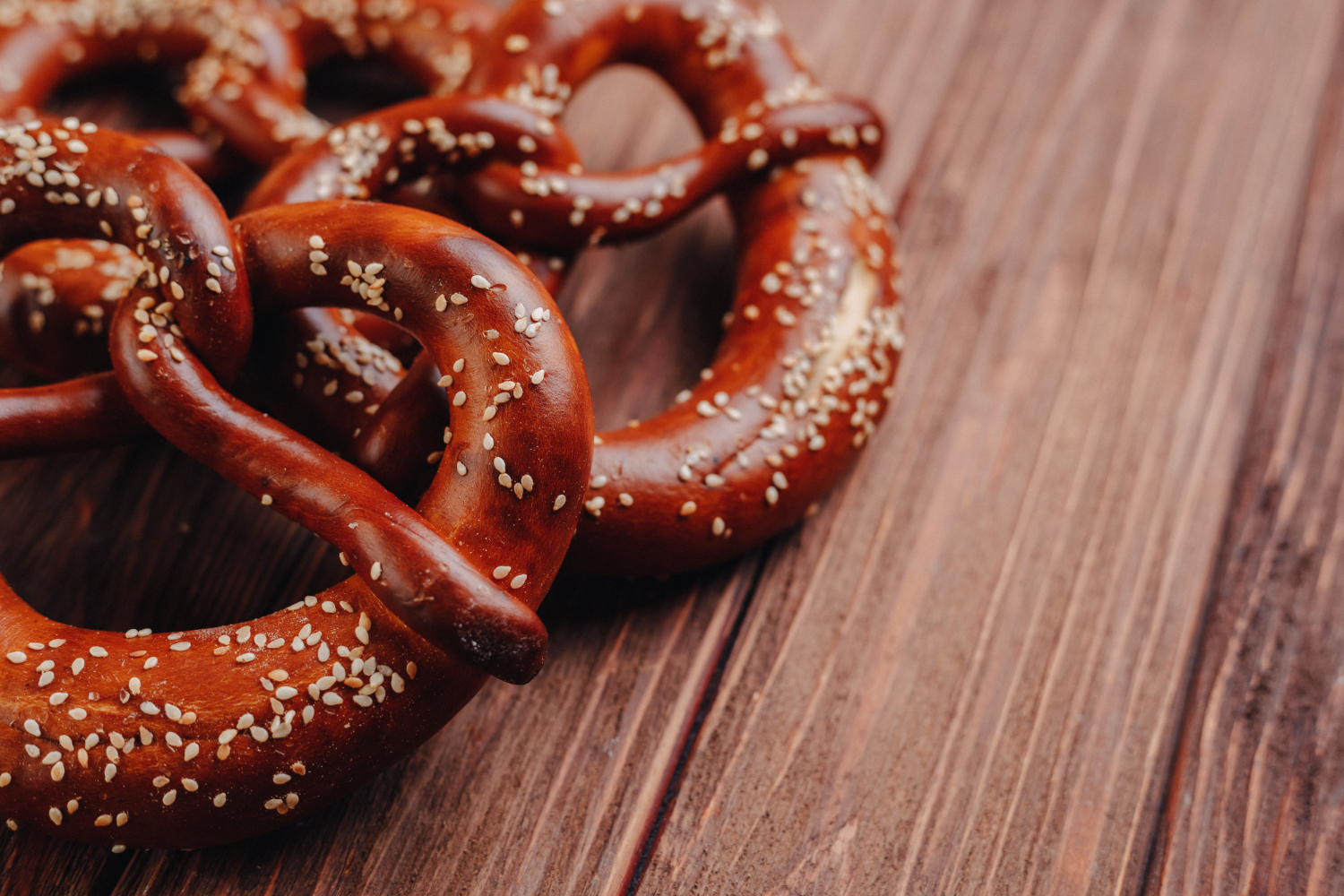
Few snacks carry as much regional identity and immigrant heritage as the pretzel, a food whose basic twisted shape stays remarkably consistent while its texture, size, and serving tradition shift dramatically depending on which specific part of the country originally baked it. Here are seven distinct American pretzel traditions and what makes each one different, counted down one by one.
1. Pennsylvania Dutch Country: The Dense Soft Pretzel
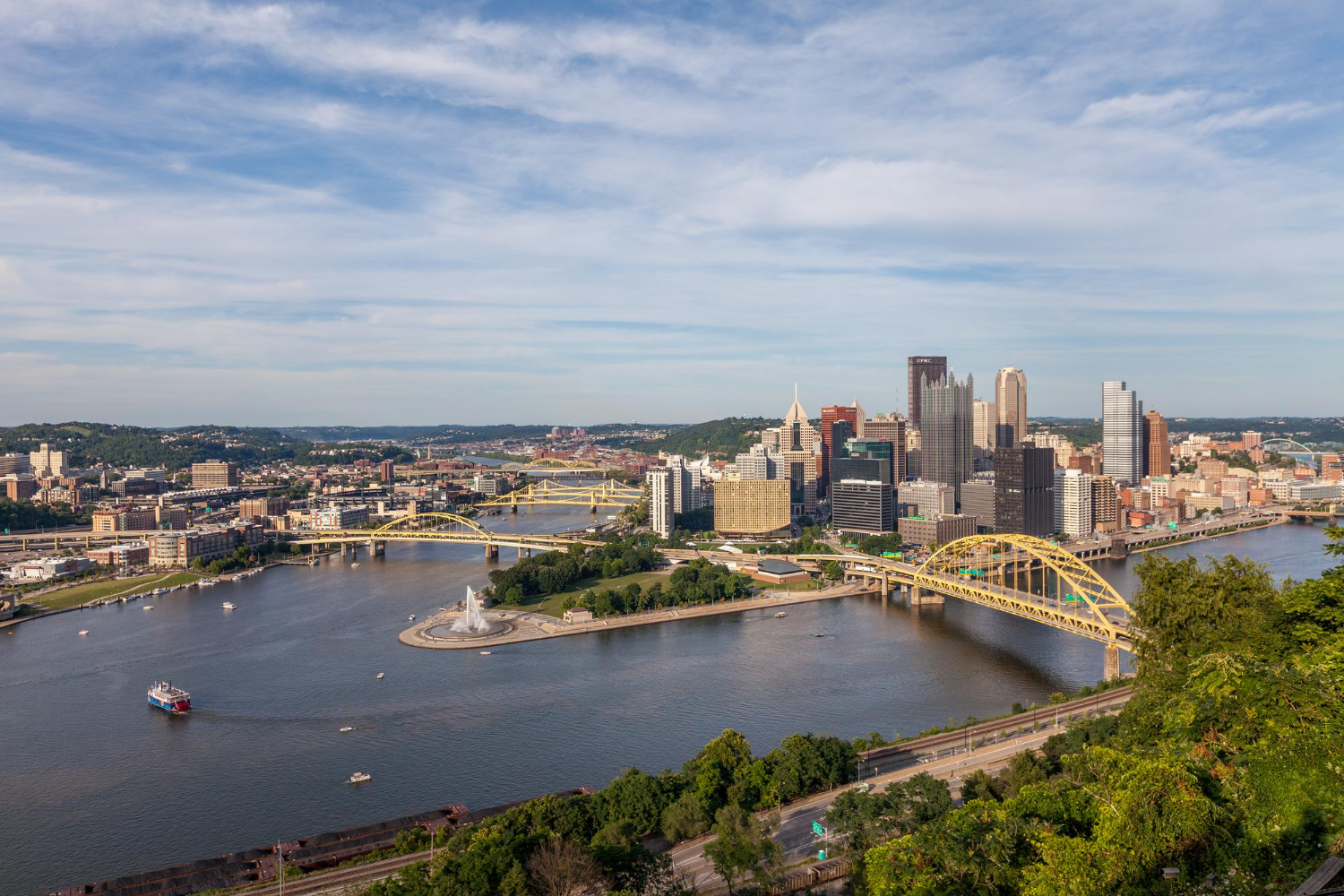
Pennsylvania Dutch bakers produce a notably dense, chewy soft pretzel. The region’s deep German heritage shaped this specific, longstanding texture and tradition.
Pennsylvania Dutch country produces a notably dense, chewy soft pretzel, considerably heartier than the lighter versions found elsewhere, a texture directly rooted in the region’s deep German immigrant baking heritage and its long-established pretzel bakeries. Pennsylvania’s pretzel tradition runs so deep that the state produces the overwhelming majority of pretzels made in America, a genuine point of longstanding regional pride tied directly to the area’s German settlement history.
Like our content? Follow us for more.
2. Philadelphia: The Street Cart Pretzel With Mustard
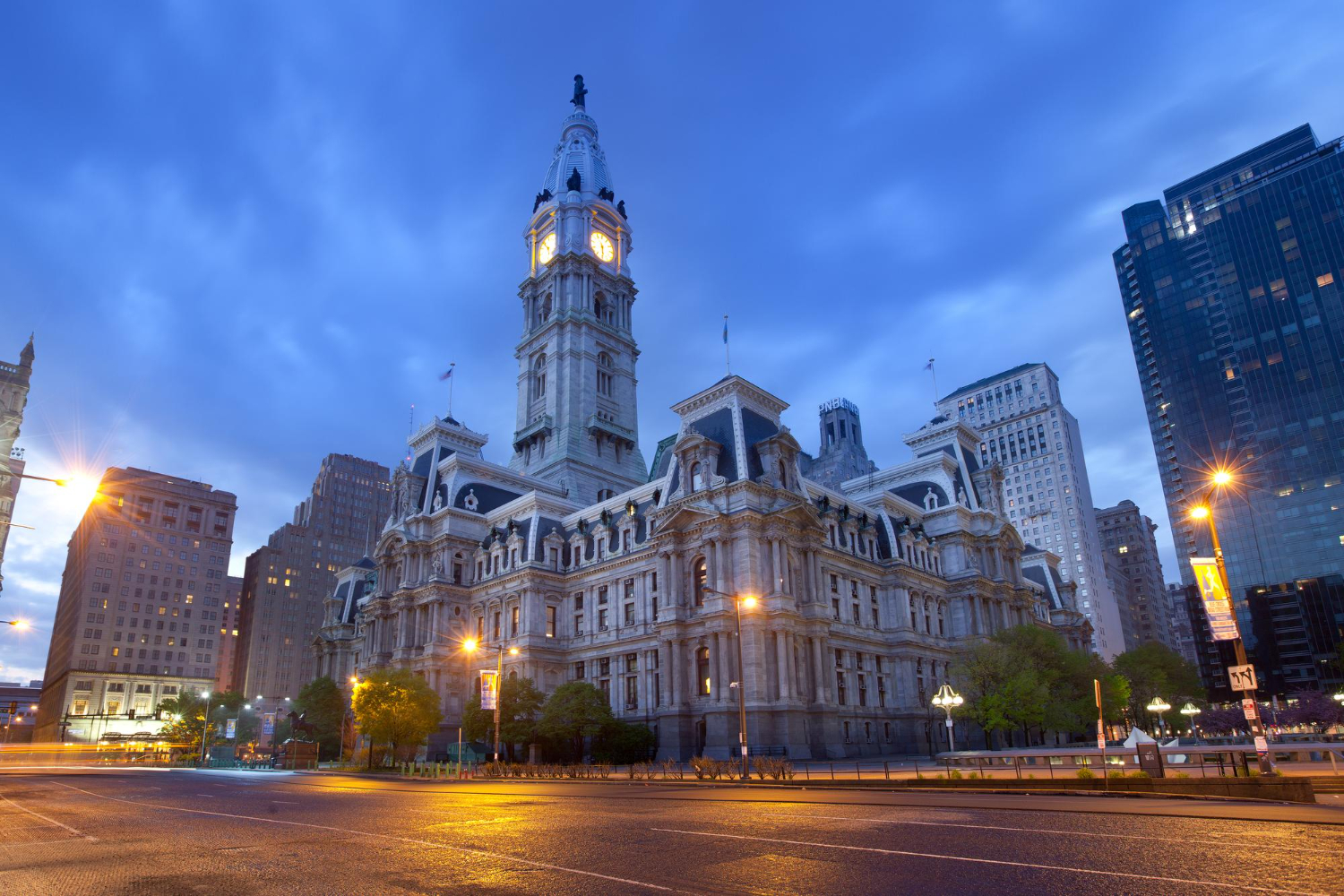
Philadelphia built an entire street food culture around the soft pretzel. Yellow mustard, never ketchup, is the only acceptable condiment.
Philadelphia’s beloved street cart pretzel comes wrapped in simple paper, eaten on the go with a squeeze of yellow mustard, a specific condiment pairing that locals defend with real, genuine conviction as the only truly acceptable way to eat one. Philadelphia’s street pretzel culture reflects the city’s deep, practical relationship with the snack as a genuine everyday food, not an occasional treat, sold on corners throughout the city at almost any hour.
3. New York: The Hot Dog Cart Companion Pretzel
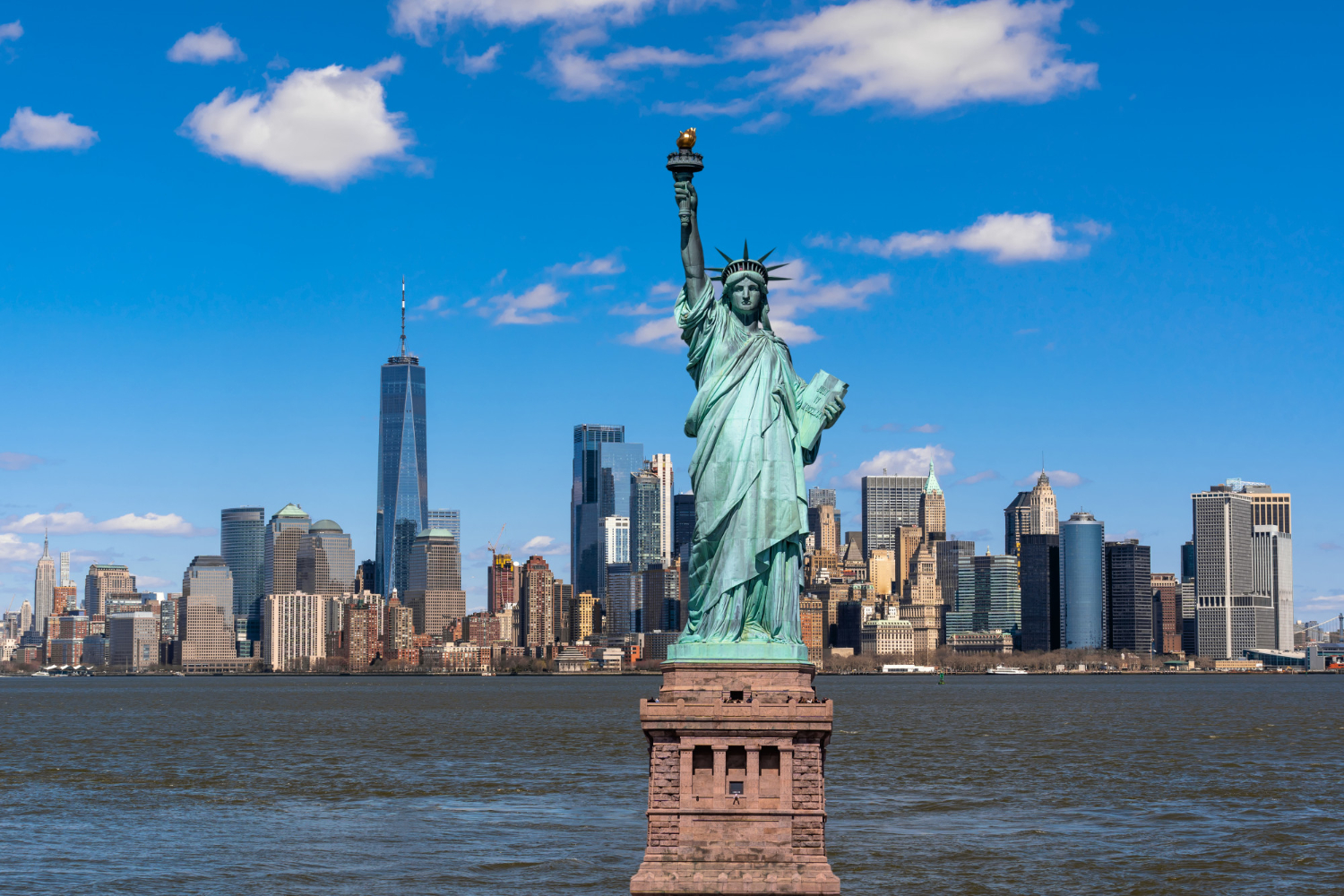
New York’s street vendor pretzel developed alongside the city’s hot dog cart culture. Its larger, softer format suits eating on the move.
New York City’s street vendor pretzel developed alongside the city’s broader hot dog cart culture, typically larger and softer than the Philadelphia version, a format specifically suited to eating while walking through busy city streets rather than sitting down. New York’s pretzel tradition reflects the city’s fast-paced street food culture more broadly, a snack designed explicitly for genuinely mobile eating rather than a leisurely sit-down experience.
4. Wisconsin: The Beer Cheese Pretzel Pairing
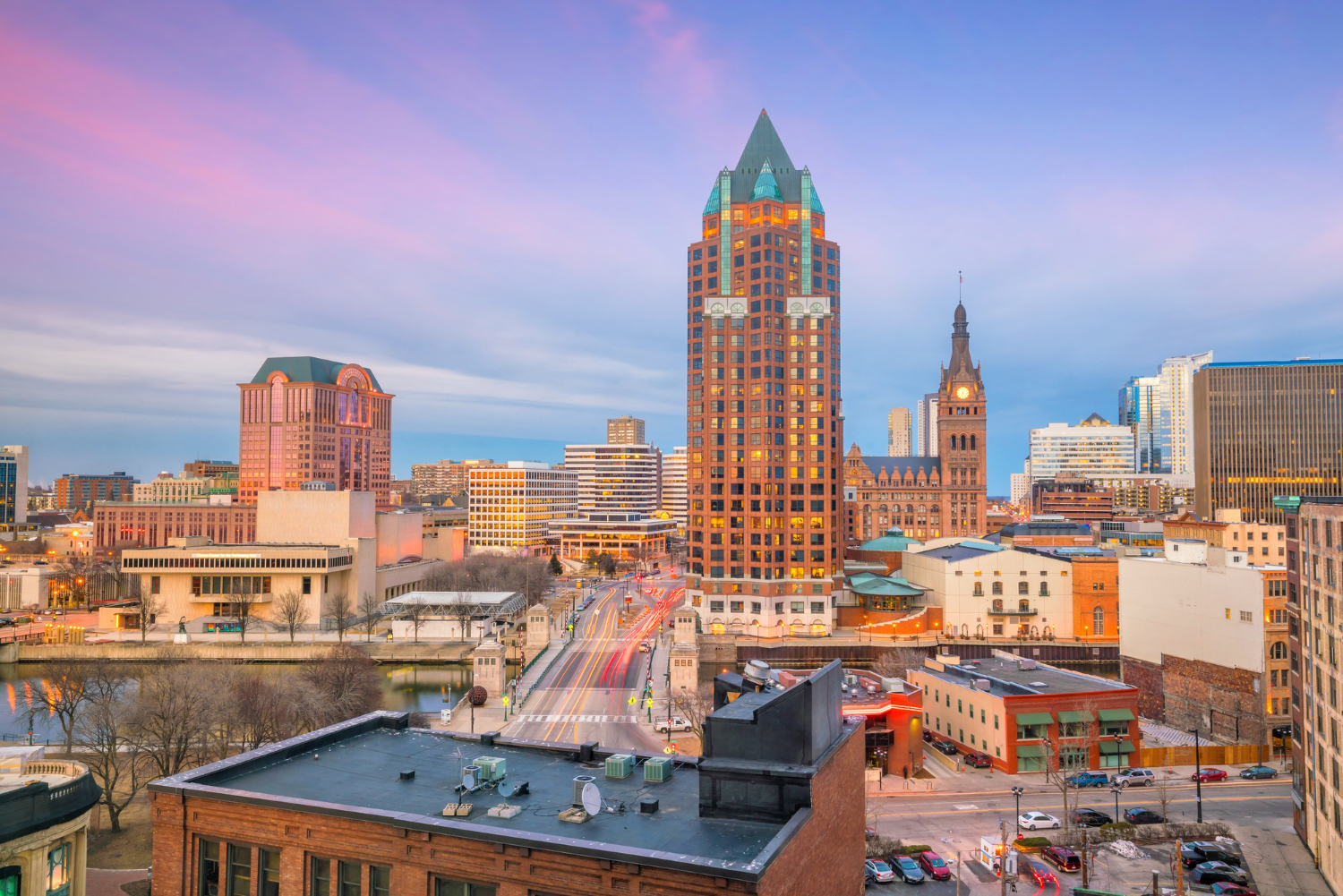
Wisconsin pairs its soft pretzels with a genuine beer cheese dipping sauce. The combination reflects the state’s deep dairy and brewing heritage.
Wisconsin’s pretzel tradition centers heavily on pairing a warm soft pretzel with a rich beer cheese dipping sauce, a combination that draws directly on the state’s genuine dairy and brewing heritage, transforming a simple snack into something distinctly tied to Wisconsin’s broader culinary identity. The beer cheese pretzel pairing reflects the state’s pride in both its cheese production and its brewing traditions, a regional specialty that showcases two of Wisconsin’s most iconic food categories together in a single dish.
5. Texas: The Bavarian-Style Pretzel of the Hill Country
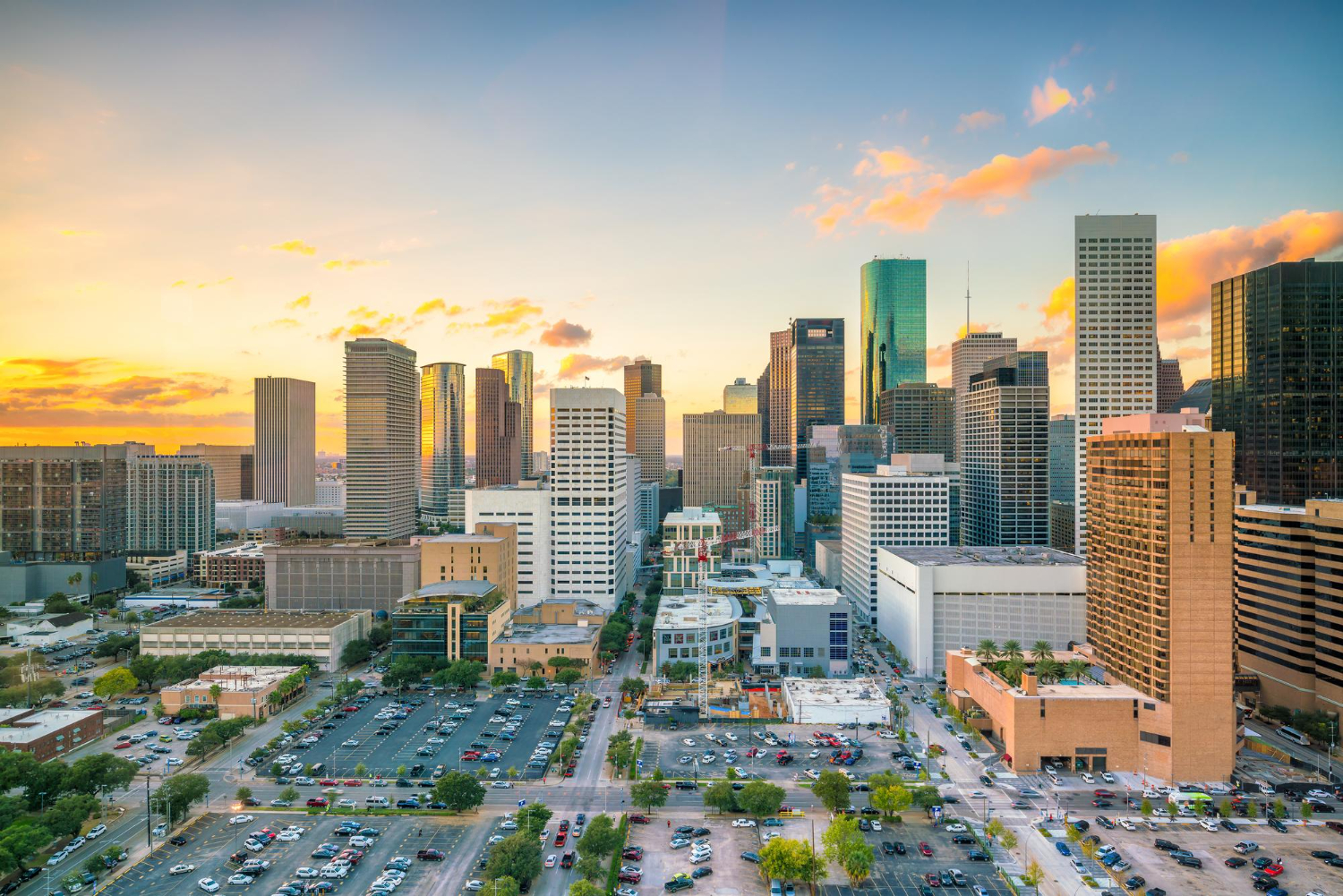
Central Texas’s German settler communities preserved authentic Bavarian pretzel-making traditions. Towns like Fredericksburg maintain genuinely old-world techniques.
Central Texas’s Hill Country, settled significantly by German immigrants in the 19th century, maintains genuinely authentic Bavarian-style pretzel-making traditions in towns like Fredericksburg, preserving old-world techniques and recipes passed down through generations of German-Texan families. The Texas Hill Country’s Bavarian pretzel tradition reflects one of the more surprising and historically significant German immigrant food cultures in the country, a genuinely authentic old-world technique preserved far from its European origins.
6. The Midwest: The Hard Pretzel Snacking Tradition

Midwestern snack culture favors the crunchy hard pretzel over softer versions. Regional hard pretzel bakeries developed genuinely distinctive local recipes.
Midwestern snack food culture has long favored the crunchy hard pretzel over the softer, bakery-style versions found elsewhere, with several regional hard pretzel bakeries developing genuinely distinctive local recipes and shapes that longtime residents specifically seek out over national brands. The Midwest’s hard pretzel tradition reflects the region’s practical, shelf-stable approach to snack food, a format built for lasting freshness rather than the immediate, fresh-baked experience of a soft pretzel.
7. California: The Sourdough-Influenced Pretzel Innovation
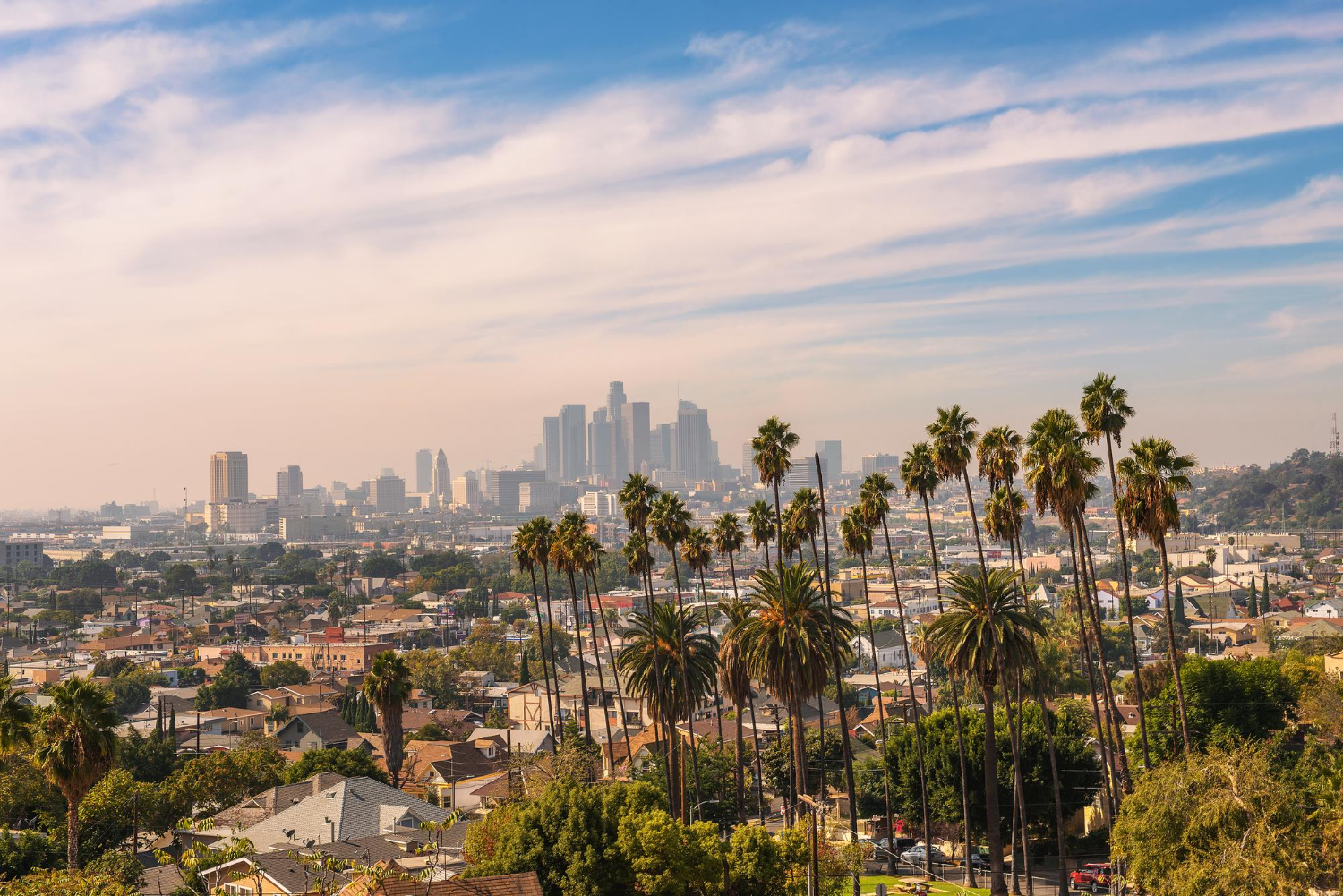
California bakeries have applied the state’s famous sourdough tradition to pretzel-making. The result blends two distinct baking traditions into one.
California bakeries, particularly in the San Francisco Bay Area, have applied the state’s world-famous sourdough baking tradition directly to pretzel-making, creating a genuinely distinctive tangy, complex flavor that blends two entirely separate baking traditions into a single innovative product. California’s sourdough-pretzel fusion reflects the state’s broader culinary creativity and its particular pride in sourdough bread-making, a regional innovation that reinterprets a centuries-old German snack through a distinctly Californian lens.
What Truly Unites These Genuinely Distinct American Pretzel Traditions
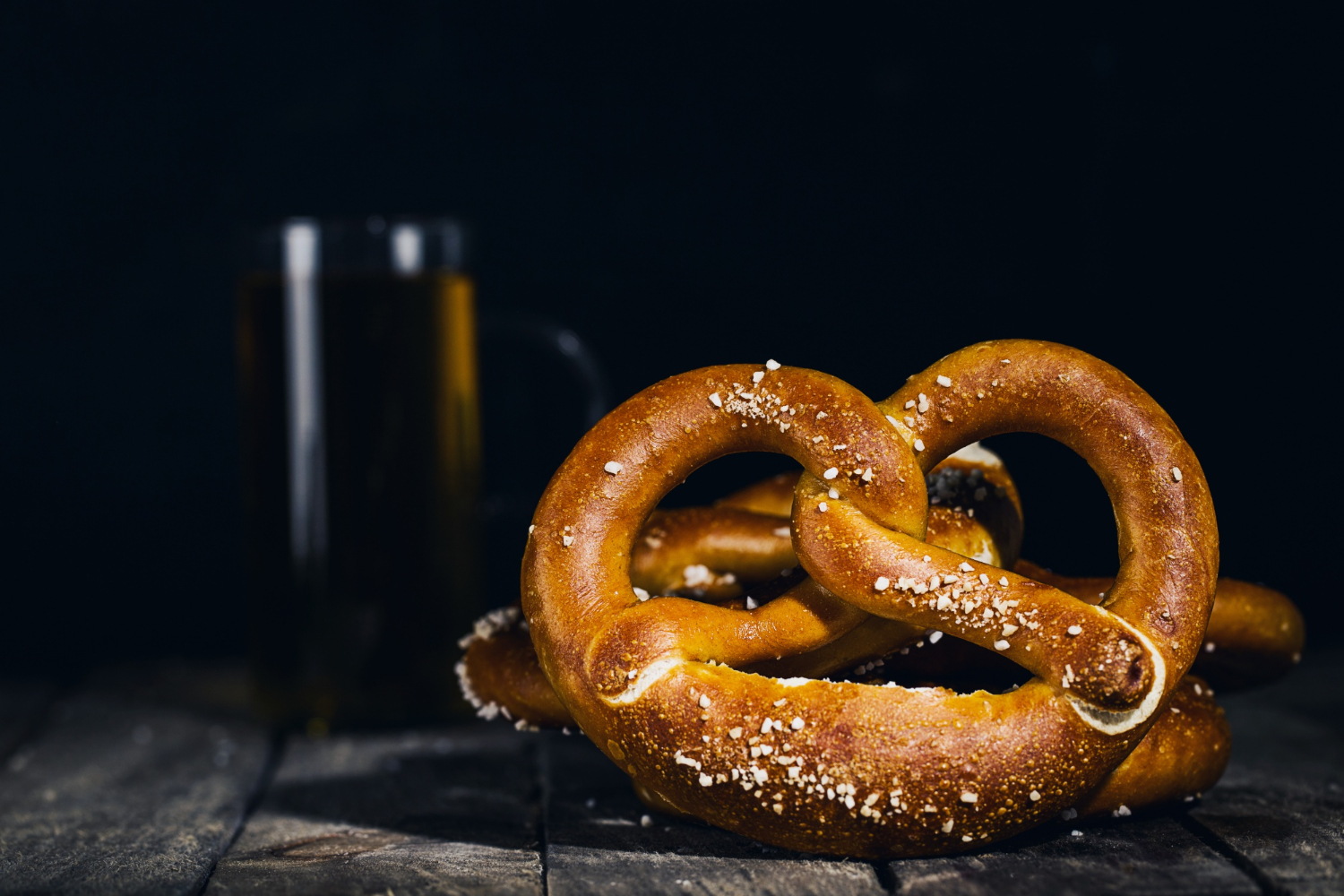
Taken together, these seven pretzel traditions show just how much regional immigrant heritage and local culinary identity can shape even a snack as simple and universally recognized as the pretzel, from Pennsylvania’s dense, chewy classic to California’s sourdough-influenced innovation, each one genuinely different. Each carries genuine regional pride in every single twisted bite.
Regional pretzel festivals and dedicated pretzel-themed events have also emerged across several of these communities in recent decades, celebrating the snack’s specific local tradition with genuine civic pride and drawing visitors specifically interested in sampling the authentic regional version rather than a generic, mass-produced imitation found in a typical supermarket freezer aisle.
These festivals often double as a genuine celebration of the broader German immigrant heritage that shaped each community, featuring traditional music, dance, and other cultural elements alongside the pretzel-baking demonstrations themselves, turning a simple snack food celebration into a fuller, richer exploration of local immigrant history. For travelers planning a trip specifically around regional food traditions, timing a visit to coincide with one of these local celebrations offers a genuinely immersive way to experience a community’s pretzel tradition well beyond simply sampling the finished product alone.
What unites these otherwise distinct traditions is how directly each reflects the specific German immigrant community, local industry, or culinary innovation that shaped it, a Pennsylvania Dutch baking heritage, a Texas Hill Country settlement history, a Wisconsin dairy tradition, all converging on the same basic twisted shape first brought to America by German immigrants centuries ago. Exploring America’s regional pretzel traditions offers a genuinely delicious lesson in the country’s deep German immigrant heritage, proving that even the most familiar snack shape can carry real regional identity depending entirely on exactly where it was baked.
Many of these pretzel-baking communities have preserved their techniques with remarkable fidelity across generations, family bakeries in Pennsylvania Dutch country and the Texas Hill Country alike often still follow recipes brought over by immigrant ancestors more than a century ago, adjusted only slightly for modern equipment and ingredient availability. That continuity offers a genuinely tangible connection to American immigration history, a snack food that carries real cultural memory in every single twist, baked fresh in communities that have been making it essentially the same way since their German ancestors first arrived.
The pretzel’s specific shape itself carries genuine symbolic history worth appreciating alongside its regional variations, one widely repeated origin story traces the twisted form to medieval European monks who folded dough to resemble arms crossed in prayer, offering the shape to children as a reward for reciting their lessons correctly and faithfully. Whatever the precise historical accuracy of that particular legend, the pretzel’s centuries-long journey from European monastery to American regional specialty reflects a genuinely remarkable food history for something so simple and unassuming in appearance.
Like our content? Follow us for more.