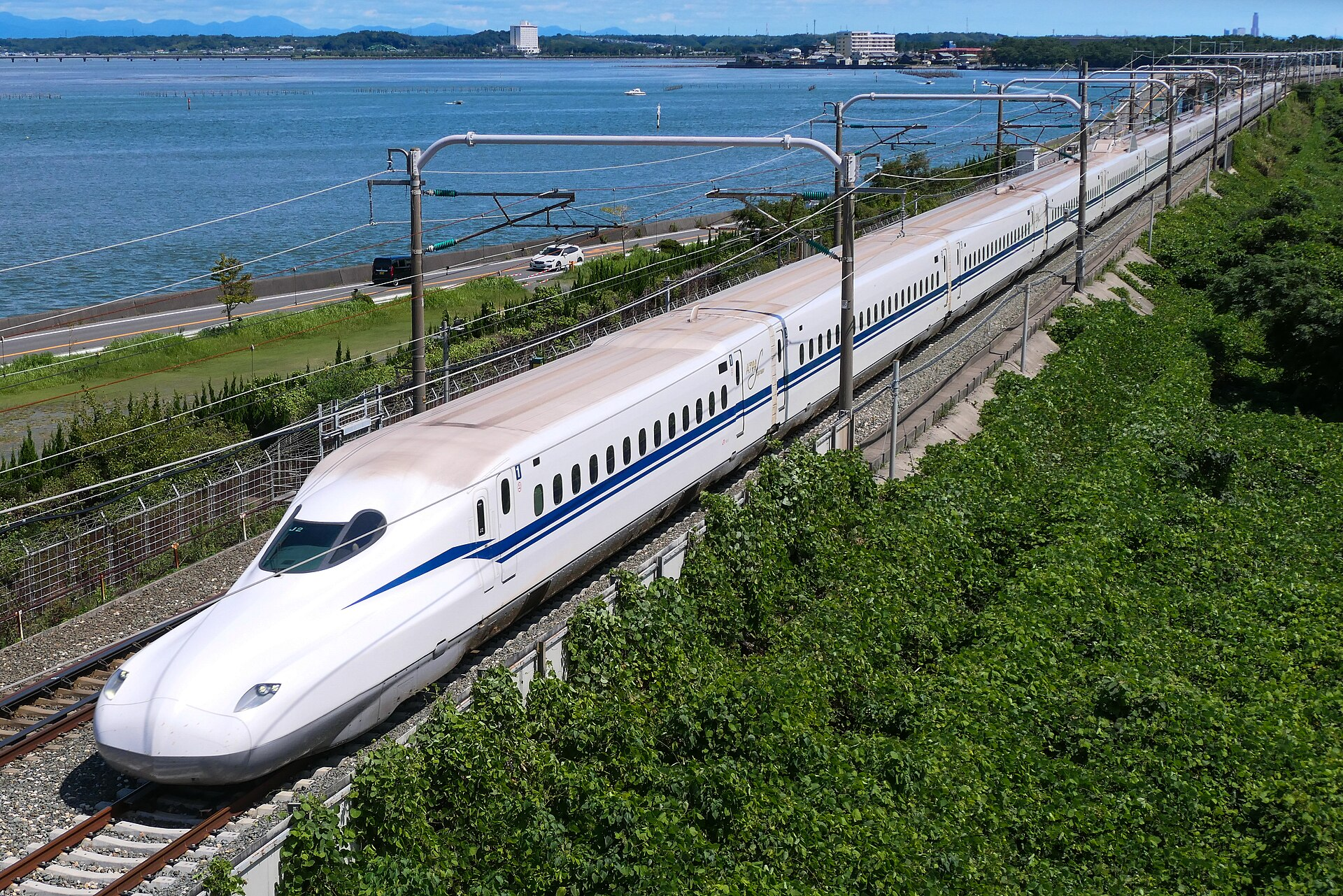
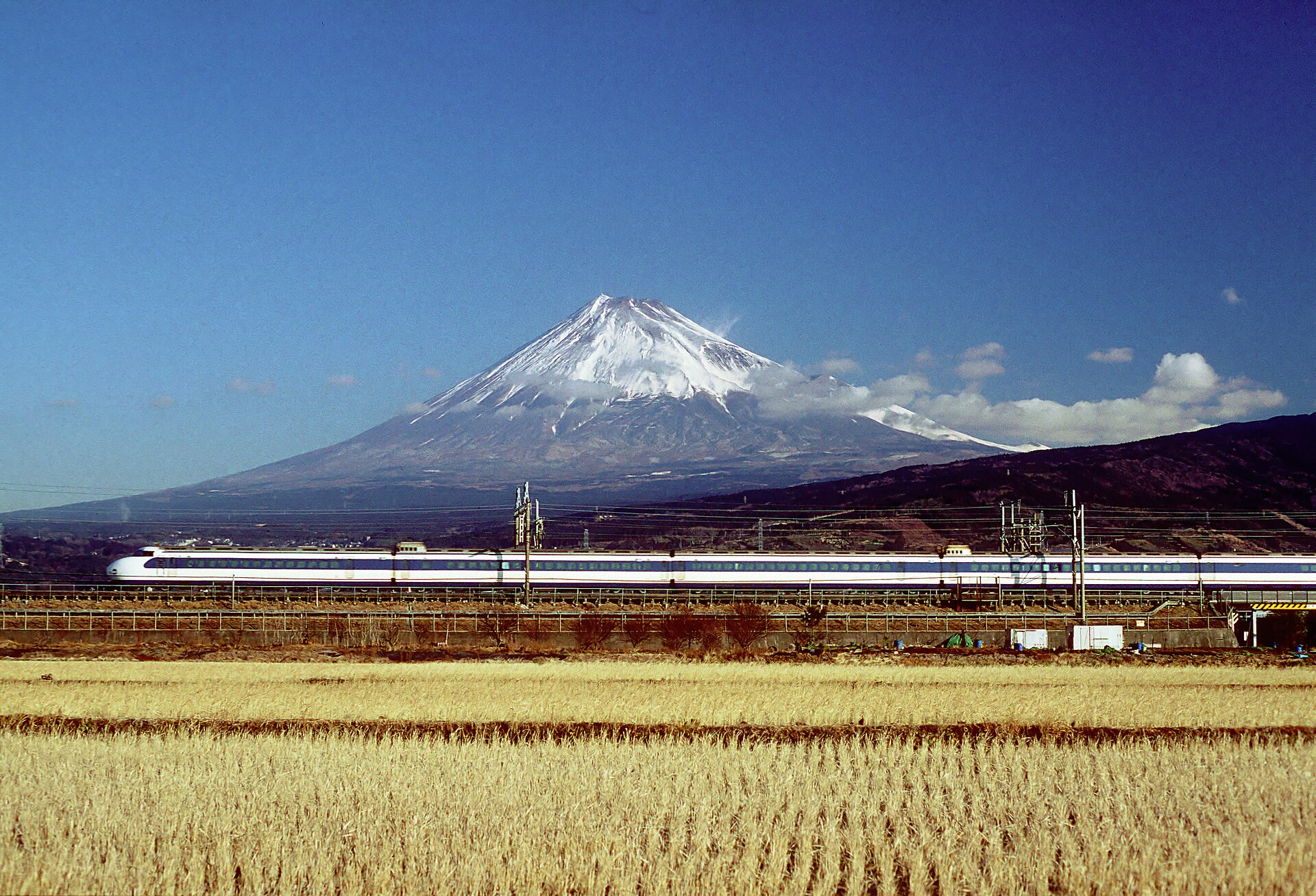
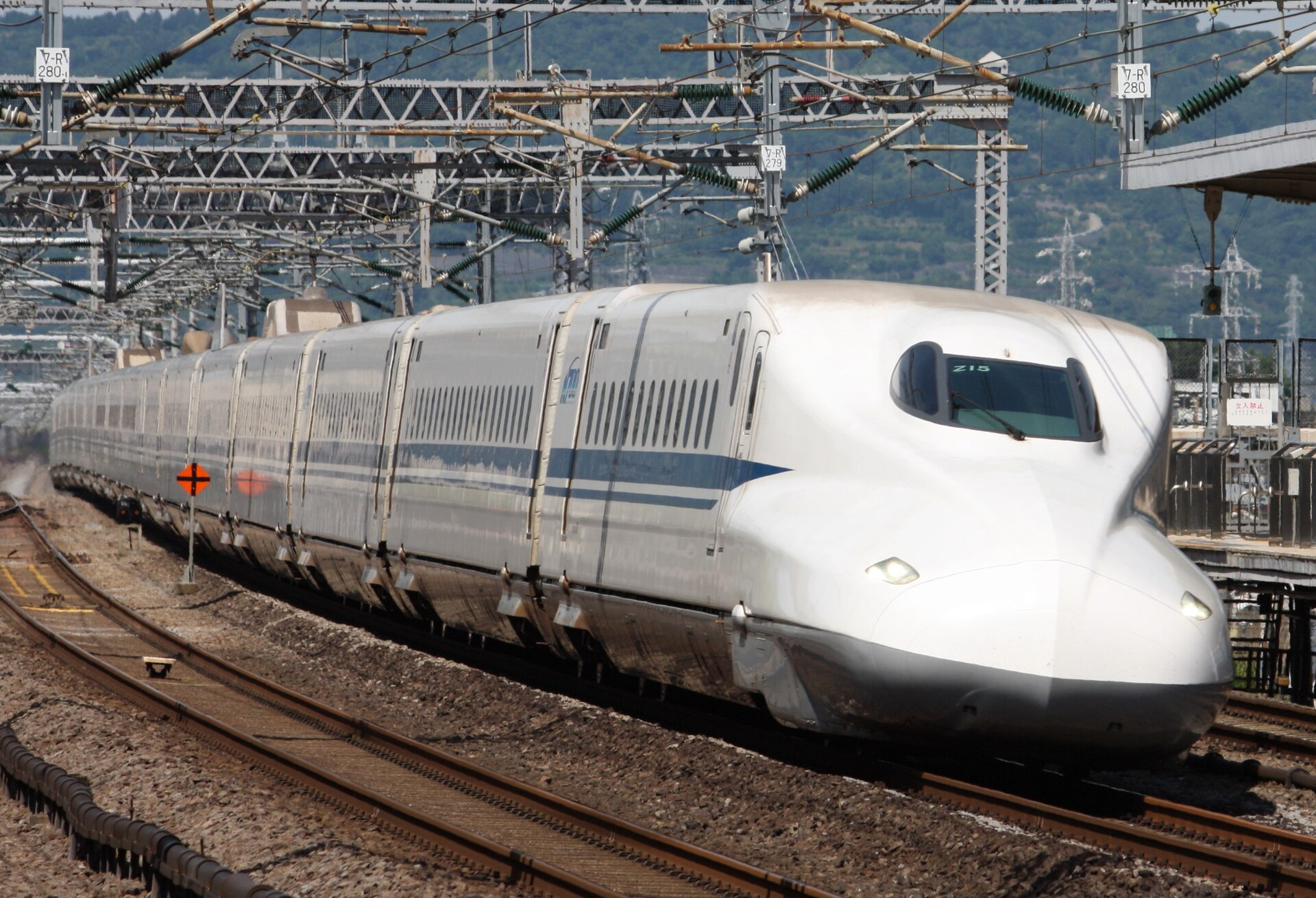
Every traveler who rides a Japanese train comes home telling the same story: the train arrived to the minute, stopped precisely at the marks painted on the platform, and departed on a schedule so exact you could set a watch by it, because millions of Japanese commuters literally do. The country’s flagship Shinkansen bullet trains famously post average delays of under a minute per train per year, a figure that includes delays from typhoons and earthquakes, and one that no other major railway on Earth approaches.
An Apology for Leaving Twenty Seconds Early
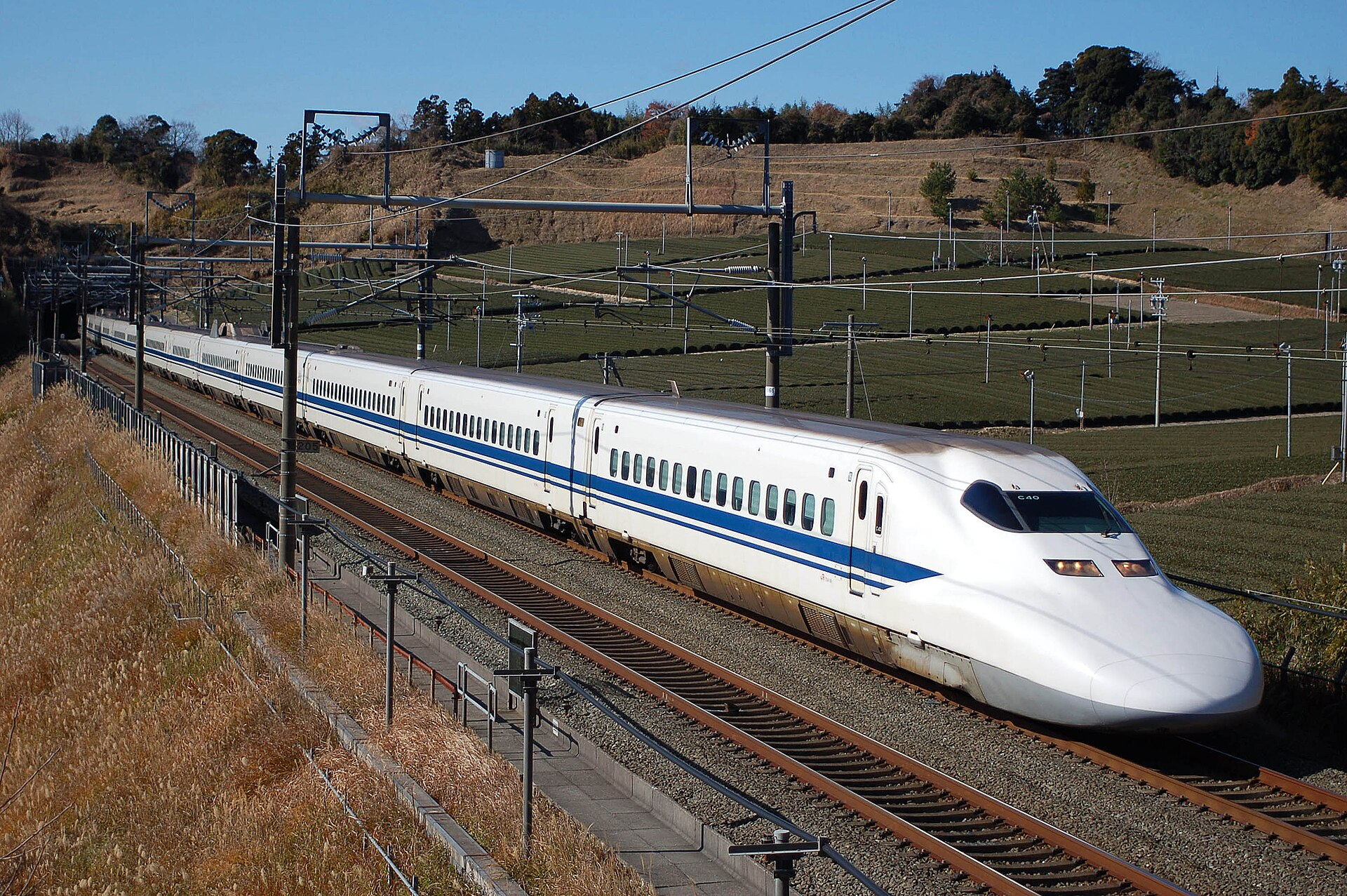
The depth of the standard became world news when a Tokyo-area railway issued a formal public apology because one of its trains had departed twenty seconds ahead of schedule. No passengers complained; the company apologized anyway, because the timetable is treated as a promise, and the promise runs in both directions, a train must not be late, and it must not leave anyone behind by jumping the clock. Similar apologies for departures mere seconds early have made headlines more than once, and each time, the international reaction is astonishment while the domestic reaction is that the system simply worked as intended.
Like our content? Follow us for more.
The Engineering Half of the Answer
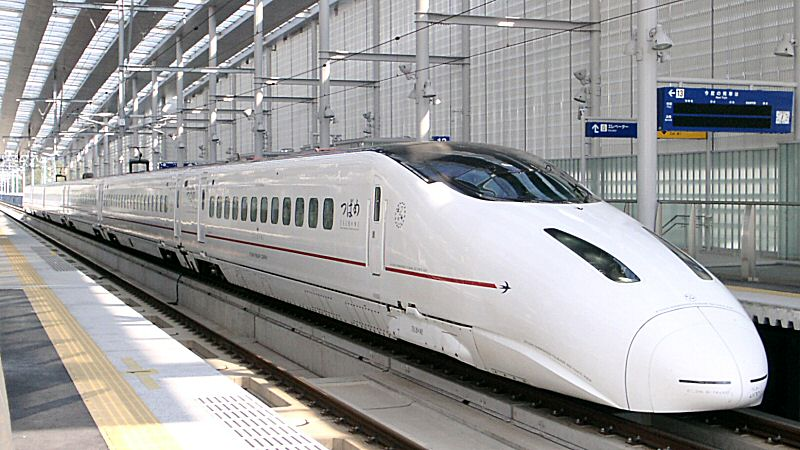
Part of the answer is built in steel. The Shinkansen runs on dedicated high-speed tracks with no freight traffic, no level crossings, and no slower trains to tangle with, eliminating most of the delay sources that plague other networks. Maintenance is relentless and largely nocturnal, with crews inspecting track and equipment overnight so the daytime schedule runs clean, and rolling stock is engineered and replaced on cycles that treat mechanical failure as a design defect rather than bad luck. Urban commuter lines, which share more infrastructure and carry staggering volumes, lean on precise signaling, rapid boarding choreographed by platform markings, and schedules planned to the quarter-minute.
The Human Half of the Answer
The other half is people. Japanese train drivers train intensively to hit arrival times measured in seconds, calling out signals aloud by hand, a practice called shisa kanko, pointing and naming each signal and speed check to keep attention sharp. Station staff, conductors, and even passengers participate in the choreography: passengers line up at the painted door positions before the train arrives, board in seconds, and the dwell time at each station is protected like the schedule’s heartbeat. Punctuality is understood not as a corporate metric but as a shared social obligation, the train is on time because everyone, on both sides of the doors, behaves as if it must be.
The Delay Certificate: Proof It Almost Never Happens
The most charming artifact of the system is the densha chien shomeisho, the delay certificate. When a train runs behind, even by roughly five minutes on many lines, station staff hand out small official slips, and railways post downloadable versions online, which employees present to bosses and students to teachers as proof their lateness was the railway’s fault. The certificate only makes sense in a country where a five-minute delay is remarkable: the paper exists because employers can safely assume the trains are on time, so a late train, not a late excuse, requires documentation.
What Happens When Things Genuinely Go Wrong
Japan’s railways are not magic, typhoons, heavy snow, and earthquakes stop trains there as everywhere, but the system’s response is its own display of discipline. Earthquake sensors automatically brake bullet trains within seconds of detecting tremors, planned suspensions are announced well before major storms so passengers are never stranded mid-journey, and recovery timetables restore service with the same precision that governs ordinary days. Delays are announced, apologized for, and documented; the assumption of punctuality is protected even in disruption.
What It Means for Travelers
For visitors, the practical upshot is a country you can schedule tightly: a ten-minute transfer between trains is genuinely a ten-minute transfer, day trips run like clockwork, and rail passes turn the whole country into a reliable itinerary. The advice seasoned travelers give is simply to behave like a local, arrive a few minutes early, find your painted door position, and be ready to board immediately, because the one thing the world’s most punctual railway will not do is wait.
Japan’s trains are the rare case where a national stereotype undersells the reality: the system really is that exact, built from dedicated engineering, obsessive maintenance, and a culture that treats a timetable as a promise kept to the second. Ride it once, and every railway back home will feel a little different forever.
Like our content? Follow us for more.