
Every road trip has two versions: the one that leaves at 7:02 with cold drinks, full tires, and a first stop already chosen — and the one that leaves at 9:40 after a gas station detour, a phone-charger argument, and the discovery that the cooler smells like last August. The difference is never luck. It’s the day before, when experienced travelers run a quiet checklist that takes less time than a movie and pays off for a thousand miles. The nine moves, start to finish.
1. Give the Car Its Physical While Help Is Still Open
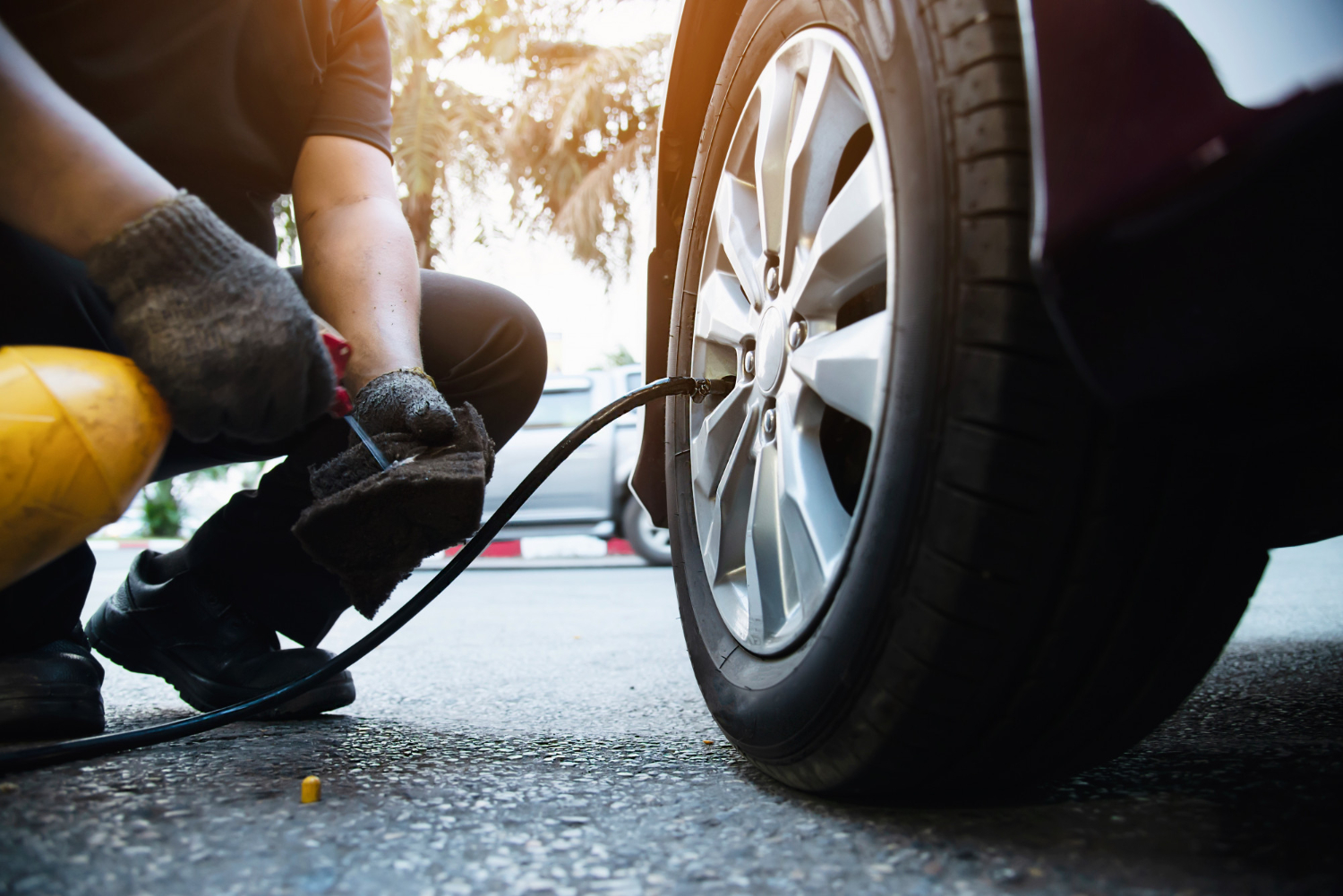
Tires, oil, wipers, and lights — checked in daylight, fixable by dinnertime.
The day-before car check exists for one reason: anything wrong is still fixable. Tire pressure (spare included — the one everyone forgets until a shoulder at dusk), oil and coolant levels, wiper blades against the first bug apocalypse, and a walk-around of every light with a family member playing brake-pedal duty. Found problems at 4 p.m. mean a shop visit before close; found problems at 6 a.m. mean a rearranged first day. Veterans add the glovebox paperwork glance — insurance card current, registration present — thirty seconds that has rescued entire vacations at exactly the wrong moments.
Like our content? Follow us for more.
2. Fill the Tank Tonight, Not Tomorrow
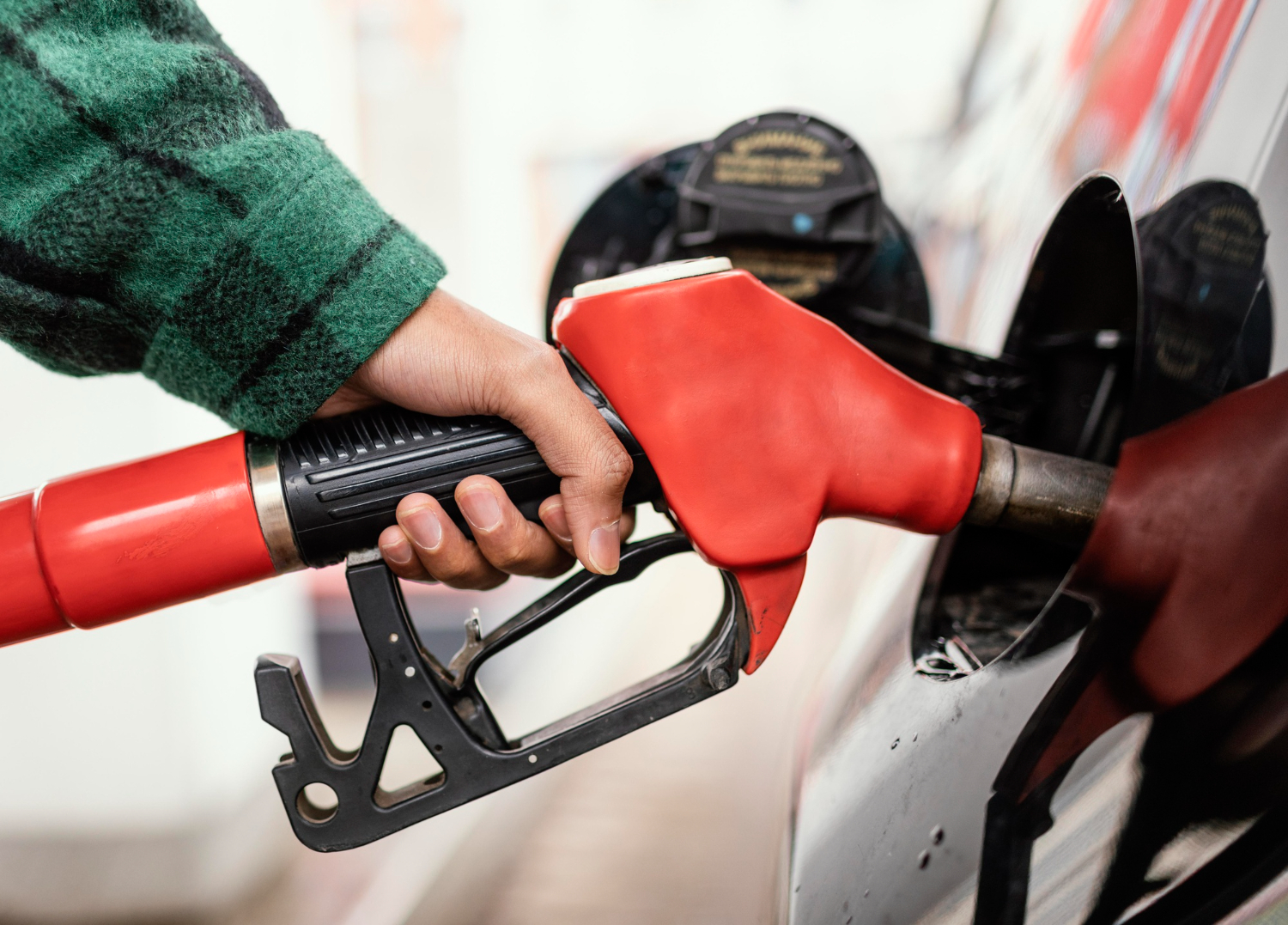
The morning gas stop murders momentum. Depart with a full tank and skip the first stop entirely.
The first-morning gas stop is the classic launch-killer — ten minutes of pumping that becomes twenty-five once the restroom line, the snack negotiation, and the “while we’re stopped” errands attach themselves. The day-before fill means the trip’s first stop happens when the driver chooses, two hours down the road with the departure adrenaline spent and coffee actually needed. Filling up during the evening errand run costs nothing; the psychological value of rolling past that first gas station at 7:05, tank full, family still in launch formation, approaches priceless.
3. Wake the Cooler Up Early
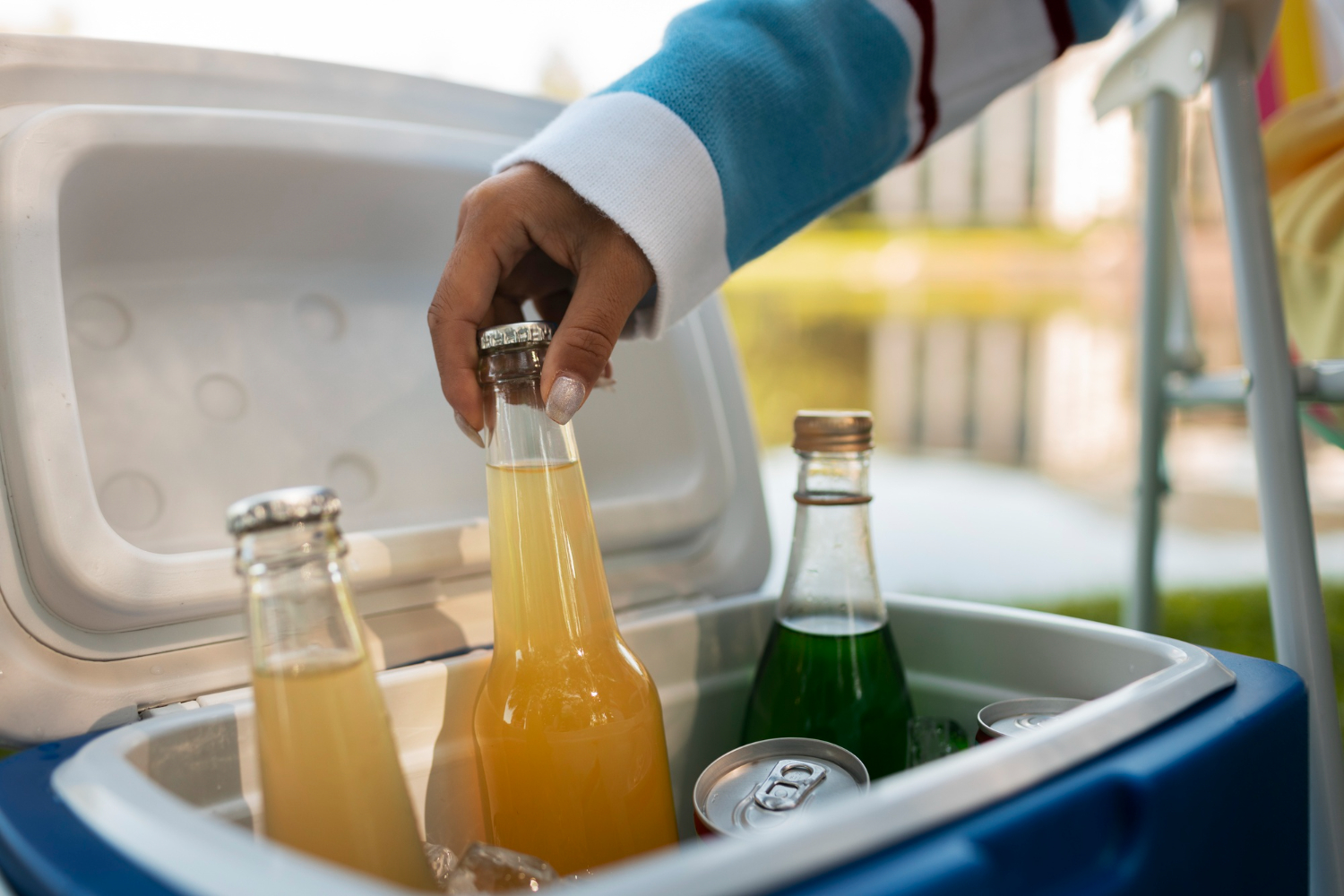
Chill the cooler overnight before the ice goes in. Warm plastic eats the first bag alive.
Cooler science, learned the sweaty way by generations: ice loaded into a warm cooler spends its first hours cooling the plastic instead of the drinks, which is why the veterans’ cooler comes out the day before — aired, wiped (the baking-soda rinse handles last trip’s sins), and pre-chilled overnight with a sacrificial bag of ice or the freezer packs. Morning-of, the melt gets dumped, fresh ice goes in, and cold-from-the-fridge drinks join it — never warm cans, which tax the ice like freight. Result: drinks still floating in cold at day two’s picnic instead of bobbing in a tepid regret by lunch.
4. Download Everything While the Wi-Fi Is Free
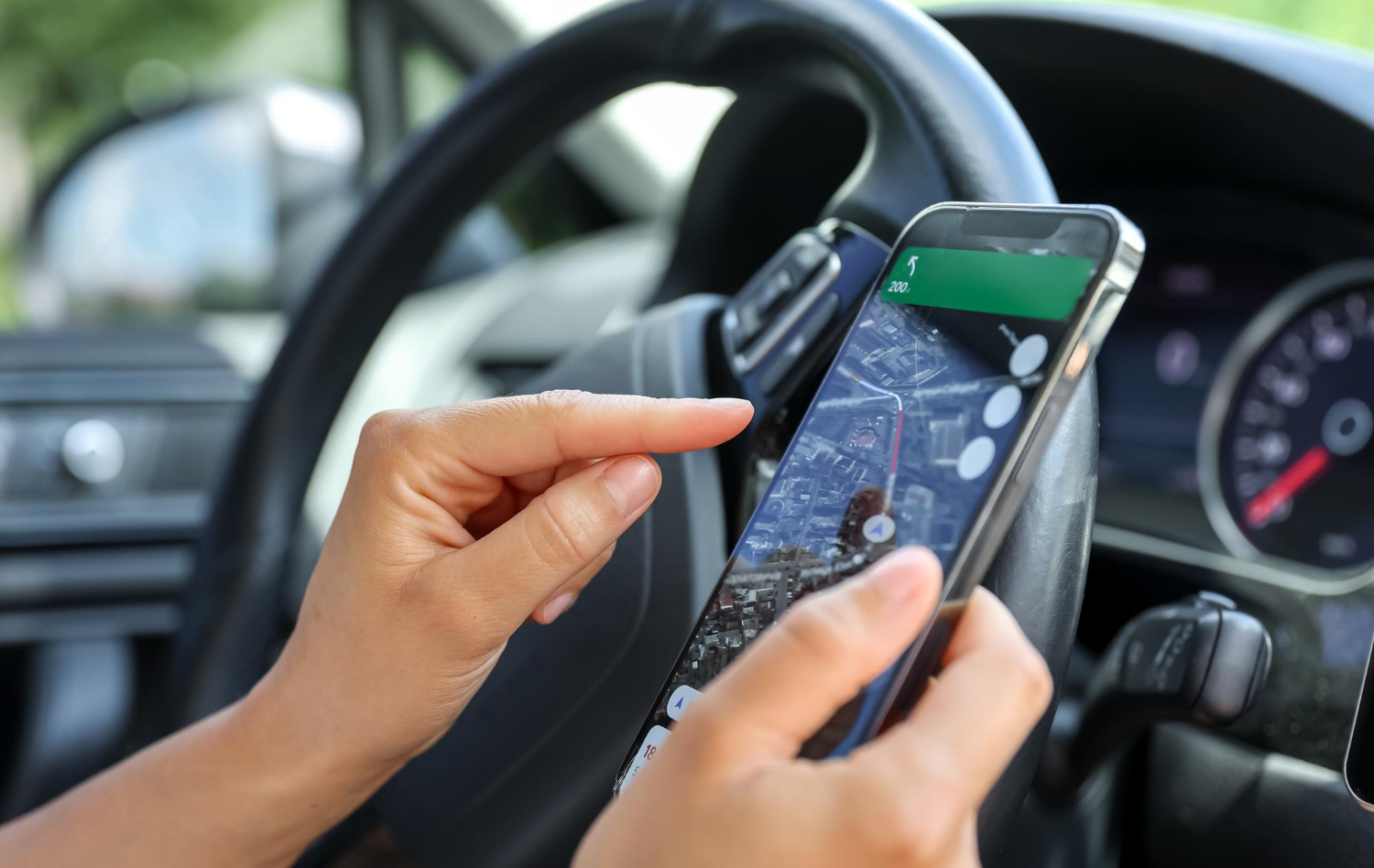
Offline maps, playlists, and the kids’ shows — banked tonight, played tomorrow in the dead zones.
Somewhere on every great American route, the signal dies — usually at the exact moment navigation matters most — and the day-before download hour is the modern trip’s cheapest insurance: offline maps for the whole corridor, the playlists and podcasts pulled down rather than streamed, audiobooks loaded, and the kids’ episodes stored locally on every screen that will ride in the back. Home Wi-Fi does in minutes what a hotel connection will fight you over. The alternative is a back seat discovering simultaneously, in a canyon, that nothing plays — a sound veteran parents describe the way sailors describe storms.
5. Stage the Cockpit Kit
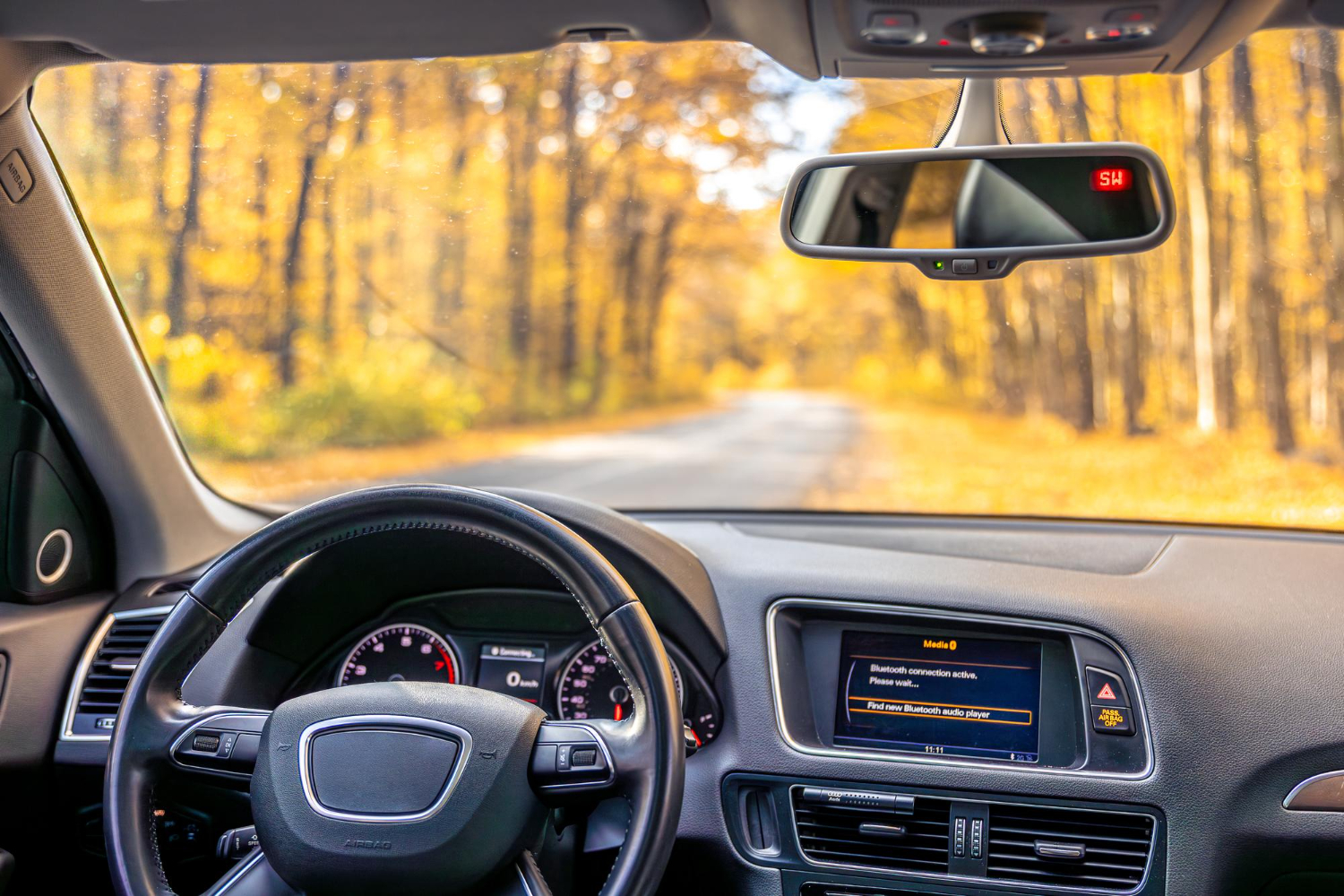
Chargers, sunglasses, tolls, and the trash bag — staged tonight where hands will find them.
The day-before pros assemble the cockpit kit as its own job: charging cables for every device plus the multi-port adapter (counted against passengers, because the deficit always surfaces at 40 percent battery), the phone mount checked for grip, sunglasses staged, the toll transponder or a stash of small bills where the driver can reach it, napkins and wipes in the door, and — the move that separates the professionals — a dedicated trash bag hung within reach, which single-handedly determines whether the car at journey’s end resembles a vehicle or a habitat. Sixty seconds per item tonight; zero rummaging at seventy miles an hour tomorrow.
6. Pack the Snacks Like You Mean It
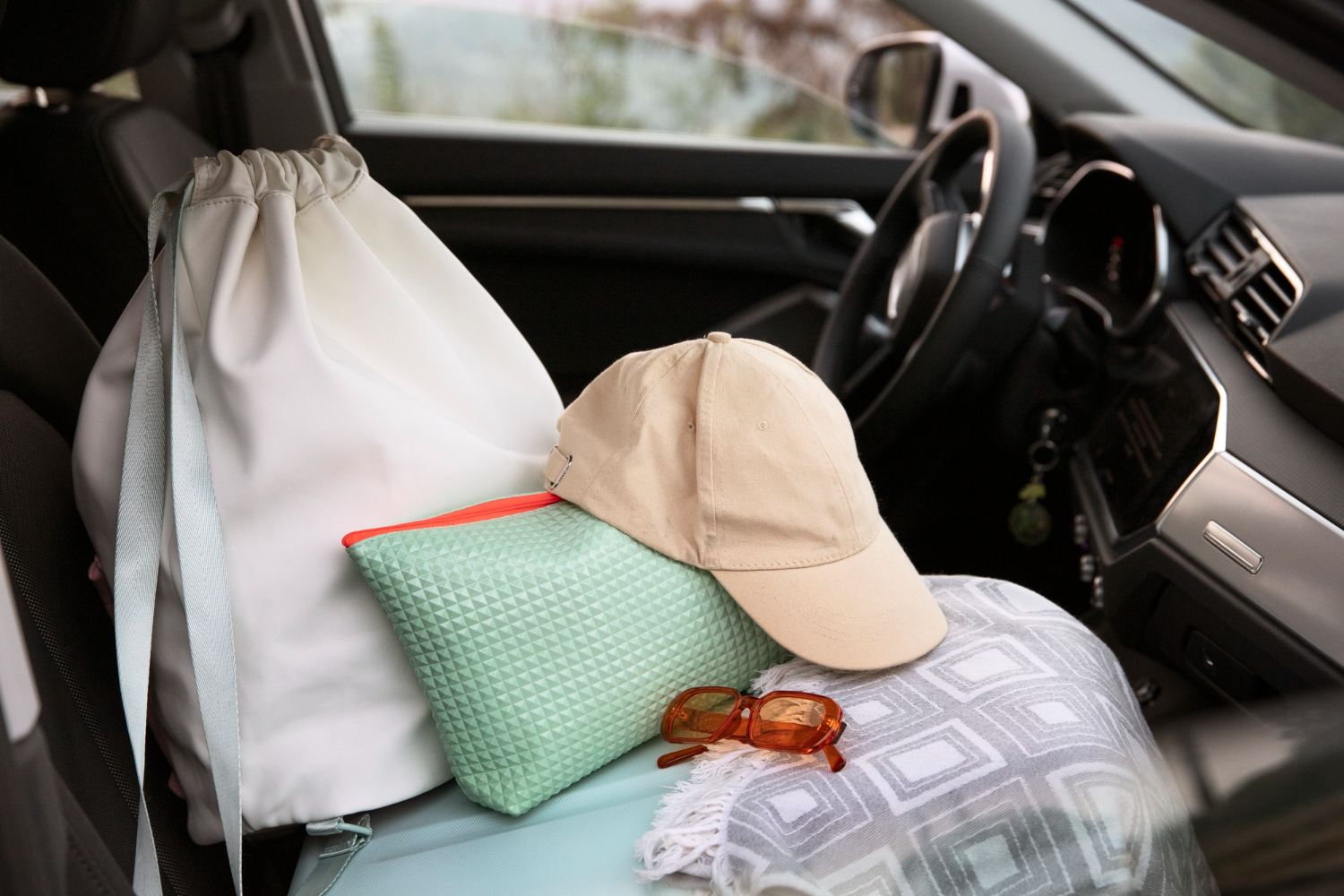
Tonight’s grocery run beats tomorrow’s gas-station markup. Variety and water are the whole game.
The snack bag packed the night before is both economics and diplomacy: the same haul costs a fraction of gas-station pricing, and choosing it together the evening prior converts tomorrow’s back-seat negotiations into settled law. Veterans build for arc — salty, sweet, and one surprise item revealed at the afternoon slump — skew away from melters and crumb-bombs, and pack a water bottle per person plus a reserve flat, because thirst on an interstate is a self-inflicted wound. The final touch: the snack bag rides where a passenger can reach it, not entombed under the luggage where its diplomacy is useless.
7. Run the House Shutdown in Daylight
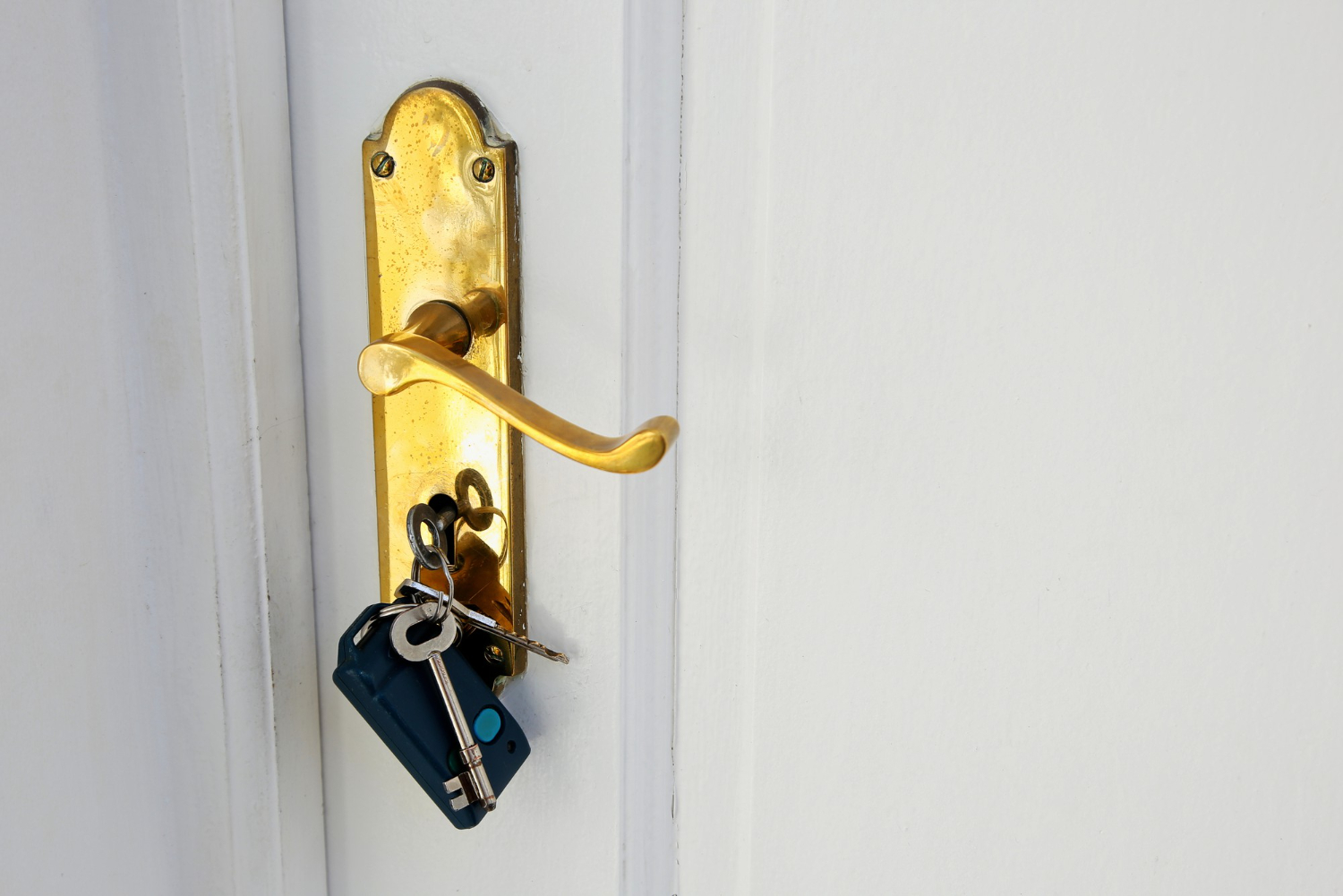
Trash out, dishwasher on, thermostat set, a lamp on a timer. The 6 a.m. version forgets things.
The house routine belongs to the evening before, when brains still work: perishables triaged and trash out (the departure-day bag left behind greets returning families with a memory), dishwasher run, laundry not left wet, thermostat set to away, a lamp on a timer, and the neighbor or house-sitter briefed while confirmations can still happen. Morning-of keeps only the last five: coffee pot off, doors locked, garage down — a list short enough to actually finish at 6:45 with kids in the car. Families that split it this way pull away without the quarter-mile “did we close the garage” debate, which is worth the whole checklist by itself.
8. Choose the First Stop Before You Need It
Pick the two-hour break point tonight. A named destination beats a desperate exit every time.
Veteran drivers pre-select the first stop — a specific town, park, or landmark about two hours out — and the move does quiet wonders: the back seat gets a real answer to “when do we stop” (a name and a time, the two things children respect), the driver gets a target instead of a drift, and the break lands somewhere with trees and decent restrooms rather than whichever exit desperation nominated. The strongest version makes stop one mildly interesting — the overlook, the famous doughnut town — so the trip’s rhythm starts as an adventure rather than an evacuation. Momentum, it turns out, is planned the night before too.
9. Set the Launch Time — Then Protect It Like a Flight
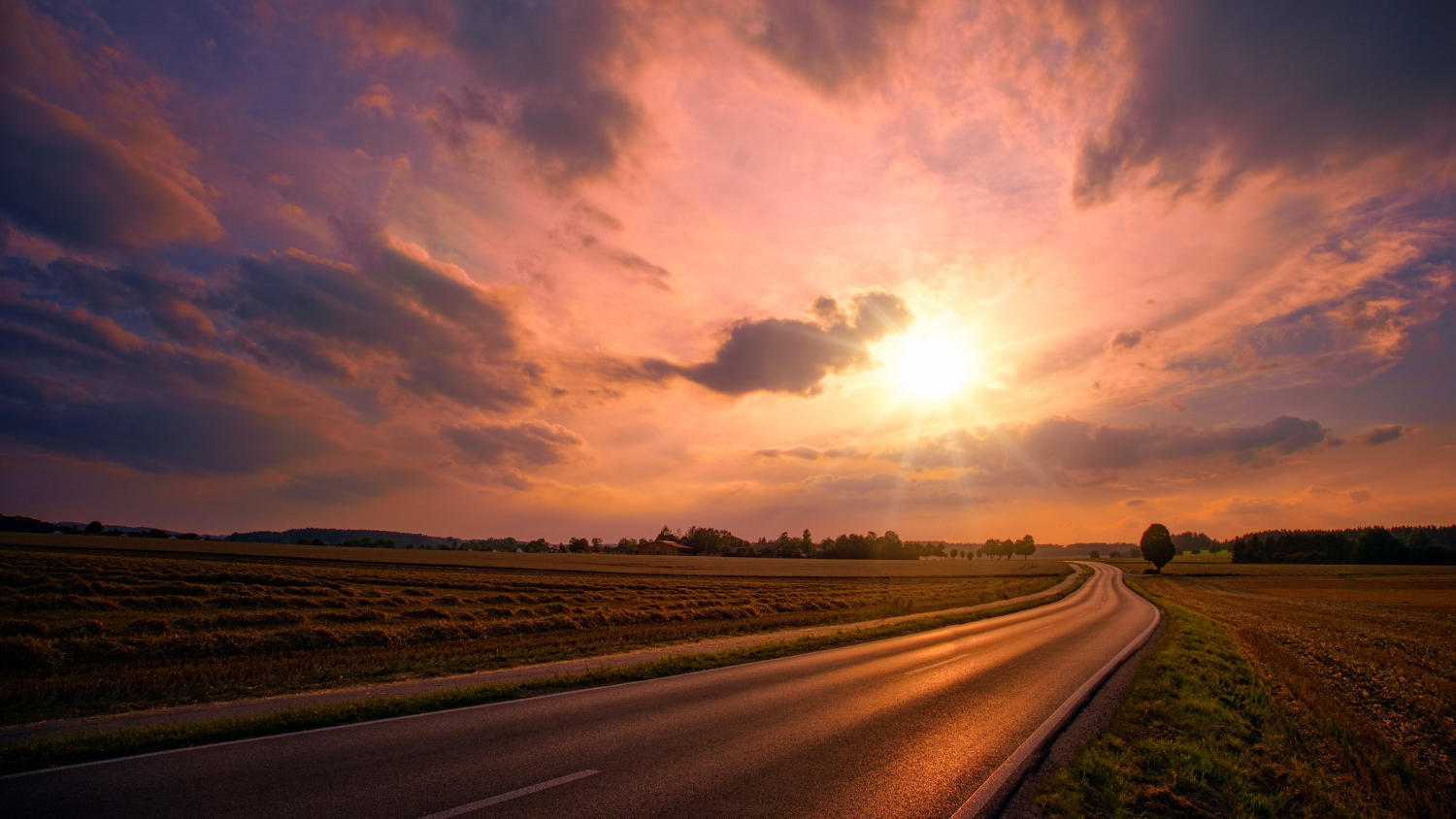
Everyone knows the departure time tonight. Bags by the door, clothes laid out, alarms set.
The final move is declaring the departure time out loud the night before and treating it like an airline does: bags staged by the door tonight, tomorrow’s clothes laid out, alarms set with a margin, and the understanding that the vehicle departs at seven — a psychology that works because it replaces a vague “early start” with a shared commitment. The dawn launch buys empty highways, cool air, and a hundred miles before breakfast, which is why the veterans guard it. And if the household runs eight minutes late anyway: the tank is full, the cooler is cold, the maps are offline, and stop one is already chosen. The day before absorbed the chaos. That was the entire point.
Ninety Minutes Tonight, a Thousand Easy Miles Tomorrow

Tires in daylight, ice in a chilled box, maps in the phone, and a launch time with teeth — the day-before checklist is unglamorous by design, nine small moves that spend ninety evening minutes to buy a morning that simply works. No single item is clever. Together they’re the difference between the 7:02 trip and the 9:40 one.
The deeper trick veterans know: the day-before hour is when the trip actually begins — the cooler chilling in the kitchen, the route argued over the snack bag, the first stop chosen off a map at the table. By the time the car rolls out at dawn, the vacation is already a day old and running smoothly. Steal the checklist, run it tomorrow evening, and see what the 7:02 version of your family looks like. Early reports say: insufferably smug, and two hours ahead of traffic.
Like our content? Follow us for more.