

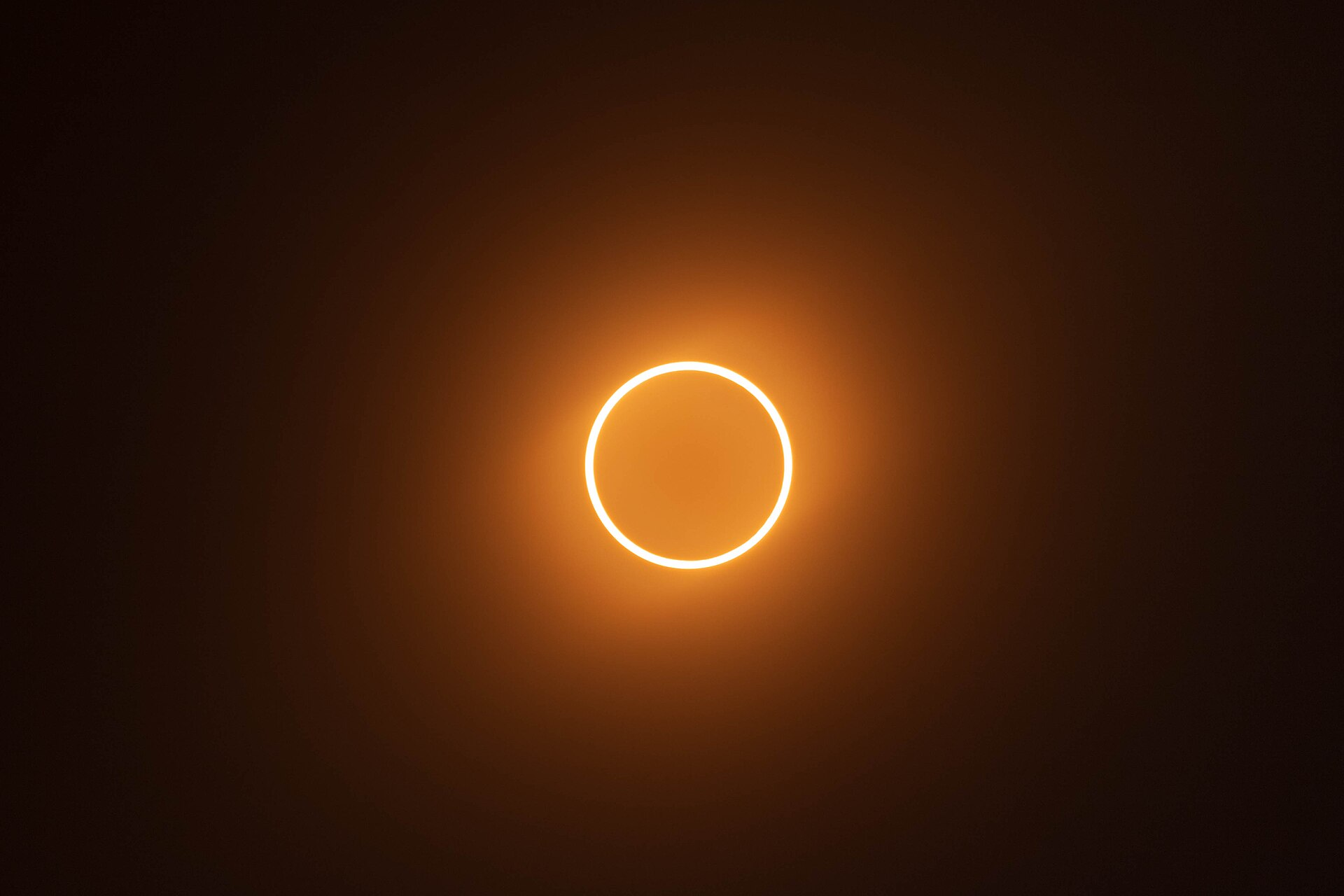
Some months on the calendar are quiet. August 2026 is not one of them. For anyone who looks up — and for travelers willing to plan around the sky — this is shaping up to be one of the most rewarding months in years, headlined by a truly rare coincidence: a total solar eclipse and the peak of the year’s most beloved meteor shower falling on the very same day, August 12.
The August Events Preview, then, is mostly a stargazing preview this year, because the celestial calendar is doing something special. But there’s more to the month than the sky — it’s the heart of festival season across the Northern Hemisphere, the last full month of summer, and a stretch packed with the kind of events worth building a trip around. Here’s a look at what August 2026 has in store, and why this particular August is one to circle.
The Main Event: A Total Solar Eclipse Over Europe
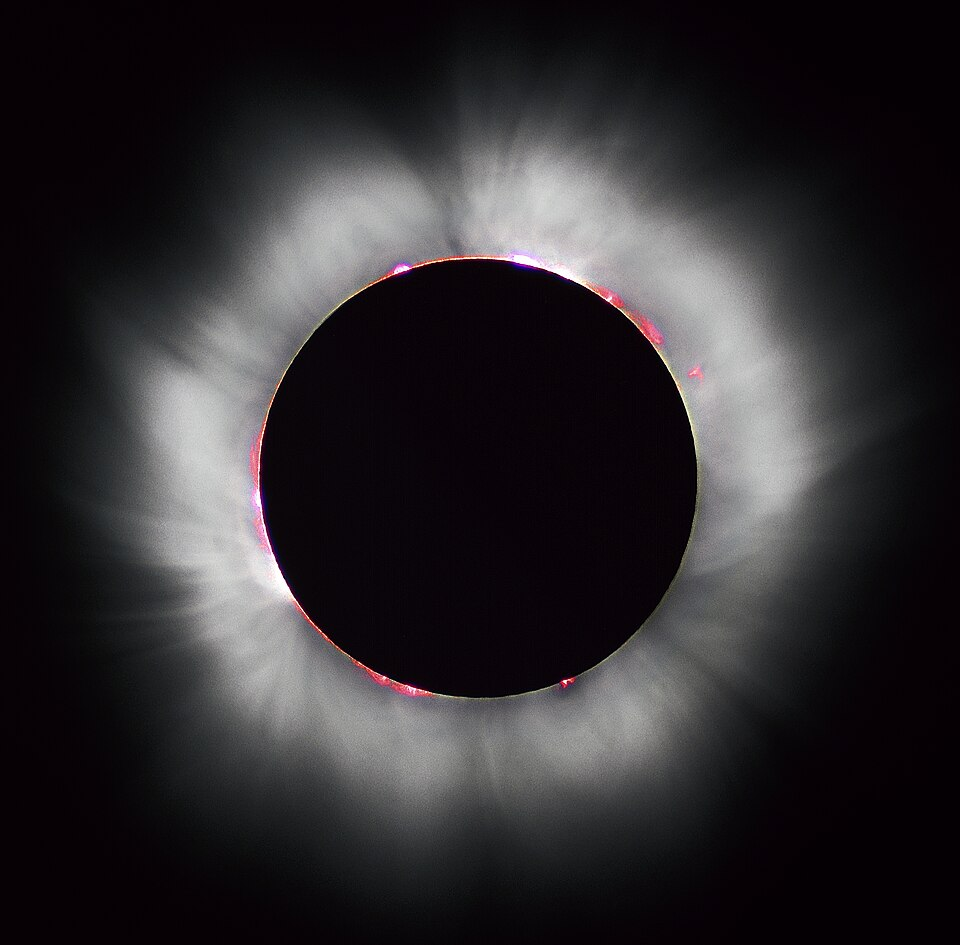
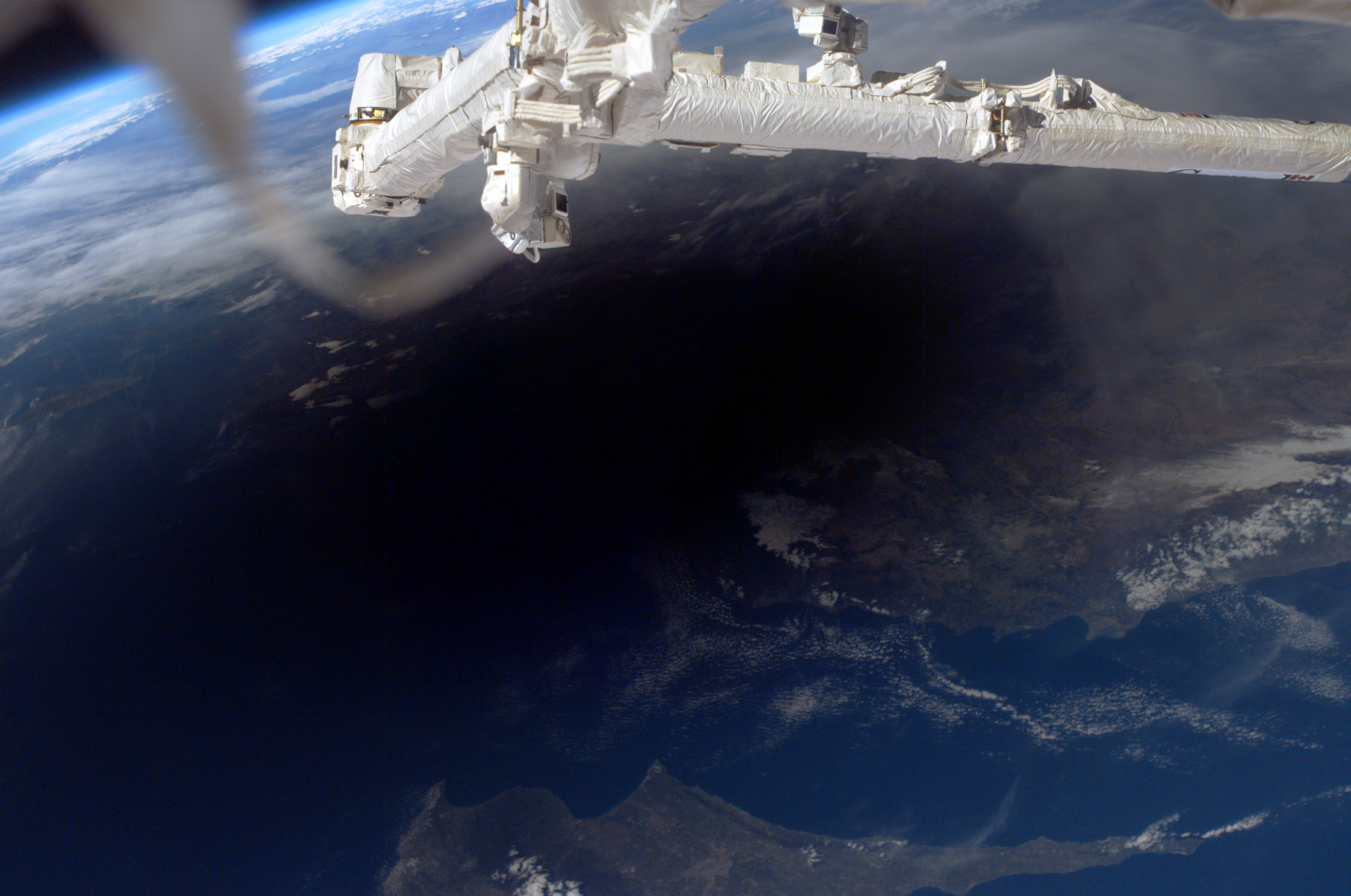
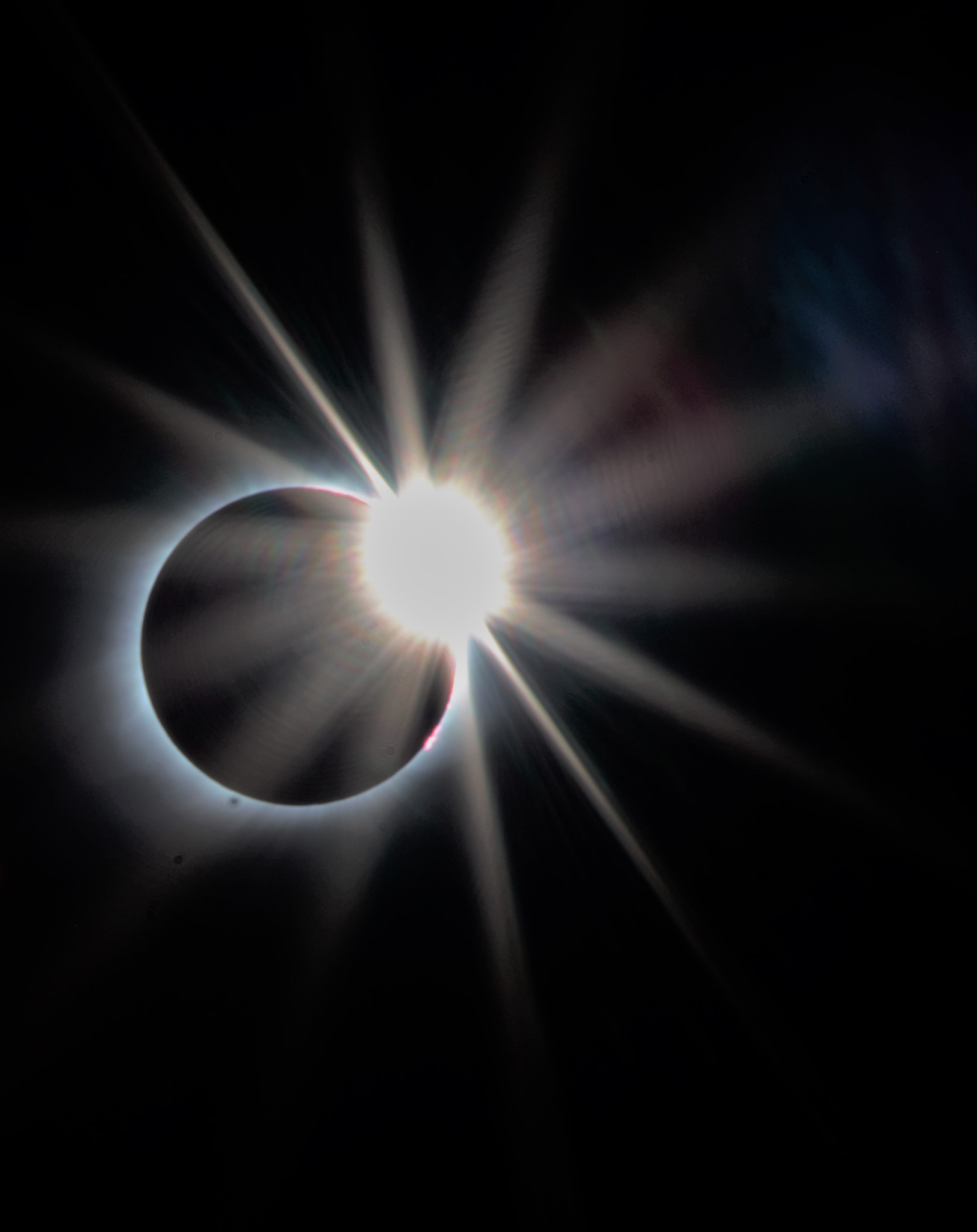
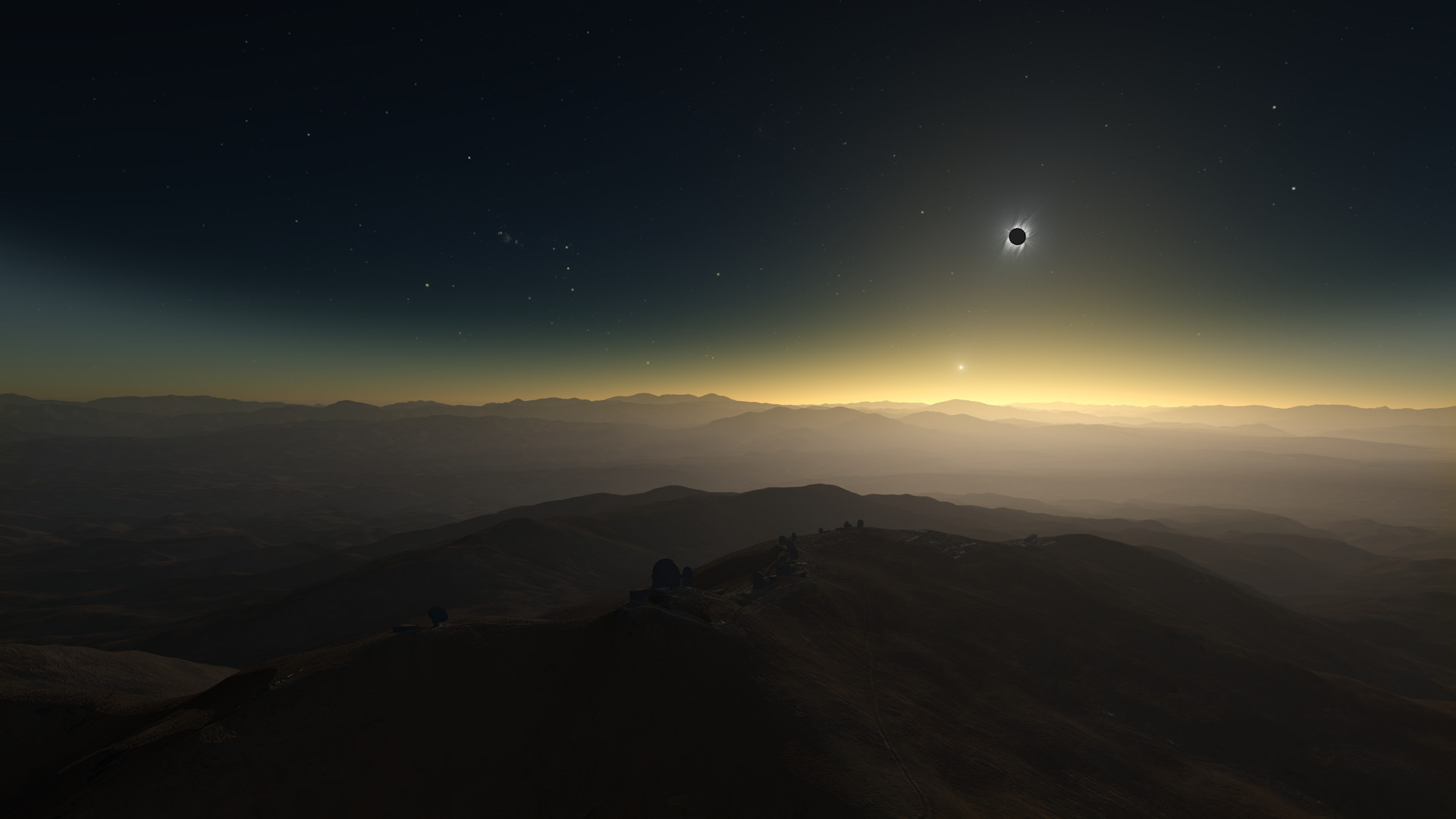
The centerpiece is a total solar eclipse on August 12, and it’s a significant one. The Moon’s shadow will begin in the high Arctic, sweep across Greenland and the western edge of Iceland, cross the North Atlantic, and reach northern Spain and a tiny corner of Portugal near sunset. For the roughly 180-mile-wide path of totality, day will briefly turn to night.
What makes this eclipse historically notable is where it lands. It is the first total solar eclipse visible from mainland Europe since 1999, and the first from mainland Spain in well over a century — a really once-in-a-lifetime event for the millions of people who live along or near the path. Totality itself is brief, lasting under two and a half minutes even at the center of the path and less than two minutes for most locations, but the experience of the sky going dark in the middle of the day is one that people travel across the world to witness. In Spain, there’s an added twist: the eclipse happens with the Sun low on the horizon near sunset, creating the dramatic prospect of an eclipsed sun sinking toward the landscape.
Outside the narrow path of totality, a partial eclipse will be visible across much of Europe, parts of northern North America, and northwestern Africa — so even far from the center, a large fraction of the Sun will appear bitten away by the Moon. The standard and non-negotiable safety rule applies throughout: never look directly at the partially eclipsed Sun without proper certified eclipse glasses, and ordinary sunglasses do not count. Only during the brief moments of total coverage, within the path of totality, is it safe to look with the naked eye.
Like our content? Follow us for more.
The Same Night: The Perseids at Their Best
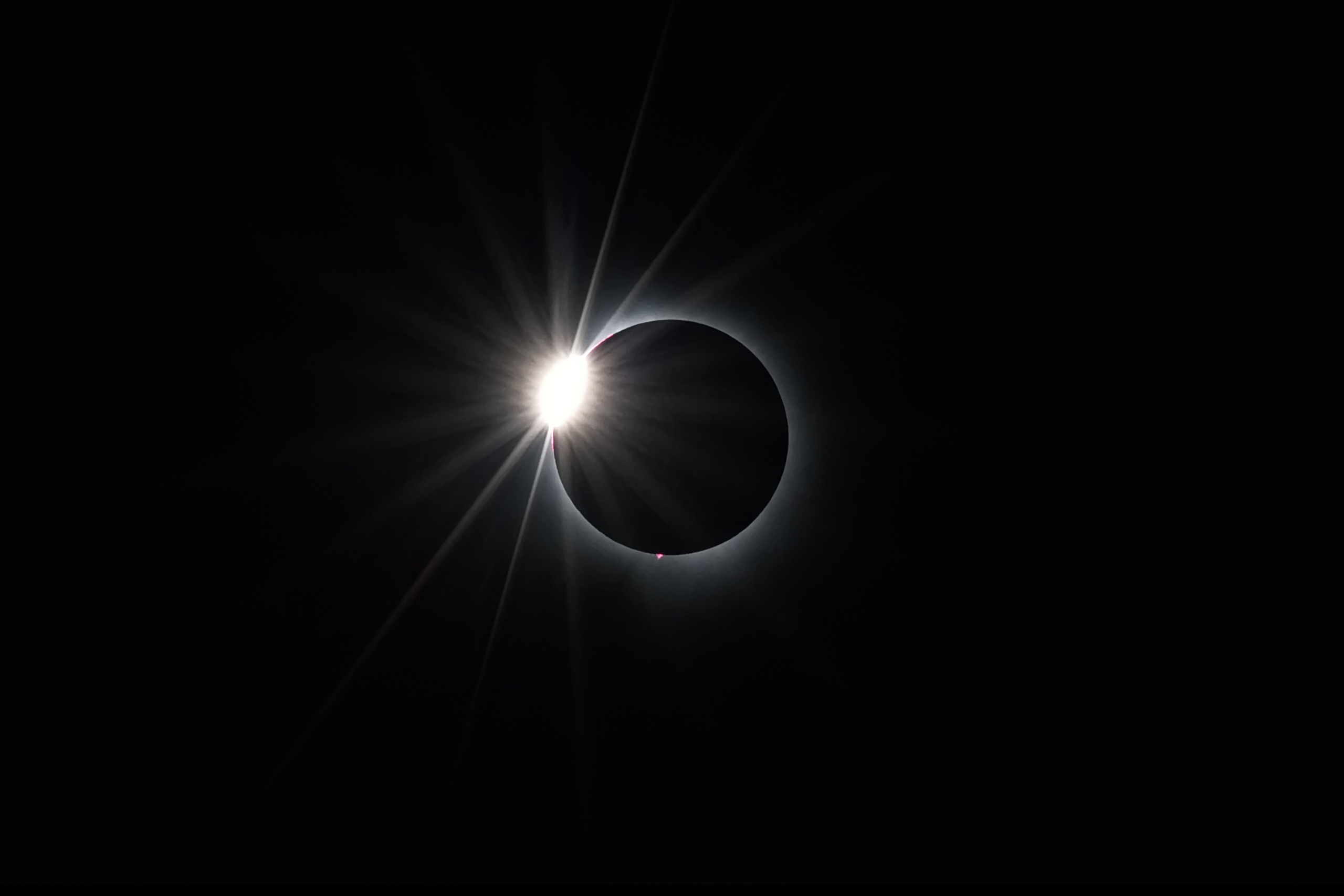
Here’s where August 2026 becomes extraordinary. The total solar eclipse happens because the Moon is new — a solar eclipse can only occur at new moon — and that same new moon transforms the night sky into the darkest possible canvas for the Perseid meteor shower, which happens to be peaking on the night of August 12 into the pre-dawn hours of August 13.
The Perseids are the most popular meteor shower of the year in the Northern Hemisphere, arriving reliably every August with fast, bright meteors that often leave glowing trails, and occasional brilliant fireballs. In a typical year, moonlight washes out many of the fainter meteors, cutting the count significantly. But 2026 is different: with the new moon leaving the sky essentially free of moonlight all night, this is the best Perseid viewing in years. Under dark skies away from city lights, observers can hope to see on the order of 50 to 100 meteors per hour at the peak, building through the night and reaching their maximum in the hours before dawn.
So August 12 offers a real astronomical doubleheader. If you’re in the path of totality, you could theoretically watch the Sun go dark in the late afternoon and then, after nightfall, lie back and watch the Perseids streak across a moonless sky. Even far from the eclipse path, the meteor shower alone makes the night worth staying up for — no equipment needed, just a dark location, a reclining chair, and patience while your eyes adjust.
How to Catch the Sky Show
For the meteor shower, the advice is refreshingly simple, because the best tool is your own eyes. Binoculars and telescopes actually hurt for meteor watching, since they narrow your field of view, and the meteors can appear anywhere in the sky. The recipe is to get as far from city light pollution as you reasonably can — even a 30-minute drive out of a city can dramatically increase the number you see — find an open spot with a wide view of the sky, lie back, and give your eyes a good 20 to 30 minutes to fully adjust to the dark. The hours after midnight and before dawn are best. Warm clothes and something to lie on turn it from a chore into a pleasure.
For the eclipse, the requirements are stricter and depend entirely on location. Seeing totality means being physically inside the narrow path — in parts of Greenland, Iceland, or northern Spain — and eclipse travel books up far in advance, so this is not a spontaneous trip. Weather is the great variable, with clear skies far from guaranteed in Iceland or Greenland, and it’s the reason eclipse chasers obsess over forecasts and keep their plans flexible. Anyone traveling for it should have certified eclipse glasses in hand well before the day. And for the vast majority of people who won’t be in the path, a partial eclipse from home is still worth stepping outside for, with the same eye protection.
Beyond the Sky: Festival Season Peaks
August is also the beating heart of the Northern Hemisphere’s festival and event season, and the month is thick with reasons to travel that have nothing to do with astronomy. It’s peak season for major arts festivals, music events, and cultural celebrations across Europe and North America, and the warm weather makes it prime time for outdoor gatherings of every kind.
This is the month of the great summer arts festivals in cities like Edinburgh, of Caribbean carnival celebrations, of countless food and harvest festivals as the first crops come in, and of the county and state fairs that define late summer across the United States. It’s also, in the Northern Hemisphere, the last full month of summer proper, which lends everything a certain urgency — the final long evenings, the last stretch of beach weather, the push to squeeze in one more trip before the season turns. Late August brings the first signals of autumn and the back-to-school rhythm, which is exactly why so much gets packed into the weeks before it.
Planning Your August
The practical takeaway is that August rewards a bit of advance thought this year. If the eclipse is on your bucket list, the time to plan was yesterday — but even now, getting into the path in Spain or Iceland for August 12 is a trip worth scrambling for, weather permitting. If that’s not feasible, the Perseids are democratic: free, visible across the whole Northern Hemisphere, and unusually spectacular this year thanks to the dark sky, requiring nothing but a clear night and a drive away from the lights.
Beyond the headline sky events, August is one of the best months of the year to travel for festivals, warm-weather escapes, and the last full taste of summer. It’s also worth remembering that peak season means peak crowds and prices at popular destinations, so a little strategy — booking ahead, considering shoulder locations, and building in flexibility — goes a long way.
The Month to Look Up
Every August has the Perseids, and that alone makes it the best stargazing month of the year for most people. But August 2026 layers something honestly rare on top: a total eclipse over Europe on the same day the meteors peak under a moonless sky, a combination that won’t come around again for a long time. It’s the kind of alignment that turns a casual interest in the sky into a reason to set an alarm, drive somewhere dark, or even book a flight.
Whether you make it into the eclipse path or simply step into your own backyard on the night of the 12th, this is a month that rewards looking up. Circle August 12, check the forecast, find a dark spot, and don’t forget the eclipse glasses if you’re chasing totality. The sky is putting on its best show in years, and the ticket, for the meteors at least, is free.
Like our content? Follow us for more.
