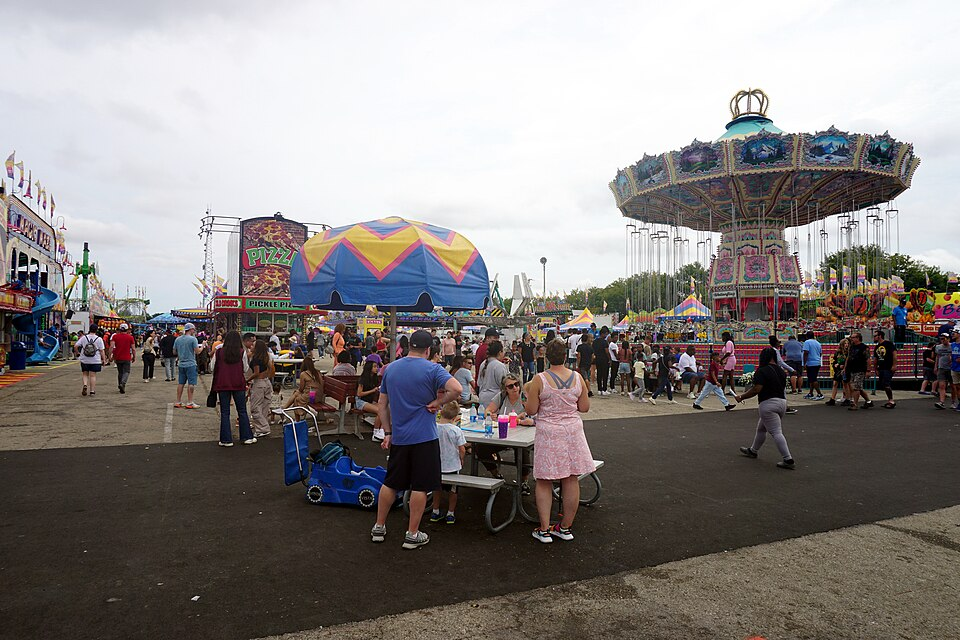
For generations of Americans, the county or state fair has been the highlight of late summer — a few days when the whole region converges on the fairgrounds for food, rides, livestock, competition, and the particular magic of a midway lit up against the night sky. Fairs are one of the most durable traditions in American life, rooted in agricultural exhibitions going back to the 1800s and still running, largely unchanged in spirit, every August and September across the country. Here are thirteen things that define the fair, most of which you’d have found a hundred years ago and can still find today.
1. The Ferris Wheel Against the Sunset
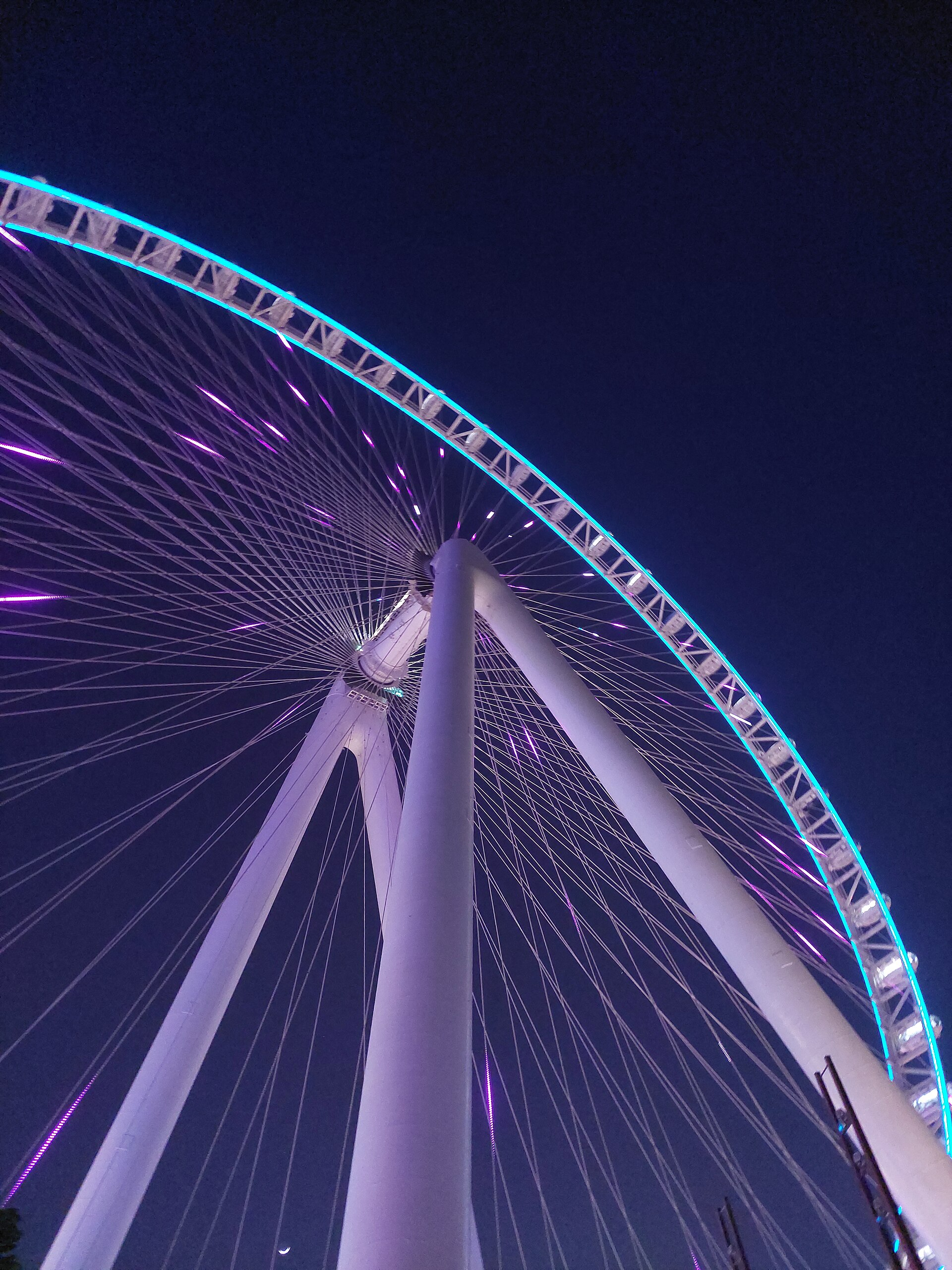
Every fair has one, and it’s the emotional center of the whole midway.
No object says “fair” like the Ferris wheel, rising above the fairgrounds and turning slowly against the evening sky, its lights coming on as dusk falls. It’s the anchor of the midway, the ride you can see from the parking lot, and the one that gives the whole event its skyline. From the top, you get the classic view — the entire fair spread out below, the lights, the crowds, the fields beyond — and a moment of quiet suspension above all the noise. Ferris wheels have been a fair staple since the 1890s, and the sight of one against a summer sunset is pure, uncomplicated nostalgia.
Like our content? Follow us for more.
2. Deep-Fried Everything
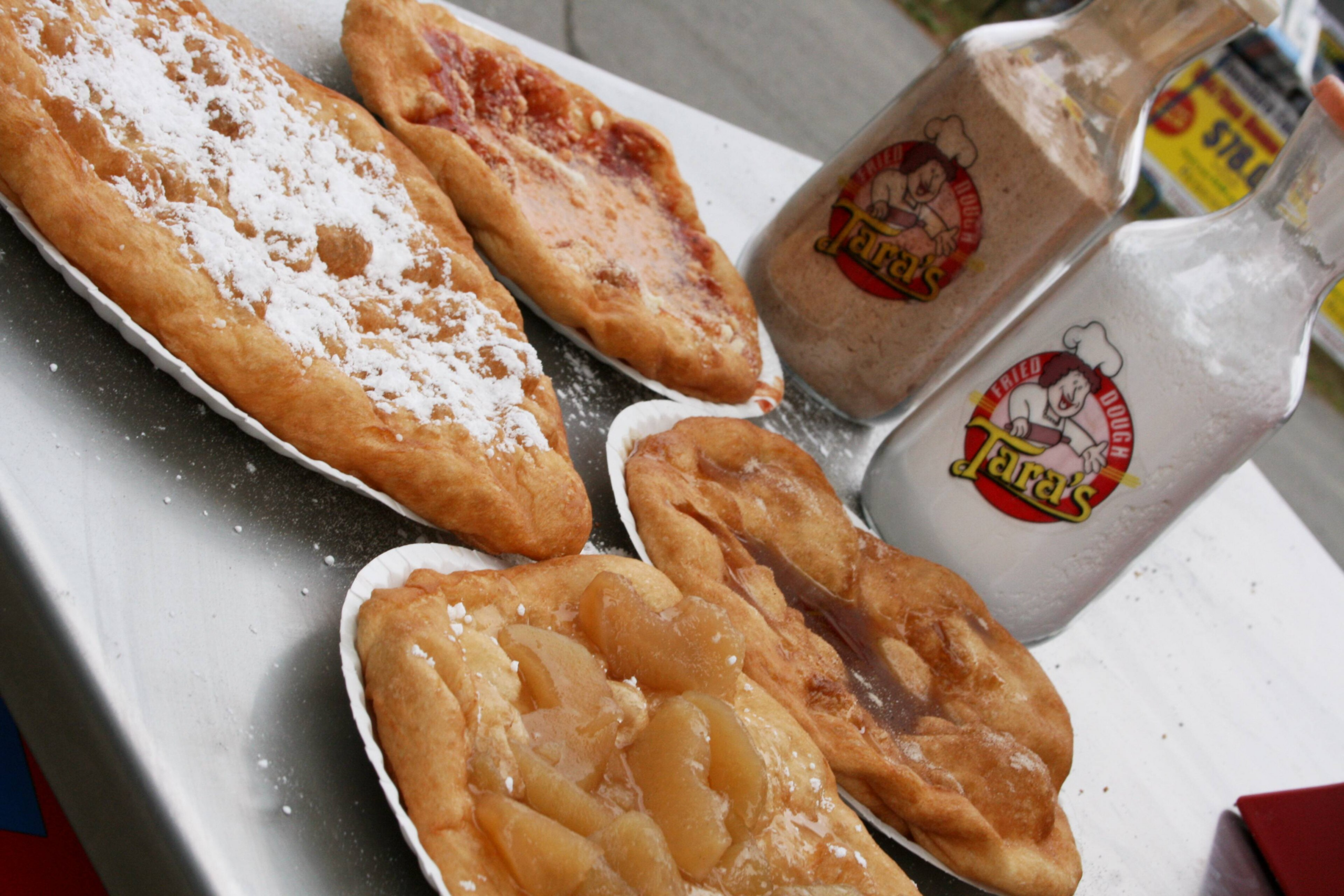
If it exists, someone at the fair has battered it and dropped it in a fryer.
Fair food is its own food group, and the governing principle is that anything can and should be deep-fried. The classics — funnel cakes dusted with powdered sugar, corn dogs, fried dough, onion rings — have been joined over the years by an ever-escalating arms race of novelty fried foods, as vendors compete to batter and fry the most improbable items imaginable. It’s indulgent, it’s completely unhealthy, and it’s an essential part of the experience; nobody goes to the fair to eat sensibly. The smell of frying dough and sugar hanging over the fairgrounds is one of the defining sensory memories of an American summer.
3. The Prize Livestock
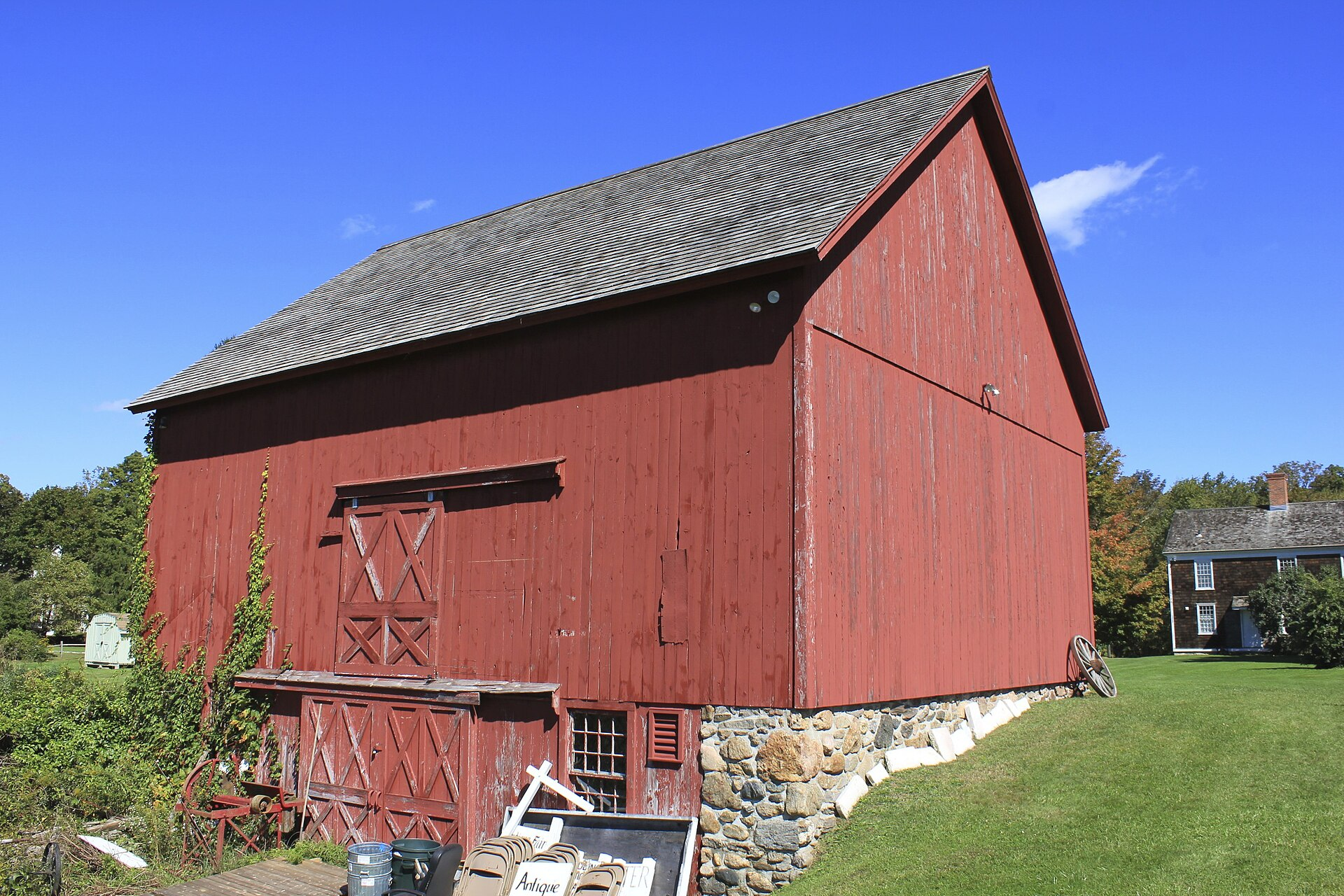
Enormous, immaculately groomed animals competing for ribbons in the barns.
At the heart of every fair, and the reason fairs exist in the first place, are the livestock competitions. The barns fill with prize cattle, hogs, sheep, goats, chickens, and rabbits, washed and groomed to perfection by the families and young people who raised them, competing for ribbons and bragging rights. For farm kids, especially those in agricultural youth programs, the fair is the culmination of a year’s work raising an animal, and the auction of a champion can be a truly big deal. For everyone else, wandering the barns to see a hog the size of a small car is a fair tradition unto itself.
4. The Blue Ribbon Competitions
Pies, jams, quilts, and vegetables, judged and ribboned in the exhibition hall.
Beyond the livestock, the exhibition halls host the fair’s gentler competitions: the best pie, the finest jam, the largest tomato, the most impressive quilt, the prettiest flower arrangement, the biggest pumpkin. Home cooks, gardeners, and crafters bring their finest work to be judged, and the coveted blue ribbon for first place is a point of real local pride that can crown a reputation for a whole year. There’s something wonderfully wholesome and enduring about a competition to determine whose preserves are best, and it connects the modern fair directly to its agricultural-exhibition roots.
5. The Midway Games You Can’t Win
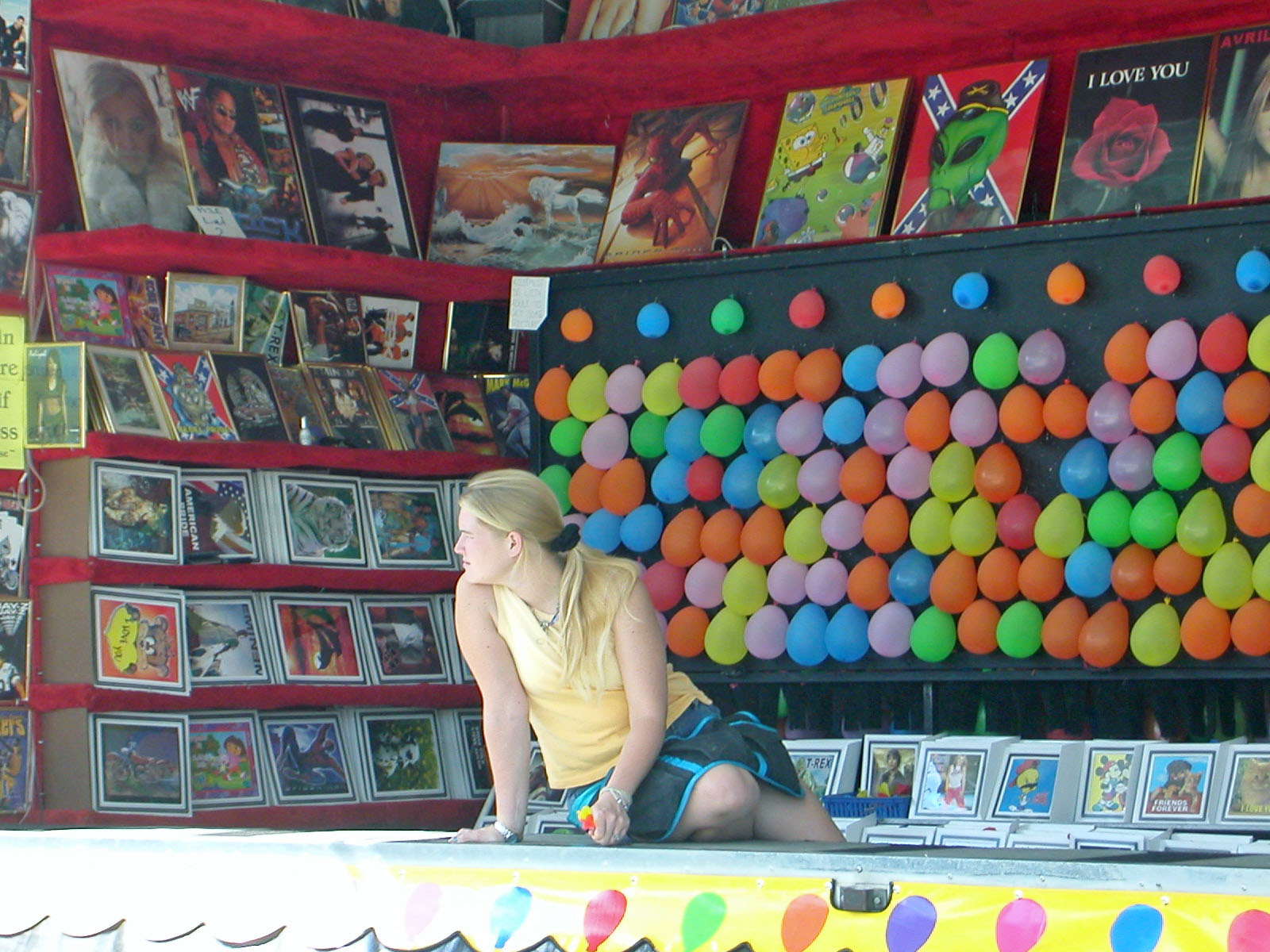
Ring tosses and milk-bottle throws designed to separate you from your money.
The midway games are a fair institution built on hope and stubbornness: toss the ring over the bottle, knock down the milk cans, shoot the target, pop the balloon, and win an enormous stuffed animal. Everyone knows, on some level, that the games are engineered to be very hard to win, and everyone plays anyway, because the appeal is in the trying and in the rare, glorious victory. The oversized plush prizes carried around the fairgrounds by triumphant winners are a walking advertisement, and the barker calling you over to try your luck is a sound as old as the midway itself.
6. Cotton Candy and Candy Apples
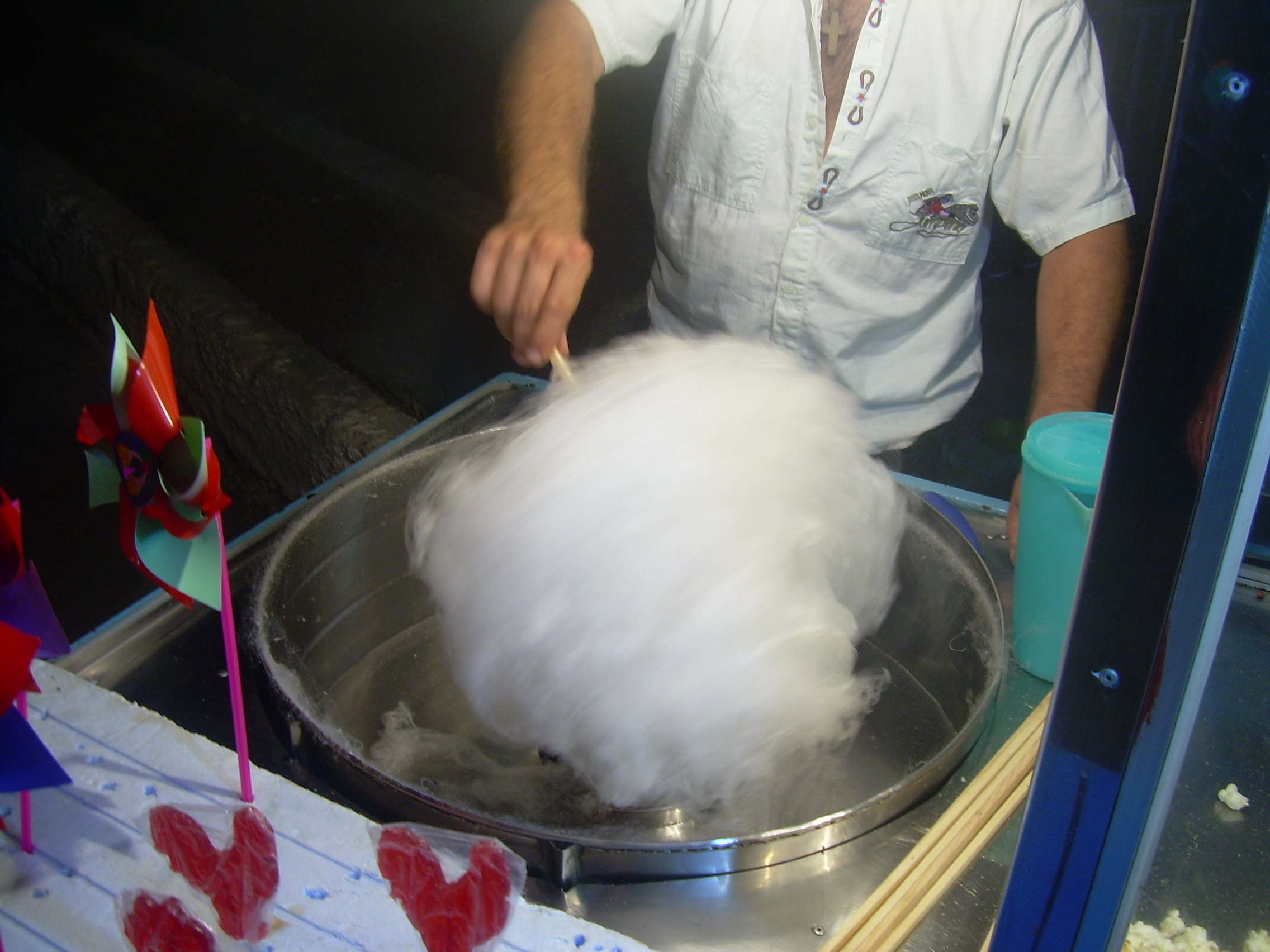
Spun sugar and caramel-dipped apples in the hands of sticky children everywhere.
The sweets of the fair are timeless. Cotton candy, spun from sugar into an impossible pink or blue cloud on a paper cone, is pure edible whimsy, and candy apples and caramel apples on sticks are a fall-tinged classic. These treats have barely changed in a century, and they turn up in the hands of kids across every fairground, leaving the characteristic sticky residue on faces and fingers. The sight of a child dwarfed by a cone of cotton candy nearly as big as their head is one of the fair’s most reliable and charming images.
7. The Rickety Traveling Rides
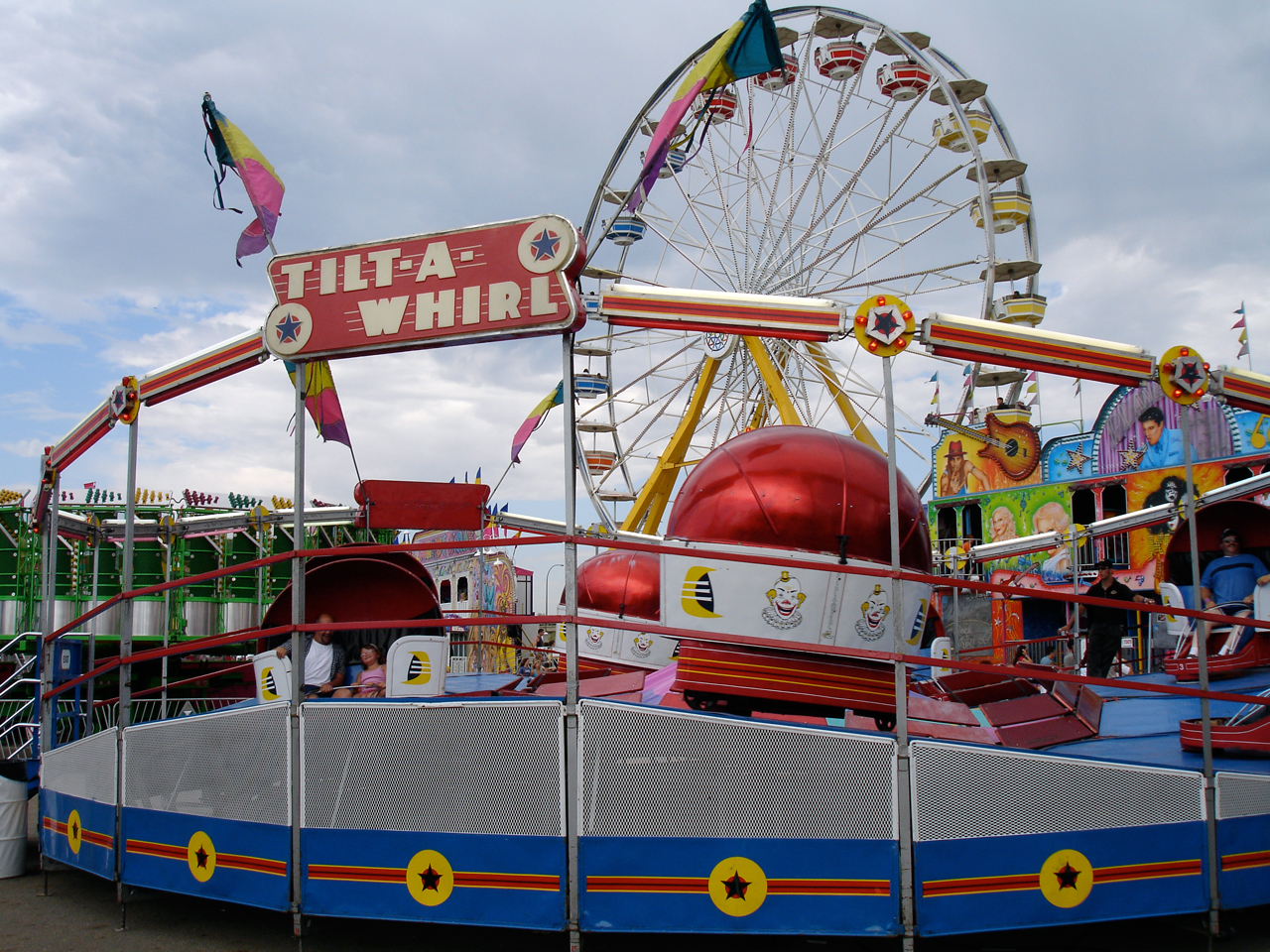
The Scrambler, the Tilt-A-Whirl, and rides that get assembled in a day and torn down the next.
Beyond the Ferris wheel, the midway is packed with spinning, whirling, stomach-turning rides — the Scrambler, the Tilt-A-Whirl, the Zipper, the carousel for the little ones — operated by traveling carnival companies that assemble the whole apparatus in a day and dismantle it just as fast to move to the next town. Part of the thrill has always been the slight sense that these portable contraptions are held together with bolts and faith, but they’re a beloved fixture, and the flashing lights and blaring music of the ride midway at night is the beating heart of the fair.
8. The Grandstand Show
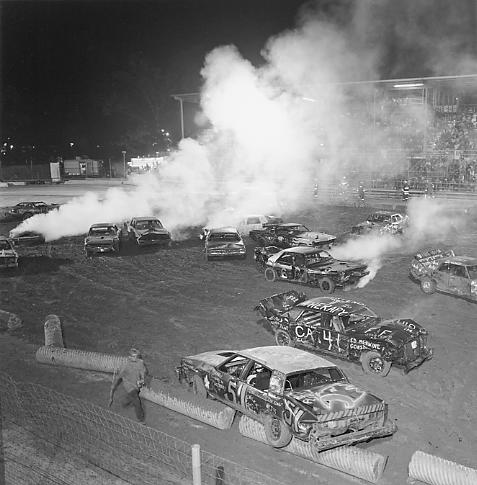
A concert, a demolition derby, or a rodeo drawing the evening crowds.
Most fairs have a grandstand, and the grandstand has the big-ticket evening entertainment: a concert by a touring musician, a rodeo, a tractor pull, a motocross show, or the perennial crowd favorite, the demolition derby, in which drivers deliberately smash old cars into each other until only one is running. These events draw the biggest crowds of the fair and often require a separate ticket, and they give the fair its marquee attractions. The demolition derby in particular is a distinctly American spectacle, loud and chaotic and enormously fun to watch.
9. The Agricultural Displays
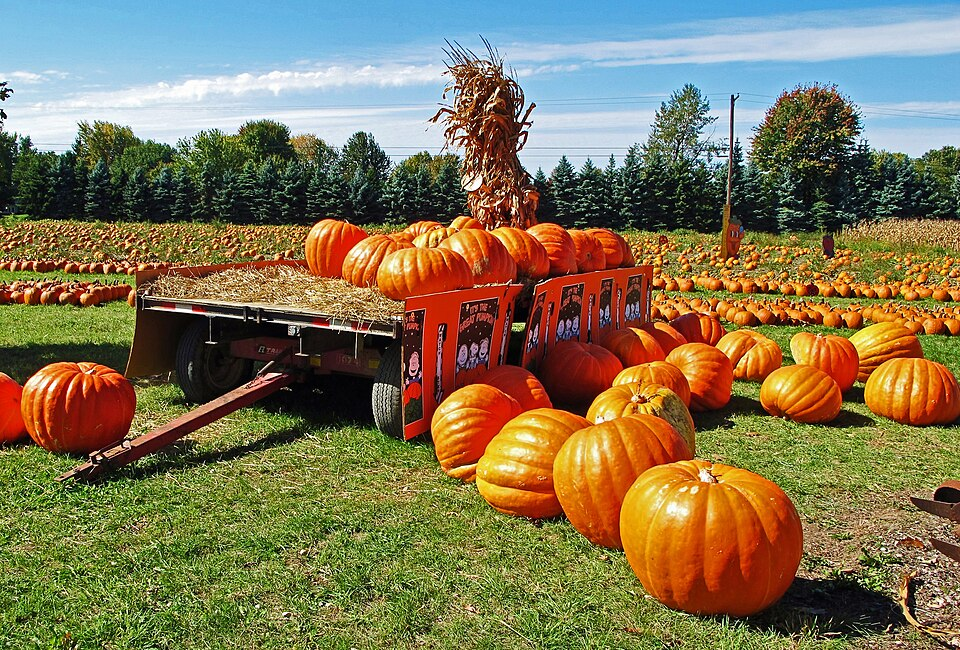
Giant vegetables, crop exhibits, and the biggest pumpkin you’ve ever seen.
Fairs remain, at their core, agricultural showcases, and the displays of produce and crops are a highlight. The giant pumpkin competition, where growers bring in gourds weighing hundreds or even over a thousand pounds, is a fair classic that draws crowds every year. Alongside it are displays of prize vegetables, honey, wine, and the region’s agricultural bounty, celebrating the harvest and the farming heritage that fairs were created to promote. In an increasingly urban country, the fair is one of the few places many people encounter this side of agriculture at all.
10. The 4-H and FFA Kids
Young people in matching shirts, showing the animals and projects they’ve raised all year.
Threaded through every fair are the young people of agricultural youth organizations, in their recognizable jackets and shirts, showing the livestock they’ve raised, presenting projects, and competing in events. For these kids, the fair is the main event of the year, the culmination of months of work feeding, grooming, and training an animal, and the lessons in responsibility and agriculture run deep. Watching a nervous ten-year-old lead a steer twice their size around the show ring is one of the fair’s most truly heartwarming sights, and it represents the tradition being passed to the next generation.
11. The Sights and Smells You Never Forget
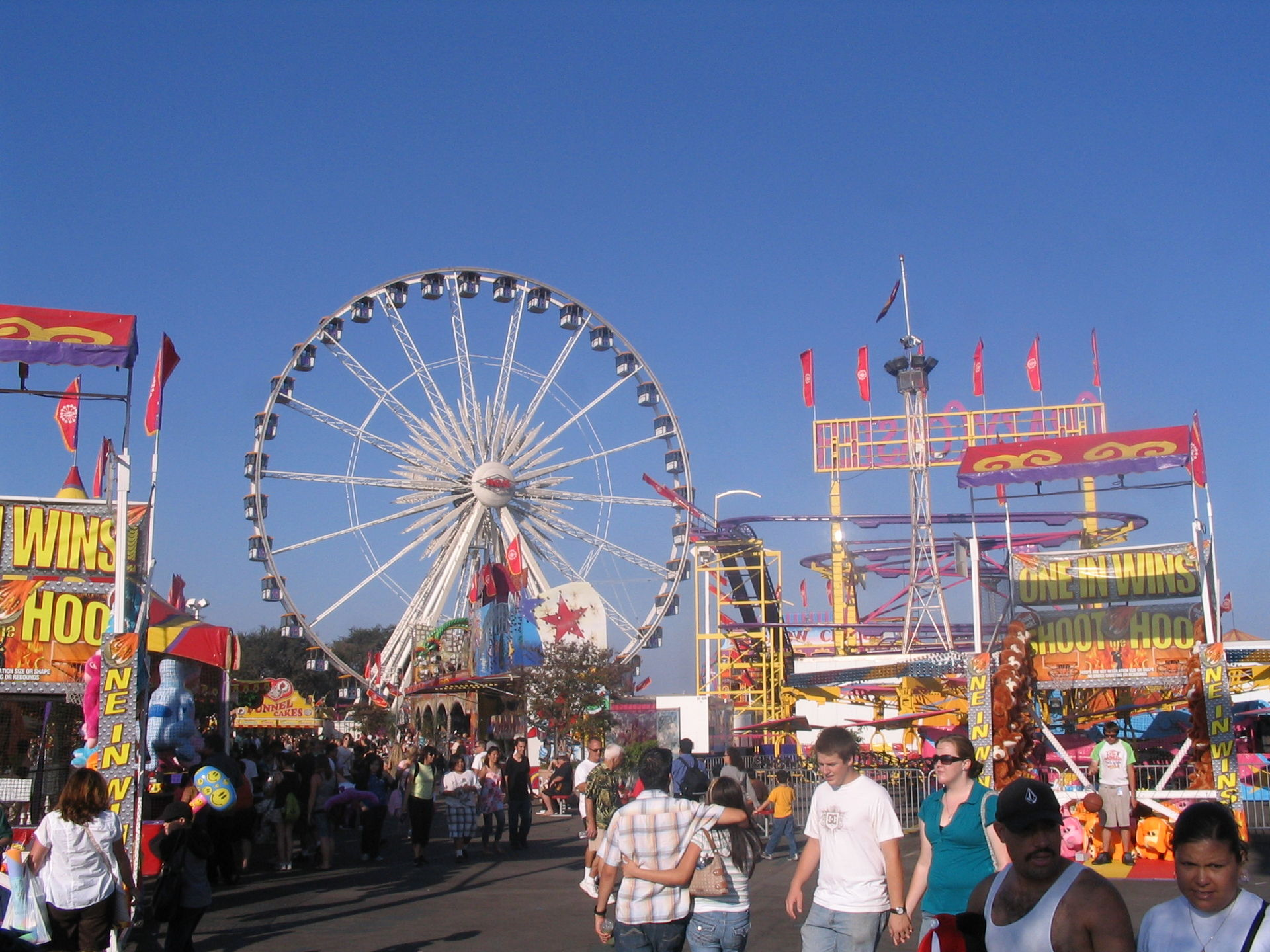
The specific sensory signature of the fair, unchanged for generations.
The fair is an assault on the senses in the best way, and its particular combination is unmistakable: fried food and livestock and diesel and sawdust and sugar, all mingling in the warm evening air. The sounds are just as specific — the midway music, the barkers, the animals in the barns, the roar of the demolition derby, the screams from the rides. Anyone who grew up going to the fair can conjure the whole experience instantly from a single whiff of funnel cake. It’s a sensory time capsule that has stayed remarkably consistent across decades and regions.
12. Local Vendors and Craft Booths
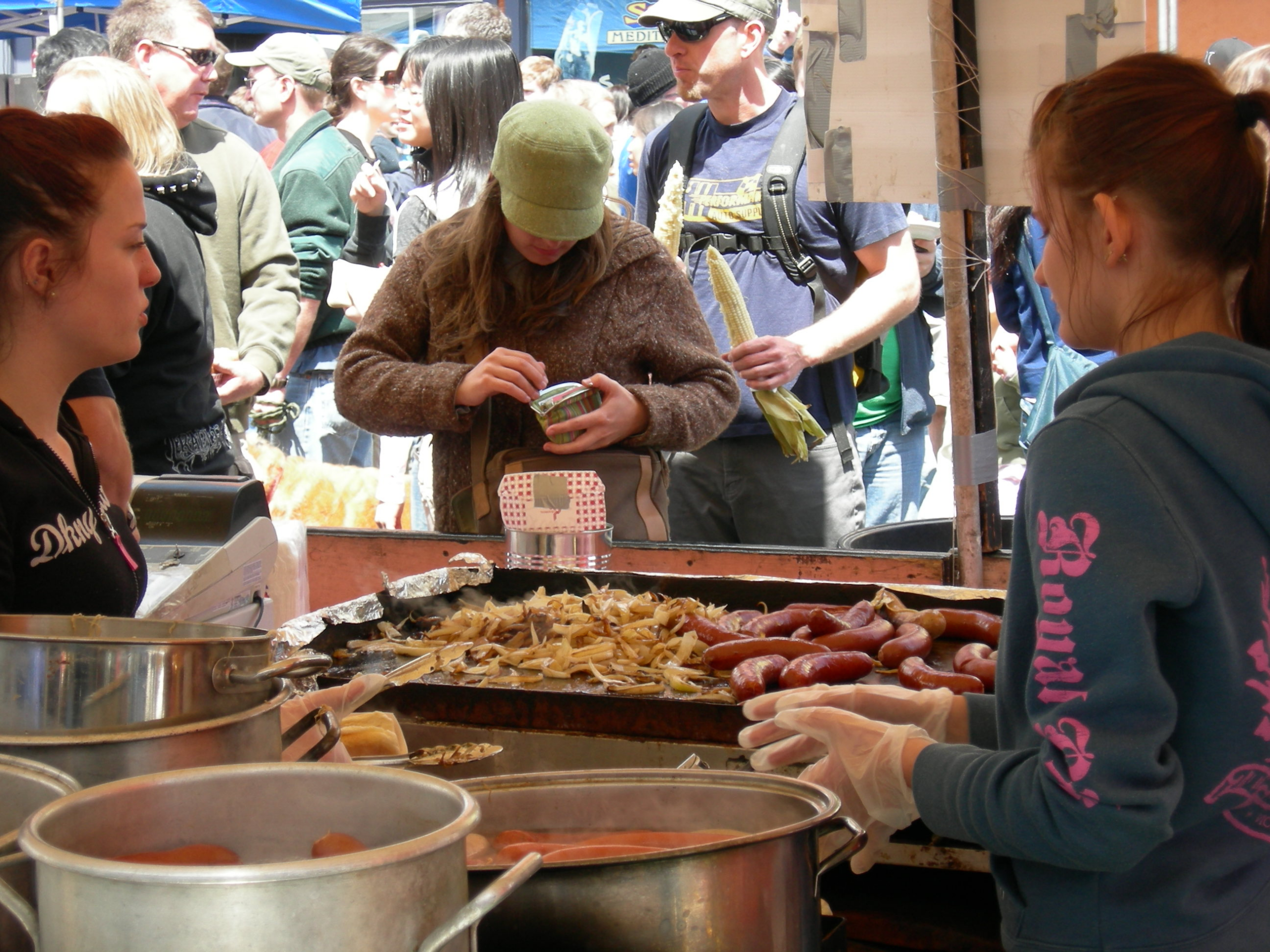
Homemade goods, kettle corn, and small businesses lining the walkways.
Between the rides and the barns, the fair is lined with vendor booths selling everything from kettle corn and lemonade to handmade crafts, tools, hot tubs, and every manner of local product. Community organizations run food stands as fundraisers, local businesses set up shop, and the whole thing functions as a giant marketplace and community gathering. This mix of commerce and craft is part of the fair’s role as a real community event, a place where the whole county turns out and does business with its neighbors.
13. The Sense That Summer Is Ending
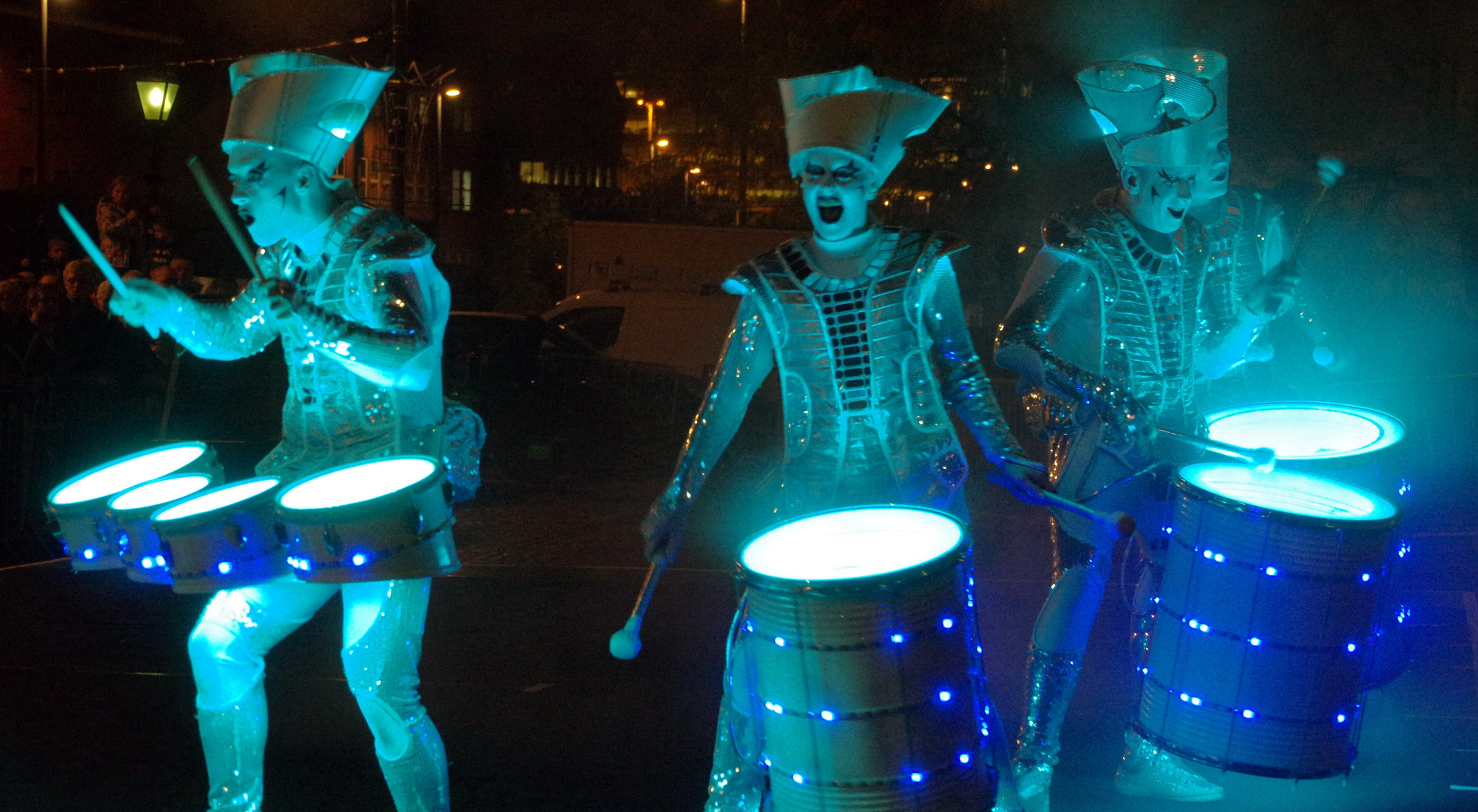
The fair marks the turn of the season, and everyone feels it.
Finally, the fair carries a bittersweet significance that goes beyond its individual attractions: it comes at the end of summer, in August and early September, and it functions as the season’s grand finale. For kids, it often falls in the last days before school starts, giving it the poignant quality of a last hurrah. The lights of the midway against the darkening late-summer sky carry a whiff of endings — of the long warm days running out. That emotional undercurrent, the fair as the closing ceremony of summer, is part of what makes it so deeply memorable.
The Institution That Never Changed
A Ferris wheel against the sunset, a fried everything, a blue-ribbon pie, a hog the size of a couch, and the specific smell of the whole thing — the American county fair is a tradition so stable that a visitor from a century ago would recognize almost all of it instantly.
That continuity is exactly the point. In a country that reinvents itself constantly, the fair is a fixed point, still celebrating agriculture, still frying dough, still turning that Ferris wheel, still handing out blue ribbons to proud kids and prize hogs. It connects modern families directly to the agricultural roots of their communities and to the summers of their own childhoods. Whatever else changes, the fair comes around every year, smelling of funnel cake and lit up against the August sky — and long may it continue.
Like our content? Follow us for more.