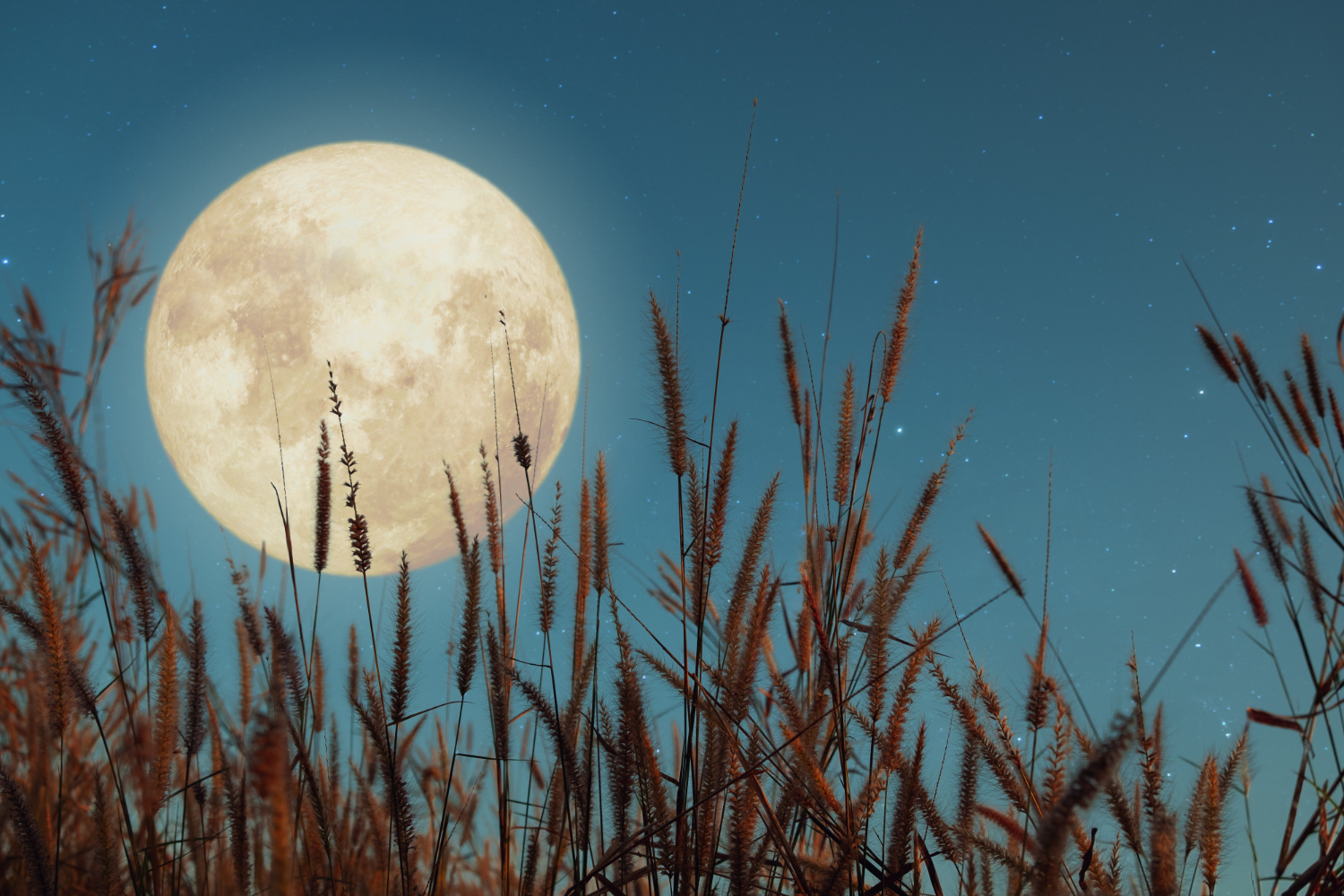
A full moon is the easiest and most reliable spectacle in all of skywatching — no equipment, no dark sky, no special timing required — and July’s Buck Moon, the first full moon of summer, is a particularly lovely one, rich in folklore and worth stepping outside for. Rising on the evening of July 29, 2026, it carries centuries of names and stories, from fast-growing antlers to summer thunderstorms. Here are fourteen things to know about the Buck Moon and the deep tradition of naming the sky.
1. It Rises on the Evening of July 29
Mark your calendar for the last Wednesday of July.
The Buck Moon reaches peak fullness on July 29, 2026, technically in the morning by U.S. clocks, but that hardly matters for viewing. A full moon looks completely full to the naked eye for about a day on either side of its exact peak, so the ideal time to watch is simply the evening of July 29, after sunset. Step outside, look toward the southeast, and you’ll find it climbing into the sky. No telescope, no dark-sky site, and no alarm clock required — just a clear evening and a few minutes of your time.
Like our content? Follow us for more.
2. It’s Named for Deer Antlers
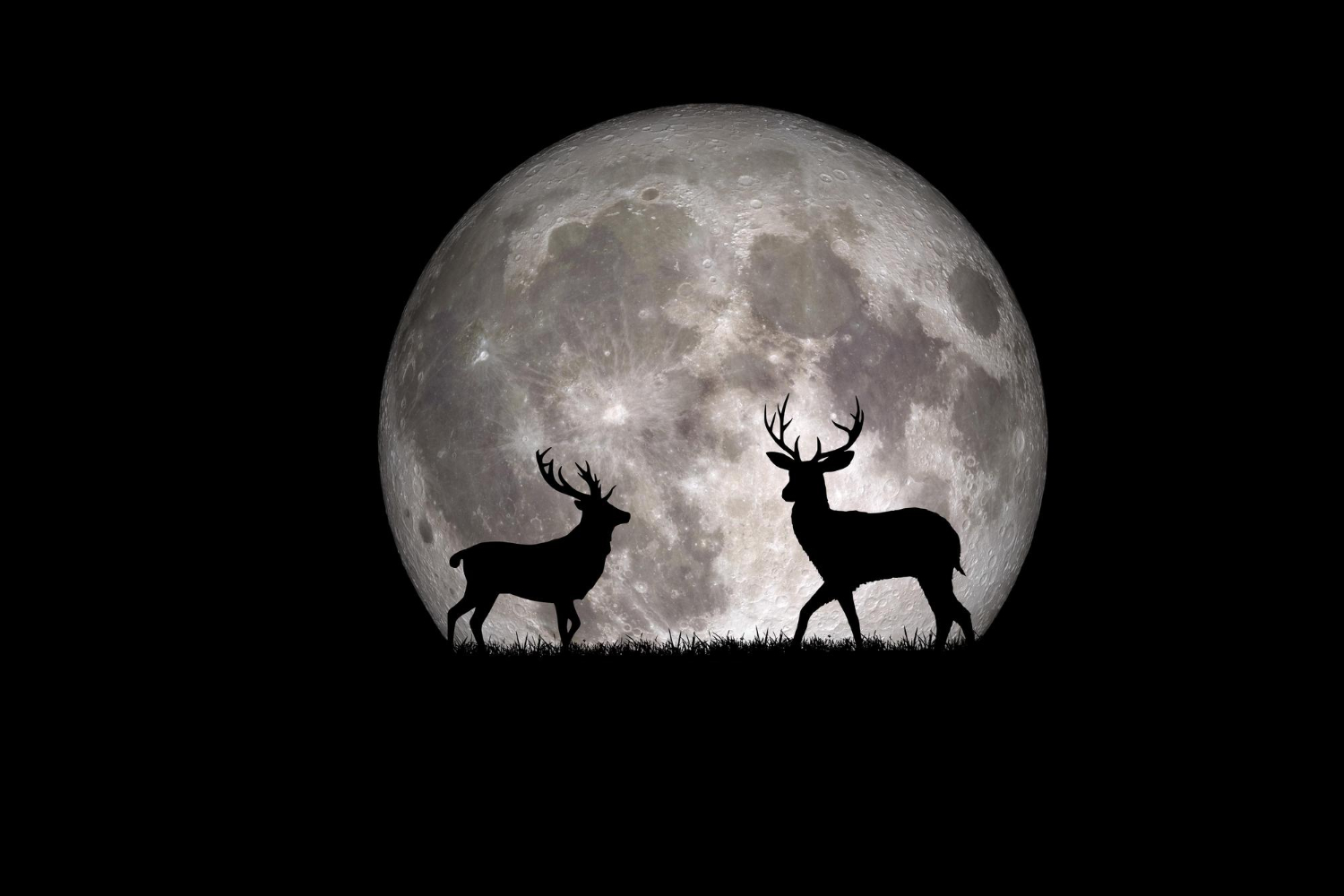
The name marks what bucks are doing every July.
July’s full moon is called the Buck Moon because it falls when male deer, or bucks, are growing their new antlers, which are in full-growth mode at this point in the summer. The name is most often traced to the Algonquin peoples of the northeastern United States and spread through colonial New England to become the standard English name for the July moon. It’s a perfect example of how traditional moon names work: each one is a snapshot of what nature was doing at that moment in the year, and July belongs to the antlered deer.
3. Those Antlers Are a Biological Marvel
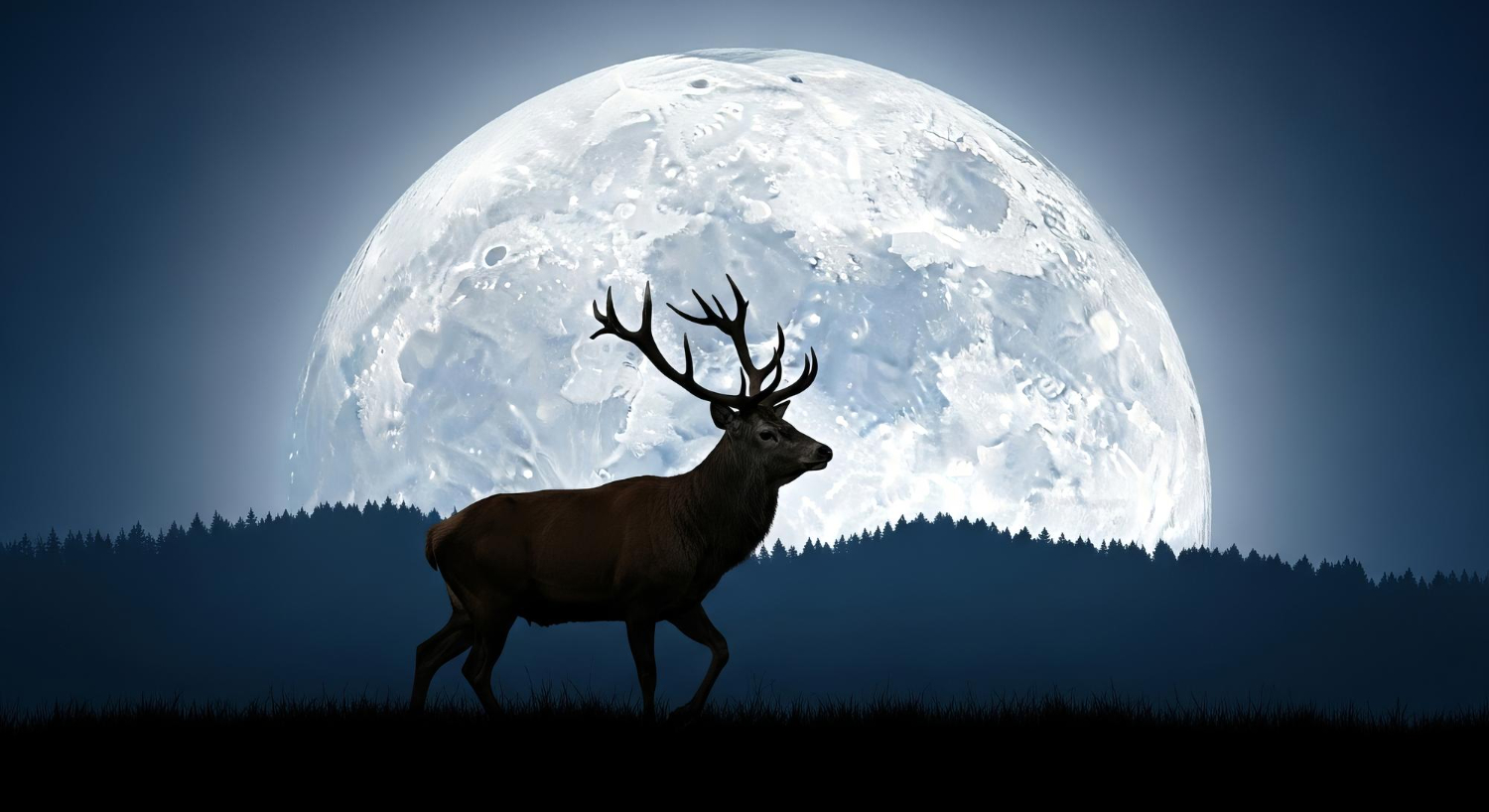
Antler growth is one of the fastest in the animal kingdom.
Here’s what makes the Buck Moon’s namesake so impressive: at the peak of summer, a buck’s antlers can grow up to half an inch in a single day, among the fastest tissue-growth rates of any mammal. Antlers are living bone, shed and completely regrown from scratch every single year, making deer one of the few mammals to regenerate an entire complex body part annually. Scientists even study antler regeneration for clues about bone healing and regenerative medicine. The deer standing in a July meadow is steadily performing one of nature’s great regenerative feats.
4. It’s the First Full Moon of Summer
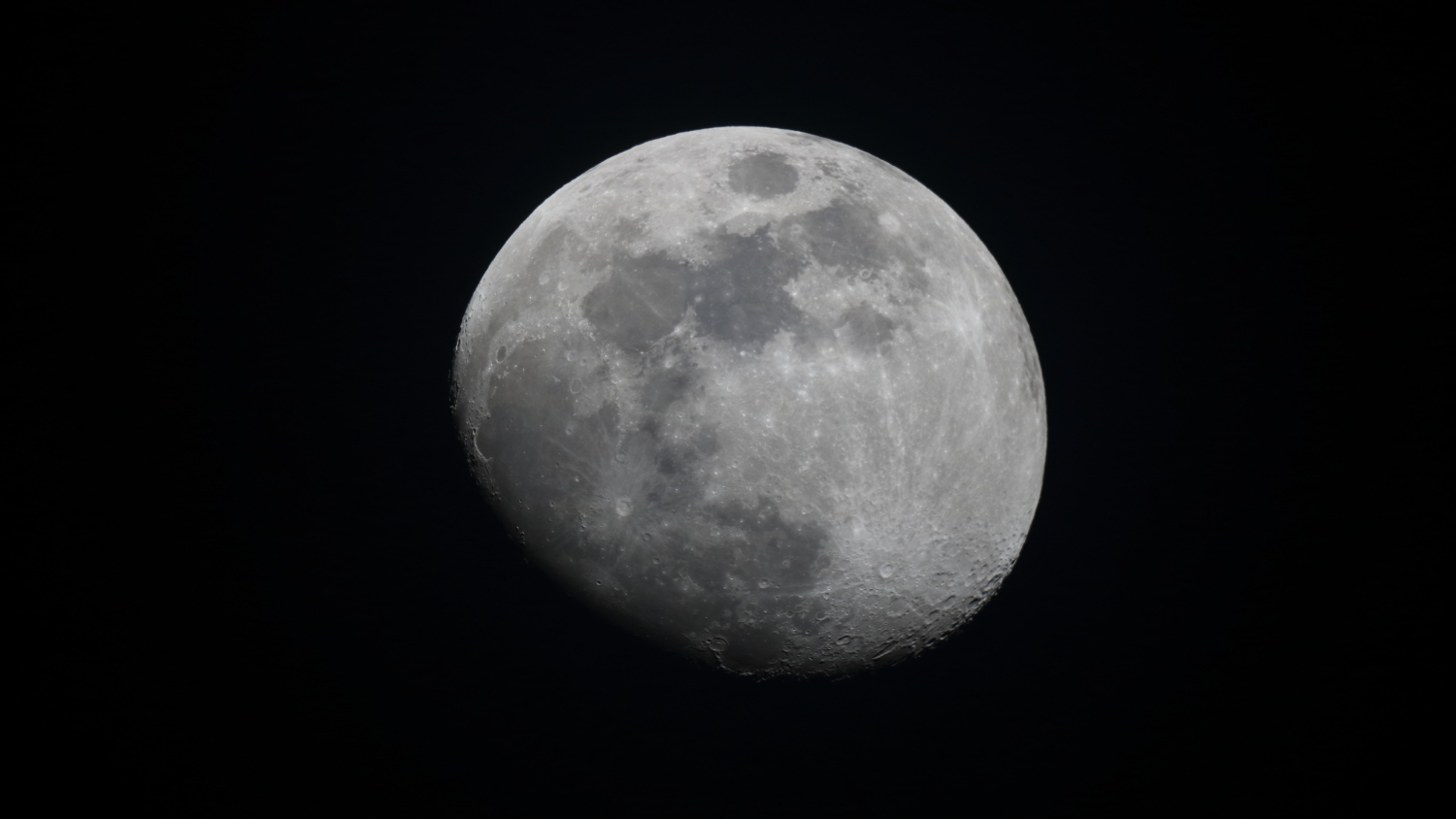
The Buck Moon opens the summer full-moon season.
Rising in late July, the Buck Moon is the first full moon of astronomical summer in the Northern Hemisphere, kicking off the season’s run of warm-weather moons. It’s followed by August’s Sturgeon Moon and September’s Harvest Moon, but the Buck Moon gets the honor of leading off summer. Coming at the height of the warm season, with its long, balmy evenings, it’s one of the most pleasant full moons of the year to actually go outside and watch, with none of the winter chill that keeps skywatchers indoors.
5. It Has a Dozen Other Names
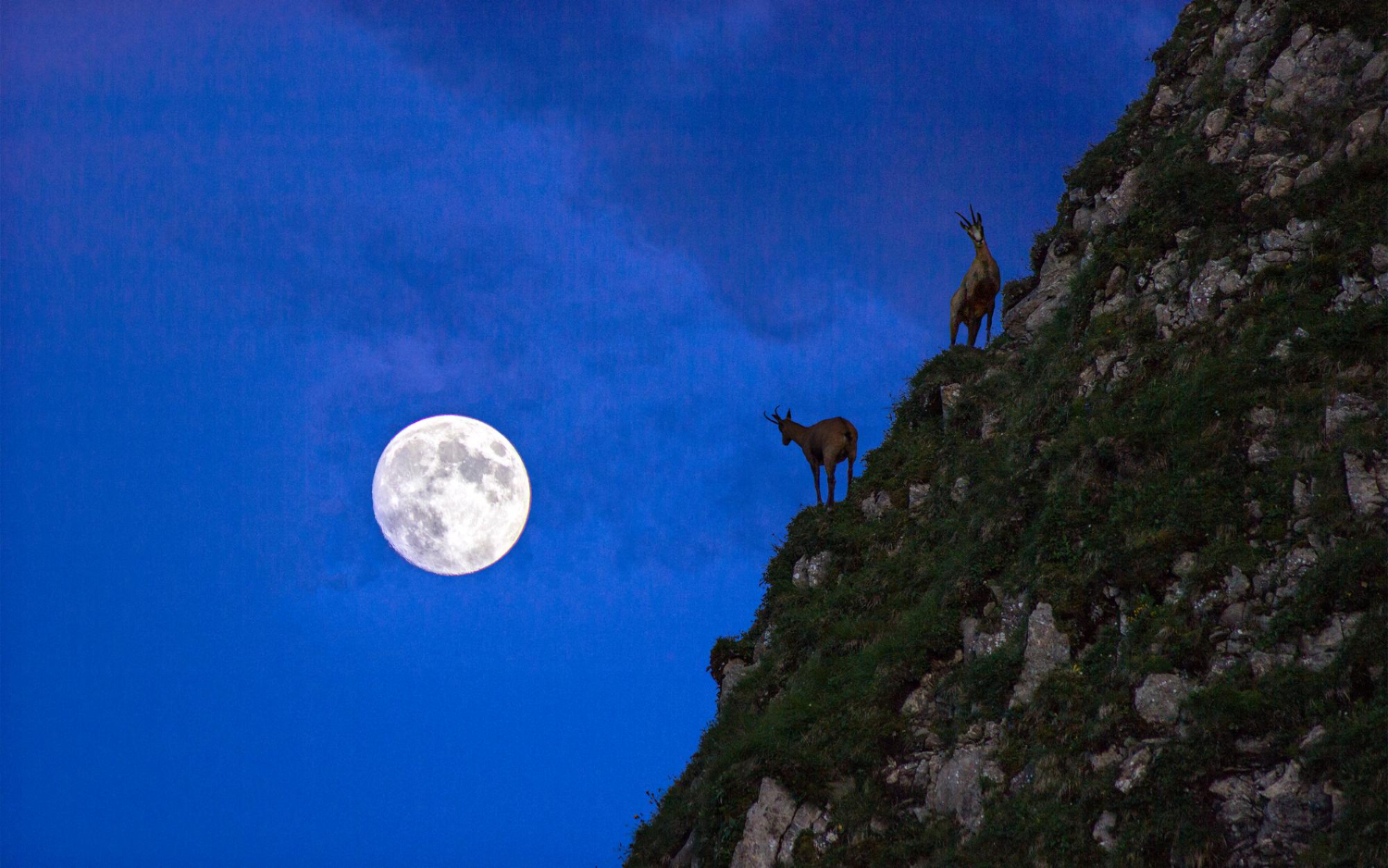
Different cultures saw different things in the same moon.
The Buck Moon is just one of many names July’s full moon has carried. Traditional moon names come from many cultures, each noting a different feature of the season, so the same July moon has been called the Thunder Moon, the Hay Moon, the Berry Moon, the Salmon Moon, and more. Line them all up and you get an entire portrait of high summer written into one moon’s names. It’s a reminder that our ancestors read the sky as a living calendar, tied intimately to the world around them.
6. The Thunder Moon Marks Summer Storms
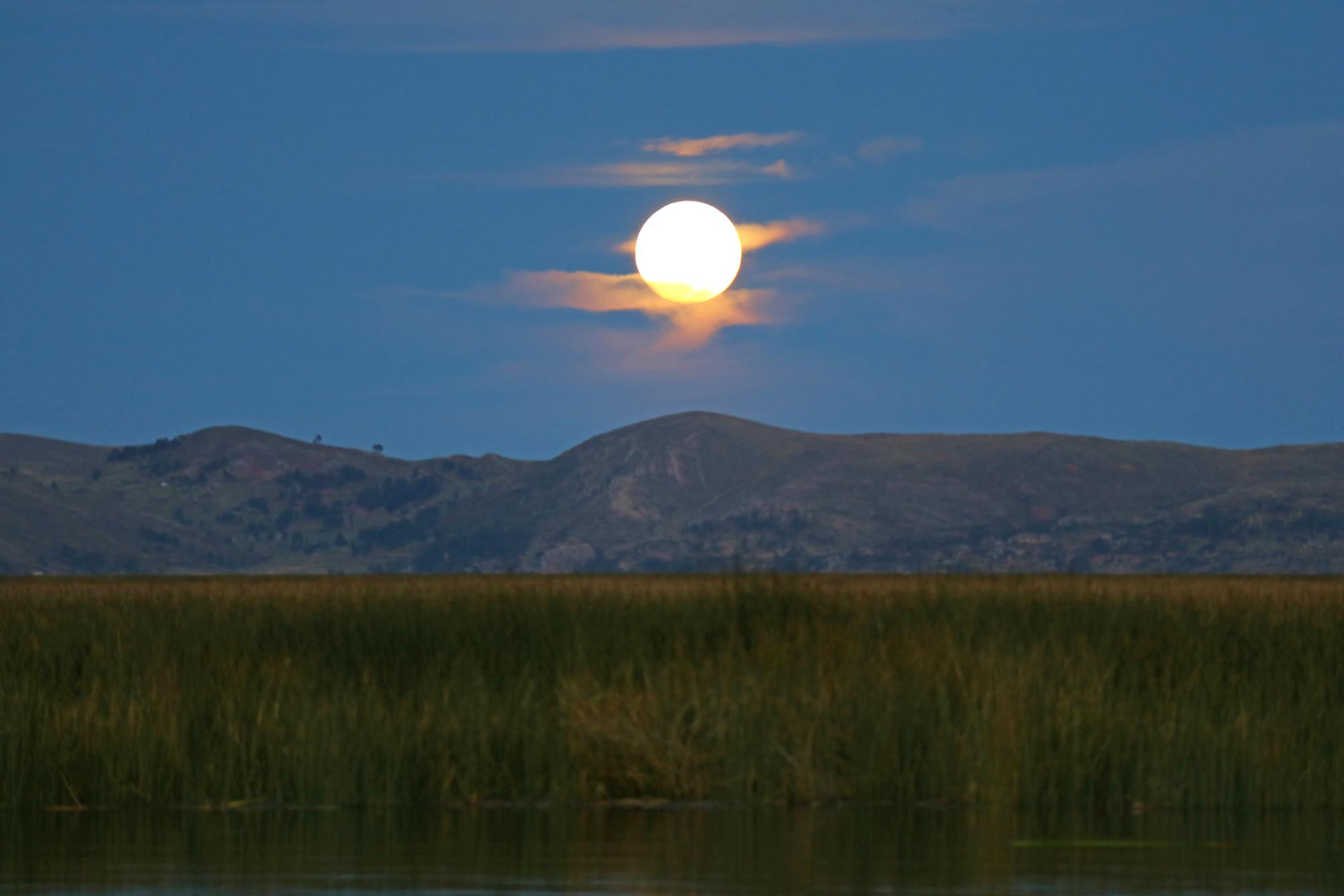
One old name captures July’s stormy weather.
Among the most evocative alternative names is the Thunder Moon, attributed to the Western Abenaki, a nod to the frequent thunderstorms that roll through high summer. It’s a name that captures a completely different aspect of July than the Buck Moon does — not the deer in the meadow but the storms in the sky. Anyone who has watched a dramatic July thunderstorm build on a hot afternoon will appreciate how apt it is, and how the same moon could mean deer to one observer and thunder to another.
7. The Berry and Raspberry Moons Celebrate the Harvest
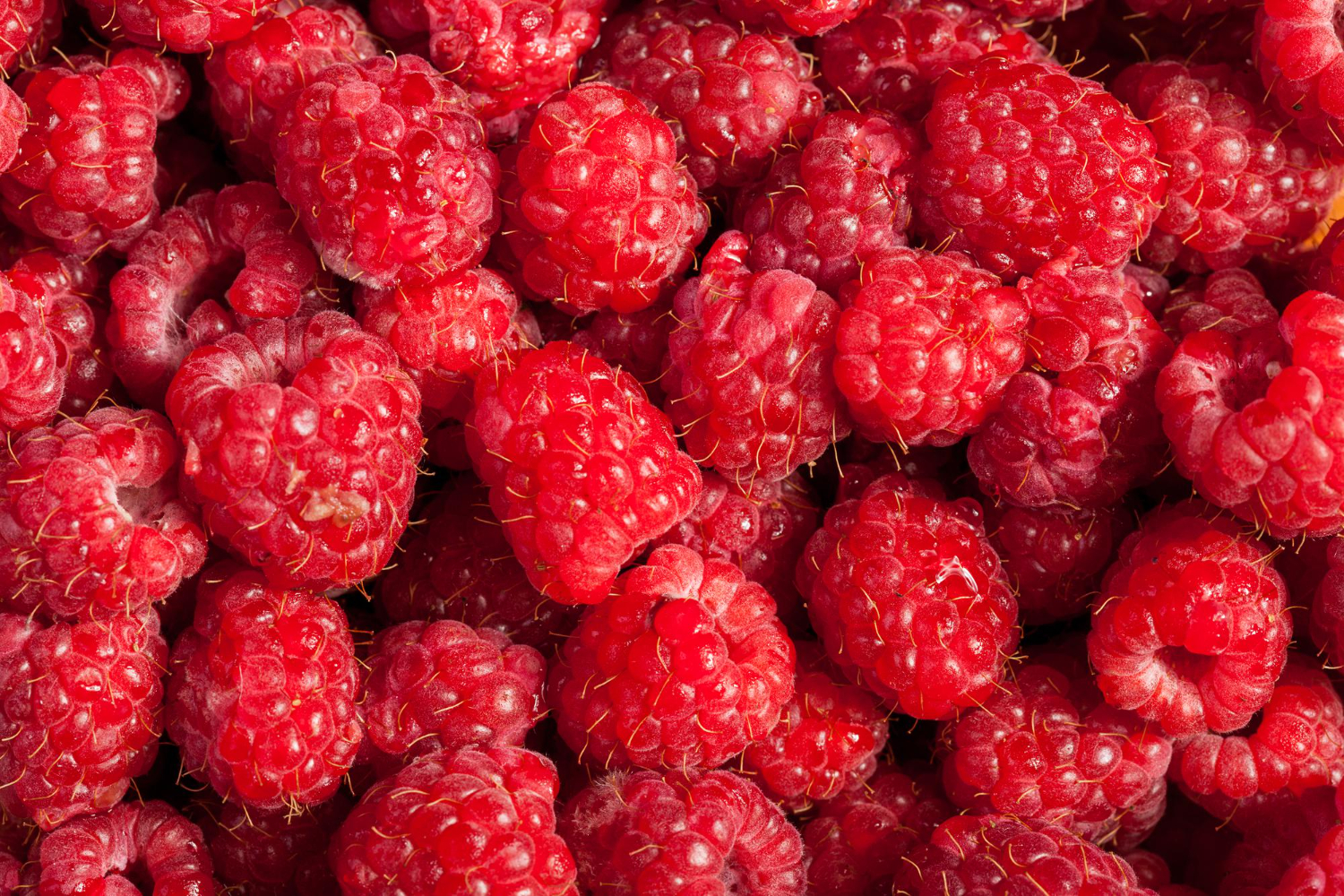
Some names honor the fruits of high summer.
Several traditional names for July’s moon celebrate the plants coming ripe in the summer heat: the Berry Moon (Anishinaabe), the Raspberry Moon (Algonquin and Ojibwe), and the Moon When the Chokecherries Are Ripe (Dakota) all mark the season of ripening fruit. These names come from peoples closely attuned to the wild harvest, for whom the ripening of berries was a significant seasonal event worth naming a moon after. They paint July as a month of abundance, when the land offers up its summer sweetness.
8. The Hay Moon and Wort Moon Mark the Work of the Season

European names focused on farming and herbs.
From European traditions come names tied to the labor of high summer. The Hay Moon marks the time of haymaking, when grass was cut and dried for winter feed, a crucial summer task on any farm. The old English Wort Moon uses “wort,” an archaic word for a plant or herb, referencing the gathering of medicinal herbs at this time of year. These names remind us that the moon was a practical calendar for agricultural societies, telling people when to cut hay and gather herbs, as much as it was an object of wonder.
9. Watch It Rise for the Best View
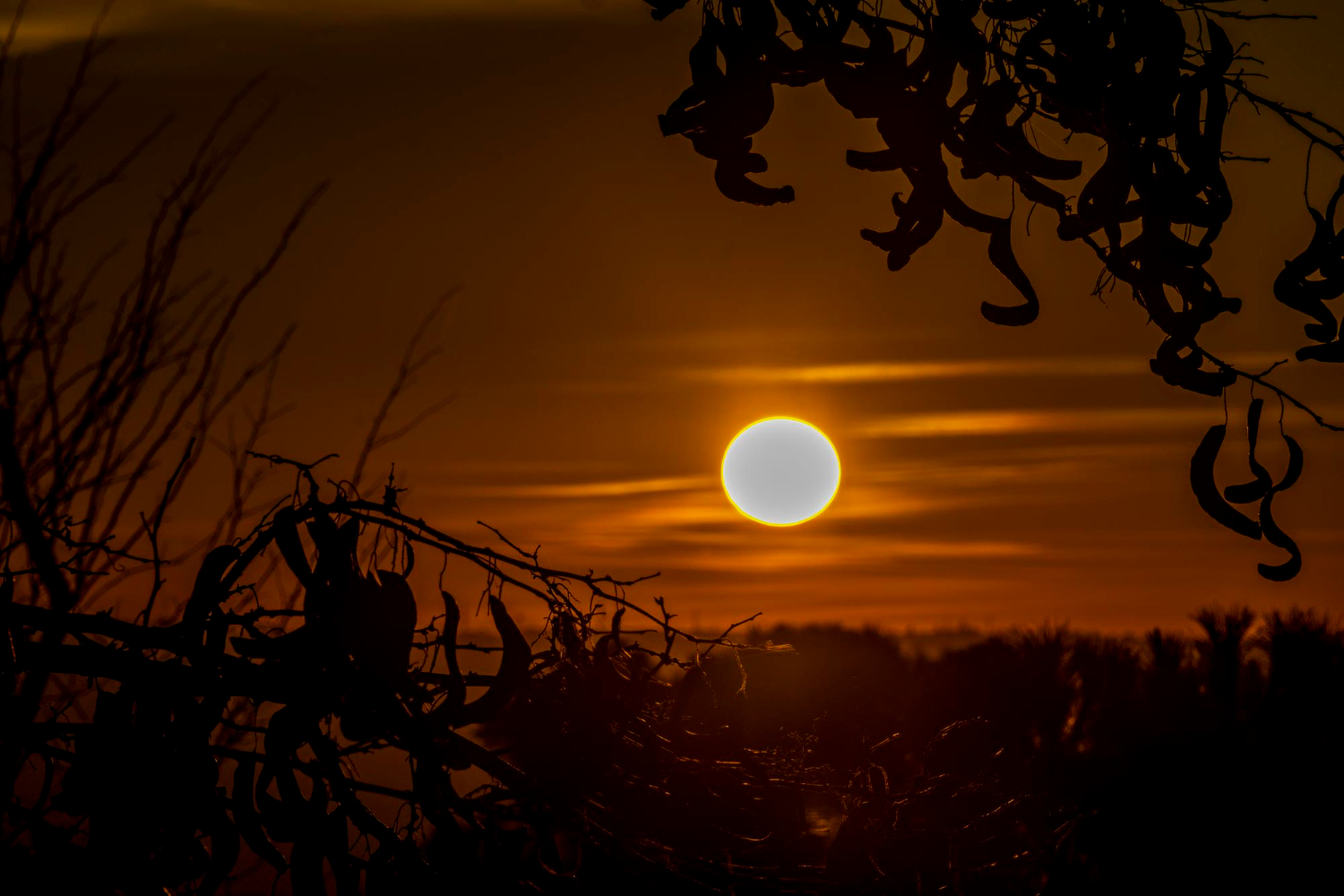
A moonrise is more dramatic than a moon overhead.
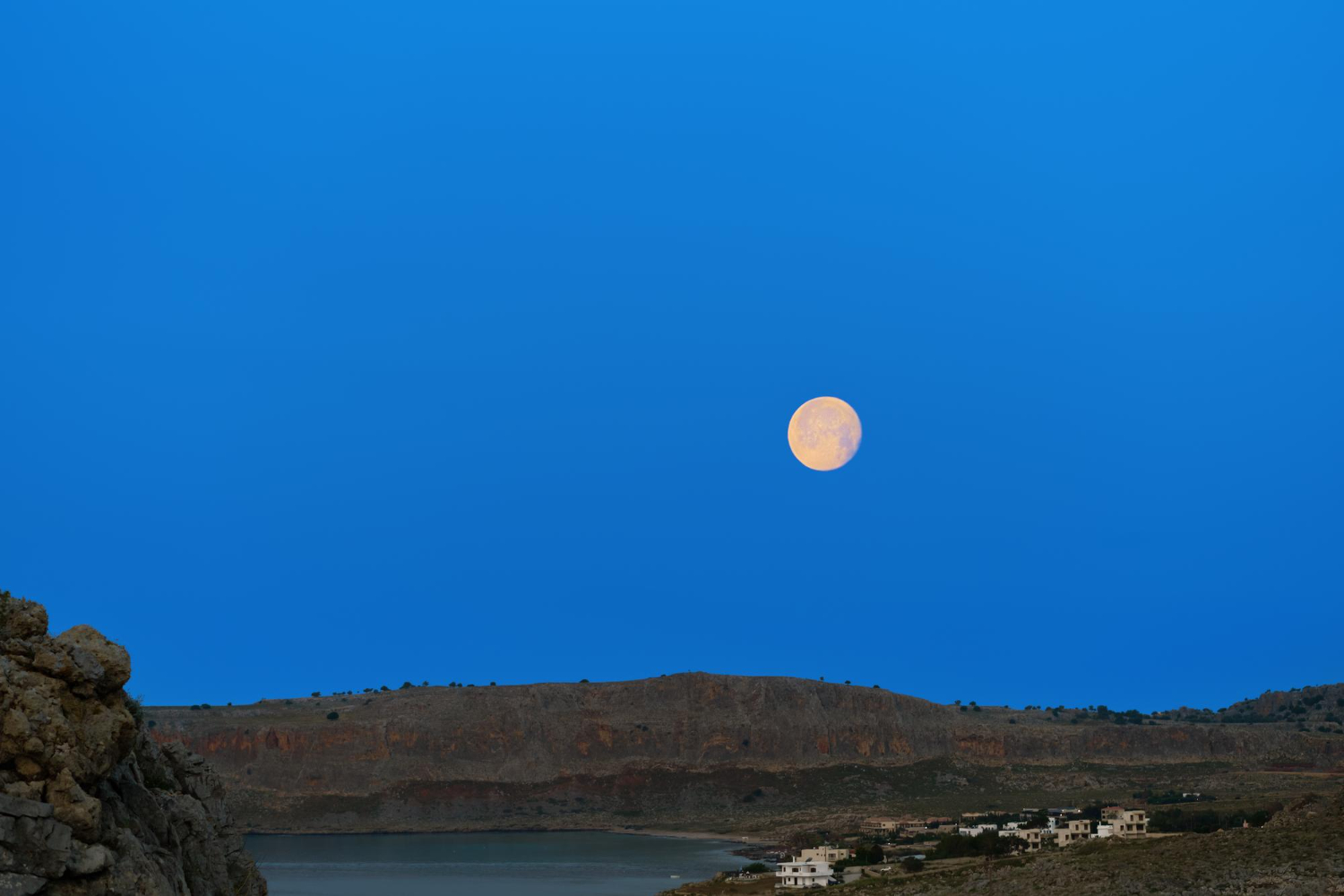
For the most spectacular experience, time your viewing to the moonrise itself, shortly after sunset in the southeast. A full moon is at its most dramatic when it’s low on the horizon, just clearing the landscape, appearing larger and often glowing a beautiful golden or orange color. Find a spot with a clear eastern view — a hilltop, a beach, an open field — arrive around sunset, and watch it climb. A moon high overhead is impressive, but a moon rising over the horizon is truly breathtaking, and it’s the view worth planning for on July 29.
10. The “Moon Illusion” Makes It Look Huge
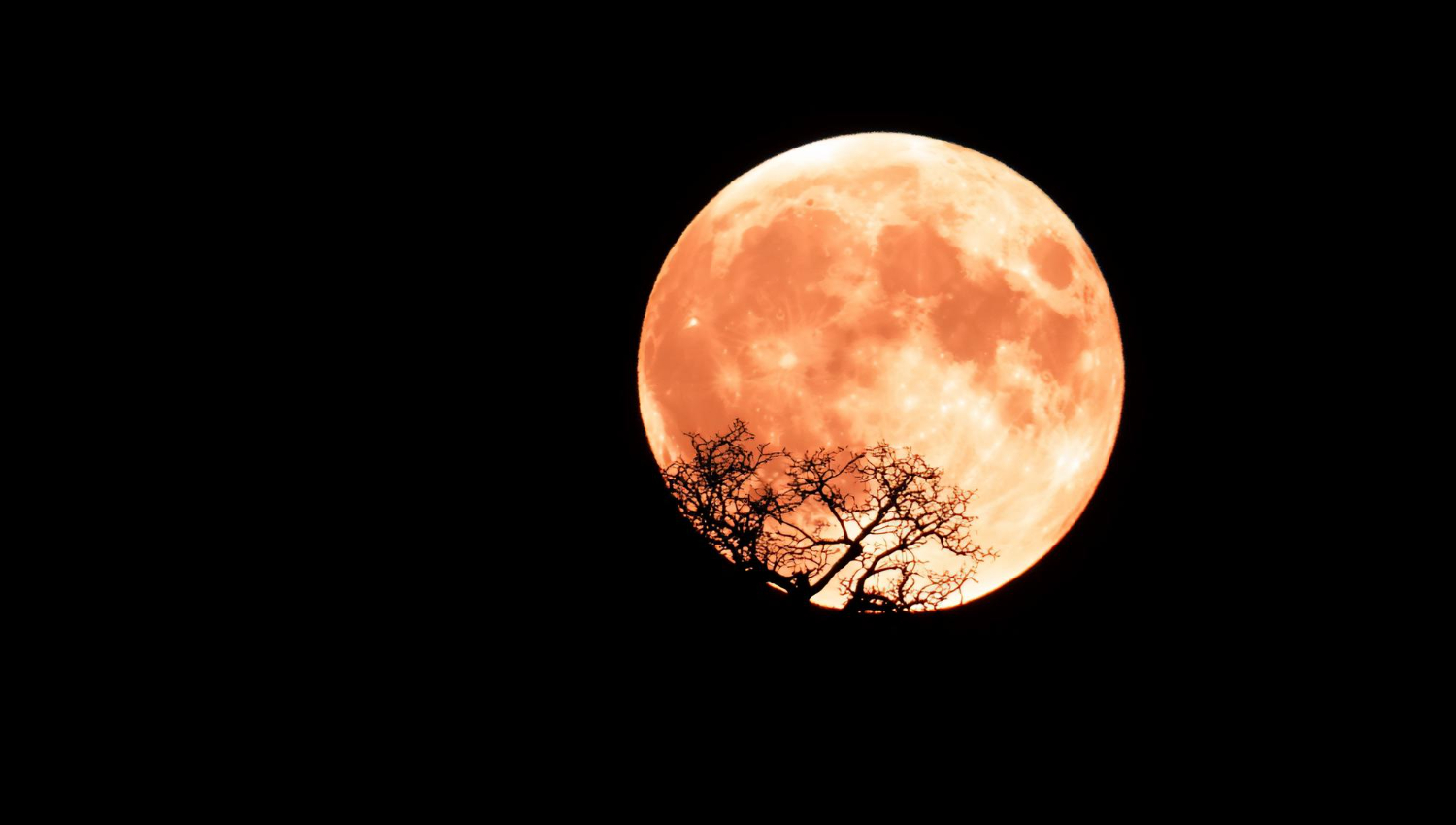
That giant horizon moon is a trick of your brain.
When the Buck Moon rises and looks enormous near the horizon, you’re experiencing the famous “Moon Illusion” — one of the oldest known optical illusions. The moon is not actually any bigger near the horizon than when it’s high overhead; in fact, it’s essentially the same size. Our brains simply perceive it as larger when it’s low and surrounded by landscape features like trees and buildings that provide a sense of scale. You can even prove it to yourself by measuring it, but knowing it’s an illusion does nothing to diminish how striking that giant rising moon appears.
11. It Can Glow Golden or Orange
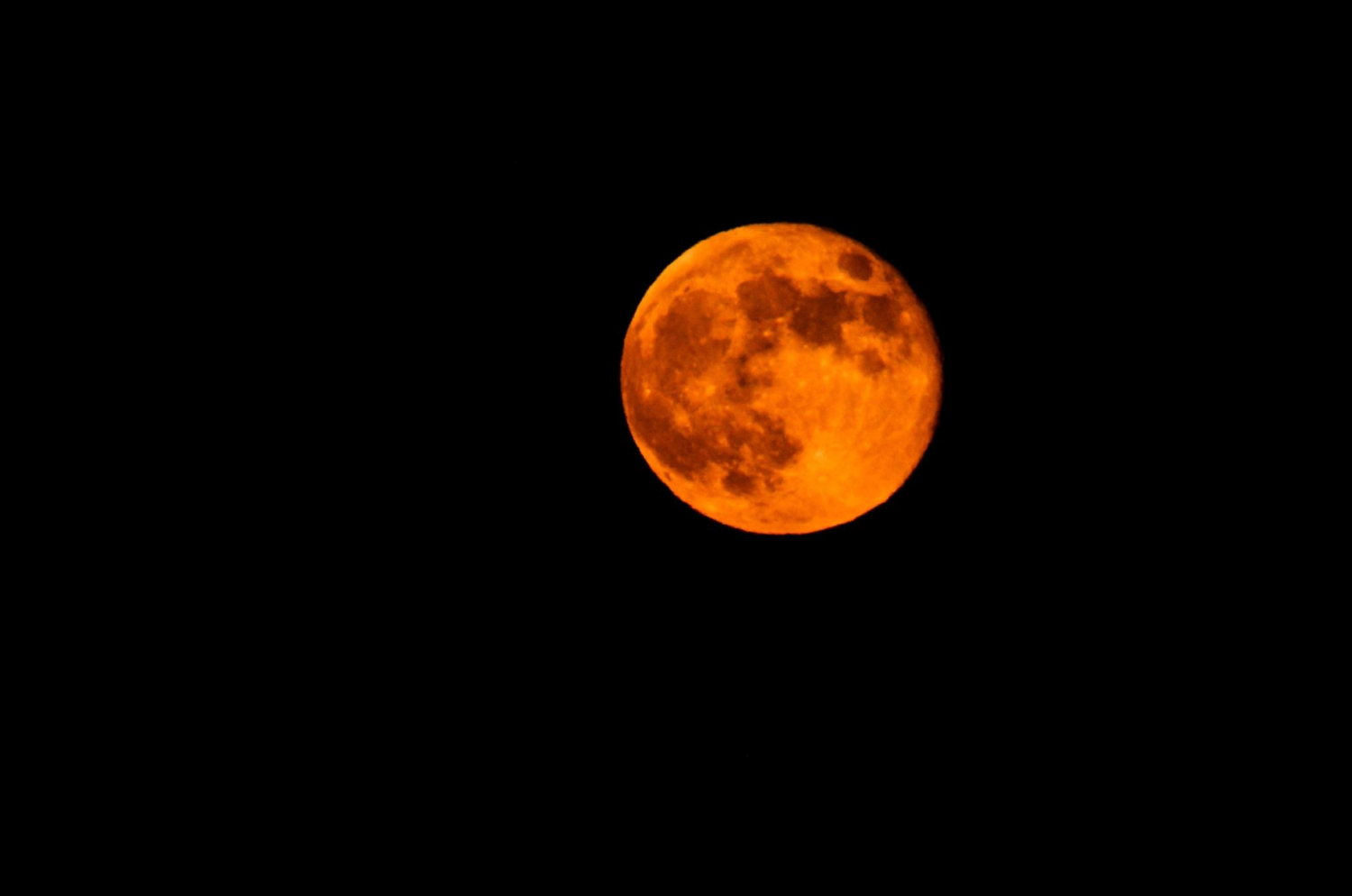
The color comes from Earth’s atmosphere.
That gorgeous amber, gold, or orange tint the moon often takes on when it’s low on the horizon is real, not an illusion, and it has the same cause as a red sunset. When the moon is near the horizon, its light travels through much more of Earth’s atmosphere to reach your eyes, and the atmosphere scatters away the shorter blue wavelengths while letting the longer red and orange wavelengths through. The result is a warmly colored moon at rising and setting that fades to bright white as it climbs higher and its light passes through less air.
12. You Don’t Need Any Equipment
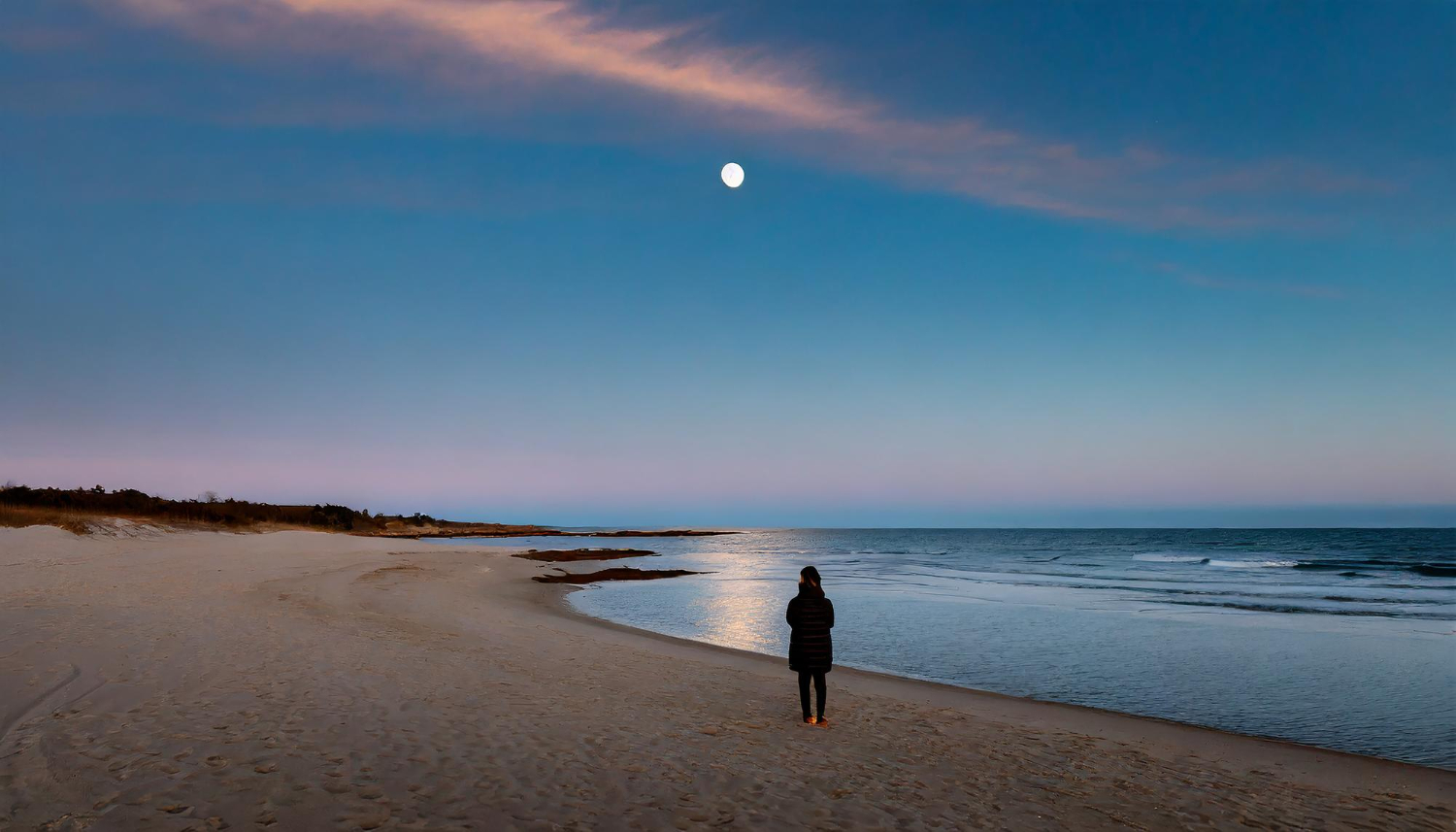
The full moon is the ultimate no-gear spectacle.
Unlike faint galaxies, meteor showers, or planets, the full moon requires absolutely nothing to enjoy: no telescope, no binoculars, no dark-sky location, not even clear country skies, since a full moon is bright enough to see from the center of a lit-up city. That accessibility is part of what makes full-moon watching such a democratic pleasure. That said, a cheap pair of binoculars will reveal the moon’s dark “seas” and brighter highlands beautifully, and even a small telescope shows craters, so a little optional gear can add to the fun if you have it.
13. Full Moons Have Real Effects on Earth
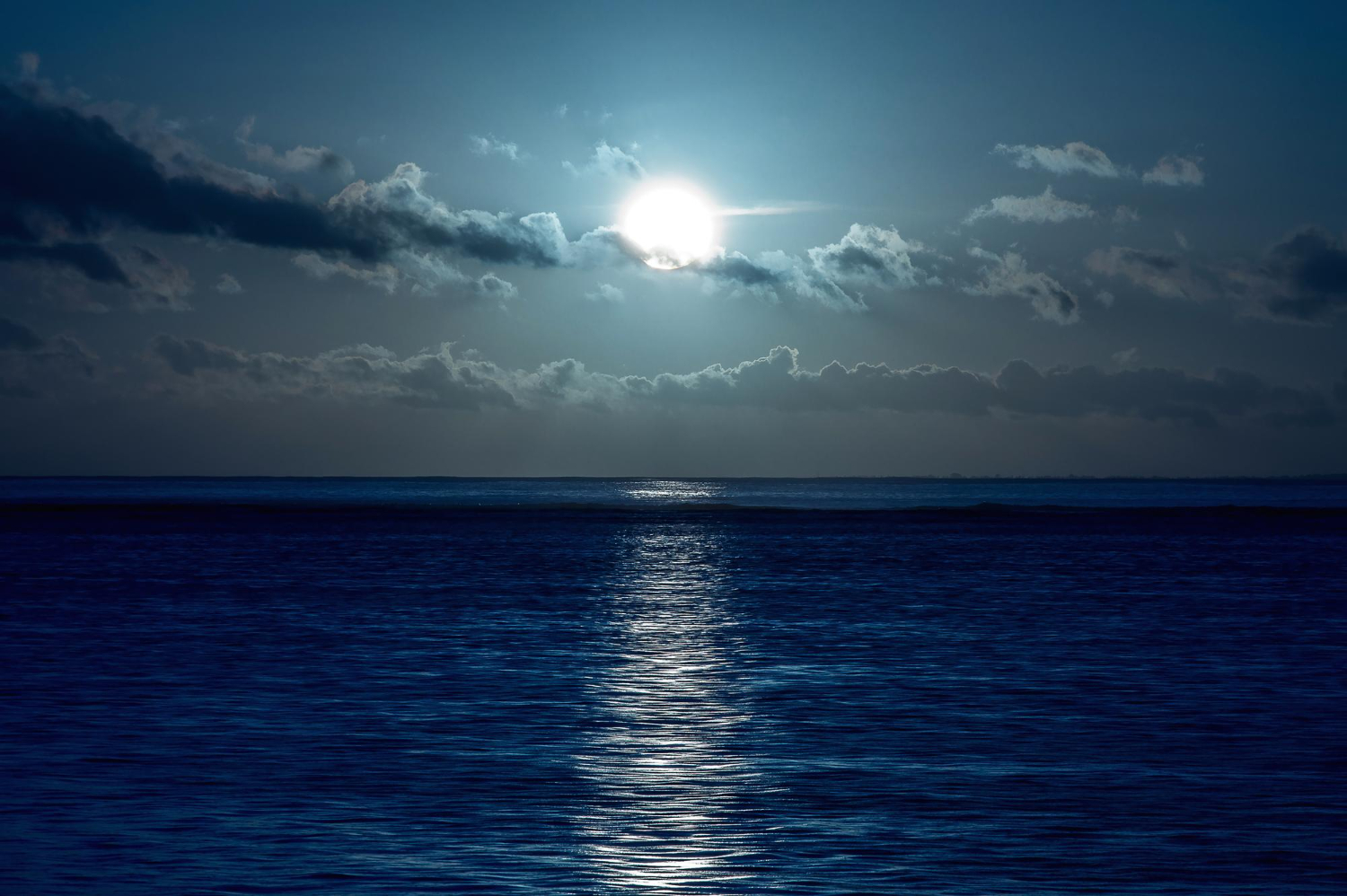
The moon’s pull shapes the tides and more.
Beyond its beauty, the full moon has real physical effects, most notably on the tides. At full moon, the sun, Earth, and moon are roughly aligned, and the combined gravitational pull of the sun and moon produces the especially high and low “spring tides” (a name that has nothing to do with the season). Many popular beliefs about the full moon affecting human behavior or sleep are not well supported by evidence, but the tidal effect is real, powerful, and predictable, and it’s one more way the moon overhead connects to the world beneath it.
14. It Connects You to Thousands of Years of Skywatchers
Watching the moon is a ritual as old as humanity.
Perhaps the loveliest thing about the Buck Moon is that watching it links you to an unbroken chain of human beings who have looked up at this same moon for as long as there have been people. The names we’ve explored — Buck, Thunder, Berry, Hay — are the fingerprints of countless generations who watched the sky, marked the seasons, and told stories about the light overhead. When you step outside on July 29 to watch the moon rise, you’re taking part in one of the oldest human rituals there is, sharing a moment with everyone who ever paused to watch the moon.
The Deer’s Moon Rises
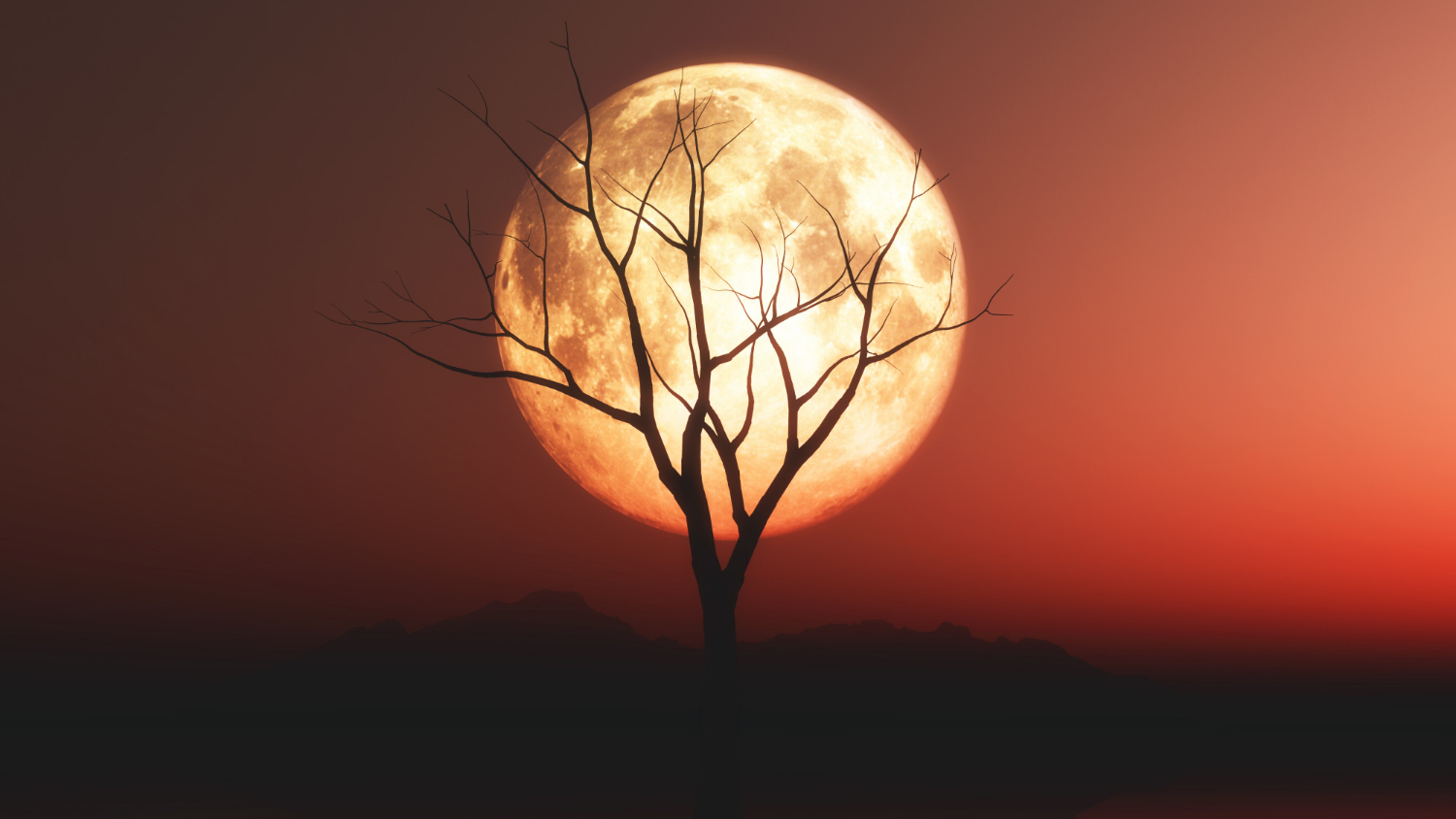
Named for fast-growing antlers, dressed in a dozen folk names, glowing gold on the horizon through a trick of air and light — the Buck Moon is a small marvel hiding in a familiar sight, and it rises for everyone on the evening of July 29.
You don’t need to be an astronomer or own a single piece of equipment to enjoy it. You just need to remember to step outside on the evening of July 29, find a clear view to the southeast, and watch the great golden Buck Moon climb into the summer night. Bring someone with you, share the old names and the story of the deer, and take part in the simplest and most timeless bit of skywatching there is. The deer’s moon rises for all of us — all you have to do is look up.
Like our content? Follow us for more.