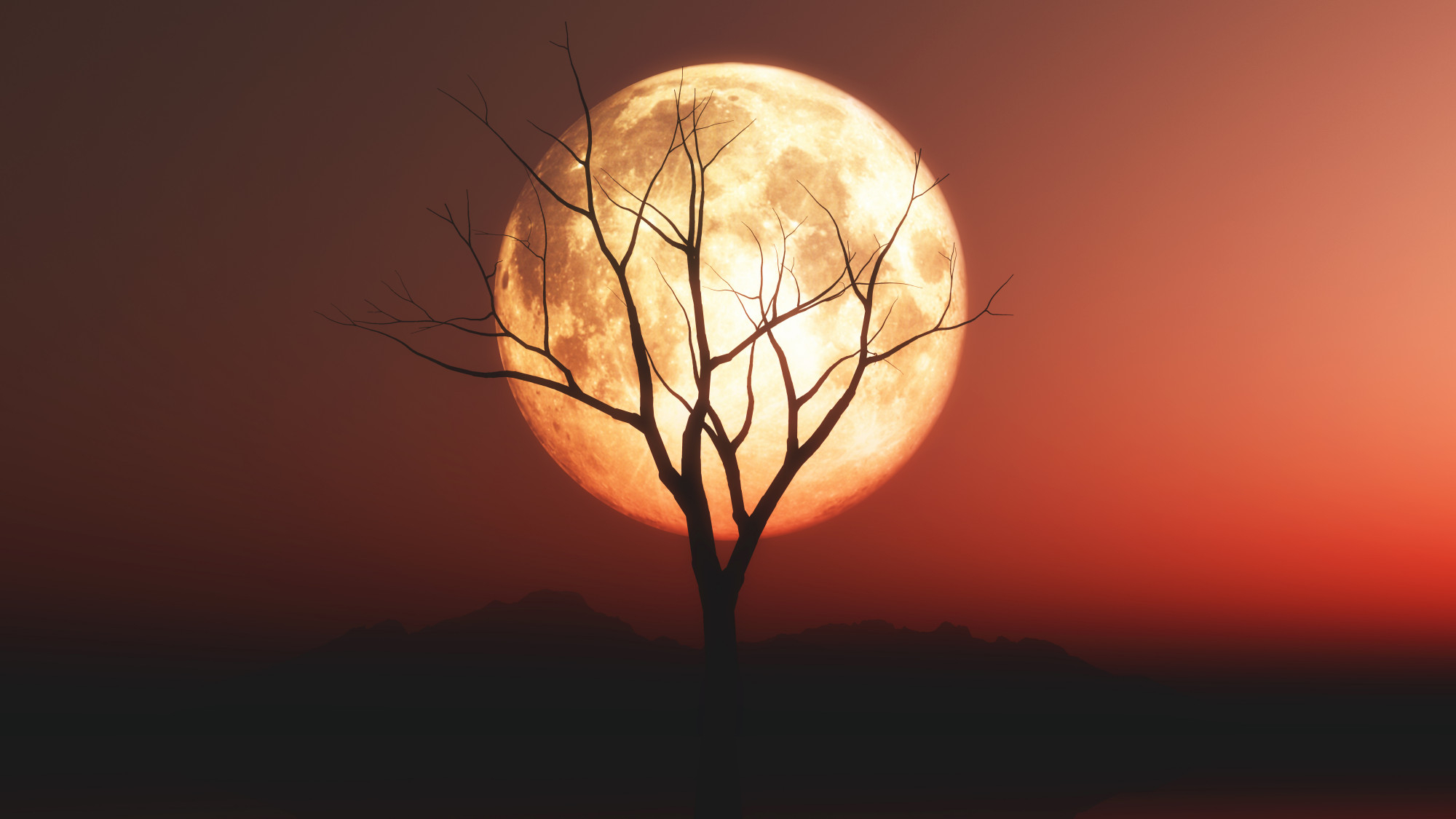
On the evening of Wednesday, July 29, 2026, step outside after sunset, look toward the southeast, and you’ll see July’s full moon climbing into the sky: the Buck Moon. Like all the traditional full-moon names that have come down to us, it isn’t a random label but a kind of seasonal timestamp, a name that tells you exactly what was happening in the natural world when this particular moon rose. And in this case, the name points to something truly remarkable happening in the forests below the moonlight.
The Buck Moon is named for deer — specifically, for the male deer, or bucks, whose antlers are in full, rapid growth at this point in the summer. It’s a name rooted in centuries of close observation of nature, passed down through Native American, colonial American, and European traditions, and it opens a window onto both a fascinating piece of animal biology and the whole rich tradition of how humans have named and understood the moon. Here’s why July’s moon belongs to the deer, what makes their antlers so extraordinary, and how to make the most of the Buck Moon when it rises.
Why It’s the Buck Moon
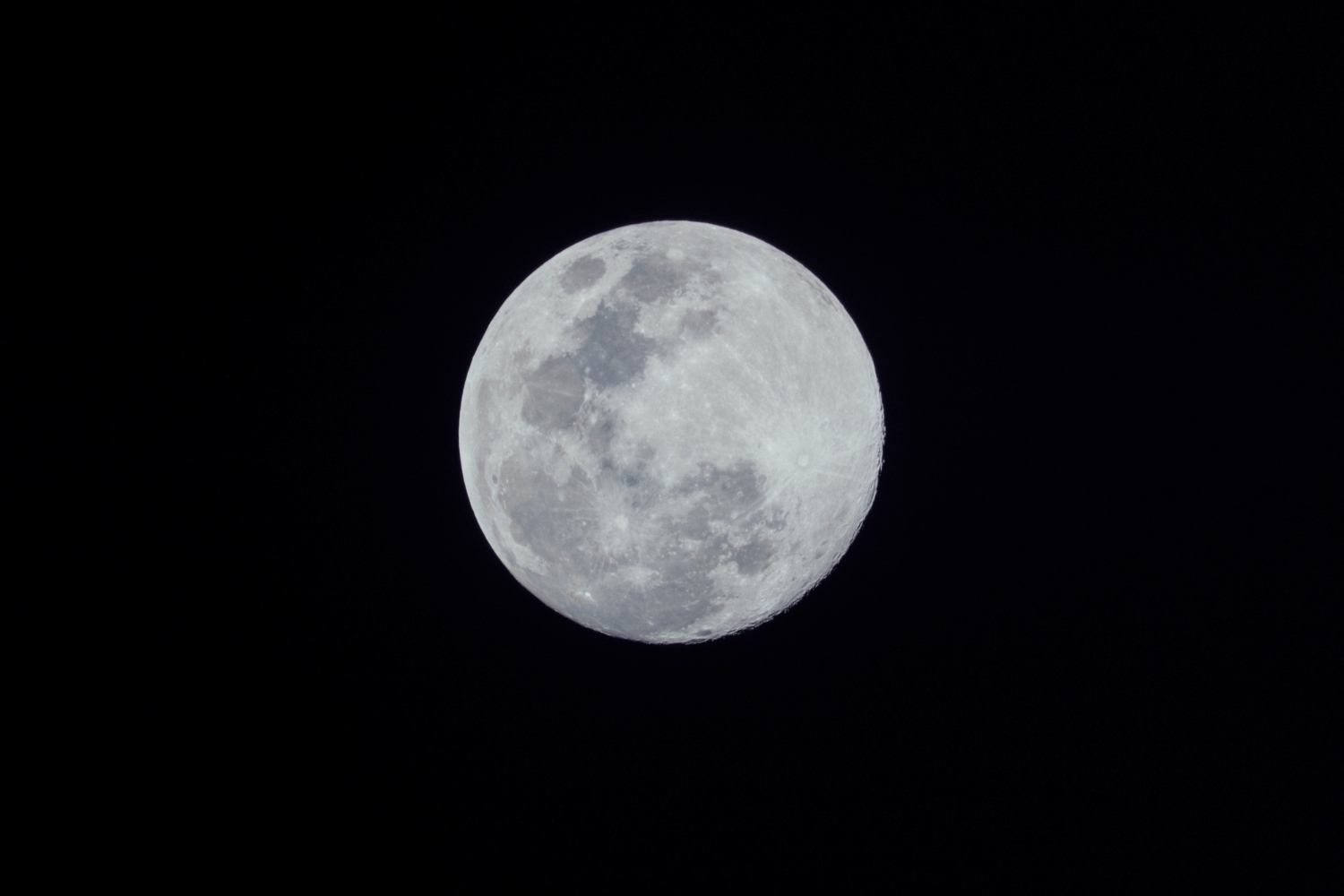
The name is beautifully literal. July’s full moon is called the Buck Moon because it falls at the time of year when the antlers of male deer are growing rapidly, pushing out from their heads in a fresh set each summer. The name is most commonly traced to the Algonquin peoples of the northeastern part of what is now the United States, recorded in colonial writings, and it spread through colonial New England to become the most common English-language name for the July moon.
The timing is precise. Bucks shed their antlers each year and grow an entirely new set, and by July those new antlers are well along in their development, still coated in the soft, fuzzy skin called velvet that nourishes them as they grow. To the people who lived close to the land and watched the seasons turn through the behavior of animals and plants, the sight of bucks sporting their growing summer racks was a natural marker of this point in the year, and so the moon that rose over those velvet-antlered deer took their name. It’s a small, vivid example of how older cultures wove the moon, the calendar, and the living world into a single connected whole.
Like our content? Follow us for more.
Nature’s Astonishing Antlers
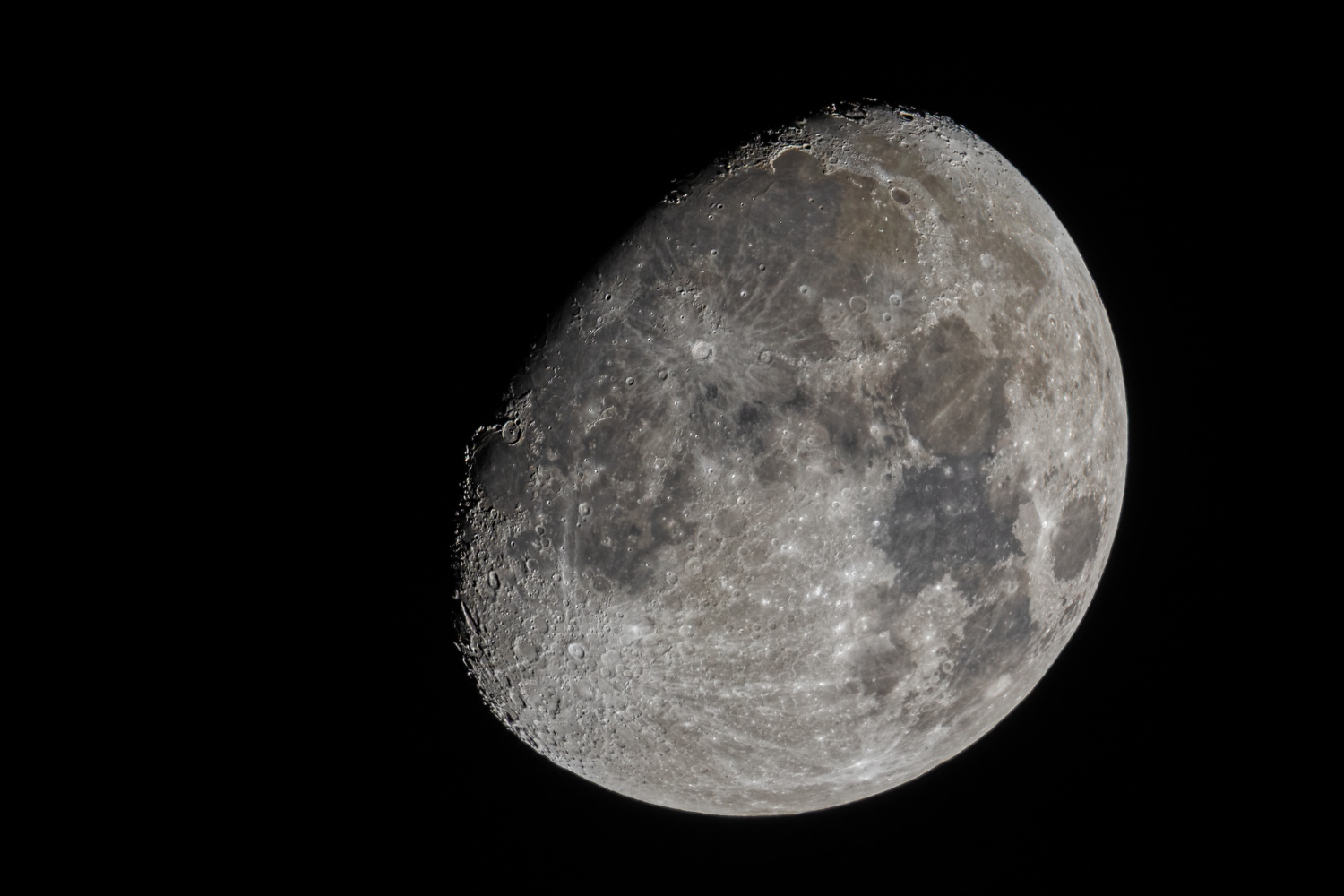
Here’s the part that makes the Buck Moon’s namesake truly worth marveling at: antler growth is one of the most extraordinary feats of biology in the animal kingdom. Antlers are not horns — horns are permanent — but antlers are shed and completely regrown every single year, making them one of the only examples of an entire complex body part, made of living bone, that a mammal regenerates from scratch annually.
And they grow astonishingly fast. During the peak of the summer growing season, a buck’s antlers can grow up to half an inch in a single day, which ranks among the fastest rates of tissue growth found in any mammal. Over the course of a growing season, an animal builds a large, branching structure of bone, blood vessels, and nerves, all sheathed in that velvet skin, and then, once the antlers harden and the growth is complete, the velvet is shed and the bone beneath is revealed. This remarkable process is driven by seasonal hormonal changes, and it has fascinated scientists so much that antler regeneration is actually studied for what it might teach us about bone growth, healing, and regenerative medicine in humans. The humble deer standing in a summer meadow is, in fact, performing one of nature’s most impressive regenerative feats, right there beneath the July moon that bears its name.
The Moon of Many Names
The Buck Moon is far from the only name July’s full moon has carried. One of the most fascinating things about traditional moon names is that different cultures, observing different aspects of the same season, gave the same moon a whole array of names, each a little snapshot of high summer. Taken across the traditions, July’s moon is a portrait of the season painted from many angles.
Several other names, like the Buck Moon, come from the animal world. Some peoples called it the Salmon Moon, marking the time when salmon returned upriver to be caught, or the Feather Moulting Moon, noting when birds shed and regrew their feathers. Others named it for the plants ripening in the summer heat: the Berry Moon, the Raspberry Moon, and the Moon When the Chokecherries Are Ripe all celebrate the fruits coming into season, while the Ripe Corn Moon looks ahead to the harvest. Still others named it for the weather and the work of the season, giving us the Thunder Moon, for the frequent storms of high summer, the Hay Moon, for the haymaking that traditionally happened at this time, and the old English Wort Moon, “wort” being an old word for the herbs gathered for medicine. Line them all up and you have an entire almanac of July folded into the names of a single moon — the deer, the salmon, the berries, the storms, the hay, and the herbs, all rising together on one summer night.
How to See the Buck Moon
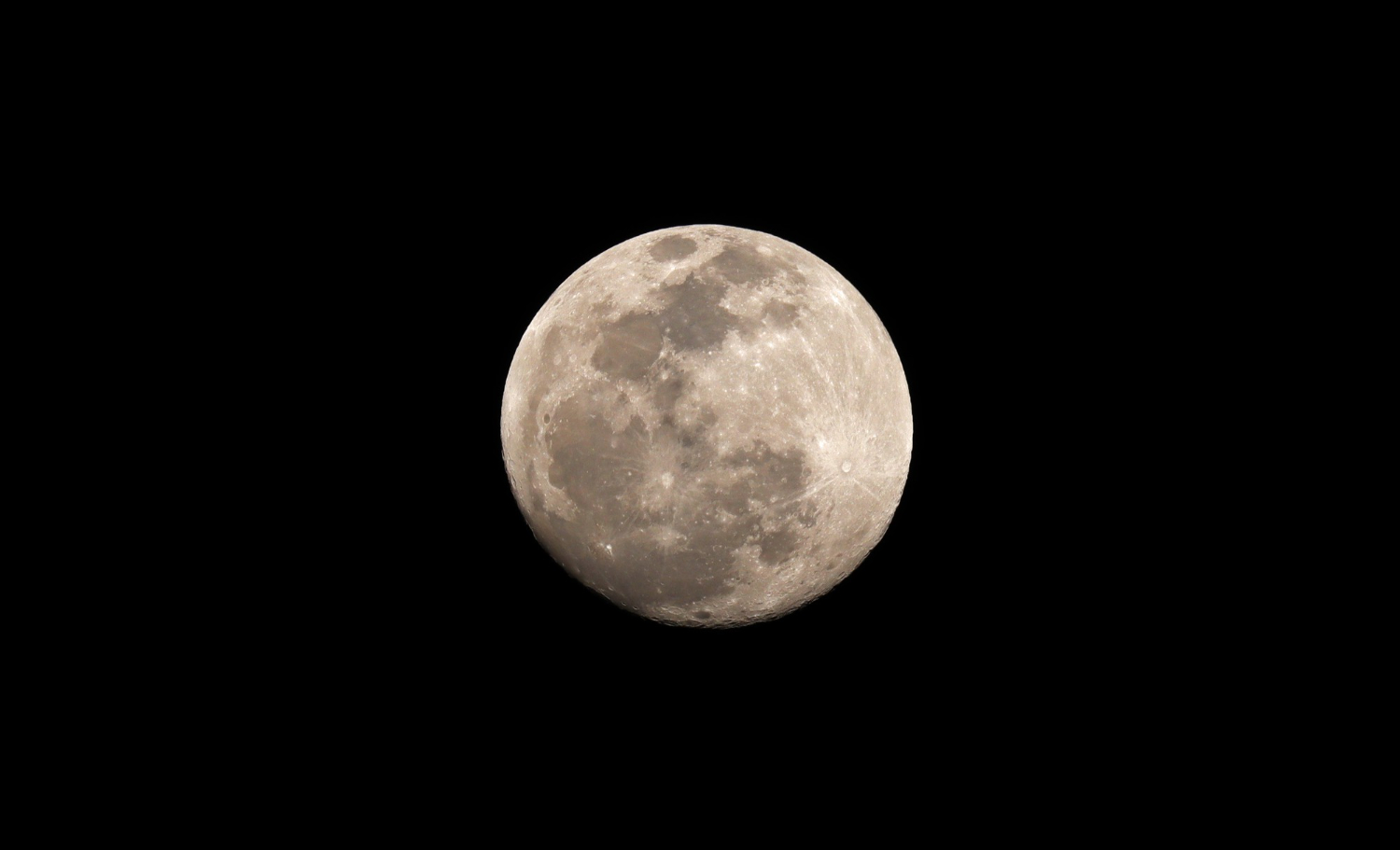
The good news is that watching the Buck Moon requires no equipment, no dark sky, and no special effort — a full moon is the single most visible object in the night sky, bright enough to see from a city center. In 2026, the Buck Moon reaches its moment of peak fullness on the morning of July 29, but that timing matters little for viewing, because the moon will look completely full to the eye for about a day on either side of the exact peak. The best time to look is simply the evening of July 29, after sunset.
For the most dramatic view, catch the moon as it rises in the southeast shortly after sunset. A full moon low on the horizon, just after it rises, is a spectacular sight for two reasons. First, there’s the famous “Moon Illusion,” a trick of human perception that makes the moon appear enormous when it’s near the horizon with landscape features nearby for comparison, even though it’s no bigger than when it’s overhead. Second, when the moon is low, its light travels through more of Earth’s atmosphere to reach you, which can give it a beautiful golden, amber, or orange tint. So a moonrise-watcher on the evening of July 29 has a good chance of seeing a huge, glowing, golden Buck Moon climbing over the landscape — one of the loveliest and most accessible sights in all of skywatching.
A Summer Ritual Worth Keeping
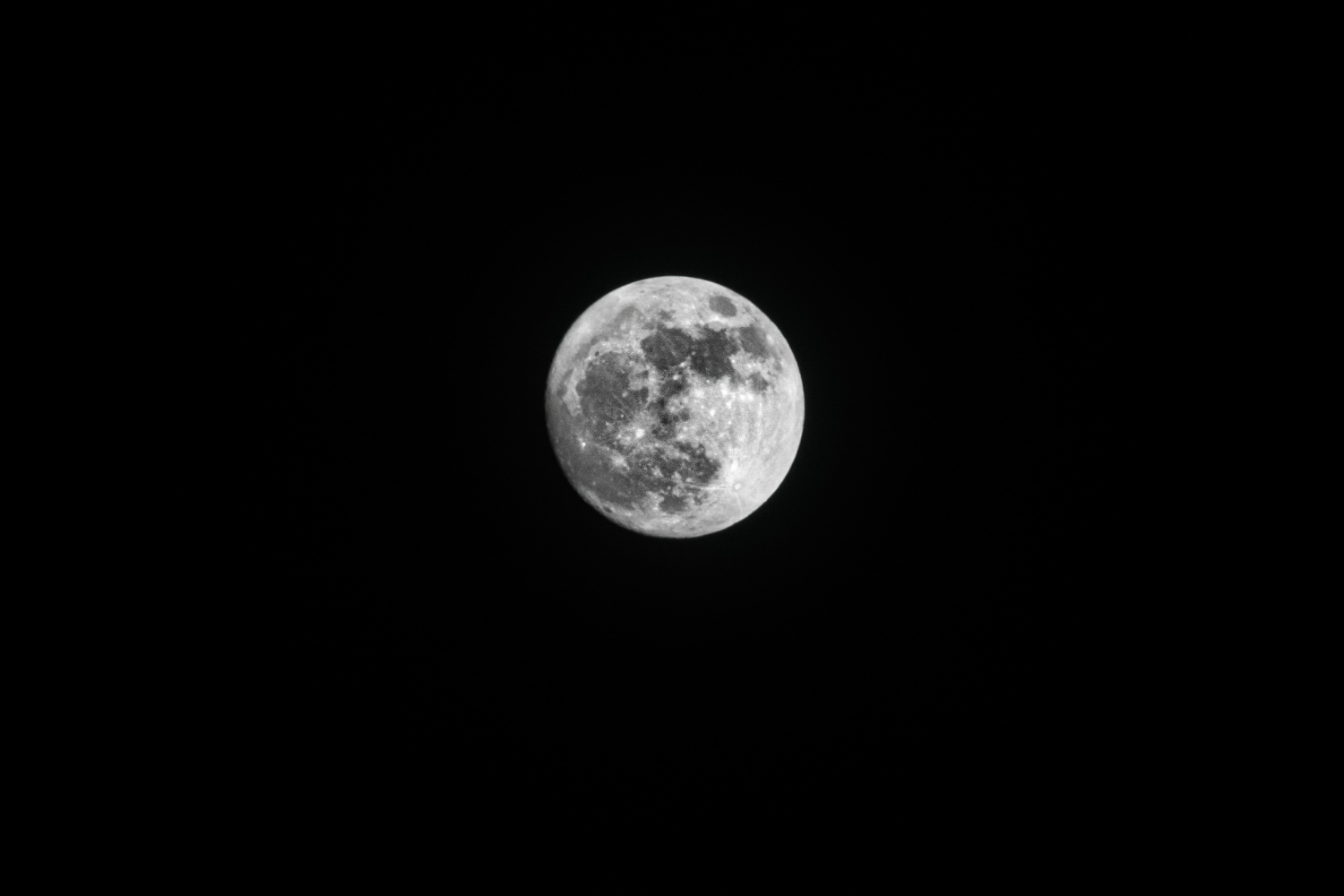
There’s something steadily wonderful about stepping outside to watch a full moon rise, and the Buck Moon, as the first full moon of astronomical summer, is an especially fine one to make a small ritual of. It doesn’t demand a road trip to a dark-sky site or an expensive telescope or an alarm set for the middle of the night. It just asks you to step outside on a warm July evening, look to the southeast, and watch.
Consider making an evening of it. Find a spot with a clear view of the eastern horizon — a hill, a beach, a field, a rooftop — arrive around sunset, and simply wait for the golden moon to climb into view. It’s the kind of simple, free, seasonal pleasure that connects us to the same sky our ancestors watched, and to the very observations that gave this moon its name. As the Buck Moon rises on July 29, somewhere out in the summer dark, the deer that lent it their name are wearing their fast-growing velvet antlers, the berries are ripening, and the old summer storms are gathering — the whole living portrait of July, hanging in the sky.
The Deer’s Moon
The Buck Moon is a perfect little lesson in how much meaning our ancestors packed into the sky. A single full moon, and behind its simple name lies a marvel of animal biology, a whole tradition of seasonal observation, and an entire almanac of alternative names capturing every facet of high summer. It reminds us that the moon was never just a light in the sky to the people who came before us; it was a calendar, a storyteller, and a mirror of the living world turning through its seasons below.
So on the evening of July 29, 2026, take a few minutes to step outside and watch the Buck Moon rise. Know that its name honors one of nature’s fastest growth feats, unfolding on the heads of deer in forests and fields as you watch. Know that the same moon has been called the Thunder Moon and the Berry Moon and the Salmon Moon by people reading the same summer sky in their own ways. And enjoy the simple, timeless pleasure of watching a great golden moon climb into a warm summer night — the deer’s moon, rising as it has every July for longer than anyone can remember.
Like our content? Follow us for more.