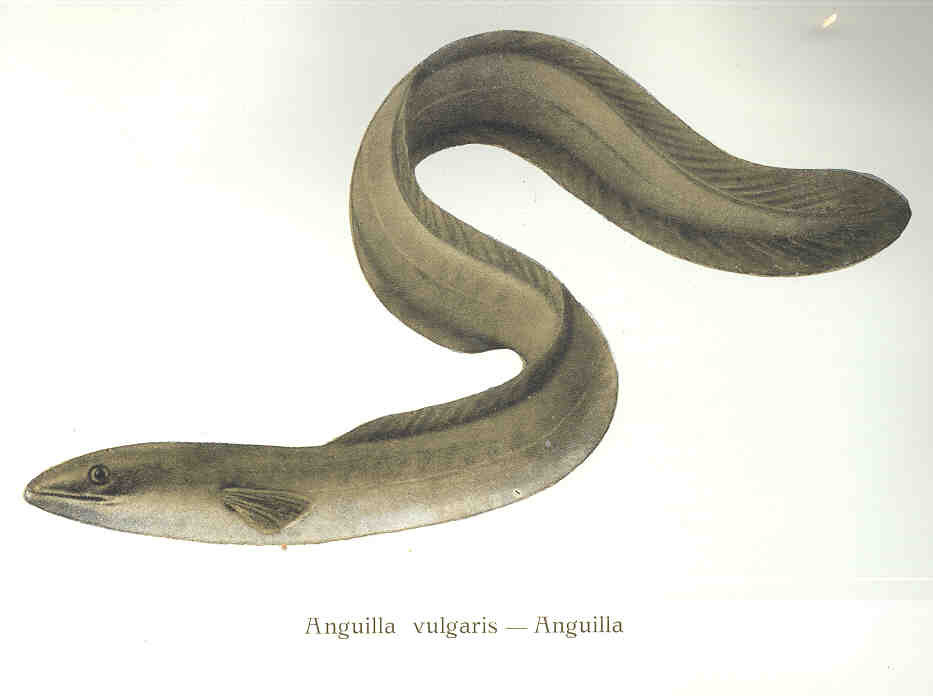
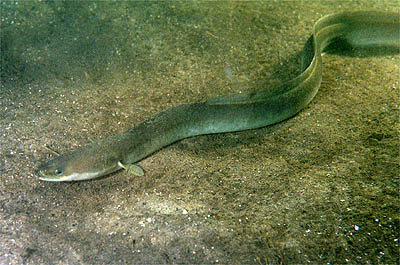
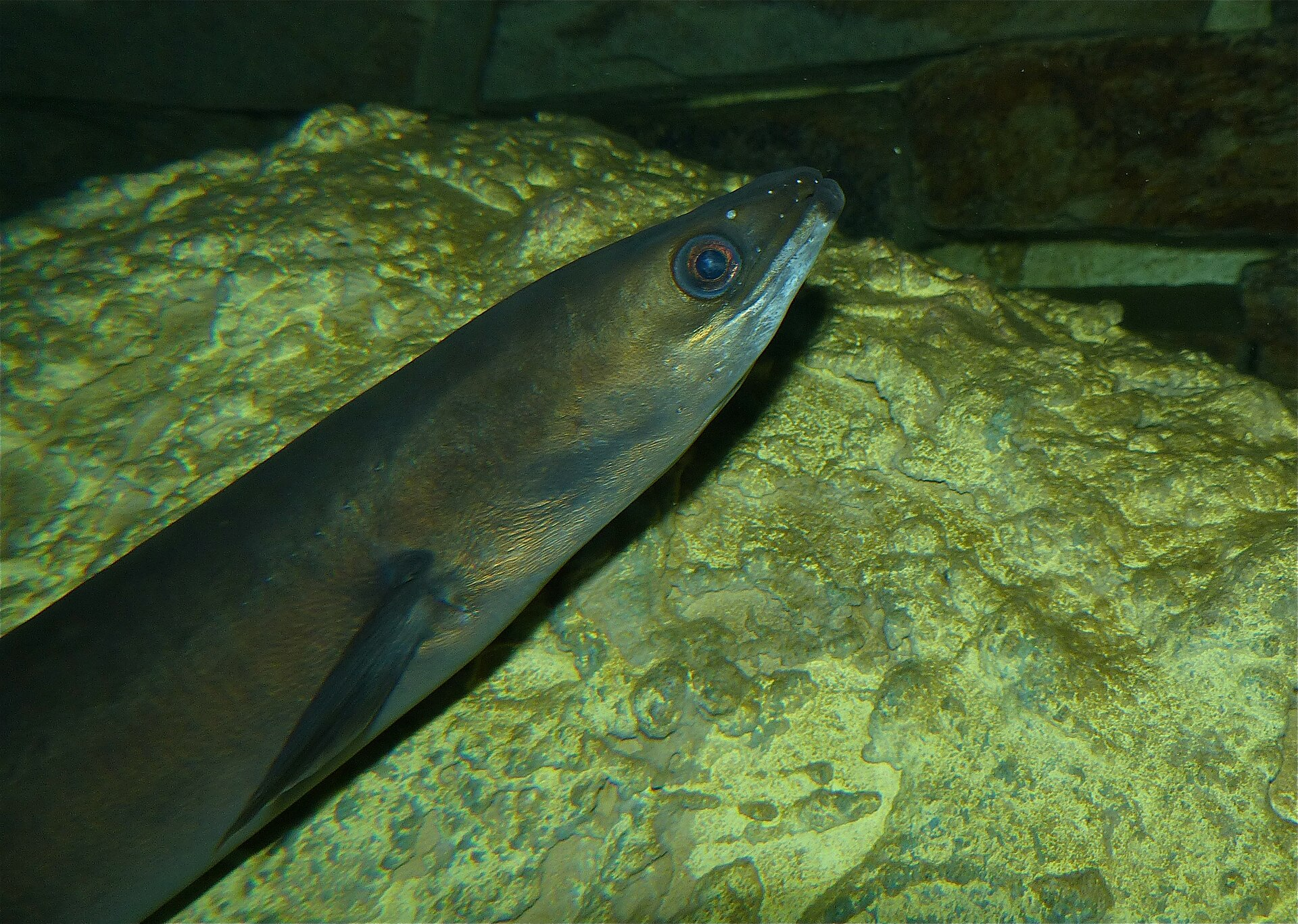
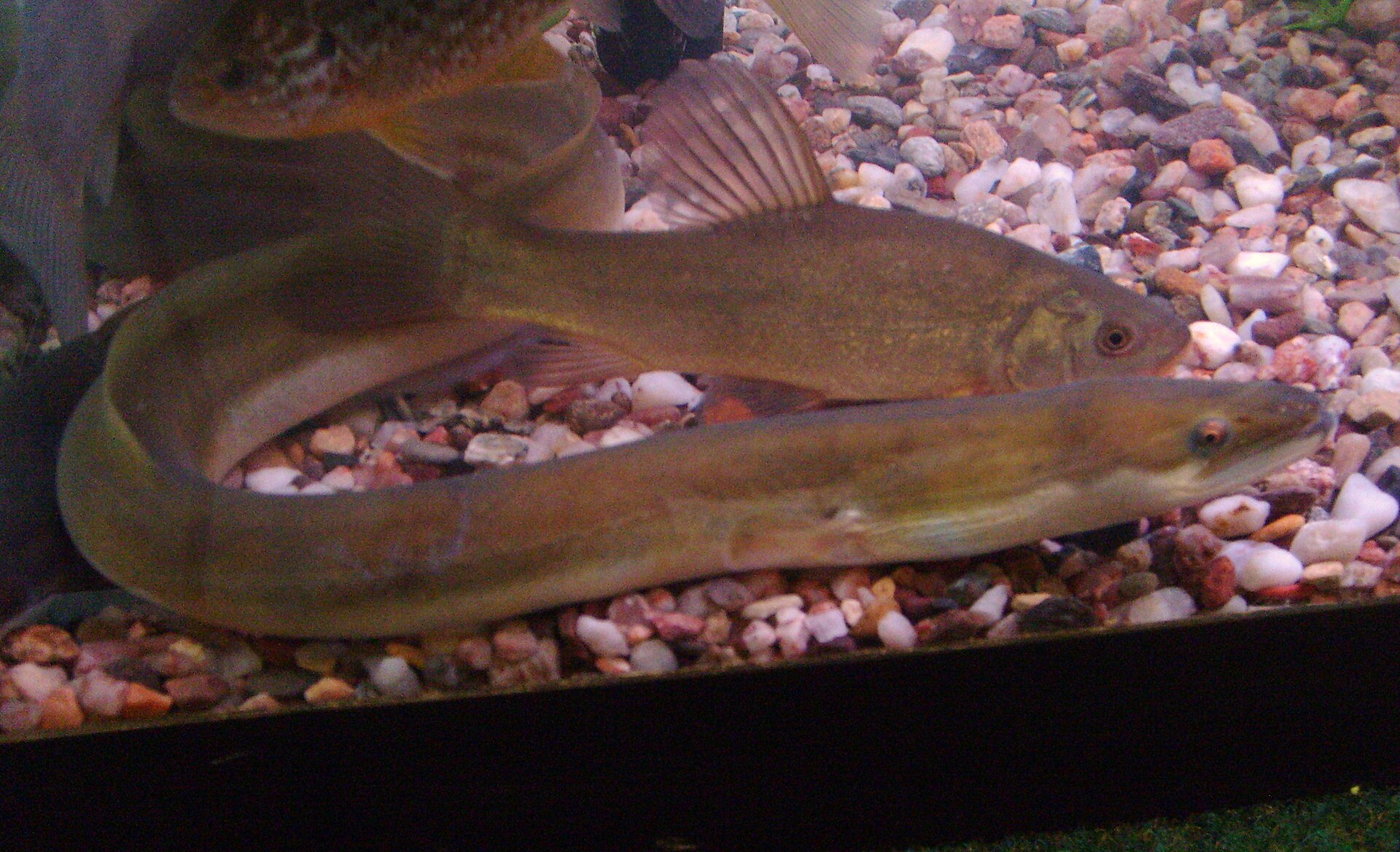
Some scientific mysteries involve exotic, hard-to-reach subjects: distant stars, deep ocean trenches, particles too small to see. The mystery of the eel is not like that. Eels are ordinary. They live in rivers, streams, estuaries, and lakes across two continents. People have caught them, cooked them, traded them, and written about them for thousands of years. They are, by any reasonable standard, a well-known animal.
And yet, for more than two millennia, one of the most basic questions you can ask about any creature had no answer: where do baby eels come from? Nobody could find eel eggs. Nobody could find young eels in the rivers where adults lived. Dissect a river eel and you find no obvious reproductive organs at all. It was as if the animals simply materialized. The question defeated Aristotle. It defeated generations of naturalists after him. It sent a young medical student named Sigmund Freud, years before he turned to the mind, on a frustrating hunt through hundreds of specimens. And it was not resolved, in the sense of direct evidence, until a study published in 2022. Here is the story of the longest-running puzzle in the study of animals.
The Question That Would Not Go Away
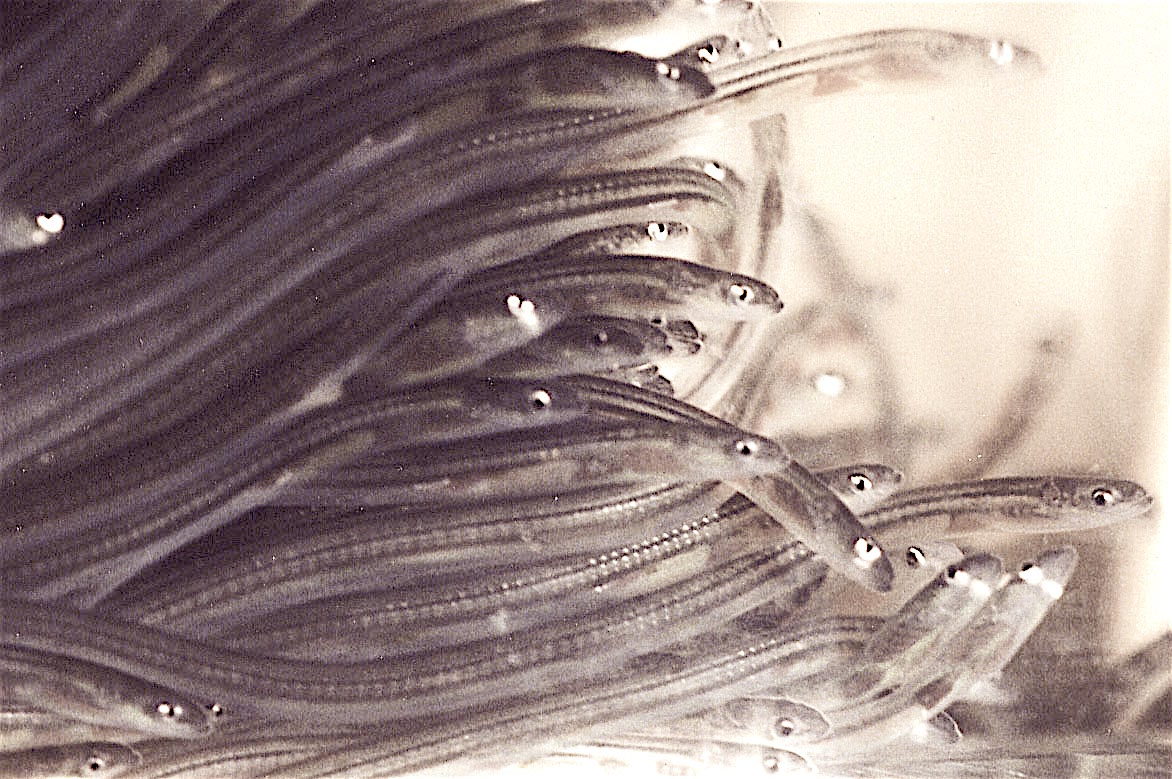
The difficulty is easy to state and was maddeningly hard to solve. Wherever people found eels, they found adults, and only adults. There were no eggs in the riverbeds. There were no obvious juveniles hatching in the streams. And when naturalists examined mature eels caught in fresh water, they could not locate reproductive organs, which seemed to suggest an animal incapable of breeding at all.
That is a real biological problem, not merely a curiosity. Survival of a species depends on reproduction; a creature that cannot reproduce should not persist. Yet eels were abundant. Something was clearly happening, and it was happening somewhere nobody was looking. In the absence of evidence, people filled the gap with explanations, and some of them were memorable. The ancient Egyptians told of eels arising from the Nile when the sun warmed it. Other traditions held that new eels generated from the skin of older ones, or, in one particularly charming theory, that they grew from the hairs of horses that had drunk from a pool. These ideas sound absurd now, but they were reasonable attempts to explain something that appeared truly to violate the rules, and they persisted for a very long time because nobody could offer anything better.
Like our content? Follow us for more.
Aristotle’s Answer
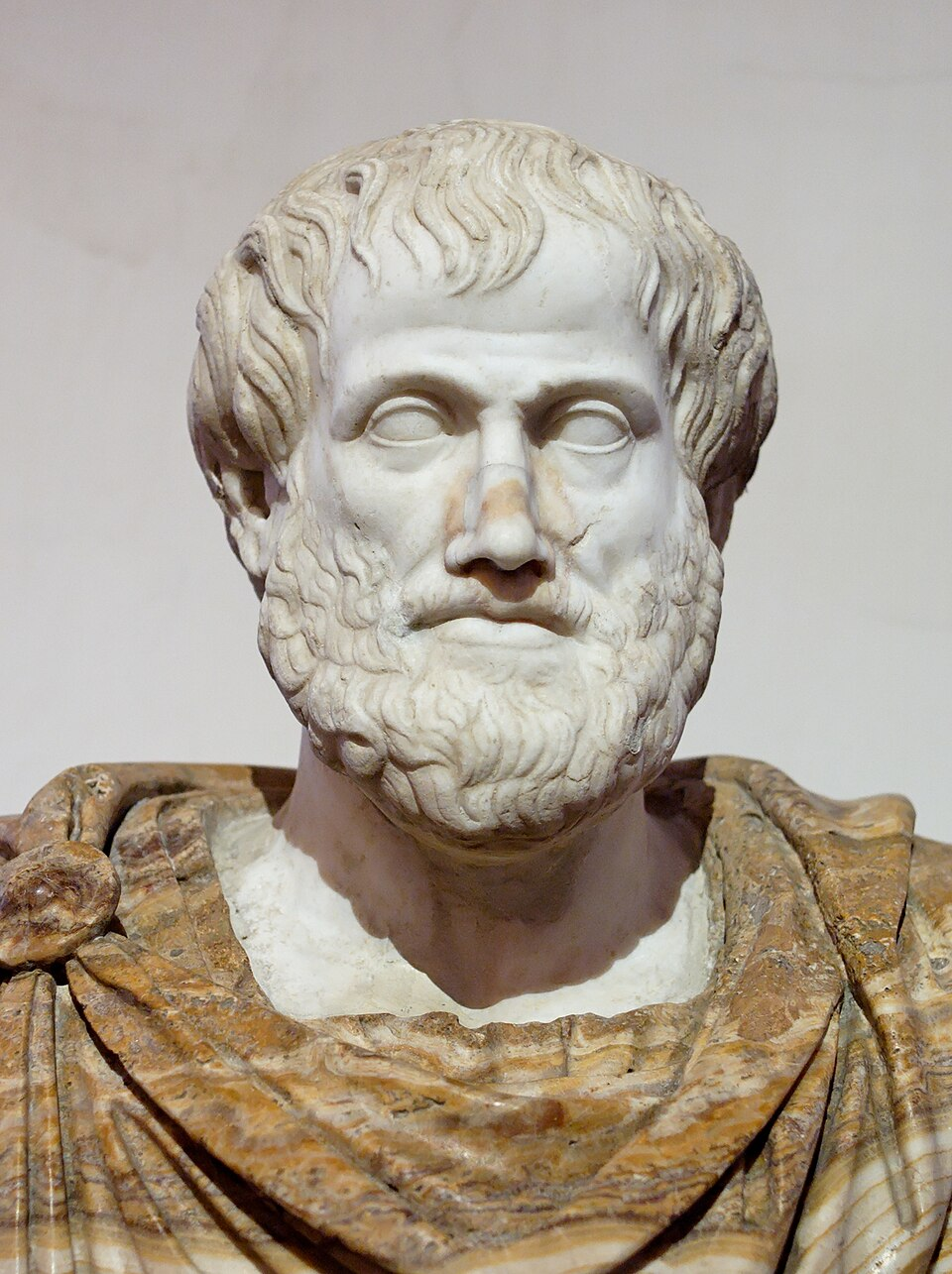
The most influential of the early explanations came from Aristotle, who studied eel anatomy closely and reached a conclusion consistent with what he could observe. Finding no sex organs and no evidence of eggs, he concluded that eels did not reproduce sexually at all. Instead, he proposed, they arose spontaneously from the earth itself, emerging out of mud and the entrails of the ground.
It is easy to mock this from a distance of two thousand years, but it is worth appreciating what Aristotle was doing. He was reasoning carefully from the available evidence, and the available evidence truly pointed away from ordinary reproduction. His answer, spontaneous generation, was the prevailing framework for explaining the sudden appearance of small creatures, and eels seemed to be a textbook case. The trouble was that Aristotle’s enormous authority meant his answer stuck. For centuries afterward, the consensus held that eels were an exception in the animal kingdom, a creature that bypassed the normal rules of procreation and rose from the river mud. The question did not so much get answered as get closed, and it stayed closed far longer than it should have.
The Frustrated Young Researcher
In 1876, a nineteen-year-old medical student was dispatched to a research station on the Adriatic coast with a specific assignment: find the reproductive organs of the male eel. Anatomists had by then identified the reproductive organs of a mature female eel, but the male remained elusive, and settling the question was considered a worthwhile problem for a promising student.
The student was Sigmund Freud, more than two decades before the work that would make him famous. He worked through roughly four hundred eels, dissecting specimen after specimen in search of the organ that was supposed to be there. He did not find it. The assignment ended in failure, and Freud, evidently unenthused by the experience, moved on to other subjects and eventually to an entirely different field. The episode has become a favorite piece of trivia in the history of science, but there is a serious point buried in it. Freud failed not through incompetence but because of a fact about eels that nobody yet understood: eels do not fully develop their reproductive organs until the very last stage of their lives, a stage that can arrive anywhere from seven to twenty-five years in, and that begins only once they leave fresh water behind. He was looking for something that was not there yet, in animals that had not yet begun the transformation. The organs he sought would develop only after the eels departed on a journey no one had followed.
Following the Larvae West
The first real breakthrough came from a Danish biologist named Johannes Schmidt, who from 1904 onward led a long series of expeditions across the Mediterranean and the Atlantic with a simple, patient method: catch eel larvae, measure them, and note where they were found.
Eel larvae are peculiar creatures, transparent and shaped rather like a willow leaf, so unlike adult eels that they were originally classified as an entirely separate species. Schmidt’s insight was that if he tracked their size geographically, the smallest, and therefore youngest, larvae should cluster nearest to wherever they had hatched. Year after year, expedition after expedition, he found that the farther west he sailed across the Atlantic, the smaller the larvae became. The trail led him to the Sargasso Sea, a strange, calm region of the western North Atlantic east of Bermuda, notable for its floating brown sargassum weed and for being the only sea on Earth with no land boundaries at all. There, and only there, he found the youngest, newly hatched larvae. In 1923 he published his conclusion: the spawning grounds lay in a restricted area of the western Atlantic. It was a monumental piece of work, and it remains the single biggest step ever taken toward solving the mystery. But Schmidt himself was careful about what he had shown. He had found the smallest larvae. He had never seen an adult eel there, and he had never seen an egg.
A Hundred Years of Almost
That gap is what makes the eel story so unusual. Schmidt’s conclusion was widely accepted and taught as established fact for the better part of a century, and yet the direct evidence never materialized. Decades of subsequent surveys found more larvae, refining the picture of where and when they hatched across a wide region of the Sargasso Sea. What those surveys did not find, ever, was an adult eel in the act of spawning, or an eel egg.
This left more room for doubt than most people realize. Because no adults or eggs had been recovered, alternative hypotheses about eel reproduction remained live in the scientific literature, including proposals that spawning might occur somewhere else entirely, such as along the Mid-Atlantic Ridge. Those alternatives were debated and, in at least one prominent case, rebutted by other researchers who argued the supporting evidence had been misinterpreted. For more than a hundred years, the life history of Atlantic eels remained a real matter of scientific debate, resting on an inference that was extremely reasonable but had never been directly confirmed. The eel, in other words, kept its secret even after everyone was fairly sure they knew what it was.
Confirmation at Last
The direct evidence finally arrived in 2022. A research team attached satellite tags to adult European eels and tracked them as they set out on their migration, following where the animals actually went rather than inferring it from the distribution of their offspring. Twenty-six eels were tagged from rivers in the Azores, and the tags recorded their positions for periods ranging from about forty days to a full year, at travel speeds of a few kilometers to a dozen kilometers per day.
Five of them reached the Sargasso Sea. Published in a peer-reviewed journal that October, the study provided what its authors described as the first direct evidence of adult European eels reaching their presumed breeding place, roughly a century after Schmidt proposed it. The eels really do make the journey, thousands of kilometers across open ocean, from European fresh water to a particular patch of the western Atlantic. It was a satisfying vindication of a hypothesis that had waited a hundred years for proof. And yet, in a fitting final twist, the mystery is still not completely closed: even now, nobody has actually watched eels spawn in the wild, and no eel eggs have been recovered from the Sargasso Sea. We know where they go. We have never seen what happens when they get there.
There is a conservation postscript worth noting. The European eel is now classified as critically endangered, its numbers having fallen dramatically, and the researchers behind the tracking work expressed hope that finally pinning down the migration route would help inform efforts to protect the species. Which gives the whole two-thousand-year saga an unexpected urgency. The animal that baffled Aristotle, defeated Freud, and kept its most basic secret through a century of modern science is now one that needs looking after, and understanding that long-hidden journey may turn out to matter for more than satisfying our curiosity.
Like our content? Follow us for more.