

Few rooms capture the bold style of the 1970s quite like the bathroom. It was a small space packed with color, texture, and a very particular set of decorative touches that nearly every American home shared. From the eye-popping colored fixtures to the carpet underfoot, the 1970s bathroom followed a design language all its own, one that looks almost unbelievable to modern eyes. Most of these once-universal features have since vanished, swept away by changing tastes and a better understanding of what belongs in a bathroom. Here are the twelve things you’d reliably find in a 1970s American bathroom, and why each one has disappeared.
1. Avocado-Green and Harvest-Gold Fixtures
The single most defining feature of the 1970s bathroom was its color. Toilets, tubs, and sinks came in bold, earthy shades, most famously avocado green and harvest gold, along with shades like coppertone brown and dusty pink. A matching colored suite was the height of fashion, a deliberate design statement rather than an afterthought.
These colored fixtures were everywhere, turning the bathroom into a coordinated, monochromatic experience. Homeowners chose them with pride, and entire bathrooms were built around the dominant hue. As tastes shifted decisively toward clean white and neutral fixtures, the colored suites fell dramatically out of favor and came to be seen as dated. Today, an original avocado-green toilet is a hallmark of a bathroom frozen in the era, and replacing them has been a rite of passage for generations of renovators.
Like our content? Follow us for more.
2. Wall-to-Wall Carpeting
One of the most baffling features to modern eyes was carpeting, in the bathroom. Yes, wall-to-wall carpet, often in a color coordinated with the fixtures, was commonly installed right up to the tub and toilet, prized at the time for being soft and warm underfoot on chilly mornings.
The appeal was comfort and a cozy, finished look, and it fit the era’s love of plush textures throughout the home. Of course, carpet in a room full of water and humidity proved to be a questionable idea, prone to dampness, stains, and worse. As awareness of hygiene and practicality grew, bathroom carpeting disappeared almost entirely in favor of tile and vinyl. The memory of stepping onto a soft carpeted bathroom floor remains one of the most distinctive, and now puzzling, features of the era’s homes.
3. The Fuzzy Toilet-Lid Cover and Rug Set
Completing the soft-textured look was the ubiquitous bathroom set: a fuzzy, padded cover that fit over the toilet lid, a matching contour rug that hugged the base of the toilet, and often a coordinating mat. These plush sets came in colors to match the fixtures and added another layer of softness.
The fuzzy toilet-lid cover in particular is a quintessential symbol of the era, instantly recognizable to anyone who grew up then. These sets were inexpensive, easy to wash, and a simple way to coordinate the room’s look. Like bathroom carpeting, they eventually fell out of favor on practical and hygienic grounds, and the contoured rug hugging the toilet base became a dated relic. For many, the memory of that plush lid cover is pure 1970s nostalgia.
4. Color-Coordinated “Good” Towels
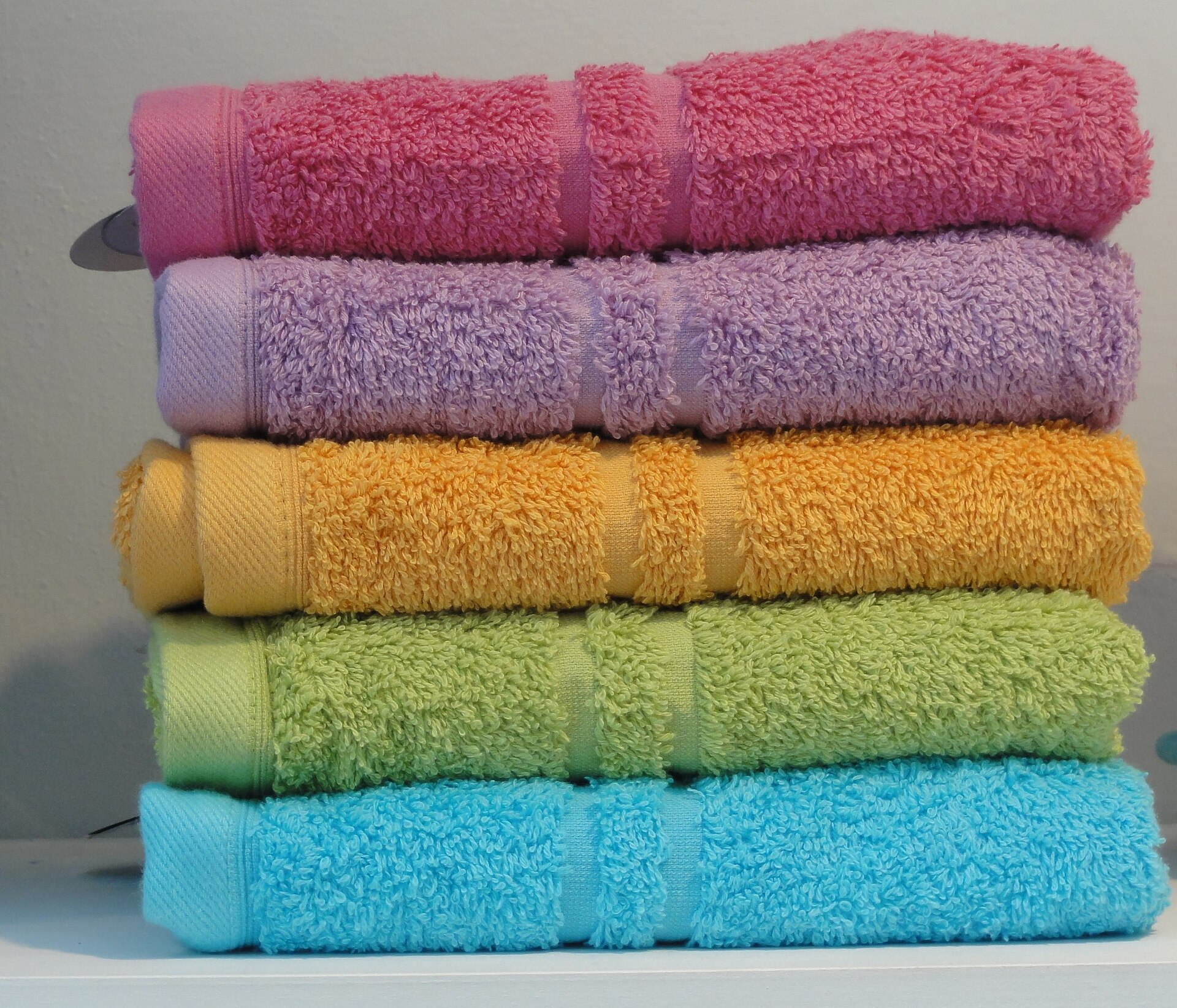
Hanging on the towel bars, often perfectly, was a set of plush, color-coordinated towels that were strictly for display. These “good” towels, frequently matching the bathroom’s color scheme, were not to be touched by ordinary family members, who knew to use the everyday towels instead.
The decorative towel set was part of keeping up appearances, ready for guests and there to complete the room’s coordinated look. Often they were fancier towels with decorative trim, fringe, or embroidery. Touching the display towels was a minor household crime in many homes. This custom of “for show” towels, kept pristine and untouched, was a widespread feature of the era’s home presentation, and the impulse to have a perfectly coordinated, off-limits towel set is a fondly remembered quirk of the time.
5. Decorative Guest Soaps No One Could Use
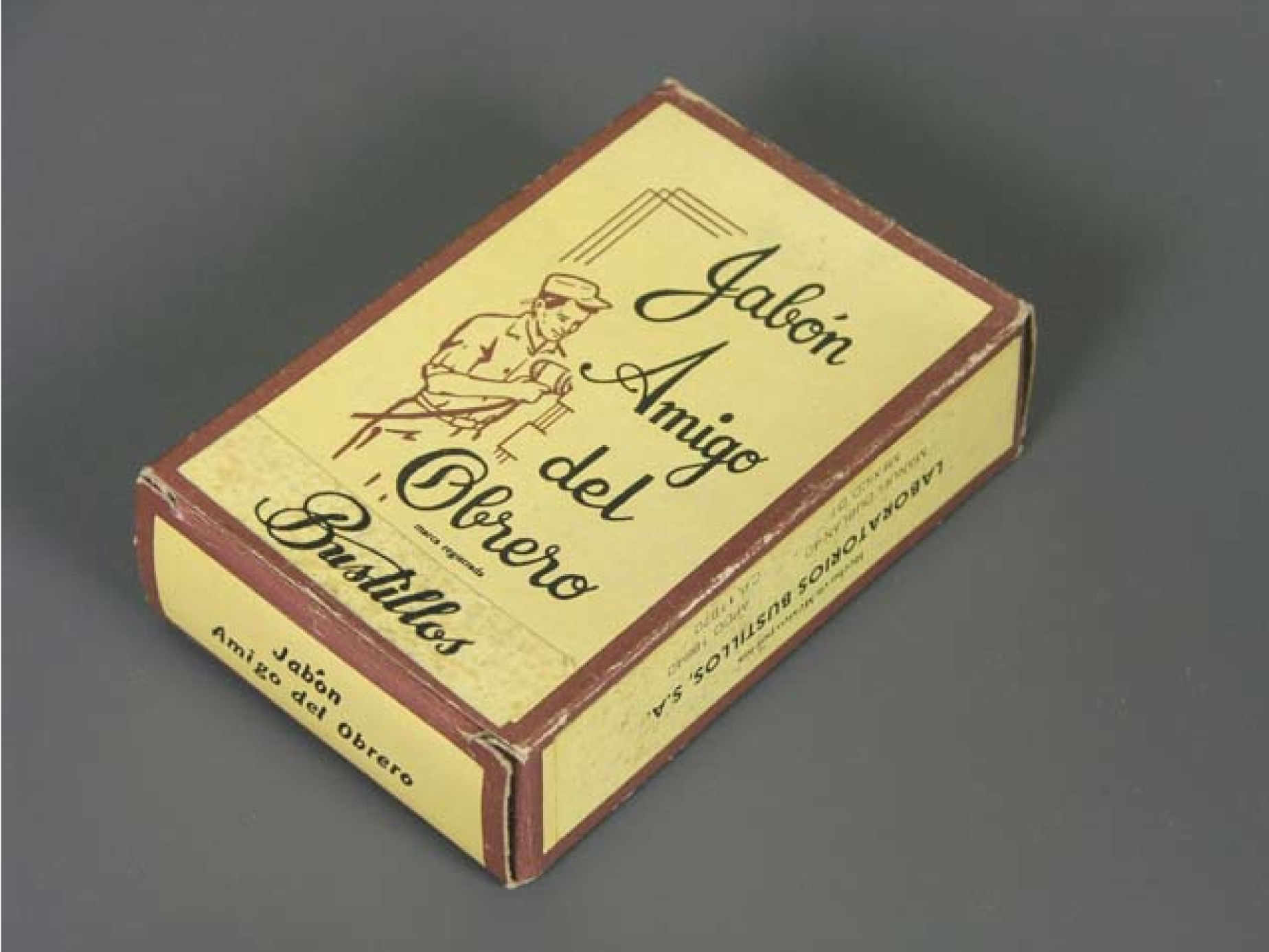
Sitting in a little dish, often shaped like shells, flowers, or fruit, were the decorative guest soaps, another item that existed purely for display. These pretty, often pastel-colored soaps were there to look nice and to be offered to guests, and using one as an ordinary family member was firmly discouraged.
These ornamental soaps would sit untouched for months or even years, slowly gathering dust, purely as a decorative flourish. The shell-shaped soap that no one was allowed to actually wash with is a beloved and slightly absurd symbol of the era’s home customs. It reflected a desire to keep a “nice” bathroom ready for company at all times. The little dish of forbidden decorative soaps is a detail that instantly transports anyone who grew up then straight back to the 1970s.
6. The Crocheted Toilet-Paper Cover
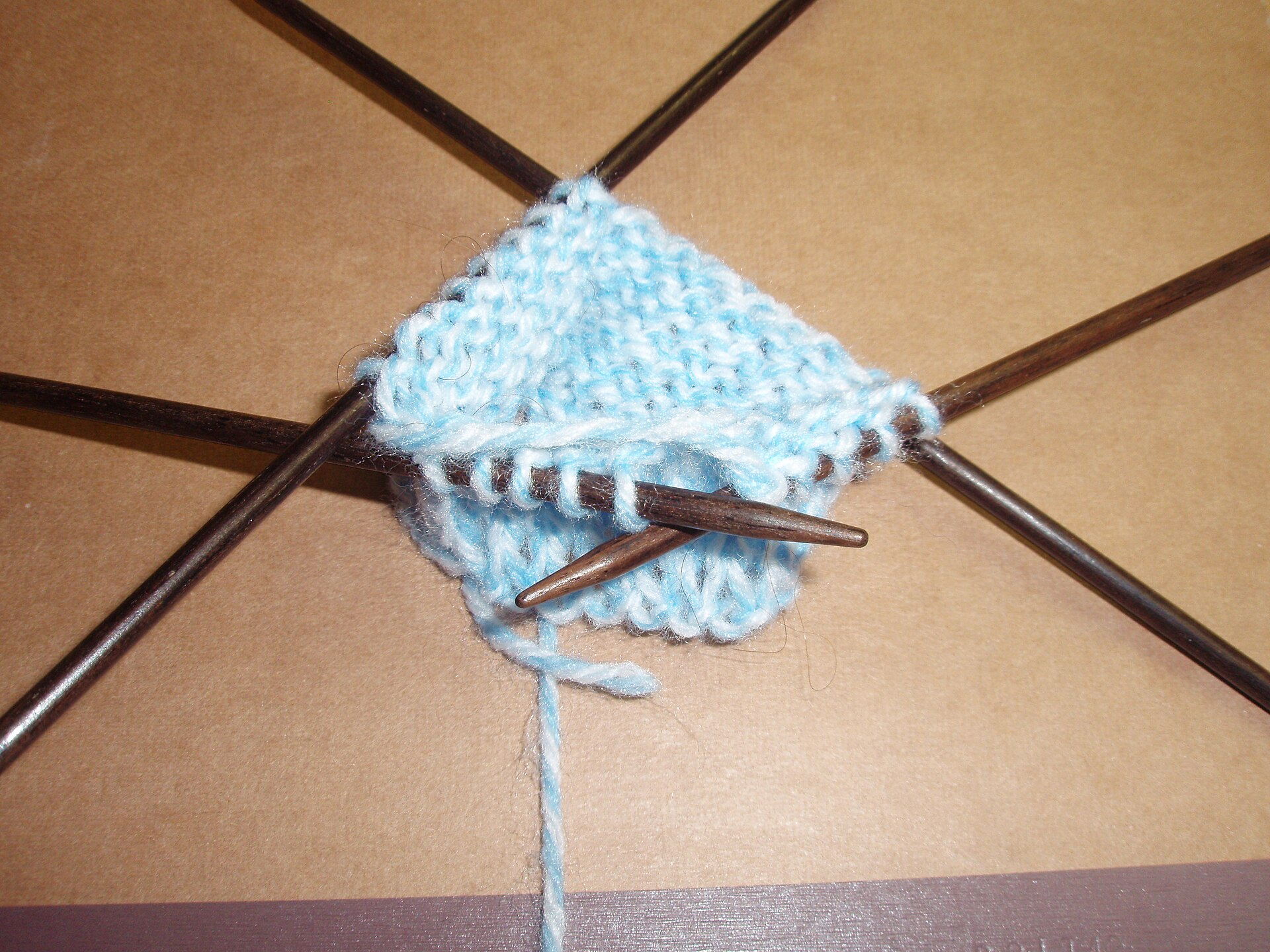
Among the more charming homemade touches was the crocheted or knitted cover that concealed a spare roll of toilet paper, frequently in the form of a doll whose wide skirt hid the roll. These handcrafted covers were a popular craft project and a common decorative item.
Often made by a crafty relative, the toilet-paper-cover doll sat atop the tank or on a shelf, adding a homemade, decorative touch to the room. These covers reflected the era’s enthusiasm for crochet, macramé, and other handicrafts that filled homes with handmade items. The concept of disguising a spare roll of toilet paper as a doll is a wonderfully specific period detail. As tastes changed and the crafting trends faded, these covers disappeared, surviving mostly in nostalgic memory and at the occasional estate sale.
7. The Dial Bathroom Scale
Tucked in a corner was the bathroom scale, a mechanical device with a round dial and a needle that spun to register your weight when you stepped on. These analog scales, often in a color matching the room, were a standard fixture, lacking any of the digital displays of later models.
The mechanical dial scale had a distinctive look and feel, with its slightly imprecise needle and the little knob for zeroing it out. It was a common, if sometimes dreaded, bathroom fixture. While bathroom scales certainly still exist, the specific analog dial model has largely given way to sleek digital versions. The retro dial scale, often color-matched to the fixtures, is a small but recognizable piece of the era’s bathroom landscape, remembered by anyone who grew up stepping onto one.
8. The Tissue Box Cozy
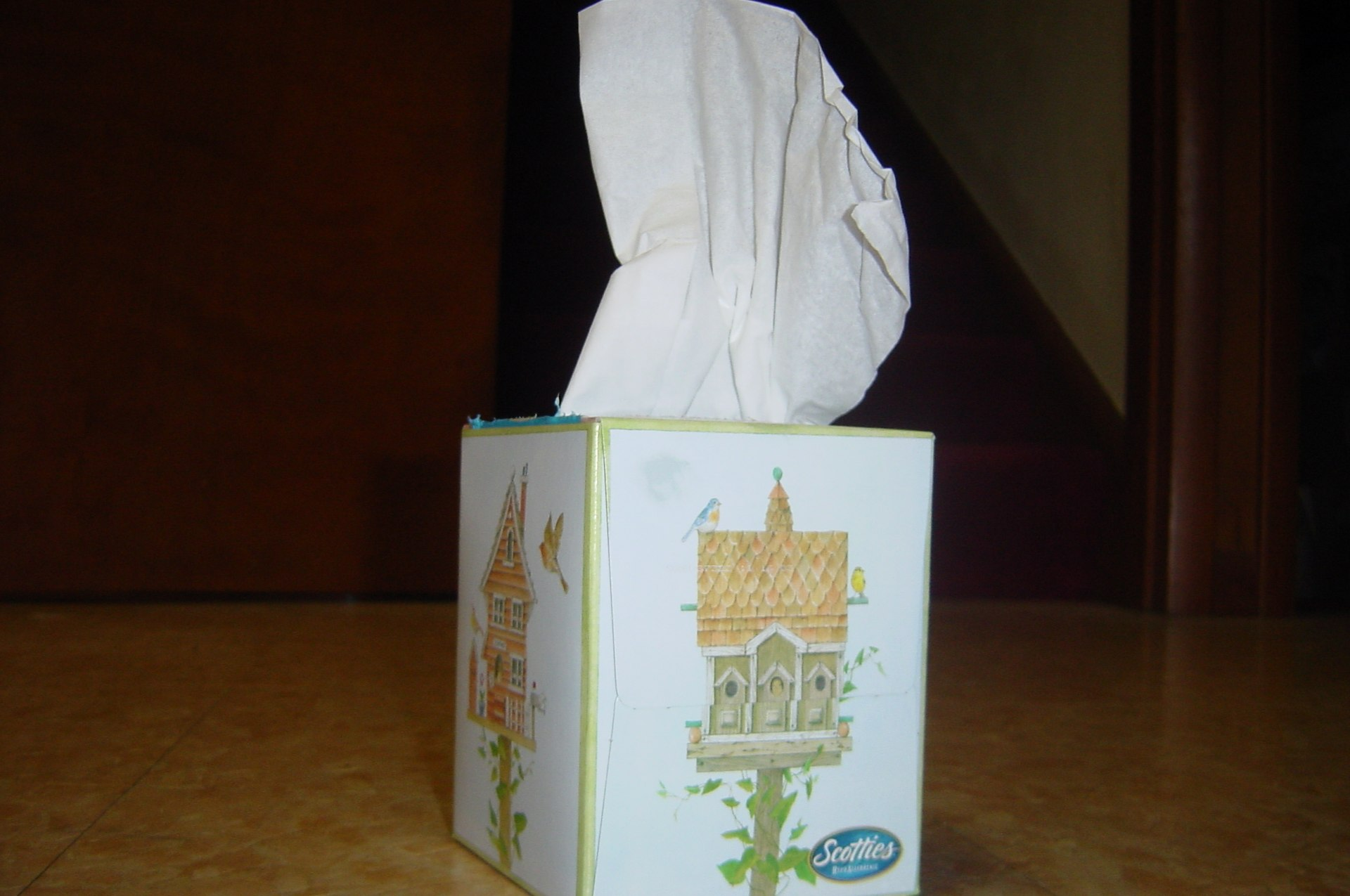
In keeping with the era’s love of covering and coordinating everything, the humble box of facial tissues often got its own decorative cover, or “cozy.” These covers concealed the plain cardboard box, presenting a more decorative face to match the room’s color scheme and style.
Tissue box covers came in countless materials and styles, from crocheted to ceramic to padded fabric, and were another small way to coordinate the bathroom’s look. The impulse to dress up even a tissue box reflects the era’s thorough approach to home decor, where few functional objects were left plain. Like many of these coordinating touches, the decorative tissue cover gradually faded from fashion. It remains a small, charming example of just how completely the 1970s bathroom was styled, down to the very last detail.
9. Bold Patterned Wallpaper
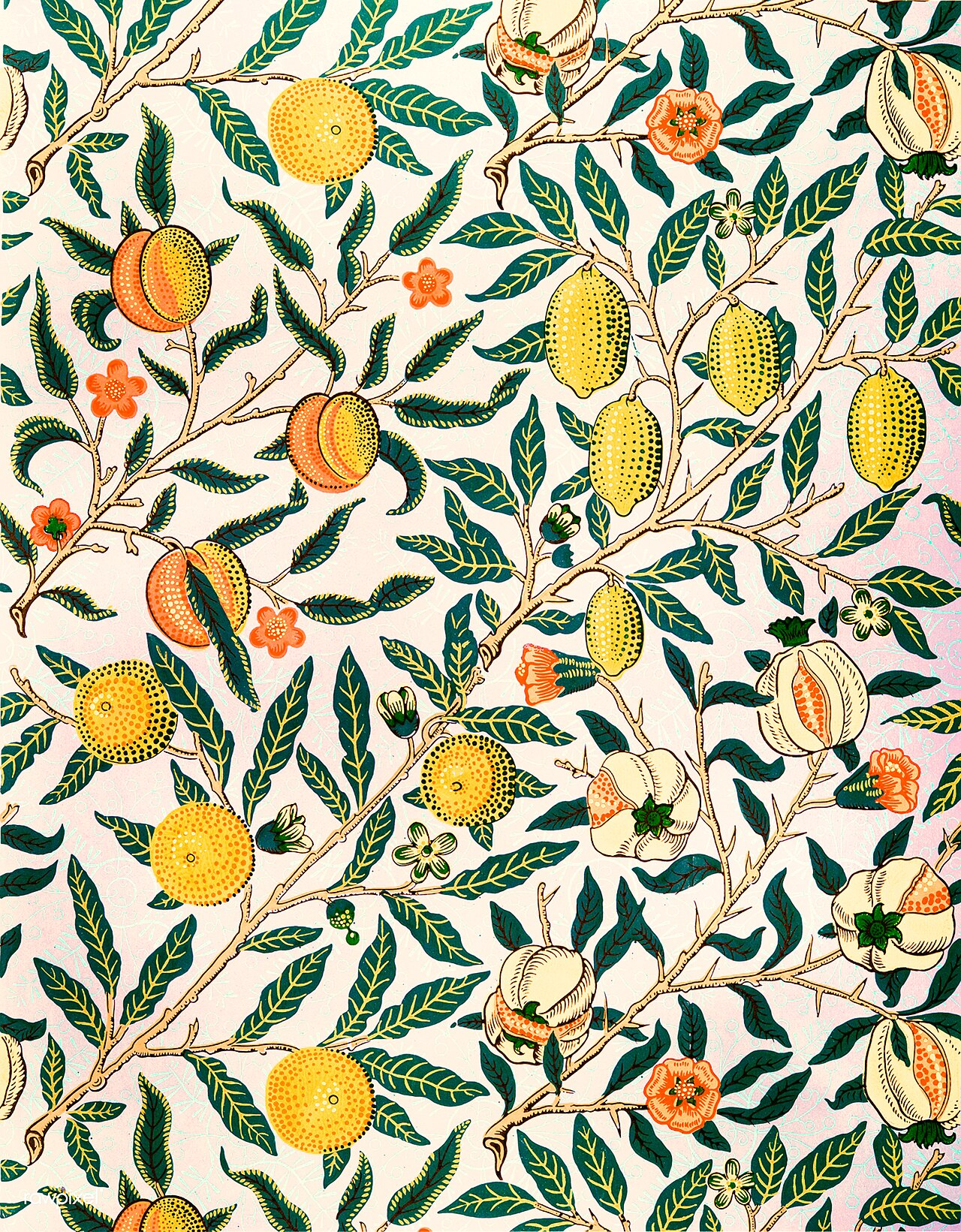
The walls of the 1970s bathroom were rarely plain. Bold, busy wallpaper, often in large floral prints, geometric patterns, or metallic foils, was extremely popular, adding yet more color and pattern to the already vivid room. The wallpaper frequently coordinated with the fixtures and textiles.
These eye-catching patterns were a defining element of the era’s interior style, and the bathroom was a favorite place to make a bold statement. Foil and flocked wallpapers added shine and texture, completing the room’s maximalist look. As design tastes turned toward simpler, lighter, more neutral spaces, the busy patterned wallpaper of the era came to feel overwhelming and dated. Stripping out layers of bold 1970s bathroom wallpaper has been a familiar chore for renovators, and the patterns themselves are now icons of the decade’s distinctive style.
10. Hairspray and the Beauty Arsenal
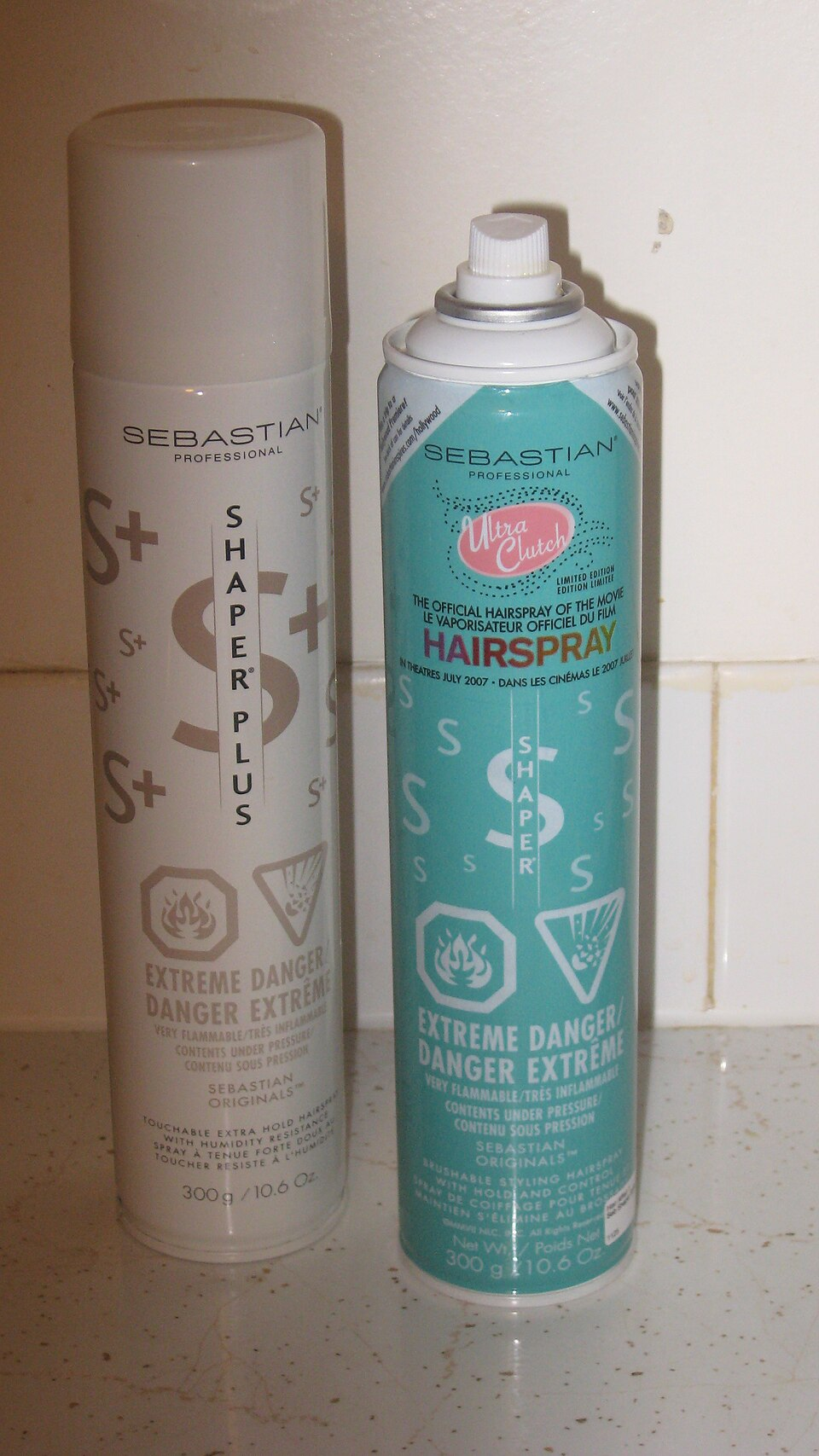
The 1970s bathroom counter and cabinet held a distinctive array of beauty products, chief among them the towering cans of aerosol hairspray essential for maintaining the era’s voluminous hairstyles. The hiss of a hairspray can was a familiar morning sound in countless households.
Alongside the hairspray sat curlers, the era’s cosmetics, aftershave, and a host of other grooming products with distinctive packaging and scents. The beauty rituals of the time required a specific arsenal of tools and products, many of which have since changed or disappeared. The big can of hairspray in particular is strongly associated with the era’s elaborate hairstyles. The collection of period beauty products, with their unmistakable look and smell, is a vivid sensory memory for those who grew up in the 1970s bathroom.
11. The Wall-Mounted Cup and Toothbrush Holder
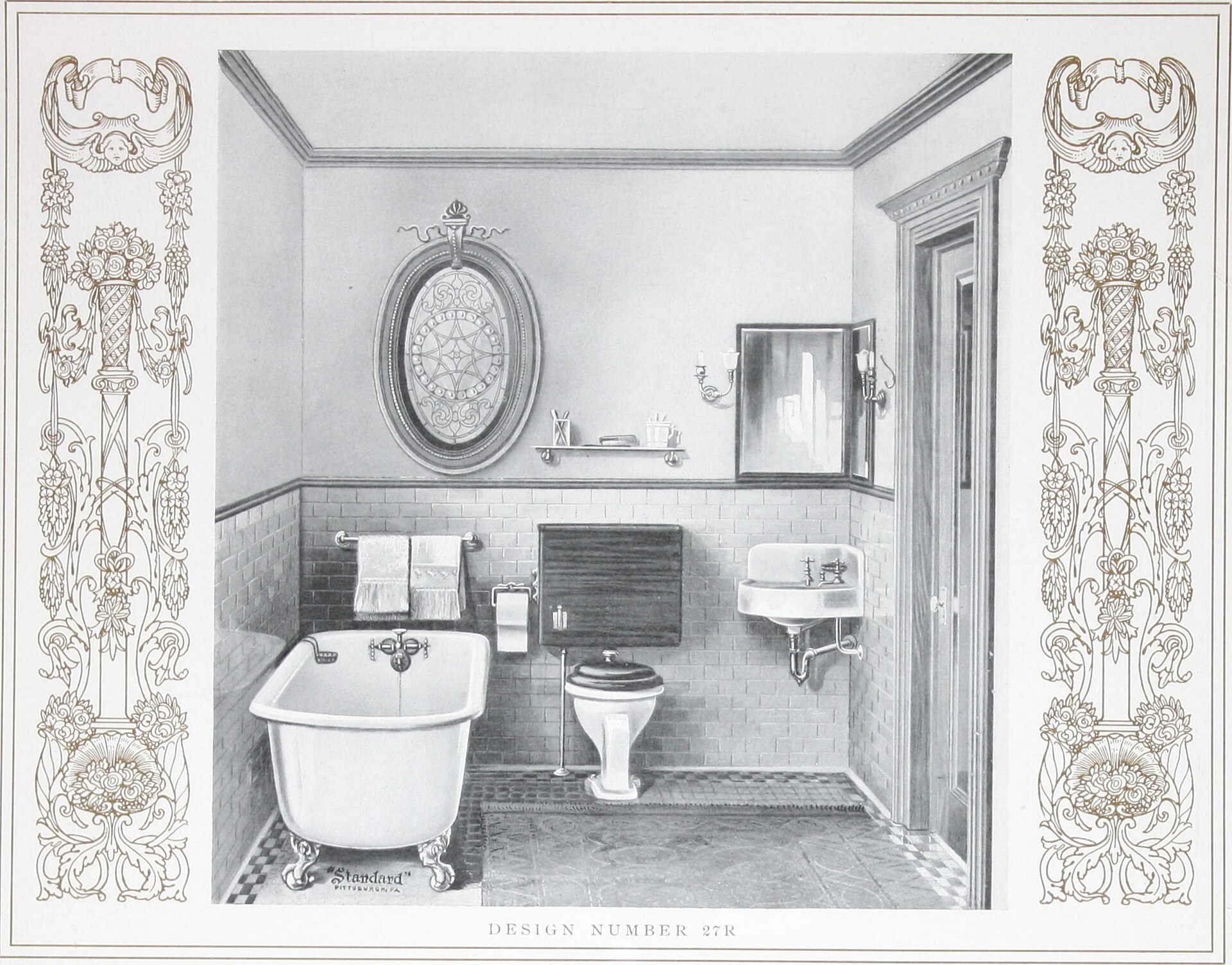
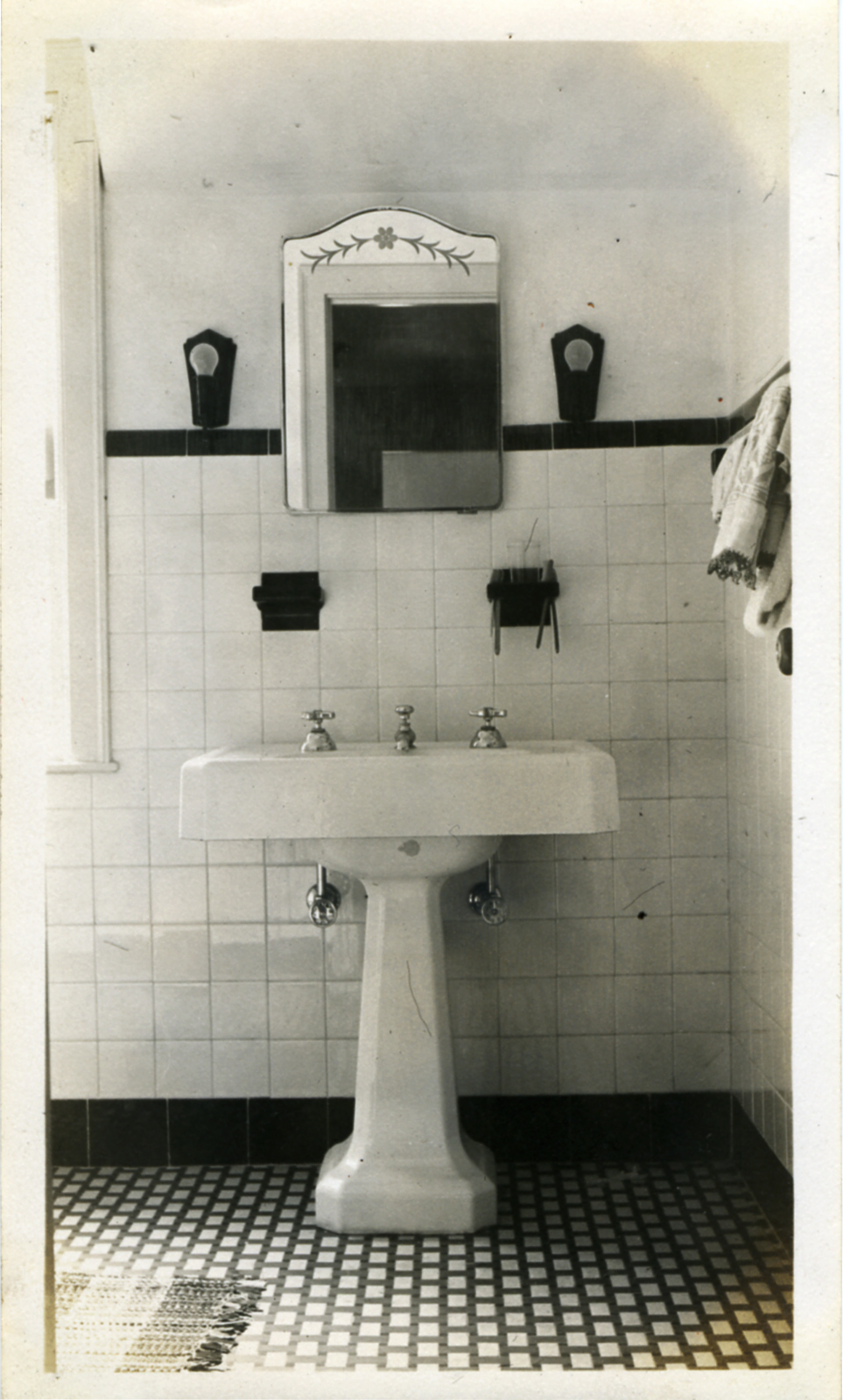
Mounted on the wall, often as part of a built-in fixture, was the cup and toothbrush holder, a ceramic or metal unit with slots for the family’s toothbrushes and a spot for a shared drinking cup. These were standard built-in fittings in many bathrooms of the era.
Often the holder included a glass or plastic tumbler used for rinsing, shared by the whole family. These built-in wall fixtures were practical and ubiquitous, frequently coordinating with the room’s color scheme or built right into the tilework. As bathroom design changed and freestanding accessories took over, the built-in wall-mounted cup and toothbrush holder became less common. The shared family rinsing cup in its wall slot is a small, specific memory that instantly evokes the everyday routines of the era’s bathroom.
12. A Coordinated Decorative “Theme”
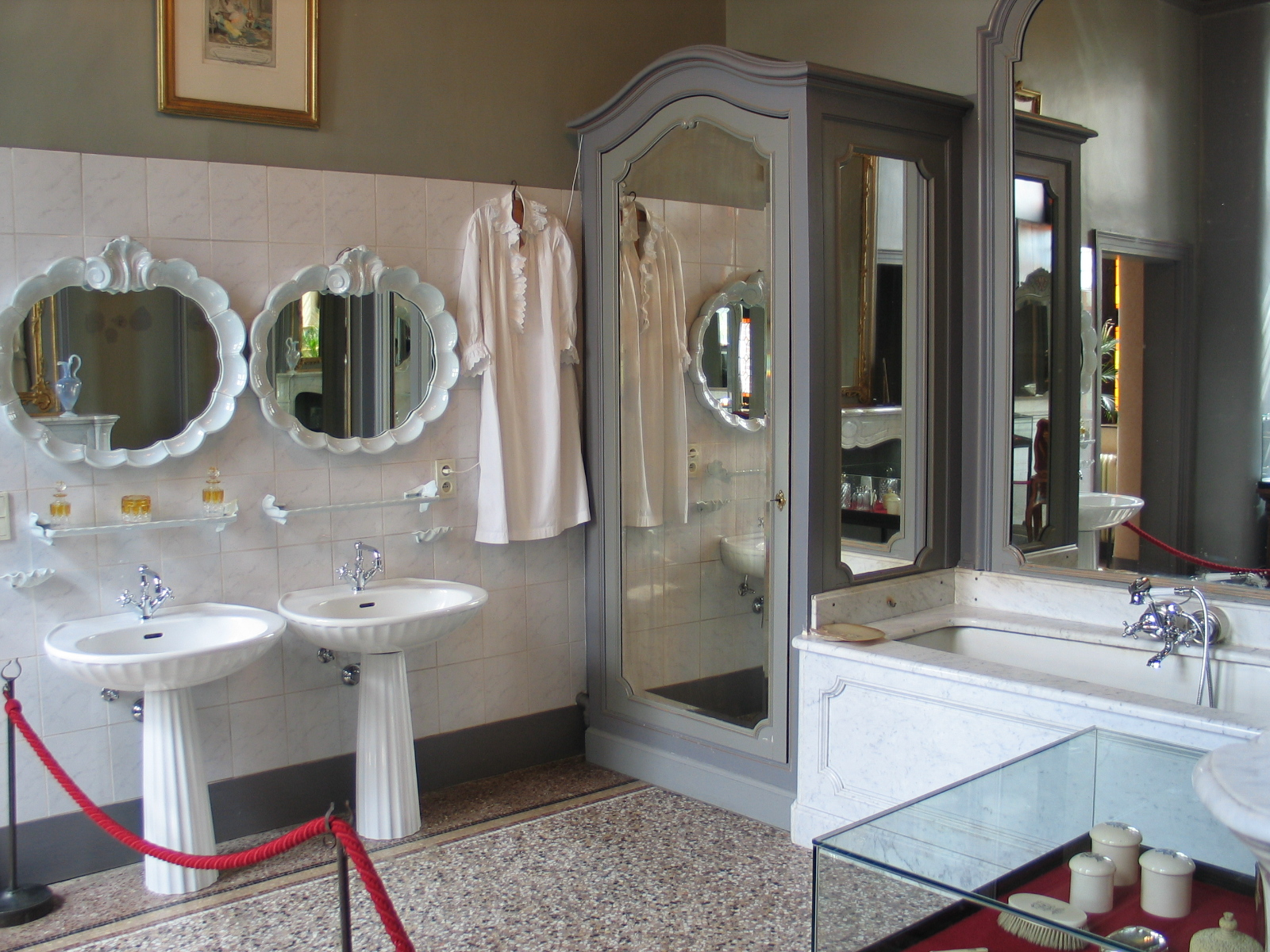
Pulling it all together, the 1970s bathroom often committed fully to a decorative theme, with seashells, fish, ducks, or flowers repeated across the shower curtain, wall art, soap dish, and accessories. The room was styled as a complete, coordinated decorative statement rather than a purely functional space.
Whether the theme was nautical, floral, or something else entirely, the era embraced the idea of a fully decorated, coordinated bathroom packed with matching accessories. This thorough, all-in approach to bathroom decor, with its colors, textures, patterns, and themes all working together, is what makes the 1970s bathroom so instantly recognizable. As minimalism took hold and bathrooms became simpler, neutral spaces, this maximalist coordinated look vanished, leaving behind fond and slightly amused memories of a room that held nothing back.
Looking Back at the 1970s Bathroom
Taken together, these twelve features paint a picture of a room that was bold, soft, coordinated, and unmistakably of its time. The 1970s bathroom reflected the era’s love of color, texture, pattern, and a “company-ready” approach to home presentation, where even functional spaces were thoroughly decorated. It was a far cry from the clean, neutral, practical bathrooms that became fashionable later.
Many of these features disappeared for genuinely practical reasons, especially the carpet and fuzzy covers that proved less than hygienic in a wet, humid room. Others simply fell out of fashion as tastes turned toward simplicity. Yet for those who grew up with avocado-green fixtures, plush toilet-lid covers, and decorative soaps no one could use, these vanished details stir warm nostalgia for a bolder, cozier, more thoroughly styled era of the American home.
Like our content? Follow us for more.
