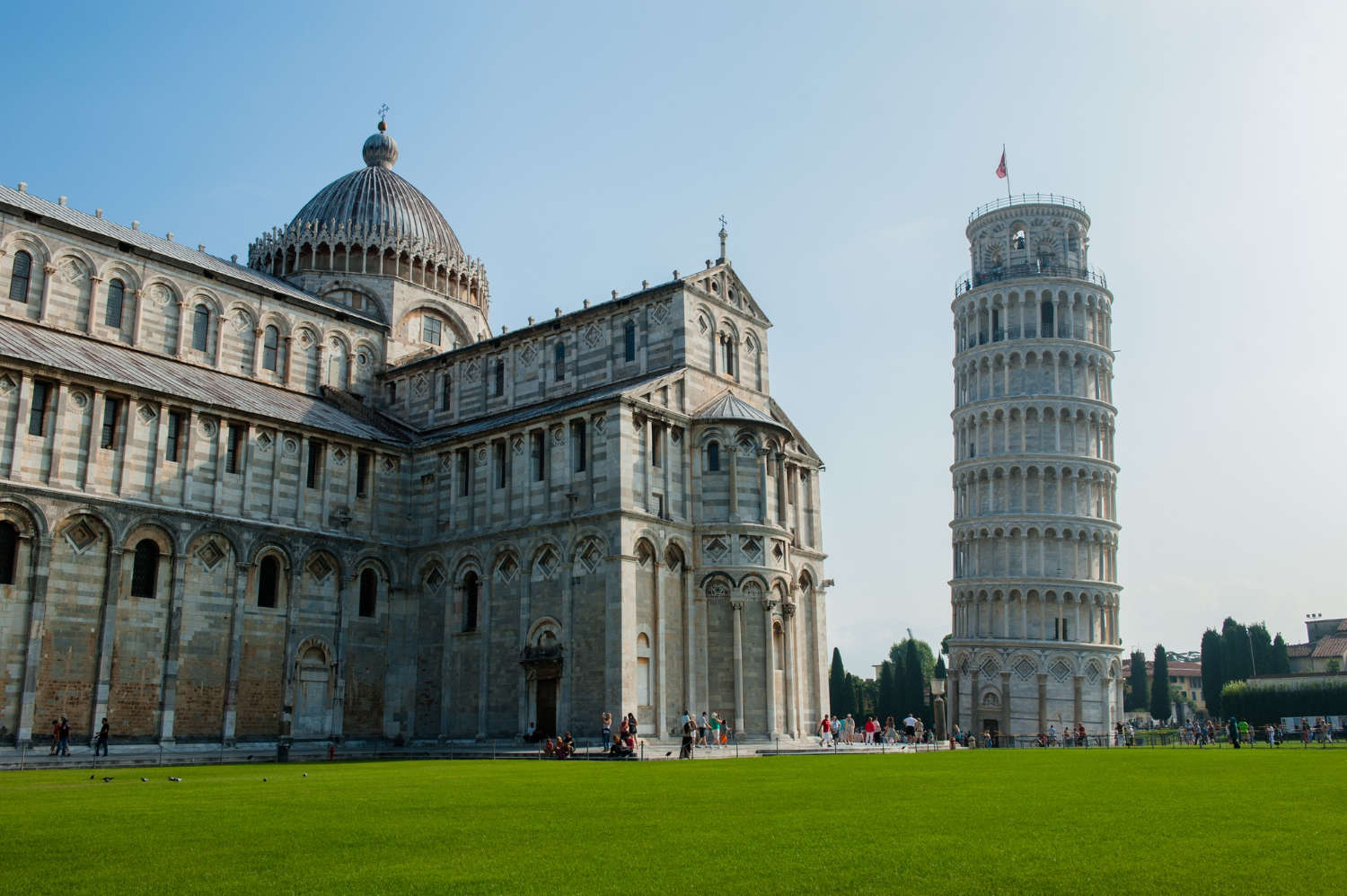
The Leaning Tower of Pisa is the freestanding bell tower of Pisa Cathedral, standing in the Piazza dei Miracoli in Tuscany. It draws millions of visitors a year, almost all of whom come to see a construction defect.
That is truly what it is. The tower was never meant to lean. Construction began in 1173, and the tilt appeared almost immediately, because the ground underneath could not carry the weight evenly. What followed was eight centuries of a building slowly falling over in extremely slow motion, punctuated by attempts to correct it that mostly made things worse.
By the late twentieth century the situation had become serious enough that engineers concluded the tower was approaching collapse. It was closed in January 1990, and what followed was one of the more interesting rescue operations in the history of engineering — interesting partly because the goal was not to fix the problem. Here is how they saved a building by carefully preserving its defect.
Built on the Wrong Ground
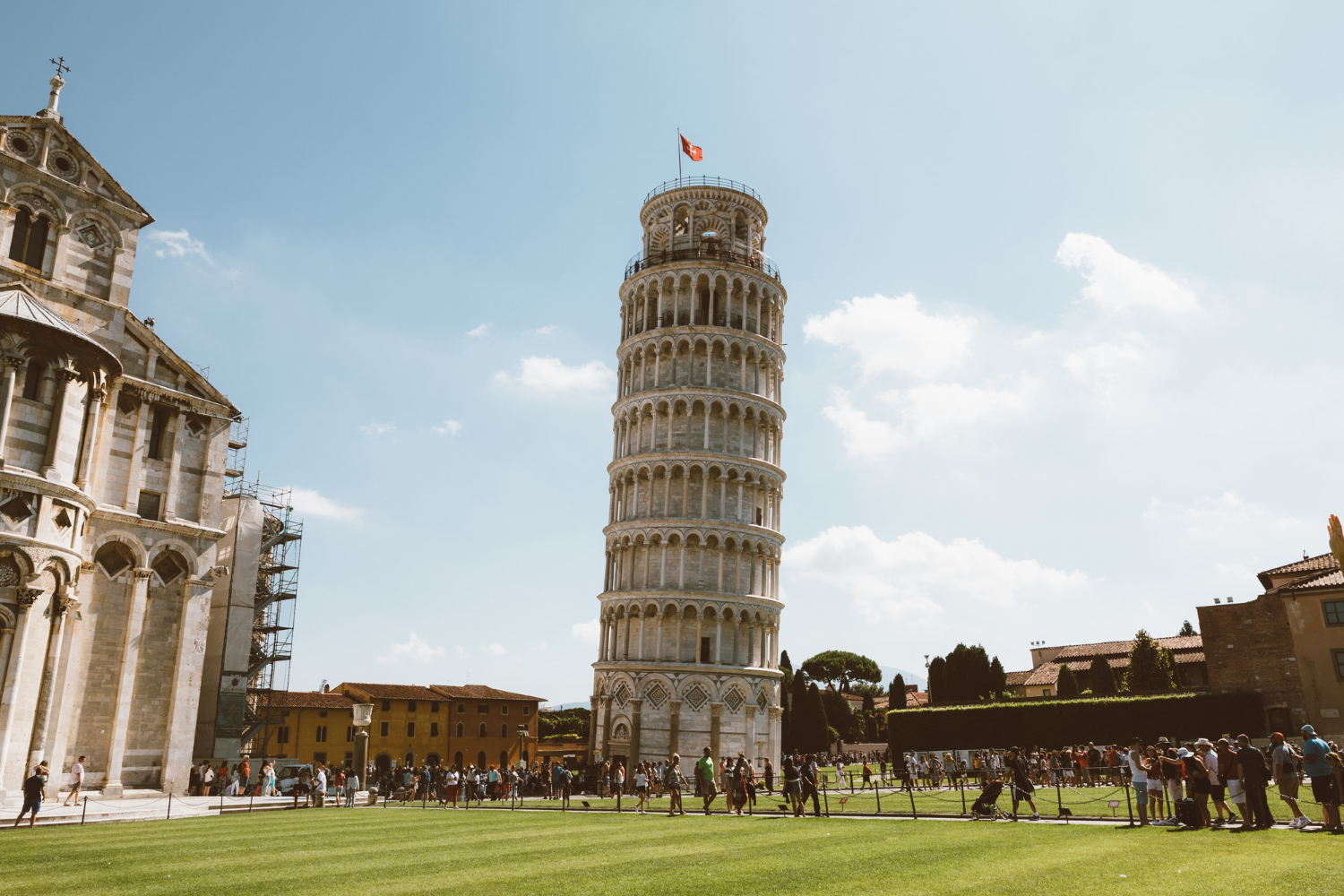
The cause of the lean is not mysterious. It is the soil.
The tower sits on a shallow foundation, roughly three metres deep, resting on ground composed of soft, sandy and clayey silt. Silt of that kind holds moisture, drains poorly, and compresses unevenly under load. It is close to the worst possible material to place a heavy stone tower on, and the foundation was nowhere near deep enough to reach anything more stable.
The tilt began in 1178, when construction had barely progressed past the first few storeys. Work then stopped for roughly a century, largely because of war, and that interruption was almost certainly what saved the building. It gave the underlying soil time to consolidate and settle. Had construction continued without pause, most analyses suggest the tower would have toppled long before it was finished.
When building resumed, the masons responded to the tilt in the most human way possible: they tried to correct for it as they went, constructing the upper storeys with slightly taller columns on the sinking side in an attempt to bring the structure back toward vertical. The result is that the tower is not merely tilted, it is subtly banana-shaped, curving as it rises. It was completed in the fourteenth century, seven storeys and a bell chamber, already leaning.
Like our content? Follow us for more.
Eight Centuries of Getting Worse
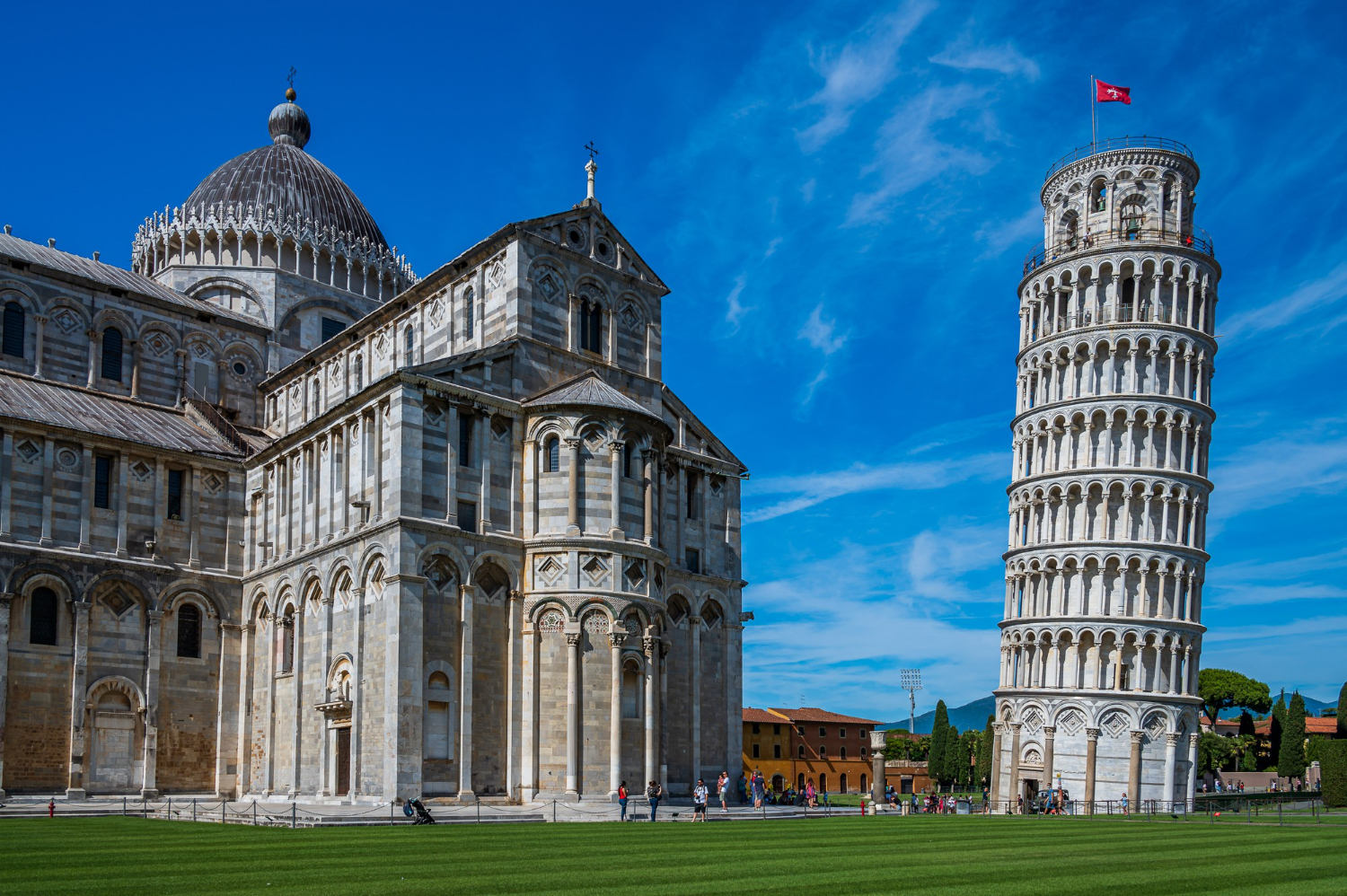
The lean did not stabilize. It increased steadily across the following centuries, and various interventions made matters worse rather than better.
Recorded measurements give a sense of the trajectory. Around 1350 the tilt was approximately 1.4 degrees. By 1911, careful monitoring showed the top of the tower moving at a rate of roughly 0.05 inches per year. Attempts at correction over the centuries — including work in the twentieth century intended to stabilize the foundation — repeatedly aggravated the sinking instead.
By 1990 the tilt had reached about 5.5 degrees, and the top of the tower was displaced roughly 4.5 metres from vertical.
Two things made that alarming. The first was that engineering analysis suggested the tower was nearing the angle at which the masonry in the lowest storey would fail under the stresses involved — the structure was at risk not just of tipping but of the stonework itself giving way. The second was more immediate: in 1989, a comparable medieval tower in the nearby city of Pavia collapsed without warning. That focused minds substantially.
The Italian government closed the tower to the public in January 1990 and appointed a committee of experts, led by the British geotechnical engineer John Burland, to work out what could be done.
The Solution: Take Soil Away
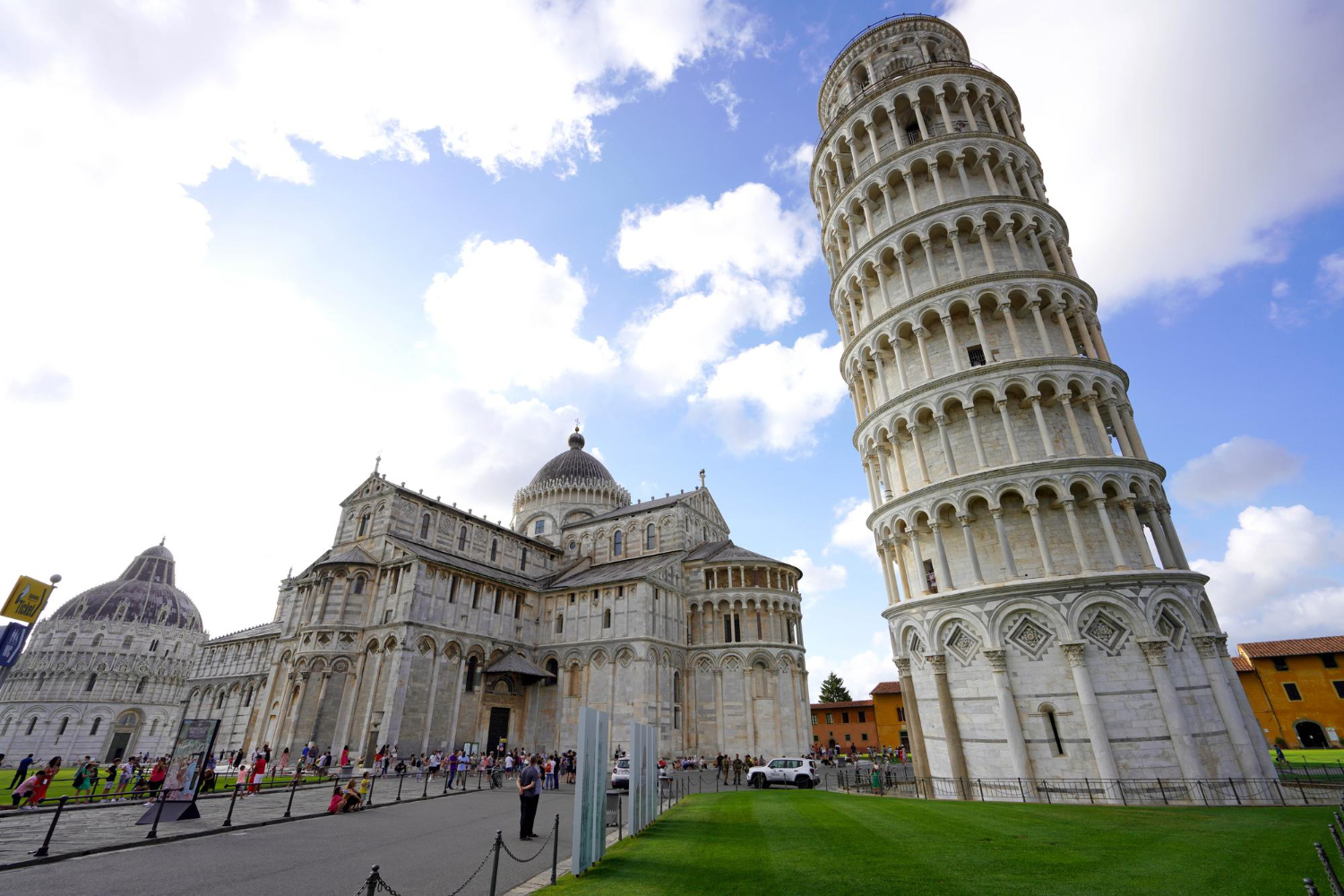
The eventual method sounds counterintuitive. To stop a tower leaning south, they removed material from underneath the north side.
The logic is sound once you see it. The tower leans south because the soil on that side has compressed more. If you carefully remove a small, controlled quantity of soil from beneath the north side, that side settles slightly too, and the whole structure rotates gently back northward under its own weight. You are not pushing the tower upright; you are letting gravity do it by lowering the high side.
The technique is called soil extraction, or underexcavation. Engineers drilled inclined holes, at roughly twenty to thirty degrees, to points just below the foundation on the north side. Soil was removed through these, leaving small cylindrical cavities that then collapsed gradually under the weight of the tower and overlying sediment, producing controlled, localized subsidence exactly where it was wanted.
They tested it first. An initial trial in 1999 used twelve extraction holes and reduced the tilt by 0.02 degrees — a tiny movement, but in the right direction and under control. That was enough to justify the full programme, and a further forty-one extraction holes were drilled. Over roughly thirty months, the tilt decreased by about half a degree.
In total, something on the order of tens of cubic metres of soil was removed. Reported figures vary, with sources citing around 38 cubic metres and roughly 77 tons, and the tower straightened by approximately 40 to 44 centimetres.
The Other Half of the Rescue
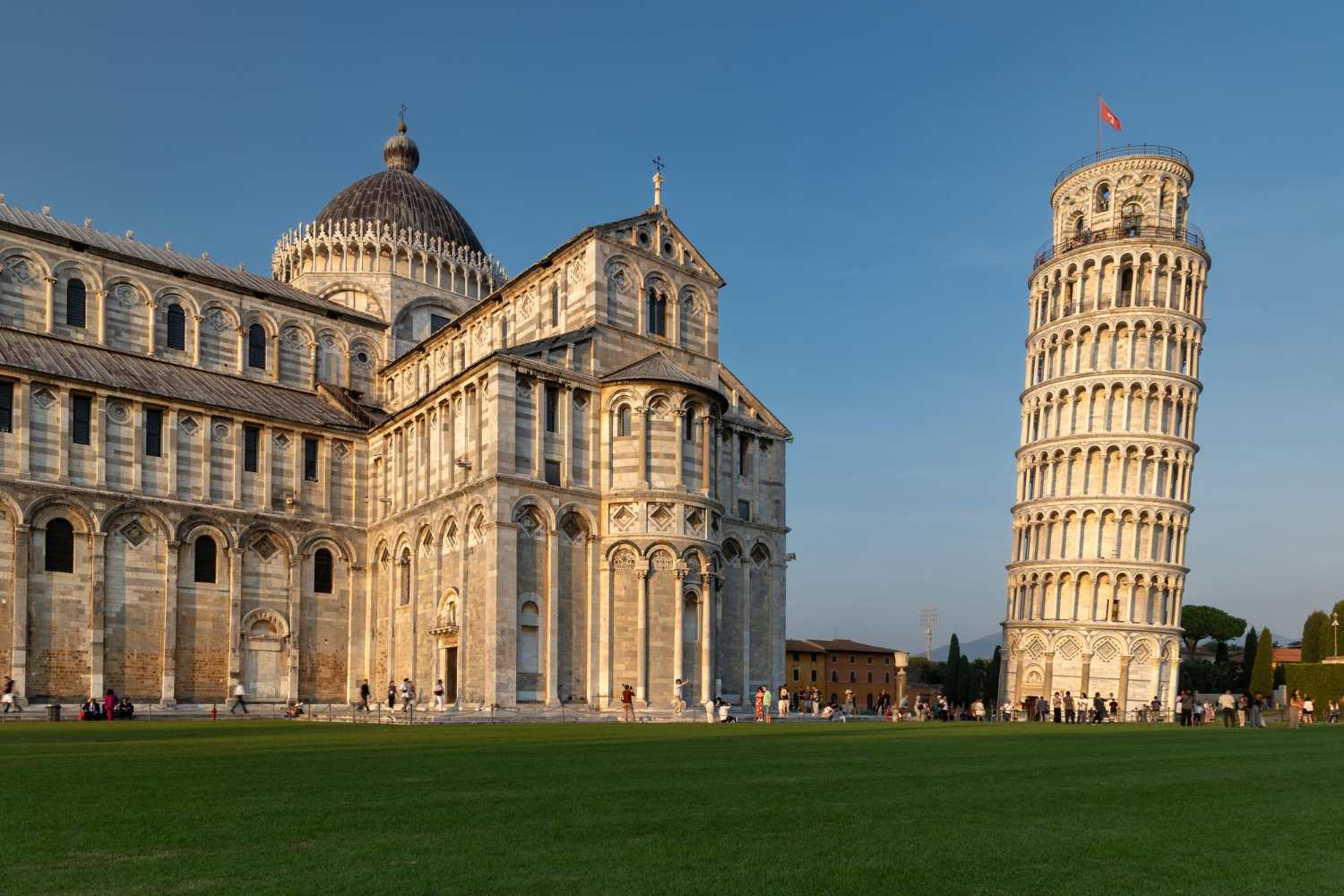
Soil extraction was the headline technique, but several other measures were part of the work, and one of them addressed a problem the team discovered during investigation.
Monitoring revealed that the tower tilted more in winter. The cause turned out to be the water table on the north side, which fluctuated seasonally and affected ground conditions beneath the foundation. Engineers installed wells connected to horizontal drains on the north side to stabilize the water table and reduce pore pressures in the soil — removing a seasonal driver of movement that had been steadily contributing for centuries.
Lead counterweights were placed on the north side as a temporary stabilizing measure during the works, then removed once the extraction had done its job. The tower was also structurally connected to the surrounding stone basin, or catino, which had the effect of increasing the effective area of the foundation.
There is a further seasonal quirk worth knowing, identified by engineers monitoring the structure: the tower deforms slightly in summer heat. Because it leans south, the southern face warms, the stone expands, and the tower straightens marginally before settling back. It is a building that breathes with the weather.
Stopping On Purpose
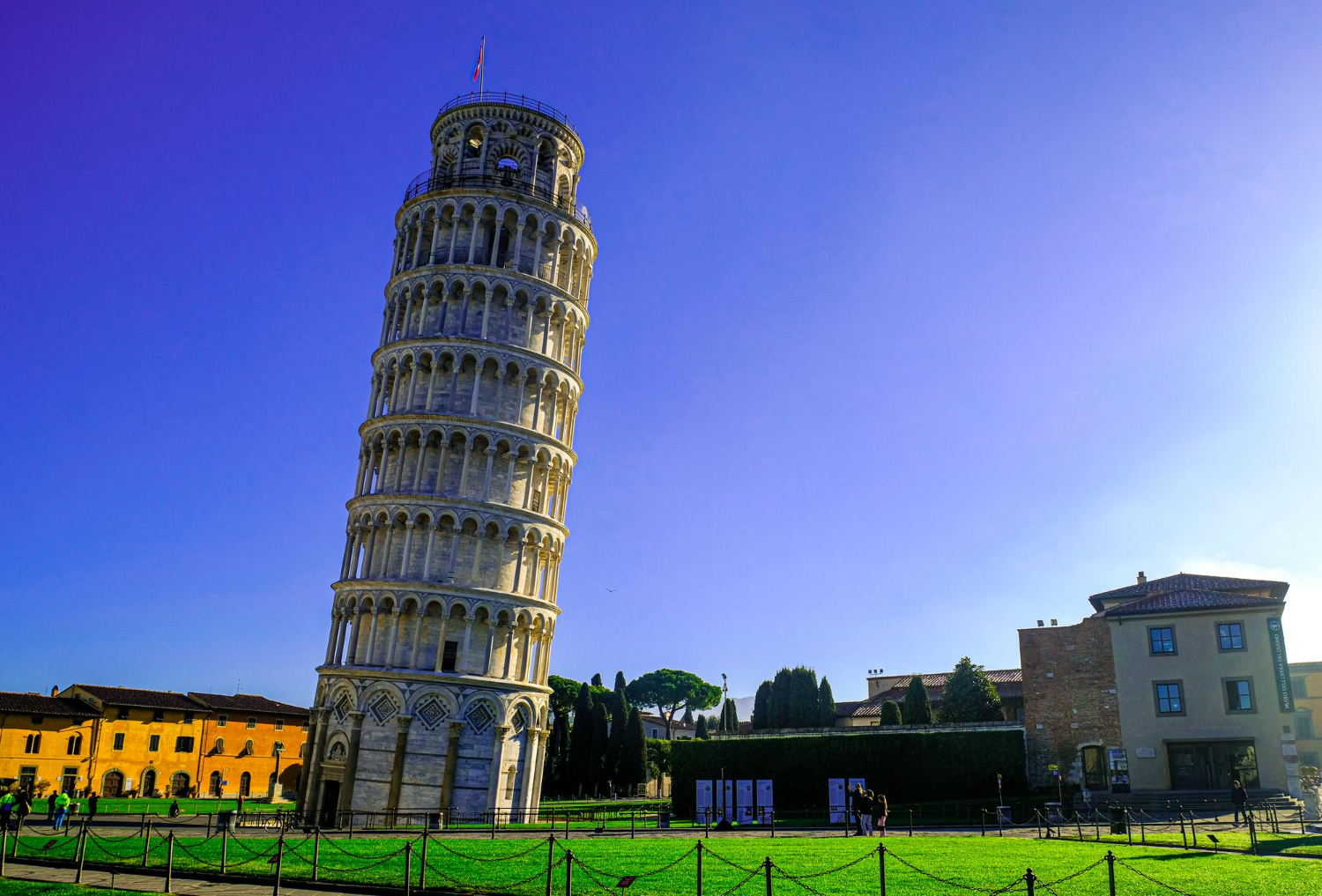
The most striking decision in the whole project was where to stop.
Engineers could have continued extracting soil and brought the tower substantially closer to vertical. They deliberately did not. The programme reduced the tilt by roughly half a degree, from about 5.5 degrees down to approximately 3.97 degrees, and then ended.
The reasoning was that half a degree was enough to reduce the stress on the vulnerable lowest storey to a safe level and remove the risk of collapse. Beyond that, further straightening would have destroyed the reason anyone cares about the building. As the engineer Grady Hillhouse has put it, the lean is not merely an oddity but integral to the tower’s historical character; tilting is in the structure’s DNA.
The correction effectively reversed the clock to the tower’s condition in the early nineteenth century — around its 1838 inclination — a period when its likelihood of toppling was far lower but its famous lean was fully intact.
Not everyone was delighted even so. A former mayor of Pisa observed in 2013 that local people were pleased the tower had been restored but not that it had been straightened, which captures the tension neatly. The tower reopened to the public in 2001.
How Long It Will Last
The tower is monitored continuously, and the picture since 2001 has been mildly surprising.
A 2013 assessment found the bell tower stable but continuing to straighten slightly on its own, having moved a further 2.5 centimetres vertically since the works. Engineers attribute this ongoing spontaneous correction to the effects of the stabilization. The expectation is that it will straighten a few more millimetres, then begin leaning again — but far more slowly than before.
Current estimates give the tower at least 200 years of stability, with some assessments suggesting 300. Beyond that, another intervention will most likely be required. The technical director overseeing the monument has been direct about this: future generations will have to do more work to keep the tower safe.
That is a rather elegant place to end up. The tower was never fixed, because fixing it would have ruined it. It was instead nudged back into a condition where it can carry on doing the thing it has been doing for 850 years, which is leaning, slowly, on bad ground, watched carefully by people who have agreed to keep an eye on it indefinitely.
Standing in the Piazza dei Miracoli, tourists line up to take the photograph where they appear to be holding it up. The joke is better than they know: somebody truly is.
Like our content? Follow us for more.