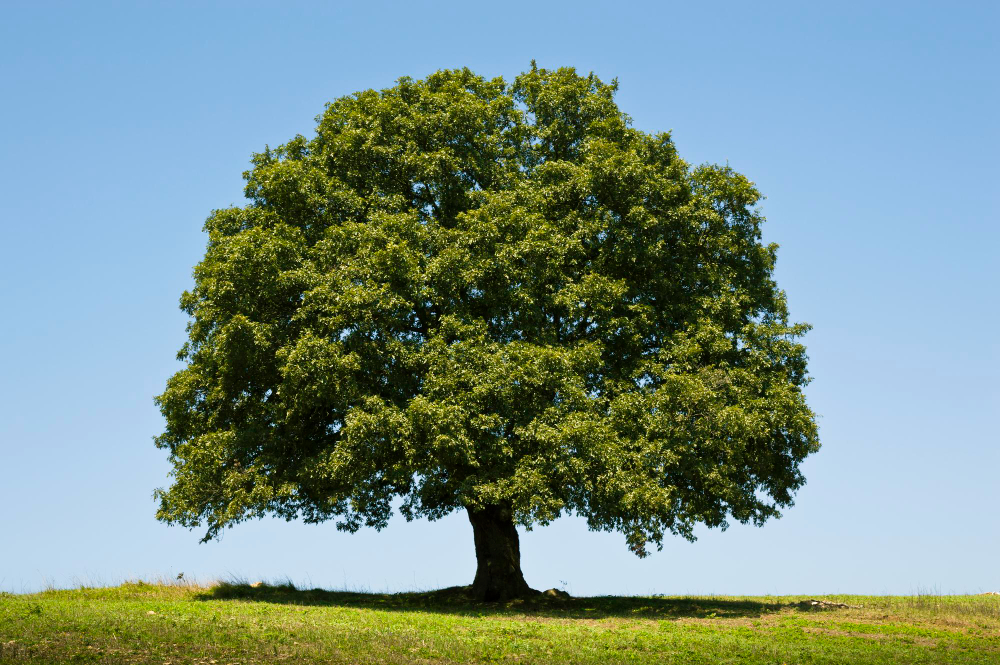
Decades before the first acorn, hollow in the middle, and building houses to order. Here are seventeen.
1. It Carries More Other Species Than Anything Near It
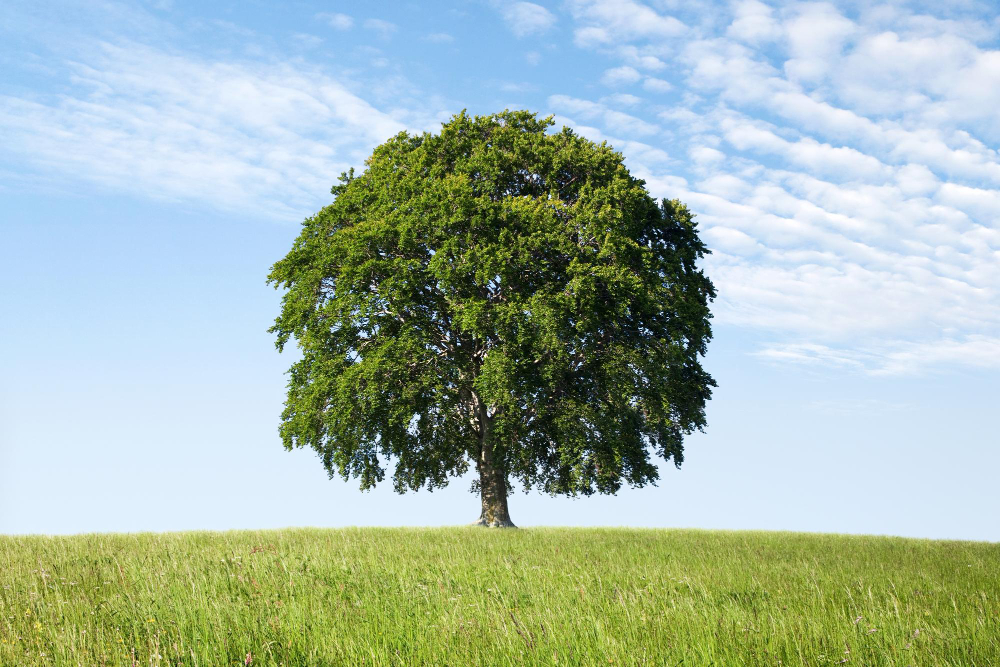
In the temperate regions where it grows wild, an oak supports more associated species than any other tree: insects in the hundreds, plus the fungi, the lichens, the mosses and the birds and mammals that depend on all of those.
Several hundred of those species are found on oak and on nothing else. Which means a single mature tree is not an organism in a landscape so much as a landscape itself, and removing one is not removing a tree.
Like our content? Follow us for more.
2. It Produces Nothing for Decades
An oak grown from an acorn will not produce an acorn of its own for a very long time. Forty years is a common figure, and a tree may not come into serious production until later still.
Which is an extraordinary strategy for a plant. It spends the first half-century of its life entirely on growing, with no reproductive output whatsoever, on the assumption that it will be around for several centuries to make up the difference.
3. Then the Crops Come in Wildly Uneven Years
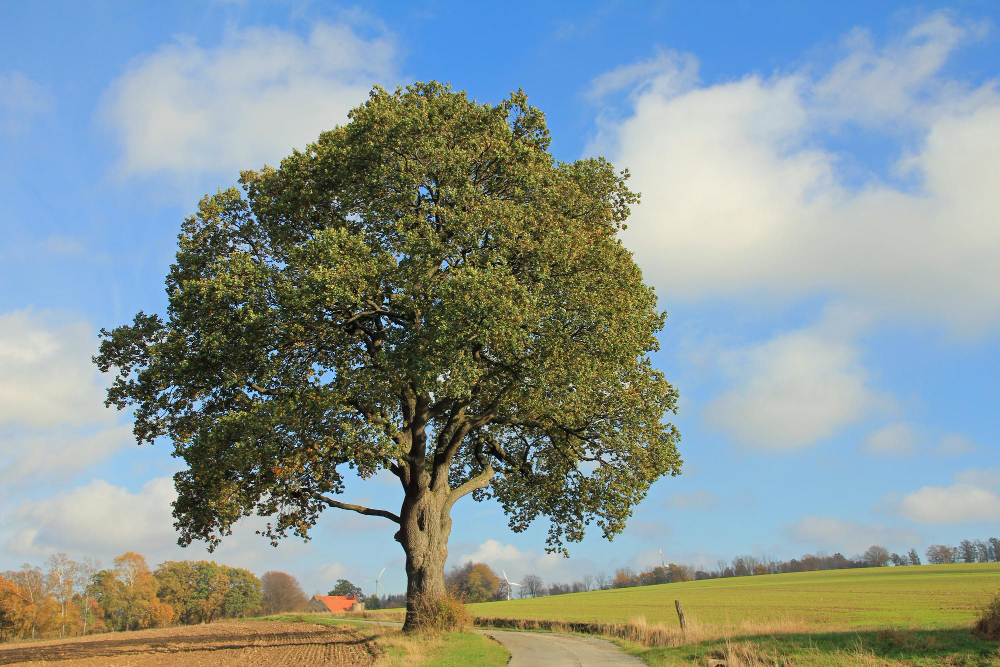
Once producing, it does not produce steadily. There are years with almost nothing and years when the ground beneath is carpeted, and the heavy years are called mast years.
The remarkable part is the synchrony. Trees across enormous areas, with no connection to one another, have heavy years and light years at the same time, and the mechanism coordinating them is not fully settled – weather in the preceding seasons is clearly involved, but the agreement is tighter than weather alone comfortably explains.
4. And the Unevenness Is the Whole Point
A tree producing the same moderate crop every year would be feeding a stable population of animals that ate every acorn. Nothing would ever germinate.
By producing almost nothing for several years, the tree starves that population down. Then it produces far more than the reduced population can possibly eat, and the surplus survives. The strategy only works if neighbours do the same thing in the same year, which is why the synchrony matters so much.
5. An Acorn Is Deliberately Unpleasant
Acorns are loaded with bitter compounds, which is why they are inedible to people without lengthy processing and why most animals will not touch them in quantity.
The bitterness is a defence, and it is calibrated rather than absolute. It is enough to stop most things stripping the crop, and not enough to stop the particular animals the tree needs, which brings us to the arrangement the whole thing depends on.
6. Which Means It Needs to Be Robbed in Order to Reproduce
An acorn that falls and stays where it lands is in the worst possible place: in deep shade, under a competitor, surrounded by thousands of identical rivals.
So the tree requires something to carry its seed away and leave it somewhere else, and the animals that do this are the ones taking acorns to store for the winter. They bury more than they retrieve, and the ones they forget are the next generation. The tree’s reproduction is entirely dependent on being stolen from inefficiently.
7. One Bird Is Responsible for Moving Oak Woods
Squirrels bury acorns, but they bury them close by. One particular woodland bird carries them much further – hundreds of metres, sometimes kilometres – and buries them individually in open ground, which is exactly where an oak can actually grow.
The consequence is geographic. Oak woodland advances across country at a speed that cannot be explained by acorns rolling downhill, and the explanation is a bird flying with one in its beak, several thousand times a season. The distribution of oak across whole regions is partly a record of where birds chose to put things.
8. It Comes Into Leaf Late and Gives Up Late
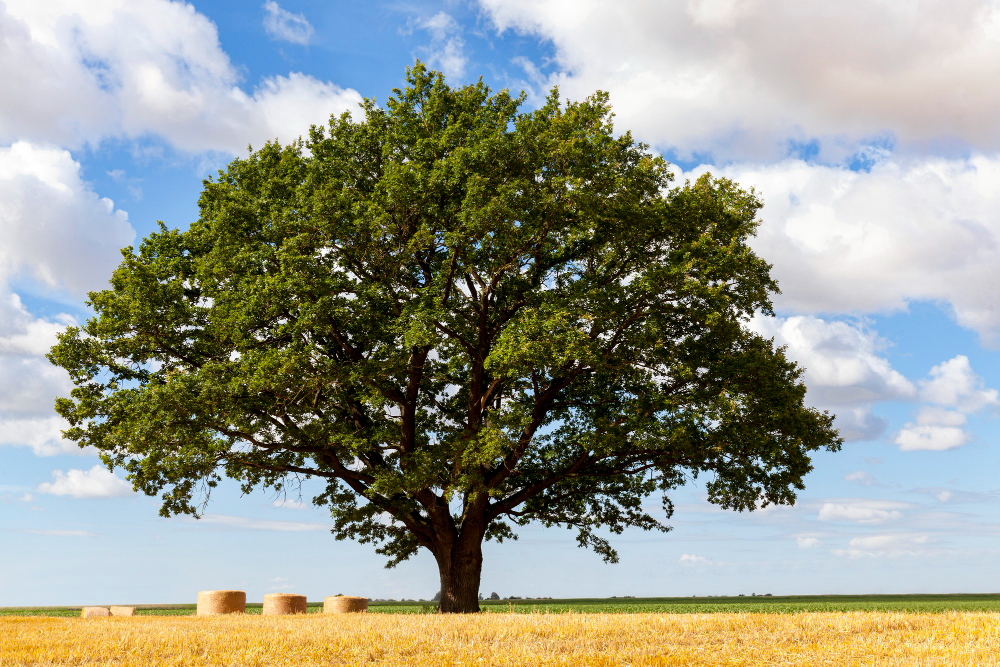
Oak is one of the last trees to come into leaf in spring, well behind many of its neighbours, and one of the last to drop in autumn, sometimes holding brown leaves through much of the winter.
The late start is a trade: it misses several weeks of early light, and in exchange it almost never gets caught by a late frost. The late finish extends the season at the other end. It is a conservative schedule, which suits something planning on three hundred years.
9. It Is Made to Build Nurseries Against Its Will
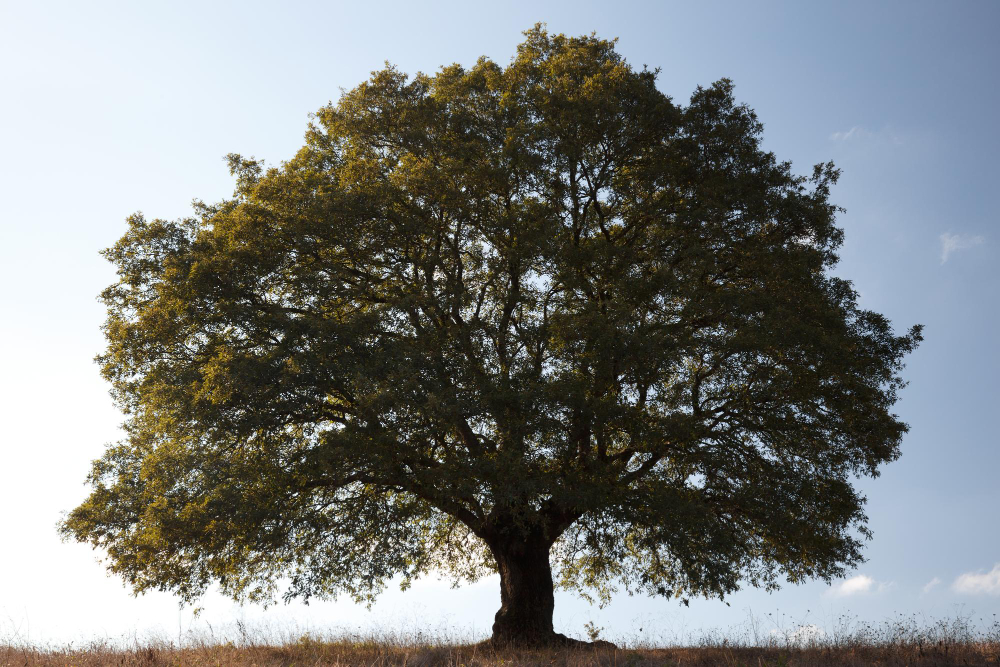
The lumps, balls, discs and spiky growths found on oak leaves, twigs, buds and acorns are galls, and they are not the tree’s idea. They are not a disease and they are not damage.
Each one is caused by a tiny insect, usually a wasp, laying an egg in the tissue. Chemicals released by the egg or the larva hijack the oak’s own growth machinery and instruct it to build a structure – with a chamber in the middle, walls of a particular thickness and sometimes a food-rich lining – around the insect. The oak does the building. The insect supplies the plans.
10. And Each Kind of Gall Is a Different Species’ Architecture
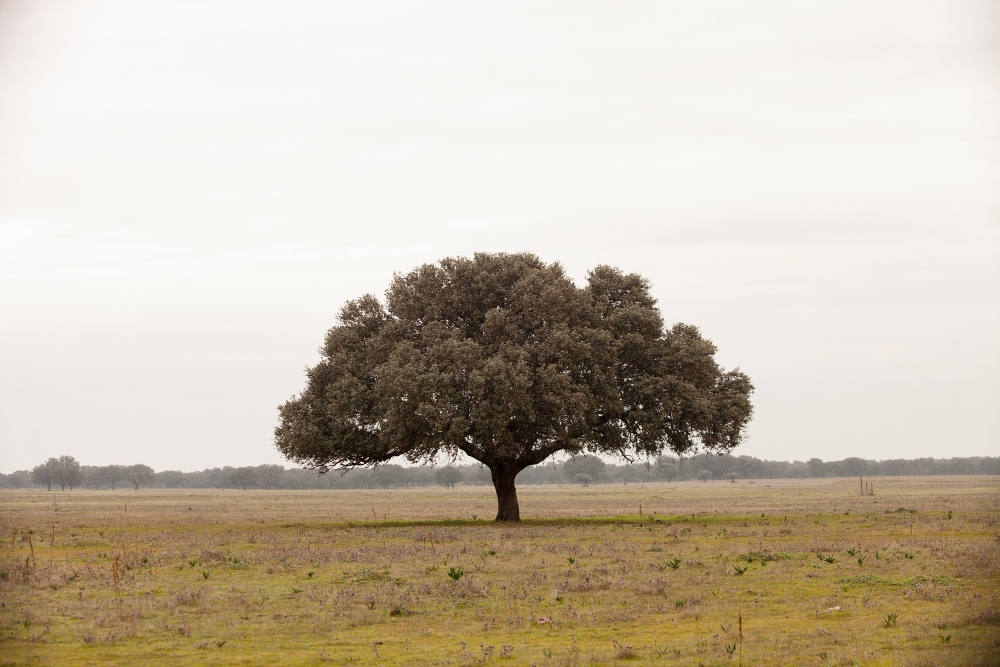
The varieties are completely distinct, and they are reliable. One wasp produces a soft spongy ball, another a hard woody marble, another flat discs on the underside of a leaf, another a knobbly distortion of the acorn itself.
Which means the galls are identifiable, and what you are identifying is the insect rather than the plant. A single oak can carry a dozen different kinds at once, each one a different species issuing different instructions to the same tree, which is building all of them simultaneously without objecting.
11. An Old Oak Is Usually Hollow, and That Is Not Decline
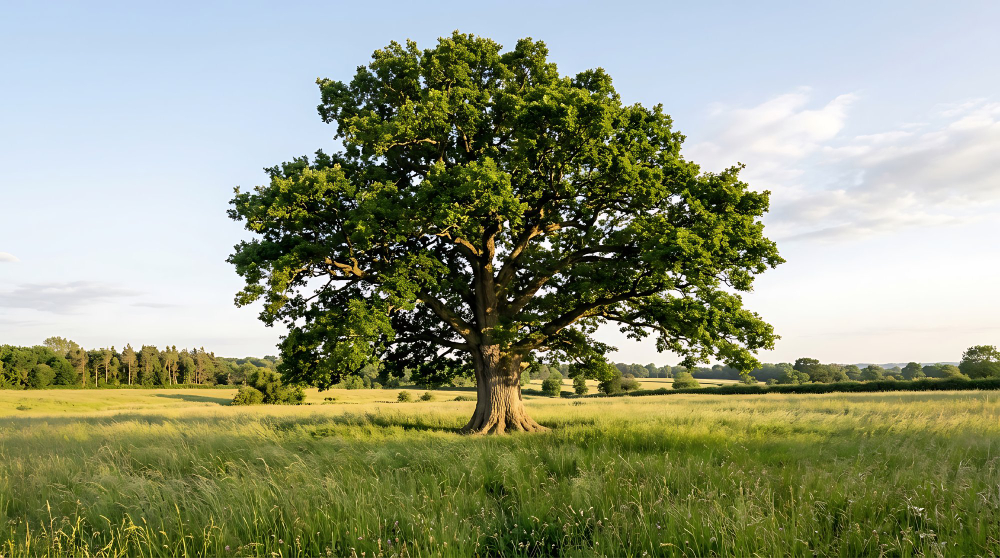
The centre of a large old oak is frequently gone entirely, leaving a standing shell. Everybody’s instinct is that this is a tree in trouble.
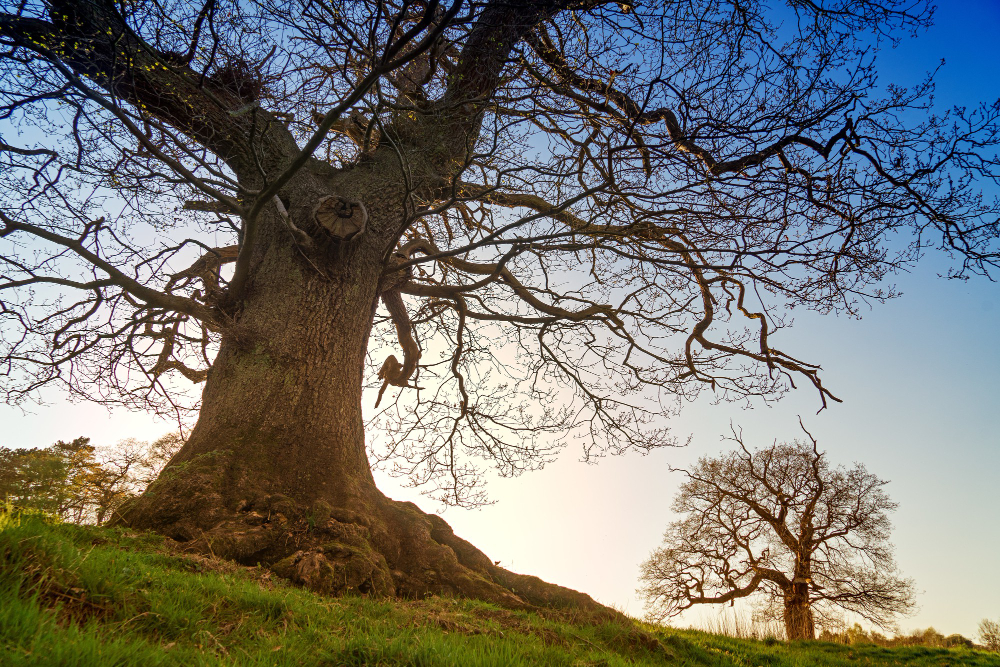
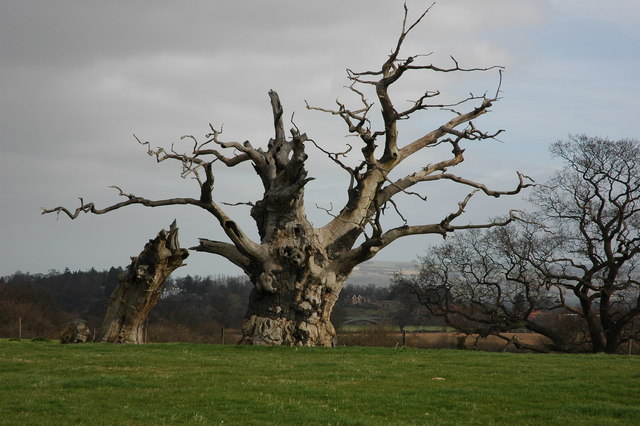
It is not. The wood in the middle is long dead and is doing no work; fungi break it down and the tree is not harmed by losing it, because all the living machinery is in the outer layers. A hollow tube of the same material is very nearly as strong in bending as a solid one and considerably lighter, so the tree is better off. Hollowing is a normal stage of a long life rather than a symptom.
12. It Throws Off Whole Limbs in a Dry Summer
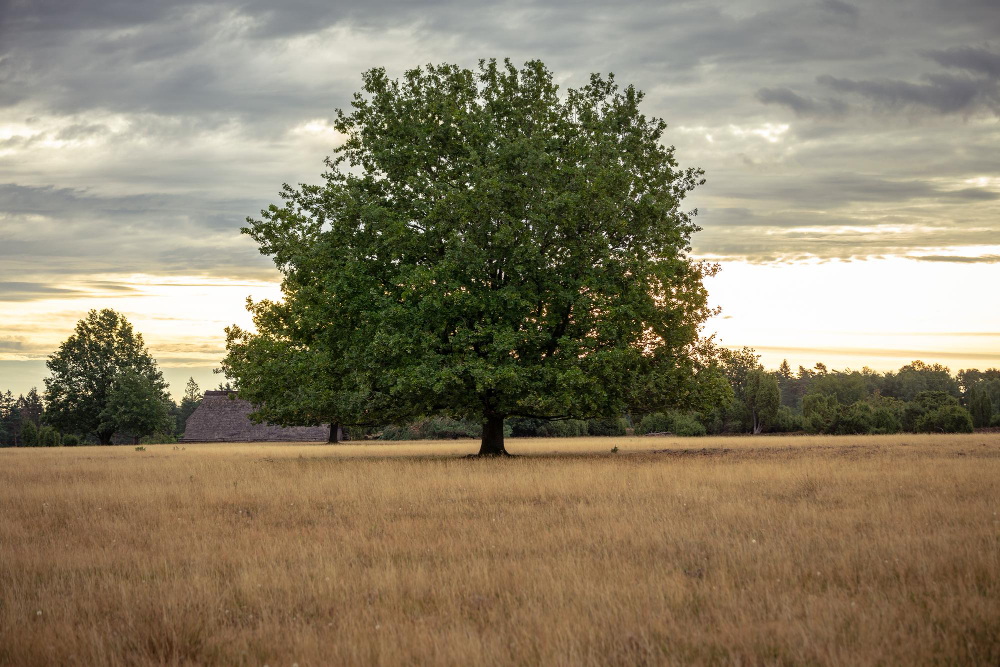
Large branches sometimes drop from apparently healthy oaks in hot still weather, with no wind, no rot and no warning. It has been noticed and remarked on for centuries.
The mechanism is not fully resolved, but the effect is consistent with a tree shedding load it cannot supply with water. A limb is a liability in a drought, and a plant that can discard part of itself to preserve the rest has an option that an animal does not.
13. A Very Old One Stops Going Up and Starts Coming Back
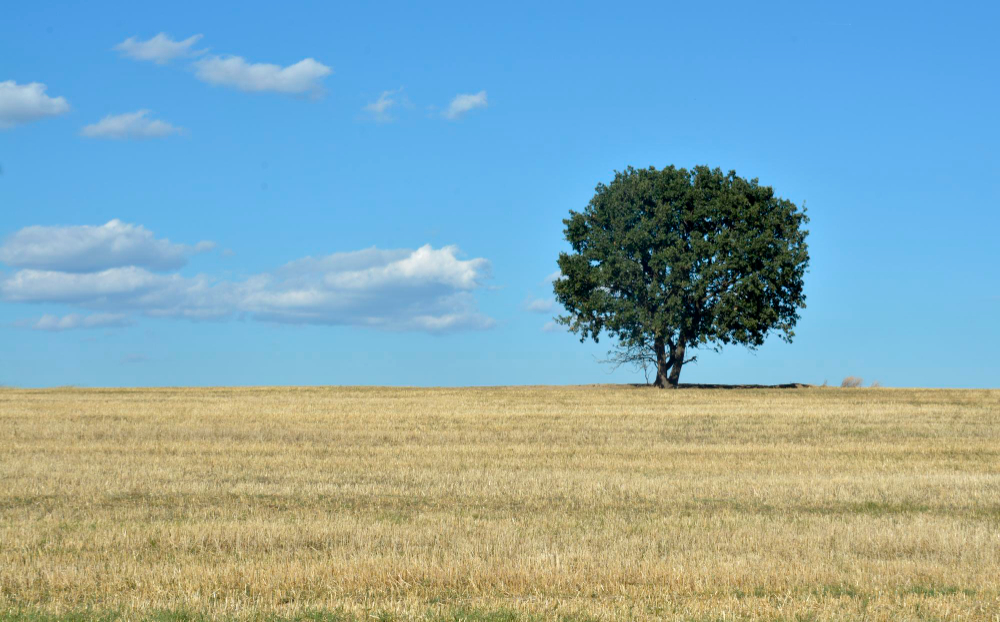
Beyond a certain age an oak does not simply get bigger. The crown reduces, the outermost twigs die back, and the tree reorganises itself into a smaller, denser canopy on a much stouter trunk.
This looks like dying and is not. It is a retreat to a sustainable size, and trees that have done it can then persist in that state for several more centuries. The squat, broad, odd-shaped ancient oak is not a failed tall one – it is a tall one that chose to stop.
14. The Bark Is a Habitat With Its Own Residents
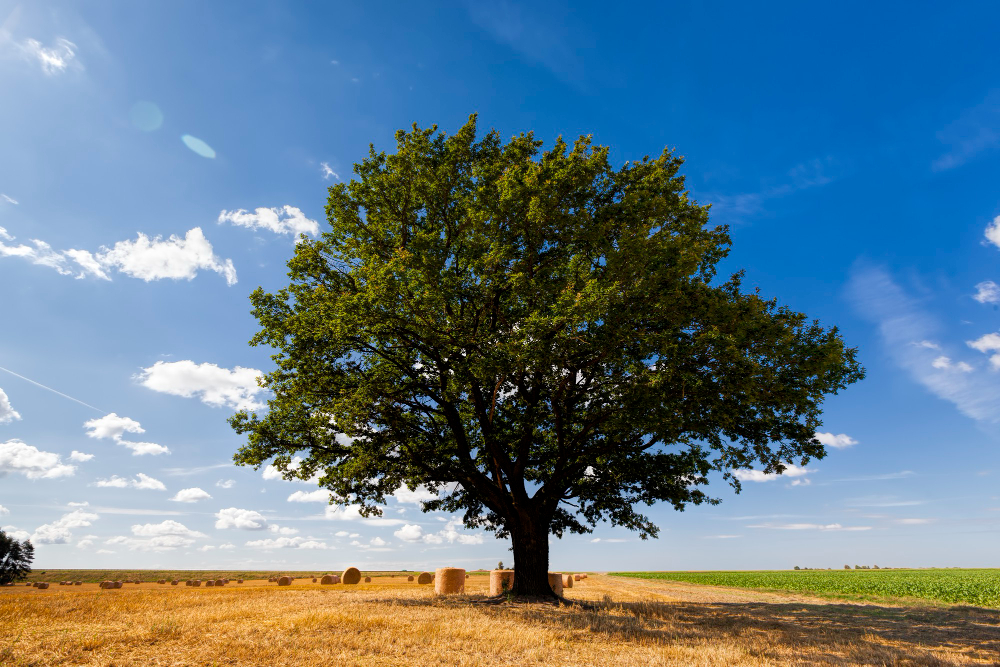
Oak bark is deeply fissured, and the fissures are the point as far as everything else is concerned. They hold moisture, trap debris, offer shelter from weather and from predators, and provide the texture that smaller things can grip.
A great deal of what lives on an oak lives specifically in the bark rather than on the tree generally – in the cracks, under the flakes and in the gaps behind. A smooth-barked tree of the same size supports a fraction of it.
15. It Changes the Ground Underneath It
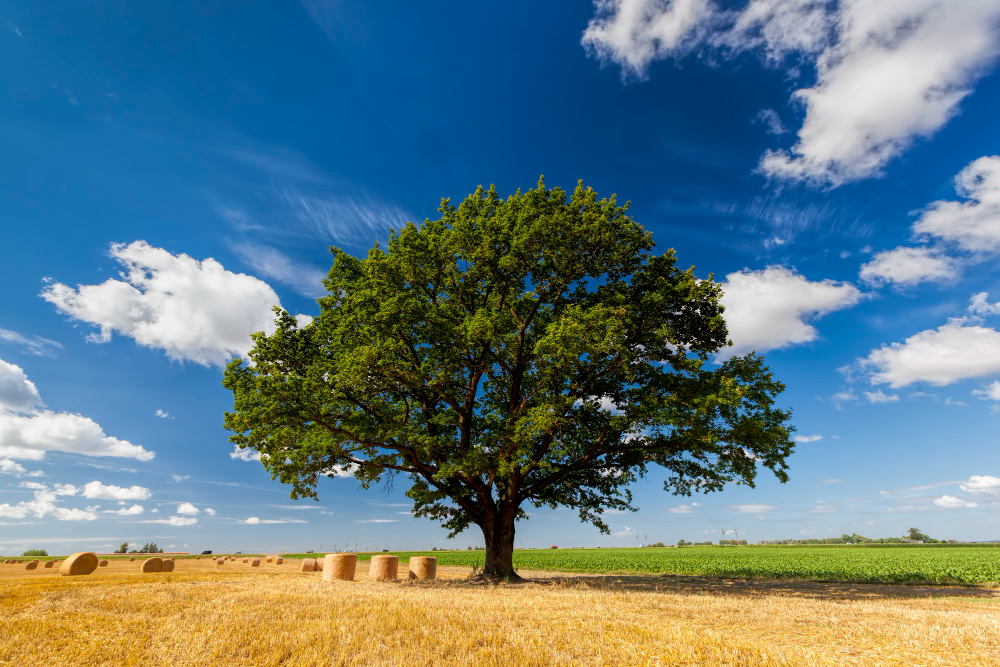
Oak leaf litter is tough and slow to break down, and it carries the same bitter compounds as the acorns, which inhibit decay further.
So the ground beneath an old oak accumulates a distinct layer, more acidic and slower-cycling than the soil a few metres away. The tree is not simply growing in a place; over several hundred years it is editing the place, and the plants that end up growing under it are the ones that tolerate what it has done.
16. The Roots Go Outward, Not Down
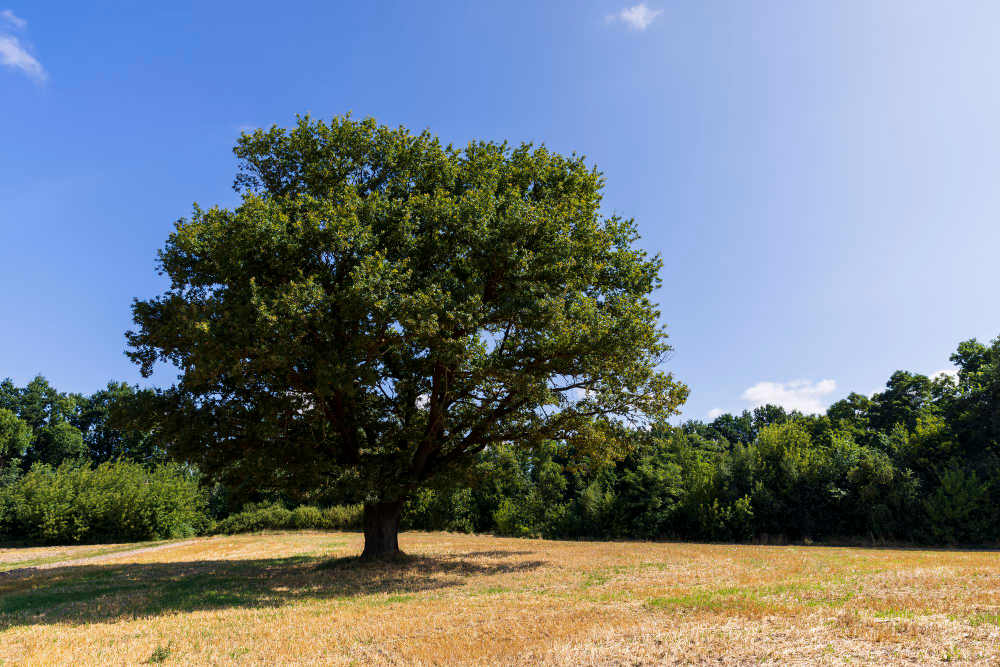
The universal mental image is of a root system mirroring the branches, driving deep into the earth. It is wrong. An oak’s roots are comparatively shallow and spread very wide, frequently well beyond the edge of the canopy.
Which relocates the tree’s vulnerable part. The thing most likely to damage an old oak is not anything done to the trunk but something done to the ground a long way from it – compaction, a trench, a change in drainage – because that is where the tree actually is.
17. The Dead Wood Is Doing as Much as the Living Wood
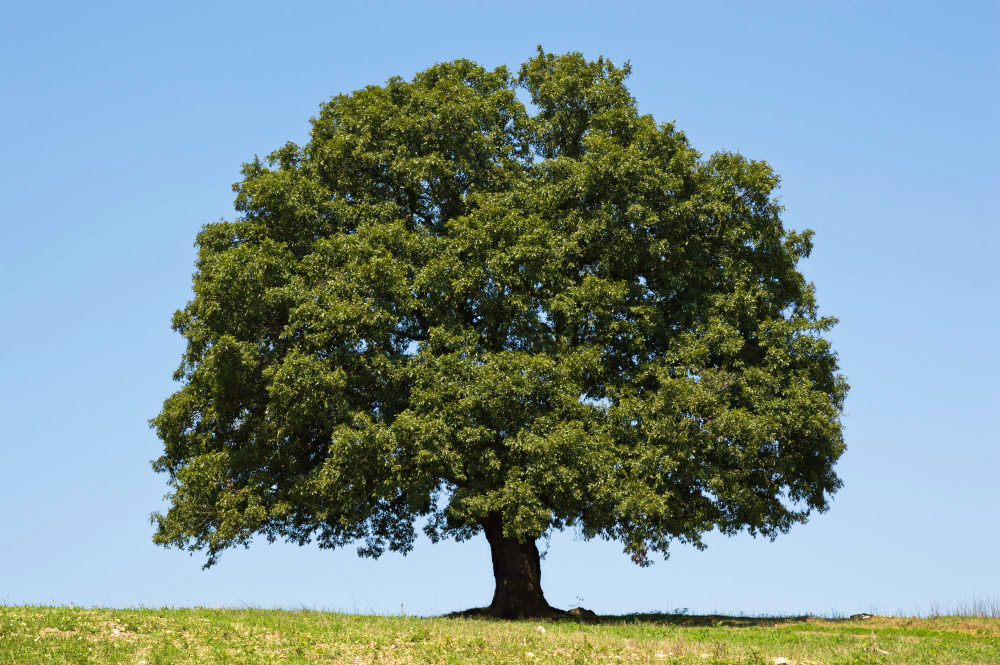
Standing dead limbs, rotting stumps, fallen trunks and the decaying heart of a hollow tree are not waste. An enormous proportion of the species associated with oak depend specifically on wood that is dead or dying.
Which is why an ancient oak is irreplaceable in a way a young one is not. The habitat is a function of age rather than of species, and nothing – no planting, no number of saplings – substitutes for a tree that has been standing for four hundred years and is now partly rotten.
A Tree That Is Also a Landscape
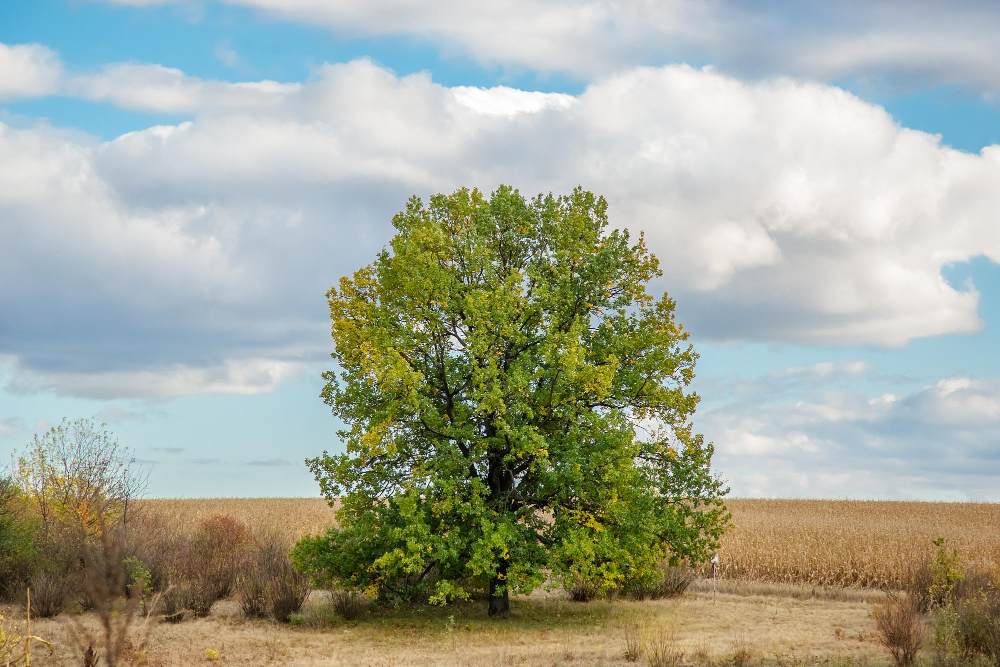
Hundreds of species found on it and nowhere else, forty years before a first acorn, synchronised boom years that starve the seed-eaters down, reproduction that depends on being robbed, insect-designed nurseries built by the tree itself, and a hollow middle that is an advantage.
The ninth and tenth items are the ones that take some getting used to. A gall is not a disease and not an injury – it is a building. An insect lays an egg, chemicals from it override the oak’s growth controls, and the tree constructs a chamber to the insect’s specification, with walls of a set thickness and sometimes a food supply lining the inside. A dozen different species can be issuing different instructions to the same tree at the same time, and the tree builds every one of them.
Like our content? Follow us for more.