Hotter than a bath, saltier than the sea, and out of oxygen by teatime. Here are seventeen.
1. It Is the Most Hostile Habitat on the Shore
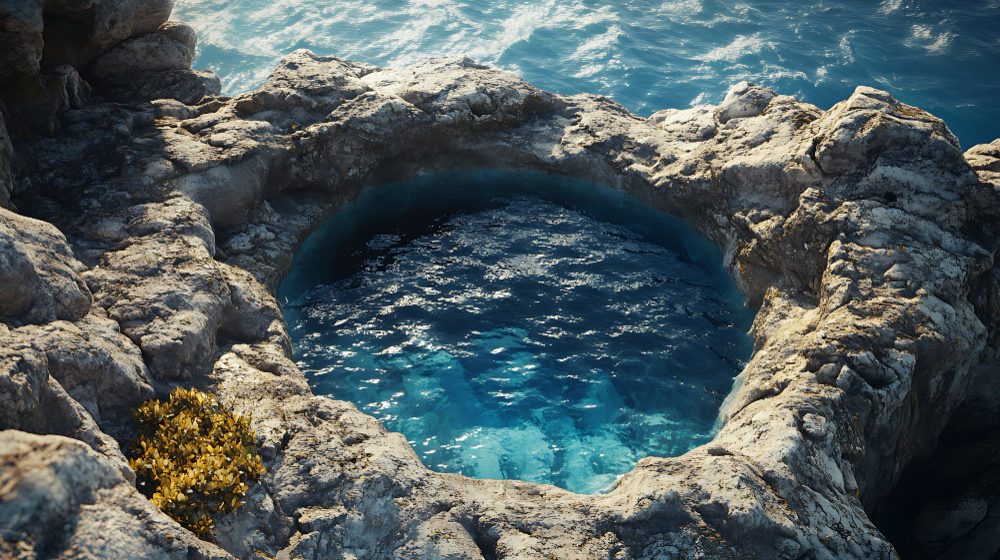
The instinctive reading is that a rock pool is a safe place: sheltered, calm, full of life, a refuge while the tide is out.
It is the opposite. A small volume of water sitting in the sun, cut off for hours, is subject to swings in temperature, salinity and oxygen that nothing in the open sea ever experiences. Everything in there is a specialist.
Like our content? Follow us for more.
2. The Temperature Can Swing Enormously
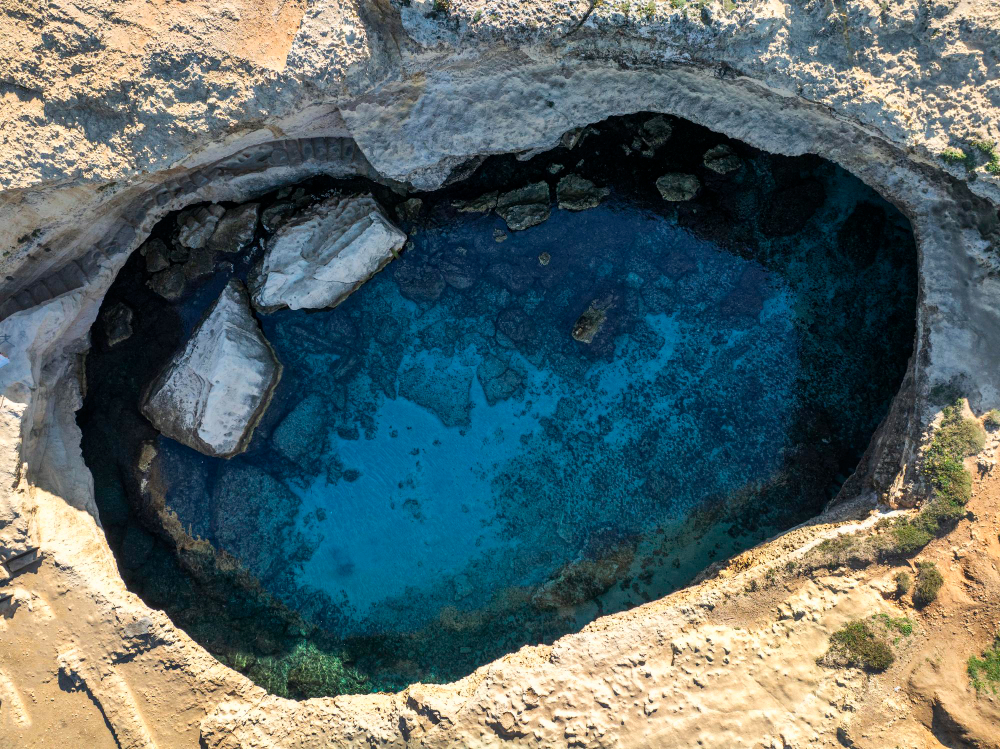
A shallow pool in summer sun, isolated from the sea for six hours, can rise well above the surrounding seawater and then drop back the instant the tide returns.
A few hours later it may be rained into, or chilled overnight, or frozen in winter. The animals in it tolerate a daily range that open-water species would not survive once.
3. And So Does the Saltiness
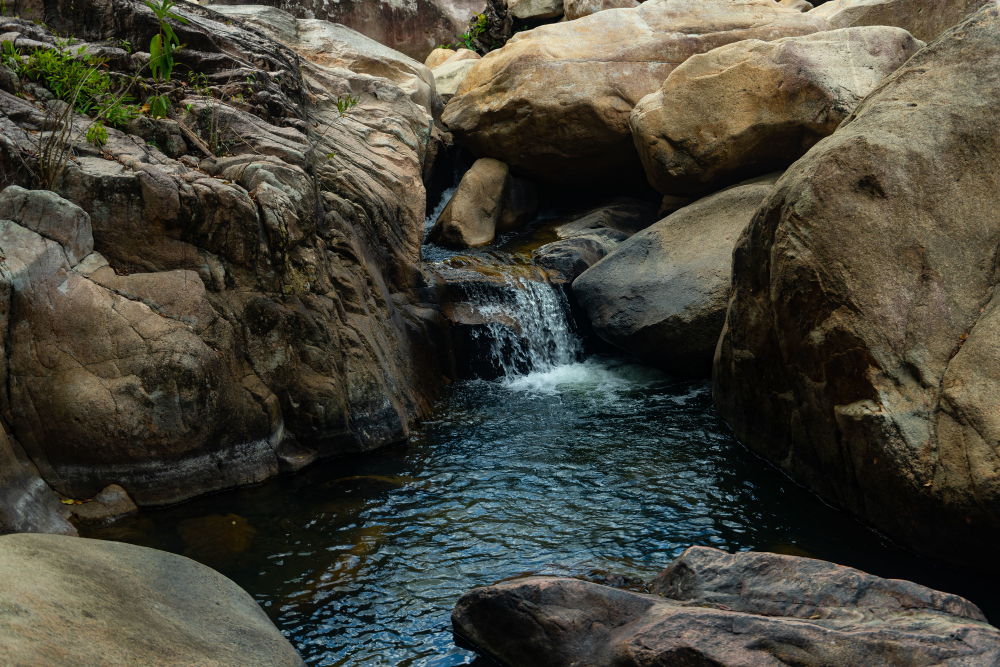
Water evaporates from a sunlit pool and the salt stays behind, so the water gets progressively saltier through a hot afternoon.
And then it rains, and fresh water sits on top, and the pool becomes temporarily less salty than the sea. Both directions are a problem for an animal whose body fluids have to stay balanced.
4. The Oxygen Runs Out by Mid-Afternoon
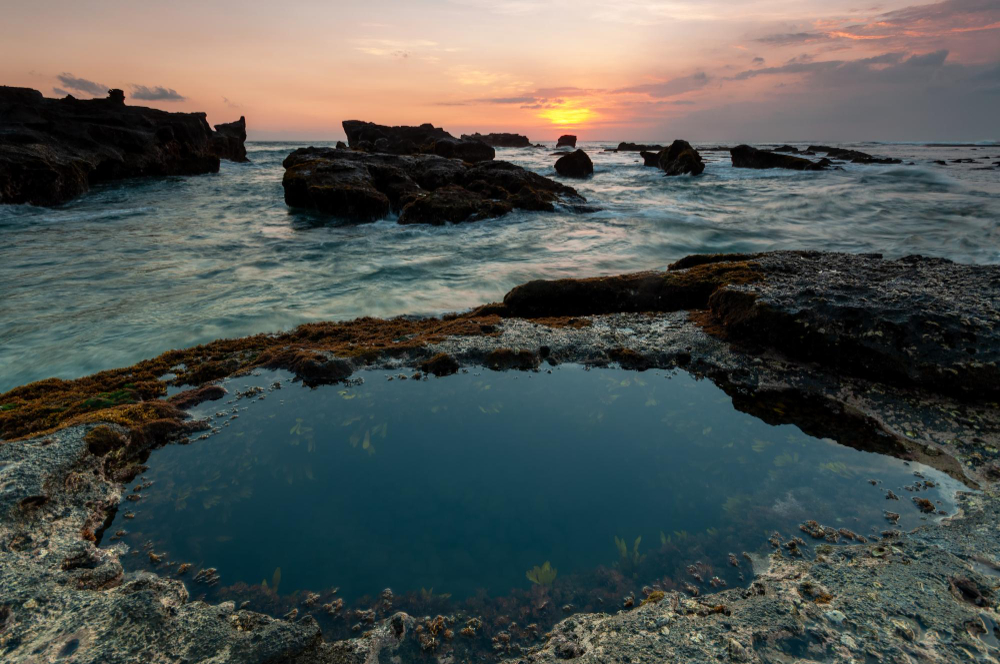
Oxygen gets into water at the surface and is used up by everything living in it. In a cut-off pool there is no exchange with the sea and no waves mixing air in.
So oxygen falls through the day as animals breathe and rises while the algae are photosynthesising, which means it peaks in the afternoon sun and crashes overnight. The worst moment is just before dawn.
5. Which Is Why the High Pools Look Empty
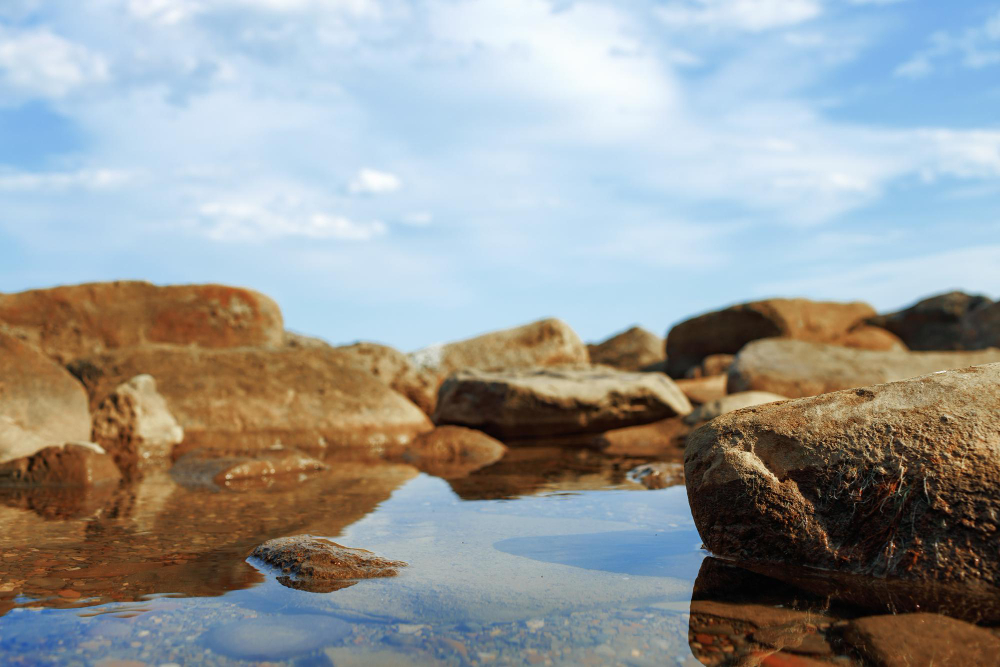
A pool near the top of the shore is submerged only briefly and only on the biggest tides, so it spends most of its time as an isolated puddle with the full range of problems.
Very little can cope. The high pools are frequently almost bare, sometimes with nothing but a film of green, and the richness increases steadily as you go down the shore.
6. The Zones Are Absolute and You Can Read Them
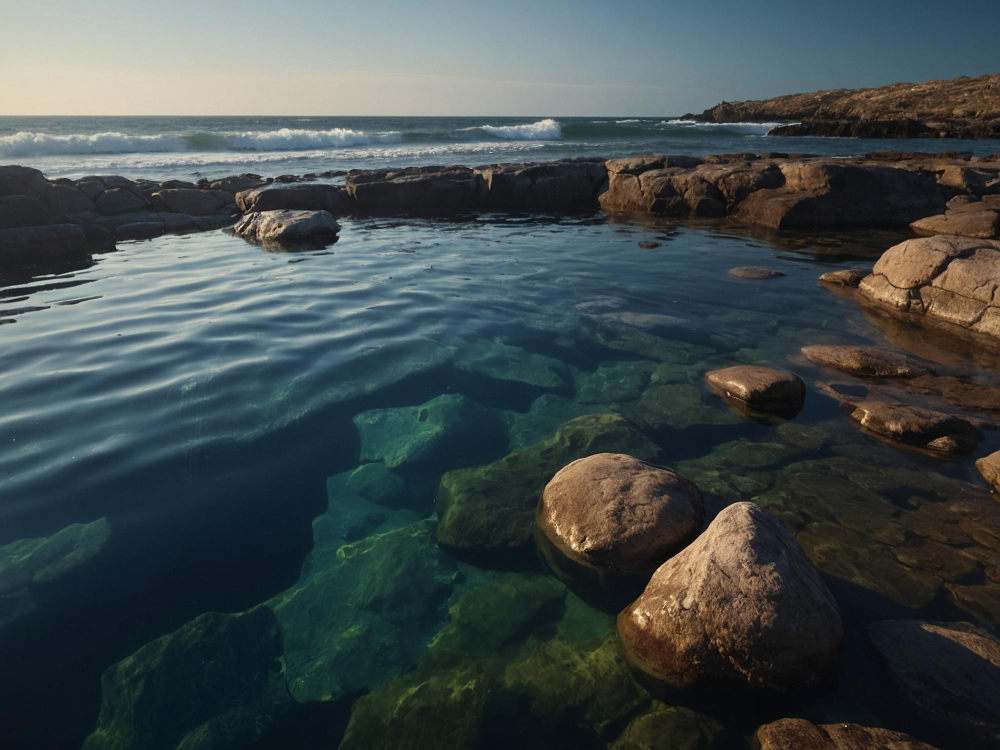
The shore divides into horizontal bands, and the boundaries are sharp. Each species occupies the strip where it can tolerate the exposure and compete successfully.
Which means the height of a band on the rock is a direct readout of how long that organism can survive out of water. The shore is a graph, drawn in animals, of tolerance against time.
7. A Limpet Grinds Its Own Parking Space
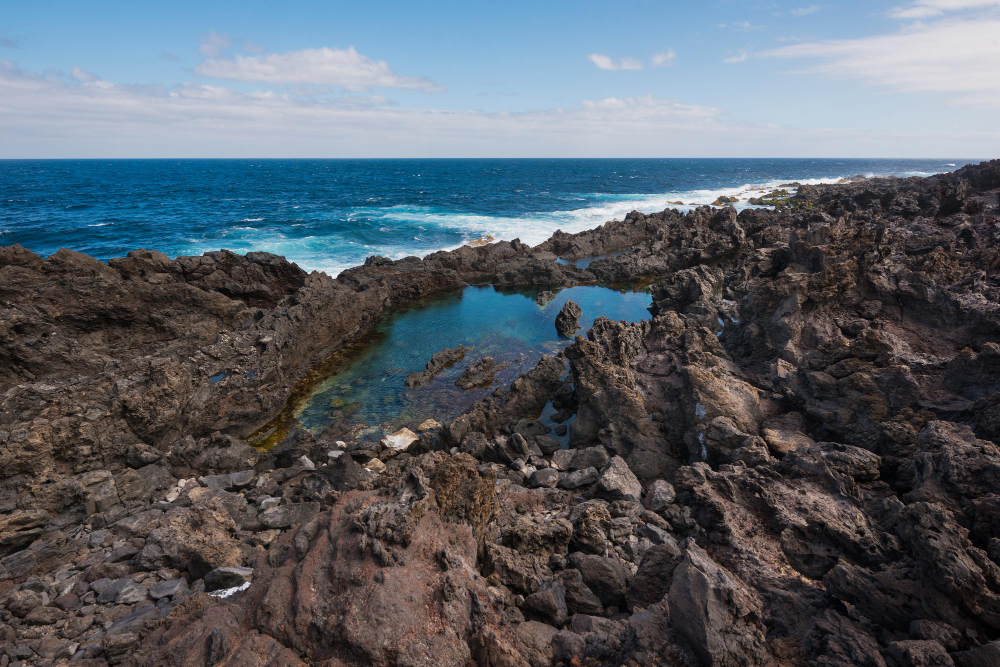
Look closely at the rock around a limpet and there is frequently a shallow scar exactly the shape of its shell, worn into the stone.
The animal makes that itself, by rocking and grinding, so that its shell seals perfectly against the rock. A tight seal traps water inside and is the reason it can sit out a hot day without drying up.
8. And It Comes Back to the Same Spot
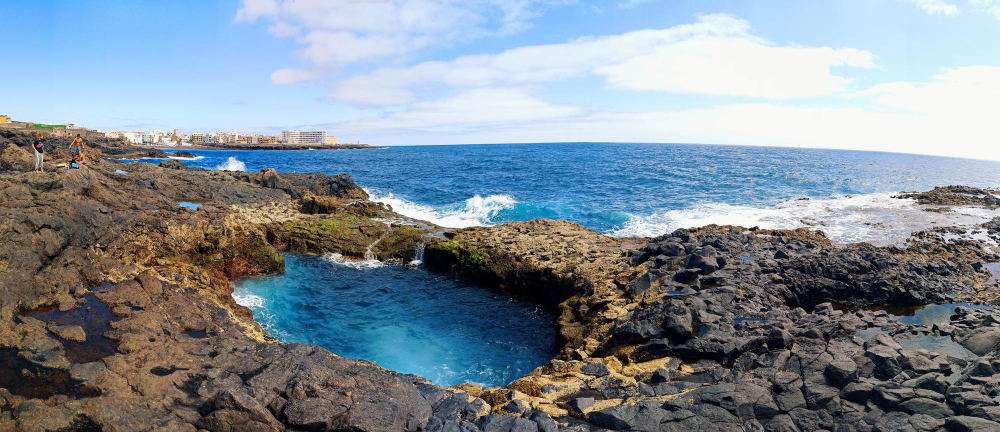
It leaves to feed when the tide is in, scrapes algae off the rock over a wide area, and then returns to its own scar, which fits no other shell.
How it finds its way back is still debated, with the trail it leaves behind being the main candidate. The fact that it does is not in doubt and can be checked by marking one.
9. An Anemone Is an Animal That Gave Up Moving
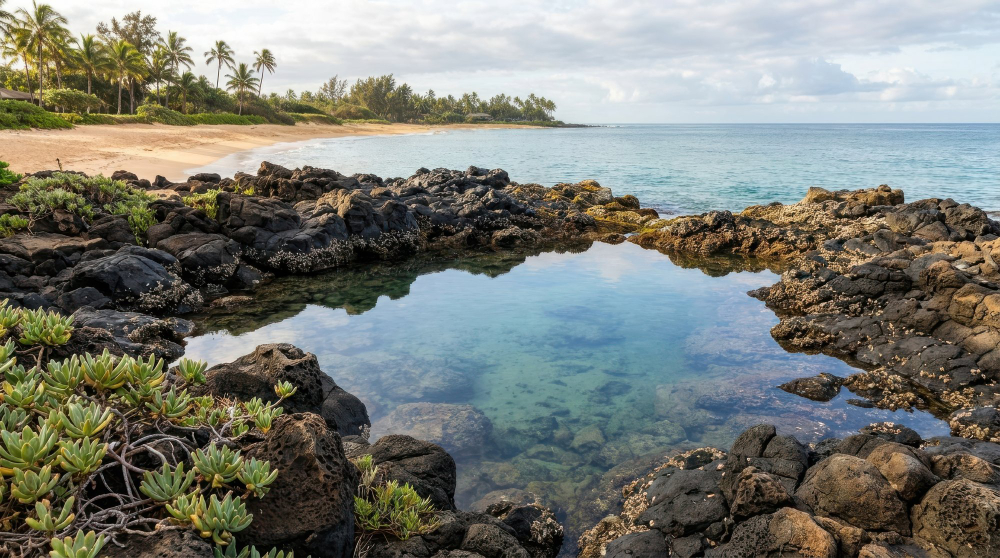
It is not a plant and it is not a flower. It is an animal with a ring of stinging tentacles around a single opening that serves as both mouth and exit.
The tentacles catch small animals and fold inward to deliver them. Out of water it pulls everything in and becomes a featureless blob, which is why a pool at low tide looks far emptier than it is.
10. And Some of Them Clone Themselves Sideways
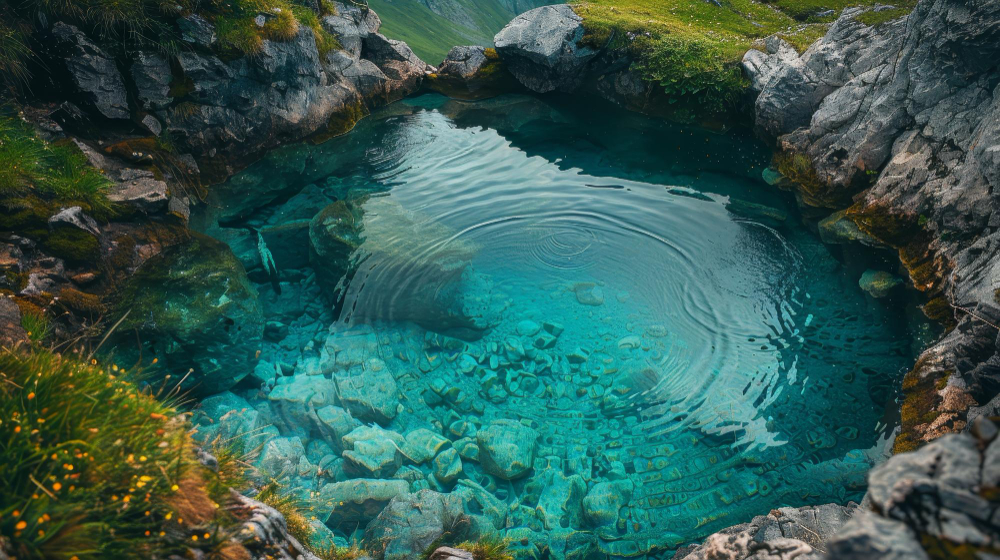
Certain anemones reproduce by splitting, pulling themselves slowly in two until there are two animals where there was one.
Which is why they occur in dense patches of identical individuals, all genetically the same, and why the patches have sharp boundaries where they meet a different clone and stop.
11. Most of the Crabs Are Hiding for a Reason
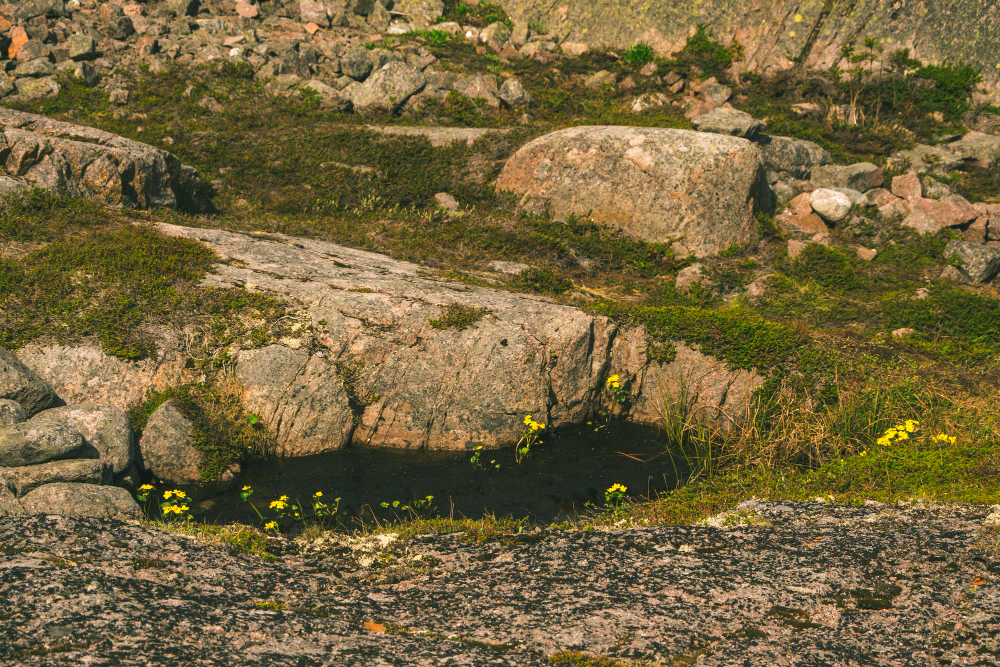
A crab’s shell cannot grow, so it has to be discarded and replaced, and for a period afterwards the new one is soft and the animal is defenceless.
Which means a substantial proportion of the crabs in any pool are either preparing to moult or recovering from it, and that is most of what crabs under stones are doing.
12. A Crab Can Drop a Claw on Purpose
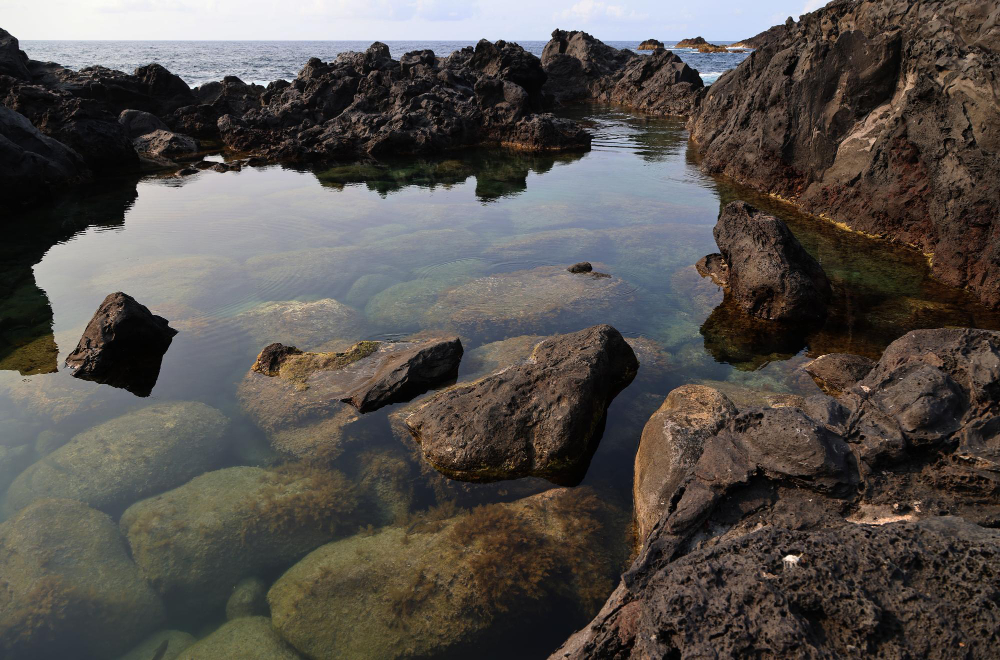
There is a weak point at the base of each limb, and a crab held by a leg can detach it deliberately and walk away, sealing the wound as it goes.
The limb regrows at successive moults, usually smaller at first. A crab with one small claw and one large one has almost always lost and regrown the small one.
13. The Little Fish Are Built Not to Be Swept Away
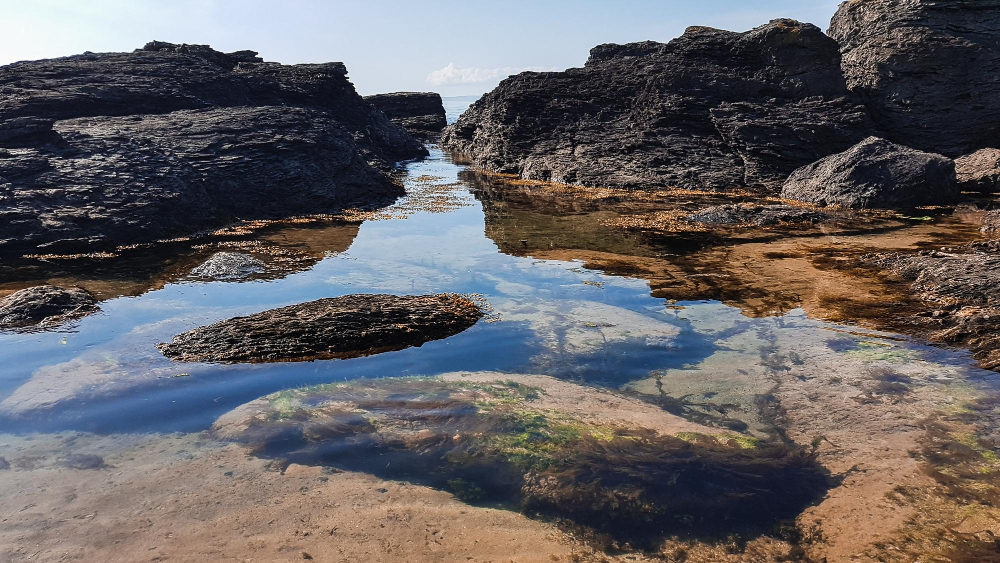
The fish found in pools are small, flattened, mottled and in several cases have fins modified into a sucker that grips the rock.
They are built for holding position in moving water rather than for swimming in open sea, which is the opposite specification from almost every other fish.
14. Some of Them Can Breathe Air for a While
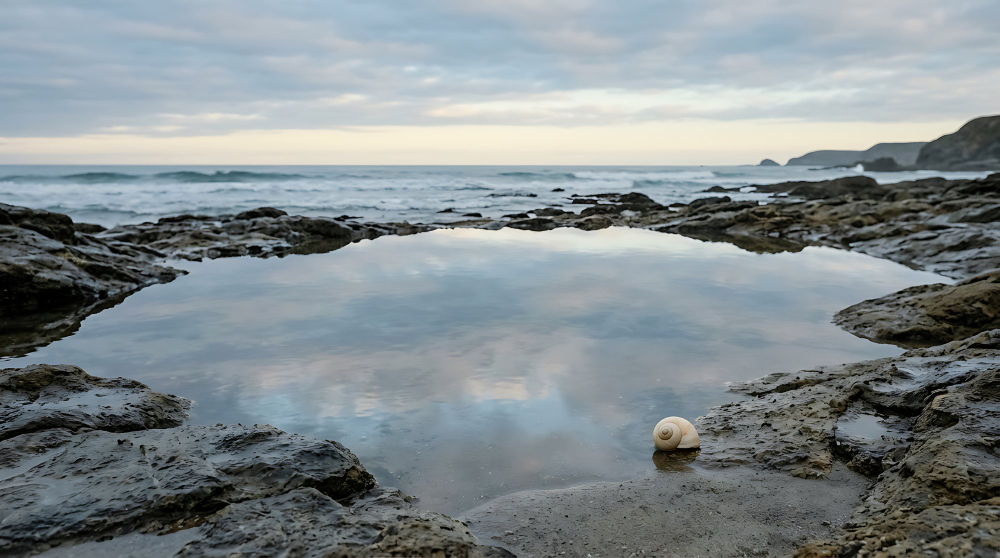
Several shore fish can survive out of water for a period, sitting under damp weed in a crevice until the tide returns, taking oxygen across their skin and the lining of the mouth.
It is why a pool that appears to contain no fish may contain several, wedged under the overhangs where the water has drained away.
15. The Green Stuff Is Three Unrelated Things
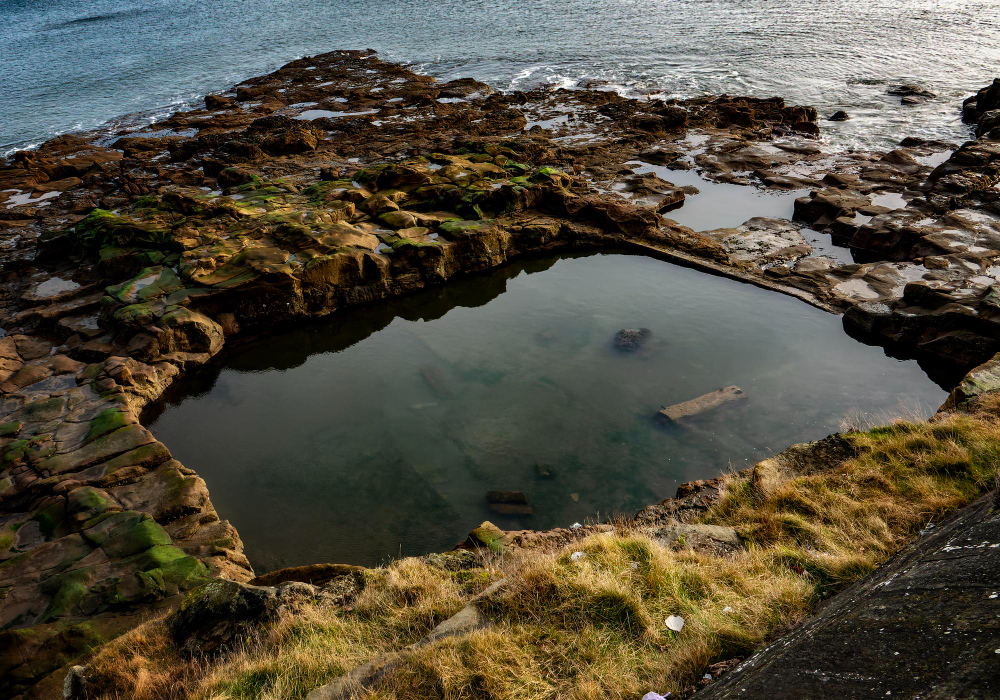
The growths in a pool belong to three different large groups, distinguished by their pigments: green, brown and red, and they are not closely related to each other.
The brown ones dominate the middle shore, the red ones the lower and shadier parts, and the green ones the high pools and the fresh water trickles. The colour is a reliable guide to which group and roughly which zone.
16. They Hold On Rather Than Rooting
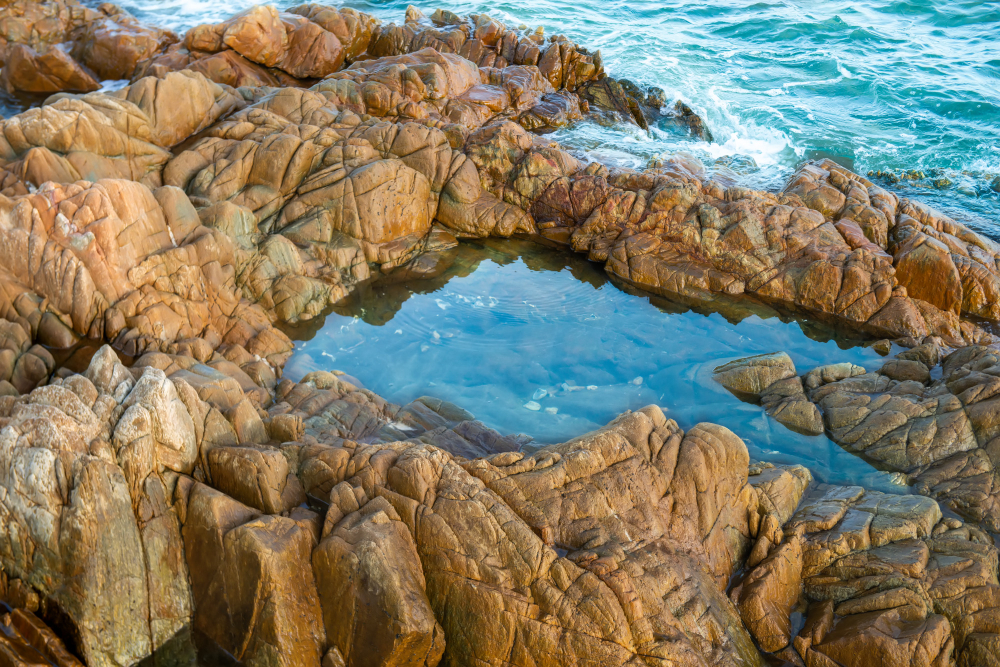
The attachment at the base of a seaweed is a gripper, not a root. It takes up nothing and feeds nothing; it simply holds the plant to the rock against the force of the waves.
Which is why a seaweed torn loose dies and why the attachment frequently remains on the rock long after the rest has gone, as a small tough disc.
17. Turning Over a Stone Is the One Thing That Does Harm
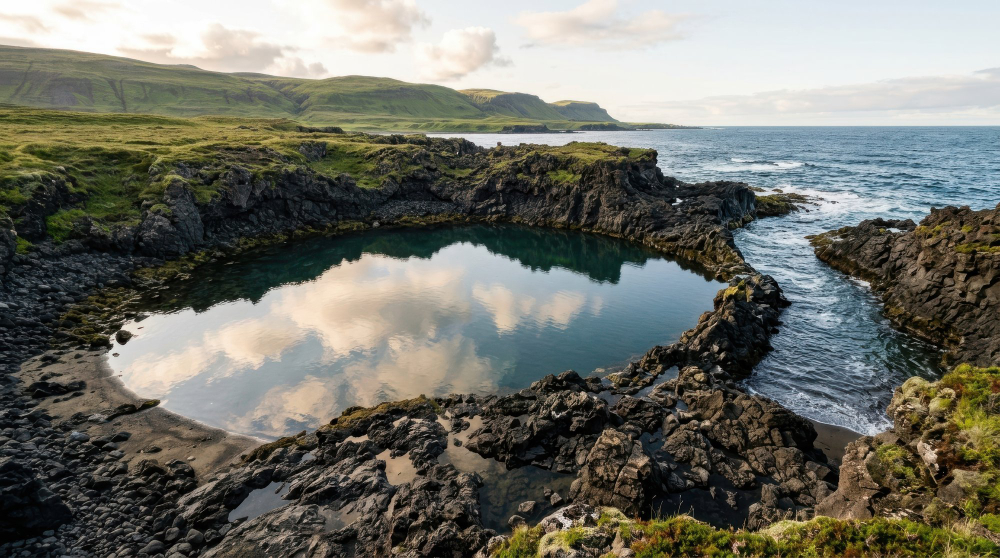
Almost everything under a stone is there because the underside is dark, damp and sheltered, and almost all of it will not survive being left on top.
Replacing the stone the way it was found matters more than anything else on the shore, and it is the one point on which everybody who studies these places agrees.
A Puddle That Is Part of the Sea Twice a Day
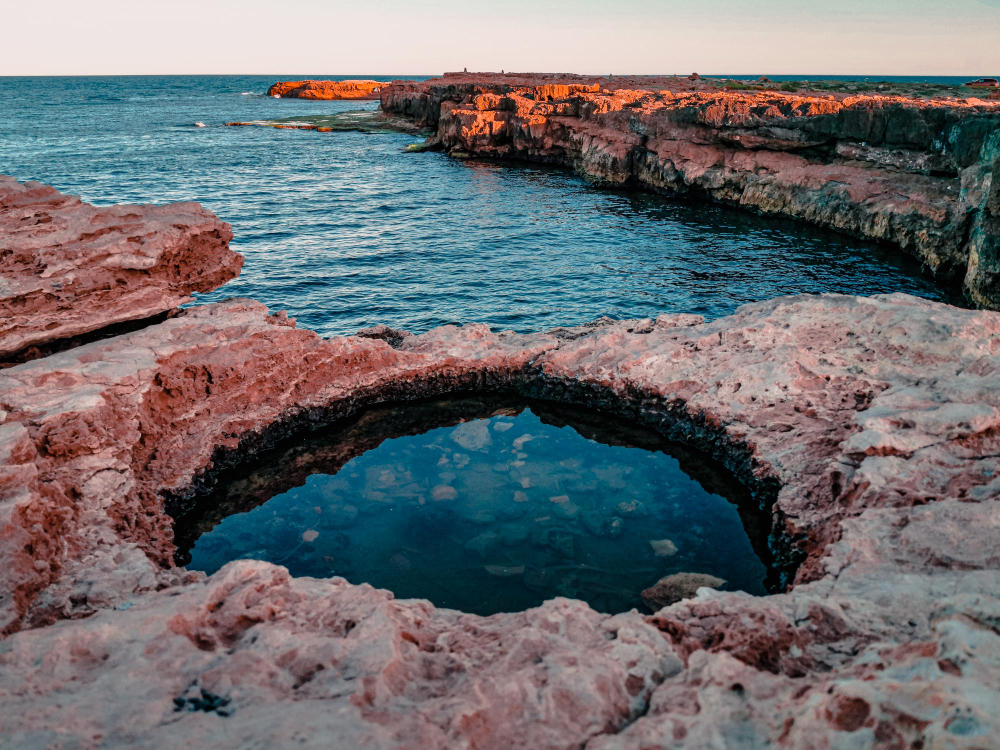
Temperature and salinity swinging daily, oxygen peaking in the afternoon and crashing before dawn, a shore banded sharply by tolerance, a limpet in a scar it ground itself, and anemones in patches of identical clones.
The seventh and eighth items together are the ones people check for themselves afterwards. A limpet grinds a scar into solid rock in the exact shape of its own shell, so the seal is watertight and it can sit out a hot afternoon – and then it goes off to feed and comes back to that one spot, which fits no other shell on the shore.
Like our content? Follow us for more.