

It is not lost and it did not come in from the fields. Here are fifteen.
1. It Did Not Come In From the Countryside
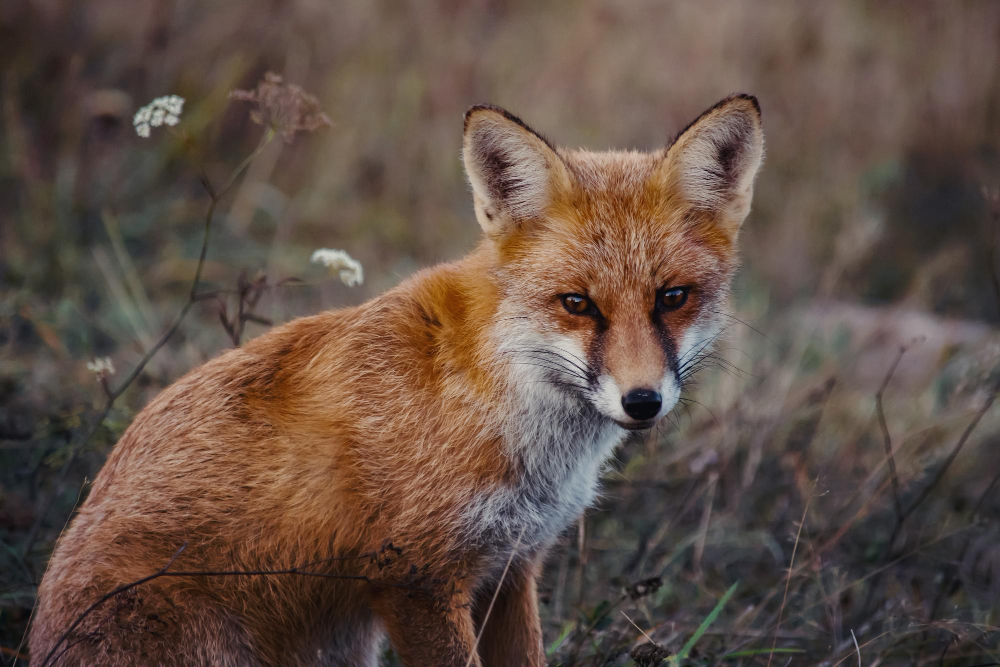
The standing assumption is that town foxes are rural animals displaced into cities. They are not. Urban populations are established, self-sustaining and in many places have been so for generations.
The animal in your street was almost certainly born within a mile or two of it, to parents who were also town animals, and has never been anywhere else.
Like our content? Follow us for more.
2. Its Territory Is Astonishingly Small
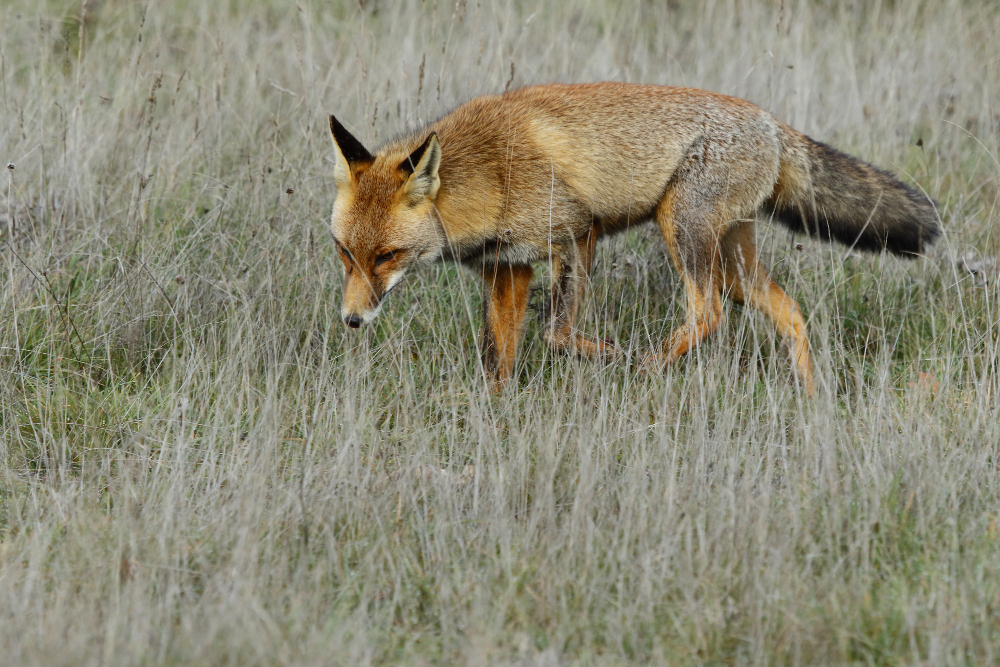
A fox in open countryside may range over several square kilometres. An urban one frequently holds a territory of a few dozen hectares, sometimes less, amounting to a handful of streets.
The reason is simply that the food is dense. A territory only needs to be as large as the area required to feed the animals in it, and a town supplies a great deal per hectare.
3. Which Means You Are Seeing the Same Few Animals
Because territories are small and defended, the foxes in a given street are a particular family group, and the sightings people describe as frequent are usually repeat sightings of the same individuals.
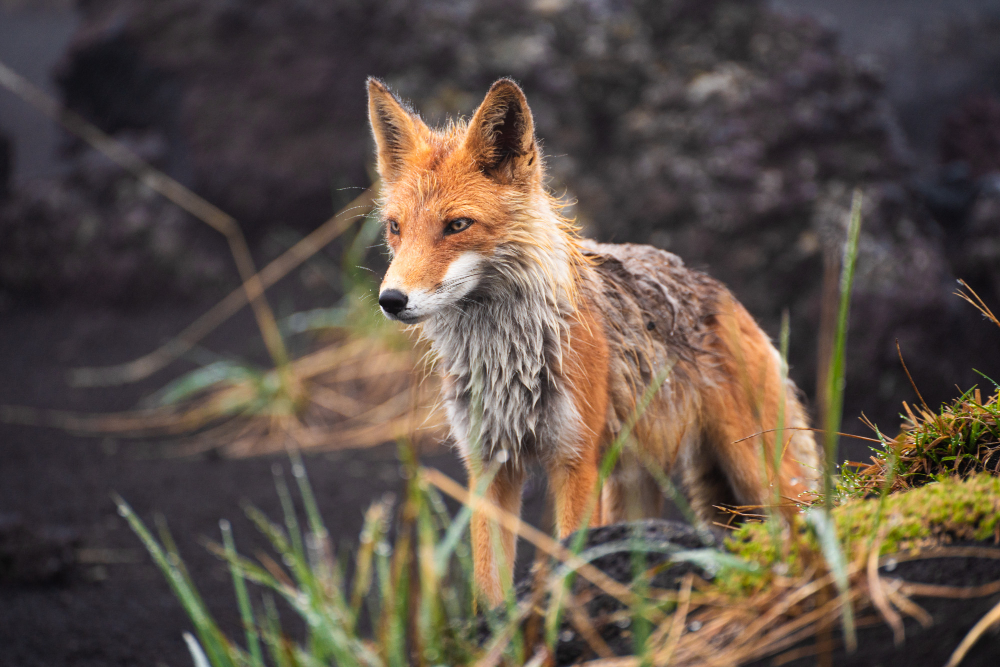
They can generally be told apart by anybody who looks carefully, by the tail, the markings on the face and legs, and the condition of the coat.
4. It Walks Down the Road Because the Road Is Safest
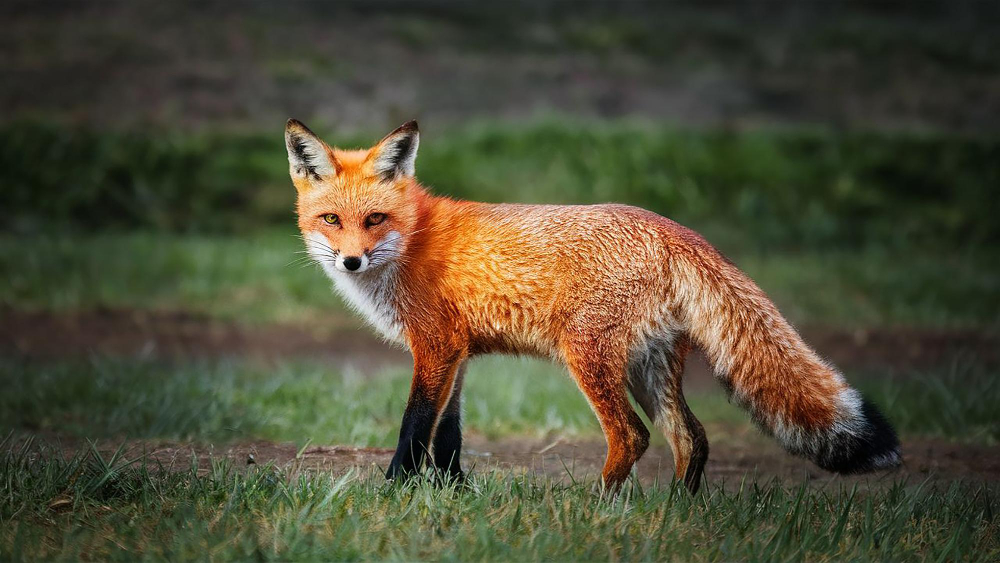
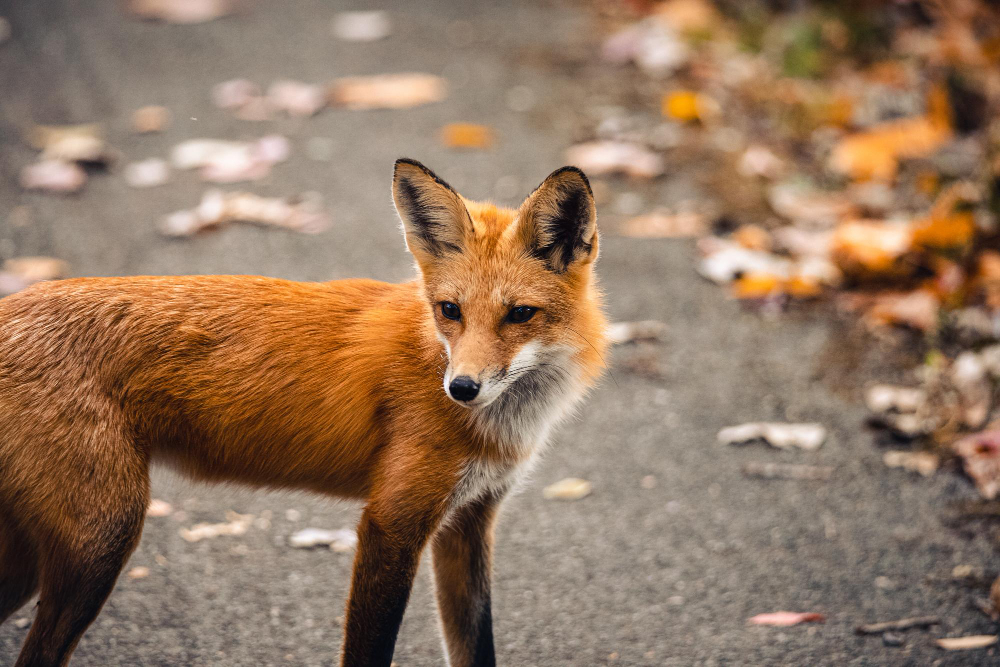
The behaviour that strikes everybody is a fox walking calmly down the middle of a street rather than hugging the shadows.
At three in the morning a road is open, flat, free of obstacles, free of dogs, and offers a clear view in both directions. It is the best available route, and the animal is using it for exactly the reasons a person walking home would.
5. The Bins Are Not the Main Point
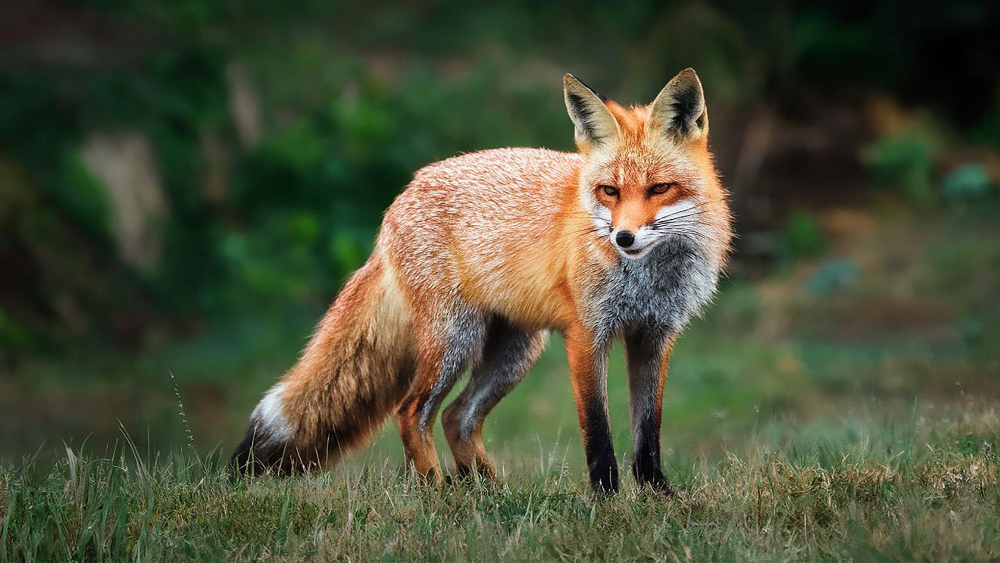
Refuse matters, and it is not the staple. Studies of urban fox diet consistently find a large proportion of natural food: earthworms, beetles, small mammals, birds and a great deal of fruit in season.
The scavenged portion is significant but it is a supplement rather than the diet. A fox living entirely on refuse would be an unusual fox.
6. A Great Deal of It Is Given Deliberately
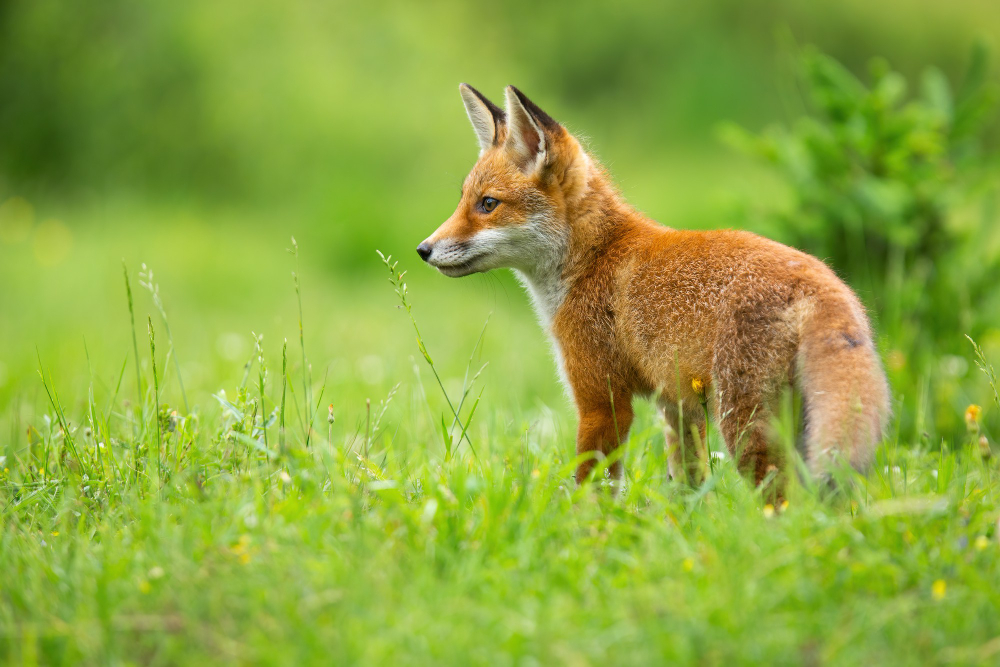
Across many towns a substantial fraction of households put food out intentionally, and the quantity involved is large enough to show up in population studies.
Which complicates the picture considerably. The food supply that supports urban densities is partly waste and partly a deliberate provisioning nobody planned and nobody coordinates.
7. It Buries Food It Cannot Eat
A fox that finds more than it needs caches the surplus, digging a shallow hole, dropping the item in and covering it with a nose rather than a paw.
It remembers the locations, returns to them over following days, and the digging that appears in lawns and flower beds is frequently a cache being made or retrieved rather than anything being hunted.
8. The Scream Is Not Distress
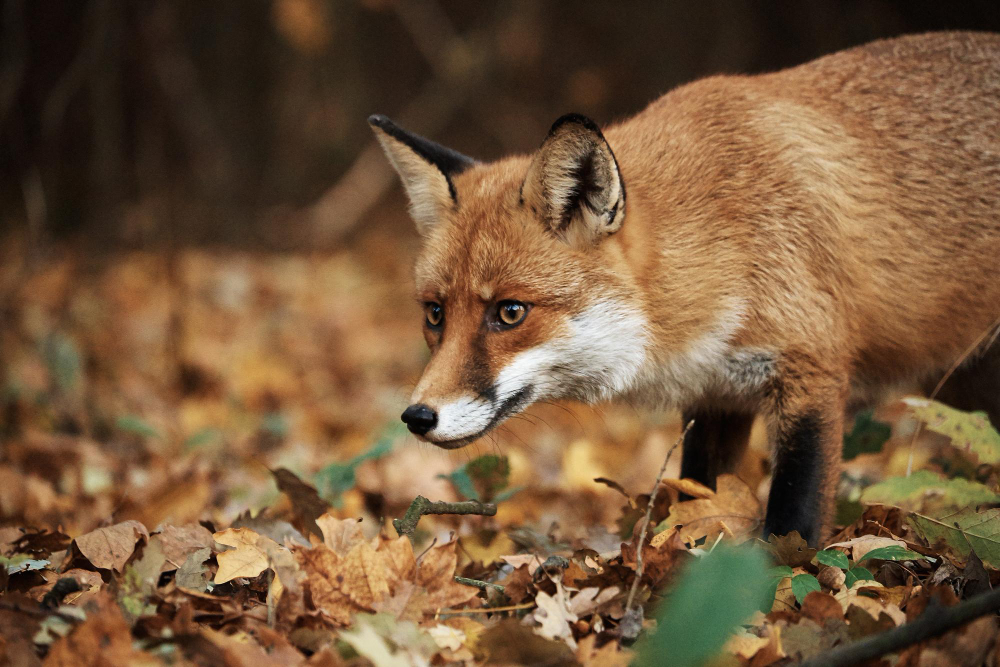
The sound that empties a street of confidence in the small hours, which is alarming the first time, is contact and territorial calling, made mostly in winter.
It is loudest during the mating period, it is produced by both sexes, and nothing is being hurt. It is a long-distance announcement, and it is designed to carry, which is why it works so well in a street of hard surfaces.
9. Most of Them Do Not Live Long
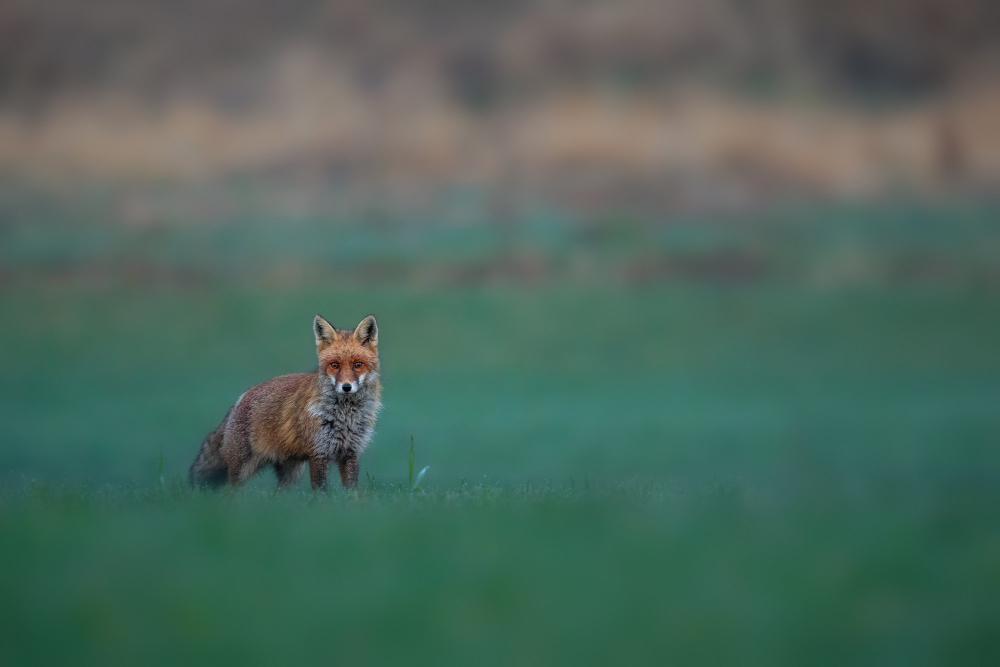
Urban foxes have short lives. A large proportion die in their first year, and the great majority are dead within a few years, overwhelmingly on roads.
Which means the population turns over fast. The fox in your street this year is statistically unlikely to be the one that was there three years ago, even though the territory persists.
10. The Cubs Appear Above Ground in Spring
They are born underground in late winter, stay below for several weeks, and then emerge to spend the spring playing and squabbling outside the entrance in full view.
Which is why the one time of year everybody notices foxes properly is the point at which a litter becomes visible. The adults were there all along.
11. The Earth Is Usually Under Something
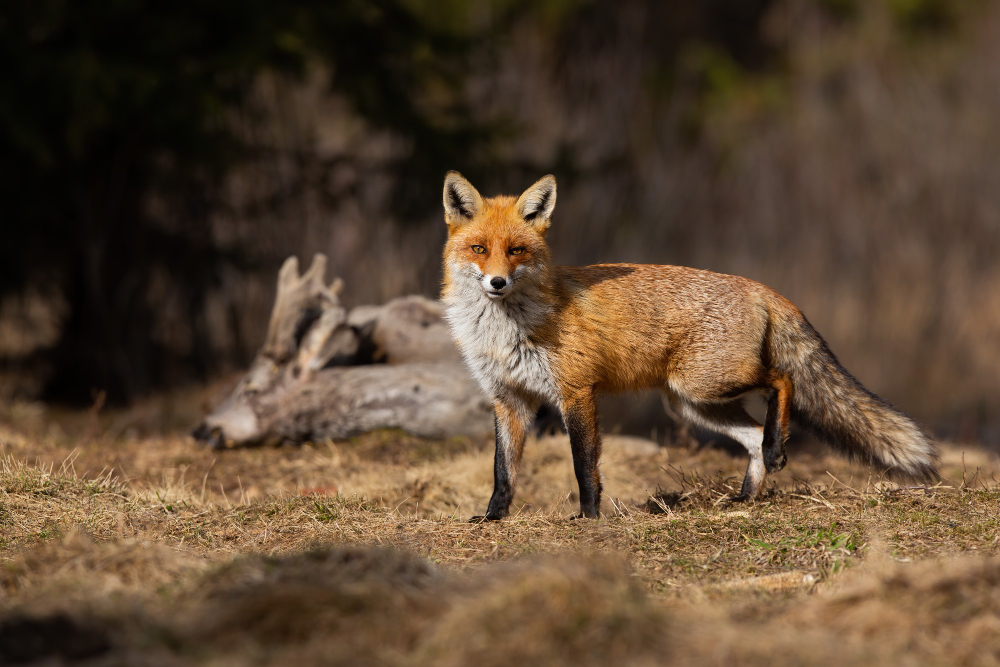
Not a hole in open ground. Urban dens are characteristically under a shed, under a decking, beneath a garage floor, in a railway embankment or in dense scrub.
Anywhere with a roof, one or two exits and no disturbance will do, and a fox will take over an existing cavity in preference to digging one.
12. They Do Not Live in Packs
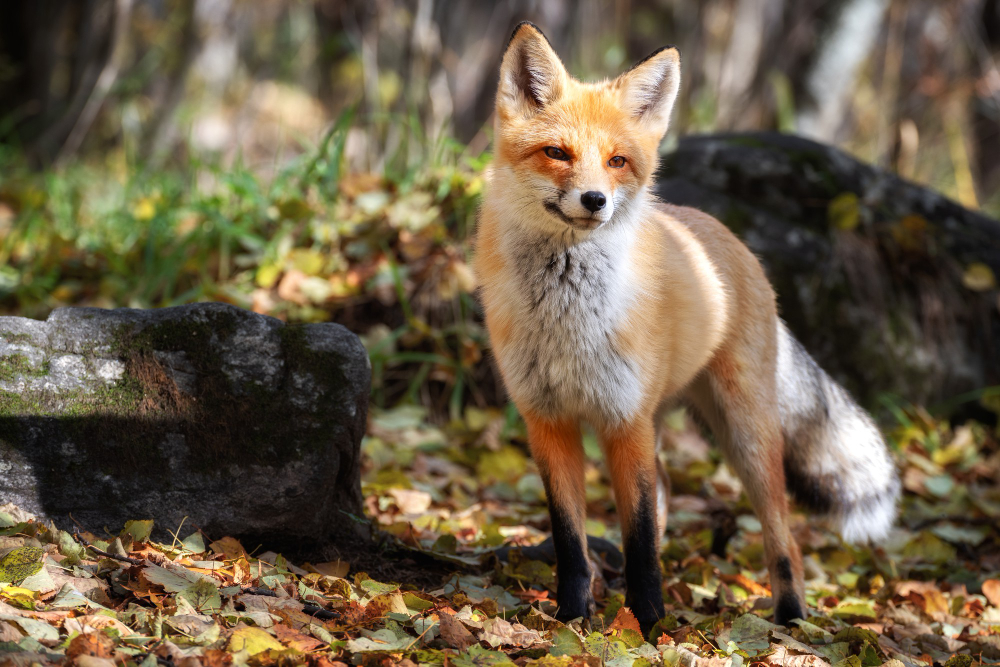
The social unit is a breeding pair with that year’s cubs, sometimes with an additional adult, usually a daughter from a previous litter who has stayed on and helps.
Several animals seen together are a family rather than a pack, they hunt alone rather than cooperatively, and the group holds a territory jointly rather than operating as a unit.
13. A Fox Cannot Be Domesticated Quickly
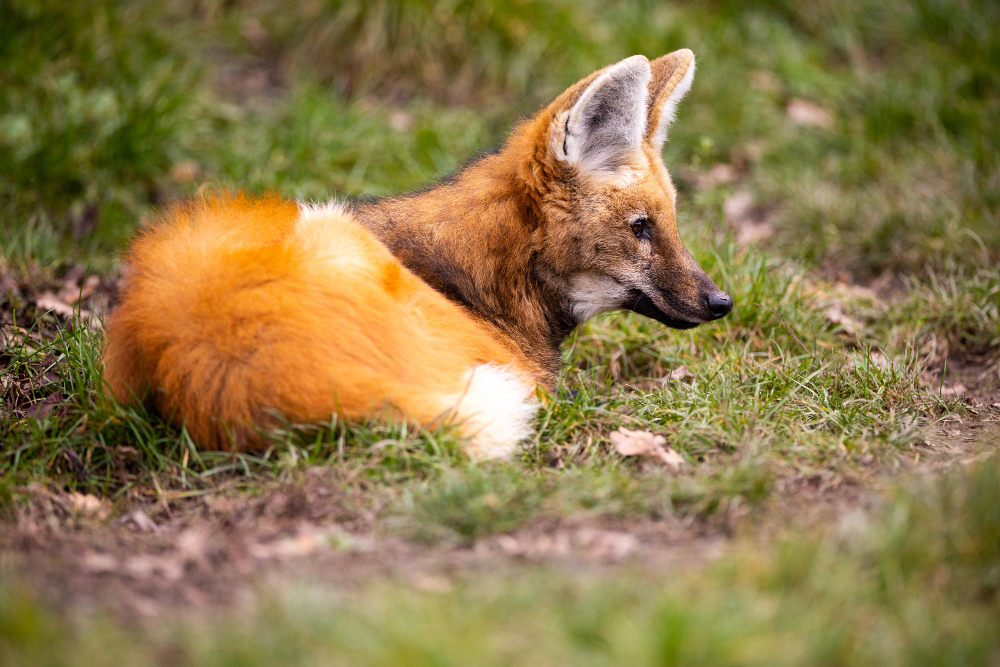
They are not small dogs and the comparison misleads. Dogs are the product of many thousands of years of selection, and a fox retains essentially all of its wild behaviour.
A famous long-running breeding programme produced foxes that behaved very differently from wild ones within a few dozen generations, which demonstrated how fast selection can work and also how much selection is required.
14. It Is Not Interested in You, With One Exception
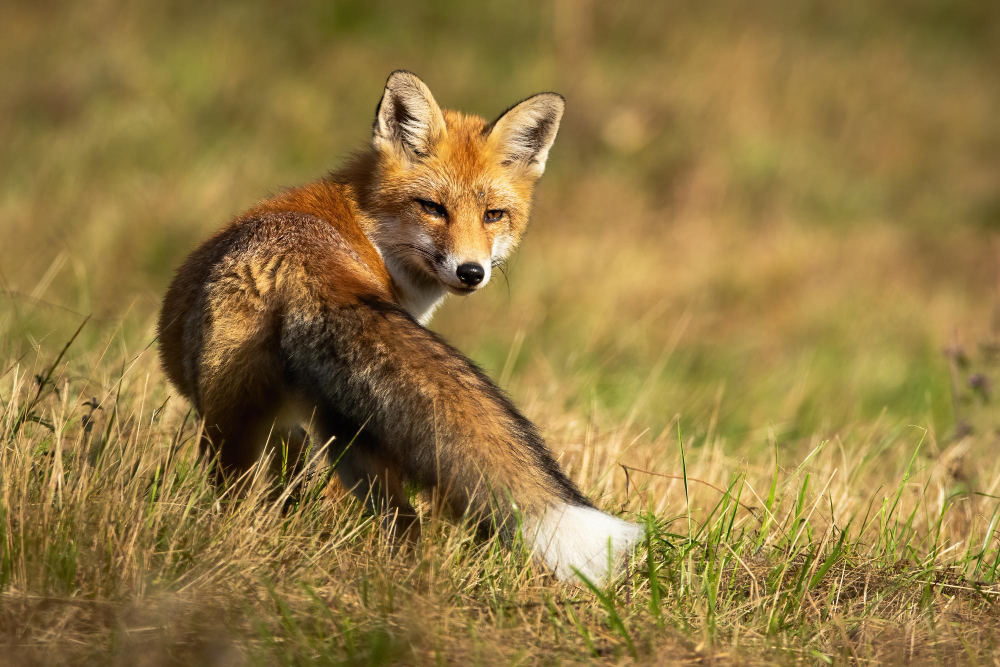
A healthy fox avoids people, and a fox that approaches is almost always one that has learned to associate humans with food, which is a learned behaviour rather than boldness.
Which is why the animals that approach are frequently the ones in streets where food is put out regularly. The apparent tameness is a trained response and it is specific to the places that trained it.
15. The Population Is Not Growing the Way It Seems
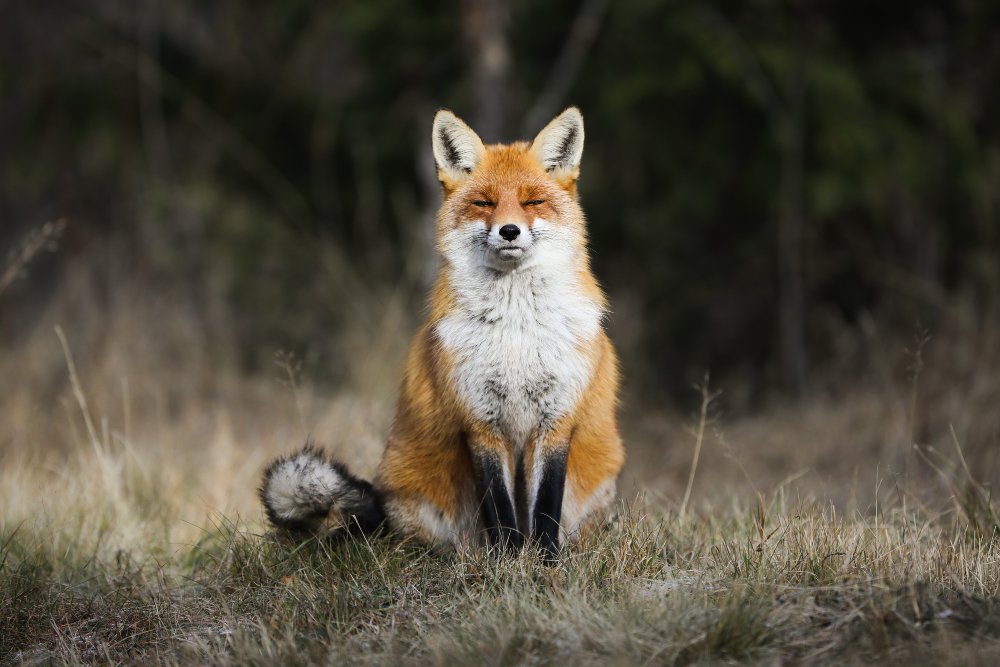
This is the part that contradicts the impression. Urban fox numbers in many places are relatively stable, limited by territory availability rather than by food, and have been through substantial declines caused by disease.
What has increased is how visible they are, as more people are awake and outdoors at odd hours with a camera in their pocket. More sightings reported is not the same as more animals present.
A Few Streets, One Family, and an Open Road at Three in the Morning
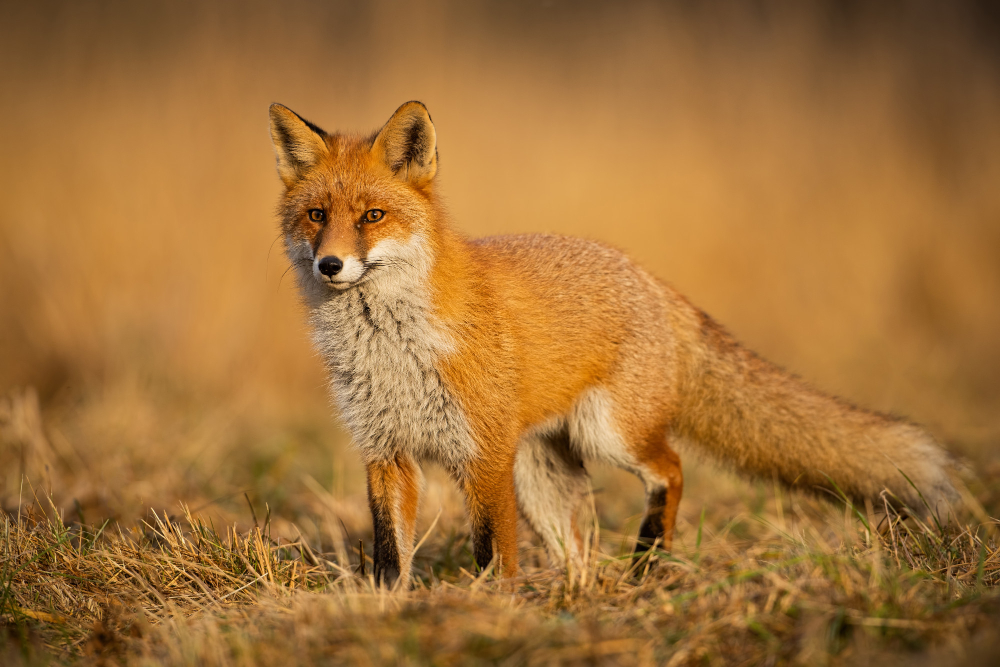
Established urban populations rather than displaced country animals, territories of a few streets, a diet mostly of natural food, surplus buried and remembered, and a scream that is an announcement rather than a distress call.
The fifth item is the one that overturns the usual picture. Studies of what urban foxes actually eat find earthworms, beetles, small mammals, birds and large quantities of seasonal fruit making up the bulk of it – the bins are a supplement rather than the diet, and an animal living entirely off refuse would be the exception rather than the rule.
Like our content? Follow us for more.
