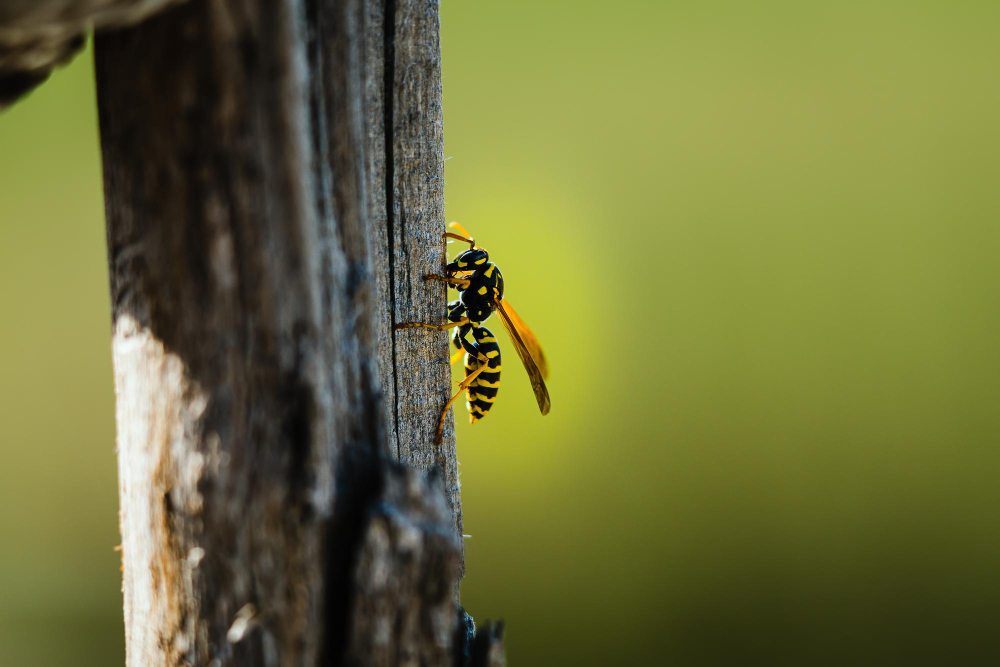
They ignore you all summer, then the colony finishes and they are out of work. Here are fifteen.
1. They Spend the Summer Hunting, Not Scavenging
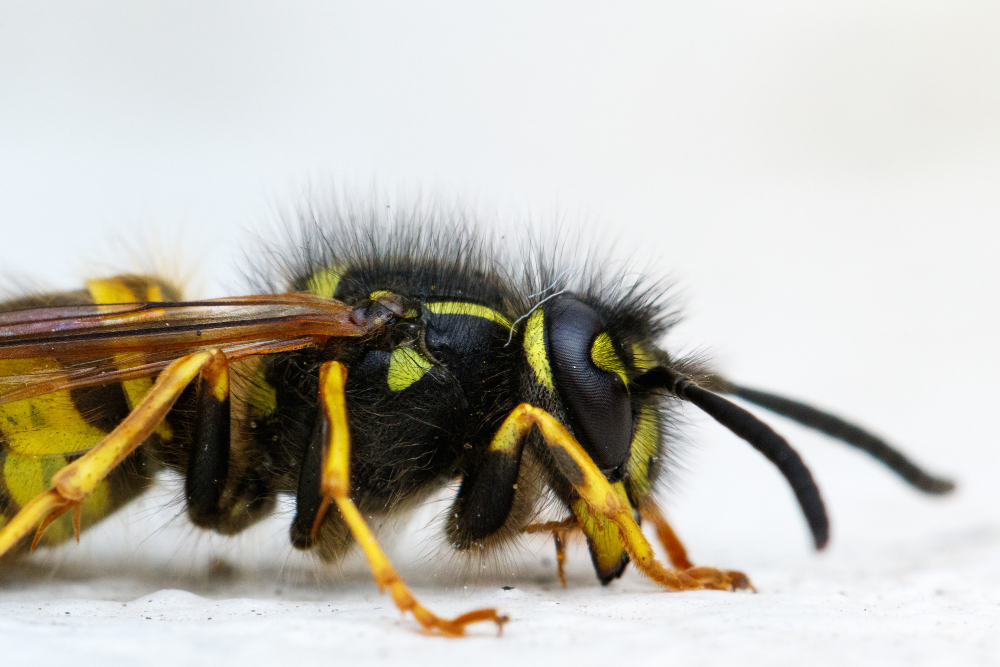
For most of the season a worker wasp is a predator. It catches caterpillars, flies, aphids and other insects, chews them and carries the result back to feed the larvae.
The quantity is enormous. A single sizeable colony removes very large numbers of invertebrates over a season, which makes wasps one of the most significant insect predators in any garden.
Like our content? Follow us for more.
2. The Adults Cannot Eat Any of It
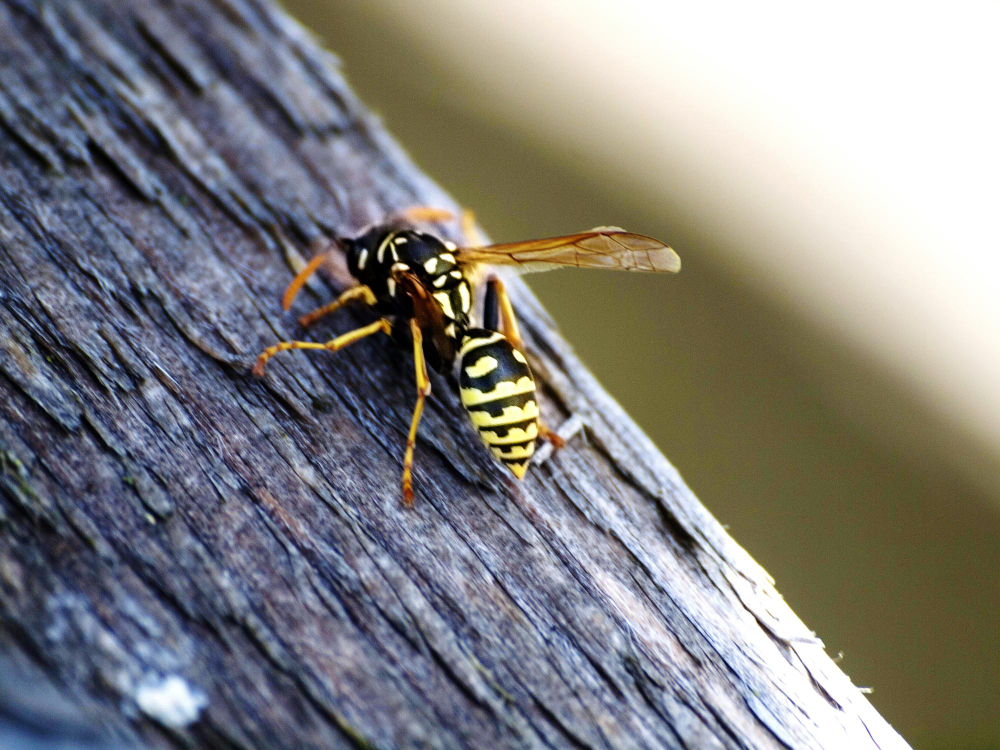
Here is the structural oddity that explains their whole behaviour. An adult wasp has a waist so narrow that solid food cannot pass through it. It can only take liquids.
So the meat it collects is not for itself. It is chewed and delivered to the larvae, and the adult’s own fuel is sugar: nectar, honeydew, fruit juice and, famously, a sweet secretion produced by the larvae themselves in exchange for being fed.
3. Which Is Why Late Summer Changes Everything
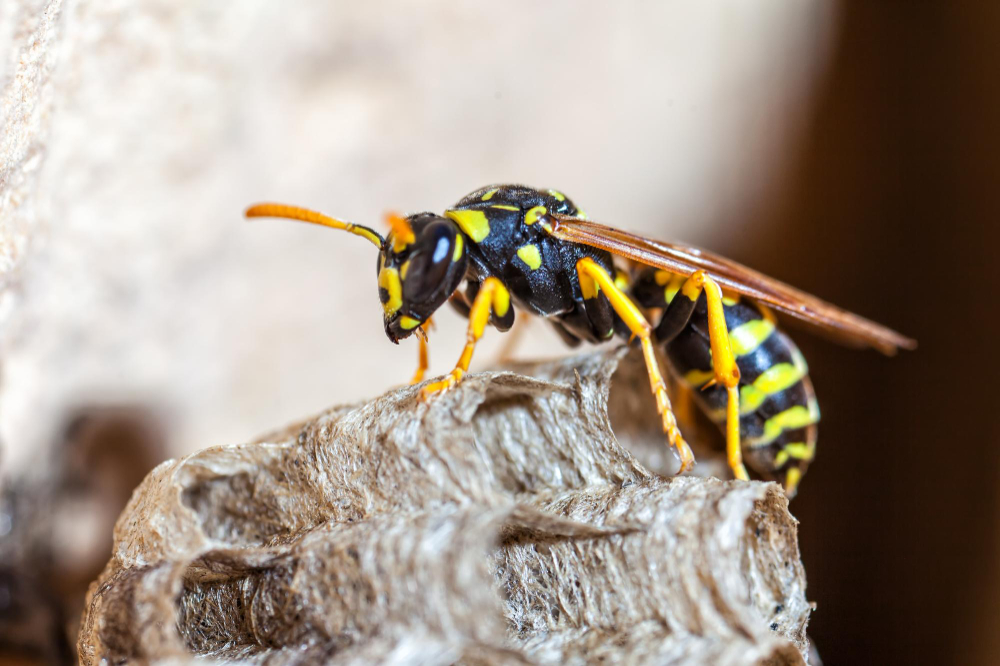
Towards the end of the season the queen stops laying, the last larvae mature, and the colony’s work is finished. There are suddenly no larvae to feed.
Which means the workers have no reason to hunt, no larvae supplying them with the sweet secretion they were living on, and nothing to do. They are unemployed insects with a sugar requirement and no income, and that is the precise moment they become interested in your drink.
4. The Aggression Is Not Aggression
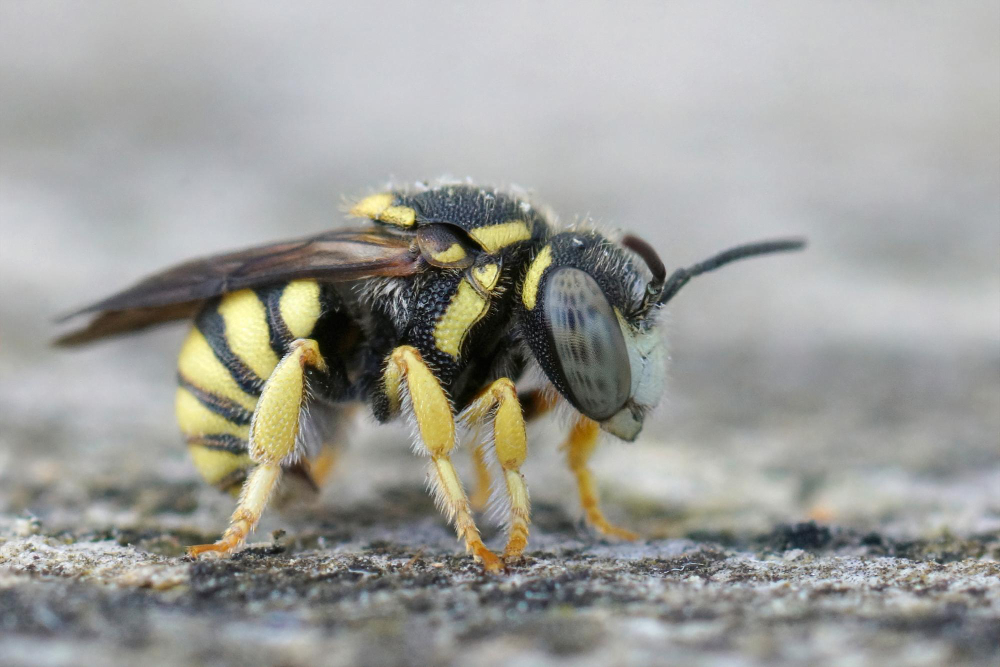
A wasp at a table in September is persistent, erratic and unbothered by being waved at, and it reads as hostility. It is better described as a desperate animal with no colony to return to and a short time left.
The colony is breaking down, the social structure that organised its behaviour has gone, and it is operating alone. Late-season wasps are also reported to be affected by fermenting fruit, which does nothing for the erratic flying.
5. Only the Females Have a Sting
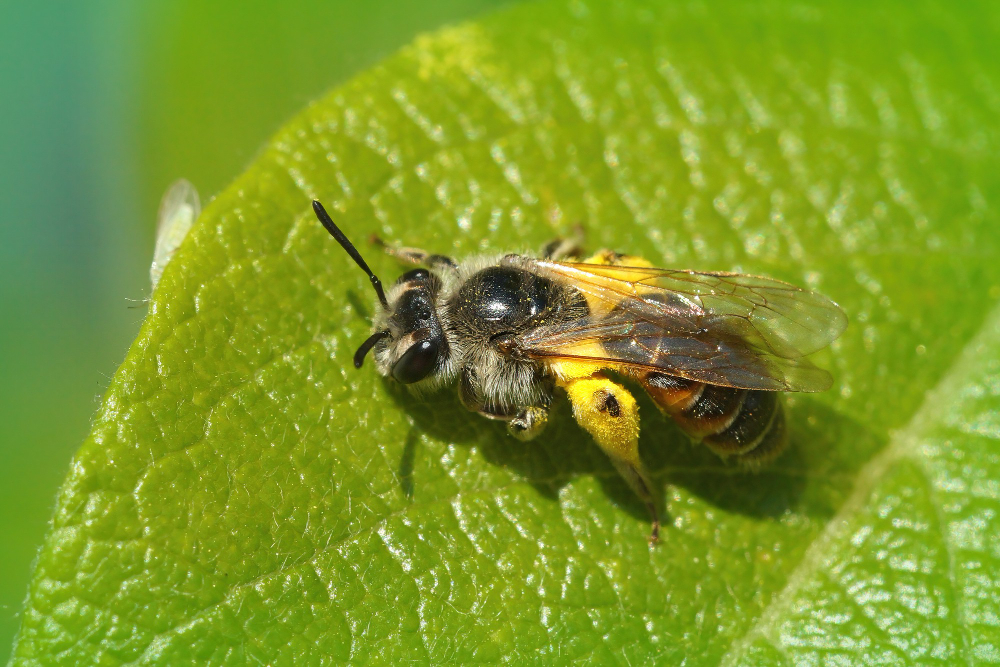
The sting is a modified egg-laying tube, which means males do not have one and physically cannot sting.
Every wasp that has ever stung anybody was female. The males, which appear late in the season, are harmless and are frequently mistaken for the ones causing the trouble.
6. And It Is Not Barbed, Which Matters
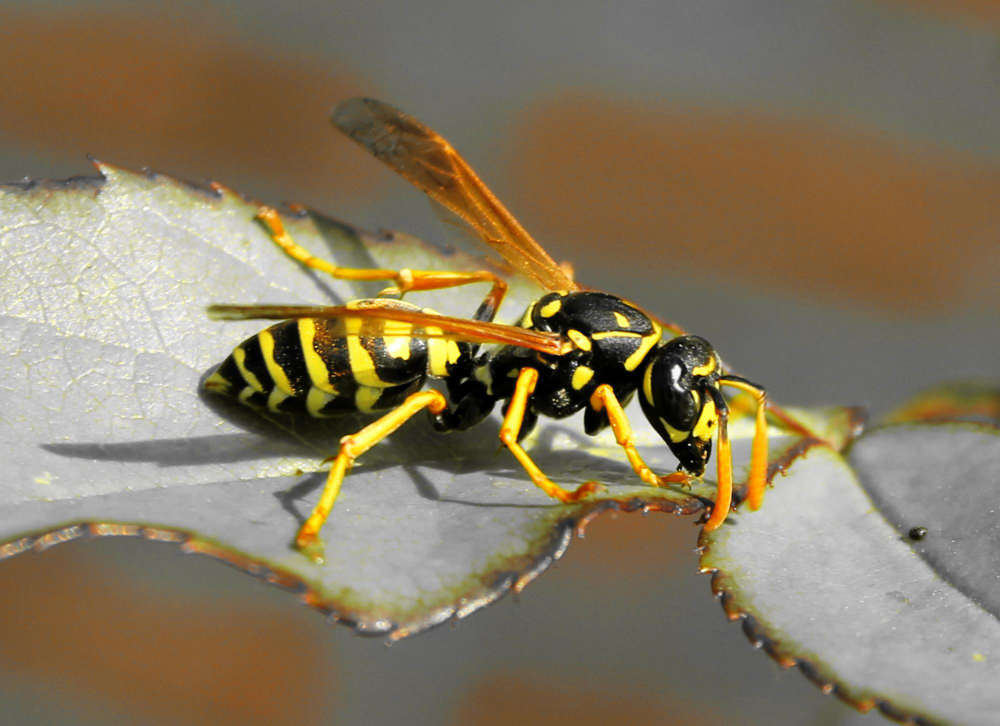
A wasp’s sting is smooth, so it withdraws cleanly and the animal survives and can use it again, repeatedly, which is the single most important practical difference from a honeybee.
A bee’s barbed sting lodges and tears away, killing the insect. That is why a bee stings once and a wasp does not, and it is why the two situations are not comparable.
7. Swatting Is the Worst Available Response
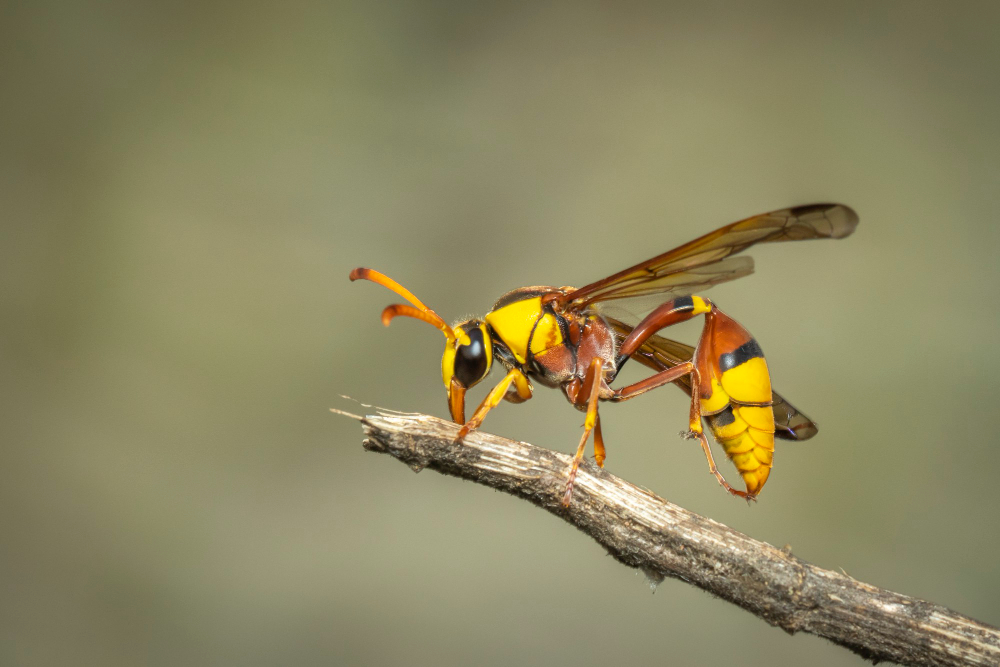
A wasp that is squashed or alarmed releases an alarm chemical that recruits others, and the scent marks the location and whatever is near it.
So the response that feels most natural actively increases the number of wasps present and makes the spot a target. This is a statement about what the chemistry does rather than advice about what anybody should do.
8. The Nest Is Made of Paper They Manufacture
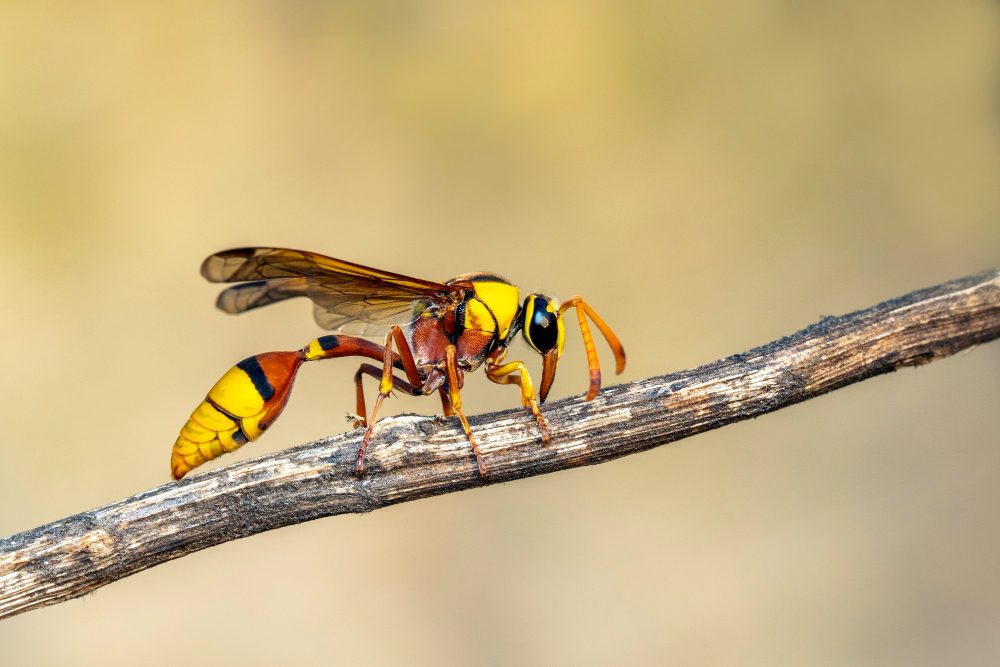
The material is wood, scraped from fences, dead branches and posts with the jaws, chewed with saliva into a pulp and spread out to dry.
It is paper, made by an insect, several hundred million years before anybody else thought of it. The visible scraping marks on weathered timber in a garden are frequently the only evidence of a nest nearby.
9. The Whole Nest Is Abandoned Every Year
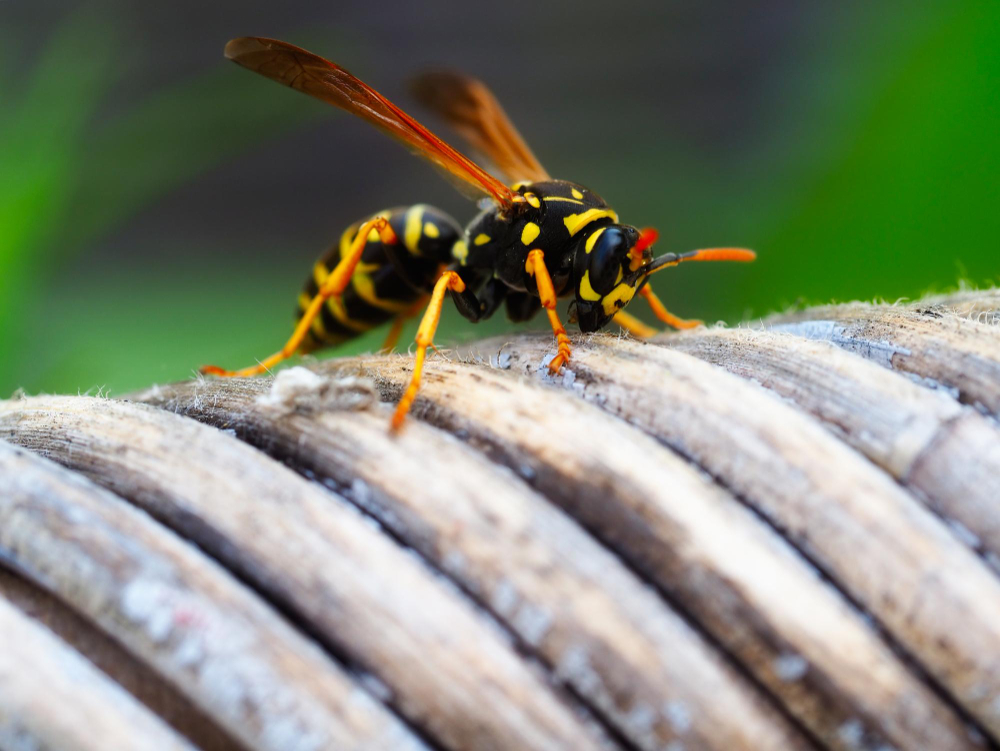
This surprises almost everybody. A nest is used for one season and never again. It is not repaired, not reoccupied and not inherited.
The following year’s colony is built somewhere else from nothing. An old nest found in a loft in winter is an empty structure with no prospect of being reused, and that is true every year without exception.
10. Everything Dies Except the New Queens
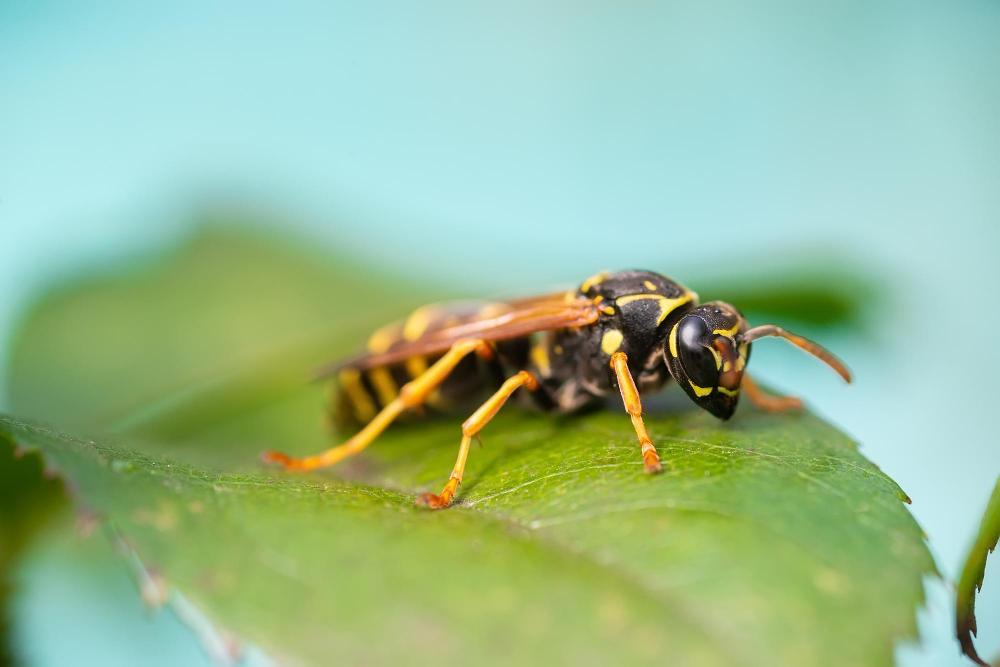
At the end of the season the workers die, the old queen dies, the males die, and the colony ceases to exist. Nothing overwinters except young mated queens.
Each of those finds somewhere sheltered, survives the winter alone, and in spring begins a new nest by herself, building the first cells and raising the first few workers single-handed before the colony can grow.
11. So Every Nest Starts With One Insect
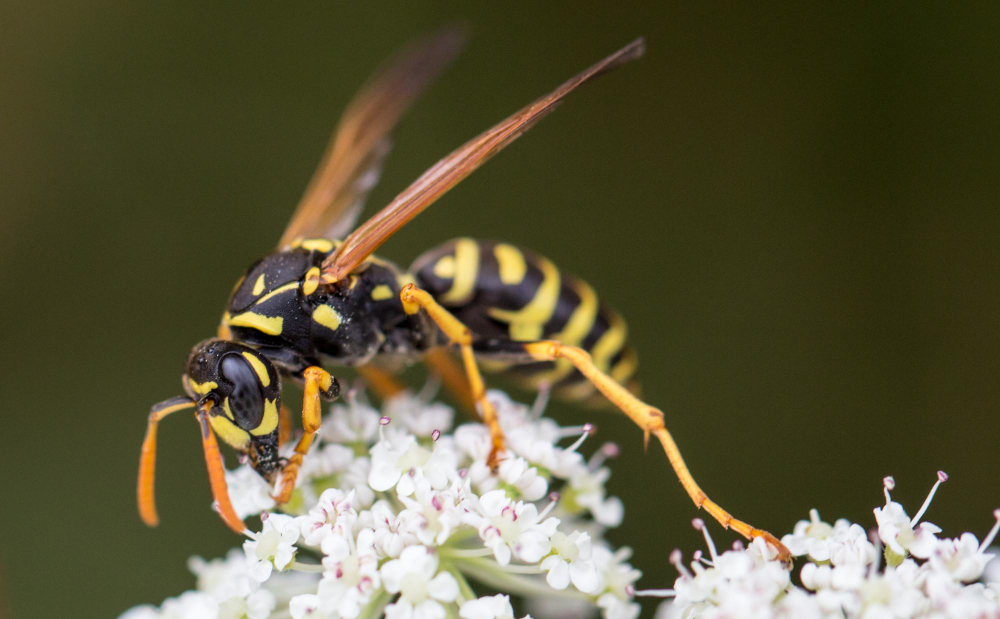
The large structure found in late summer, containing thousands of individuals, was begun in spring by a single queen with no help.
She builds a few cells, lays in them, hunts for the larvae, and only once those first workers emerge does she stop foraging and become purely an egg-layer. The exponential growth from that start is why nests appear suddenly.
12. They Pollinate, Just Less Famously
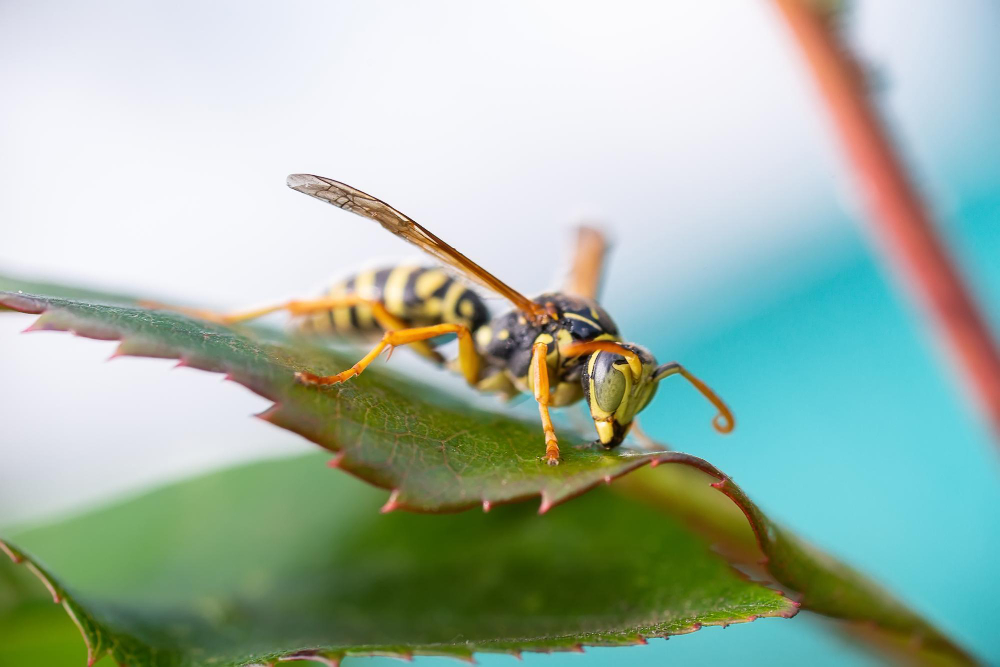
An insect that drinks nectar visits flowers, and wasps do so in quantity, transferring pollen while they are there.
They are less efficient than bees because they lack the dense body hair that carries pollen well, but the contribution is real and for certain plants it is substantial. Several plant species are pollinated principally by wasps.
13. Some of Them Recognise Individual Faces
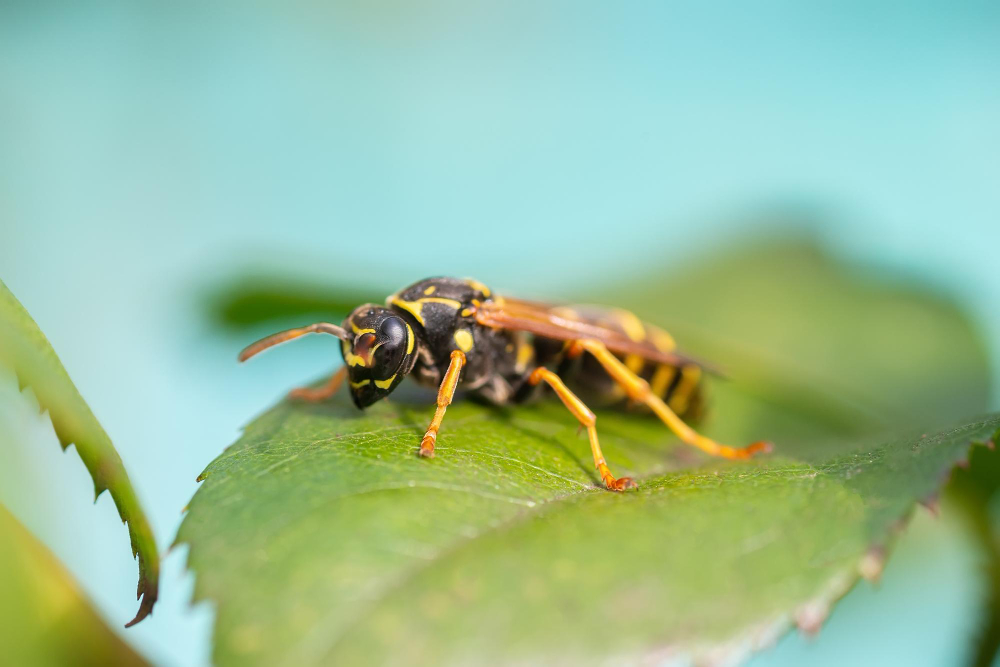
In certain paper wasp species, where several queens found a nest jointly and must maintain a hierarchy, individuals have variable facial markings and have been shown experimentally to recognise one another by them.
Alter the markings on one and the others treat it differently. It is one of the clearest demonstrations of individual recognition in an insect and it occurs in exactly the species where a social reason for it exists.
14. The Yellow and Black Is a Shared Advertisement
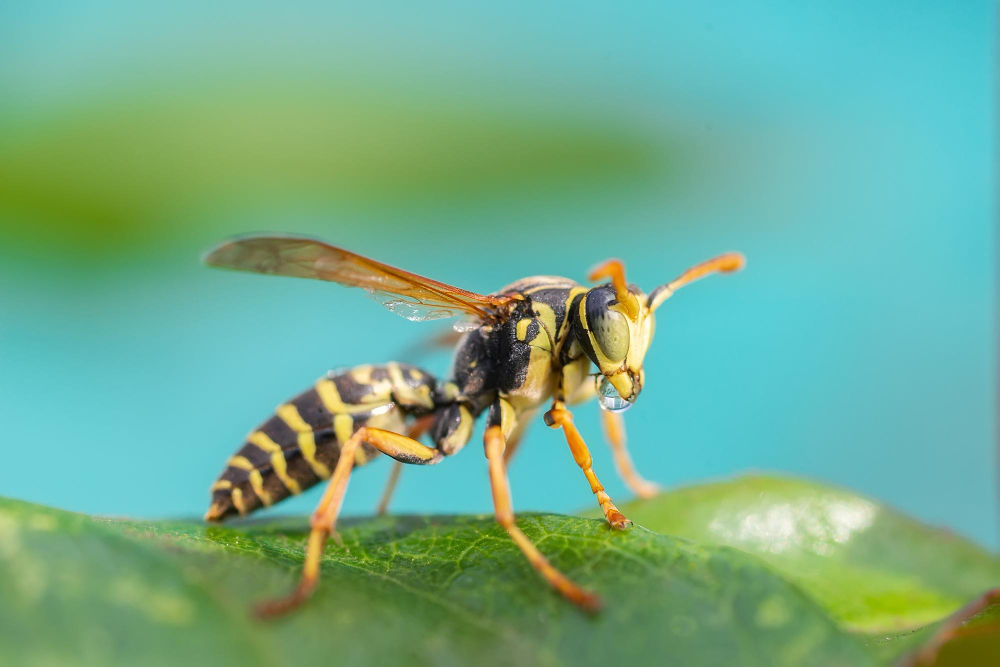
The colouring is a warning, and its effectiveness depends on being common. A predator that learns the pattern once avoids everything carrying it.
Which is why a great many unrelated and entirely harmless insects have evolved the same colours: hoverflies, certain moths and beetles among them. Most of what looks like a wasp in a garden cannot sting at all.
15. They Are Declining, Which Nobody Expects
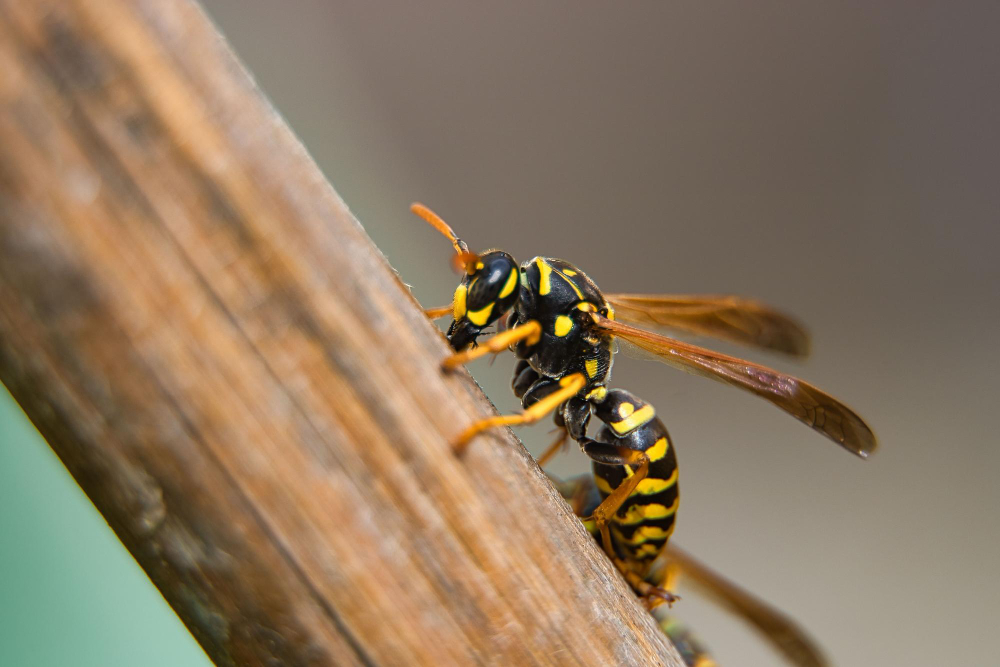
The final item runs against the whole experience of August. Several studies indicate substantial long-term declines in wasp abundance, in common with flying insects generally.
The reasons proposed are the usual ones: habitat loss, pesticide use and land-use change. What has not declined is their late-season visibility, because that depends on a few weeks of behaviour rather than on how many there are.
Predators With a Waist Too Narrow to Eat
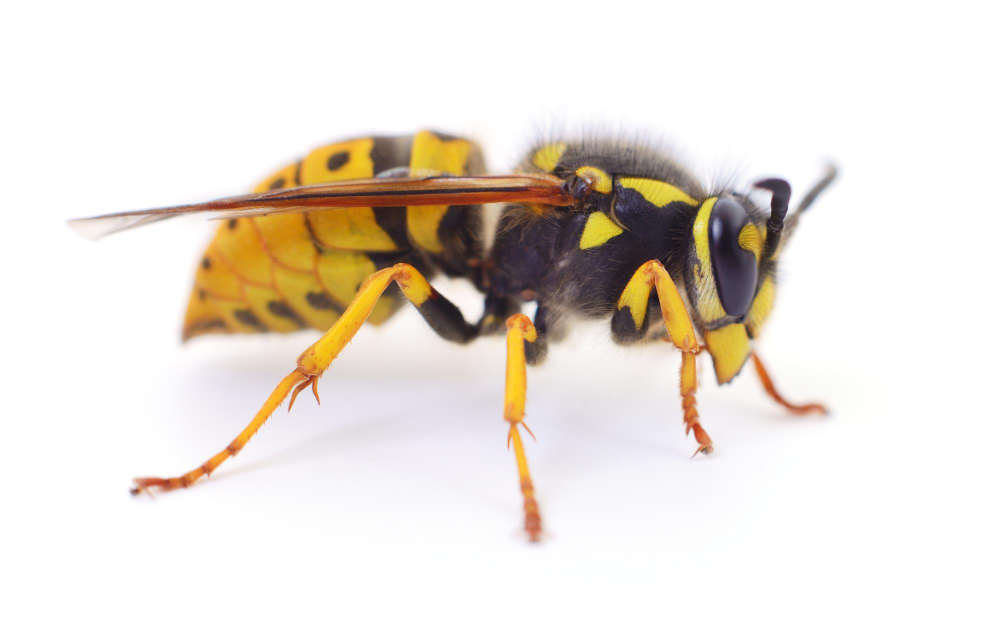
Hunting all summer for larvae they cannot eat from, sustained by a sugar secretion the larvae produce, then unemployed when the colony finishes, with a smooth sting that works more than once and a nest of self-made paper abandoned every year.
The second and third items together are the whole explanation. An adult wasp’s waist is too narrow to pass solid food, so all that hunting is for the larvae, and in exchange the larvae produce a sweet liquid the adults live on – which means that when the last larva matures, the workers lose both their job and their food supply on the same day, and arrive at your table.
Like our content? Follow us for more.