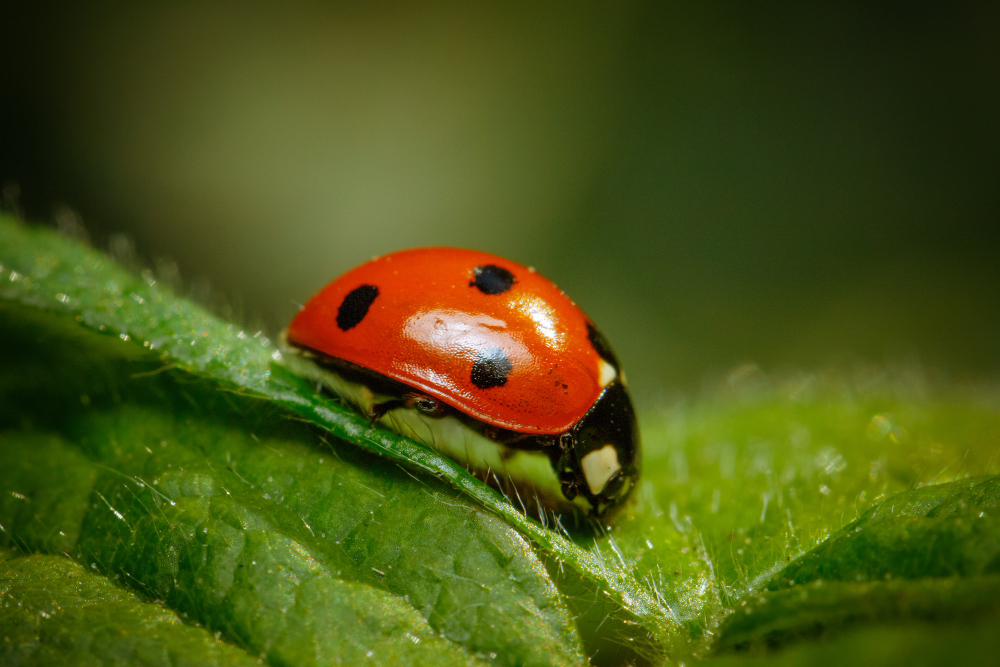
The spots are the species, not the age, and it bleeds from its knees on purpose. Here are twelve.
1. The Spots Are the Species, Not the Age
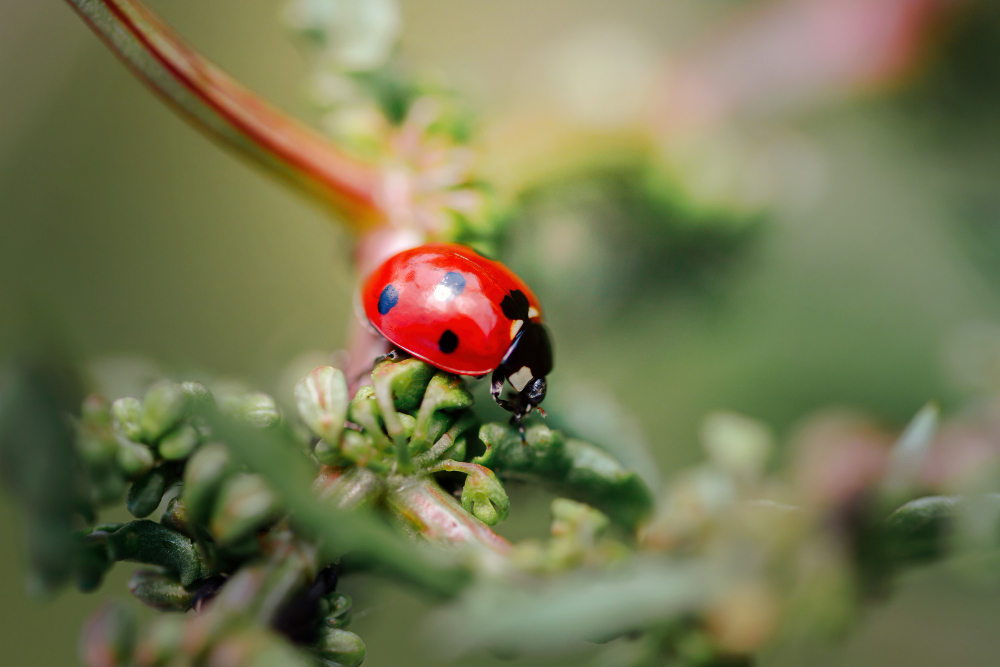
This is the belief almost everybody holds at some point: that a ladybird gains a spot each year. It does not, and it cannot.
The pattern is fixed at the moment the adult emerges and never changes afterwards. The number of spots identifies which species you are looking at, and the adult does not live long enough for a year-count to mean anything.
Like our content? Follow us for more.
2. It Is a Beetle, and the Spots Are on a Lid
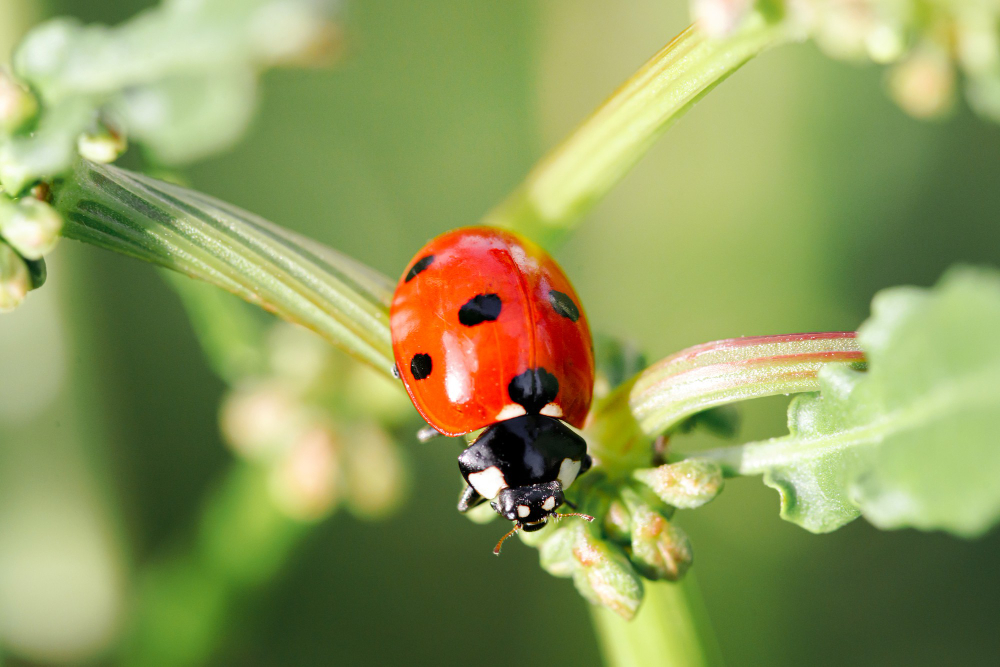
The spotted red surface is not its back. It is a pair of hardened front wings, held closed as a case over the real flying wings, which are folded up underneath.
Which is why a ladybird about to fly appears to split open along the middle. The case lifts, the much larger membranous wings unfold out of it, and the whole arrangement folds back away afterwards.
3. It Is a Predator and It Eats Constantly
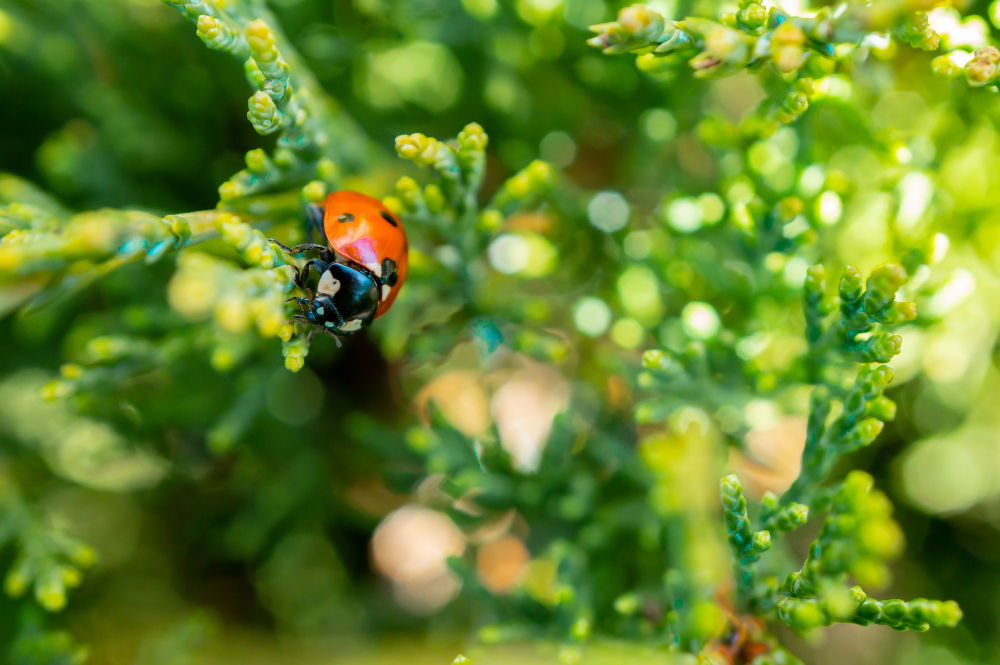
The gentle reputation is entirely undeserved. Both the adult and the larva are specialist predators of aphids and other soft-bodied insects, and they are extremely effective.
A single individual consumes a very large number over its life, and the larvae in particular do little else. They are among the most significant insect predators in any garden and are used deliberately in commercial growing for exactly that reason.
4. The Larva Looks Like Something Else Entirely
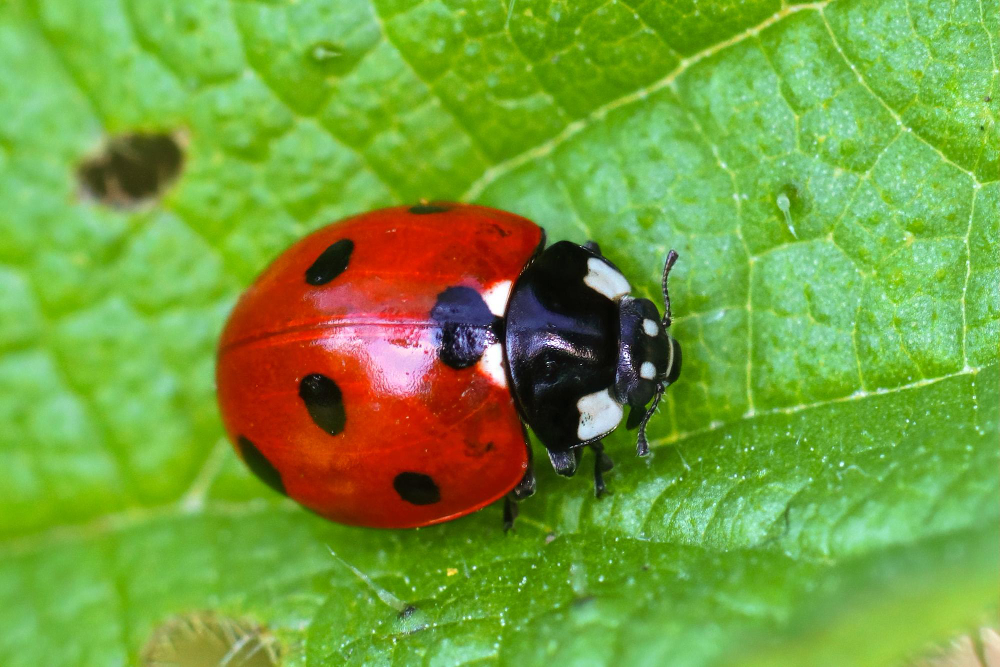
Nobody recognises it. The juvenile is a small, elongated, soft-bodied creature, usually dark with orange or yellow markings, covered in small spines, and it looks nothing like the adult.
It is also the stage doing most of the eating. A great many people have removed them from plants as pests while leaving the adults alone, which is precisely the wrong way round.
5. It Bleeds From Its Leg Joints on Purpose
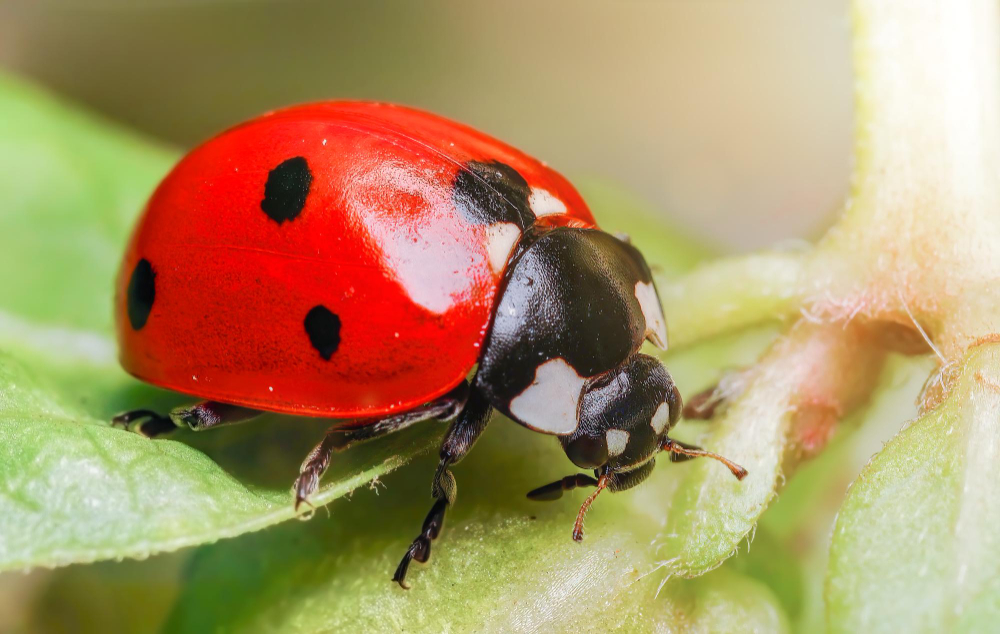
Threatened or handled, a ladybird exudes a small drop of yellow-orange fluid from the joints of its legs. It is not injured and it is not leaking; the release is deliberate and controlled.
The fluid is bitter and contains defensive compounds, and it is why a bird that takes one frequently drops it immediately. The smell that lingers on fingers after holding one is this and nothing else.
6. Which Is What the Colour Is Advertising
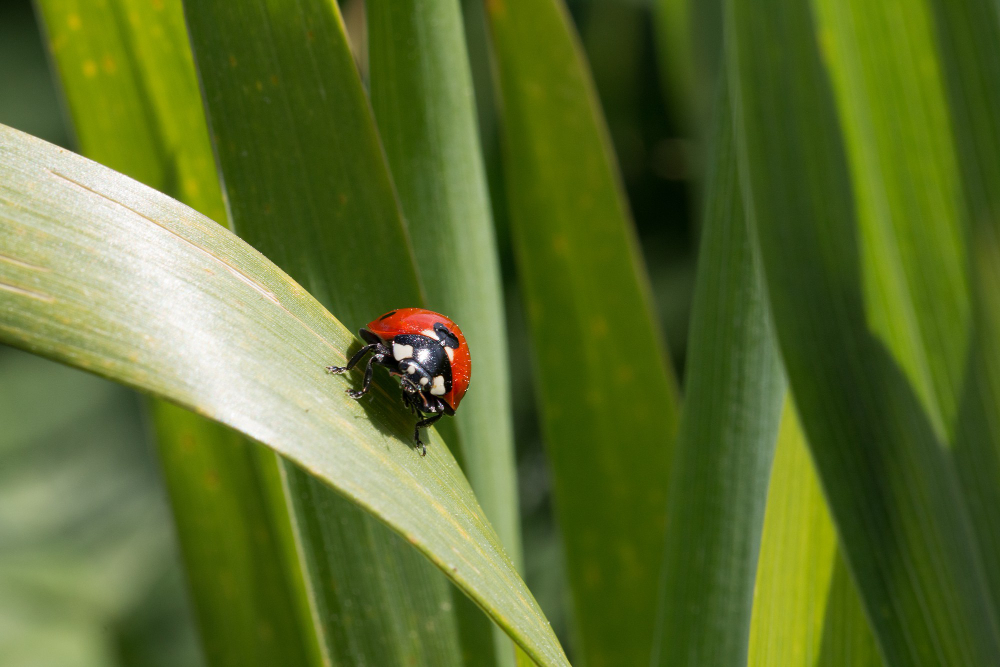
The red and black is a warning, and the warning and the fluid are a single system: the colour announces the taste and the taste enforces the colour.
A predator that samples one learns the pattern and avoids it afterwards, which protects every other individual carrying the same markings. The advertising only works because it is honest and because it is shared.
7. They Overwinter in Heaps
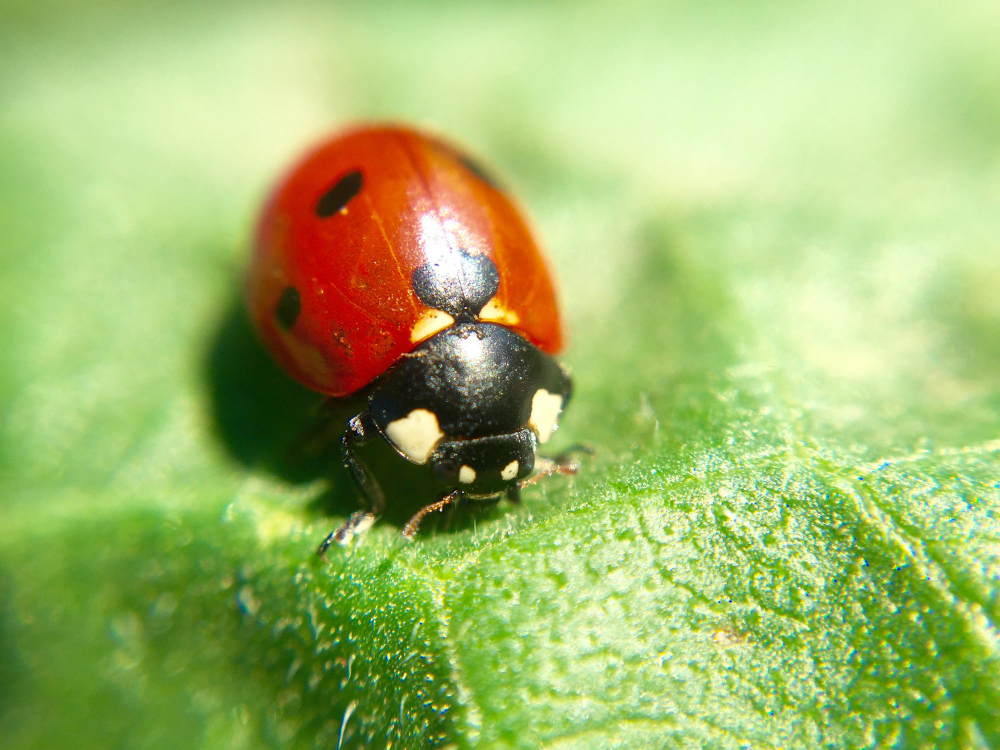
At the end of the season adults gather in sheltered places and cluster together in numbers, sometimes hundreds, in a crack, under bark, in a window frame or inside a roof space.
The aggregation is not accidental. They find each other by scent, the cluster reduces water loss and buffers temperature, and the same sites are used year after year, which is why a particular window has them every autumn.
8. Which Is Why They Appear Indoors in October
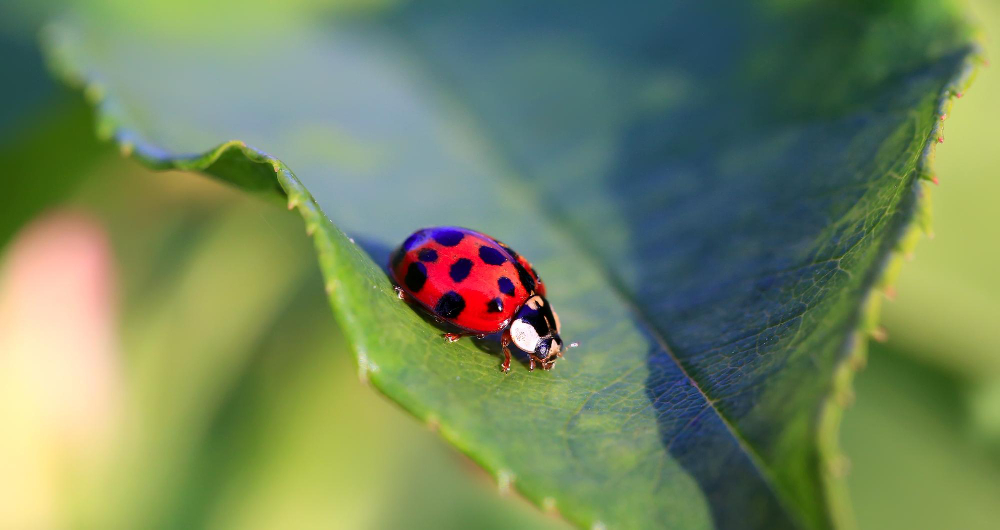
A warm building with gaps in its frames is, from a ladybird’s point of view, an excellent overwintering crevice, and they arrive in numbers at the point the temperature drops.
They are not breeding, feeding or doing anything in there. They are attempting to be dormant, and a heated room is a poor place for it because they wake, use up reserves and cannot get out.
9. The Larva and the Adult Are Built From Scratch
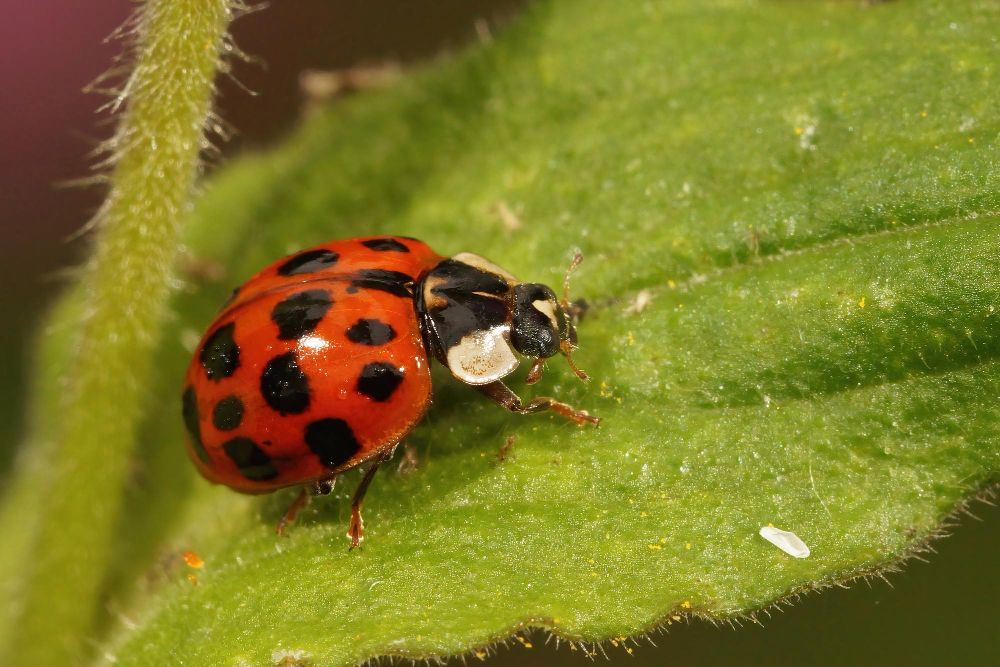
Between the two there is a stage attached to a leaf, inside which the entire animal is dismantled and rebuilt into a different shape with different legs, different mouthparts, wings and a hard case.
It is complete reconstruction rather than growth. The predatory soft grub and the armoured flying adult are the same individual, with almost nothing in common structurally.
10. Most of Them Are Not Red With Black Spots
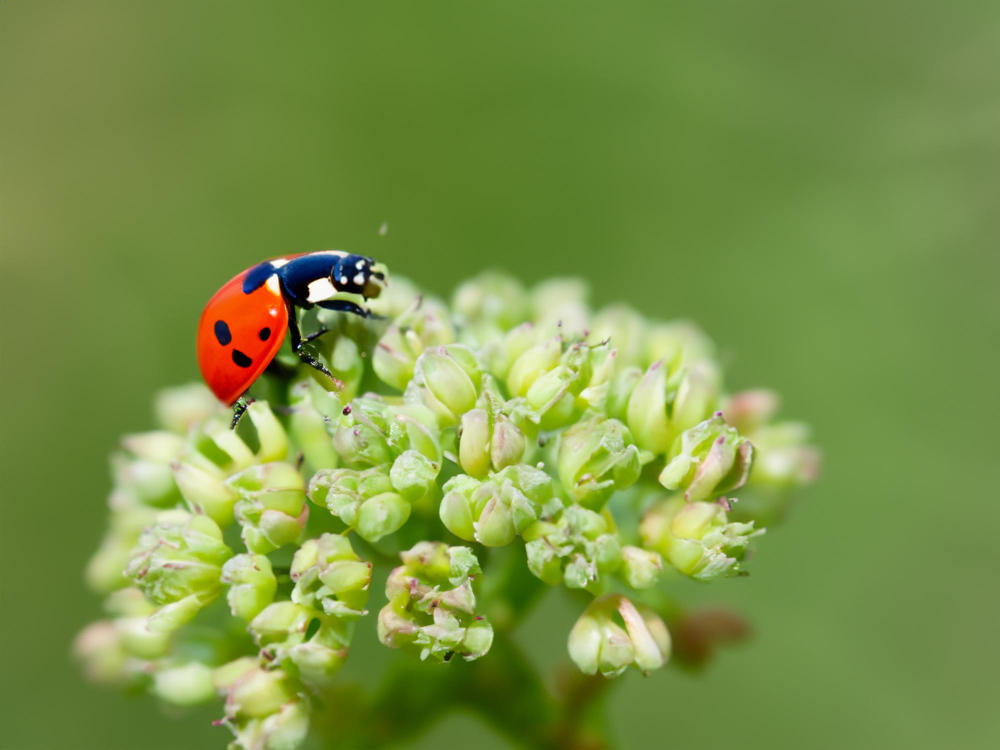
The familiar pattern is one of many. There are species that are black with red spots, yellow with black, orange, brown, striped, chequered and entirely plain, and some run to twenty-odd spots.
Several hundred species occur across temperate regions and the great majority look nothing like the storybook one, which is why identification is difficult and why colour alone settles very little.
11. One Introduced Species Changed Everything
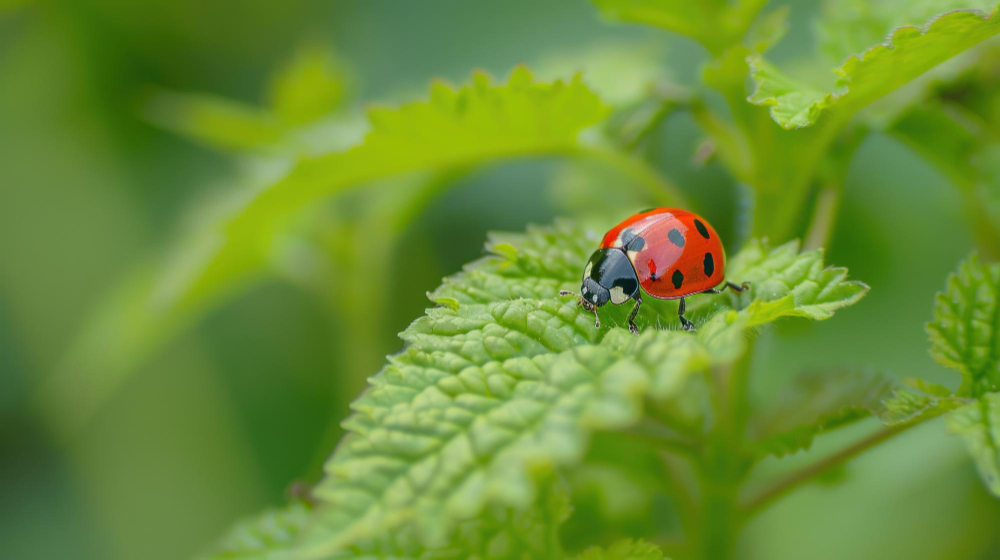
A large, variable species was introduced to several continents as a biological control agent and has spread extremely rapidly, becoming one of the most widespread invasive insects there is.
It eats aphids, and it also eats the eggs and larvae of other ladybirds, and it tolerates conditions they do not. Several native species have declined substantially where it has arrived, which is a well-documented and unintended consequence of deliberate introduction.
12. Nearly Every Culture Treats Them as Lucky
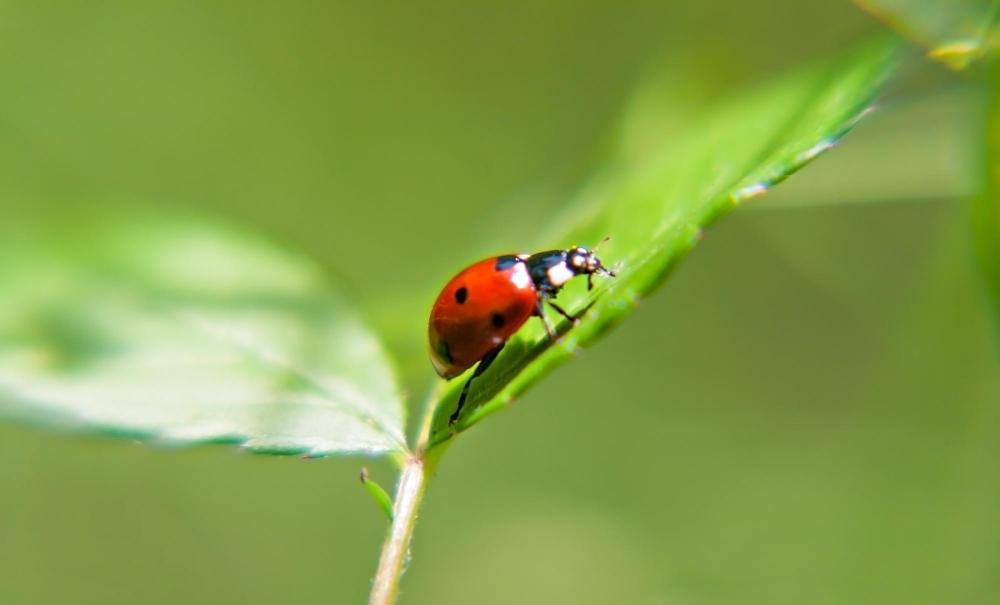
Across a great many unconnected traditions the same small beetle is regarded as fortunate, is not killed, and is associated with good weather, good harvests or news of some kind.
The likely reason is agricultural rather than mystical. An insect that visibly removes the things eating a crop, and which is harmless, conspicuous and easy to recognise, is exactly the kind of animal a farming society would notice and look kindly on.
A Predator That Advertises Its Own Bad Taste
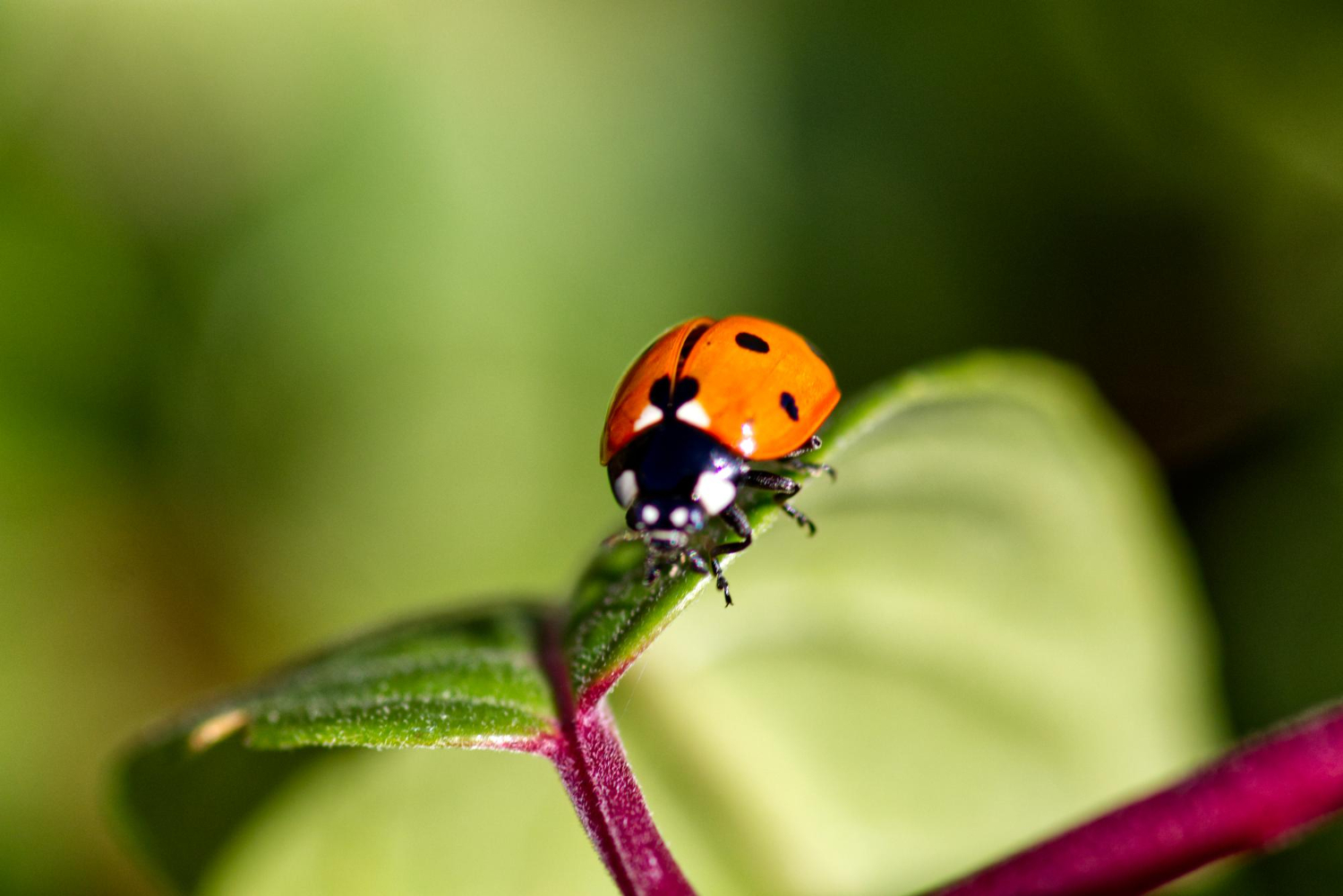
A fixed pattern identifying the species rather than counting years, spots on a wing case rather than a back, a larva nobody recognises doing most of the hunting, defensive fluid released from the leg joints, and winter spent in a heap of hundreds.
The fifth item is the one that explains the smell on your fingers. A ladybird that feels threatened releases a drop of bitter fluid from the joints of its legs, deliberately and under control – it is not hurt and it is not leaking, it is making the point that it is not worth eating, and the colour on its back is the advertisement for exactly that.
Like our content? Follow us for more.