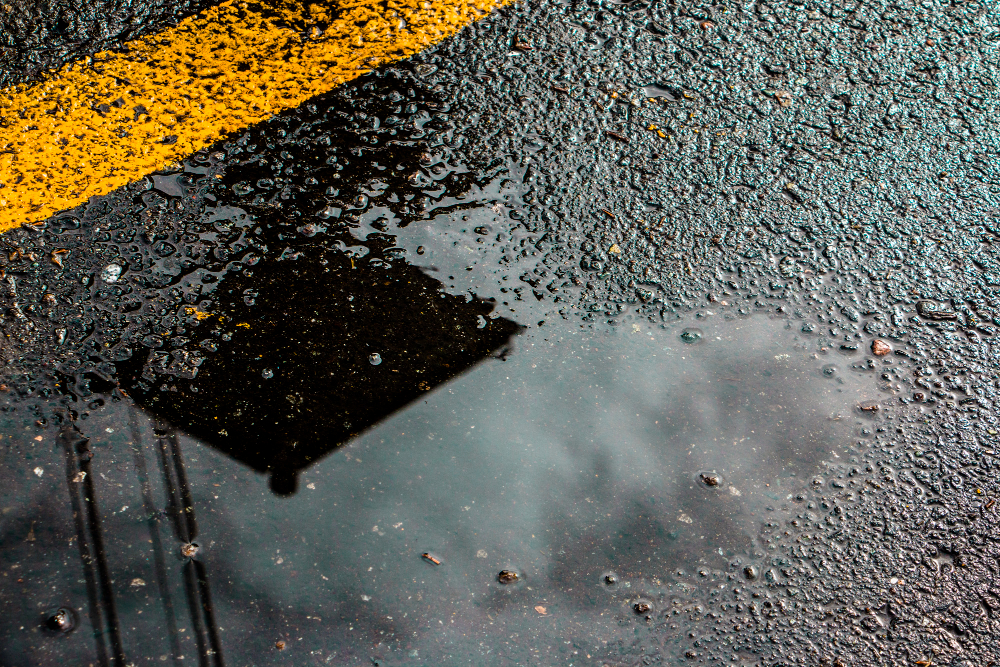
It is not where the rain fell, it is where the water could not leave. Here are eleven.
1. It Marks a Low Point, Not a Wet Spot
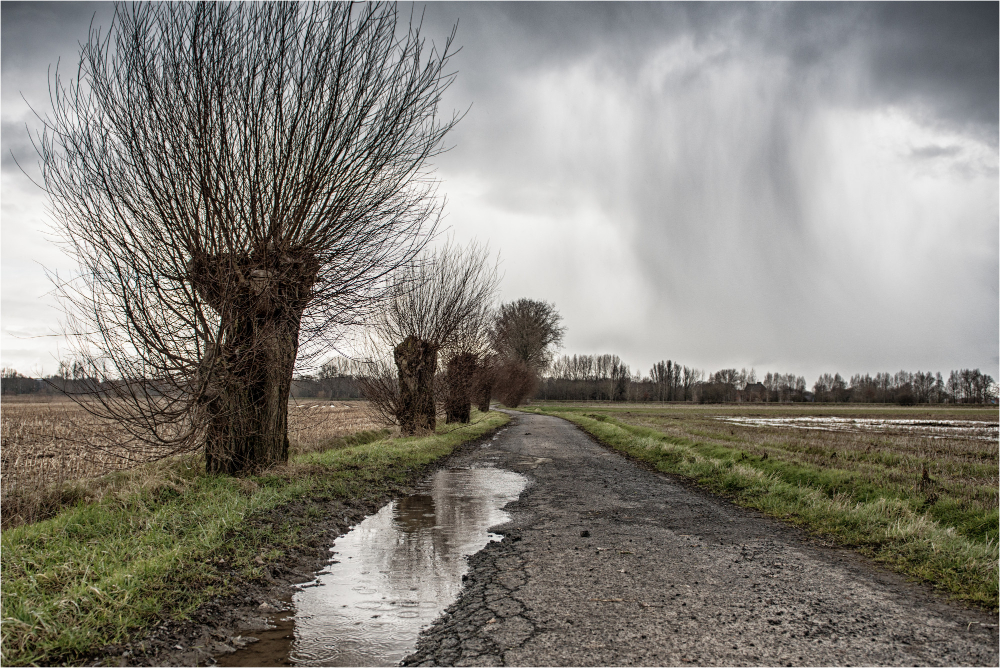
Water standing anywhere means two things are true: the ground there is lower than the ground around it, and nothing is taking the water away downward or sideways.
Which means a puddle is a survey instrument. It finds the local low point with absolute accuracy, better than any eye, and it does so every time it rains.
Like our content? Follow us for more.
2. The Same Puddles Come Back for Years
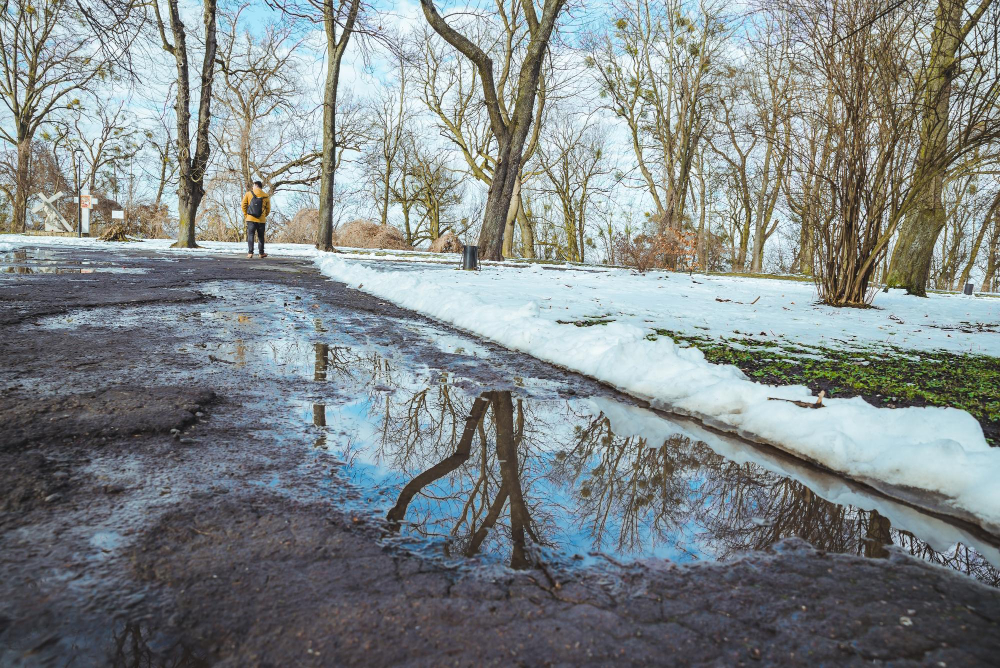
They are not random. A given path or verge will produce the same puddles in the same places for decades, because the cause is a fixed feature of the ground rather than a weather event.
So a familiar puddle is a long-term observation. If one appears somewhere new, something underneath has changed, and that is frequently the first visible sign of it.
3. A Puddle in the Middle of a Path Means Compaction
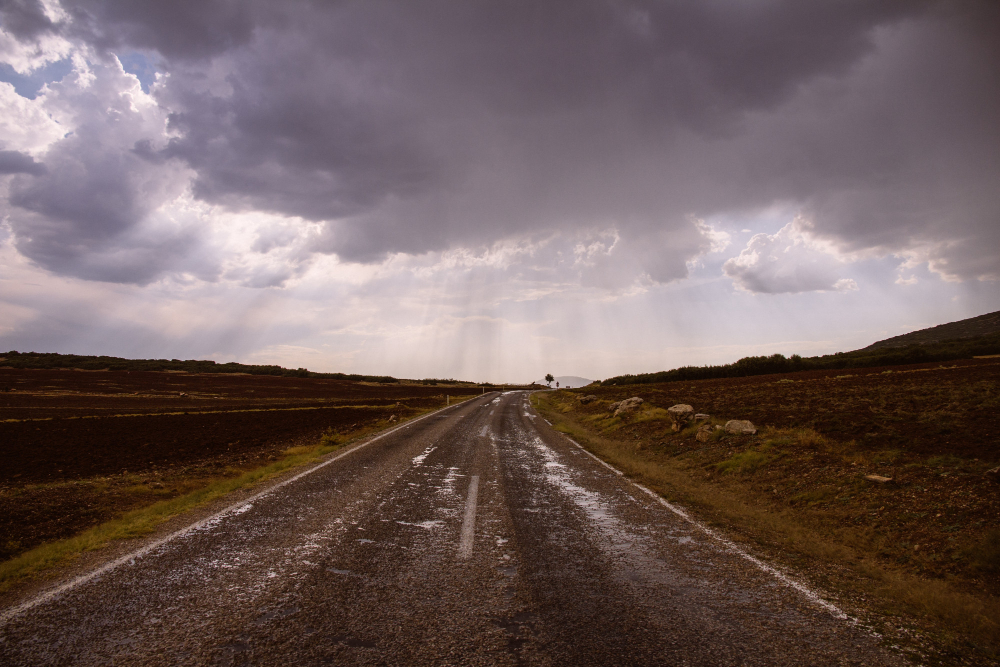
The commonest cause on any walked or driven surface is that the soil has been pressed together until the gaps between its particles are too small for water to pass through.
Compacted ground is not full; it is sealed. The water has nowhere to go downward, so it sits. Which is why puddles form on the busiest line of a path and not on the untrodden ground a metre away, even though that ground received the same rain.
4. Which Is Why the Worst Puddles Are Where People Walk
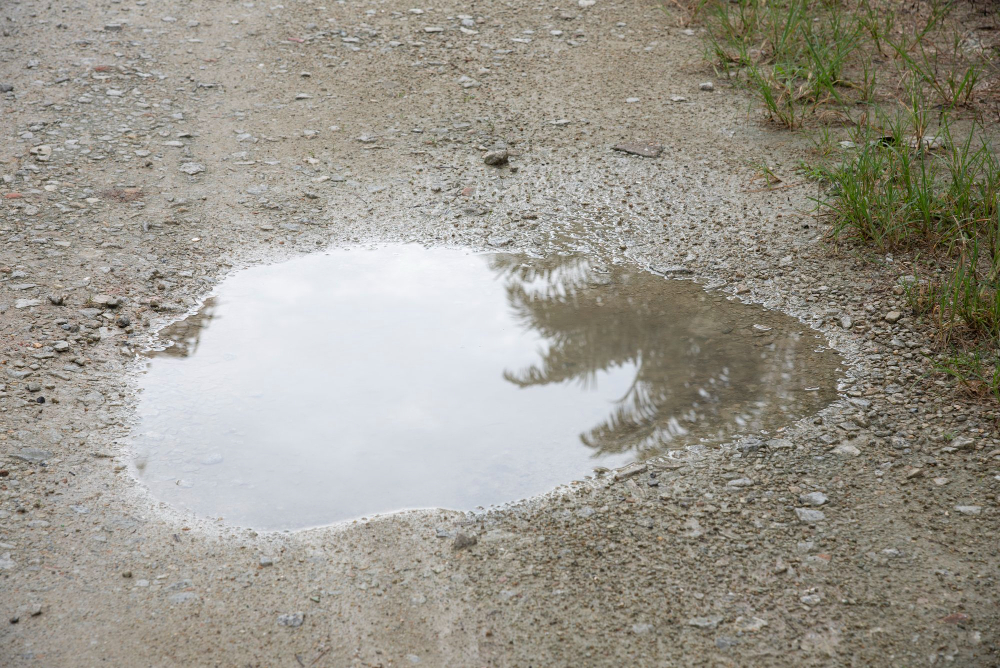
The feedback loop is the thing. A puddle forms on the trodden line, people walk round the edge to avoid it, the ground beside it is compacted in turn, and the puddle widens.
Every muddy path that has become three times its original width did it this way, one step at a time, and the widening is a record of avoidance rather than of use.
5. A Puddle That Lasts Days Is Sitting on Clay
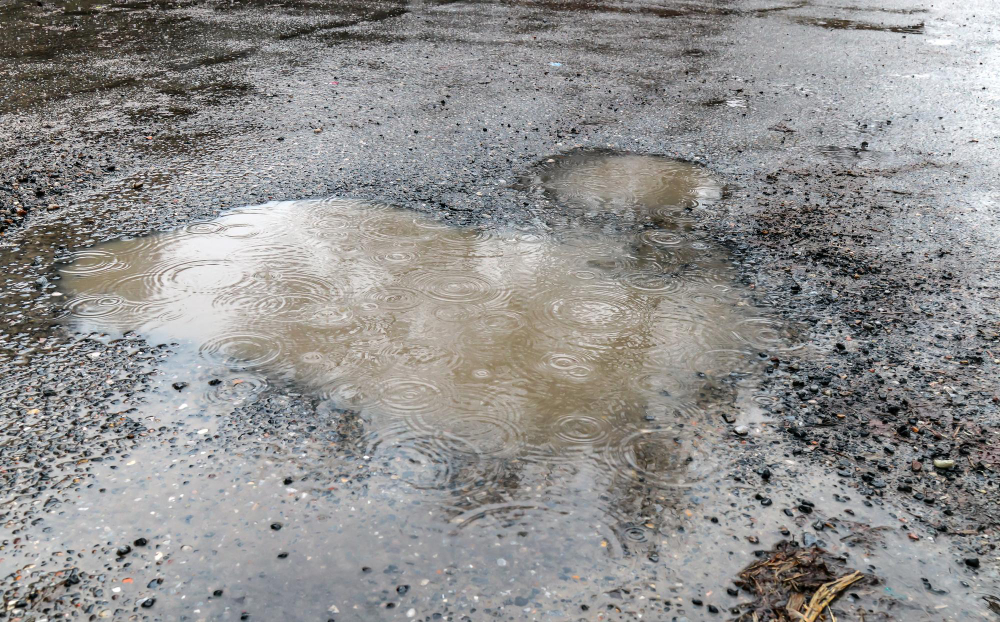
Clay particles are extremely small and flat, and they pack with pores so fine that water moves through them very slowly indeed.
So a puddle on clay is not blocked by compaction but by the material itself, and it will stand for days after the rain has stopped. The same volume of rain on sand disappears in minutes.
6. And One That Vanishes in an Hour Is Sitting on Something Coarse
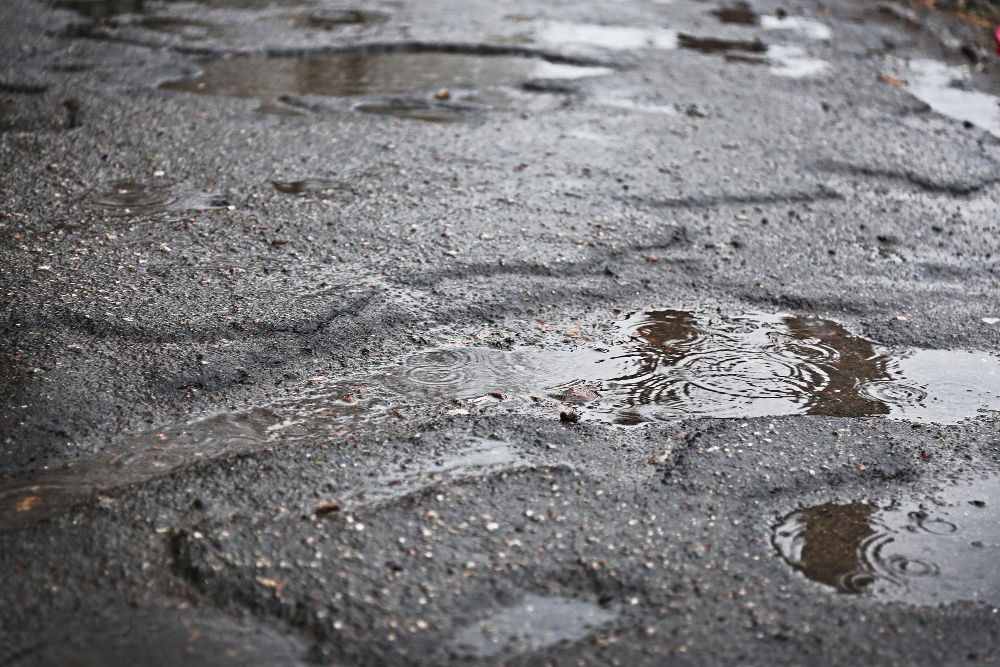
Large particles leave large gaps, and large gaps drain fast. A puddle on gravel, sand or a well-made surface over coarse material will be gone almost as soon as the rain stops.
Which means the time a puddle takes to disappear is a direct measurement of what is underneath it, and it is a more reliable one than digging a single hole.
7. A Puddle on Dry Ground Is the Opposite Problem
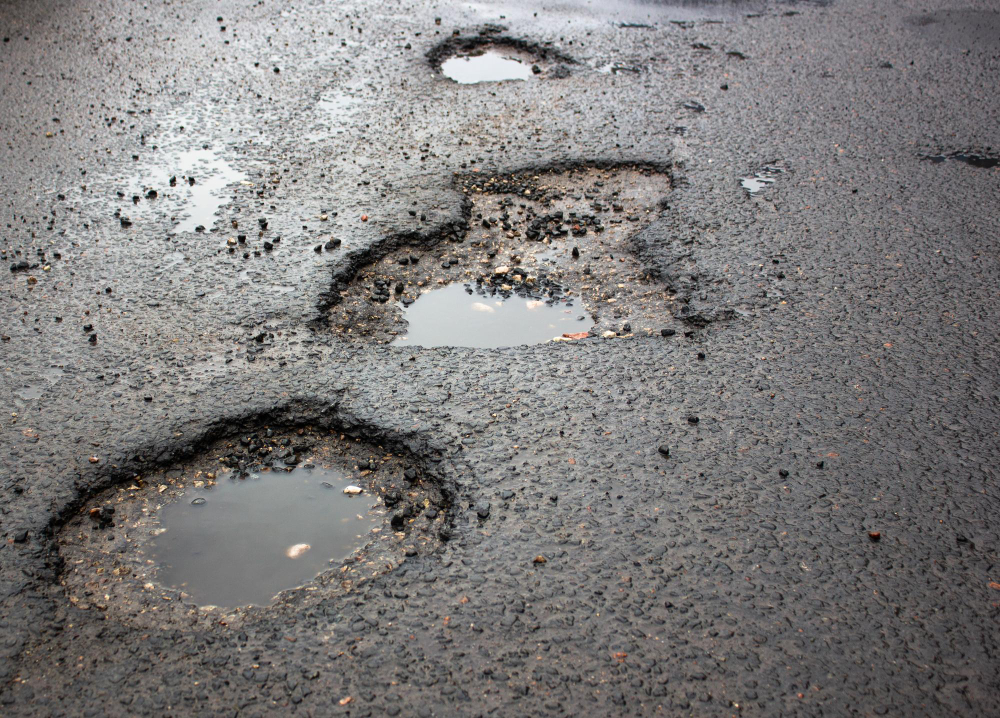
After a long dry spell, rain frequently sits on the surface rather than soaking in, which seems backwards and is not.
Very dry soil can become water-repellent, because organic material in it forms coatings that shed water until they are properly wetted. Which is why the first heavy rain after a drought runs off and puddles, and the second one soaks in.
8. The Edge Tells You Whether It Is Filling or Falling
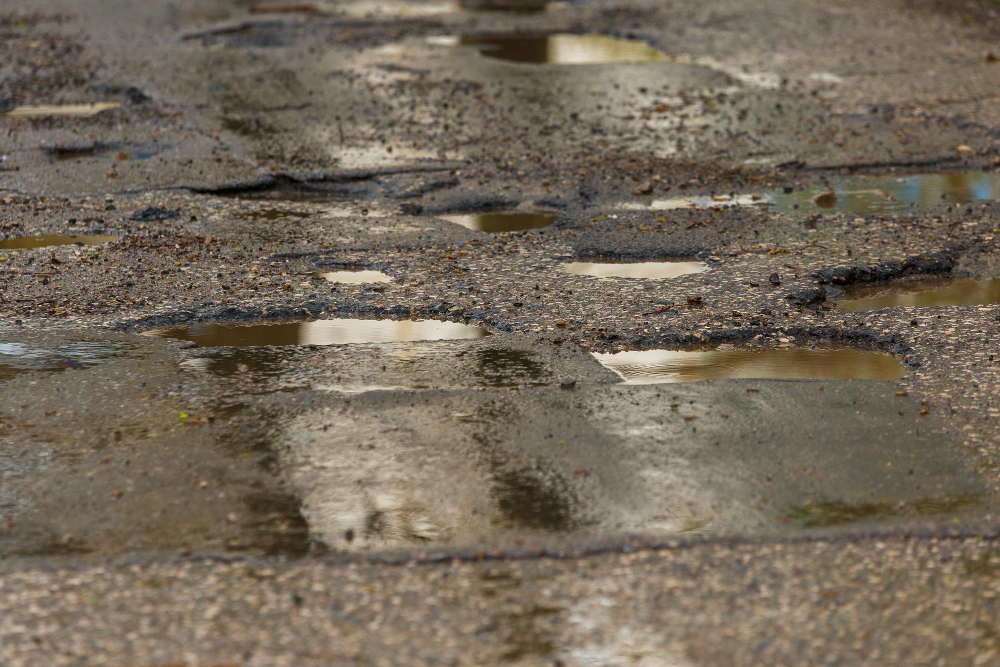
A puddle that is still growing has a clean sharp edge with wet ground beyond it. One that is shrinking has a dark damp margin outside the water, where the edge used to be.
And one that has been standing for a while develops a fine pale rim as the water evaporates and leaves behind whatever was dissolved in it. The rim is the residue of everything the water carried.
9. The Position Tells You About the Camber
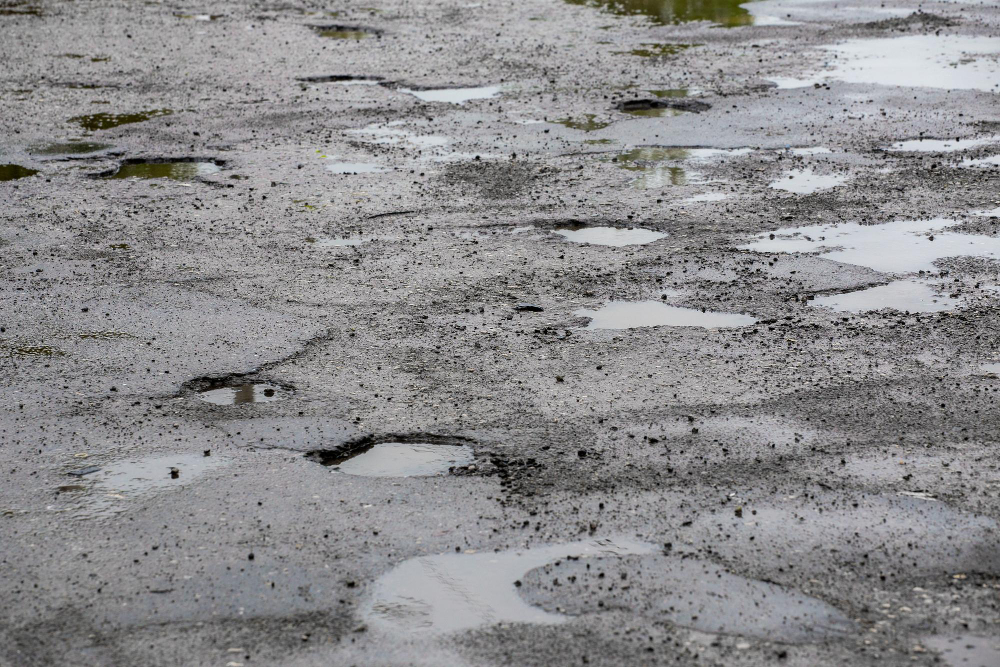
On a road or paved area, water standing in a particular place is reporting that the surface does not fall the way it was supposed to.
Surfaces are built with a deliberate slope so that water runs to a channel. A puddle means the slope is wrong, has settled, or that the channel is blocked, and a line of puddles along a kerb is a straightforward statement about the drainage.
10. A Puddle Beside a Tree Is Frequently About Roots
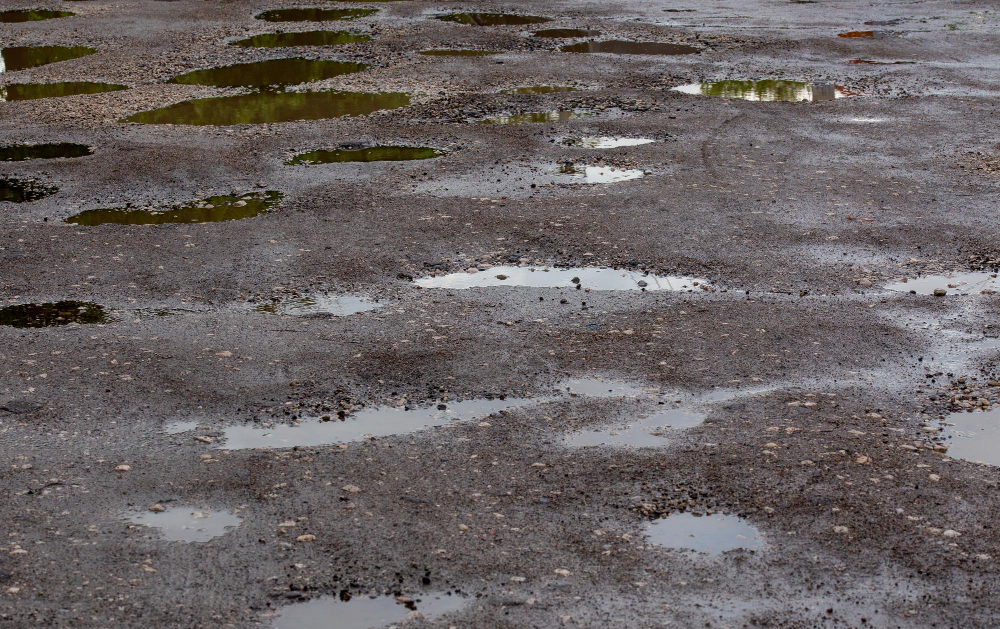
A puddle appearing at the base of a large tree, or along a line radiating from one, usually has roots involved.
Roots lift and crack a surface from below, creating the depression, and the compacted soil over them does not drain. The puddle sits above the root rather than next to it, which is why the pattern is a line rather than a patch.
11. And a Puddle That Is Always There Is Not a Puddle
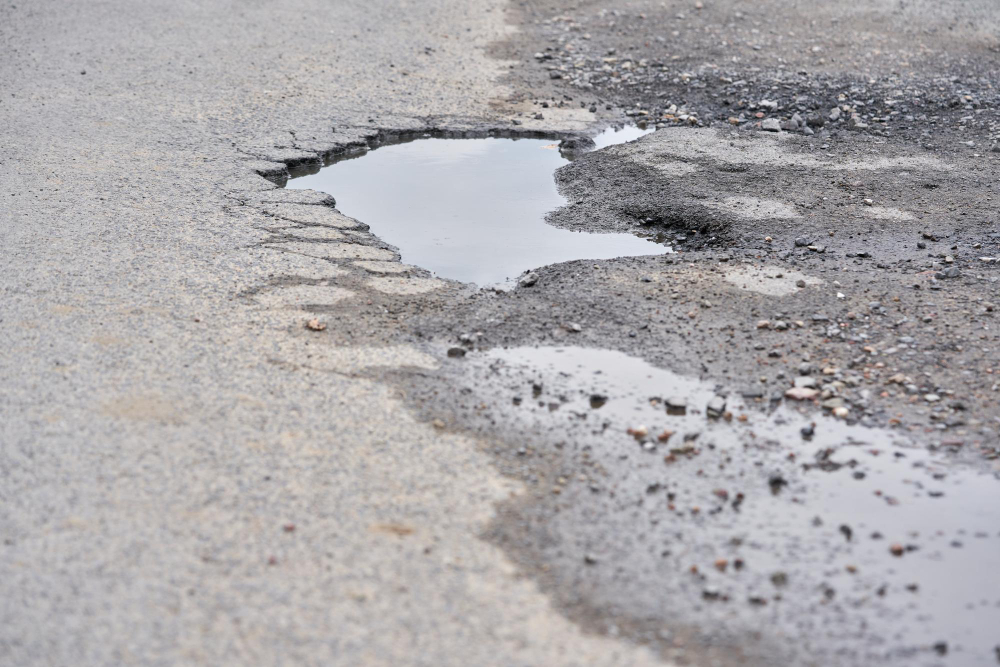
If a depression holds water for weeks at a time, through dry weather, it has stopped being surface water and has met the water table, or it is being fed by something.
Which is a different thing entirely, and in ecological terms a considerably more interesting one, because anything that holds water reliably for long enough stops being a nuisance and starts being a habitat.
A Survey Instrument That Appears Whenever It Rains
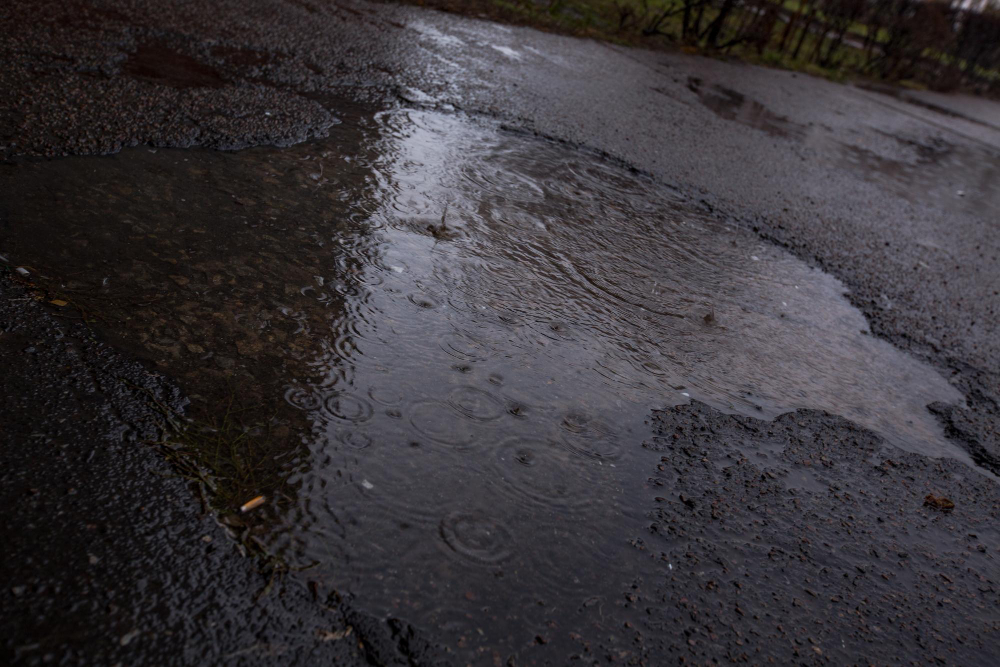
A low point found with perfect accuracy, the same positions returning for decades, compaction sealing a path rather than filling it, drainage time reporting on the material below, and a pale rim left by everything the water carried.
The third and fourth items together explain every ruined footpath there is. Compacted ground is sealed rather than saturated, so the puddle forms exactly on the line people walk – and then everybody steps round it, compacting the edges, which widens it. A path three times its original width is a record of avoidance rather than of use.
Like our content? Follow us for more.