

It does not care about cheese, cannot be sick, and navigates by urine. Here are ten.
1. It Is Not Especially Interested in Cheese
Offered a choice, a mouse will go for grain, seeds, cereal, and anything sweet or fatty long before it goes for cheese. Cheese is somewhere in the middle of the list at best.
The association almost certainly comes from storage rather than from preference. In a period when grain was in sacks and sealed jars and cheese was a strong-smelling lump sitting under a cover on a cold shelf, the cheese was both the most detectable and the most reachable thing in the room. The mouse was not choosing it. It was taking the available option, and several centuries of cartoons did the rest.
Like our content? Follow us for more.
2. It Cannot Be Sick
Mice cannot vomit. Not reluctantly, not rarely – the capacity is absent. They lack both the muscular arrangement and the brainstem wiring that the action requires.
Which has a large consequence for how they live. An animal that cannot eject something it has swallowed has no second chance, so it has to get the decision right beforehand – which is why mice sample tiny amounts of anything new, wait, and come back later if nothing happened. The caution people read as cleverness is a direct consequence of a missing reflex.
3. It Needs Almost No Water
A house mouse can live indefinitely on dry stored food and never drink. It extracts enough water from the food itself and from its own metabolism to get by.
This is why the animal is so difficult to exclude from anywhere that holds dry goods. There is no need for a water source, which removes the single constraint that limits most animals to particular places, and it is a large part of how the species reached every inhabited part of the planet in the holds of ships.
4. It Fits Through a Gap the Width of a Pencil
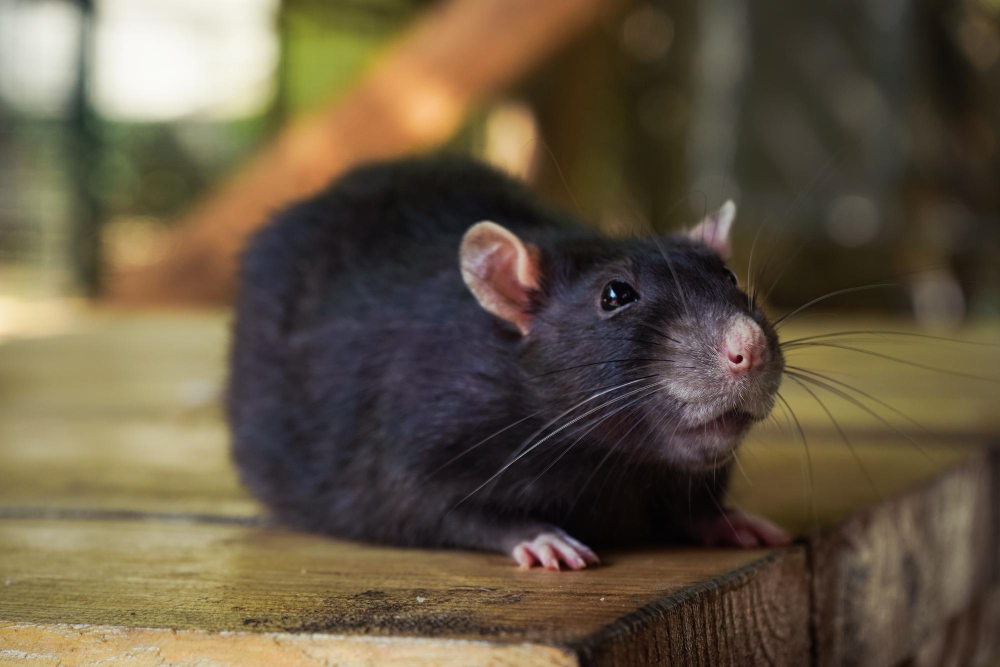
An adult mouse can pass through an opening of about six or seven millimetres. If a pencil goes through, so does the mouse.
The limiting dimension is the skull, because the rest of the animal is soft and compressible and the ribs will flex. Which means the mental model of a mouse-sized hole is wrong by a wide margin: people look for something a mouse could walk through, and the actual requirement is a gap you would not think twice about.
5. It Leaves a Continuous Trail of Urine, and That Is Navigation
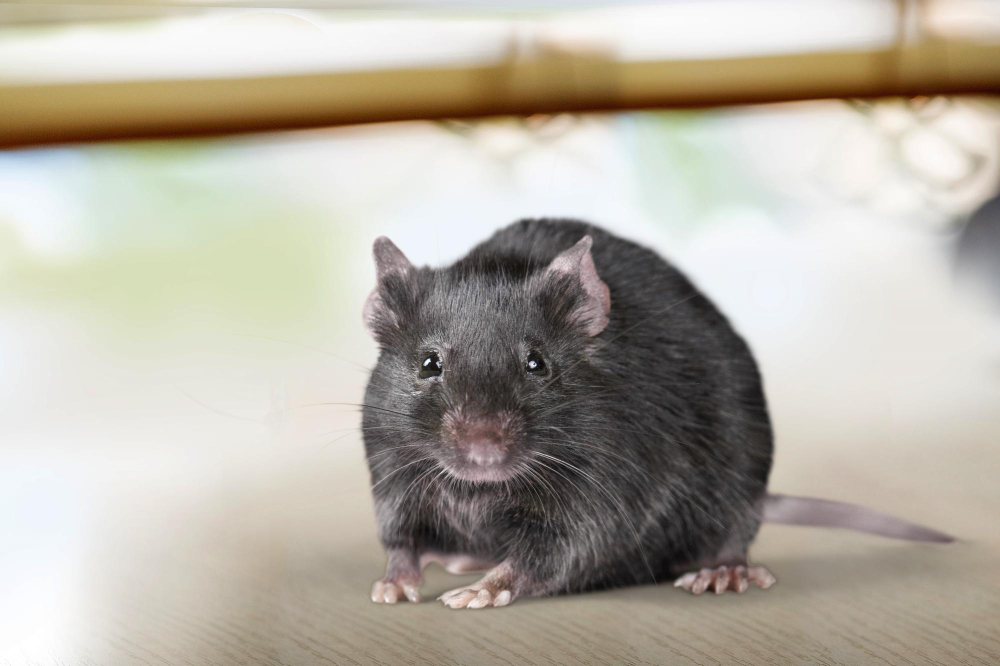
A mouse dribbles as it goes, more or less all the time, and the trail is not incontinence in the way it sounds. It is infrastructure.
The marks are a chemical record of where the animal has been, who else has been there and how recently, and mice follow them. A mouse moving along the same line night after night is reading its own earlier trail and adding to it. The result is a scent map built directly onto the floor, continuously updated, which is why a mouse in an unfamiliar room moves carefully and a mouse in its own territory moves fast and in the dark without hesitating.
6. Its Front Teeth Never Stop Growing
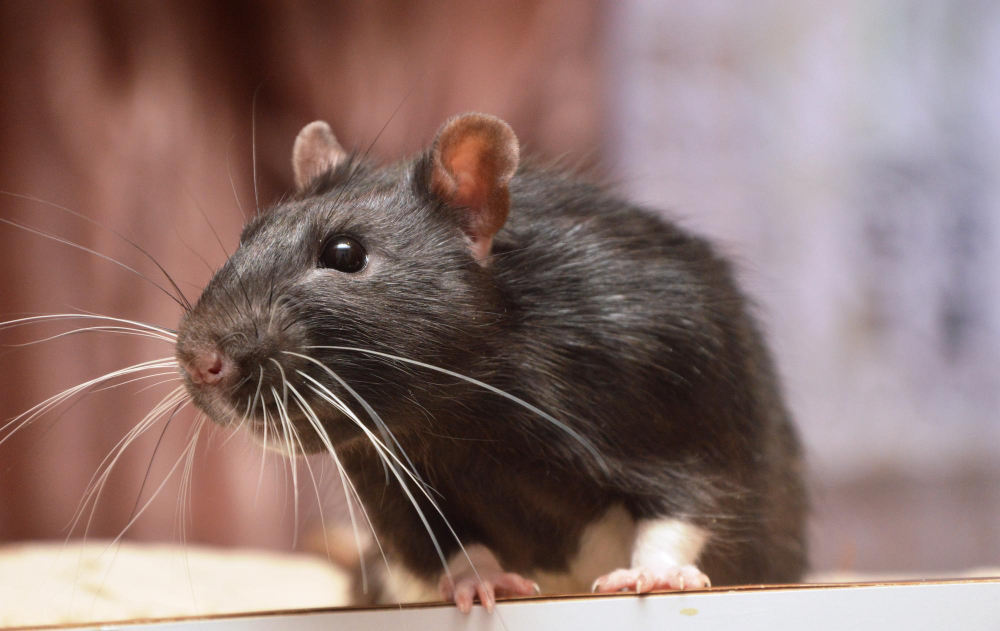
The four front teeth grow continuously throughout life, at a rate that would carry them well past anything useful if nothing wore them down.
So gnawing is not a behaviour, it is maintenance. A mouse has to grind its incisors against each other and against hard objects simply to keep them at a workable length, which is why things get chewed that are plainly not food – plastic, wood, wiring, mortar, soap. It is not exploration and it is not appetite. It is filing.
7. It Hears and Talks Above the Range of Your Ears
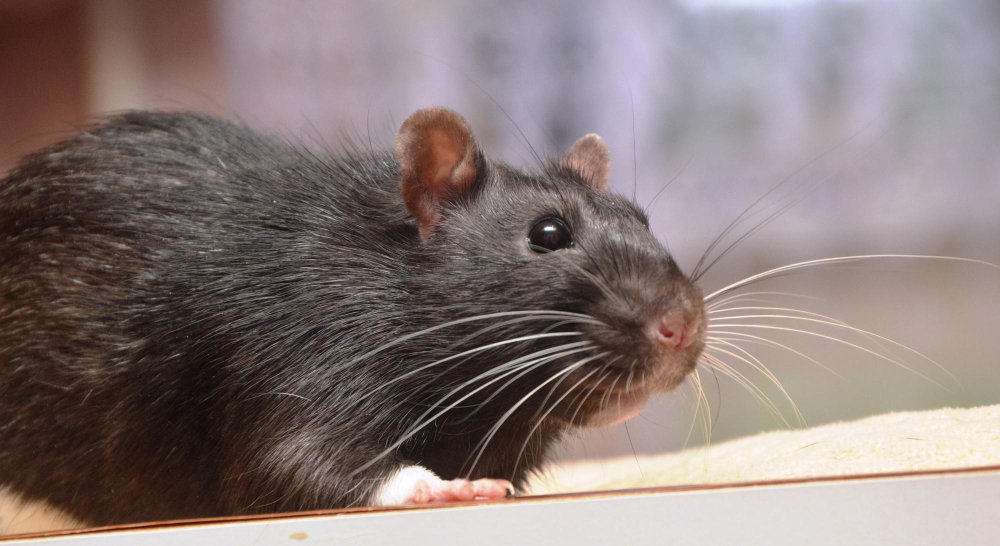
Mouse hearing extends far into ultrasound, well beyond anything a person can detect, and mice vocalise up there too.
Which means a room that sounds empty to you may be noisy. Pups call ultrasonically when separated, adults use it in disputes, and males produce long structured sequences during courtship that researchers describe as songs, with repeated phrases and recognisable patterns. All of it is inaudible to the species sharing the building, and essentially none of it was known until equipment existed that could hear it.
8. It Has Been Living With People Since Before Farming
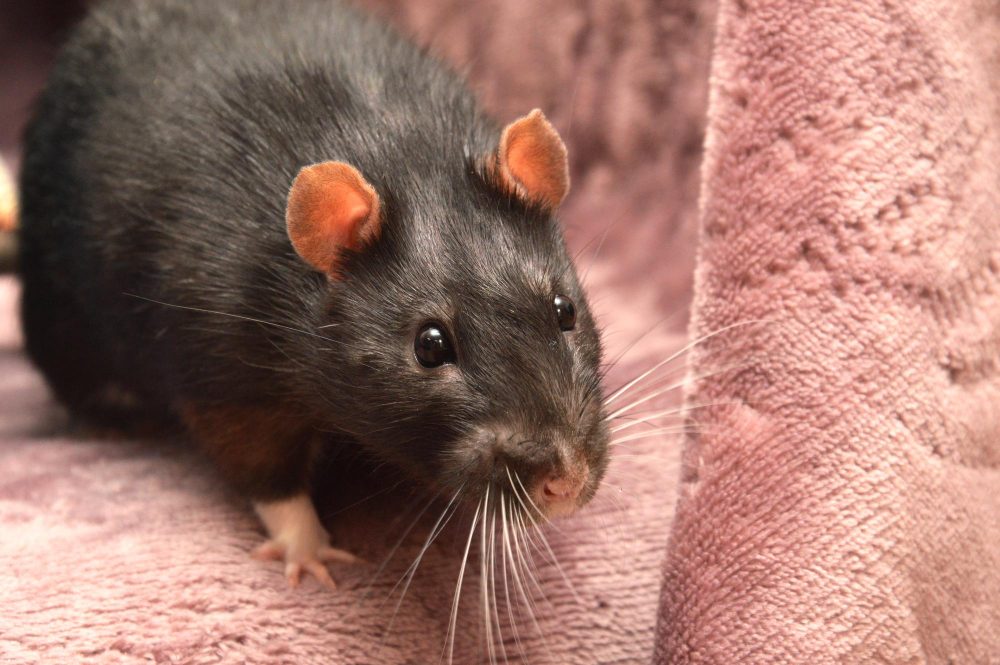
The house mouse is not a wild animal that moved indoors when agriculture arrived. The association is older than that.
Archaeological work in the Near East has traced commensal house mice to settlements of hunter-gatherers who had stopped moving around but had not yet started farming, several thousand years before cultivation. The mouse did not follow the crop. It followed the habit of staying in one place and leaving food there, which is a subtly different and considerably older thing, and it means this animal has been in human buildings for essentially as long as there have been human buildings.
9. It Is the Most Studied Mammal on Earth After Us
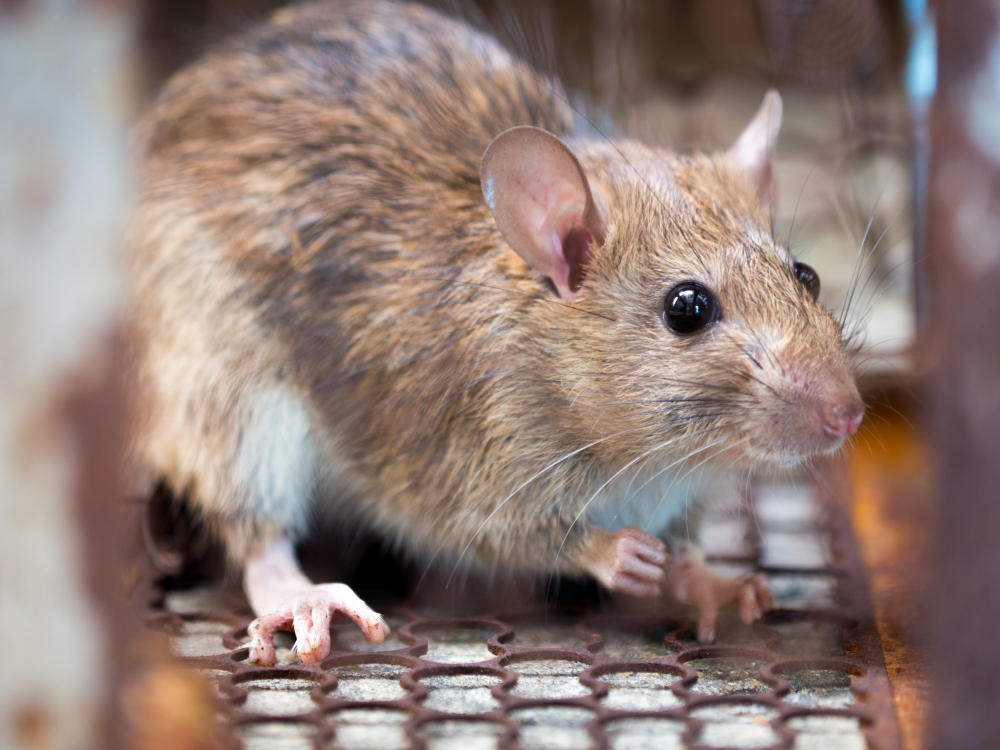
Very nearly everything known about mammalian genetics, development and disease was worked out in this animal, and the overwhelming majority of mammal research of any kind has been done on it.
Which produces a strange asymmetry. The creature behind the skirting board is the best-documented mammal in existence apart from the reader – its genome, its development, its immune system and its behaviour described in more detail than any wild animal anybody admires. It is simultaneously the most studied and the least regarded mammal in the world.
10. It Is Not a Baby Rat
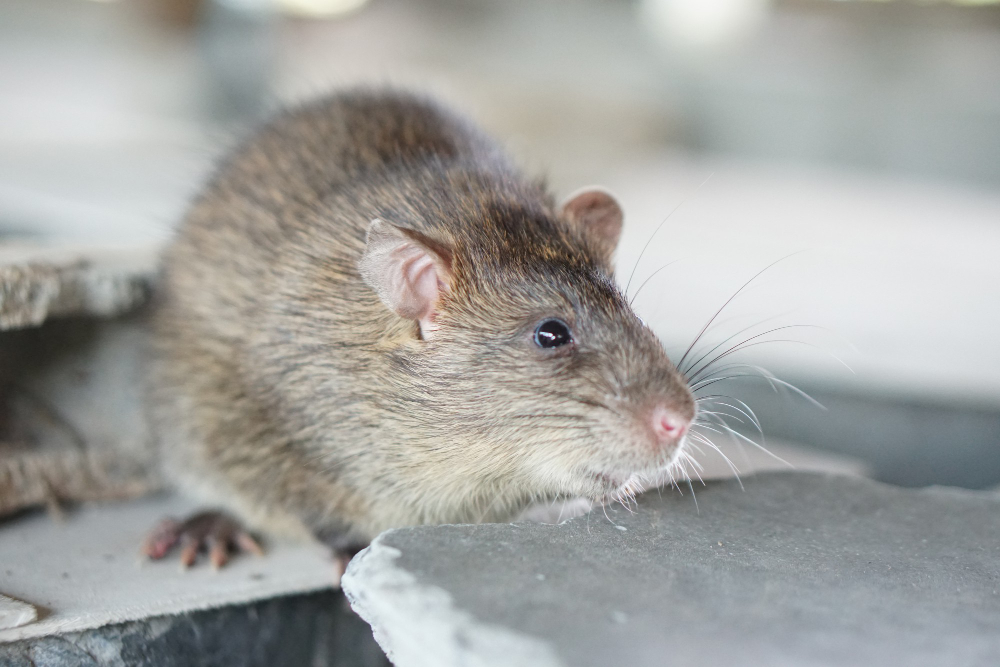
They are different animals in different genera, and a young rat is not a mouse at any stage of its life.
The proportions give it away rather than the size. A mouse has a large head and large ears relative to its body, a thin tail roughly as long as the rest of it, and small feet. A young rat has a head and feet that look too big for it, much thicker tail, and smaller ears for the size of the head. The reliable rule is that a small animal with oversized feet is a young large animal, and a small animal with everything in proportion is a small animal.
The Best-Documented Mammal Nobody Looks At
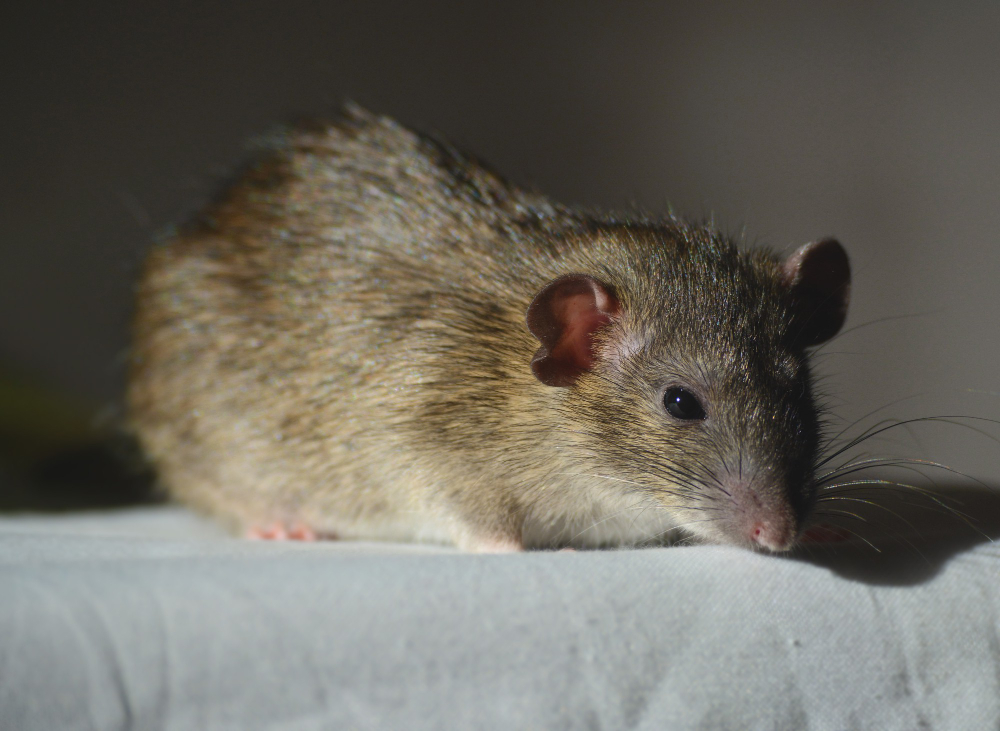
Cheese as a storage accident rather than a preference, no capacity to vomit and therefore extreme caution, no need to drink at all, a six-millimetre gap as an open door, a navigation system made of urine, teeth that must be filed by gnawing, and conversation above the range of human hearing.
The fifth item is the one that changes how you picture the animal. A mouse dribbles urine more or less continuously as it moves, and the trail is not a failure of control – it is the map. The marks record where it has been, who else passed and how long ago, and the mouse reads its own earlier trail to get about. That is why one in its own territory can cross a dark room at speed without touching anything, and why one in a strange room moves as though the floor might not be there.
Like our content? Follow us for more.
